
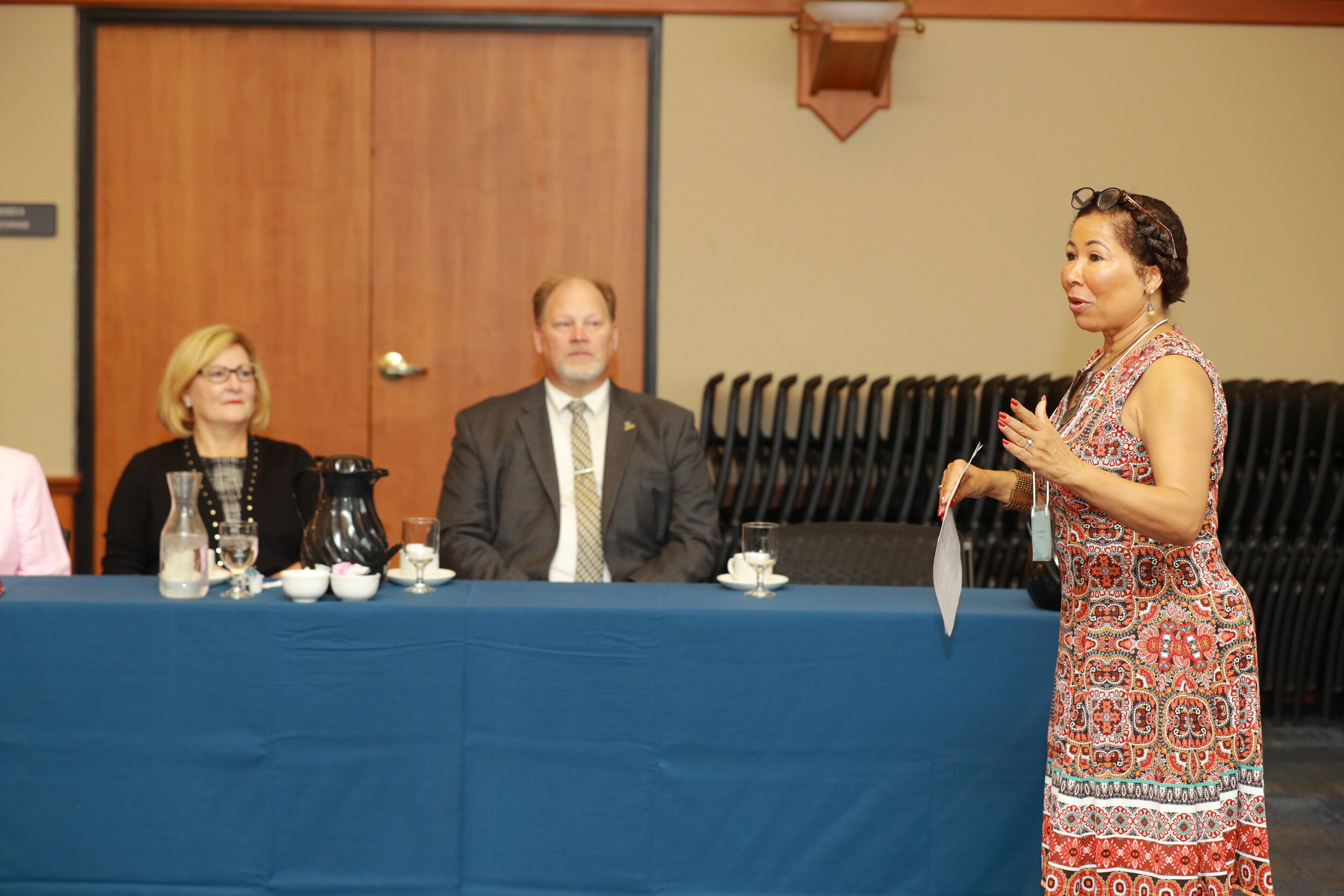
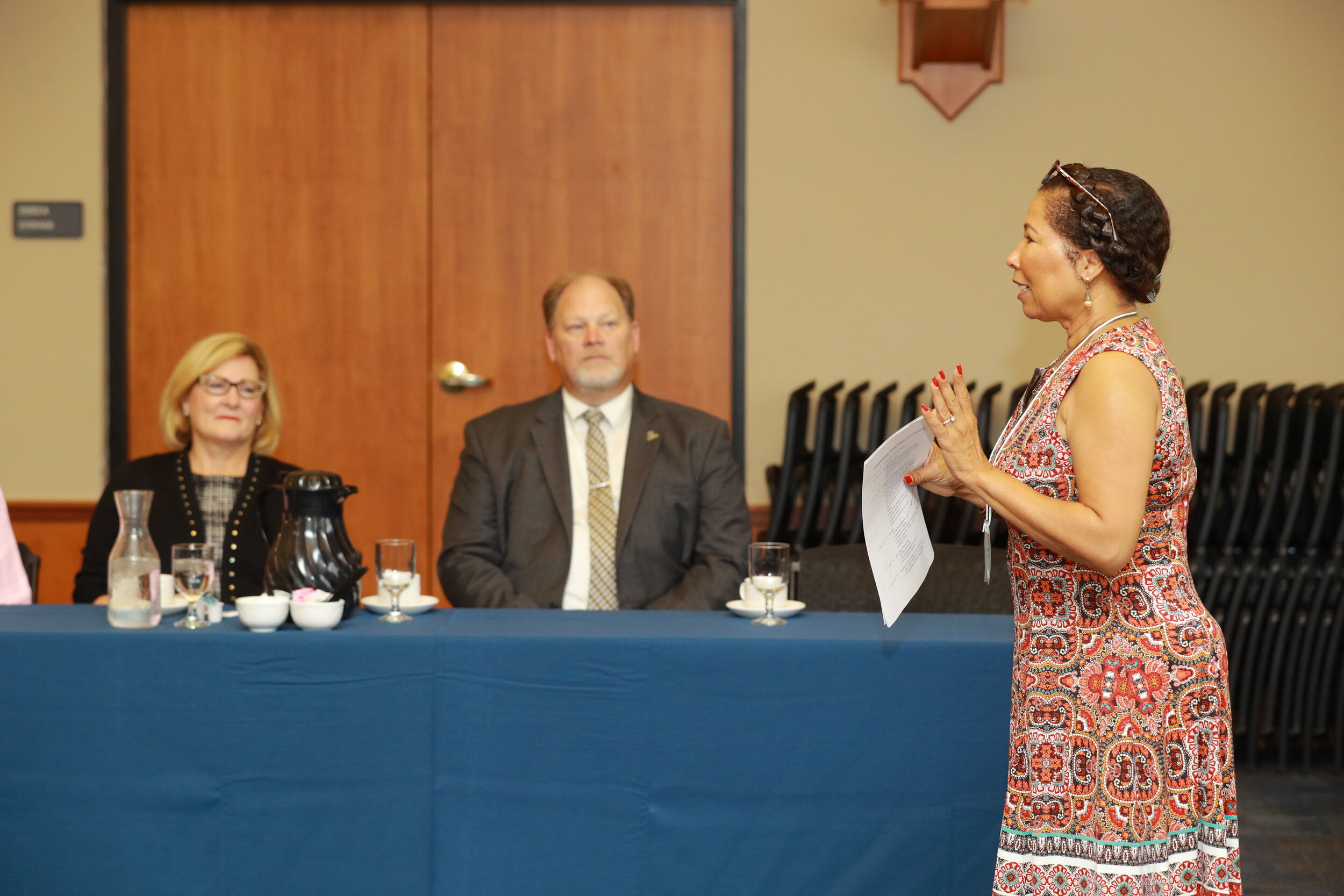
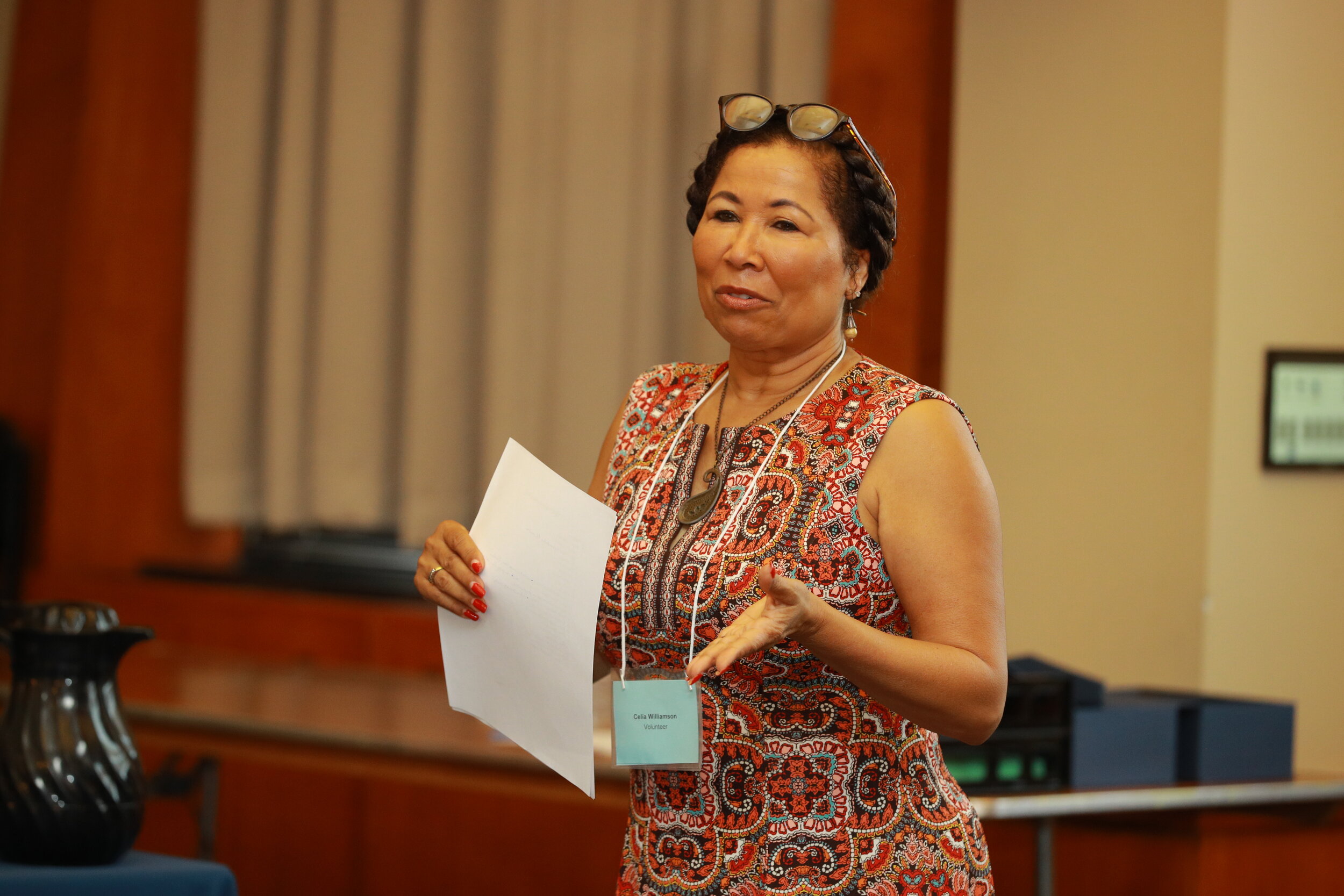
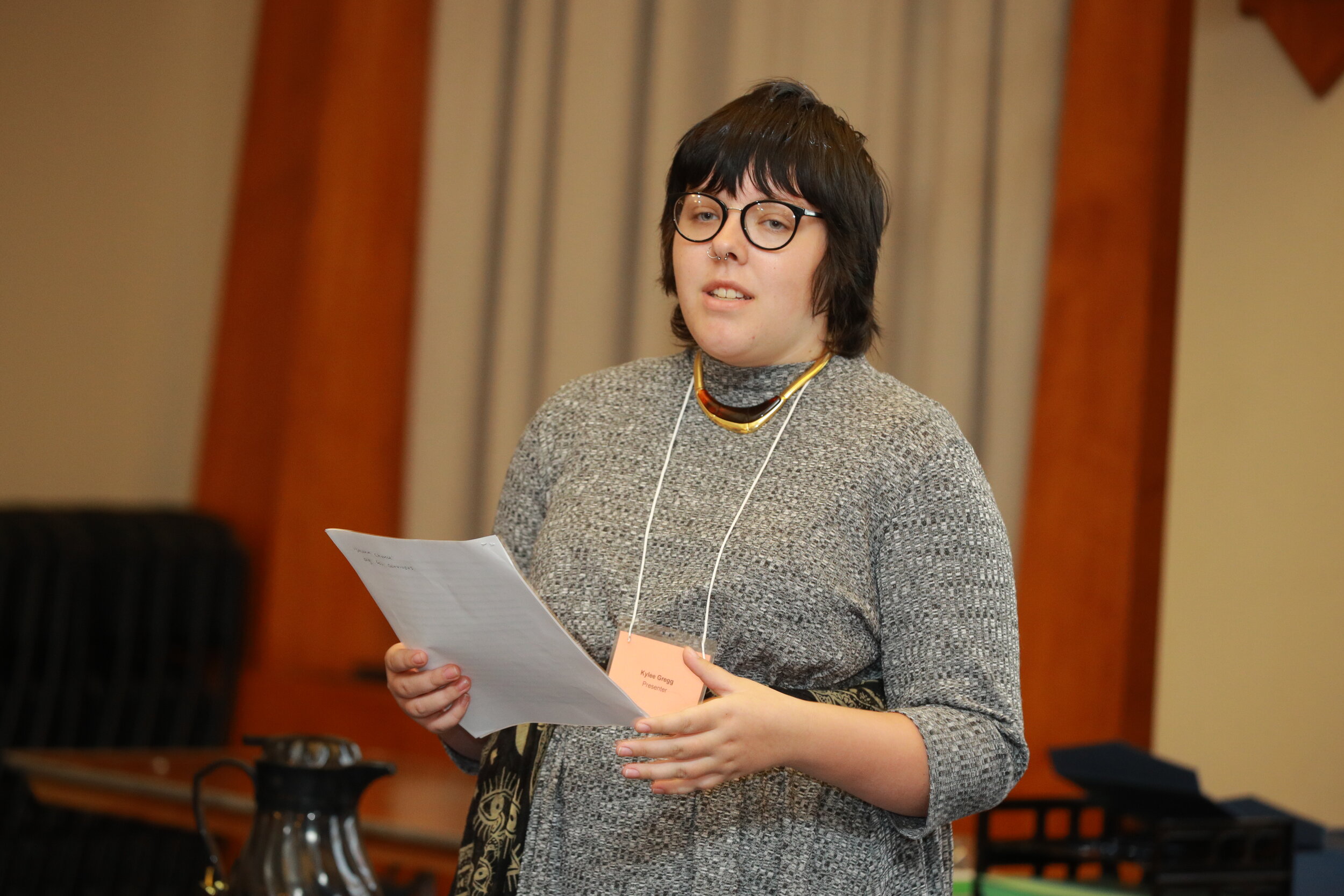
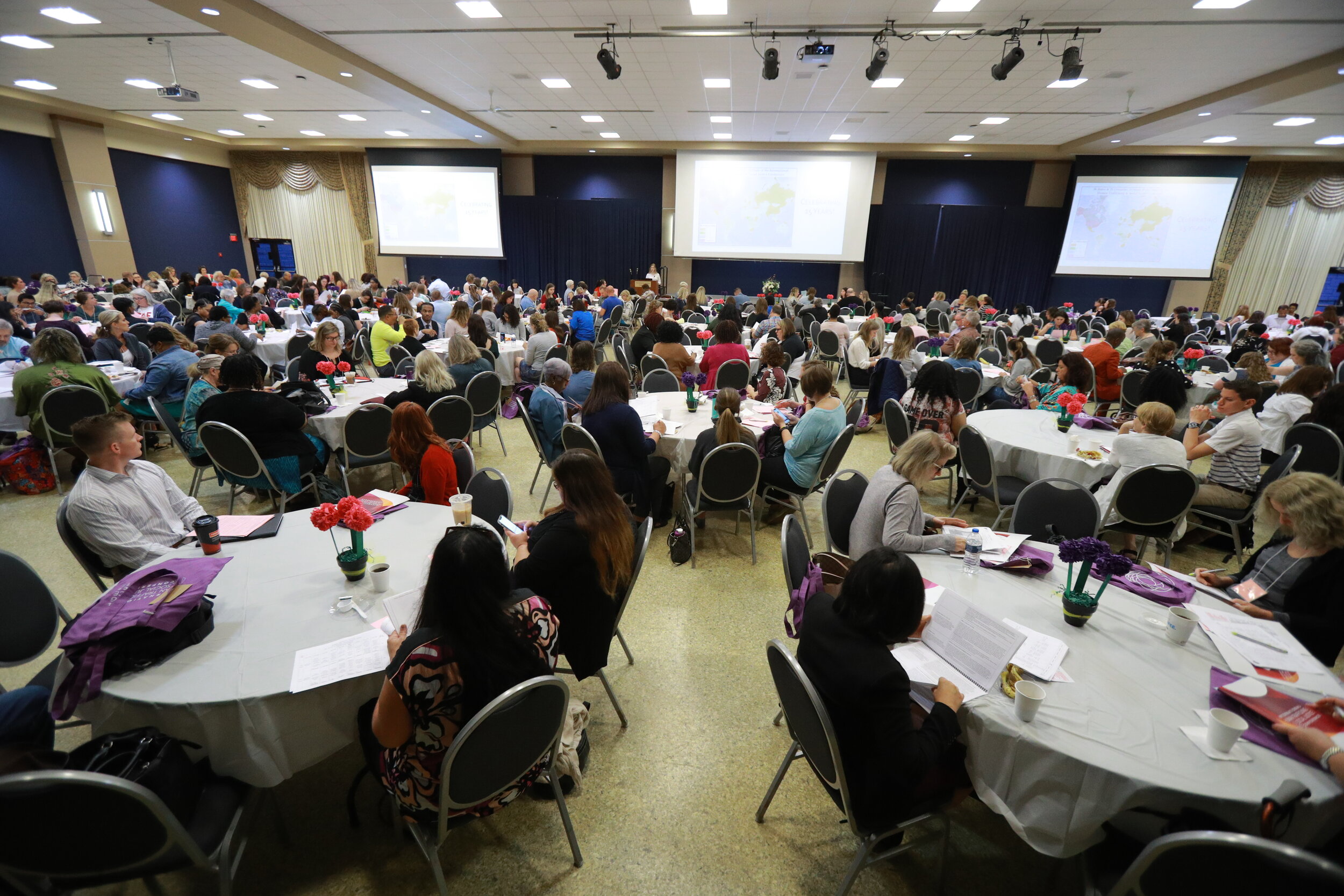
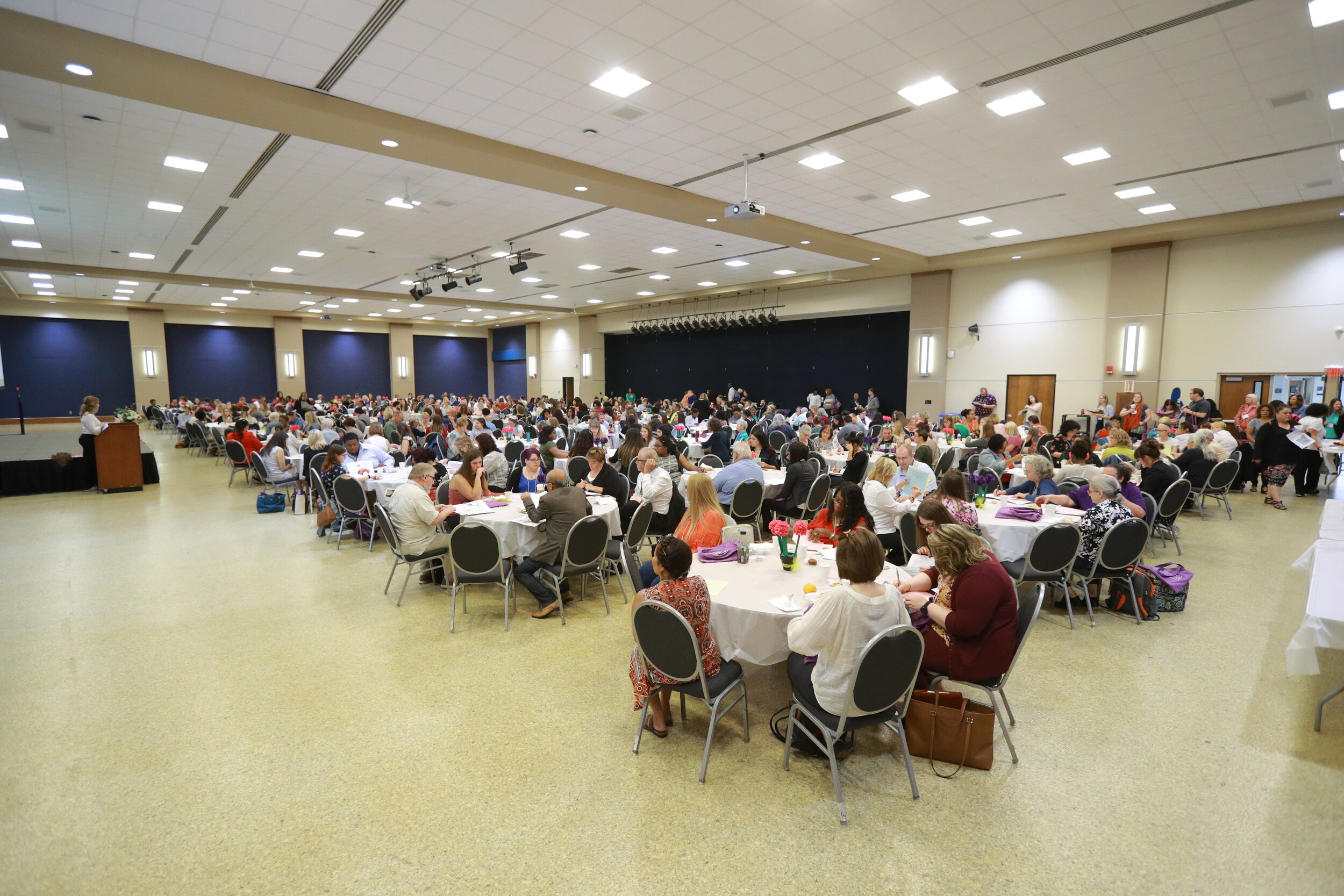
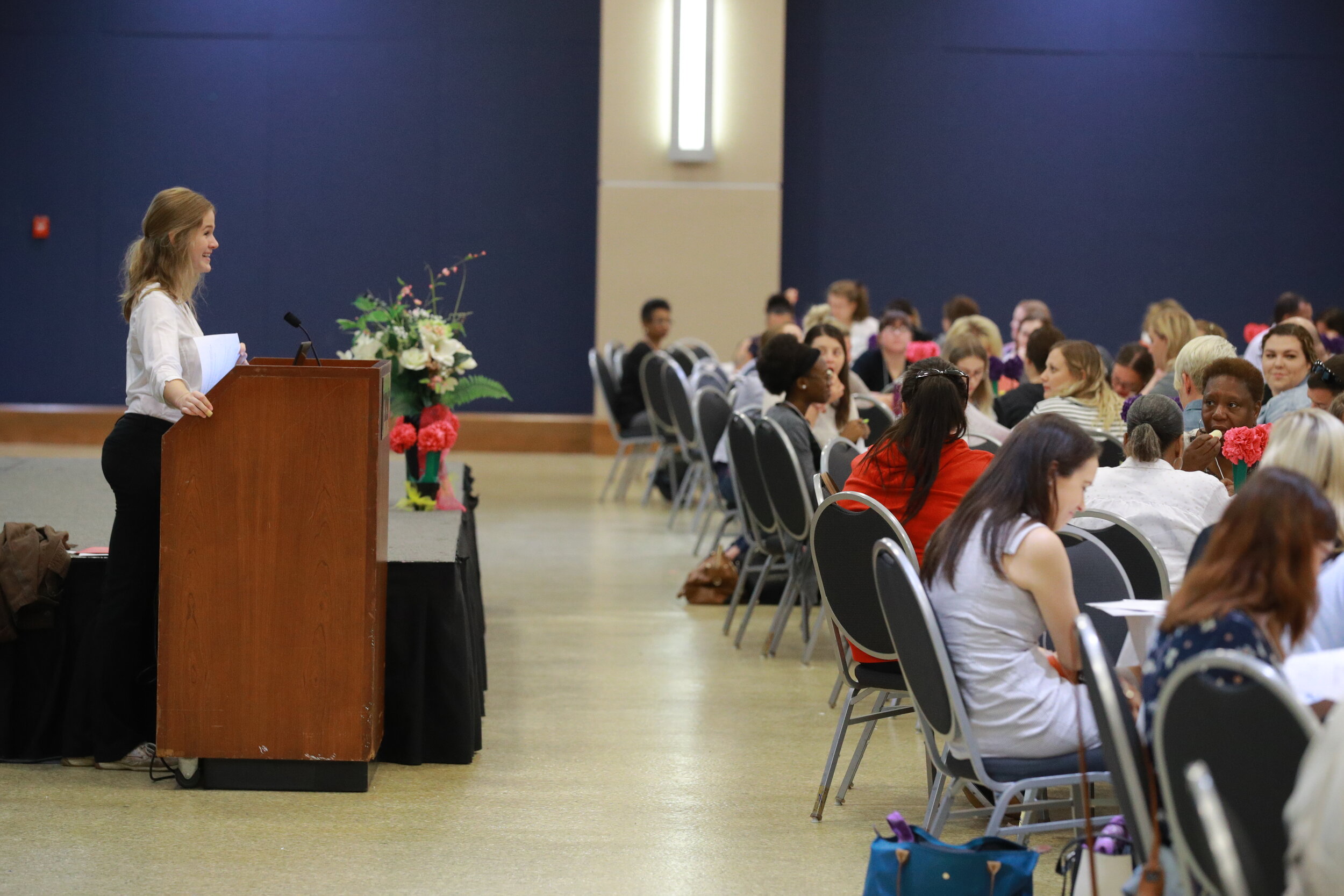
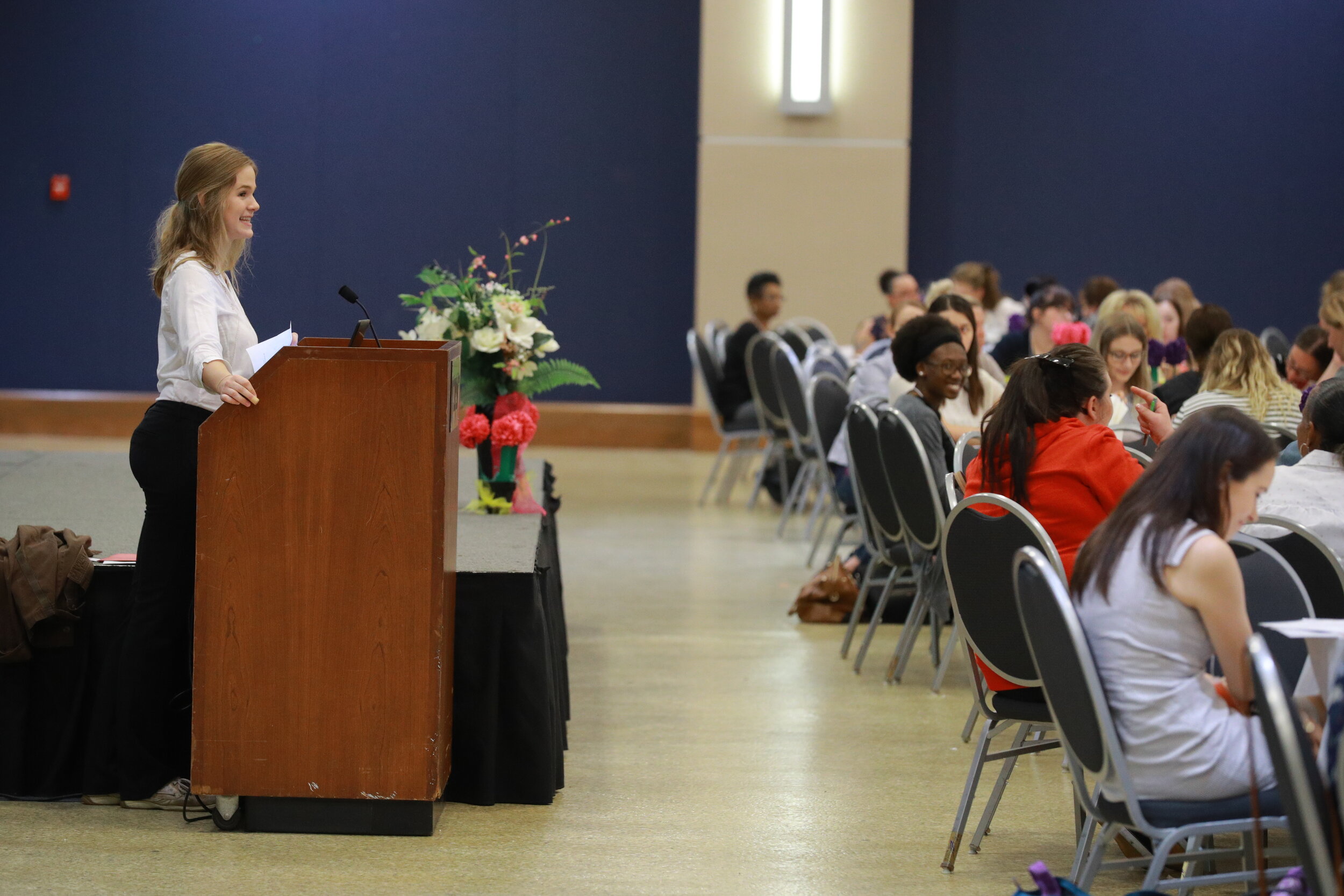
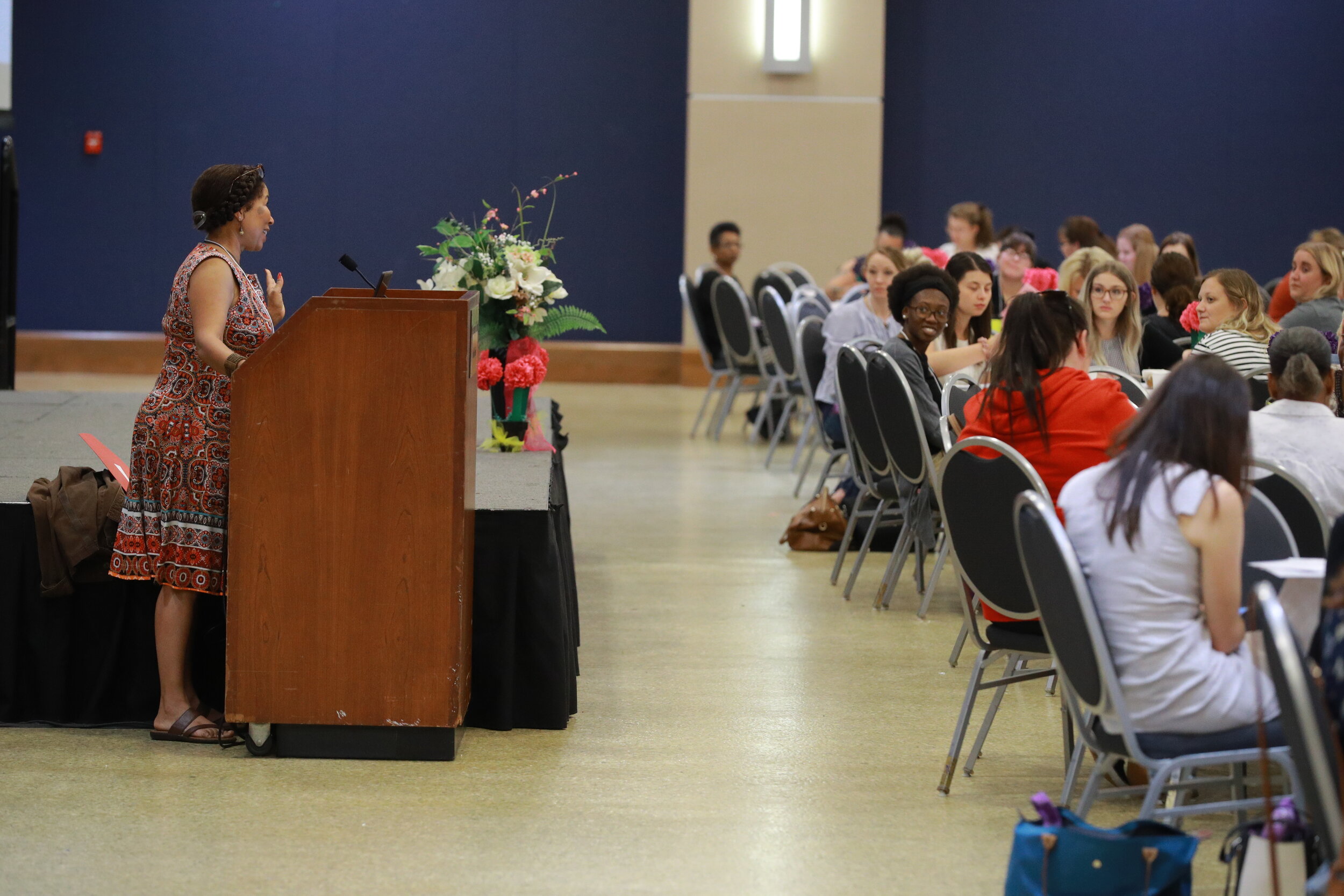
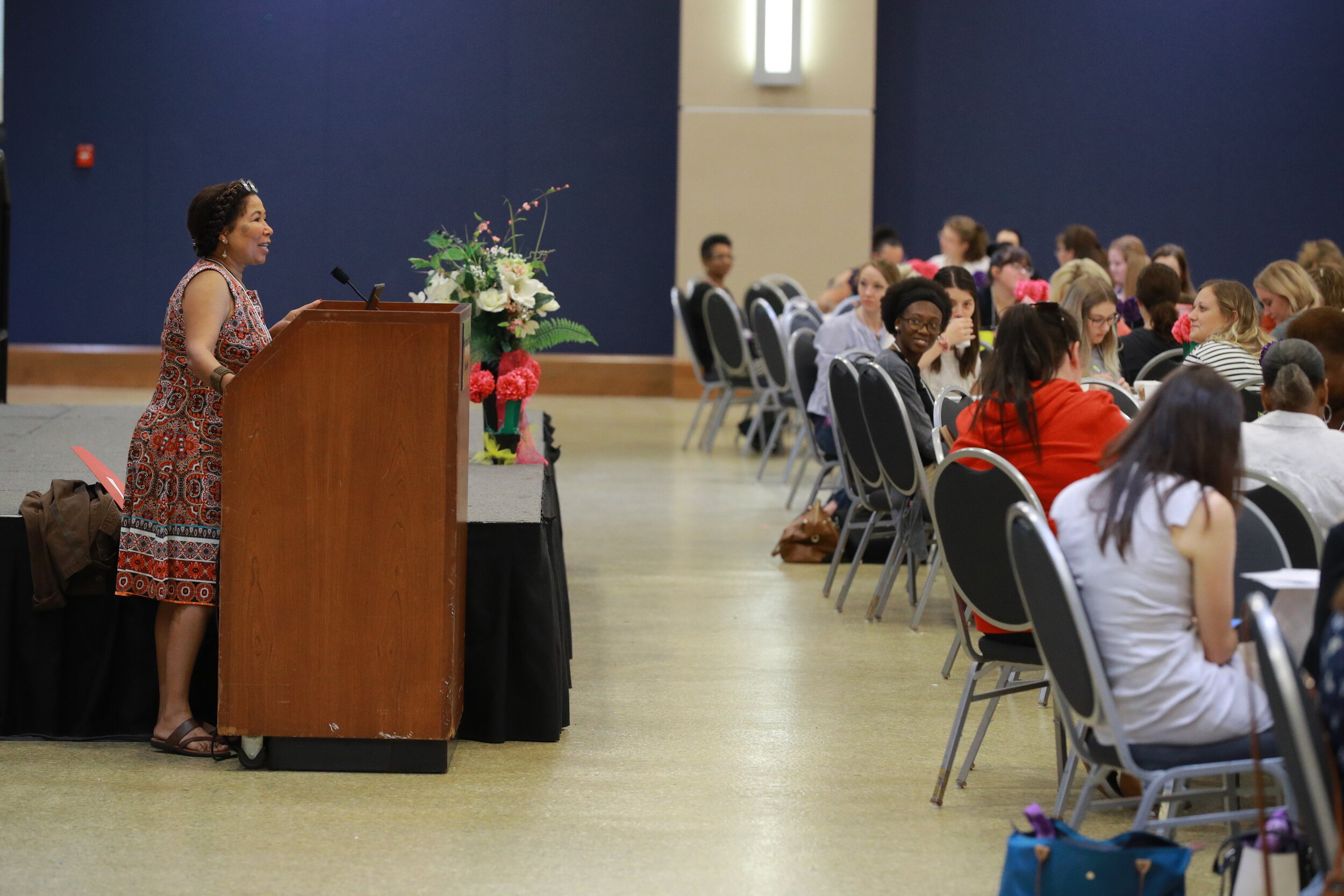
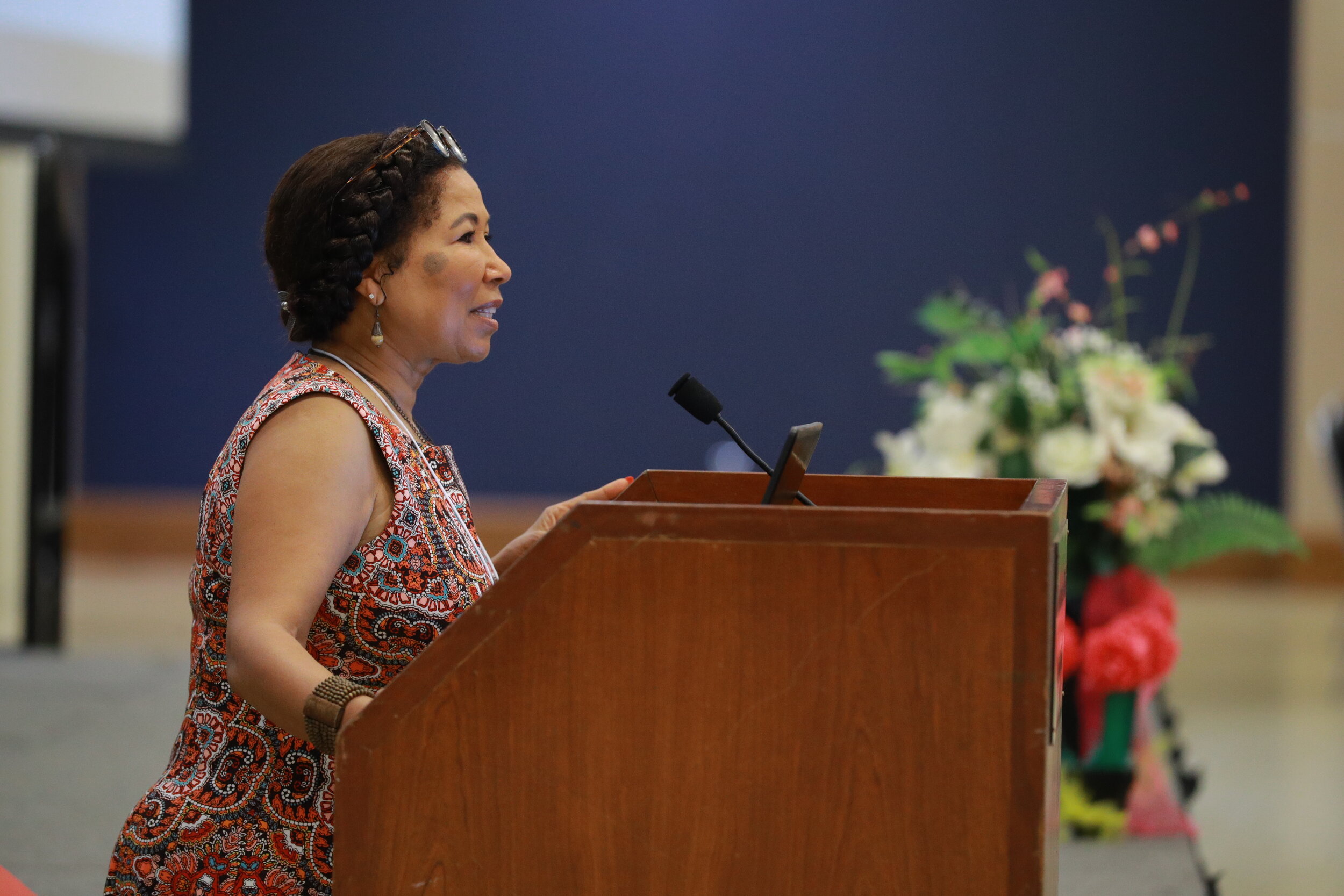
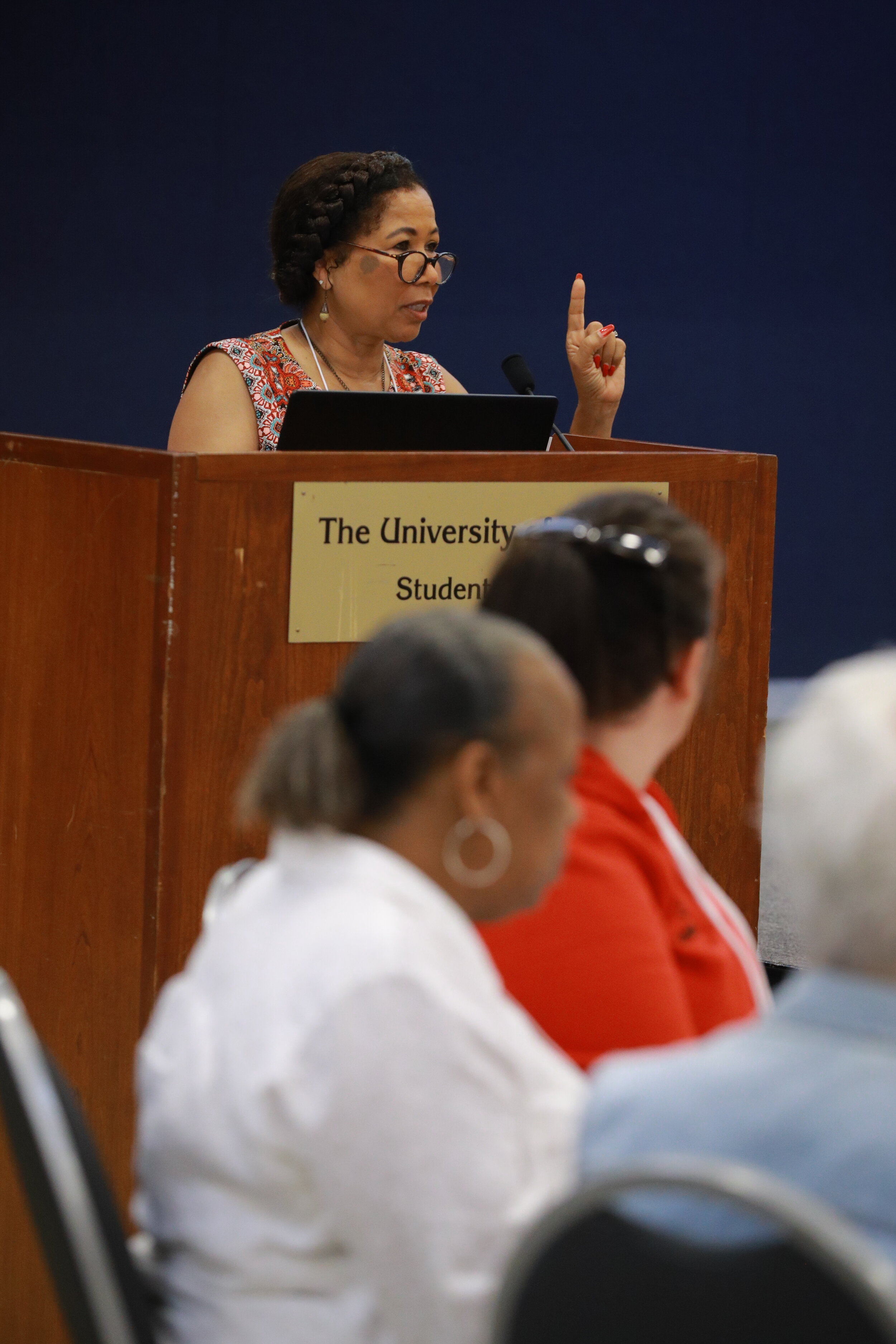
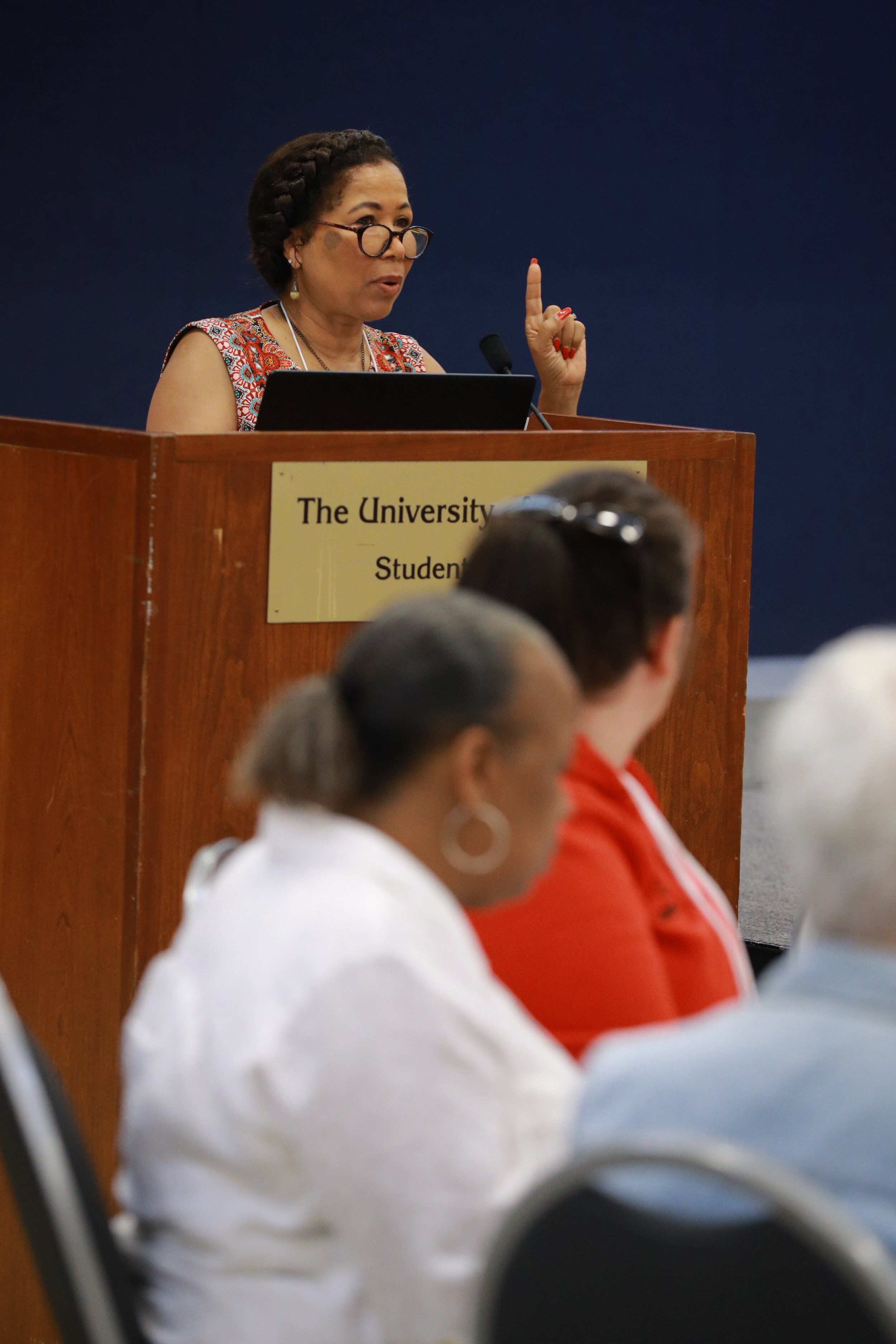
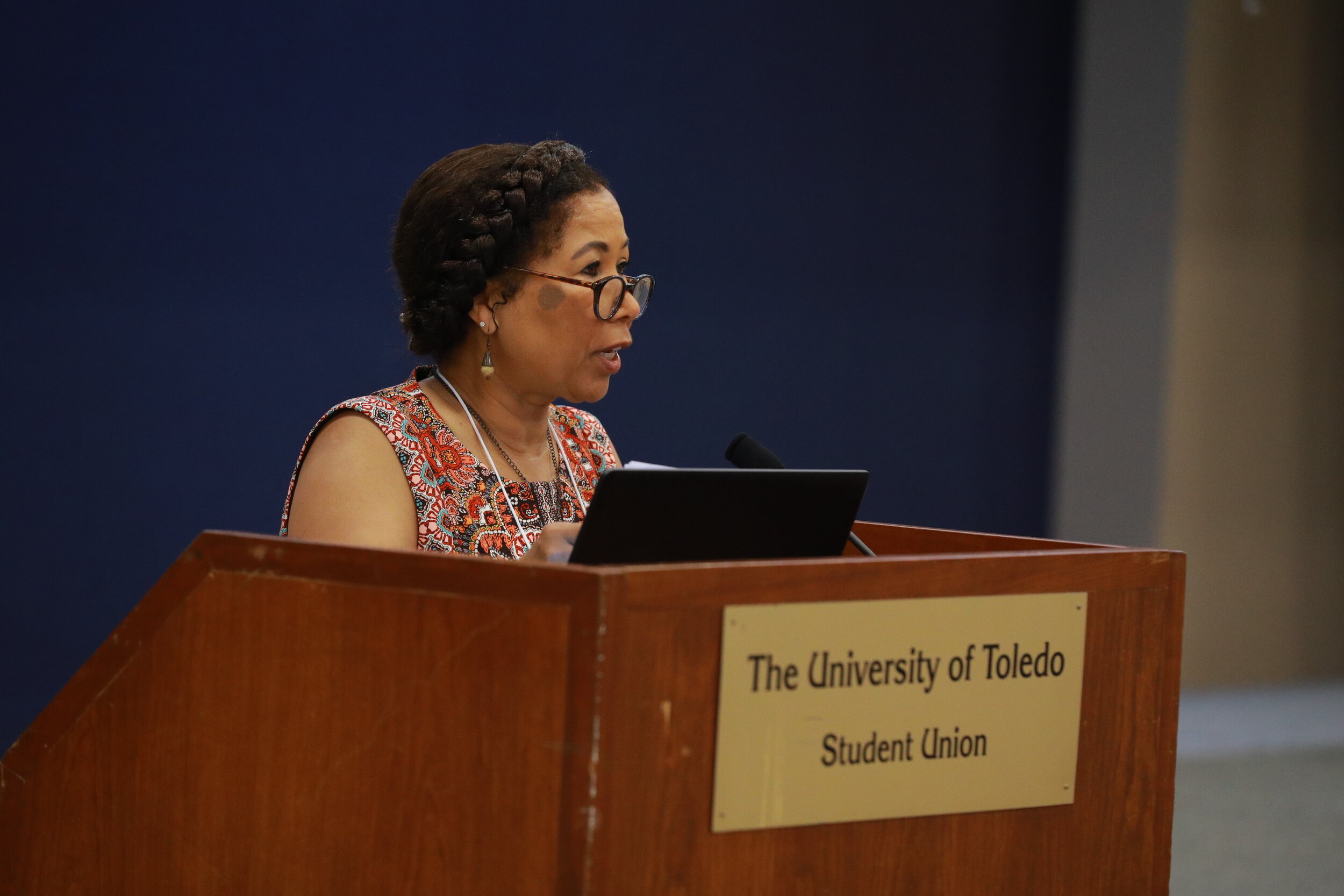
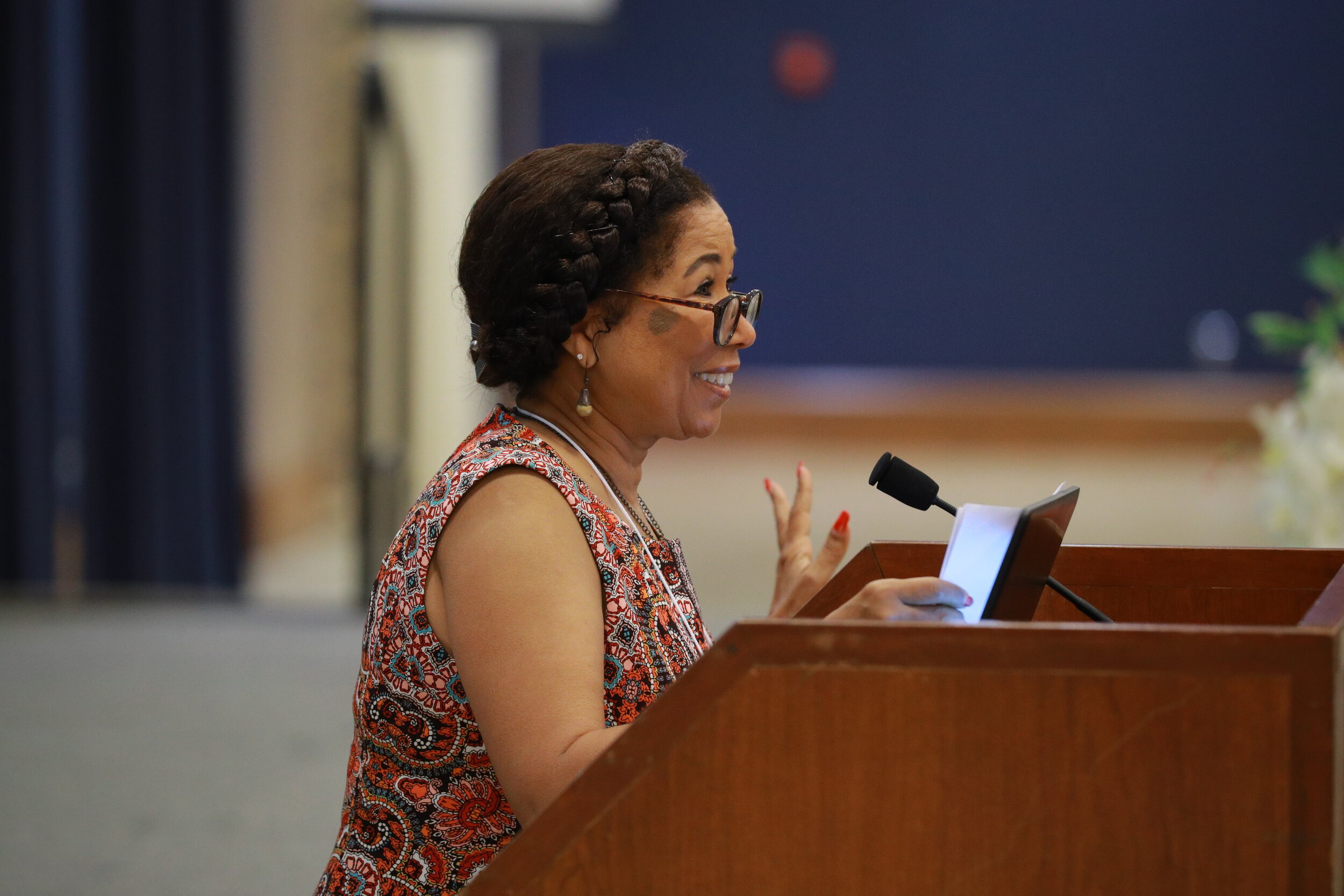
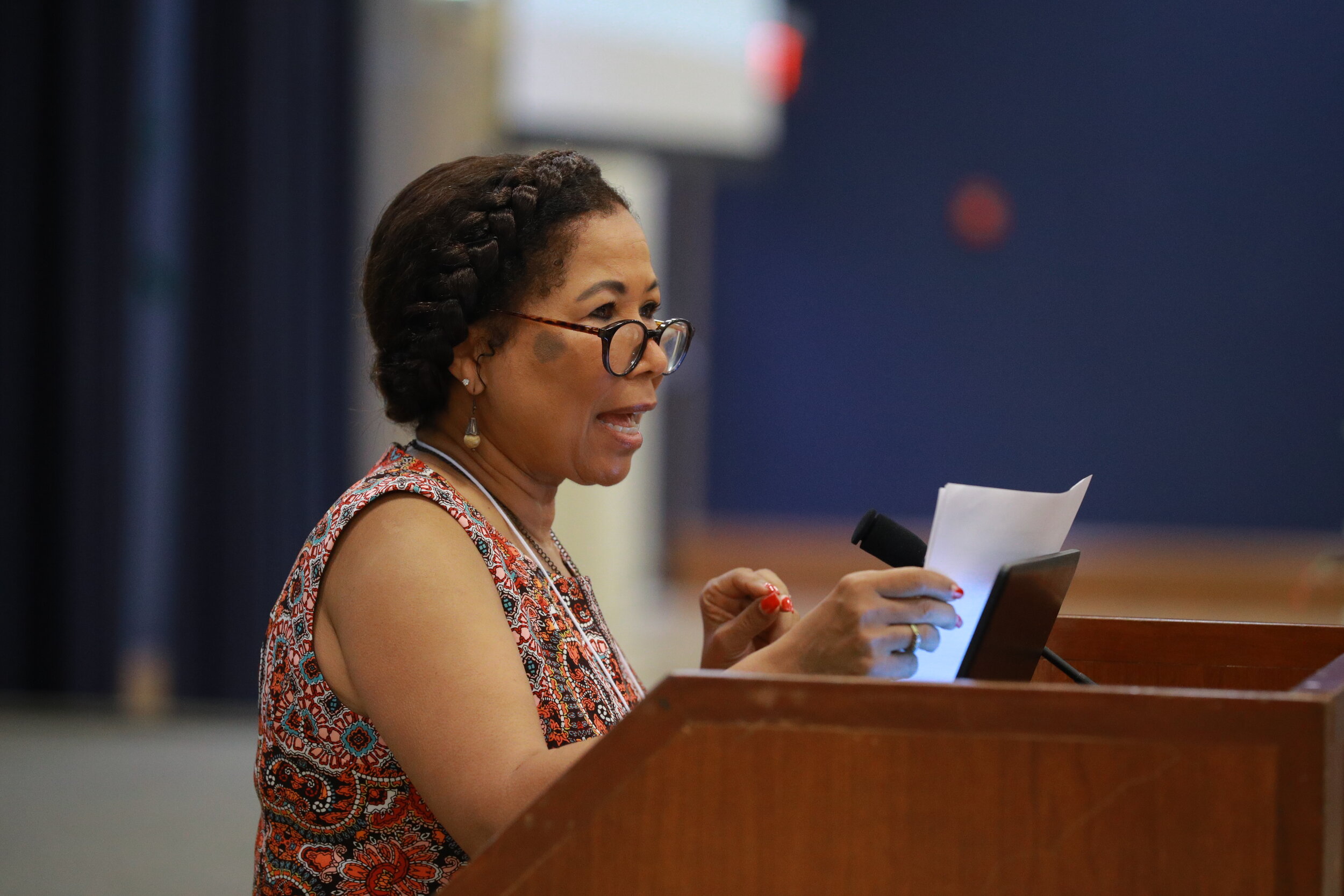
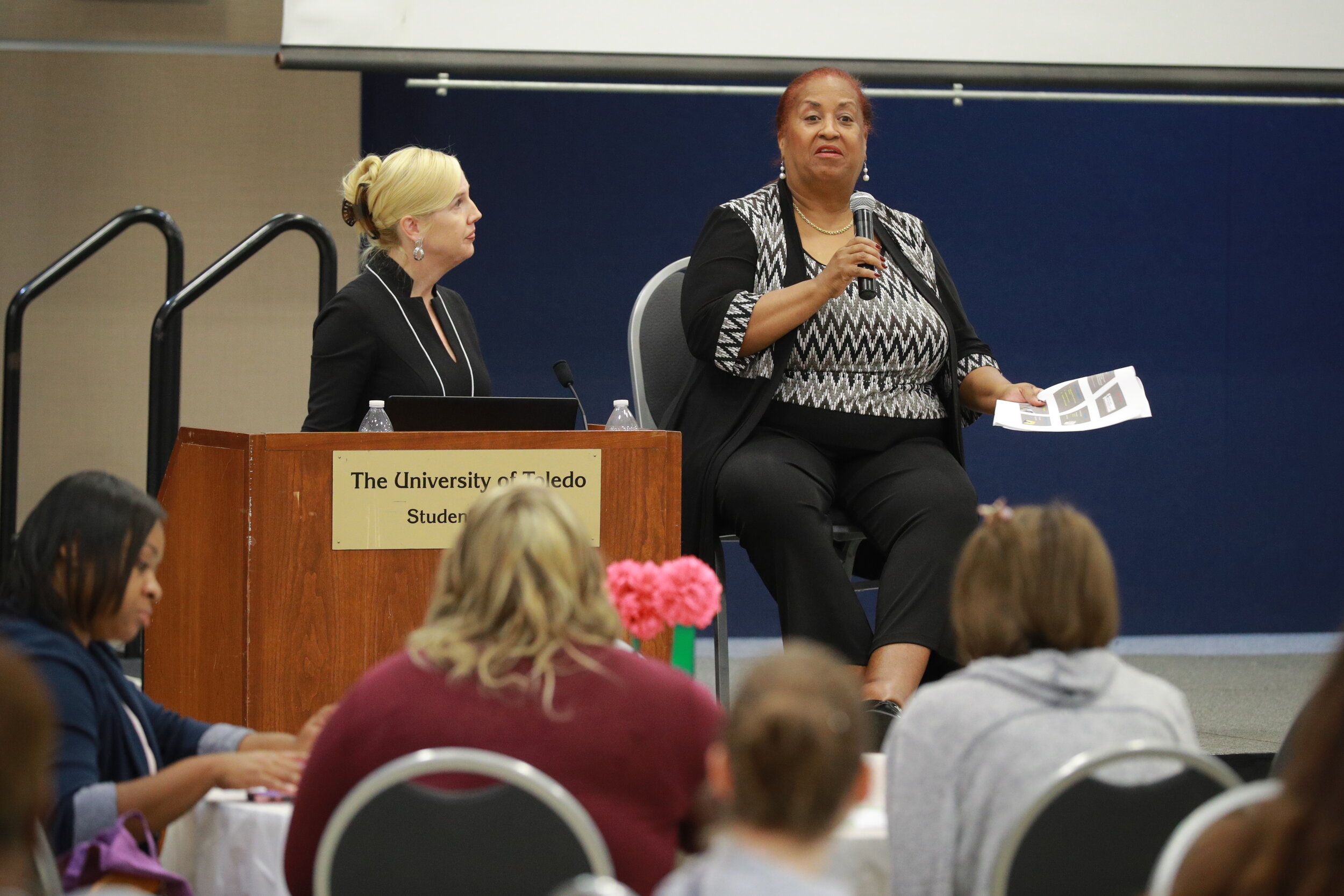
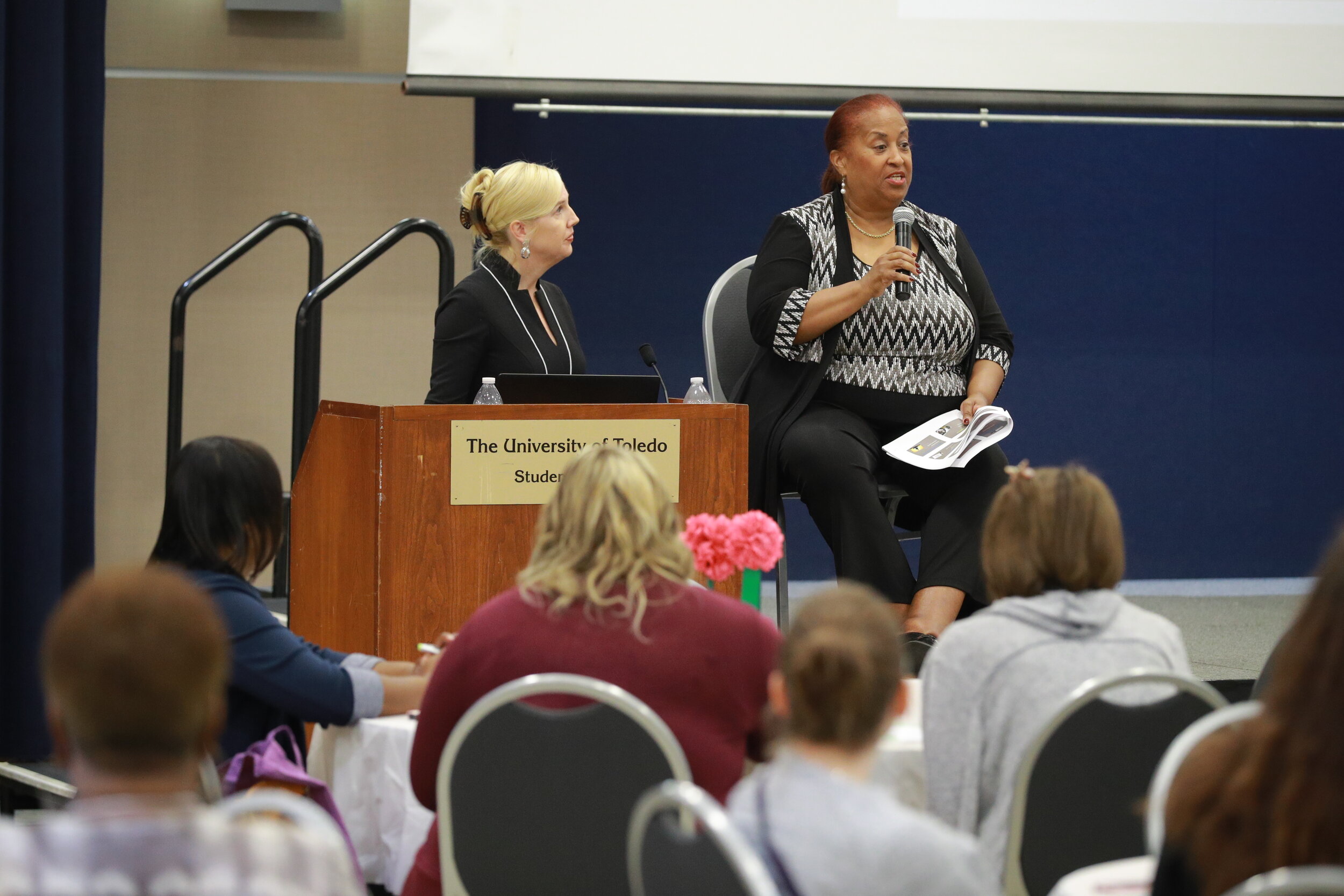
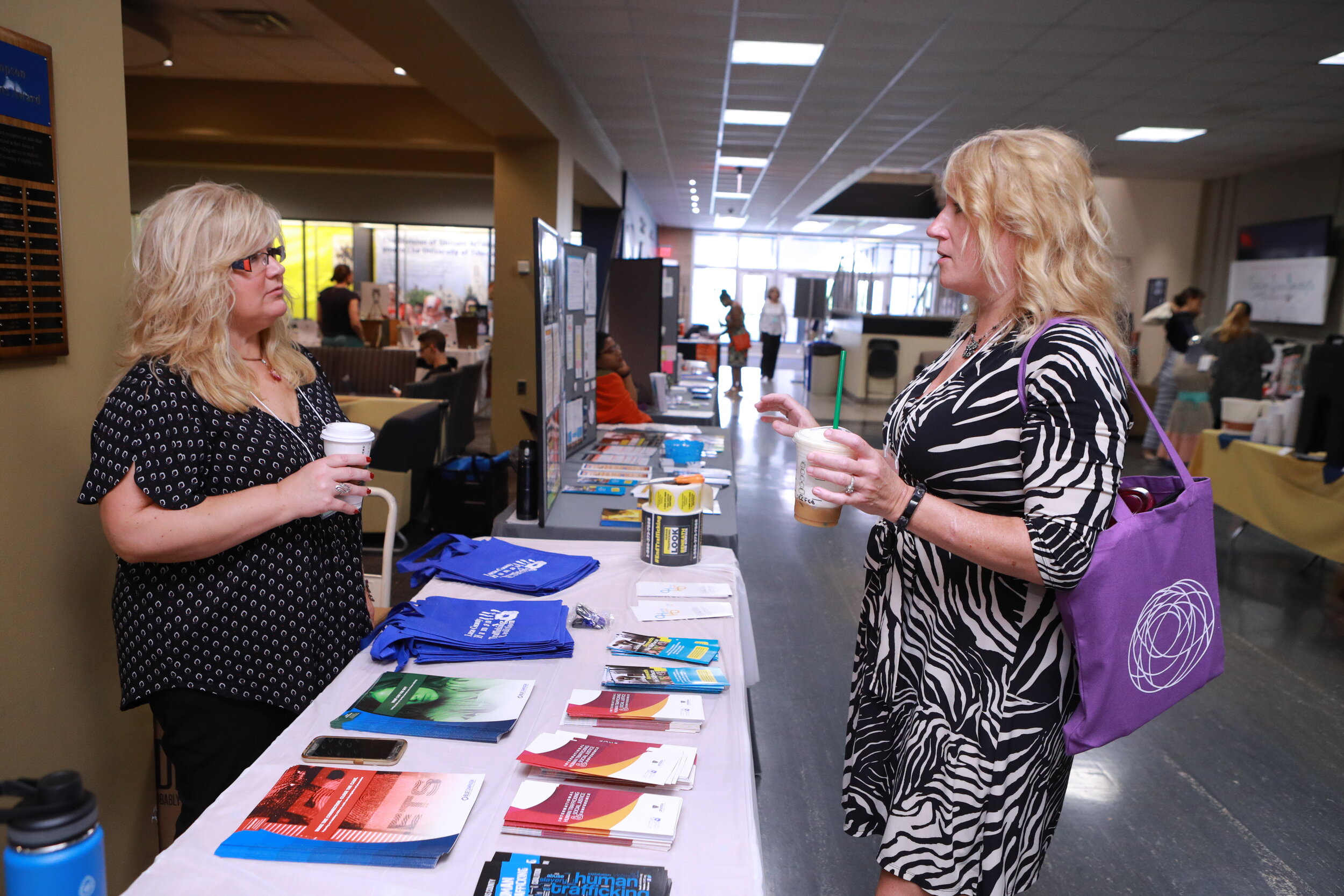
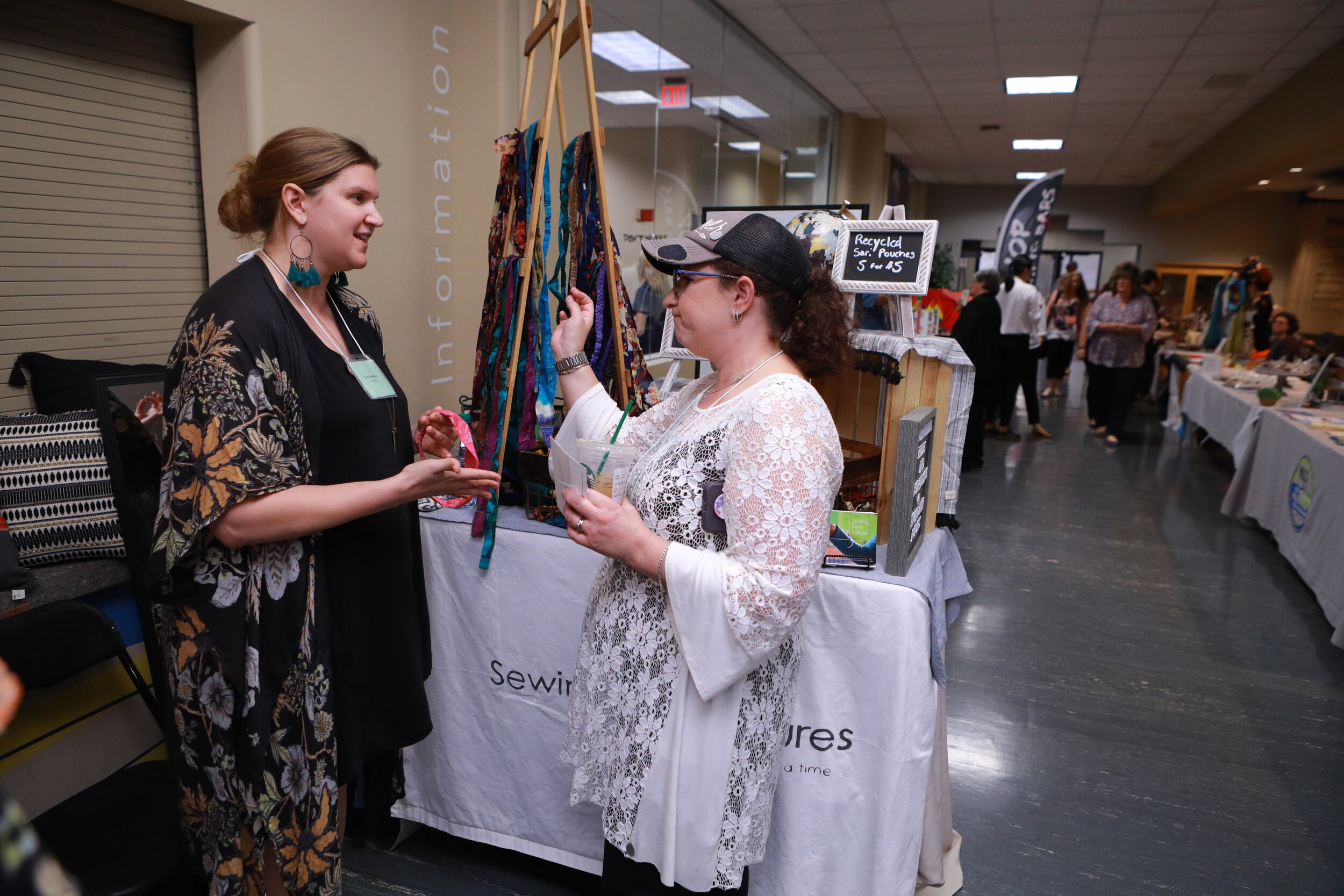
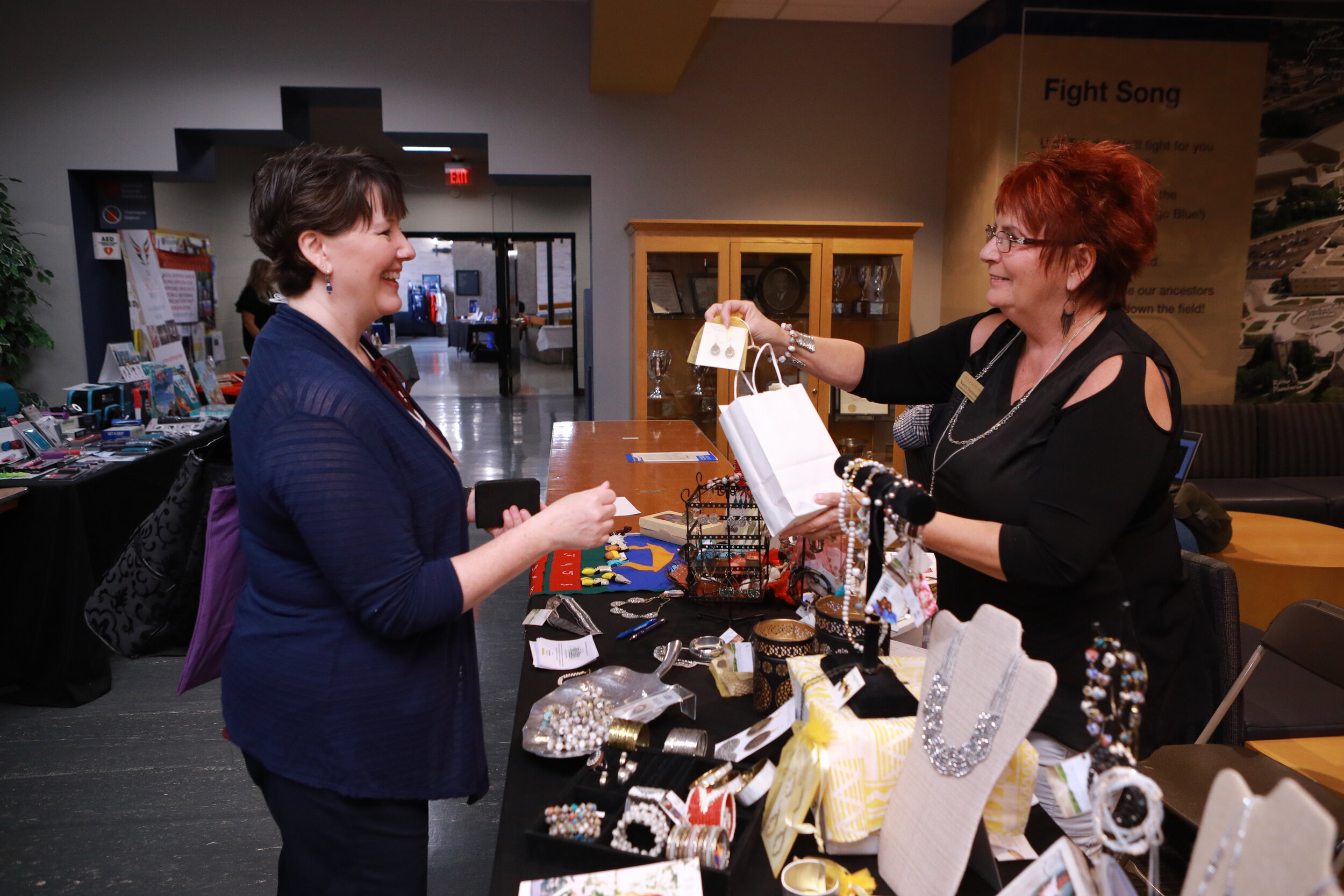
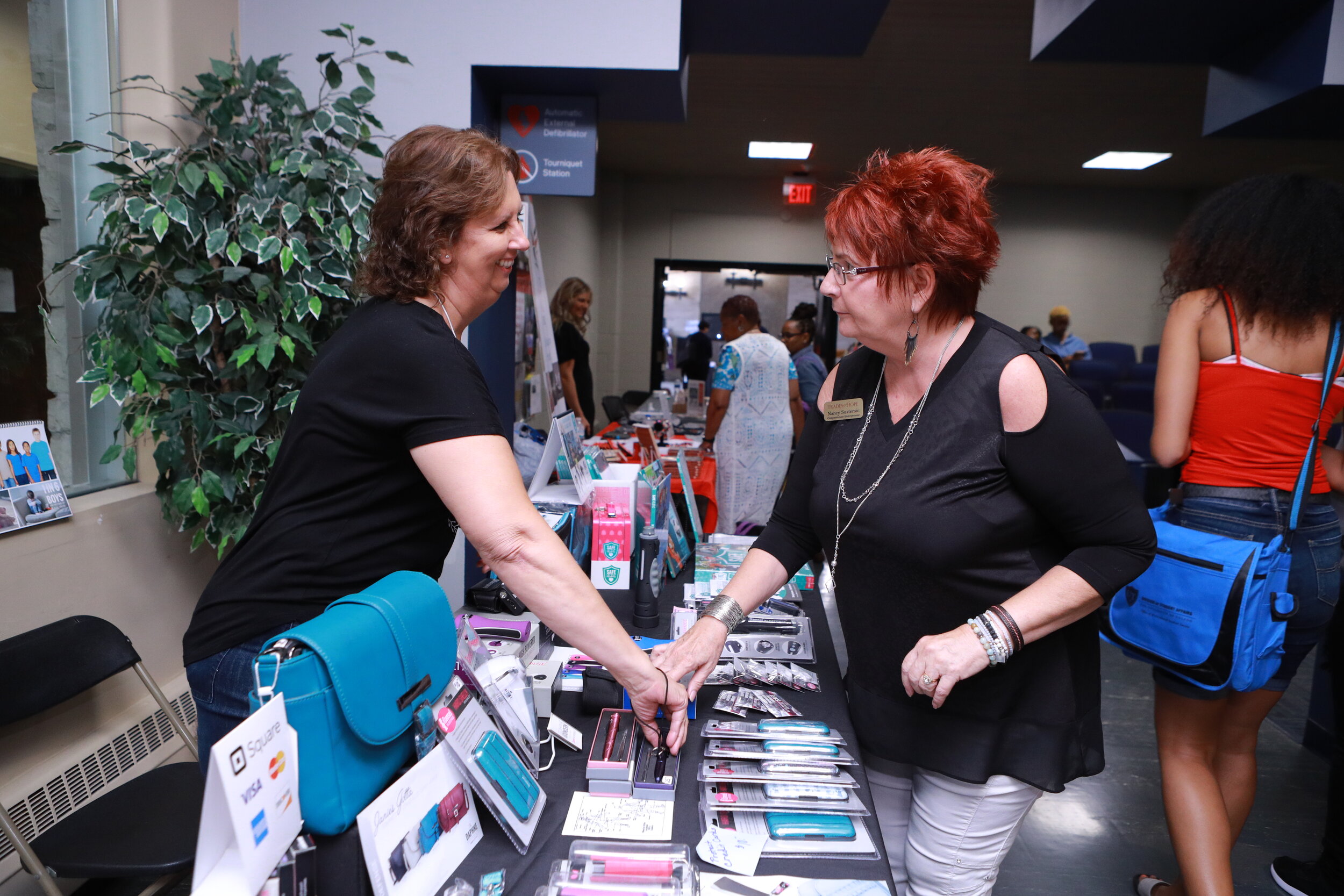
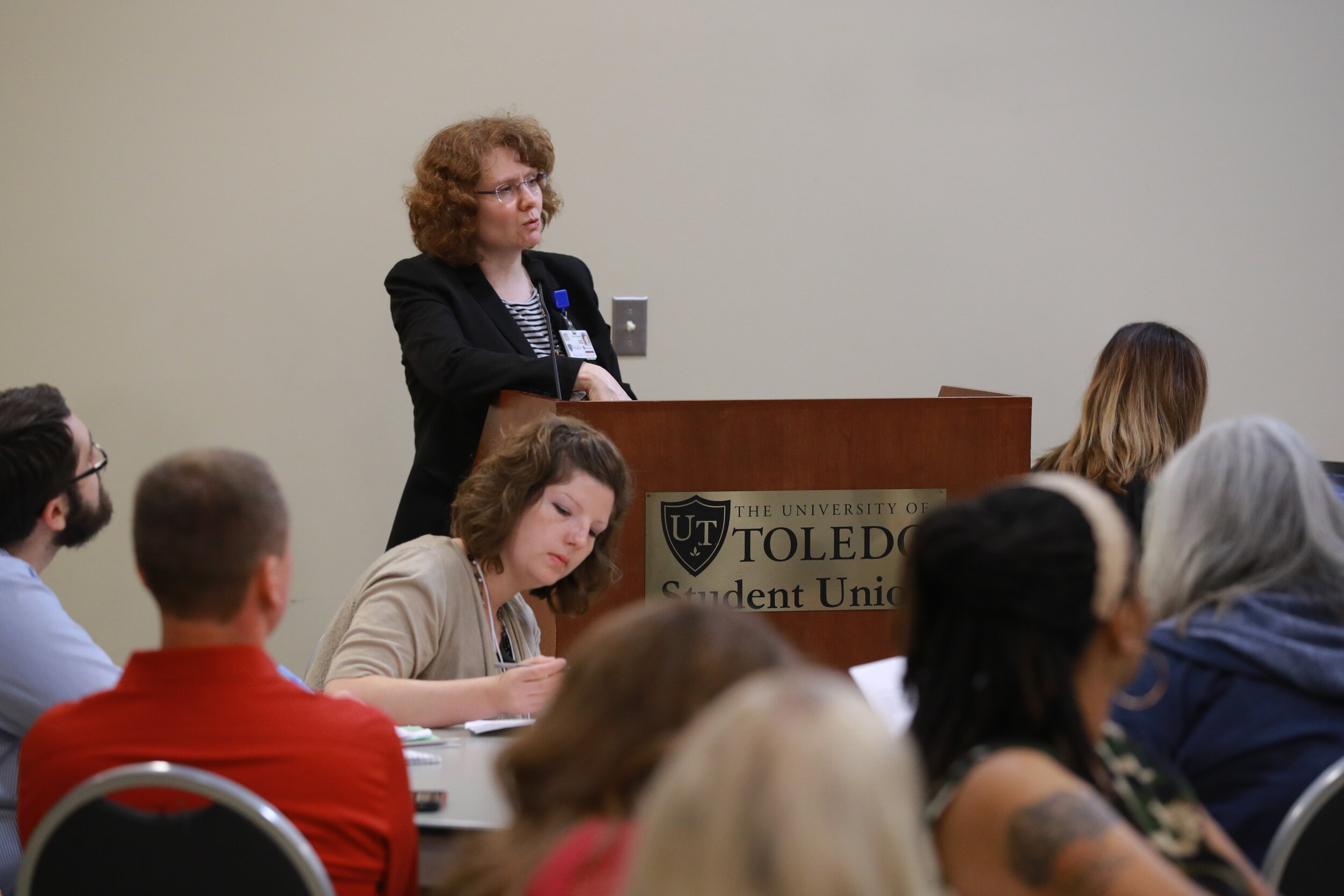
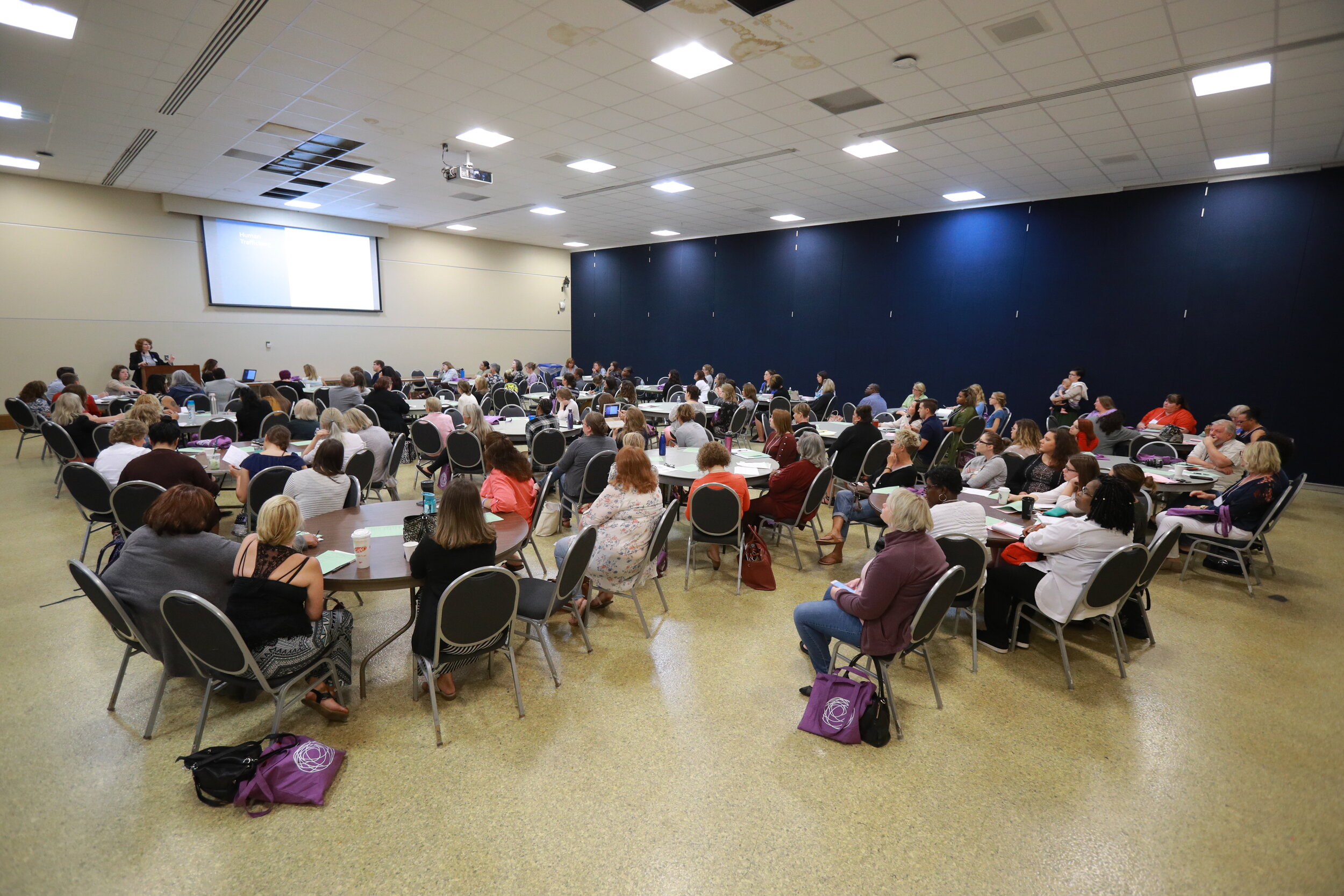
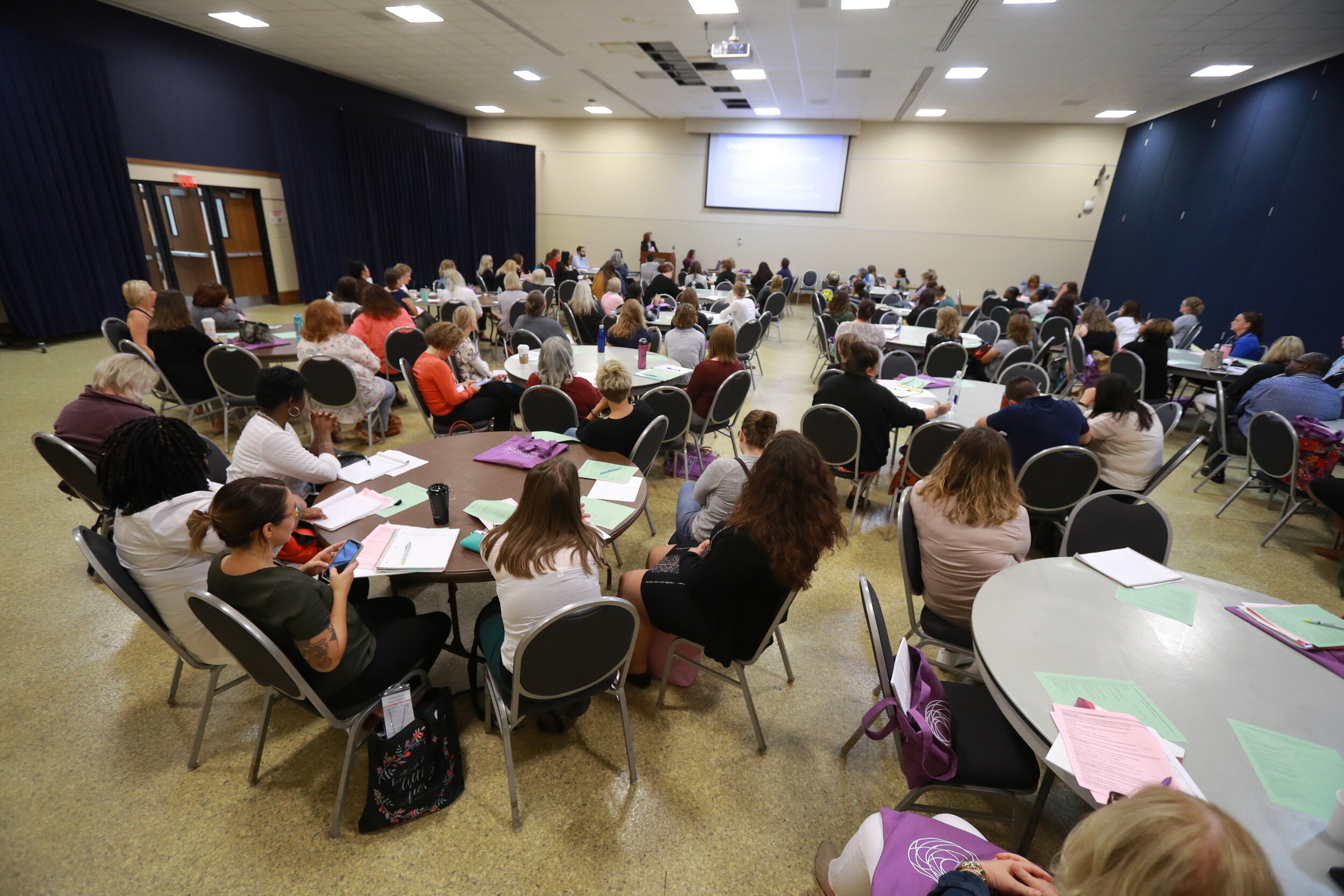
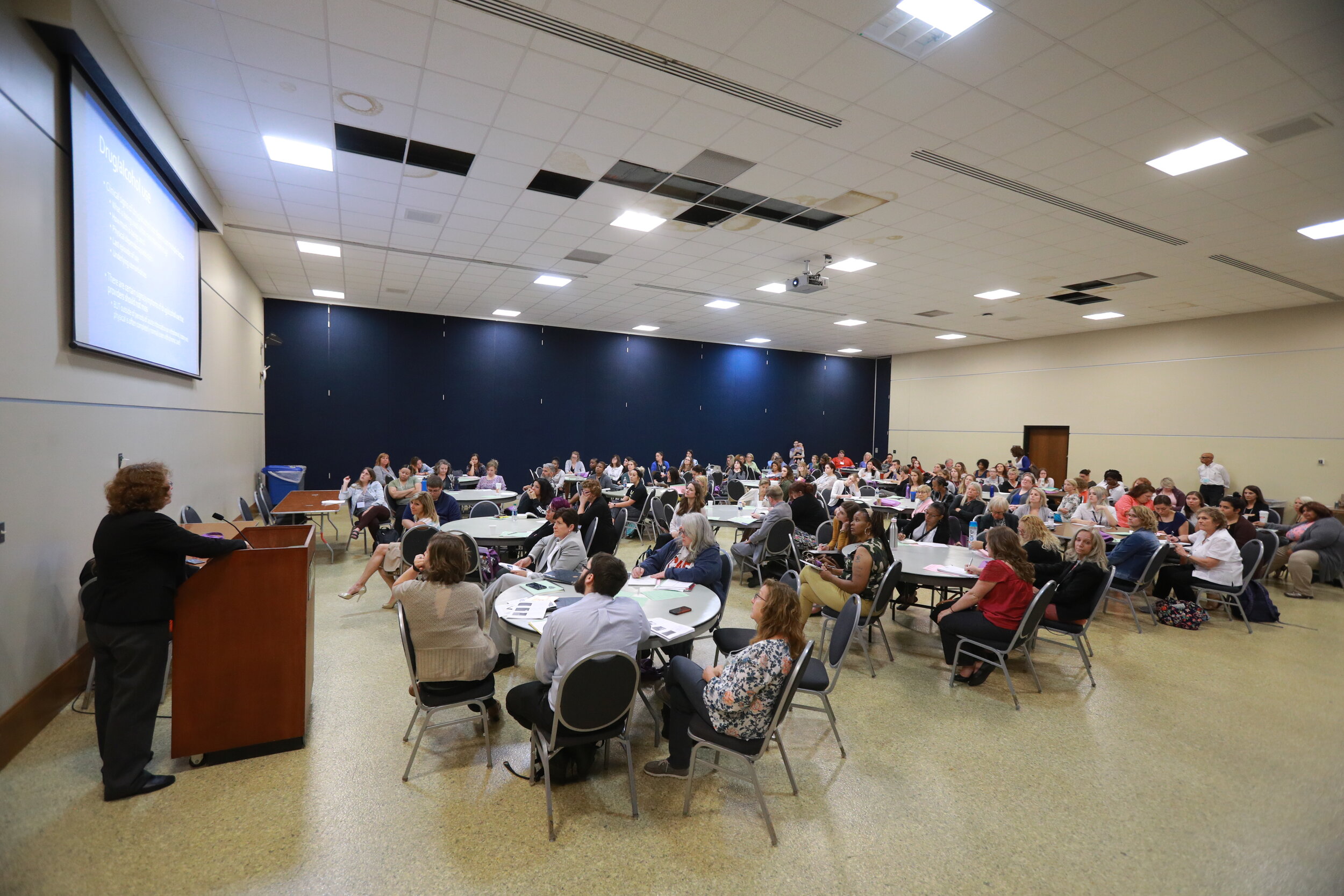
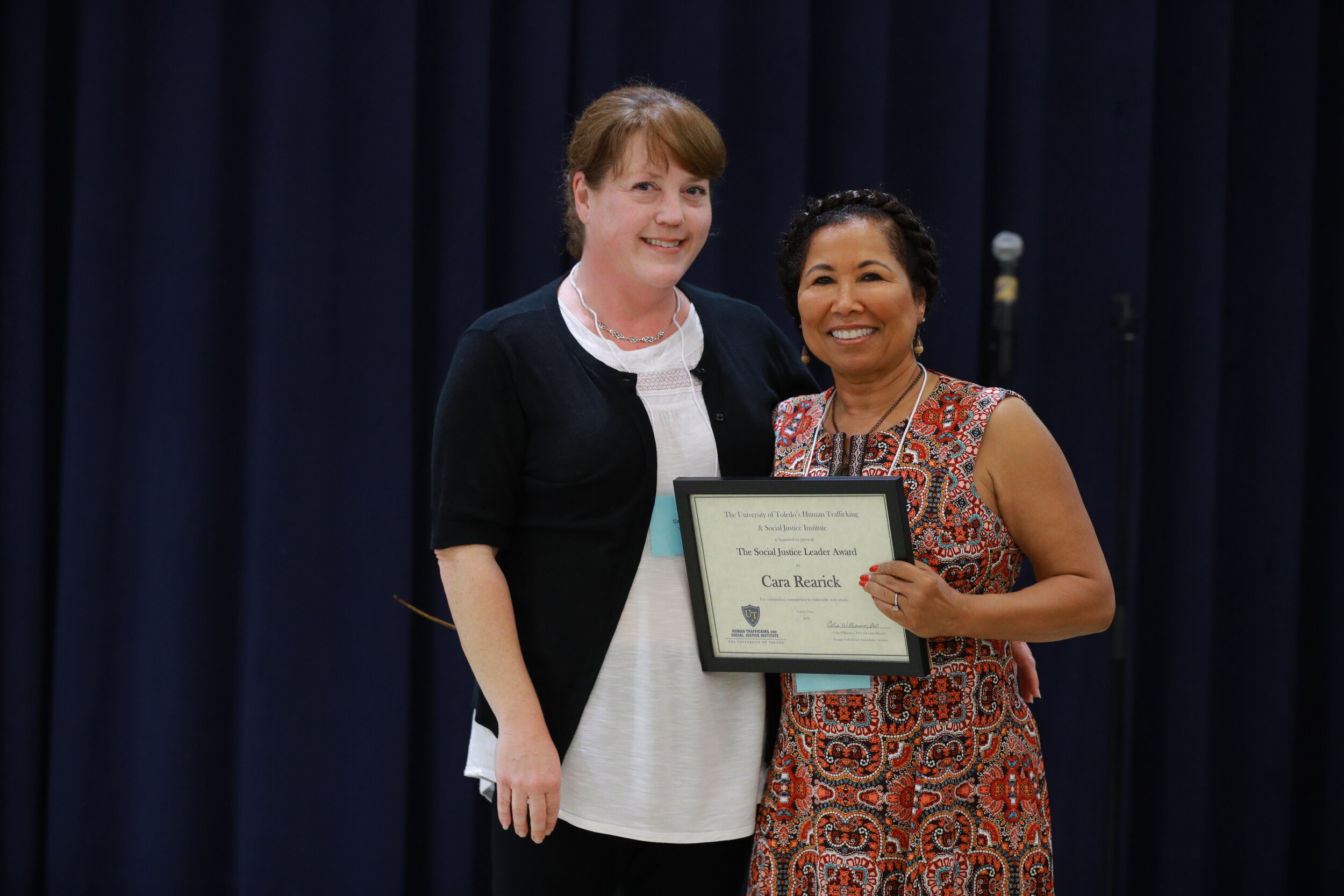
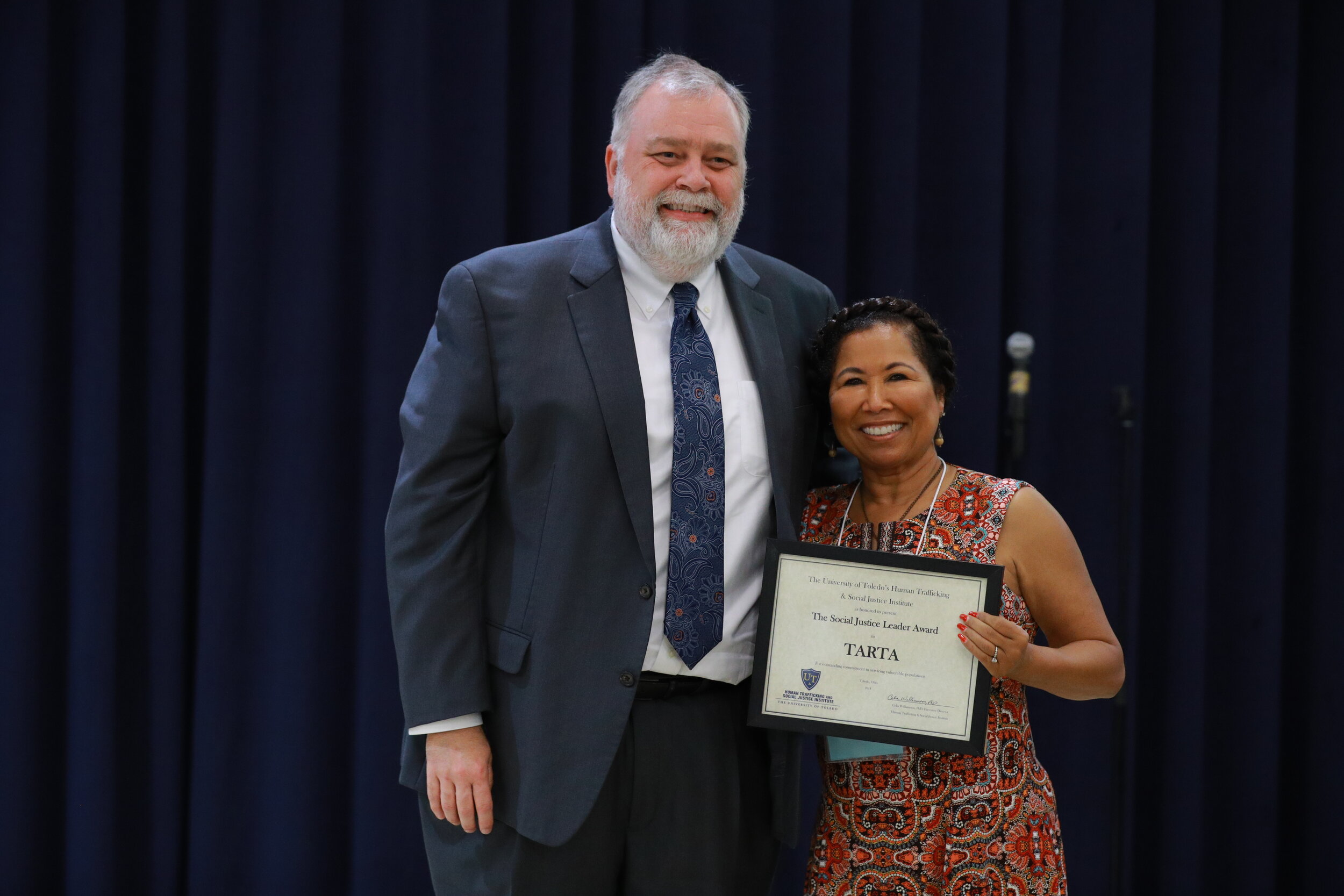


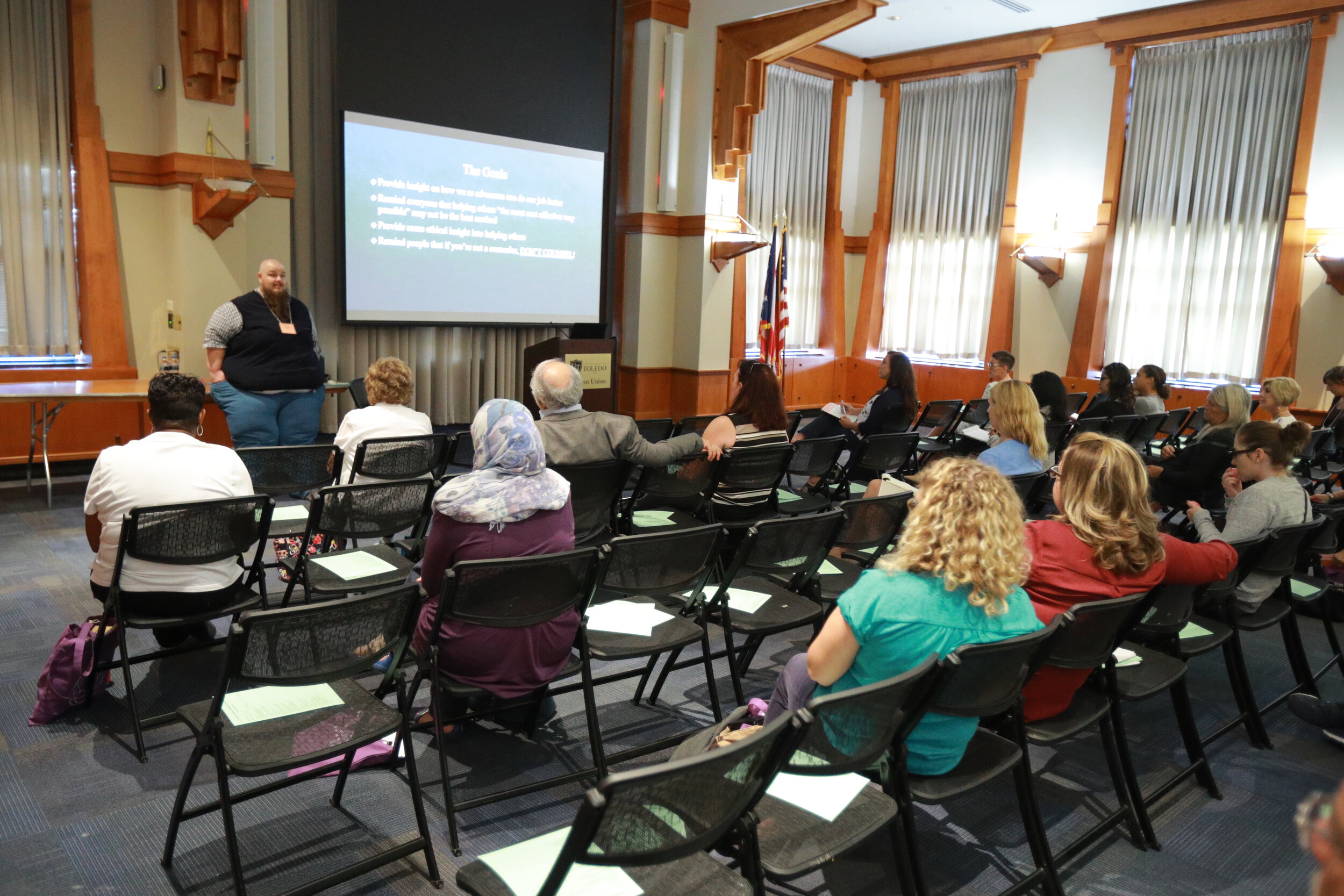
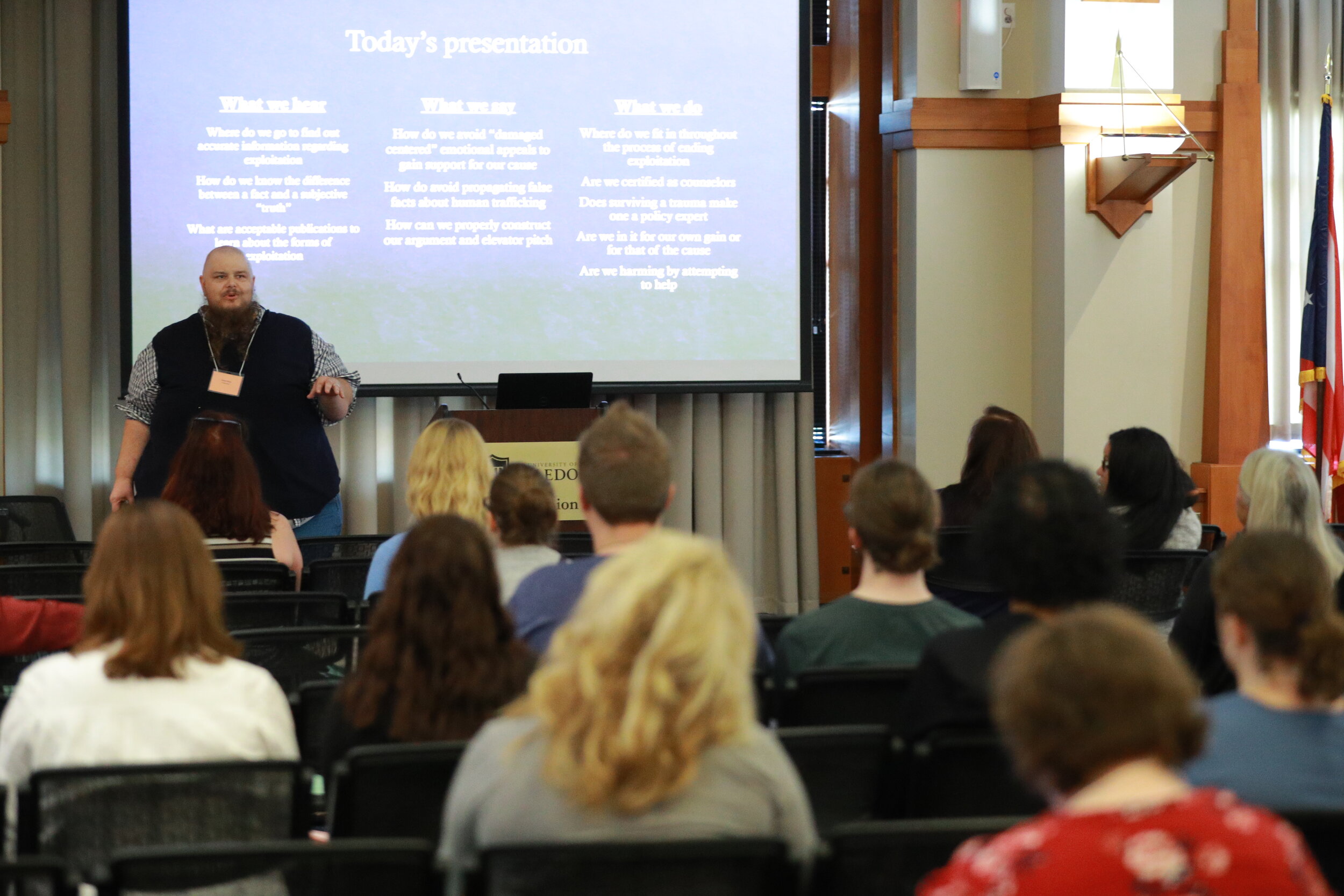
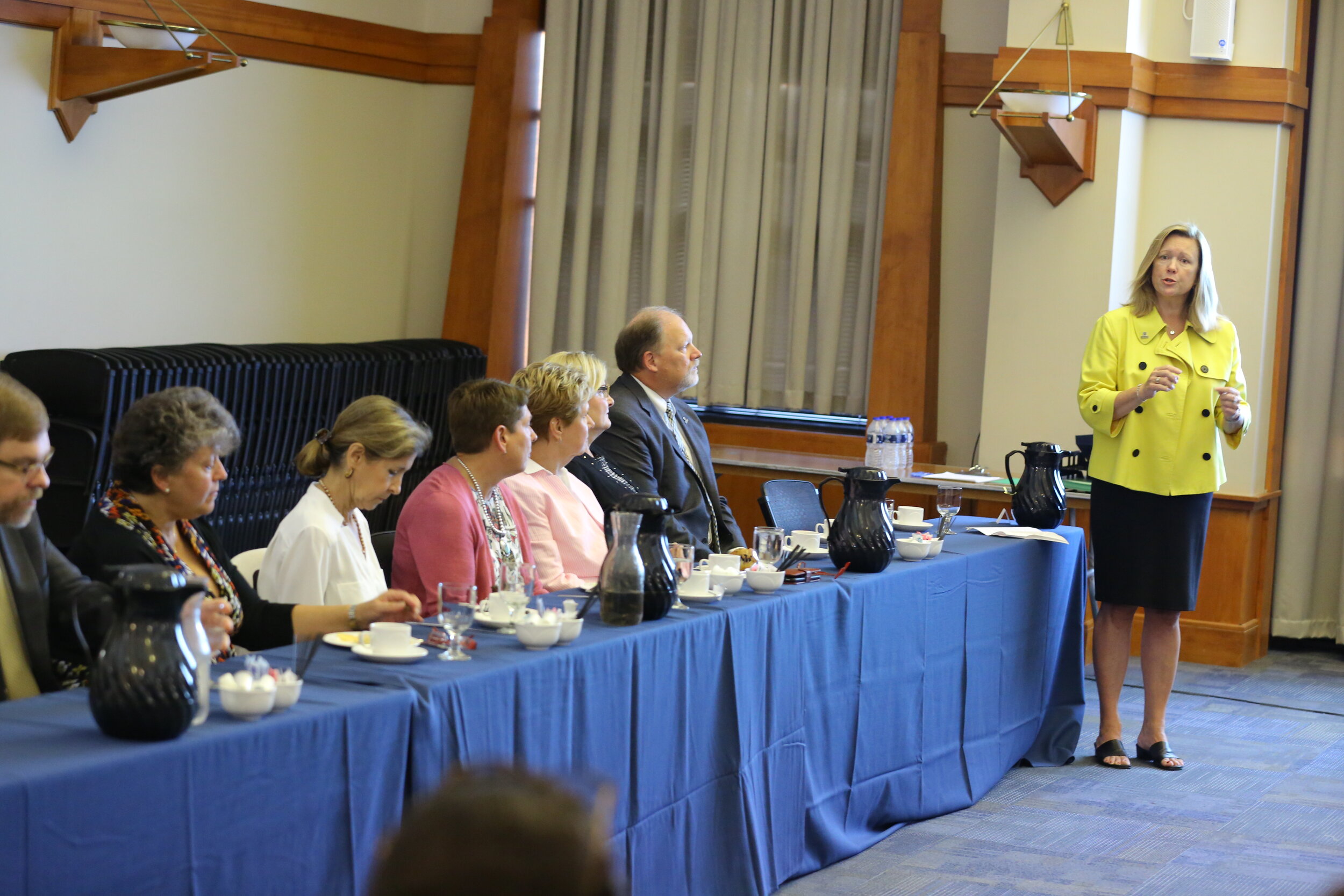
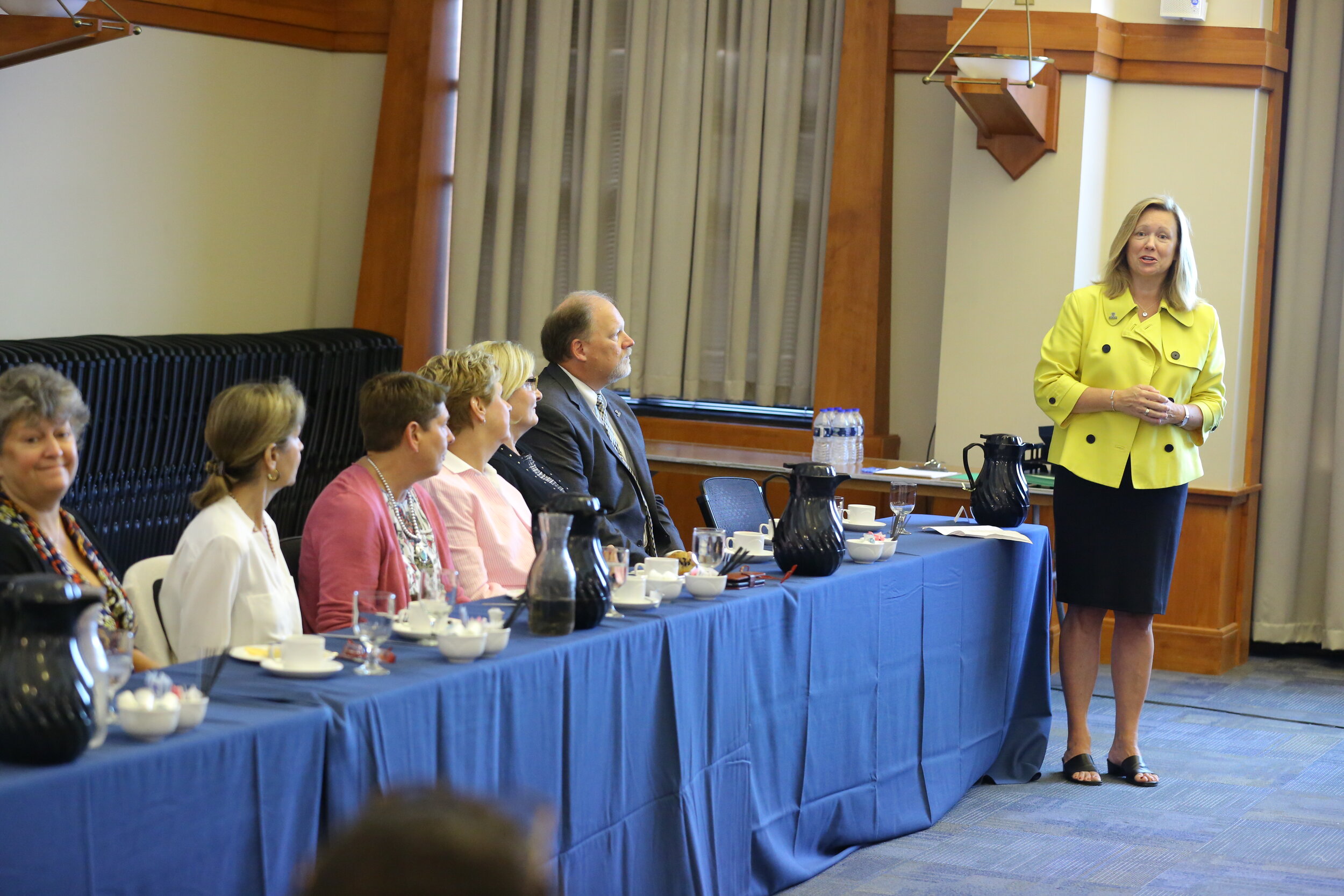
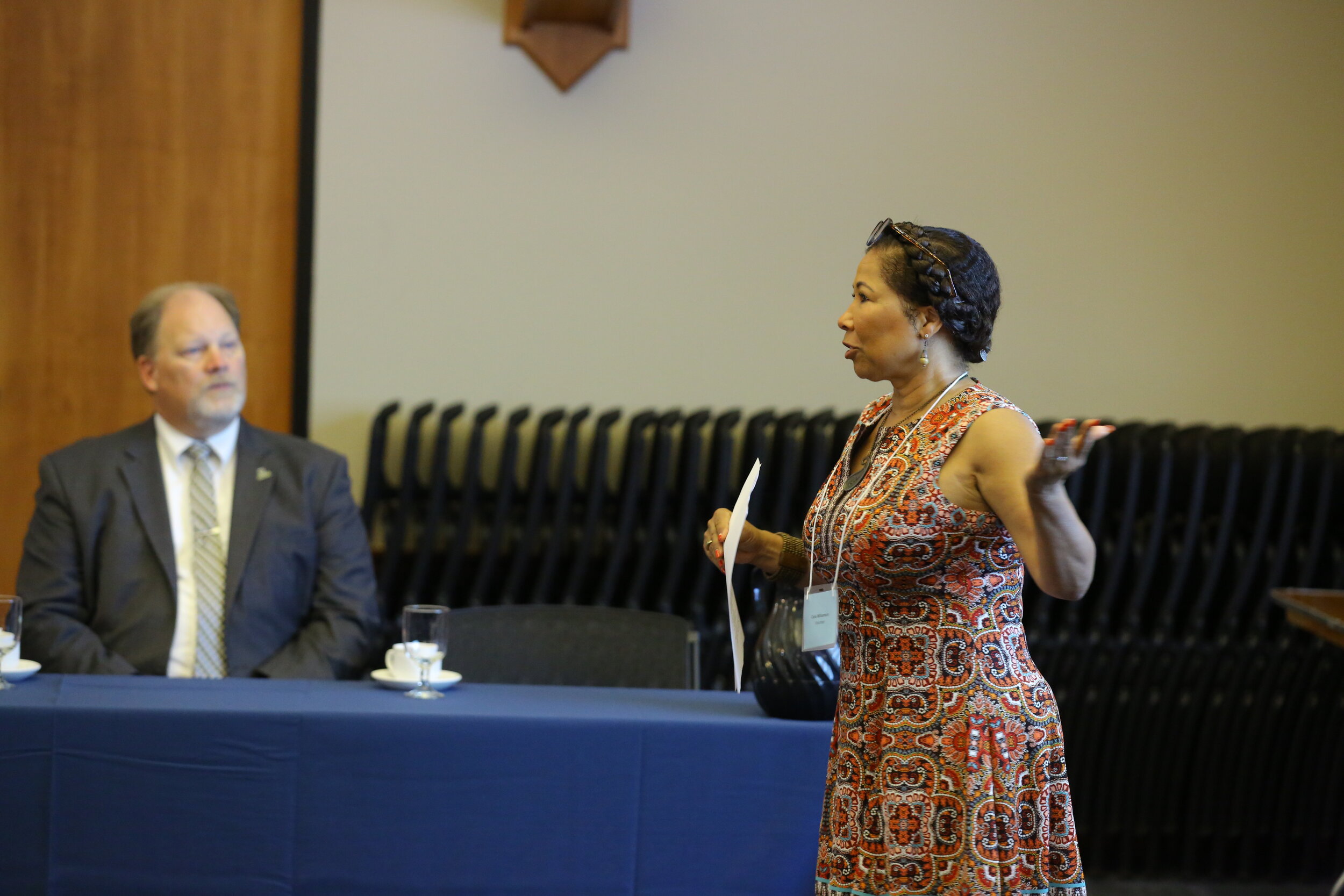
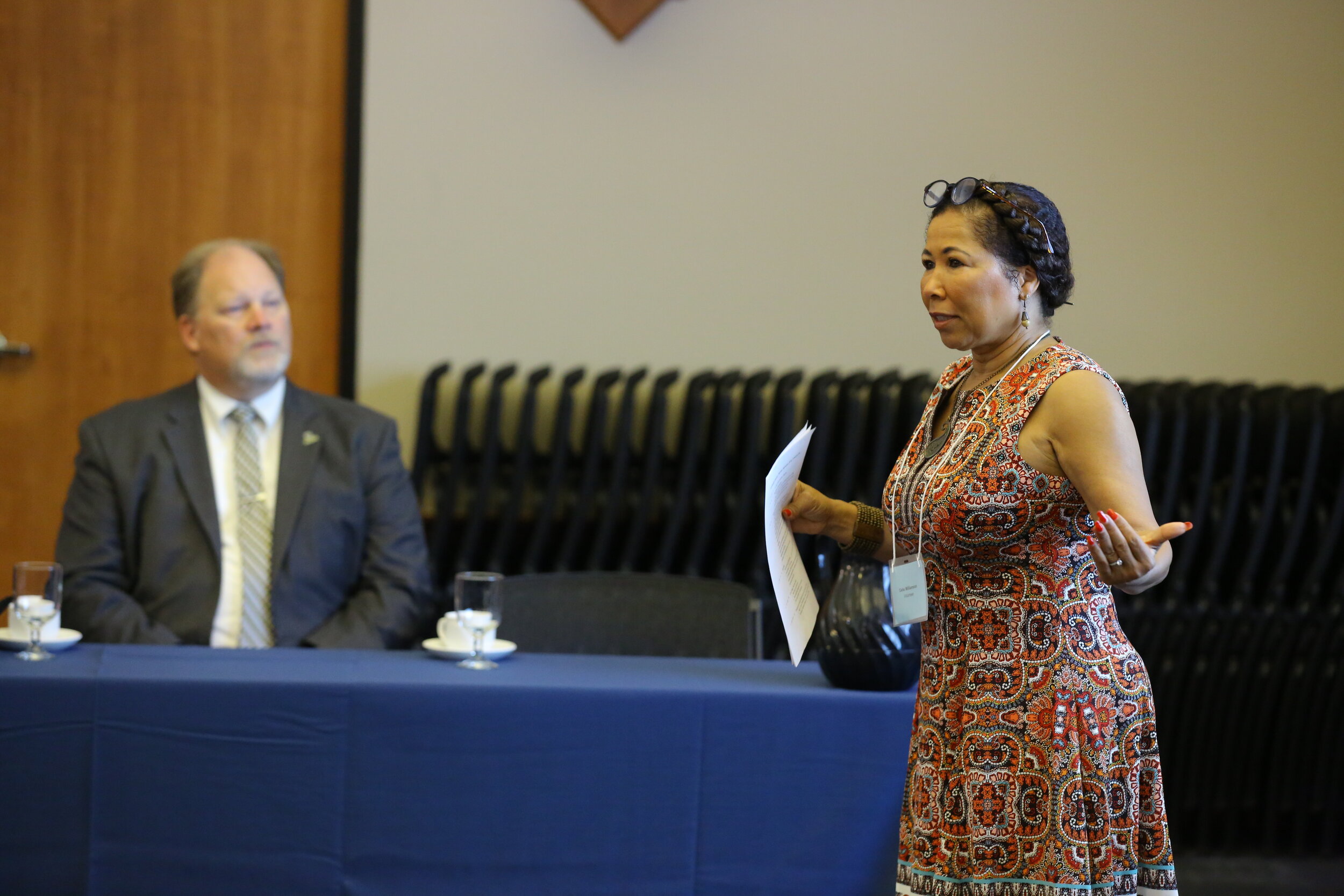

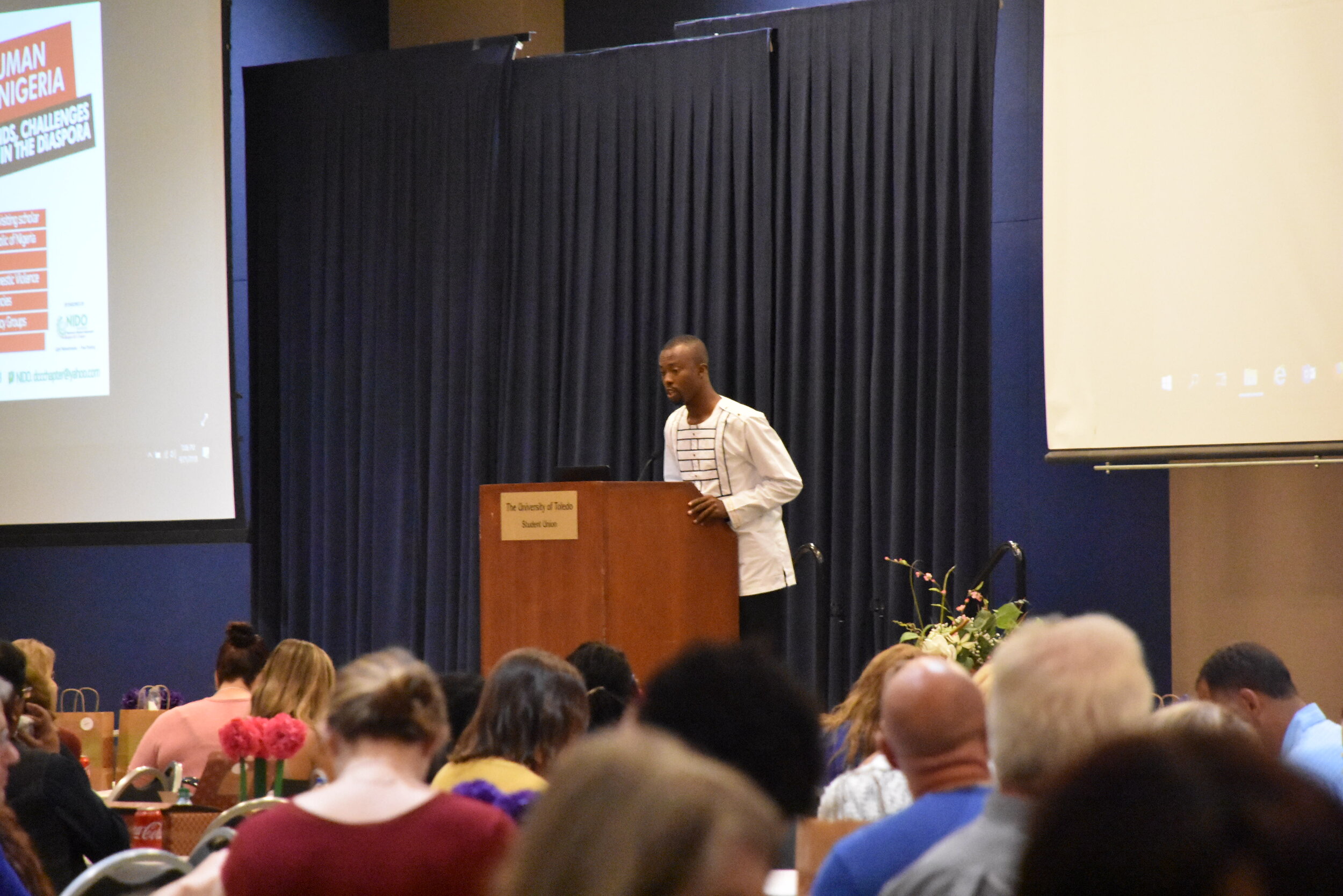
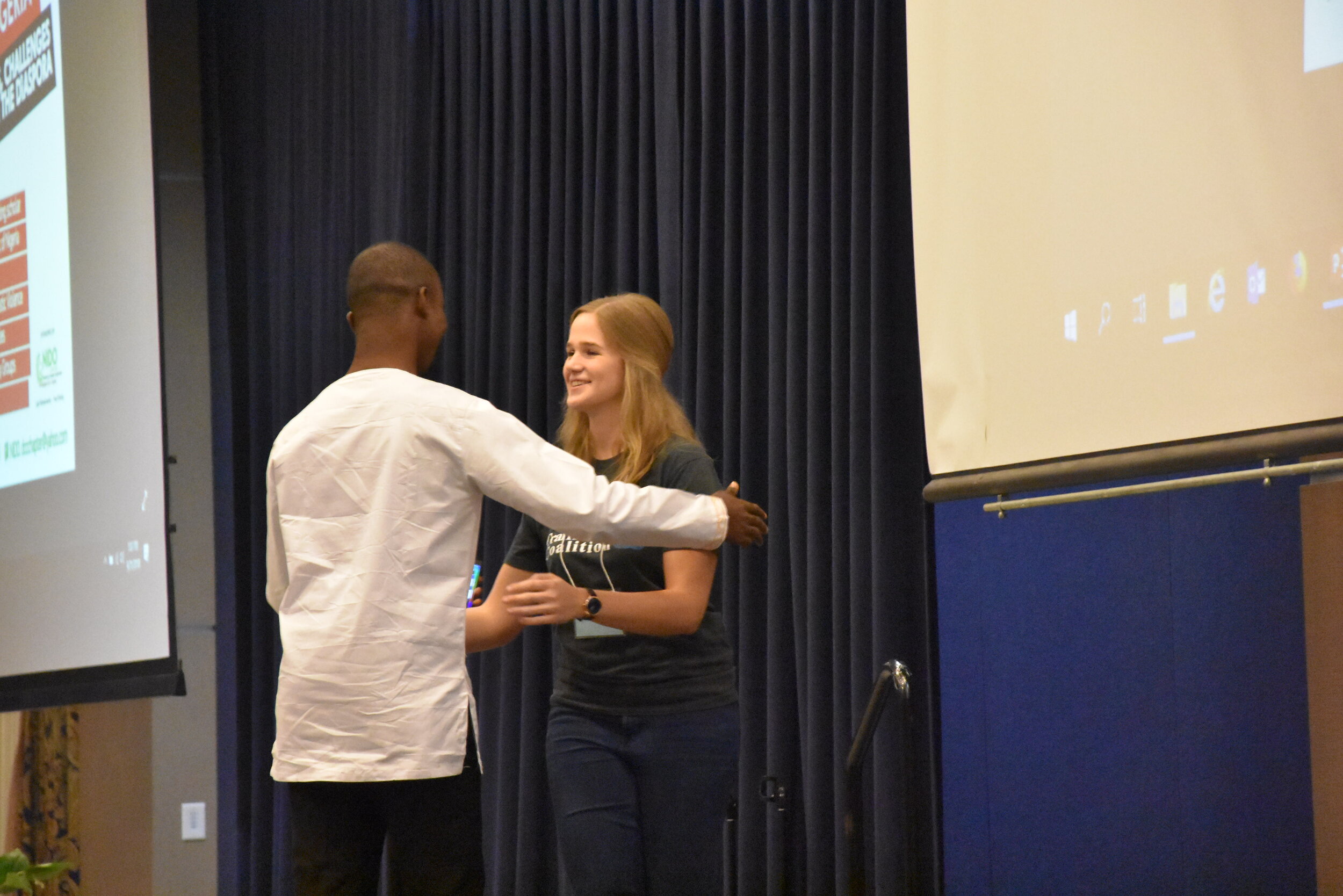
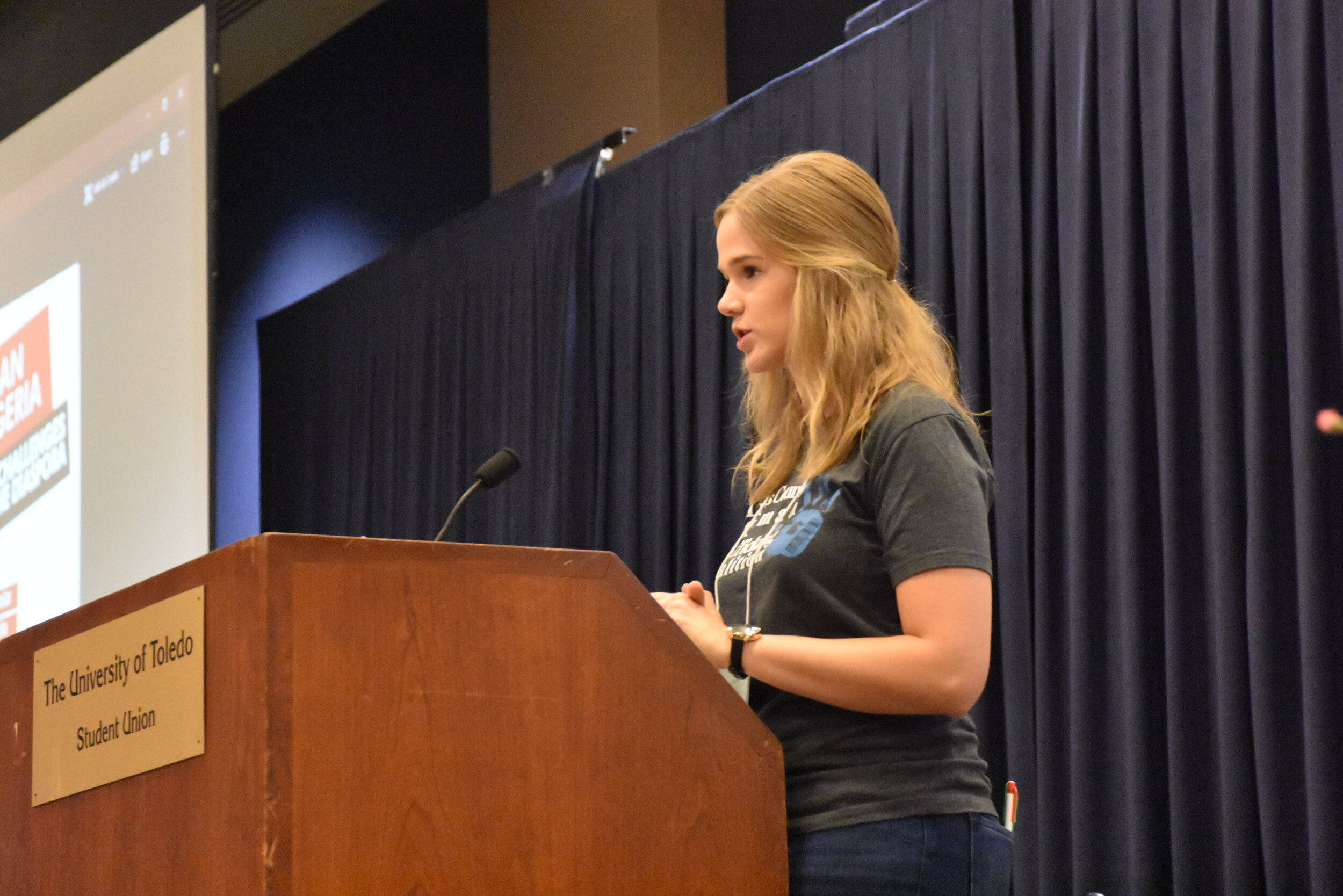
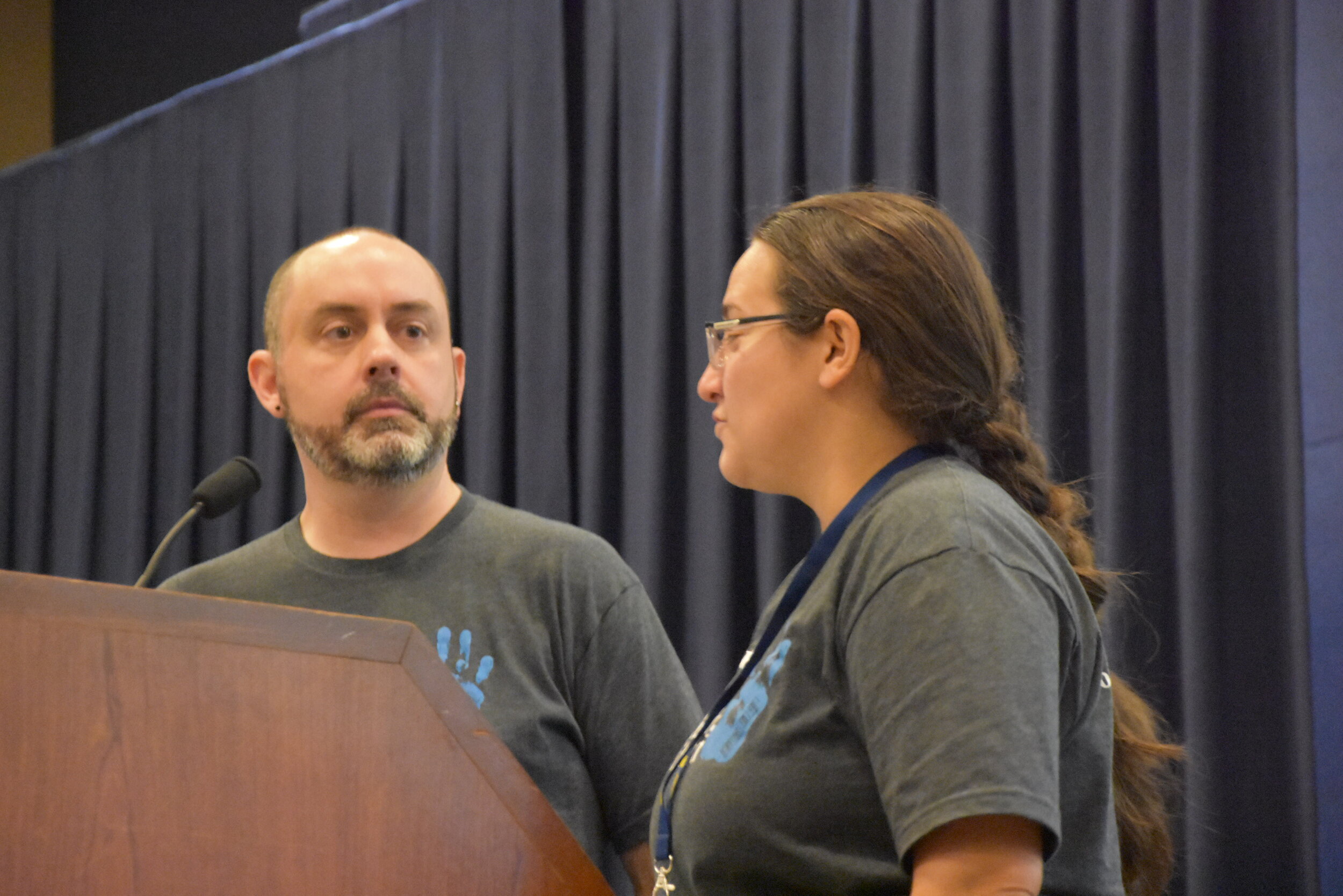
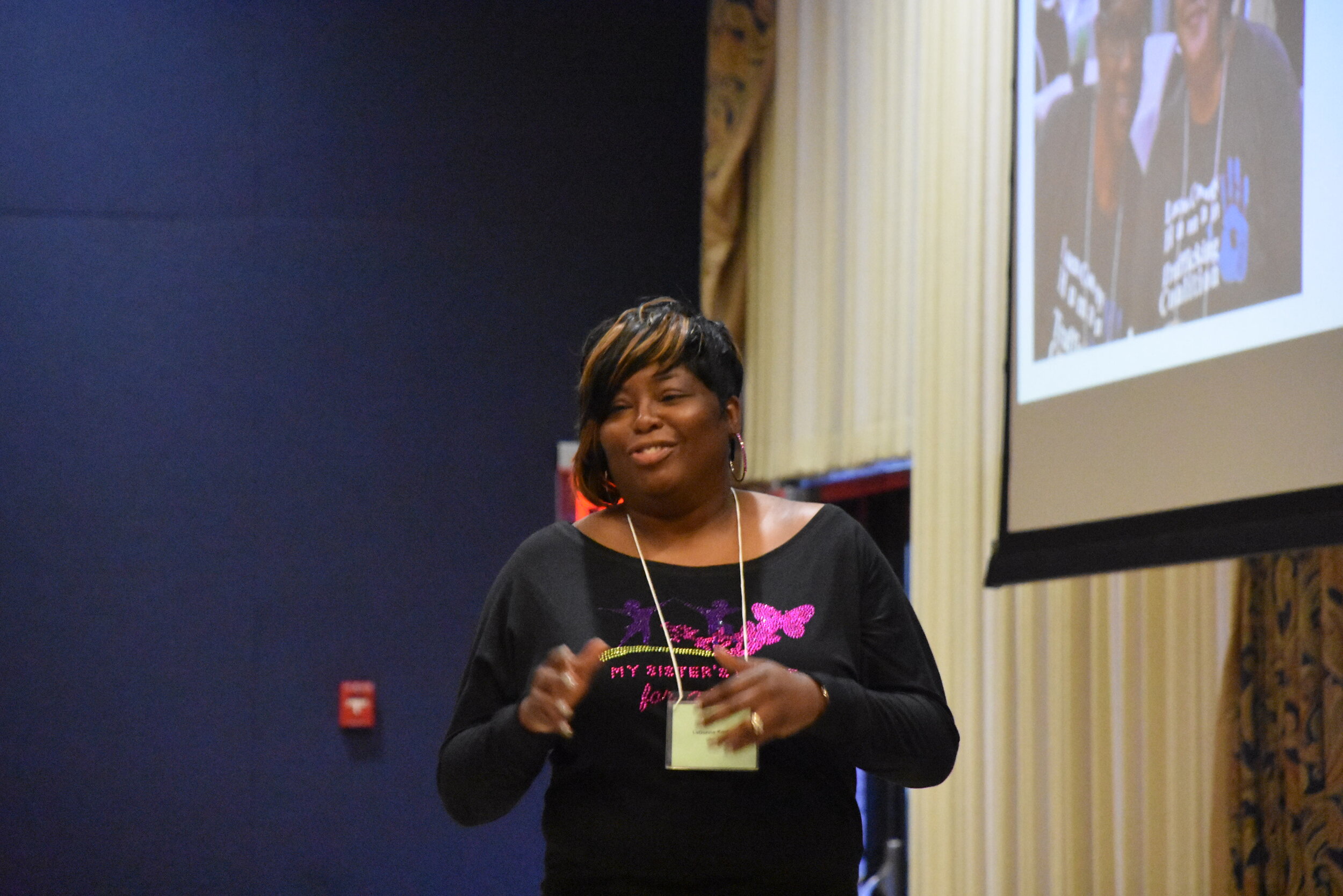
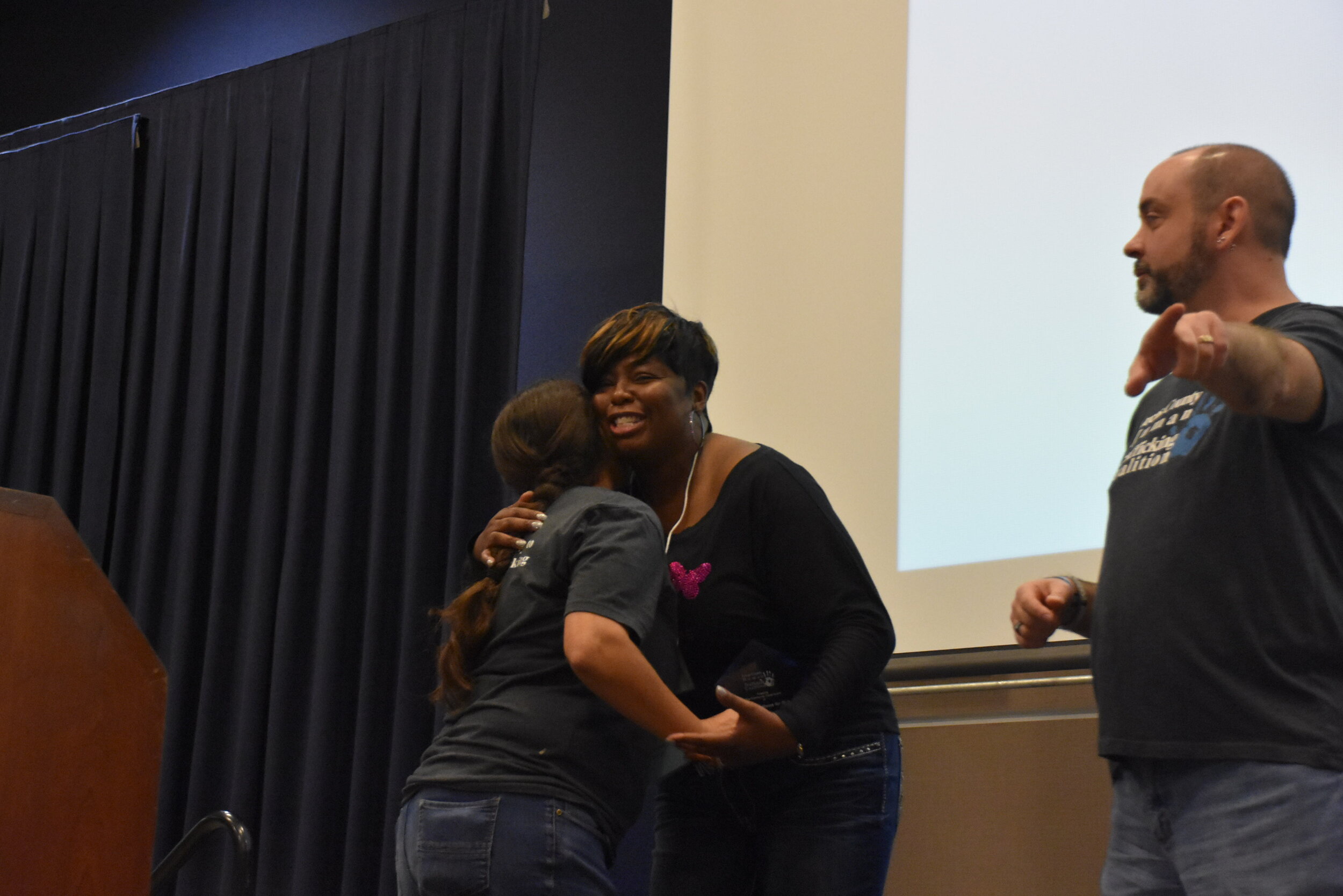
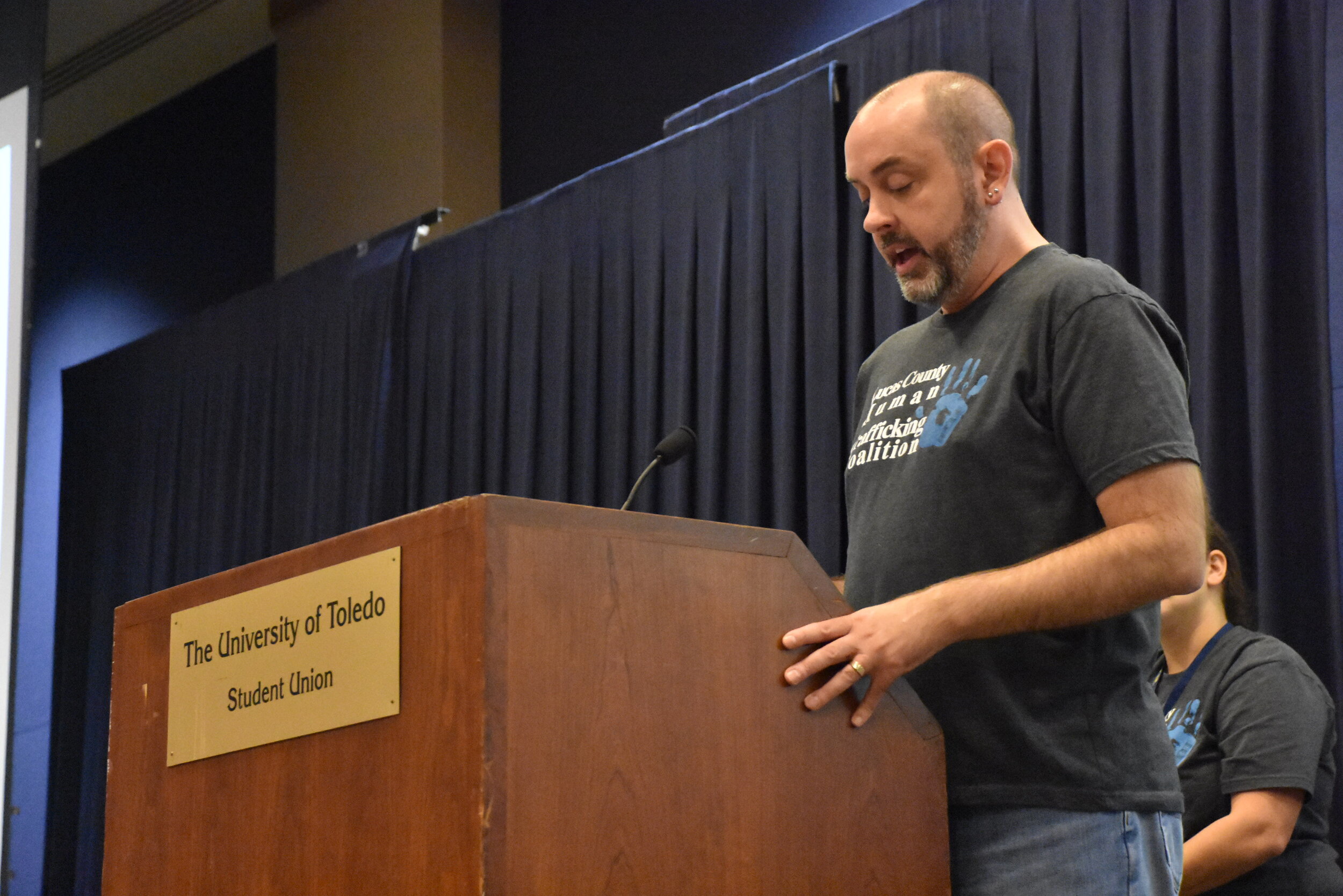
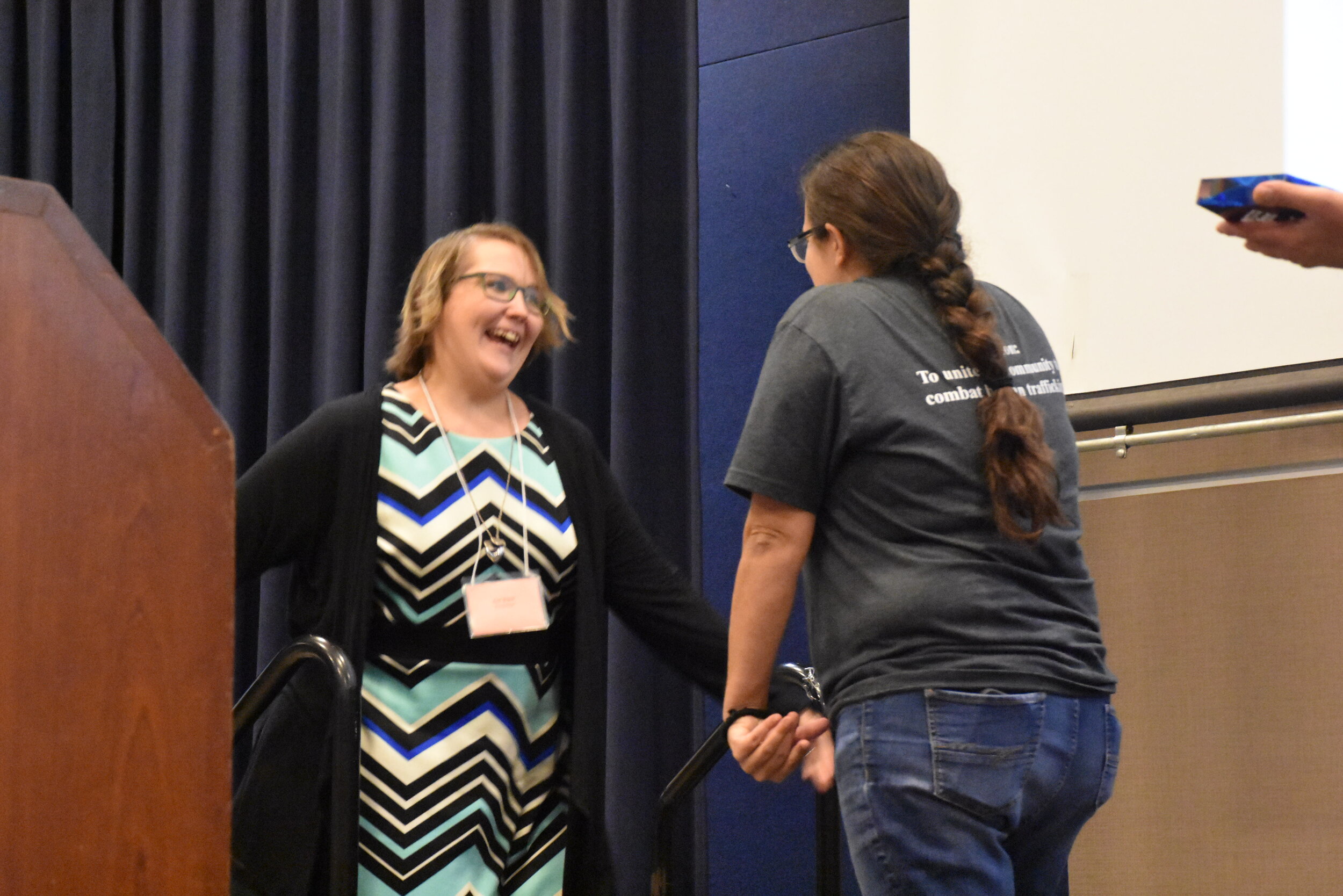
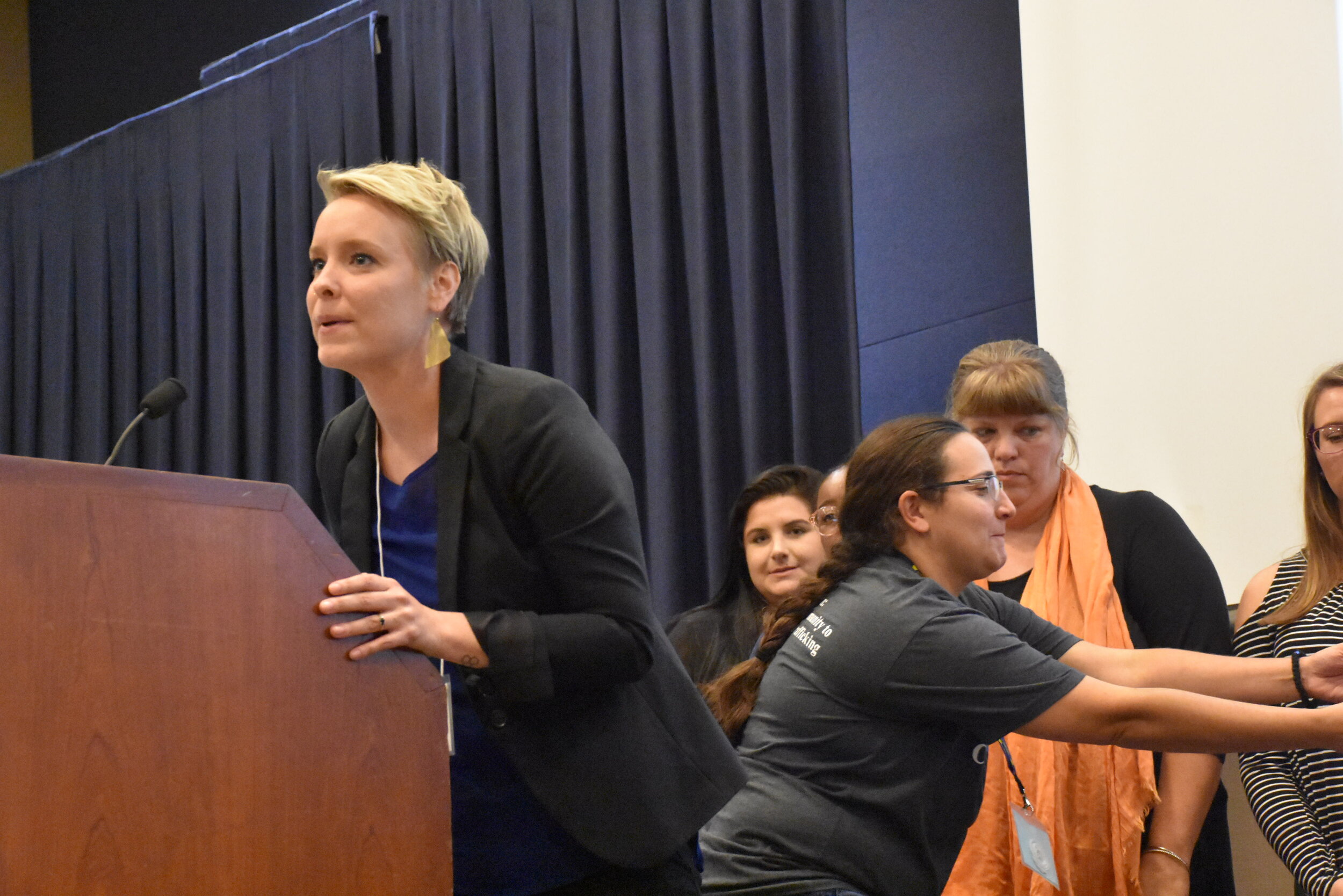
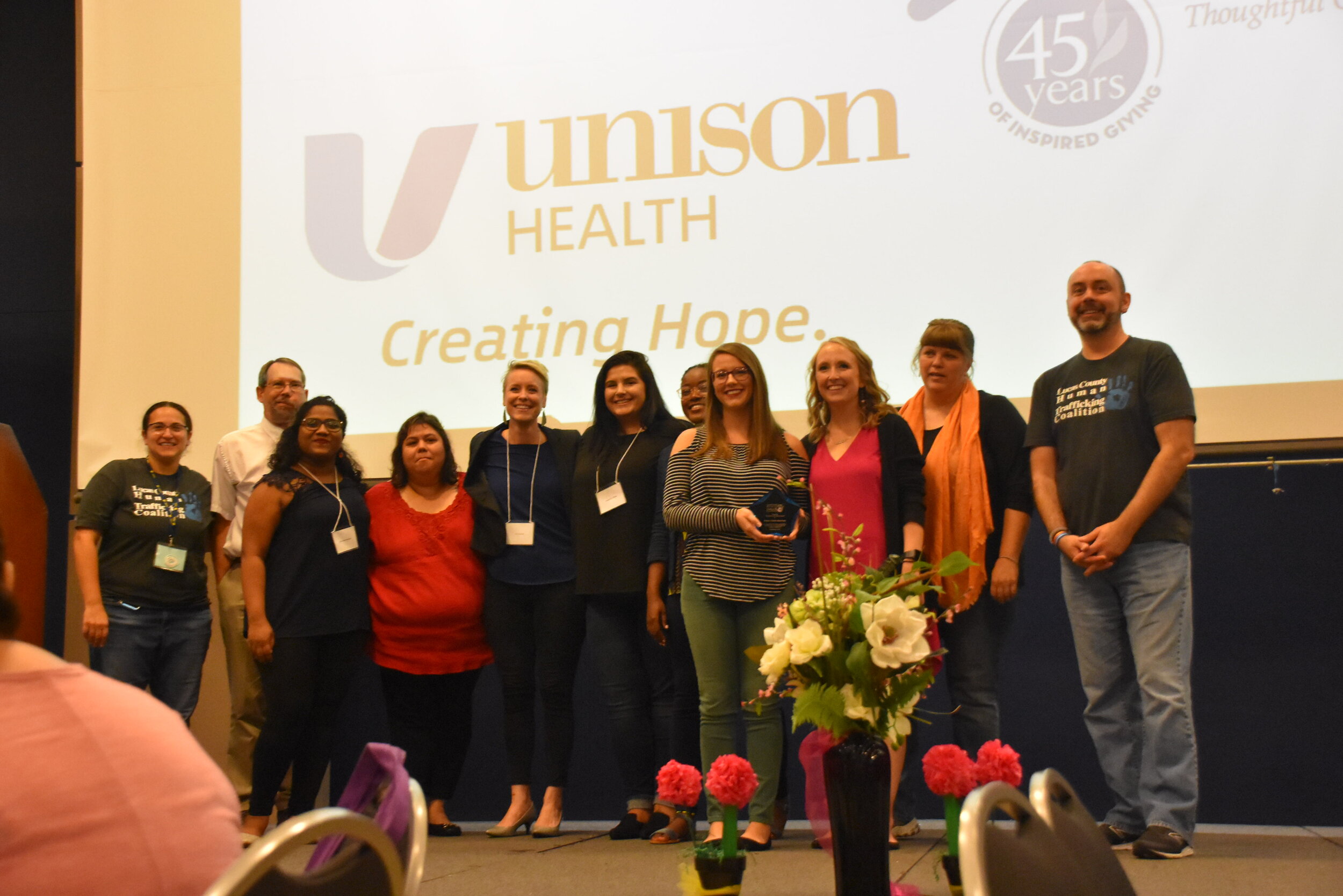
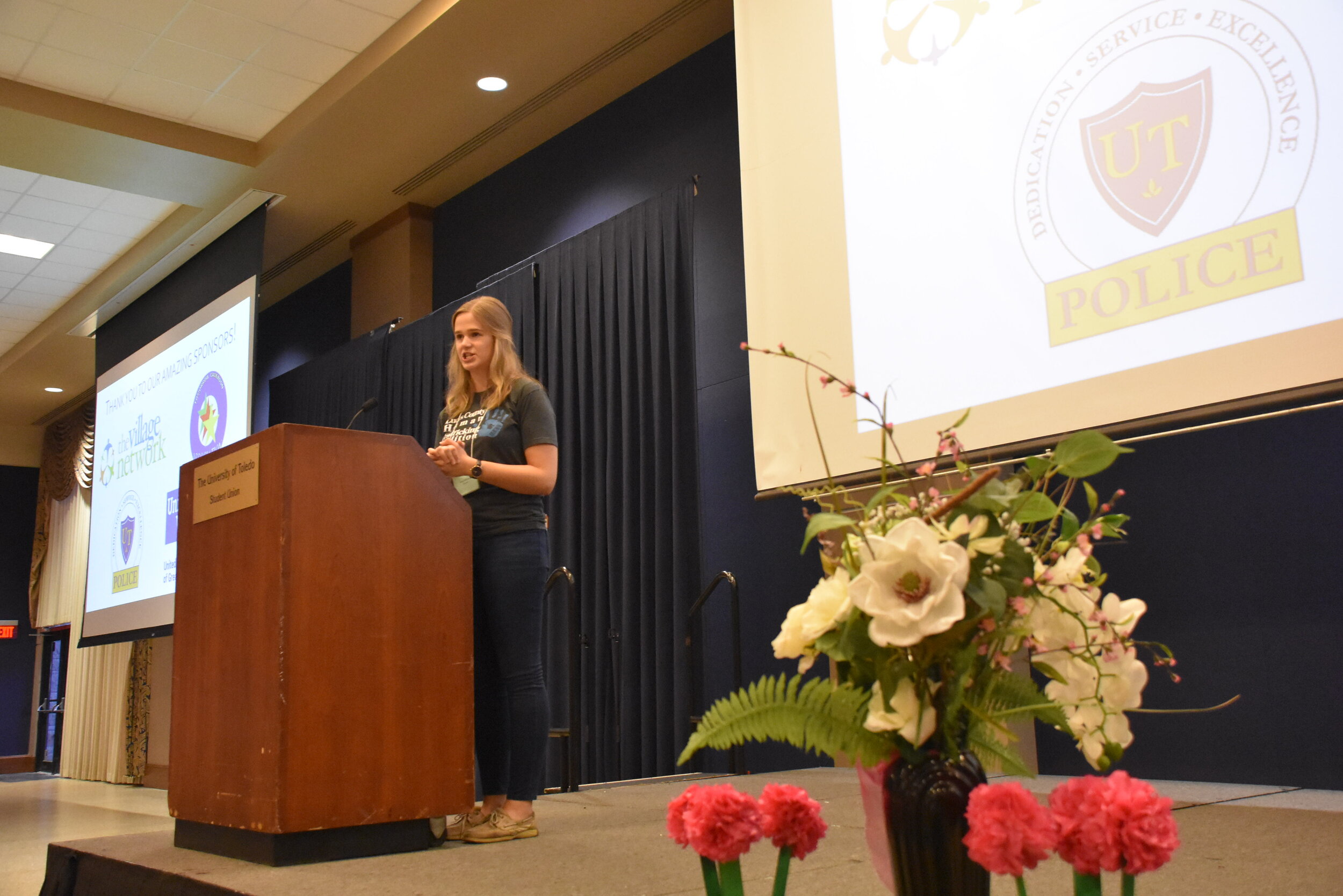
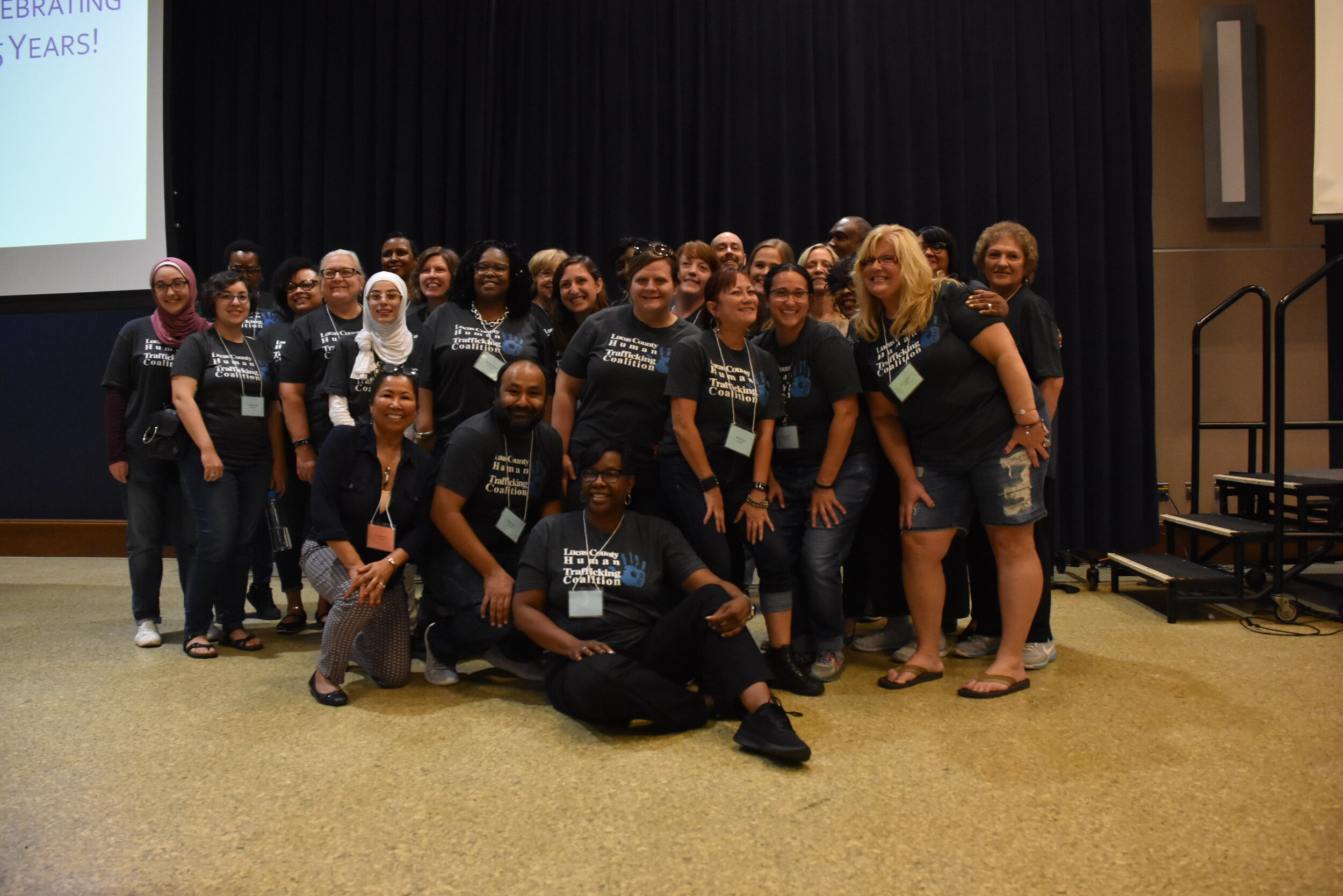
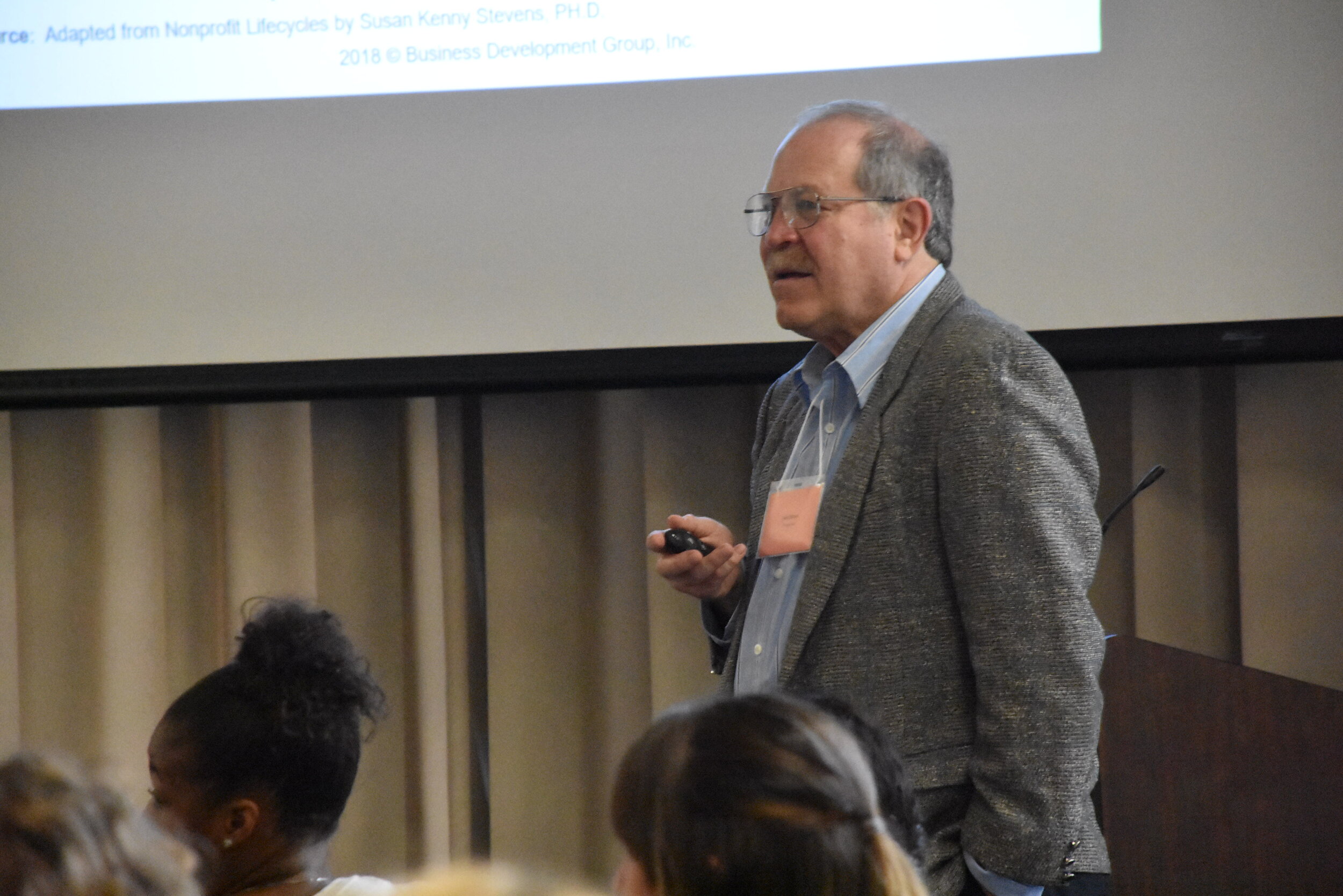
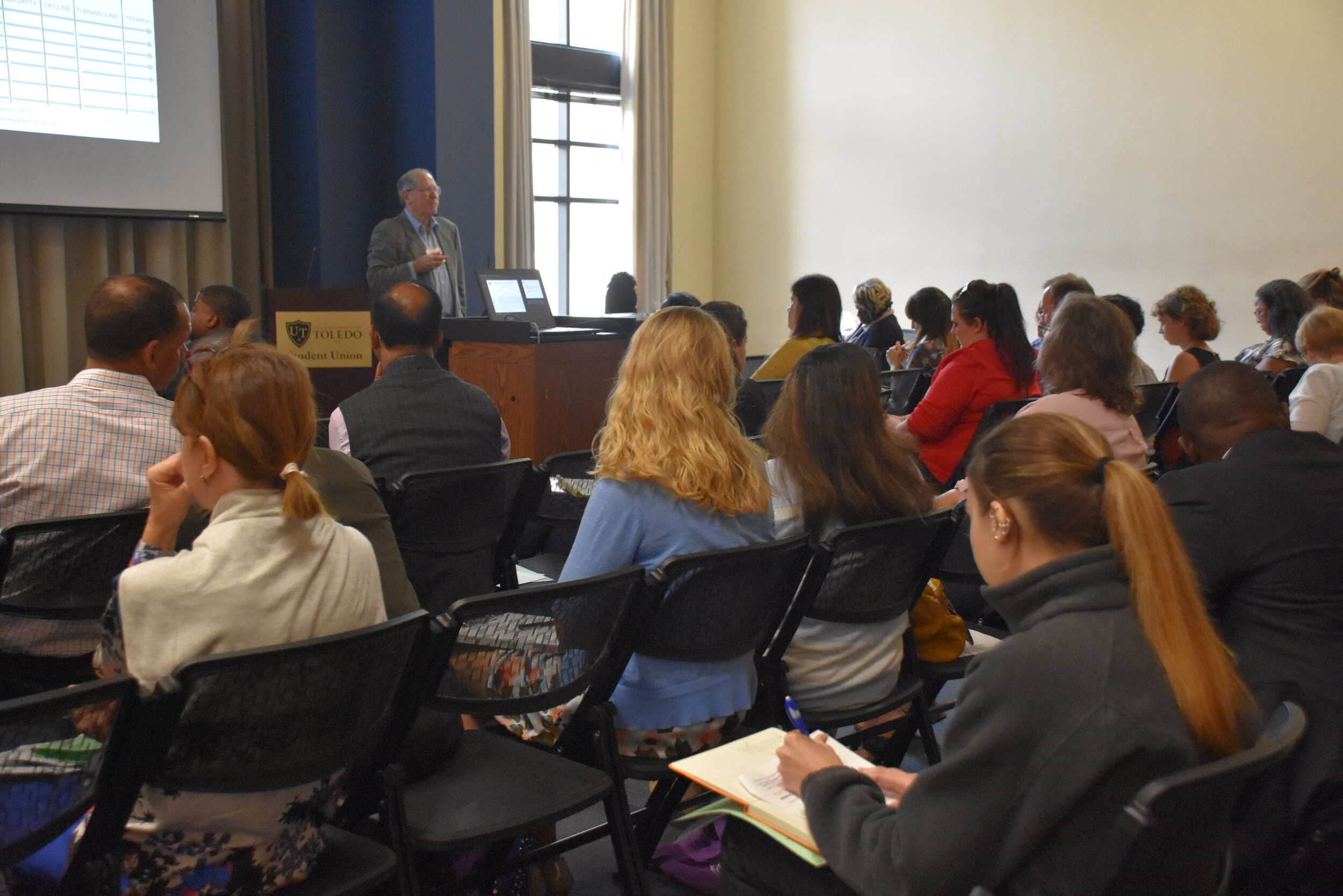

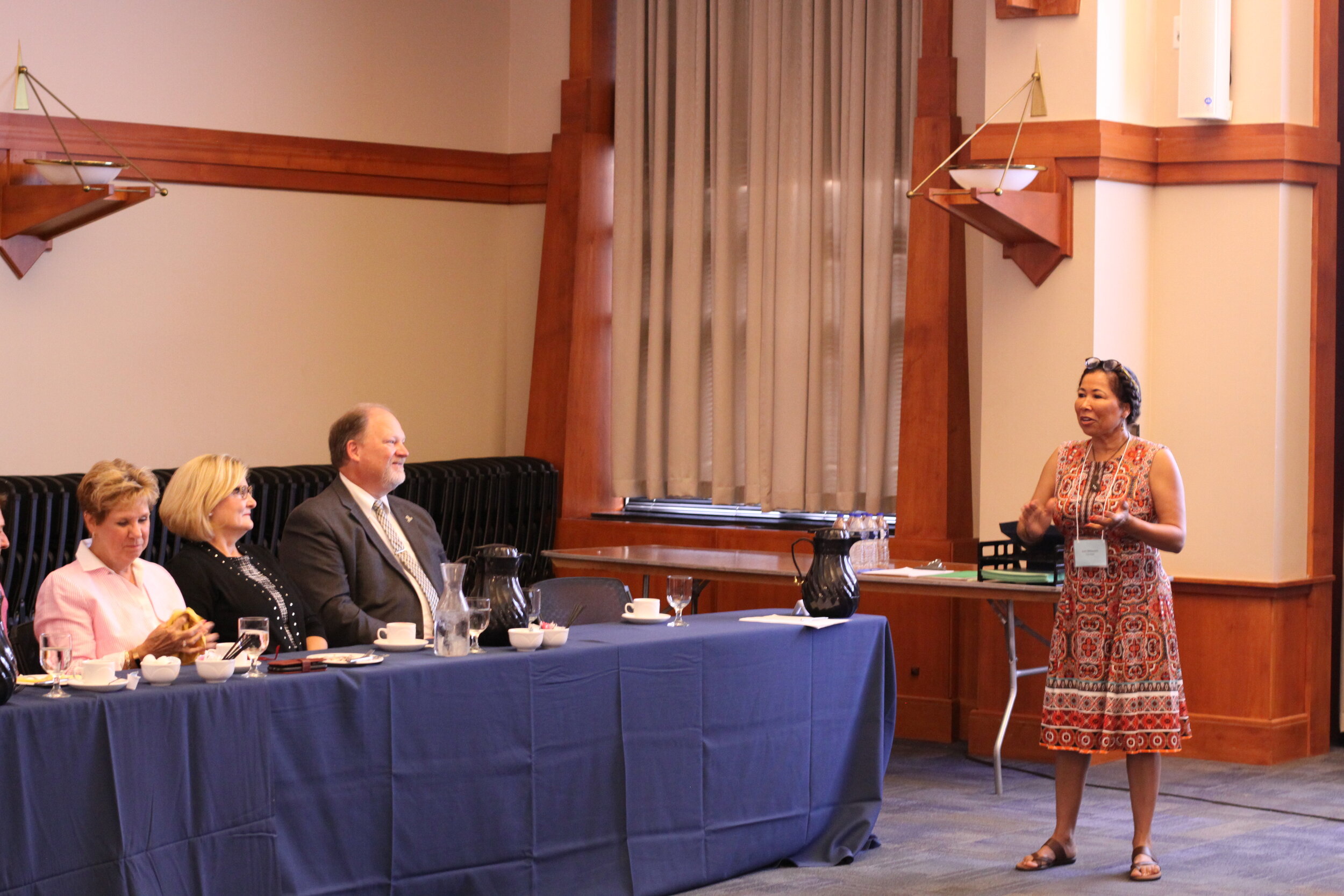
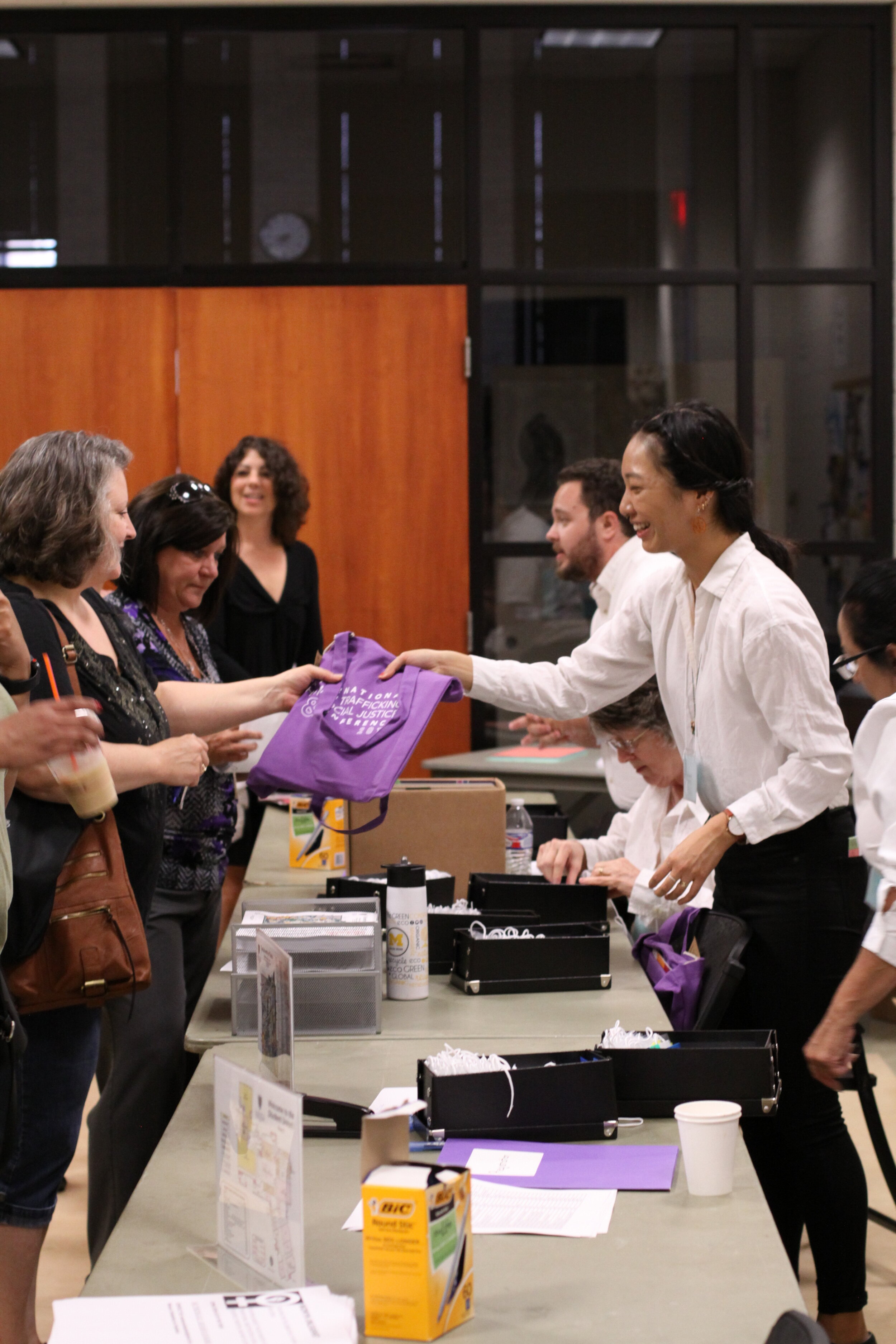









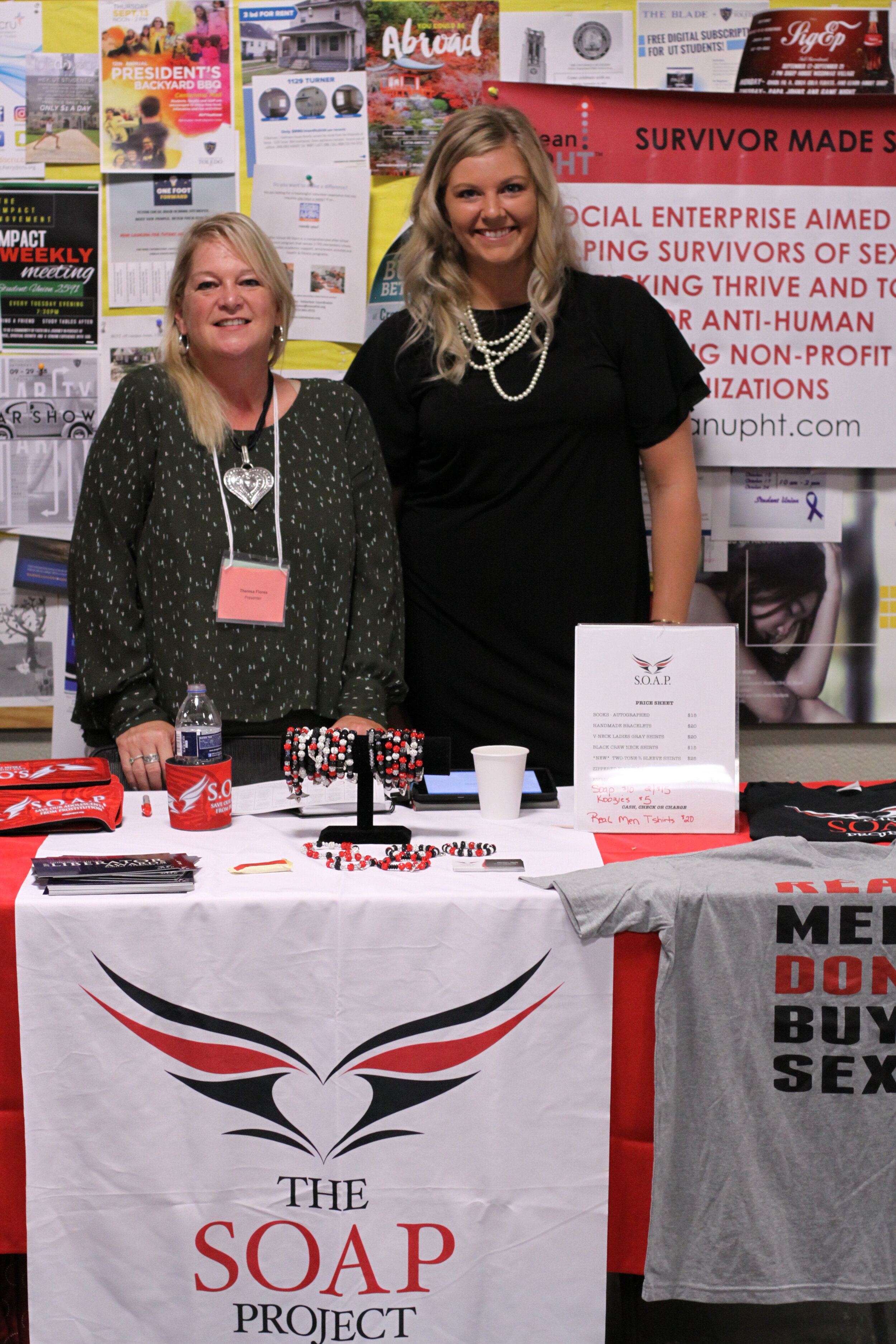
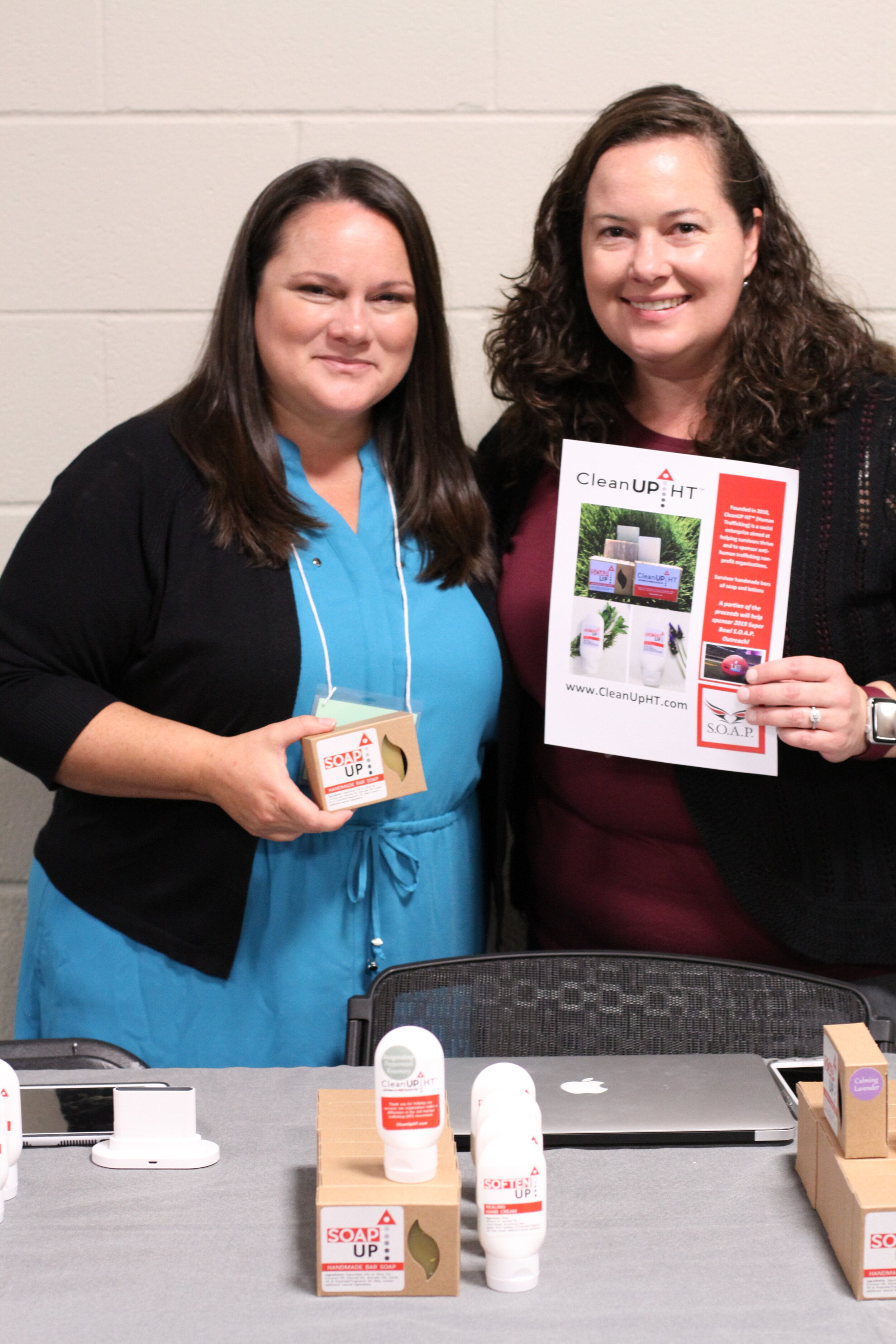
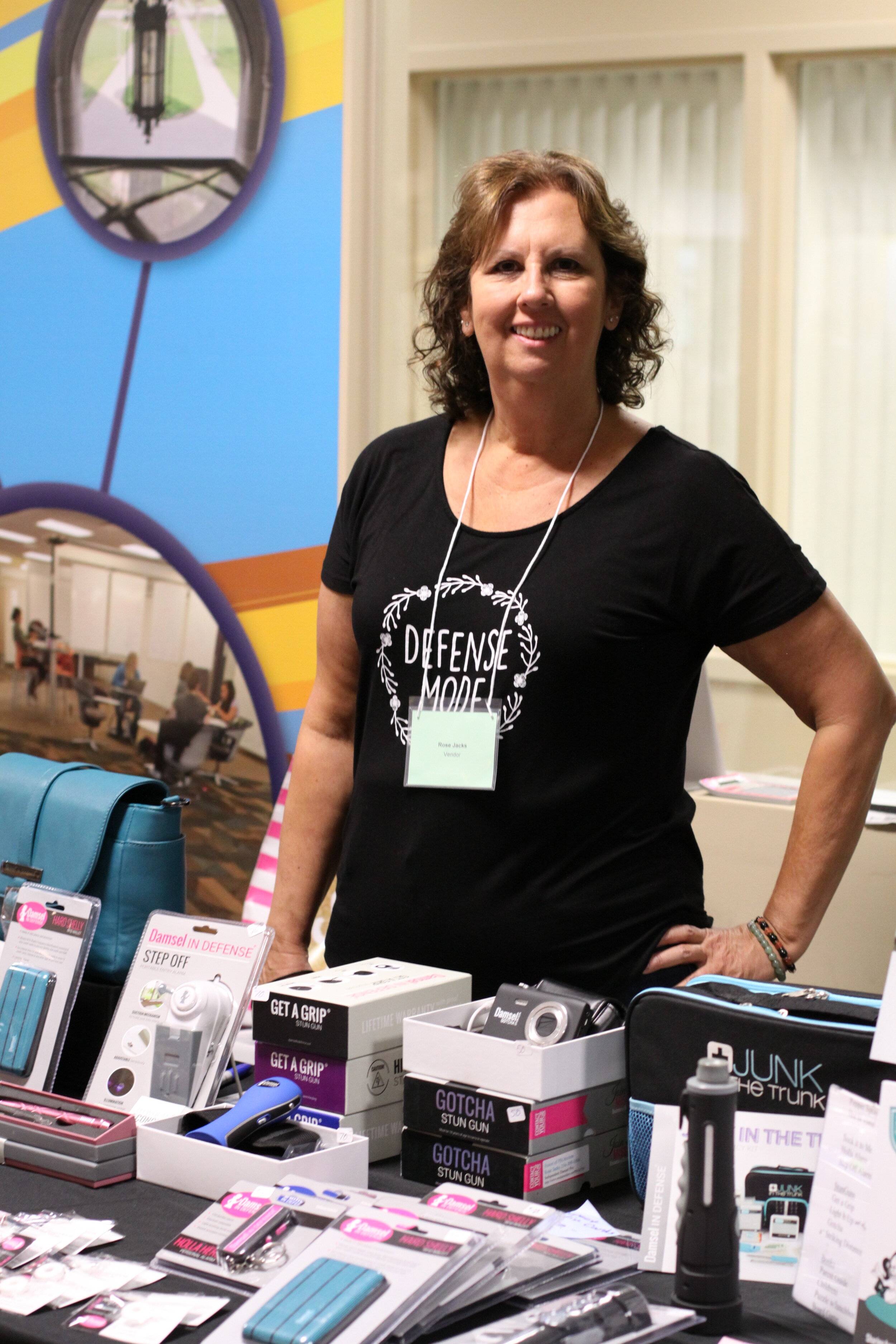
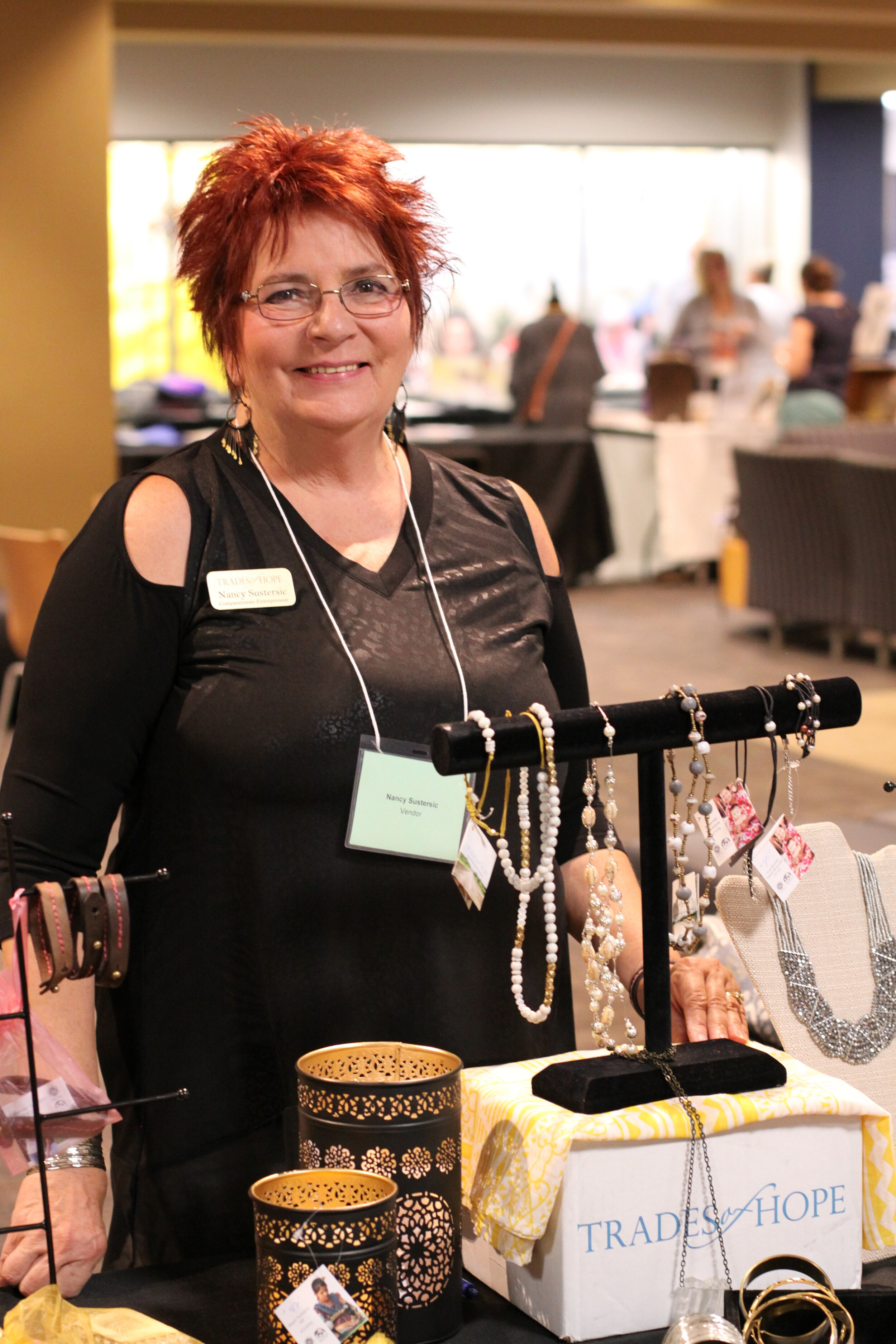







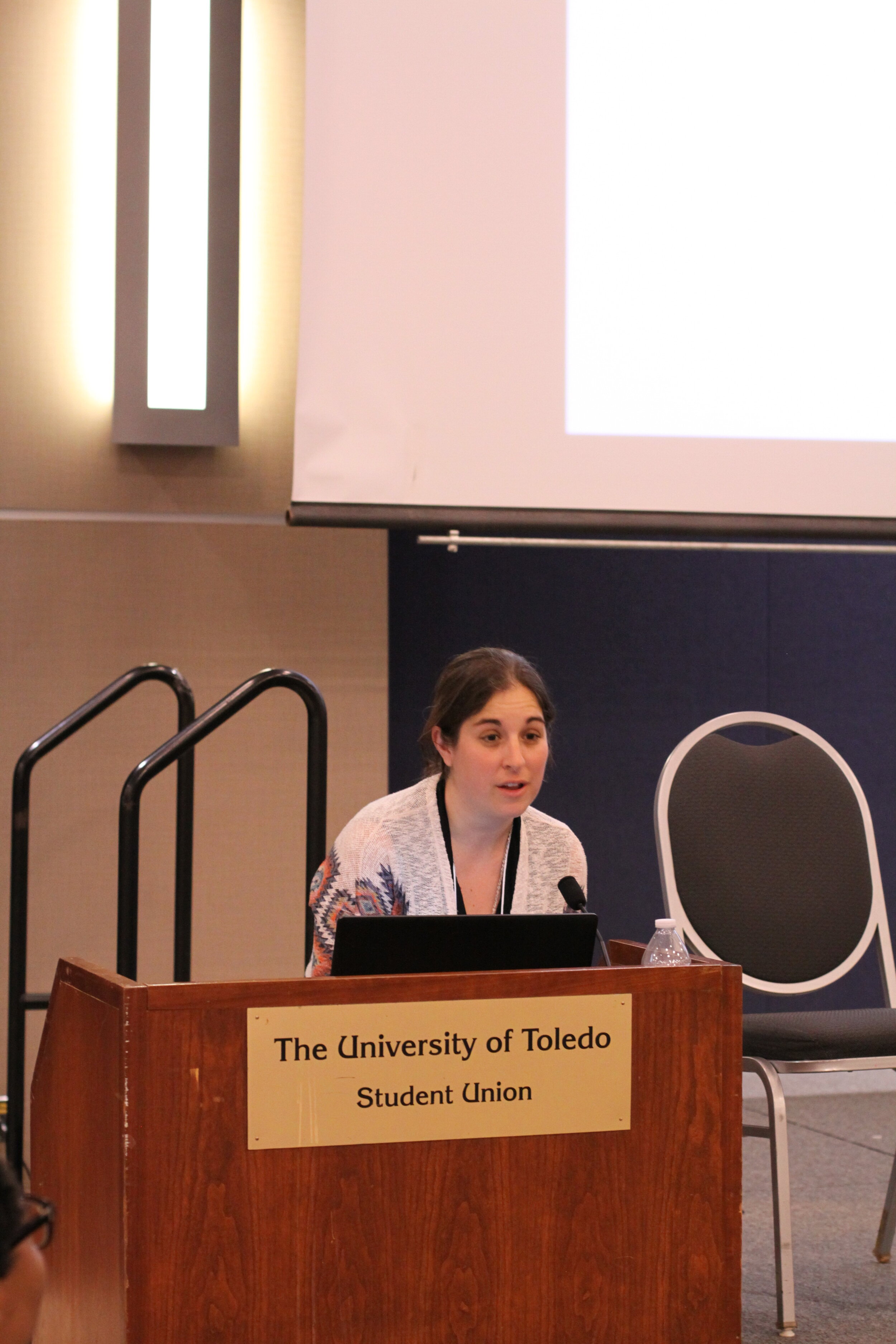
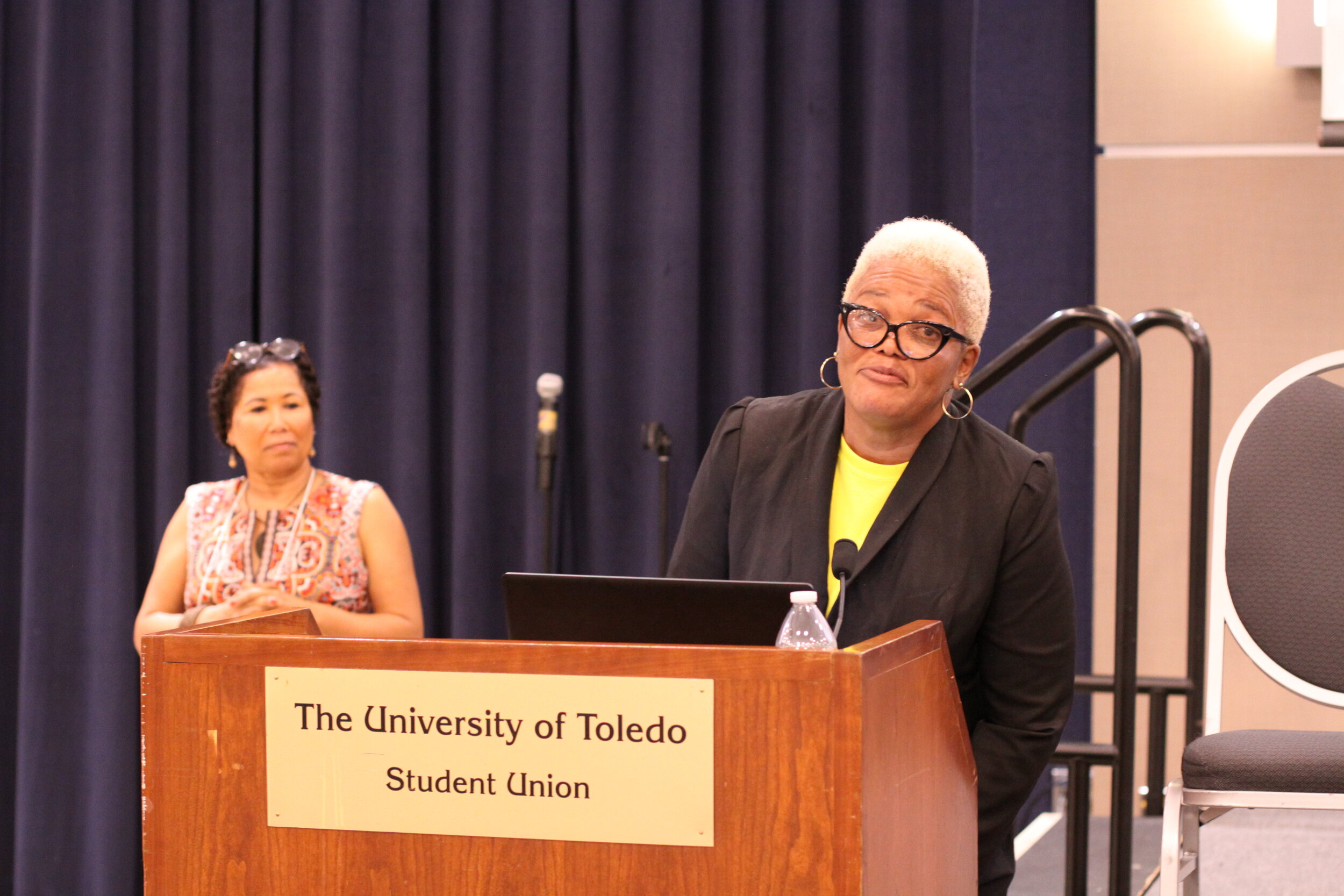
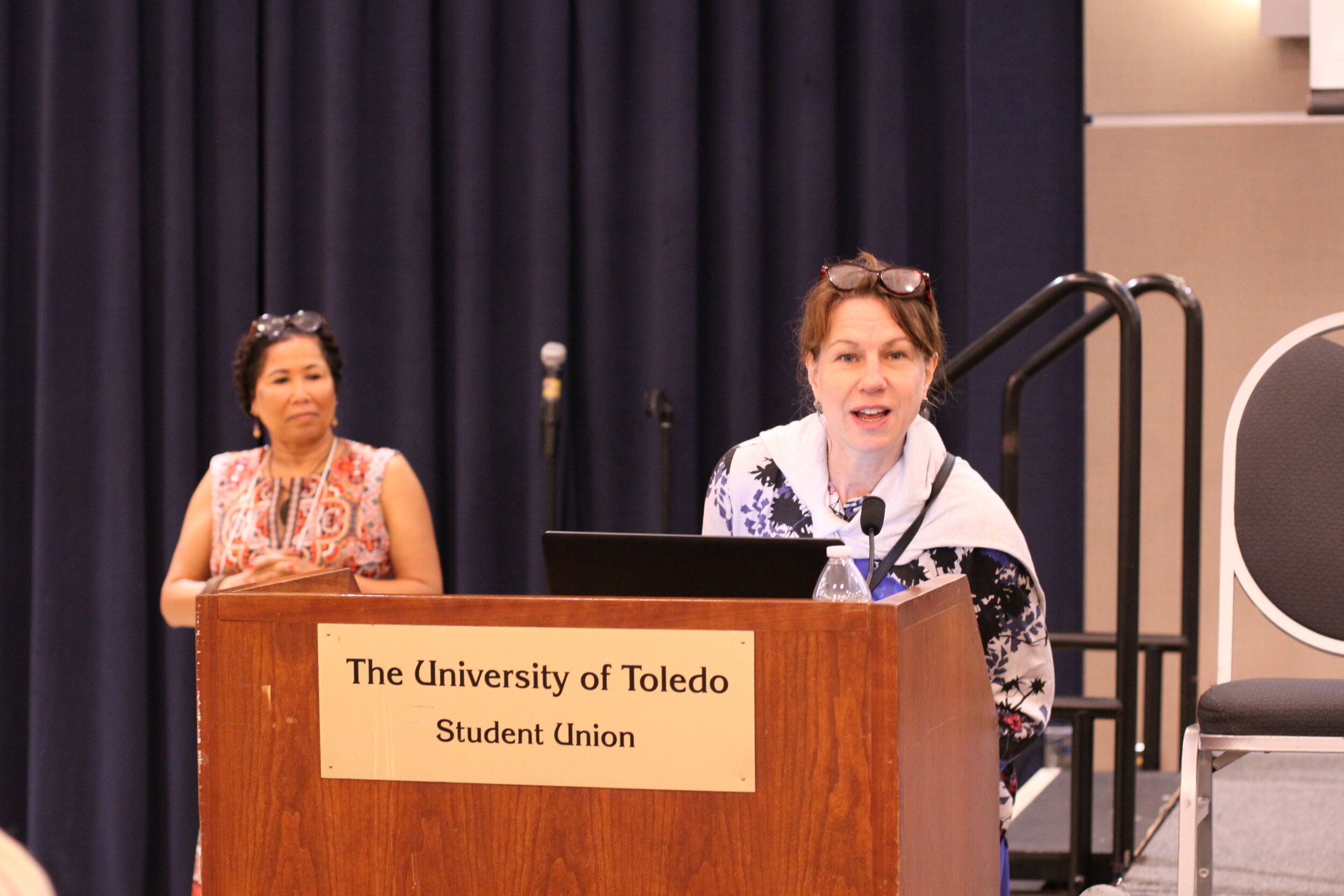
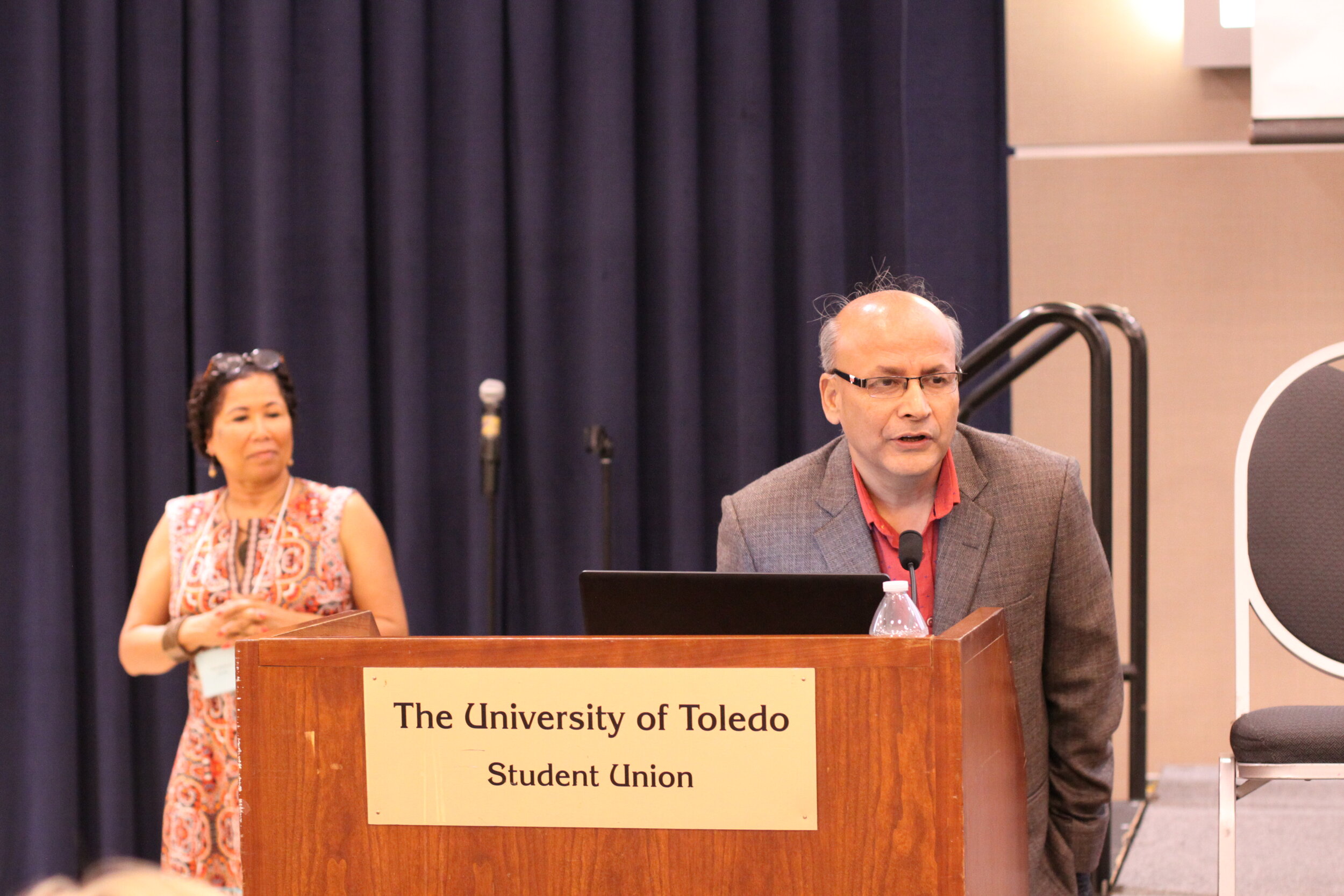



2018 Pictures
2018 Schedule
Thursday, September 20, 2018
8:00
Registration & Continental Breakfast
8:30
Morning Welcome- Auditorium
9:00 - 10:00
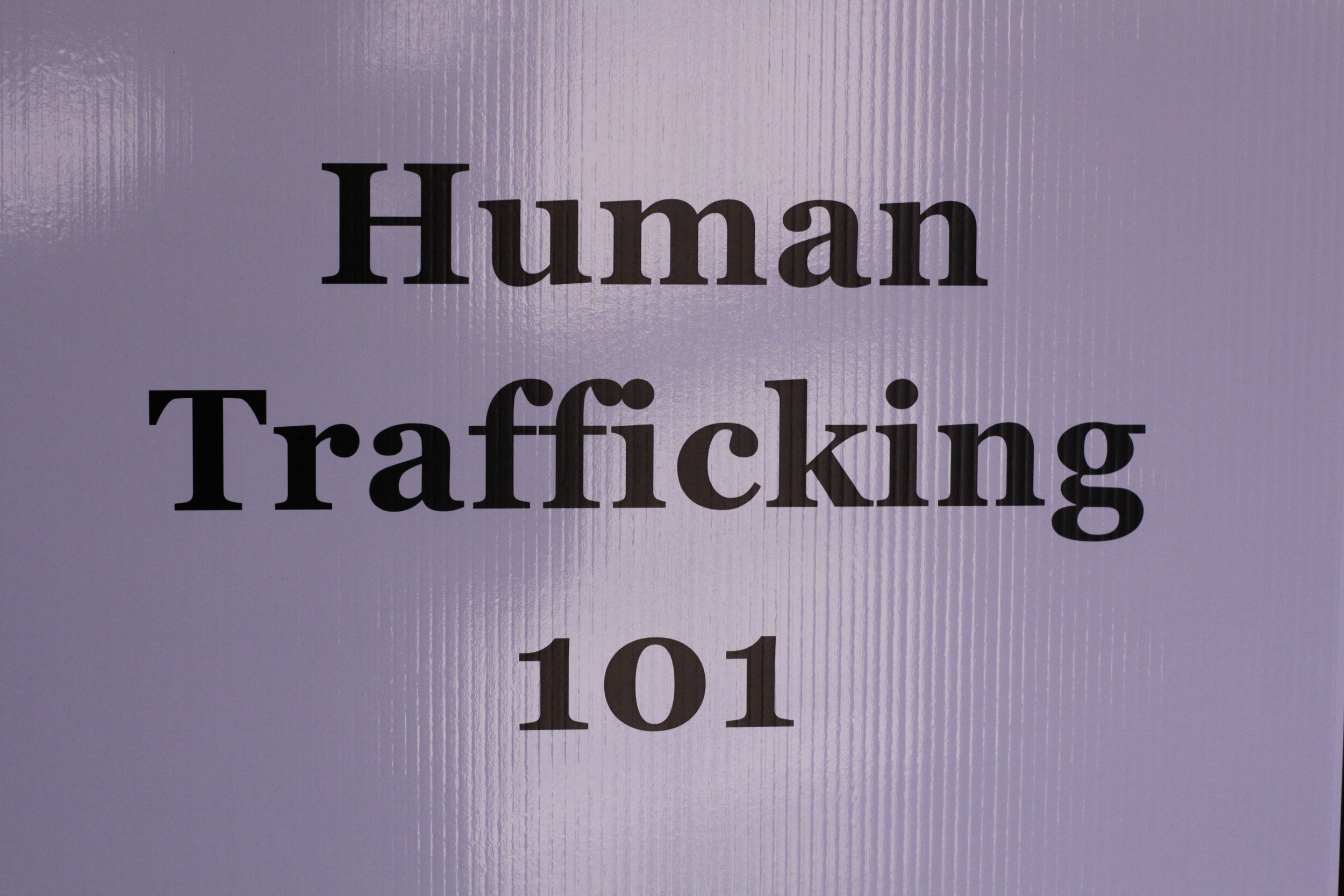
This basic overview of human trafficking is most appropriate for those new to the field. Presenters will focus on both domestic and foreign trafficking as well as labor and sex trafficking. Topics will include the definition of human trafficking, how traffickers recruit, indicators for victim identification, and where and how to report suspected trafficking.
Presentation Objectives:
· Define human trafficking.
· Explain the basics around how traffickers recruit.
· Describe indicators for victim identification.
· Outline where and how to report suspected trafficking.
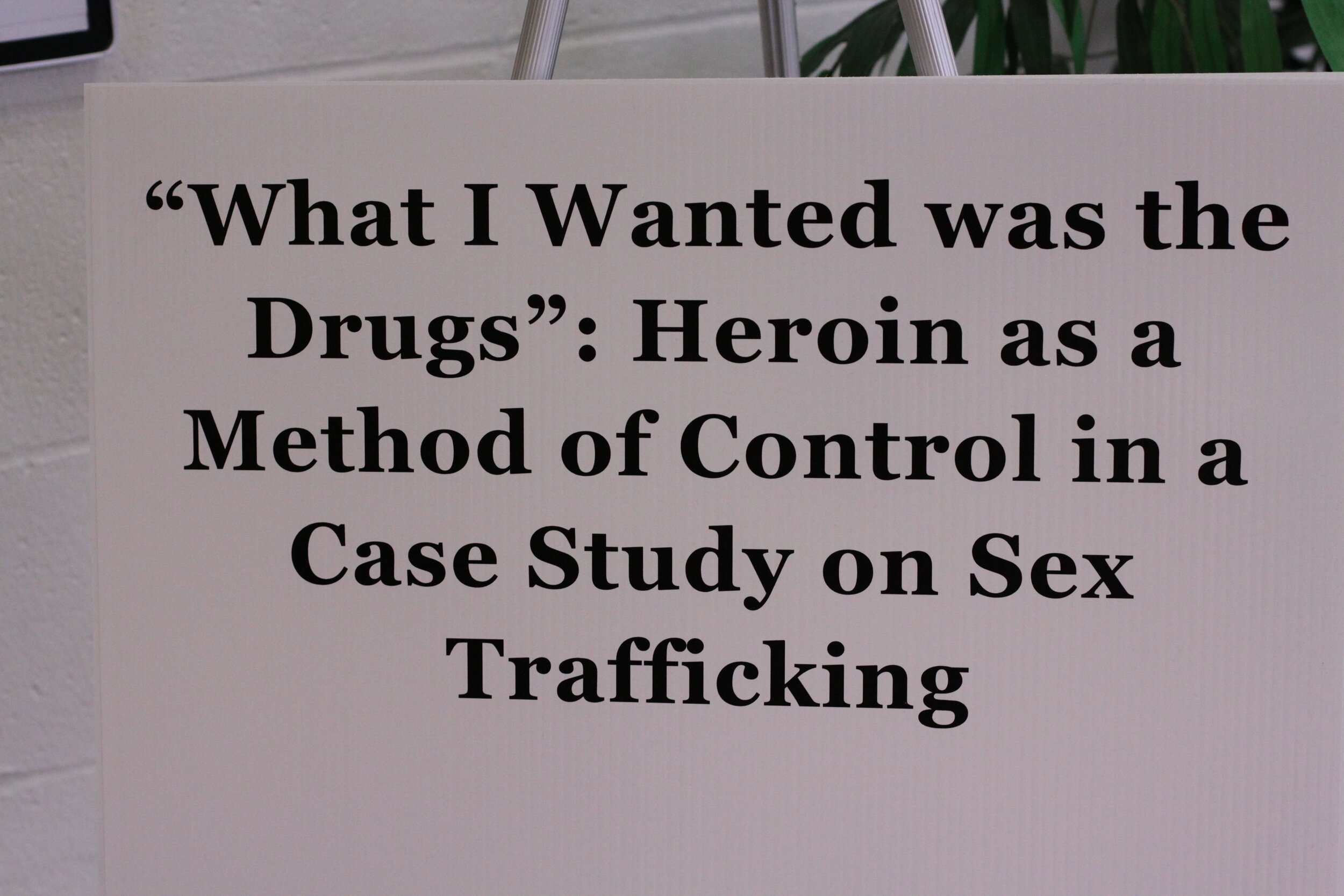
The existing body of literature recognizes the presence of force, fraud, and coercion as salient indicators of sex trafficking. The researchers of this study completed a narrative analysis from court transcripts of a sex trafficked survivor who was coerced into the sex trade through her existing opiate addiction. The process through which the sex trafficker used heroin to initially gain access, and as a continual means of control are examined and discussed in this study. Findings indicate that, in this particular case, the victims came from a family of lower socio- economic status, possessed a lower level of education, little to no marketable skills, minimal work experience and had an existing drug addiction lending credence to the work of Norton- Hawk (2004) and Deshpande and Nour (2013), which explored the demographics of trafficked women. This case study demonstrates the need for further qualitative research which examines the way opiate addictions are exploited by sex traffickers so as to develop early interventions and strategies.
Presentation Objectives:
· Examine heroin as a method of control in sex trafficking.
· Describe how sex trafficking and opiate addiction are intertwined.
· Discuss salient indicators of opiate addiction.
· Illustrate how legal opiate prescriptions can lead to heroin addiction and sex trafficking.
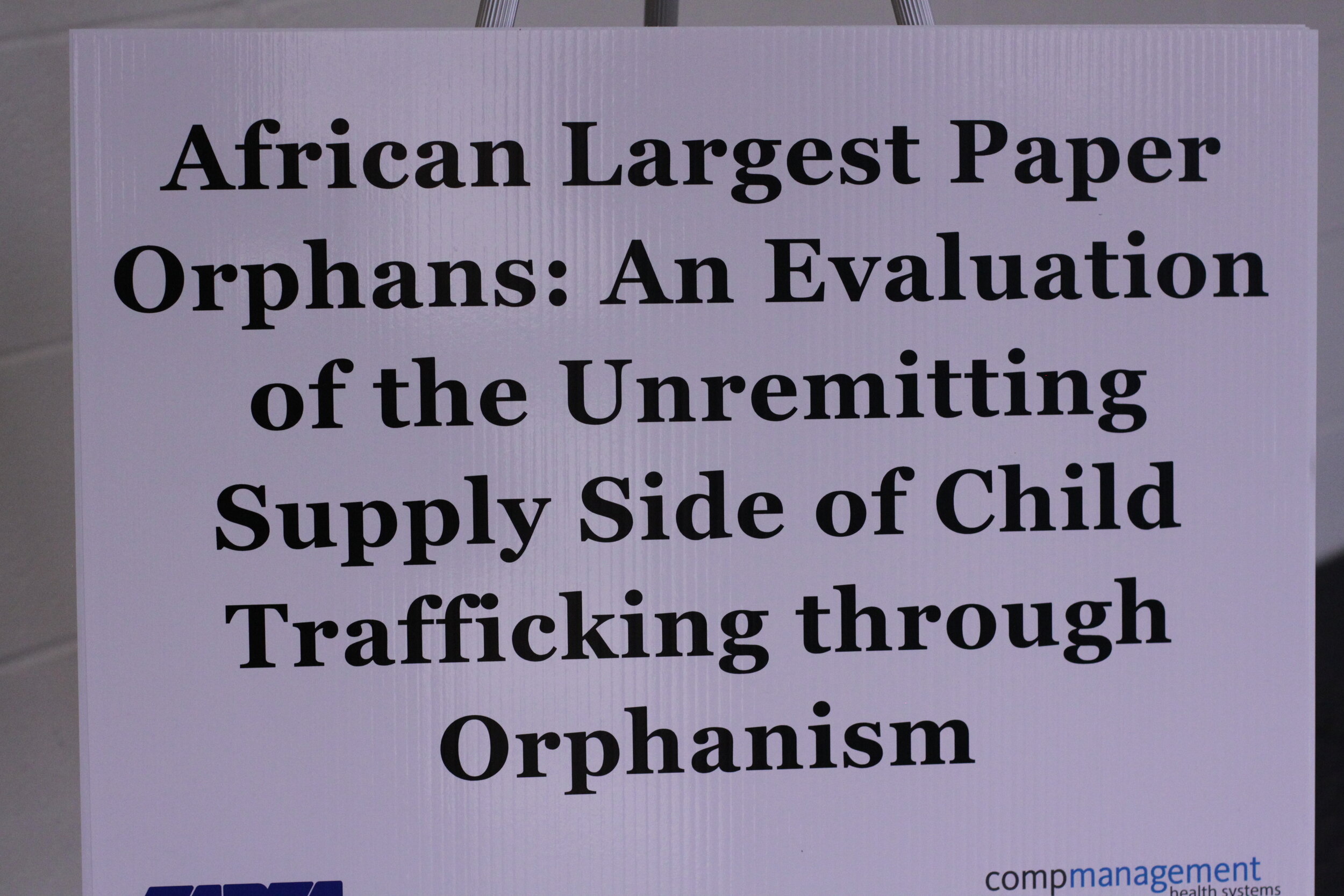
With increased vulnerabilities that put children at risk, more gaps are being overlooked in African orphanages that continuously endanger the lives of innocent African Children. Resulting from a quagmire of socio injustice, lack of social safety nets, and internal displacement of citizens, orphanages have become the last hope of a common child. Especially in an environment with little or no coordinated birth records, these orphanages are turning to myriads of unscrupulous means to source for children for illicit financial gains. Many of the ‘orphans’ are paper orphans, who were removed from their biological parents using duplicitous misrepresentations, sourced through kidnapping by criminal organizations or harvested at birth through what is popularly known in Nigeria as “Baby Factory”. Research has shown that Nigeria is one of the top three countries globally with the most orphans, and most of the children placed in orphanages are not orphans, they are procured for illicit purposes of profit making. A 2012 research study also postulates that there are about 11.5 million orphans in Nigeria, however this is difficult to substantiate because of a lack of dependable statistics. Amid a growing culture of orphanage tourism amongst more affluent individuals visiting orphanages with tons of gifts items and financial supports to demonstrate philanthropism, criminal elements are leveraging on empathy for the needs of children, to expand the numbers of children in the orphanages. This presentation seeks to therefore discuss the incipient issues in Nigerian orphanages with regards to the increasing demands for ‘orphans’.
Presentation Objectives:
· Describe the emerging issues in Nigerian orphanages with regards to demand and sourcing.
· Identify the disconnections that aids the vulnerabilities of high risk children in orphanages.
· Identify the roles of different stakeholders in the illicit demand for paper orphans.
· Discuss and elicit some practical recommendations.
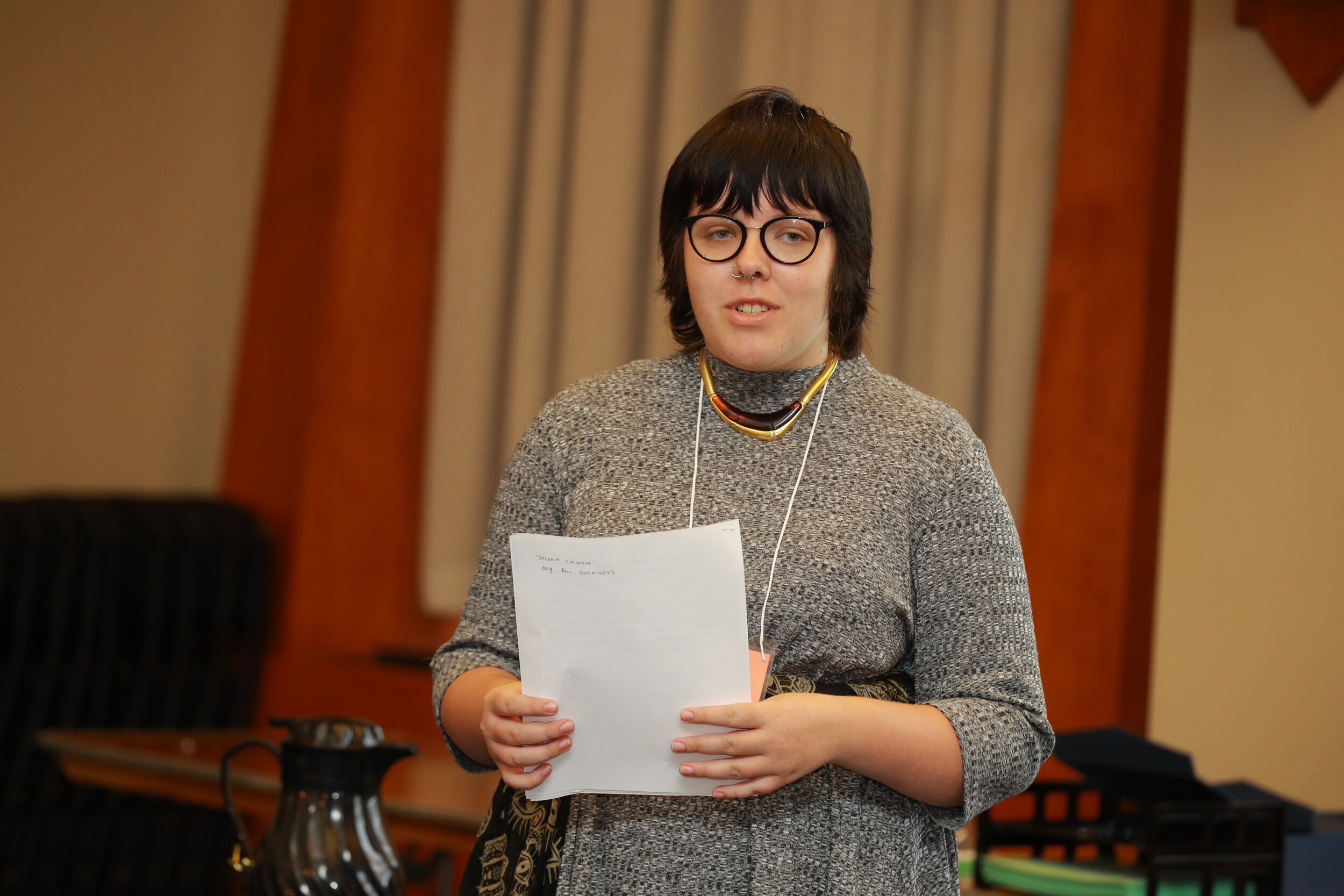
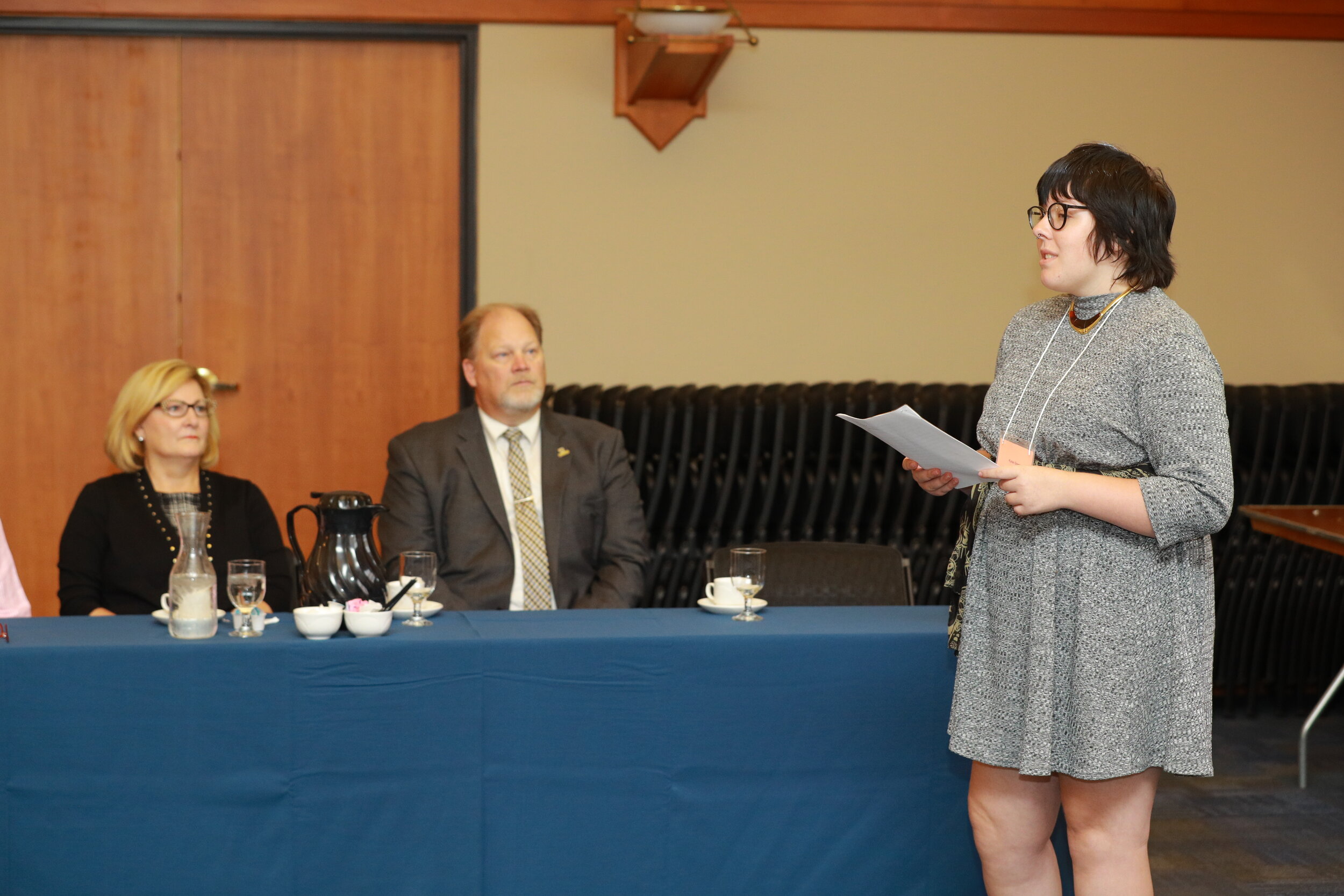
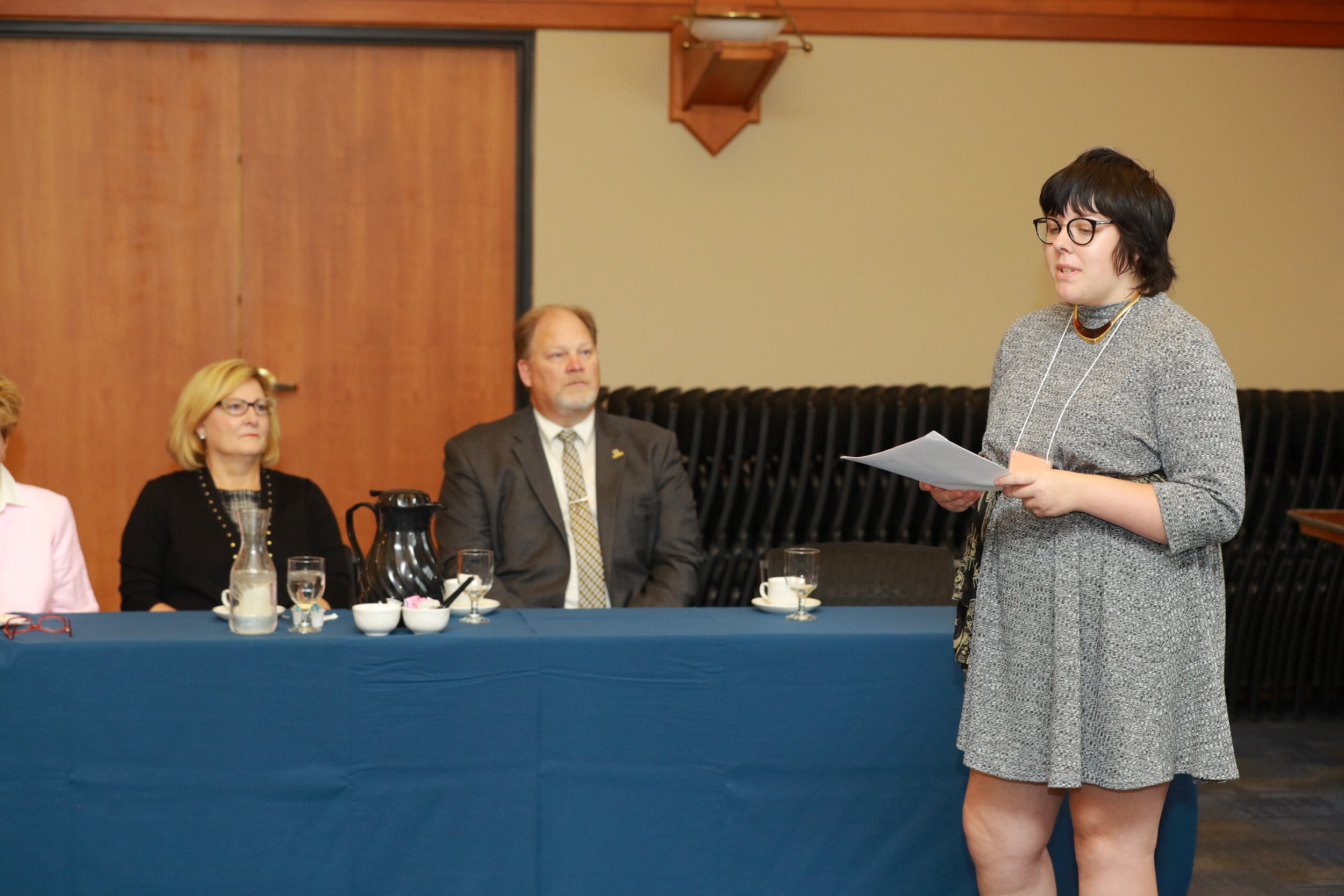
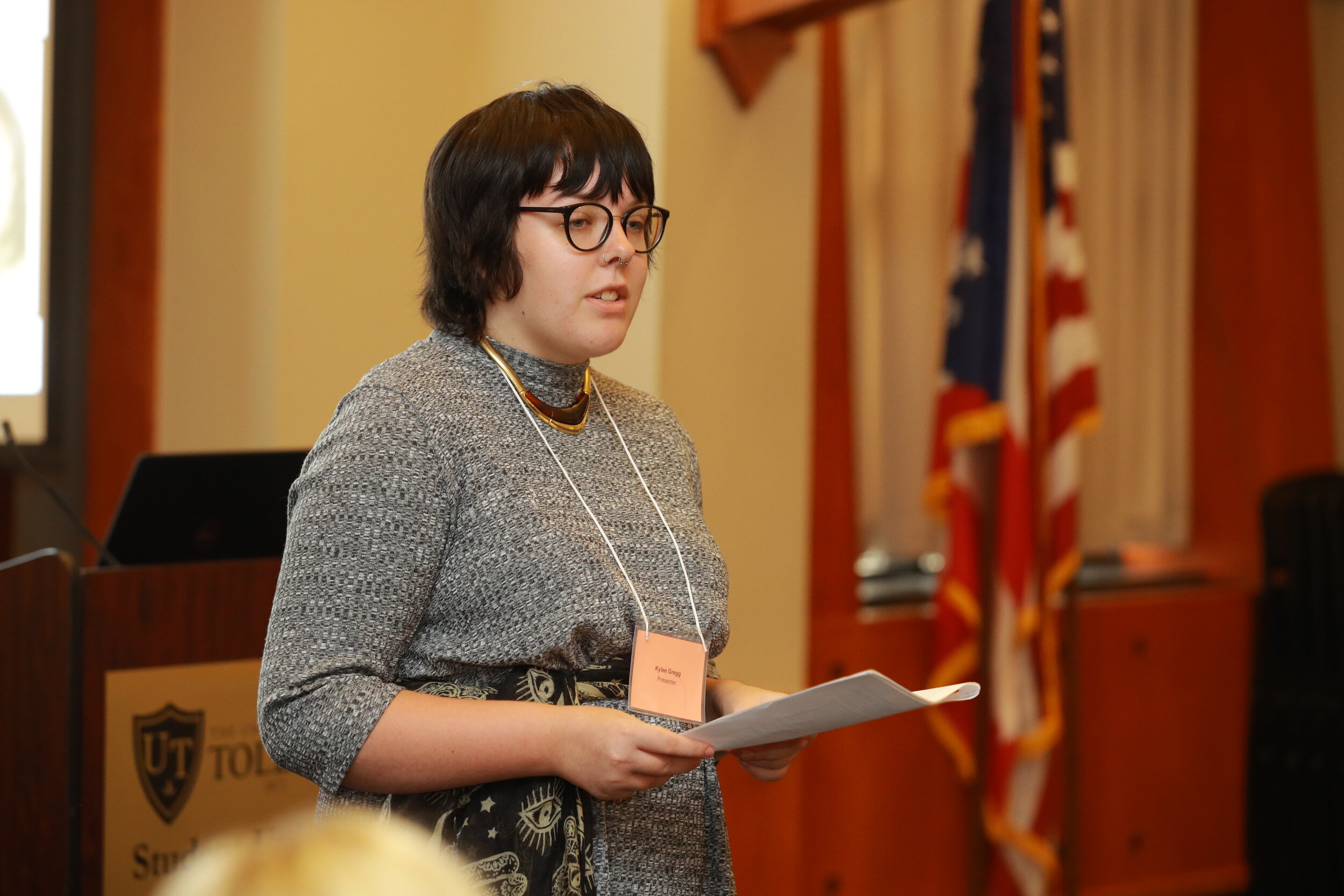
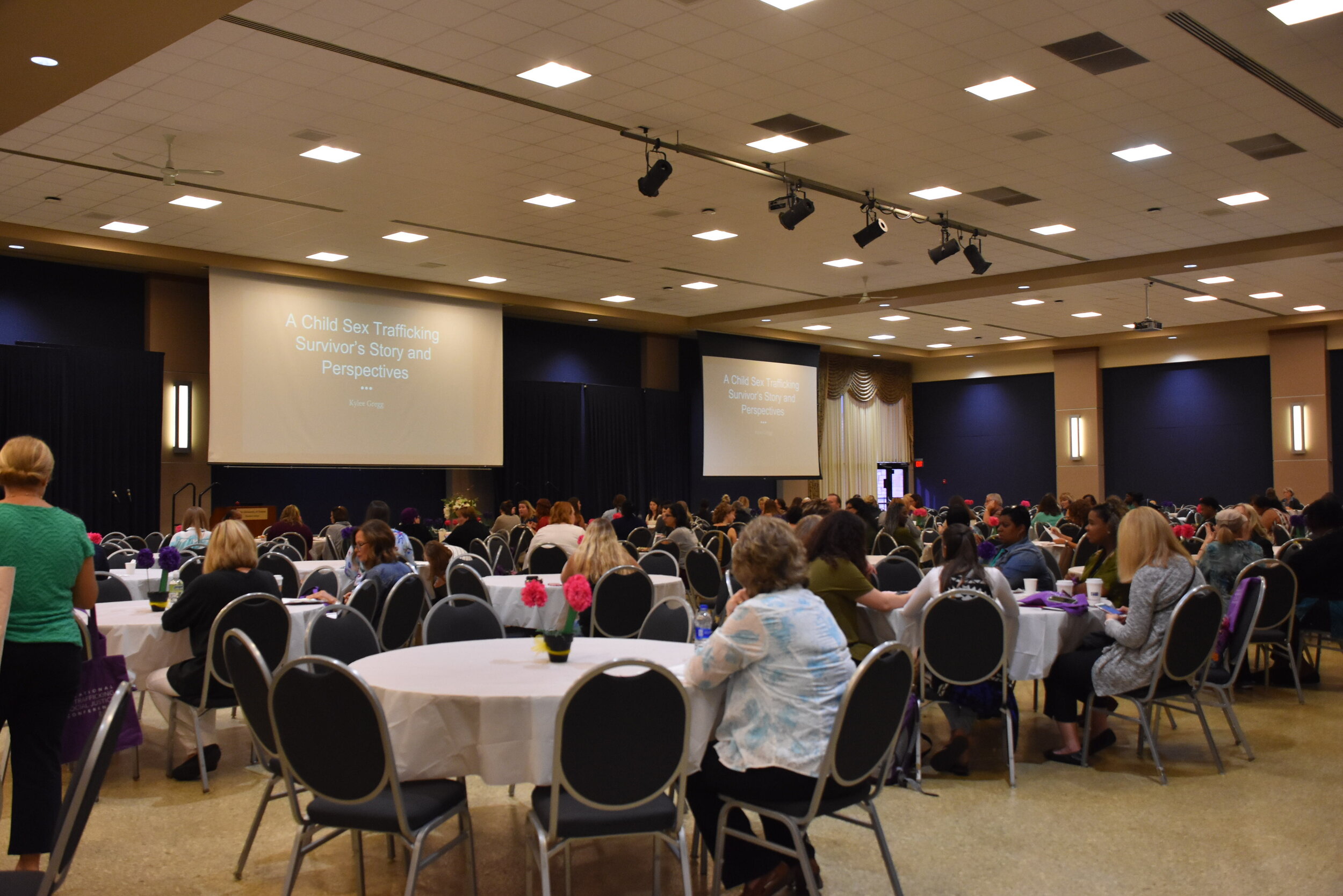
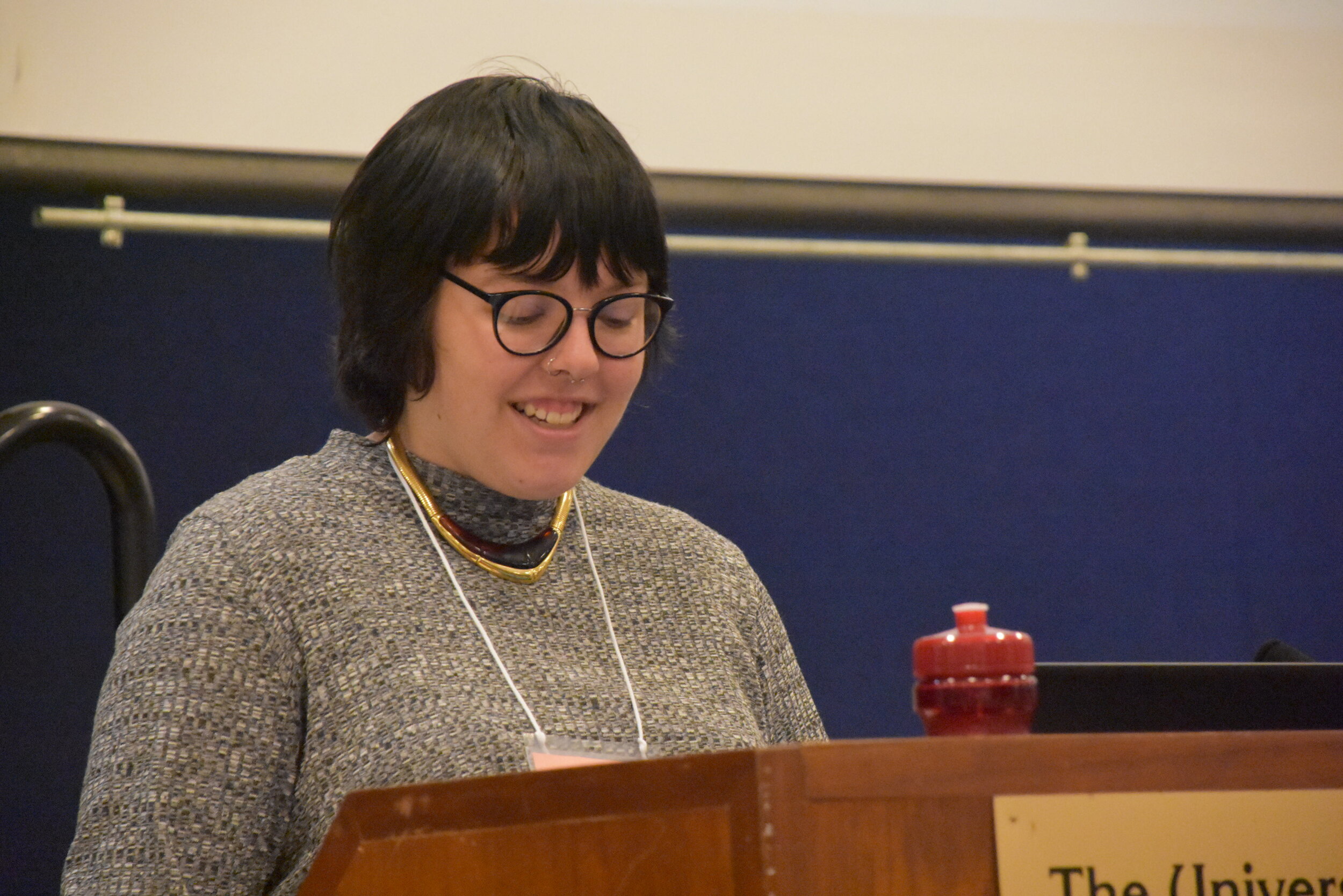
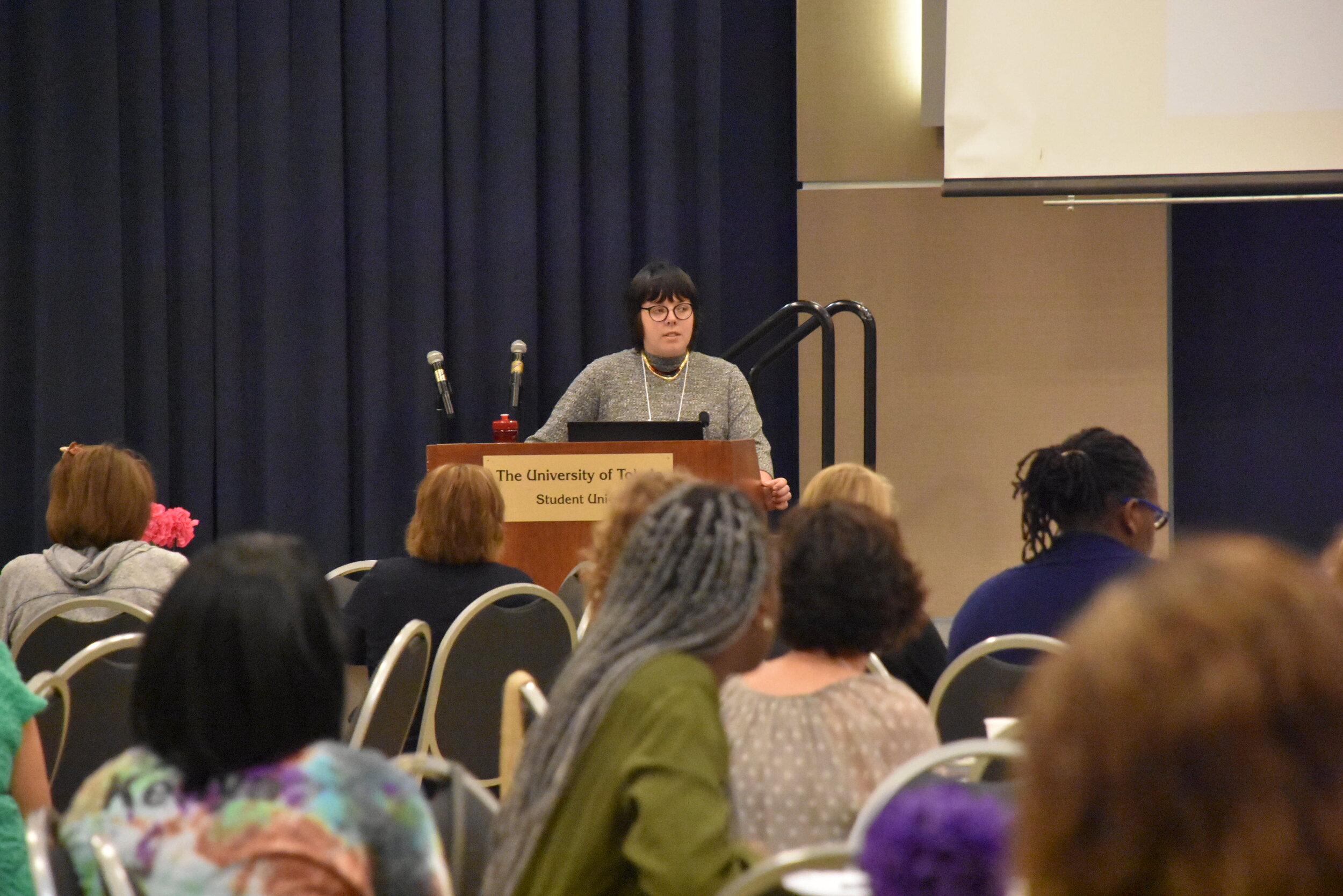
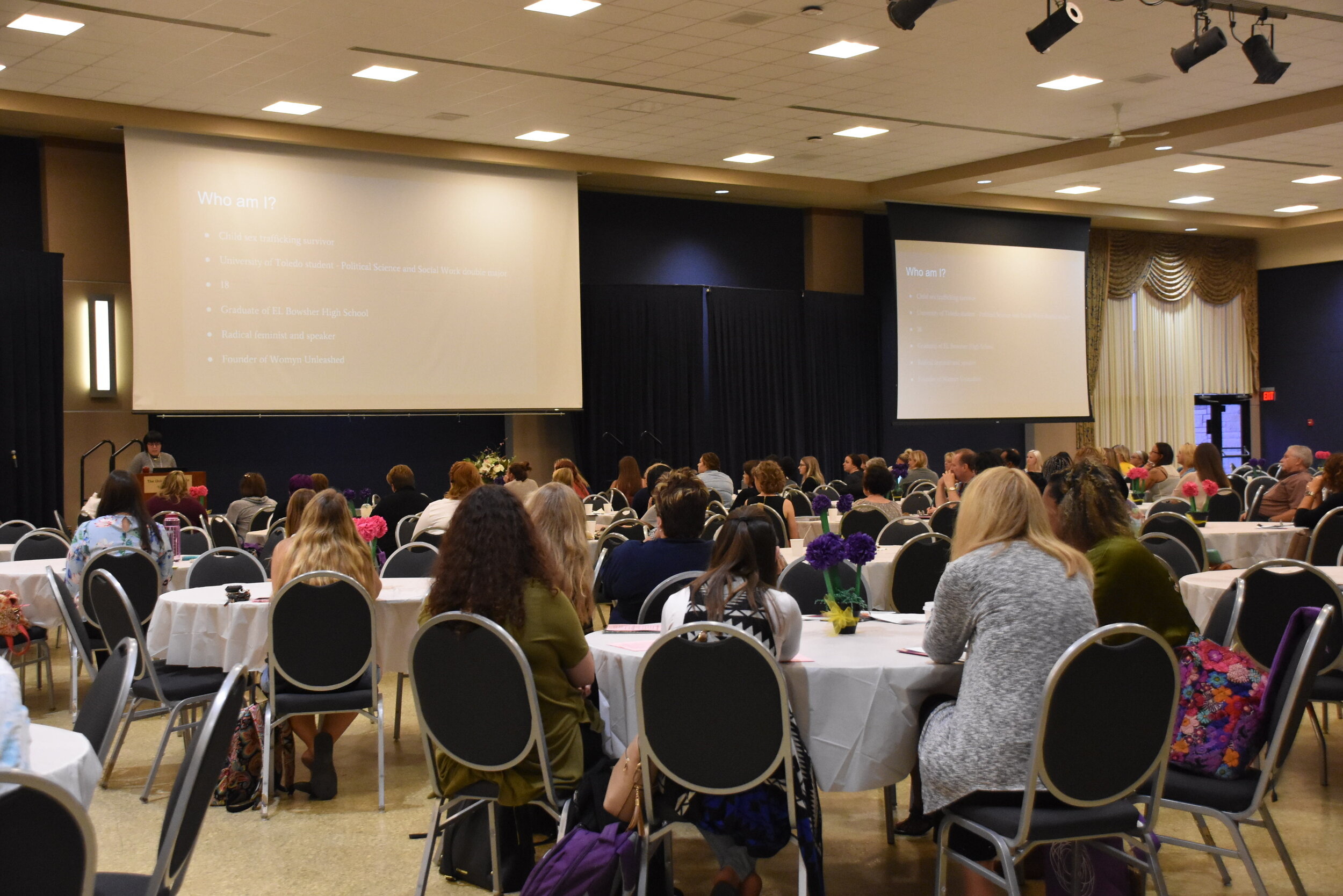
Kylee Gregg will be sharing her story of being a survivor of childhood sex trafficking. She was trafficked from ages ten to fourteen and is now passionate about sharing her experiences in the hope of raising awareness and helping others. Kylee will also be discussing how the sex industry, namely prostitution and pornography, intersects with sex trafficking and affects survivors.
Presentation Objectives:
· Share a survivor's story of childhood sex trafficking.
· Pinpoint ways the sex industry intersects with trafficking and affects survivors, from a survivor’s perspective.
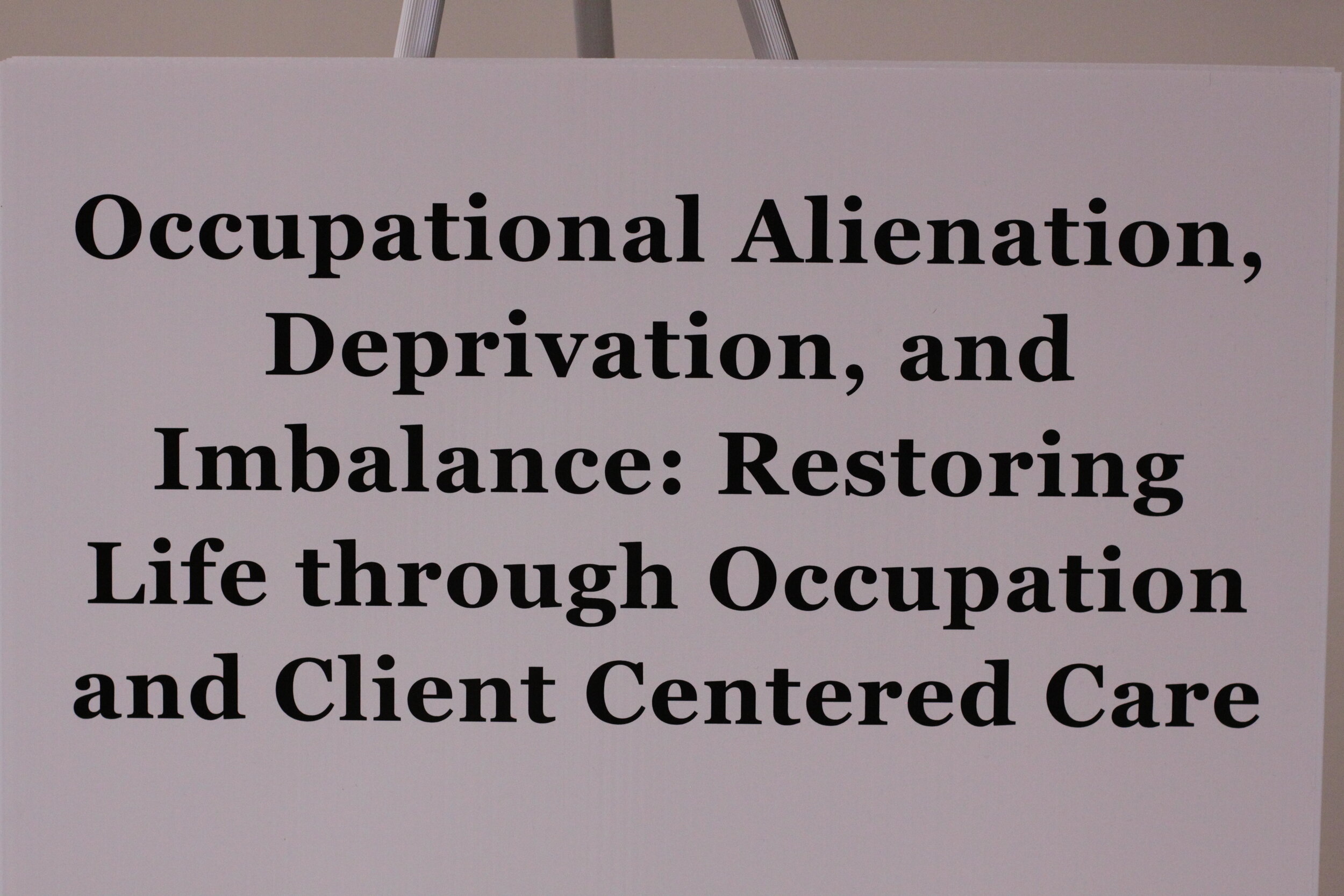
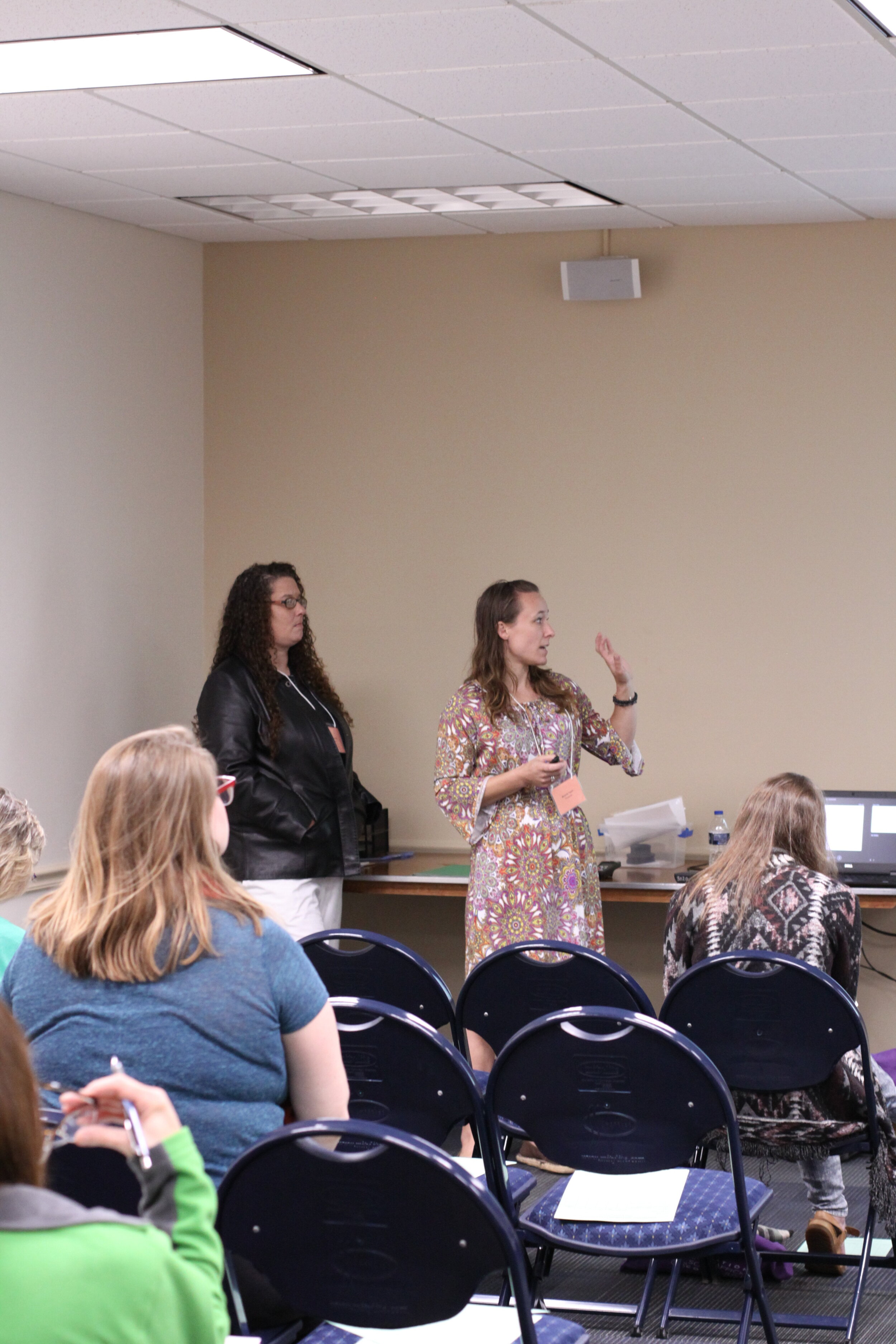
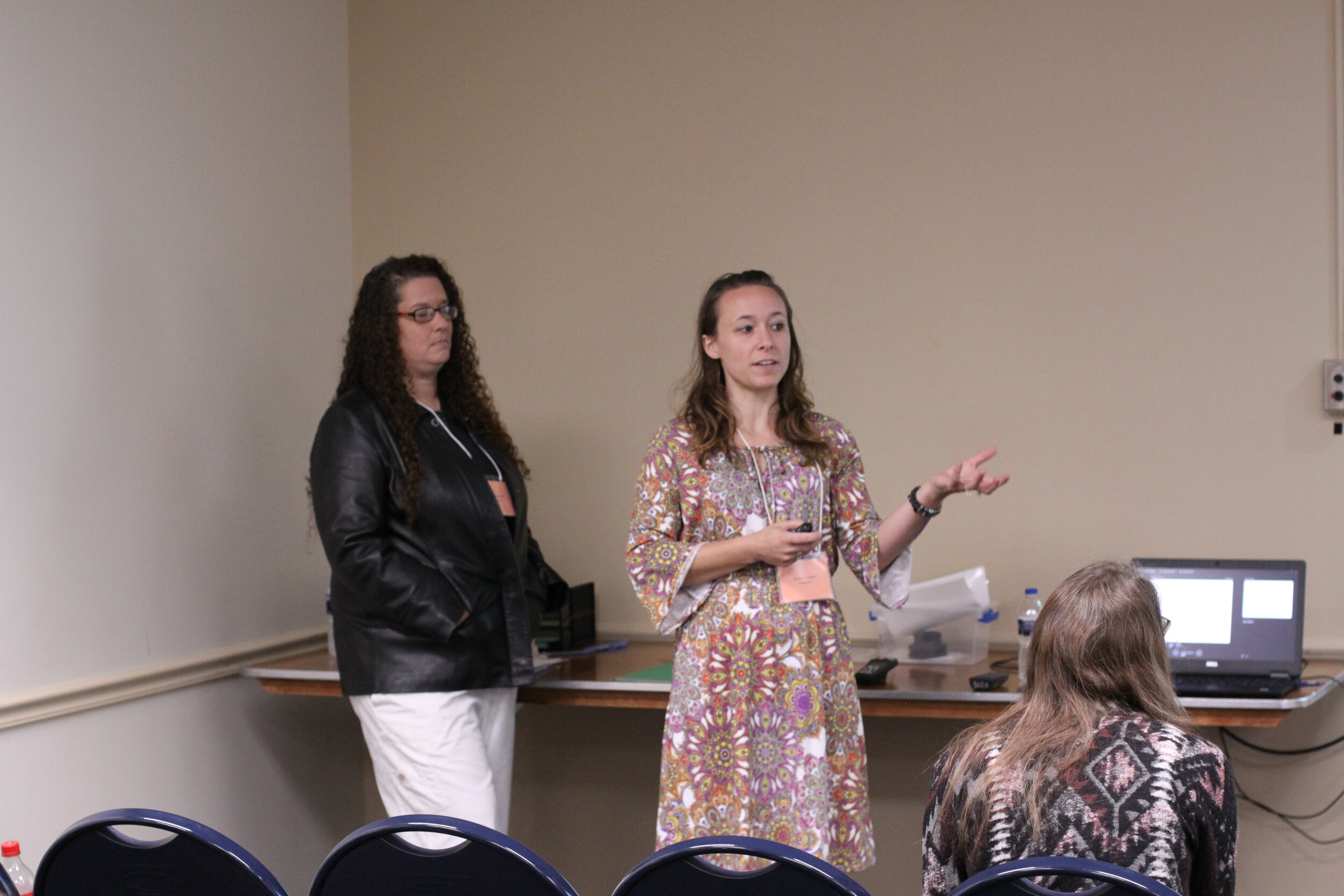
Humans are occupational being with success being projected through diverse opportunities (Townsend & Wilcock, 2004). As a survivor of human trafficking, these opportunities are limited and often non-existent, resulting in an occupational injustice. A survivor along with an occupational therapist will share the role of the effects of occupational injustice, including alienation, deprivation, and imbalance. The most effective treatment for survivors of human trafficking include treatment involving but not limited to job placement, independent living skills, housing, basic needs being addressed and met, health education, educational opportunities, trauma specific treatment, social skills, and any other needed skill building areas in a persons’ life (Johnson, 2012). These areas can be addressed by an occupational therapist from assessment to treatment as part of the team for a holistic approach to sustained success for survivors. Survivors of human trafficking benefit from skill development and, according to the occupational therapy practice framework, many areas fall into the scope of practice for occupational therapy, including but not limited to self-care, financial management, employment, meaningful activity, meal planning and preparation, community mobility, relationship development, problem solving, impulse control, and many other areas (American Occupational Therapy Association, 2014). Restoring life through occupations and client-centered care can provide a unique collaborative approach to the treatment team while exploring new skills and opportunities for survivors of human trafficking. In this session, attendees will learn about the impact that daily occupations have on everyday life and how to build these skills with individuals for success when going from survivor to thriver.
Presentation Objectives:
· Identify potential occupational alienation, deprivation, and imbalances in survivors.
· Discuss ways to include occupations into treatment.
· Explore a holistic view on survivors and how occupational therapy can play a role on the treatment team
· Share a survivor’s journey to becoming a thriver through building daily occupation skills.
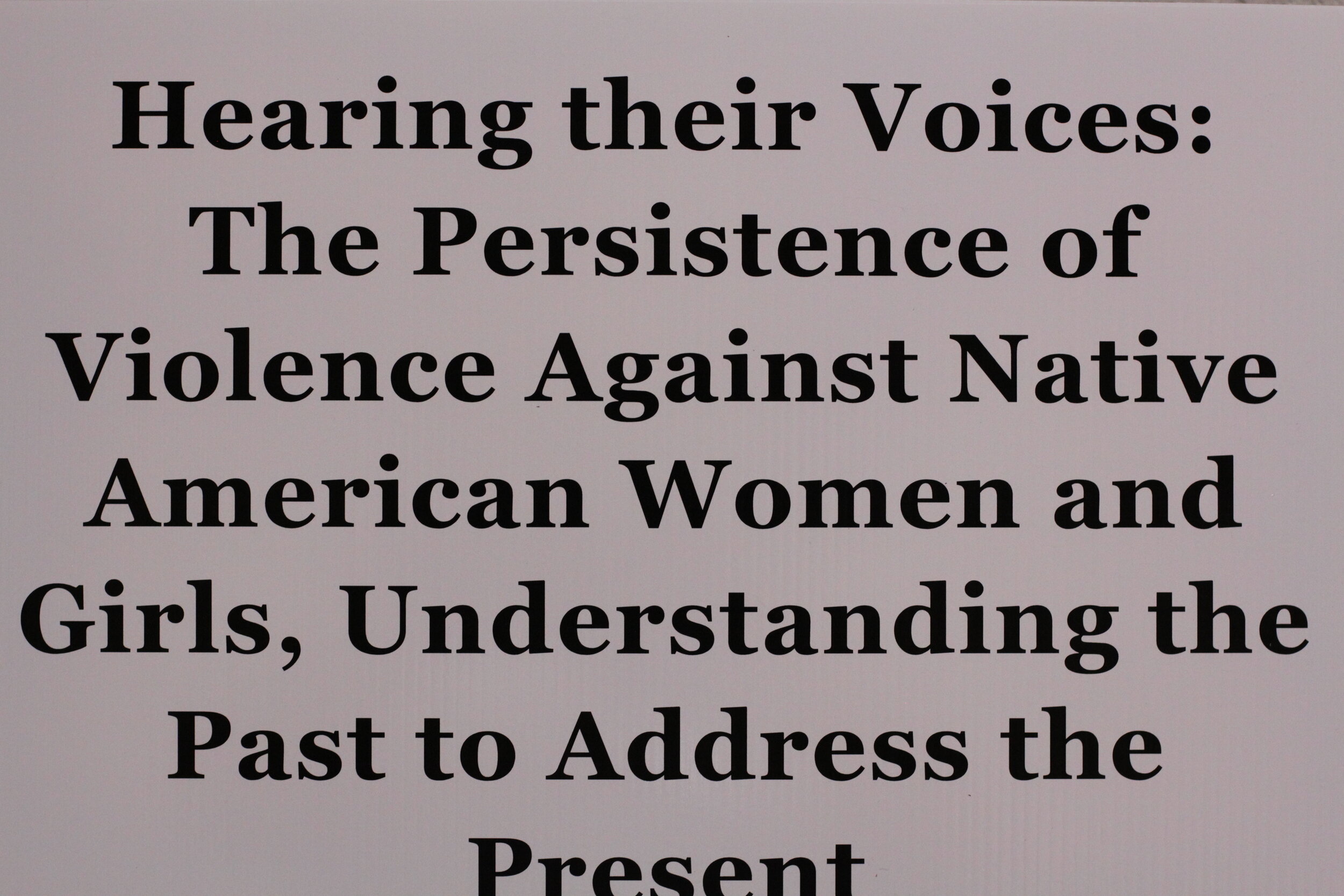
Violence against Native women and girls has been part of the history of this continent since first contact over 500 years ago. The legal, social, and moral history with Indigenous women and girls in this country has cultivated a modern environment where 1 in 3 Native American women are raped in their lifetime and are 2.5 times more likely to be raped than women in general in the United States. Jurisdictional difficulties exist in a state/tribal/federal system which make prosecution and ensuring safety extremely difficult. This workshop will show how the past has framed the way dominant culture views Native women and girls in modern times and how it perpetuates continued violence and fetishism against Native women and Girls. Attendees will learn how jurisdictional gaps in enforcement can be addressed and will discover how a reconciliation process in the United States to acknowledge the violent history with the Indigenous people is a necessary step towards healing and ending the violence against Indigenous women and girls.
Presentation Objectives:
· Discuss the historical experience of colonization and its impact on violence of Indigenous women and girls.
· Illustrate how fetishism and cultural appropriation is grounded in the historic experience and contributes to continued violence against Indigenous women and girls.
· Outline the jurisdictional challenges that exist in Indian Country based on federal law that is grounded in genocide or erasure of Indigenous peoples.
· Identify solutions to the legal jurisdictional problems and how to be an authentic ally.
Meta-analysis is a method for combining multiple independent studies on the same subject or question, producing a single large study with increased accuracy and enhanced ability to detect overall trends and smaller effects. This presentation applies meta-analysis to human trafficking data. There are now a number of localized studies for one state or a metropolitan area which can be combined using meta-analysis. In this study, state-level data from the National Human Trafficking Resource Center is combined with economic, demographic, and other data sources to develop a statistical model to predict metropolitan areas with the greatest human trafficking risk - not all of which have been found by law enforcement at this time. Factors driving high levels of trafficking are found to include several economic factors, including poverty rates, GINI index, and recent homelessness. Yet, even after taking economic factors into account, race is found to be a risk factor, and the percentage of the population held in slavery at the 1860 census is found to be a statistically significant predictor of the rate slavery victim reports today. These risk factors are applied to socio-economic data of states and metropolitan areas today, identifying areas at highest risk of human trafficking today and leading to the development of data-driven mitigation strategies such as training emergency room workers to recognize indicators of human trafficking victims.
Presentation Objectives:
· Share research indicating metropolitan levels with high but undetected levels of human trafficking.
· Describe meta-analysis as an important methodology for human trafficking researchers.
· Demonstrate how organizations fighting human trafficking can partner with volunteer statistical researchers to improve outcomes.
10:15 - 11:15
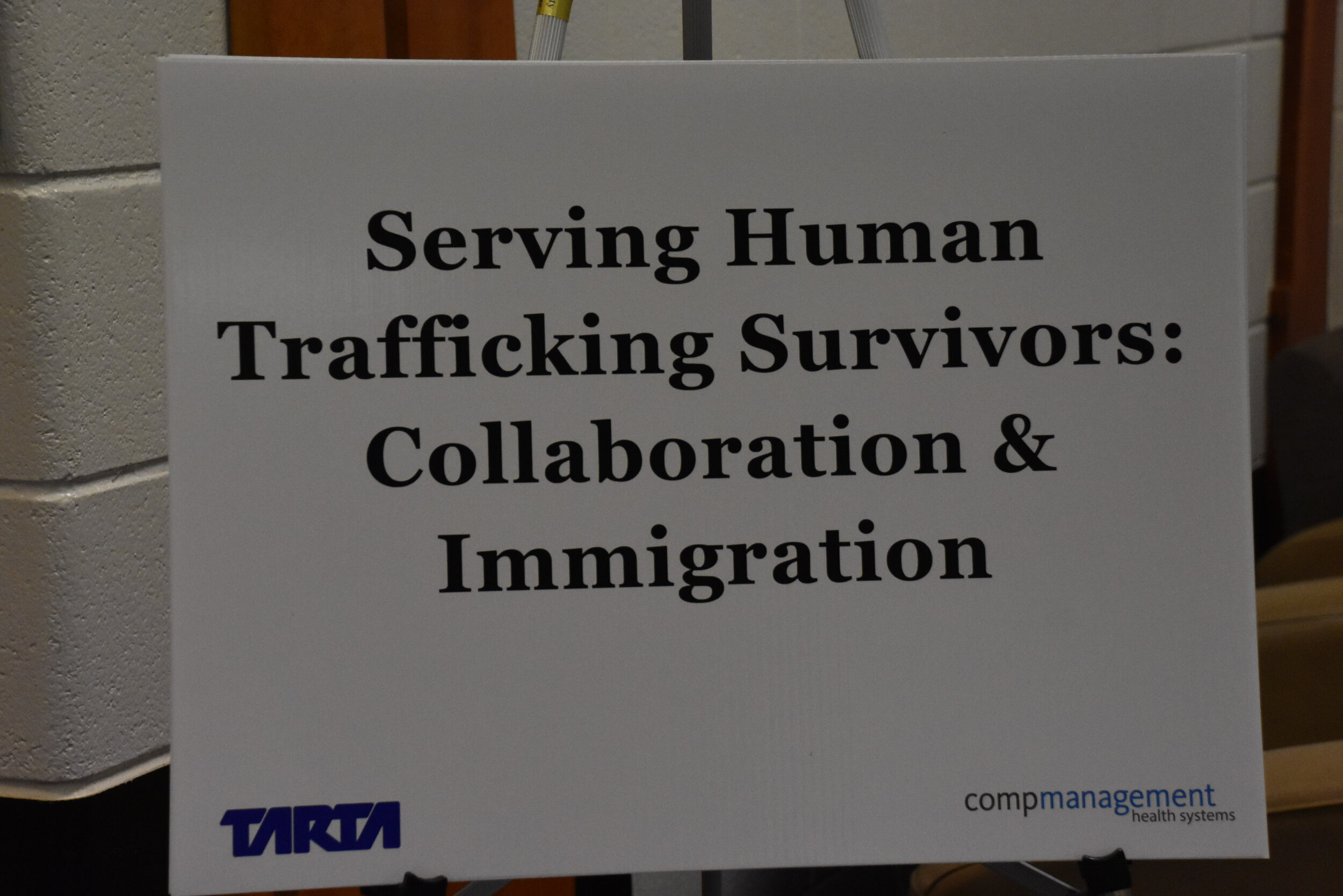
Drawing on years of experience representing survivors of sex and labor trafficking, this presentation will address collaboration among law enforcement, prosecutors, immigration attorneys, government agencies, and non- governmental organizations in identifying, rescuing, and providing services to survivors of sex and labor trafficking; immigration options available to undocumented survivors, including non-immigrant visas, derivative visas, permanent residence, and citizenship; and the importance of a trauma-informed and culturally-sensitive approach.
Presentation Objectives:
· Discuss the importance of collaboration among law enforcement, prosecutors, immigration attorneys, and government and non-government agencies.
· Describe special challenges and unique options for undocumented immigrant survivors of sex trafficking and labor trafficking.
· Explain what it means to employ a trauma-informed and culturally-sensitive approach.
Modern Day Slavery is destroying our planet. Where slavery exists, so does massive, unchecked environmental destruction. Slavery destroys families, individuals, as well as communities and new forms of slavery that proliferate in lawless regions are a massive threat to the Earth. Some of the common products we consume aid in creating human rights violations and lead to ethnic cleansing, massive refugee movements and other grievous harm to those marginalized and oppressed people. The entrapment of those who are marginalized and vulnerable across the globe leads to their forced labor through violence to destroy their own land and water to enable unscrupulous governments and organizations to reap the profits on items that we consume on a daily basis. The cause-and effect relationship that exists between environmental collapse and Modern-Day Slavery can no longer be ignored. This evidenced-based presentation will help attendees understand these connections and realize that the everyday choices we make have implications that reverberate around the globe.
Presentation Objectives:
· Explore how forced labor effects the environment.
· Identify how daily purchases influence trafficking worldwide.
· Examine practical methods to decrease purchases harming the Earth.
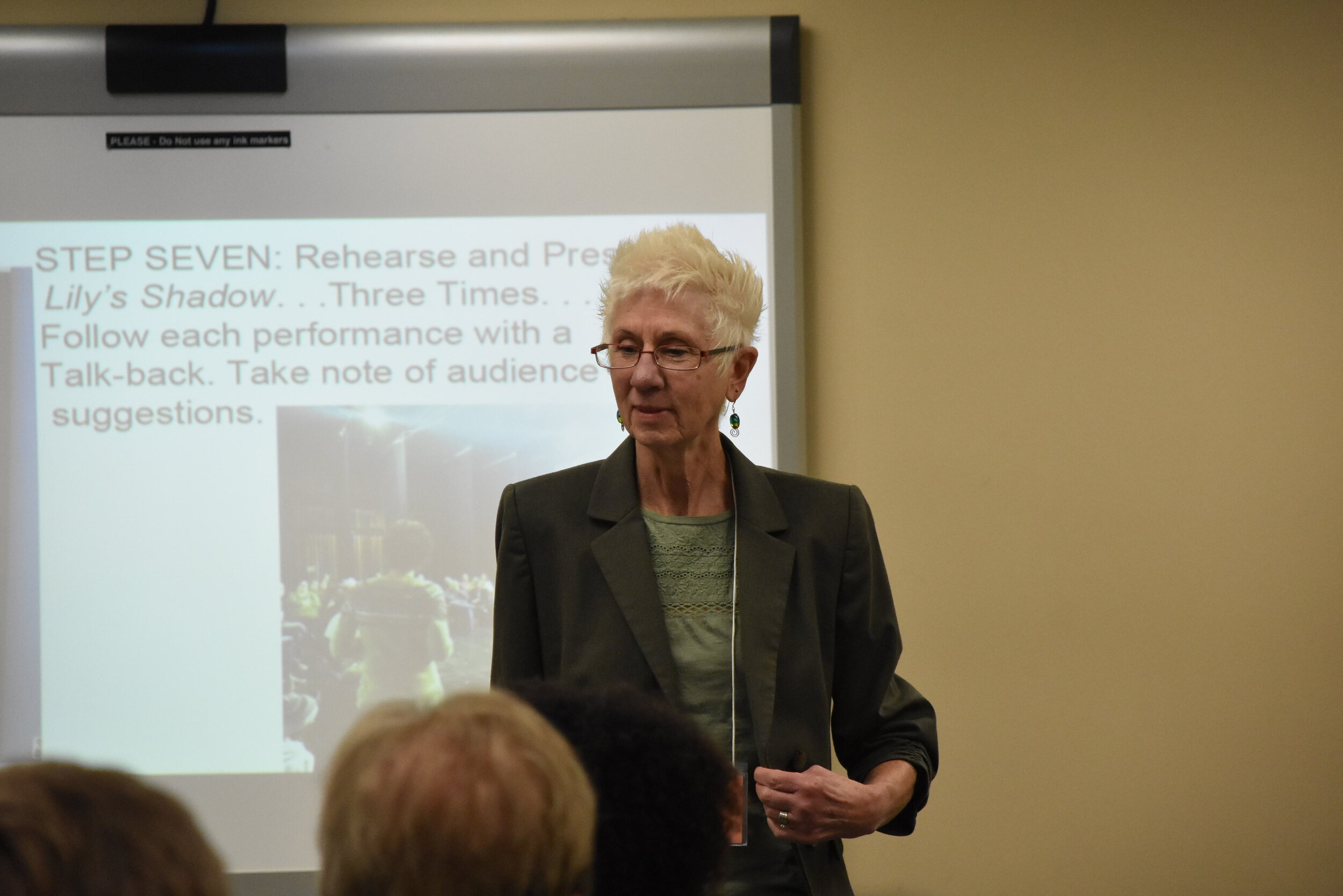
Theatre for young audiences, while entertaining, more significantly provoke youth to think. Playwrights, through careful crafting of characters in conflict, bring attention to injustices not just for youth but for their parents as well. Theatre for youth reminds parents and educators to be mindful stewards of their children. This session describes the evolution of a one-act play for young audiences that raises awareness of human sex trafficking of minors. Lily's Shadow, co-written by professional playwright Roxanne Schroeder-Arce and members of the Bowling Green High School Drama Club, illustrates signs of abuse in victims, strategies traffickers use to coerce young victims into the system, and tactics for escaping perilous situations. The first part of the session provides a brief background of the play's evolution and addresses how the playwrights explored ways to develop theme, heighten artistic expression, and integrate age-appropriate content into the production. The second part of the session will demonstrate the production by featuring 3 scenes from the play performed by members of the BGHS Drama Club. In the third part of the session, presenters will discuss specific strategies for using theatre to tackle sex trafficking of minors and invite questions to generate dialogue about theatre's effectiveness to impact young people's thinking on the issue.
Presentation Objectives:
· Illuminate how theatre (specifically Lily's Shadow) is an engaging art form and helps kids recognize danger signs of human sex trafficking.
· Highlight the heightened impact of learning when high school actors inform younger kid.
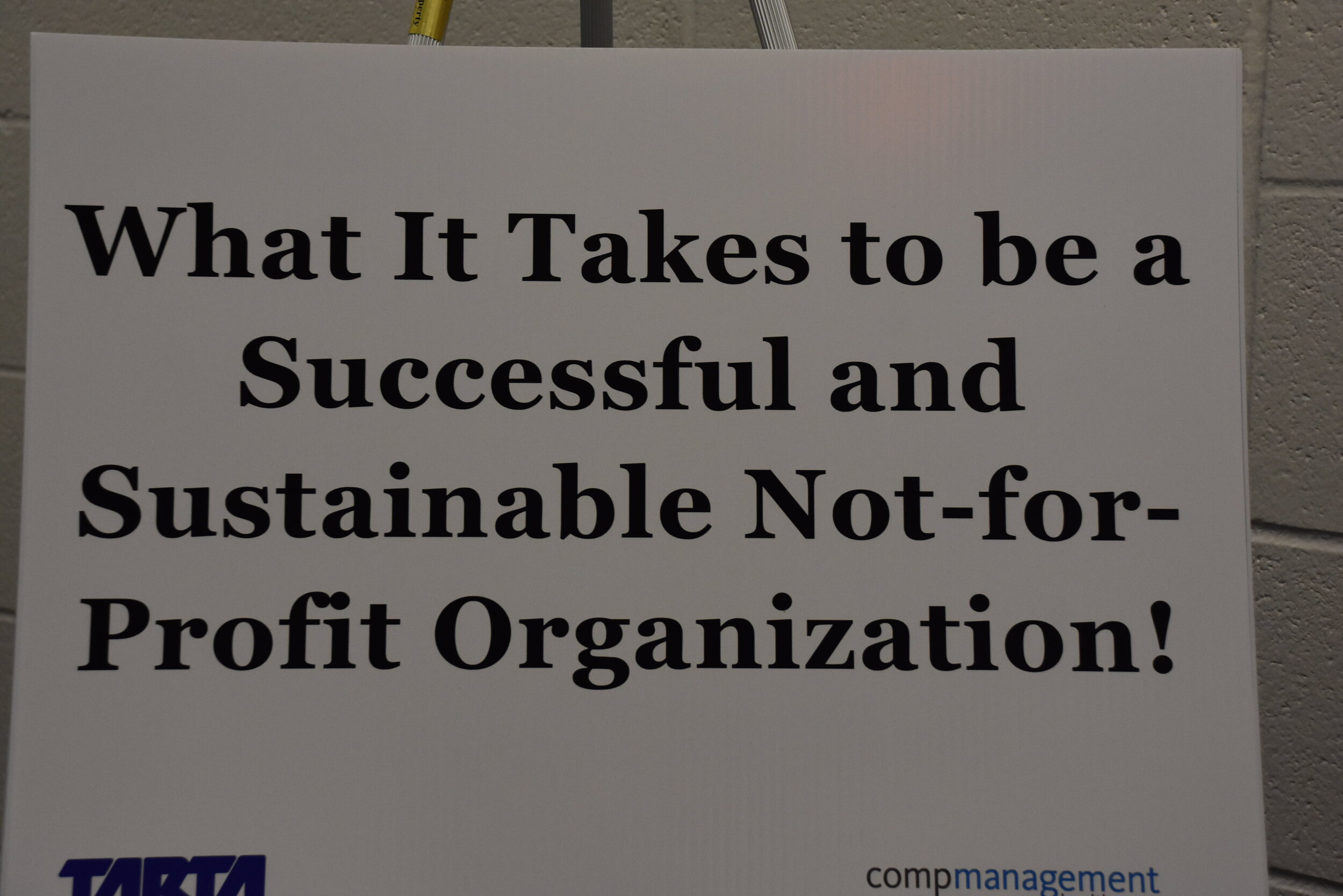
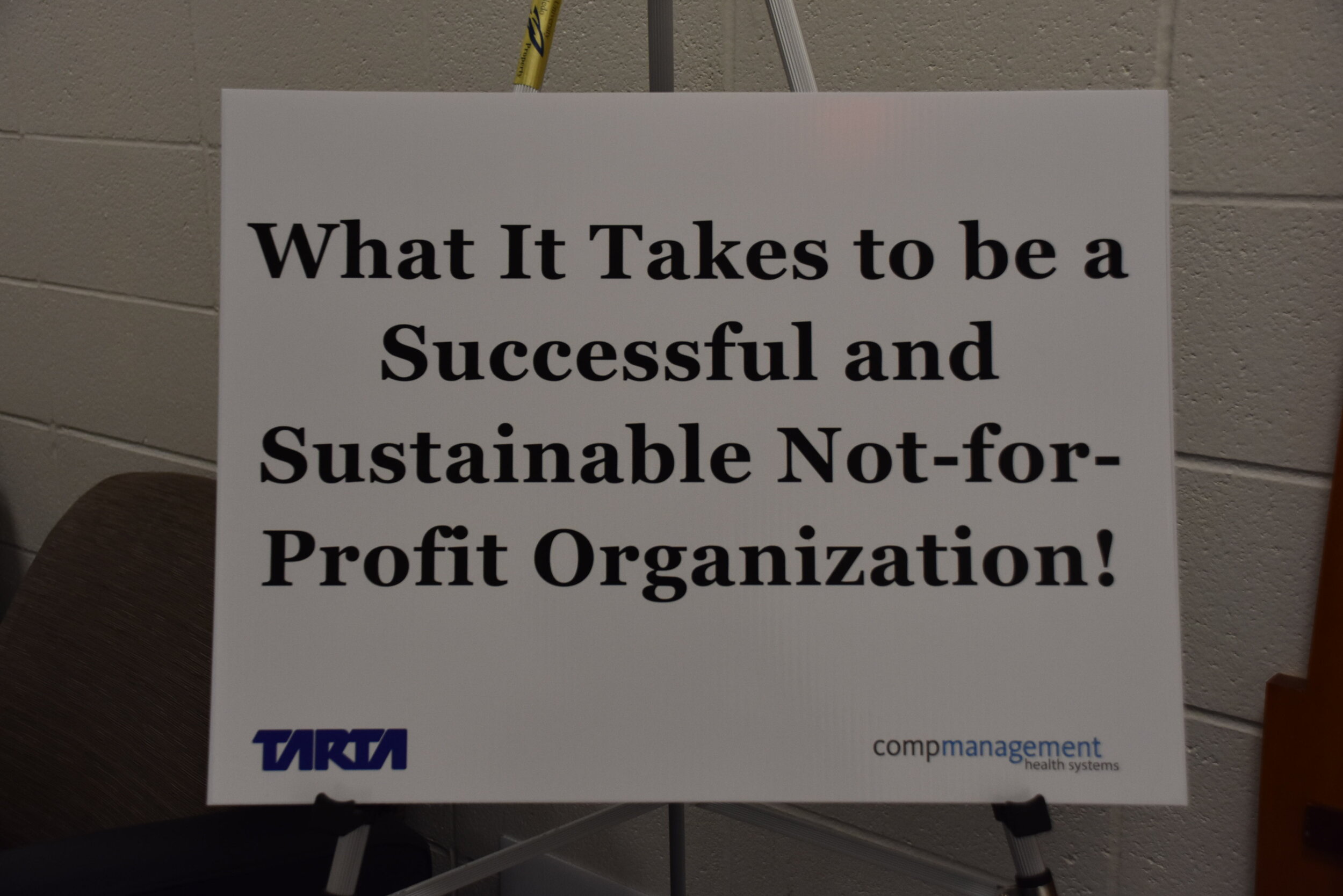
Making an organization successful and sustainable includes more than being passionate about something; there are business components that need to be developed and consistently embraced to help ensure success. Not‐for‐profits are not only about servicing the public in an area of need, it is about effectively and efficiently managing the development of the organization as a whole including people, processes, financials, technology, and sales and marketing. This 2-hour block presentation explores key business components and how to develop both success and sustainability in today’s highly competitive not‐for‐profit sector along with a live case study in the second hour. It addresses the question: Why should I as an executive, worker, client, volunteer, donor, board member, and stakeholder care about creating a successful and sustainable organization? Neil will cover key components, including fundamental questions (Why does the organization need to exist? What problem are you solving? Who needs to be involved? Where, when, and how is it developed? What are your measures of success? How often should your organization review responses to these questions?); fundamental planning, like a strategic plan and business plan (people, processes, financials, fundraising, technology, sales and marketing, branding, and supporters); business operations (budget, operational, clinical); and board recruitment and development (purpose of the board, determining your current and future business needs, and recruitment & selection). Attendees should strongly consider attending both hours of this session to get the most out of the workshop.
Presentation Objectives:
· Depict the purpose of business structures that are essential to your success and sustainability.
· Discuss what is required of business systems and what leaders need to focus on to ensure a successful and sustainable organization.
· Provide insight of a roadmap/business plan that can be used to expand an existing organization.
· Address insights and knowledge regarding actual requirements to create an integrated successful and sustainable organization.
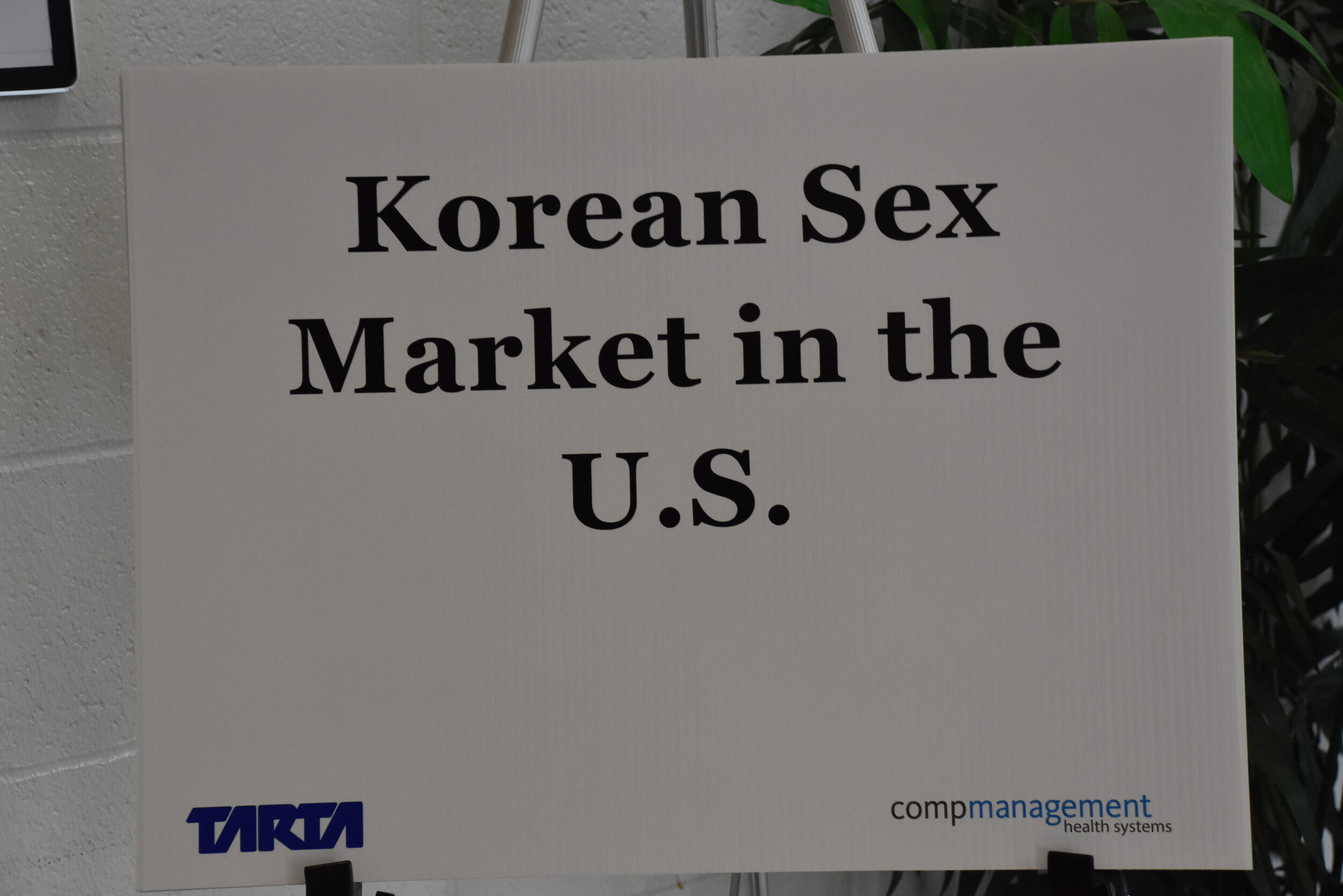
The presentation will describe the Korean commercial sex market in the U.S. beyond Asian massage parlors. Prior to this study, the U.S. anti-trafficking efforts have heavily focused on combating massage parlors to fight prostitution and sex trafficking of Korean women in the U.S. The presentation will introduce the shift of trends taking place within the Korean sex market as a result of changing culture and policies. It then introduces various brothel models exploiting Korean women in the U.S. It also brings a more holistic view of the Korean sex market in the U.S. by relying on primary and secondary sources available in both Korean and English languages. The sources include in-person interviews with both federal and local law enforcement officers, Korean journalist based in the U.S., Korean and American news articles, Korean non-governmental organization (NGO) reports that included interviews with victims, and the U.S. federal cases involving Korean prostitution and sex trafficking. Lastly, this presentation examines the current challenges for the U.S. anti-trafficking efforts because of their insufficient understanding of the U.S. Korean sex market.
Presentation Objectives:
· Outline changing trends of sex trafficking of Korean women in the U.S.
· Consider shortcomings of the Korean anti-trafficking legislations in the U.S. to assist Korean victims' needs.
· Suggest new policy recommendations to fight Korean sex trafficking in the U.S., including massage parlors.
Minor and adult sex-trafficking survivors have many similarities, yet there are many critical distinctions between these two populations that are often overlooked. This session will review how minor and adult survivors are treated differently by society, treatment providers, and the legal system. The presenters will discuss specific cases involving children and adults, and the significant similarities and differences between how these cases are handled. The presenters will be pulling these case examples from clients they served in Northeast Ohio. This presentation will examine the specific challenges that are associated with legal representation and service provision to both minor and adult sex-trafficking survivors. Finally, the presenters will provide suggestions of best practices for treatment of minors and adults, and ways to ensure that we are acknowledging their unique status in our society.
Presentation Objectives:
· Discuss the background of sex trafficking and legal definitions of adult sex trafficking vs. minor sex trafficking.
· Examine the similarities and differences between minor and adult sex-trafficking survivors.
· Consider the differences of the legal system's treatment of minor and adult sex-trafficking survivors.
· Propose ways to serve minor and adult sex-trafficking victims while still acknowledging their unique status.
Toshia L. Hogan is a sex trafficking survivor and co-founder of CleanUP HT, a social enterprise aimed at helping survivors thrive and to generate funding for Save Our Adolescents from Prostitution (S.O.A.P Project) and other anti-human trafficking non-profit organizations. Come learn about empowering survivors and gain more knowledge about a social enterprise model in the anti-human trafficking movement. CleanUP HT has partnered with the Franciscan Peacemakers, who have been a supportive workplace for survivors to learn skills in manufacturing, packaging, marketing, sales and administration.
Presentation Objectives:
· Empower survivors to take action in the anti-human trafficking movement.
· Describe a social enterprise model in the anti-human trafficking moment.
· Explain the relationship between CleanUP HT, Franciscan Peacemakers, and the S.O.A.P. Project.
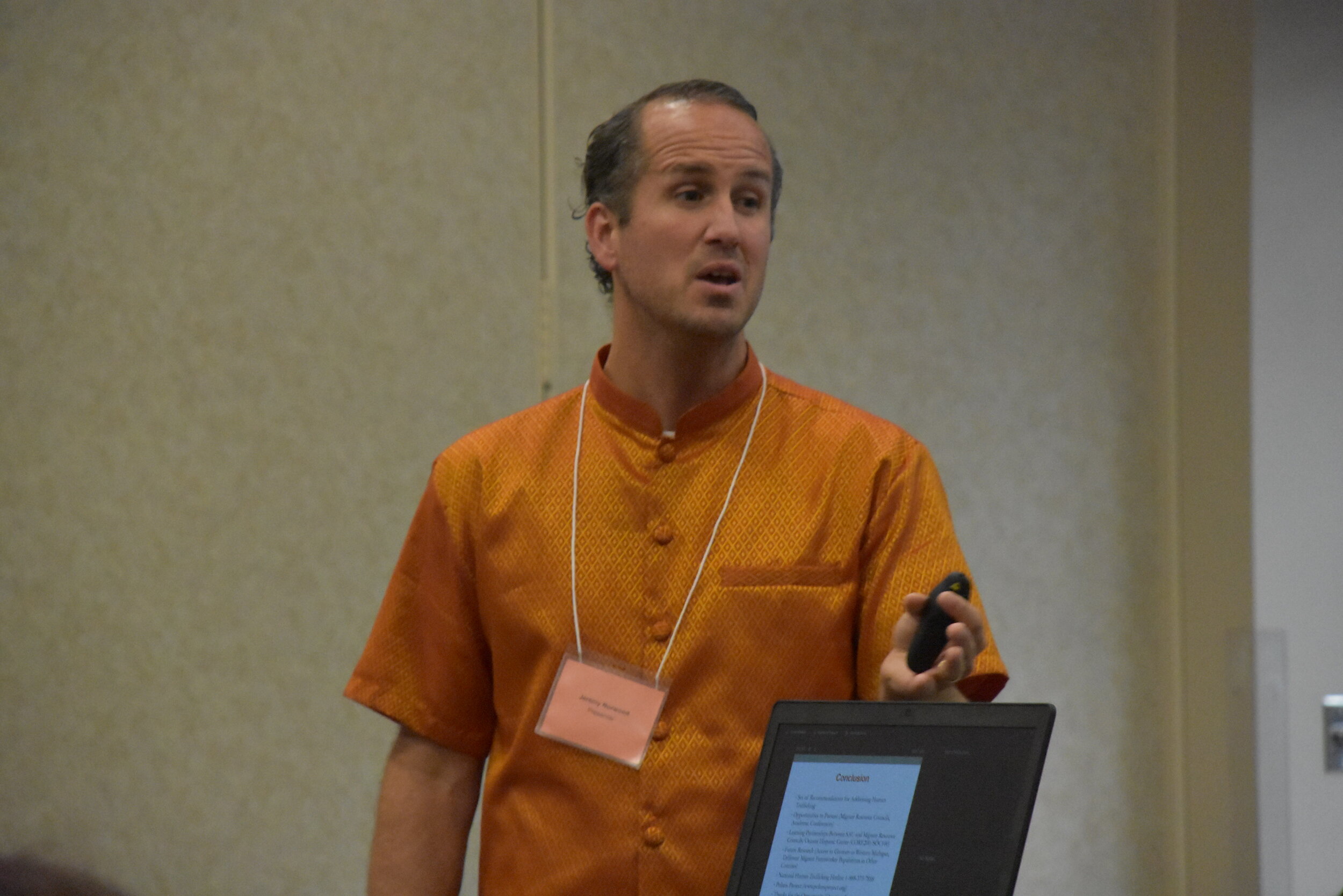
This exploratory study was designed to research indicators of human trafficking within migrant farmworker communities in Western Michigan. Much of the research on human trafficking has focused exclusively on sex trafficking and very few studies have been done on labor trafficking (Zhang, 2012). Furthermore, the majority of the research conducted on human trafficking has used the nation-state as a focal point instead of a particular region or locality (see Shelley, 2010 and O’Neill-Richard, 1999). For example, there has been a wealth of research done on the United States, but very few studies have been conducted within individual states themselves (Bales, 2000). This study was formulated in order to fill the gaps within the research and focuses exclusively on indicators of labor trafficking in Western Michigan. In completing this research, this presenter spent several months interviewing 15 different professionals from various occupations who worked regularly with migrant farmworkers in Western Michigan and another 15 migrant farm workers who worked in Oceana County, one of the counties in Western Michigan which hosts the largest number of migrant farmworkers every growing season. The pool of professionals who were interviewed was diverse and the counties or other localities they worked in showed the diversity of approaches to migrant farm workers in Western Michigan. The migrant farmworkers were working in Oceana County when interviewed but had a great deal of other experiences to draw from when responding.
Presentation Objectives:
· Describe indicators of human trafficking during the migratory process.
· Identify indicators of human trafficking through the recruitment process.
· Explain indicators of human trafficking based on living and working conditions.
· Present indicators of human trafficking based on social circumstances.
11:30 - 12:30
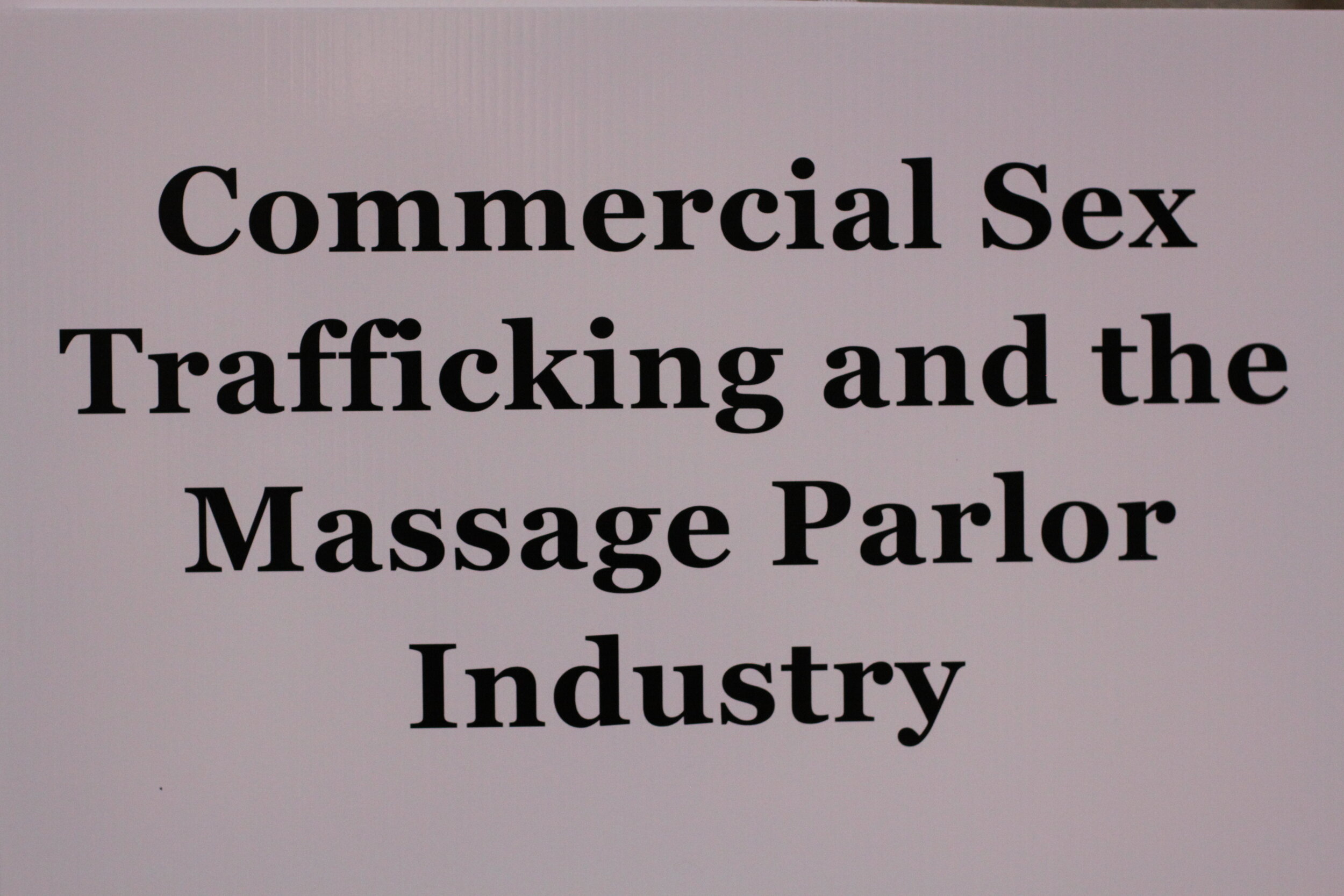
This presentation will discuss the use of massage parlors and massage services to supply illicit commercial sex services. The presenter will discuss trends in victimization, advertising, terminology, locations, and clients. The presentation will also look at Utah laws regarding massage practice and how illicit massage practitioners avoid violating state laws and evade law enforcement when providing sexual services. The illicit massage parlor business has significant international trafficking ties which will be included in the discussion. The presenter will also provide examples of case studies from illicit massage parlor investigations from across the state of Utah. These will highlight the trends and tactics being used (terminology, locations, advertising) in Utah and lead to a discussion with attendees of what is happening around the nation.
Presentation Objectives:
· Define the type of massage services offered.
· Determine trends and tactics used in the illicit massage business.
· Pinpoint possible indicators of victimization and clientele base.
· Explain laws regarding the operation of massage businesses in the state of Utah and nationwide.
· Illustrate examples of businesses, terminology in advertisements, and case studies.
Making an organization successful and sustainable includes more than being passionate about something; there are business components that need to be developed and consistently embraced to help ensure success. Not‐for‐profits are not only about servicing the public in an area of need, it is about effectively and efficiently managing the development of the organization as a whole including people, processes, financials, technology, and sales and marketing. This 2-hour block presentation explores key business components and how to develop both success and sustainability in today’s highly competitive not‐for‐profit sector along with a live case study in the second hour. It addresses the question: Why should I as an executive, worker, client, volunteer, donor, board member, and stakeholder care about creating a successful and sustainable organization? Neil will cover key components, including fundamental questions (Why does the organization need to exist? What problem are you solving? Who needs to be involved? Where, when, and how is it developed? What are your measures of success? How often should your organization review responses to these questions?); fundamental planning, like a strategic plan and business plan (people, processes, financials, fundraising, technology, sales and marketing, branding, and supporters); business operations (budget, operational, clinical); and board recruitment and development (purpose of the board, determining your current and future business needs, and recruitment & selection). Attendees should strongly consider attending both hours of this session to get the most out of the workshop.
Presentation Objectives:
· Depict the purpose of business structures that are essential to your success and sustainability.
· Discuss what is required of business systems and what leaders need to focus on to ensure a successful and sustainable organization.
· Provide insight of a roadmap/business plan that can be used to expand an existing organization.
· Address insights and knowledge regarding actual requirements to create an integrated successful and sustainable organization.
Research regarding intervention and prevention for human trafficking in the rural US is limited and often does not include qualitative or ethnographic data. However, research presented here is based on a collaborative, community-based project in Northwest Ohio. Conducted in partnership with Crime Victim Services, this presentation will cover several relevant topics. The presenters will first define and describe a community-based anthropological approach to studying human trafficking survivor services with detail on research design and methodologies (e.g. participant observation, observation, interviewing). They will also discuss unique needs of survivors in a rural community along with resource availabilities. The research findings include challenges faced by survivors, including other forms of violence within the service framework; identifying survivor’s needs regarding reintegration; and issues specifically faced by survivor advocates serving rural geographies. As survivors of human trafficking are identified and start working with local community agencies, it is crucial that survivors are receiving services by trauma-informed agencies. Survivors thrive in an environment that truly understands trauma and its effects on the brain. As research on trauma progresses and our knowledge expands, we need to put forth the same effort and vigor on research of human trafficking survivors within a rural community.
Presentation Objectives:
· Pinpoint challenges faced by service providers in rural US geographies.
· Communicate how violence can continue within the service framework.
· Identify survivor needs in rural geographies.
· Demonstrate how to design a collaborative, anthropological approach to applied research in human trafficking interventions.
Opioids are an effective means by which human traffickers seize potential victims due to the secondary effects of impaired judgment, dulled physical pain and ultimately addiction. The addictions are often used to coerce victims to exchange sex for addictive opioids and other substances of abuse in a vicious cycle that often ties them to their human trafficker indefinitely. In a recent survey of survivors of human trafficking, 84% used drugs during their exploitation. Alcohol, marijuana, and cocaine were used by more than 50% of respondents and nearly 22% used heroin (Raphael & Feifer, 2017). Victims of human trafficking are also at increased risk for overdose. For those working in clinical or mental health service settings, opioid addition is an important risk factor for human trafficking. This risk factor is examined as part of the services offered to clients who utilize Northwest Ohio Syringe Services (NOSS), the first syringe exchange program in Northwest Ohio. This session will provide information on the linkage between human trafficking and opiate use and ways to help assess the risk of human trafficking by those currently using opioids.
Presentation Objectives:
· Explain the relationship between opioid use and human trafficking.
· Identify ways to assess the risk of human trafficking in individuals using opioids.
· Describe potential resources for those using opioids or suspected victims of human trafficking.
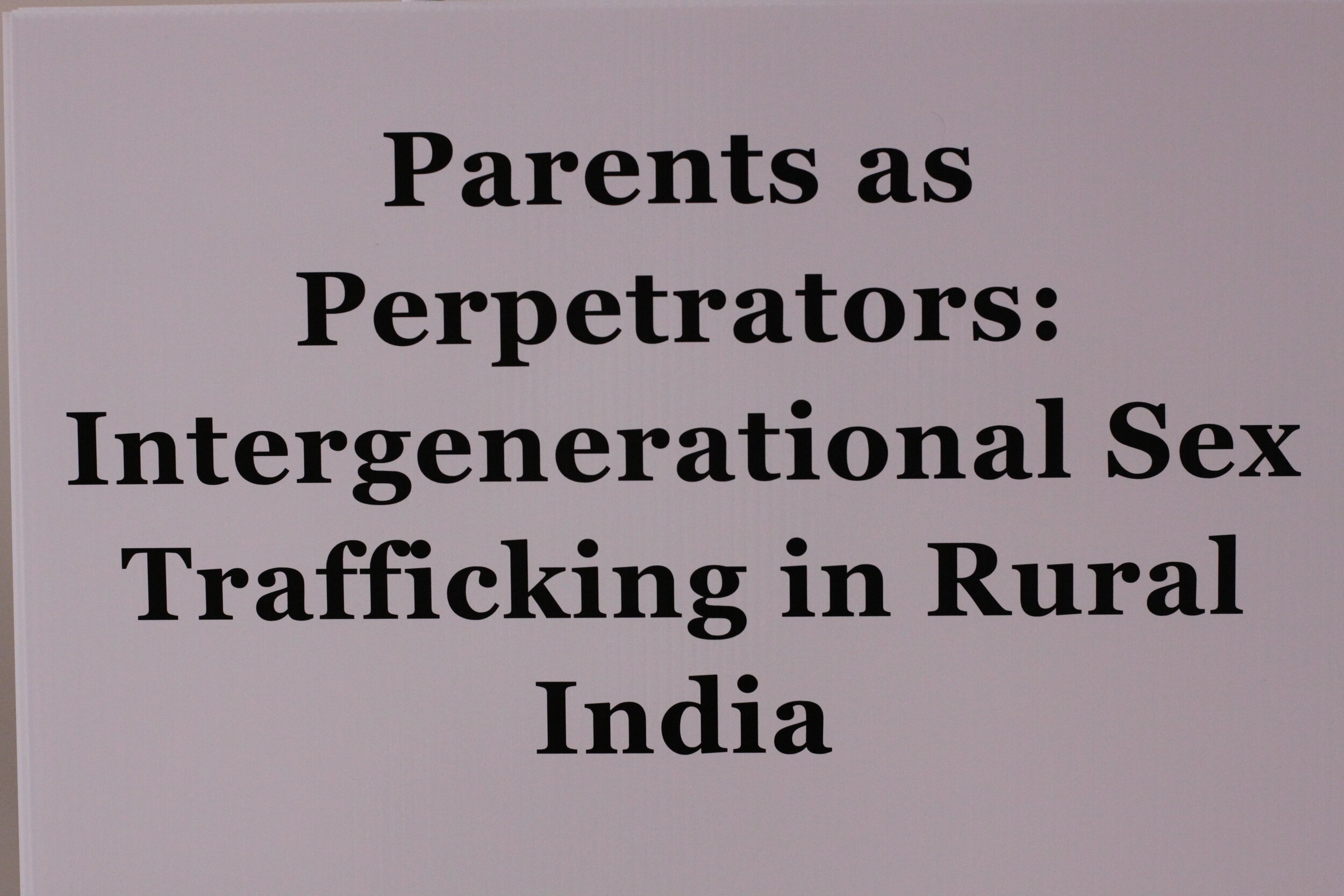
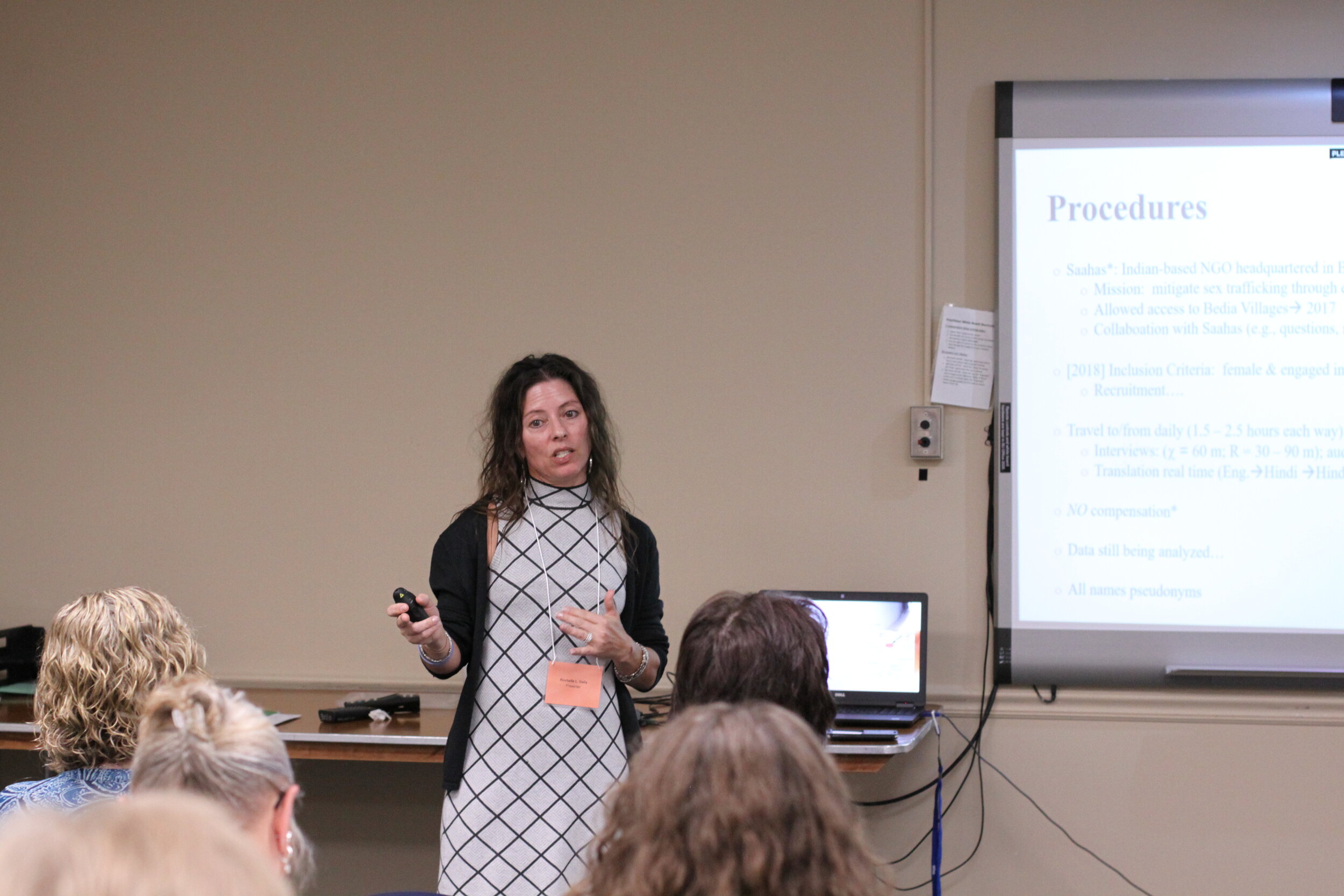
Viewed as an urban problem, the bulk of sex trafficking research is focused on large cities and metropolitan areas (Donnermeyer, 2016). However, rural based trafficking plays a significant role in the global trade of humans. India is particularly notorious for the trafficking of women and girls into the commercial sex industry (CSI). Spread across four Indian states, the low caste Bedia rely almost entirely on income generated via the sex trafficking of girls and continued prostitution of adult women. Unique to the Bedia is that prostitution is practiced out of homes, throughout the day, and in rural villages. Unique too is that females’ life-trajectories are determined by parents or parental caregivers (e.g., aunts, grandparents). CSI-involved Bedia girls and women bear the financial burden of entire familial systems. Caste-based discrimination largely precludes Bedia from other forms of employment (Jha, 2016). Scientific literature on the Bedia, or similar tribes where prostitution is caste-determined, is exceptionally limited. Thus, with the exception of a few studies only, virtually nothing (empirically) is known about the Bedia.
This investigation was intended, first, to examine cultural traditions associated with sex work among Bedia women. The second goal was to identify familial processes involved in the intergenerational commercial sexual exploitation of Bedia girls. Finally, we sought to explore participants’ familial financial obligations. The Principal Investigator conducted personal, in-depth (and audio-recorded) interviews with 31 CSI involved Bedia, spread across 7 villages. Results will discuss implications for practice, policy, and continued research.
Presentation Objectives:
· Examine cultural traditions association with sexual exploitation among the Bedia.
· Determine familial processes involved in the commercial sexual exploitation of Bedia girls.
· Describe the family financial obligations and burdens assumed by CSI-involved Bedia.
A thriver will share her journey from being a victim to becoming a thriver. This journey has had barriers, successes, and support. Through sharing her story, there is hope and guidance on how support and skill building can guide success. The journey began in childhood, including trauma, foster care, and a life that lead into human trafficking. She will share the struggles, and holds that the lifestyle had on her through the years that include but are not limited to the criminal justice system, substance abuse, and control. She will share her continuous journey leading into treatment, skill building, and beginning of a positive support system, thus starting the survivor role. As a survivor, the journey continued with barriers, ups and downs, and truly facing life’s challenges from the past, present, and future. Through the years or treatment and building skills, she has transitioned into the thriver role. Being a thriver, she hopes to share her personal growth with success and failures for others to help guide treatment, build connections, and develop the ability to experience personal growth of future victims and survivors.
Presentation Objectives:
· Describe the needs of individuals in human trafficking along the continuum of victim, survivor, and thriver.
· Present a holistic view on thrivers and how you can play a role in recovery.
· Share the need for empathy through a thriver’s story through the journey of treatment and life.
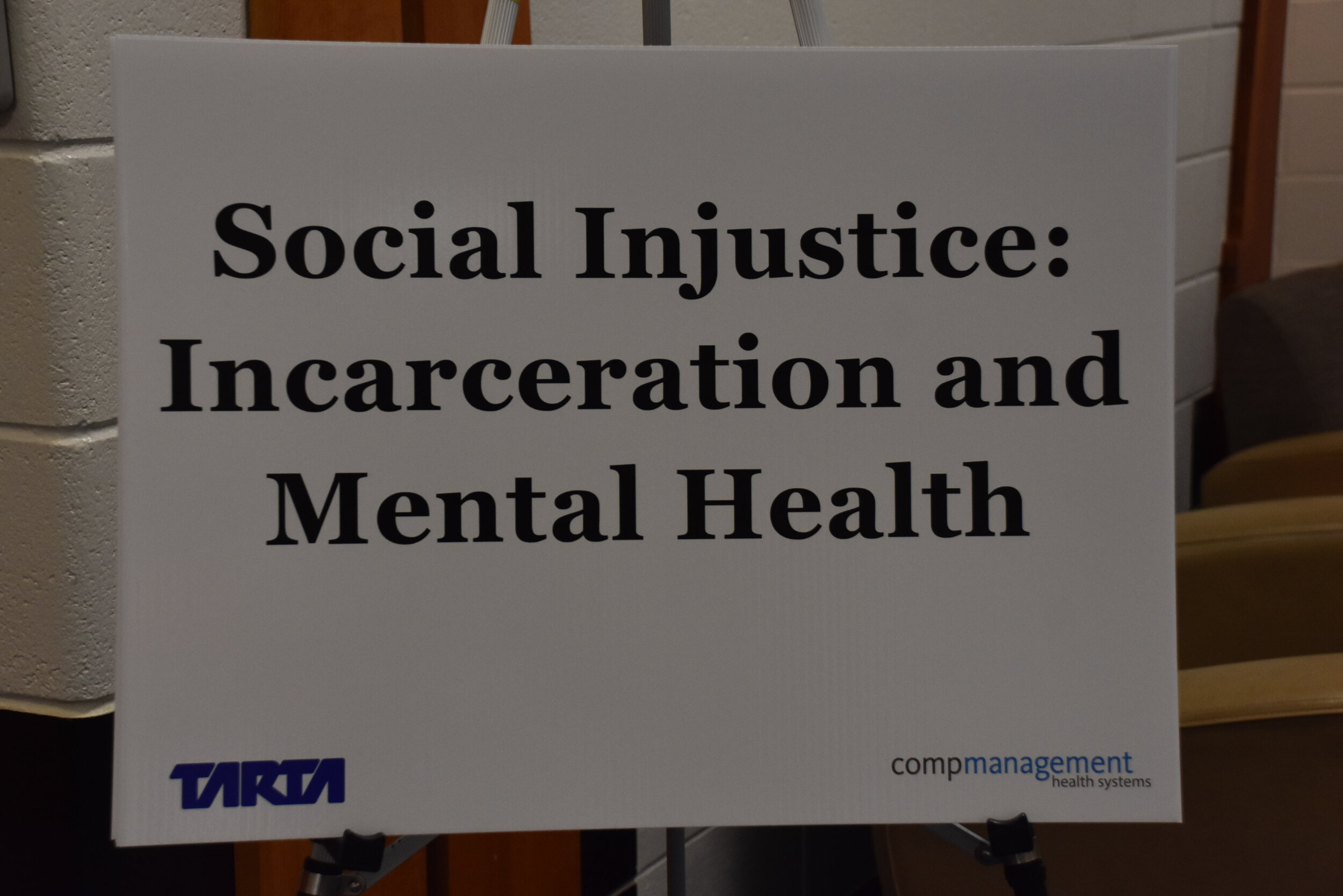
The United States is recognized as having the largest incarcerated population of any other nation in the world. While many of those in the correctional system suffer from a variety of medical and physical disorders and illnesses, a large number of individuals suffer from mental health disorders. Some enter the system with pre-existing behavioral disorders while some develop various mental health problems during their incarceration. With Los Angeles County Jail commonly recognized as the largest mental health institution in the US and the job of interacting with mentally ill inmates falling to law enforcement, the courts, and correctional facilitates and their personnel, it is important that we recognize the good, the bad and the ugly of mental health treatment for those behind bars and the system limitations placed on practitioners who work with this population.
Presentation Objectives:
· Describe the extent and nature of commonly found mental health issues in prison.
· Outline what correctional mental health treatment can and cannot accomplish.
· Discuss common problems, limitations and pitfalls for mental health practitioners working with this population.
· Provide an overview of specific vulnerable populations, including incarcerated HT victims.
· Convey the importance of supporting inmate mental health beyond the clinicians’ walls.
12:30 - 1:30
Lunch- Auditorium
1:30 - 2:30
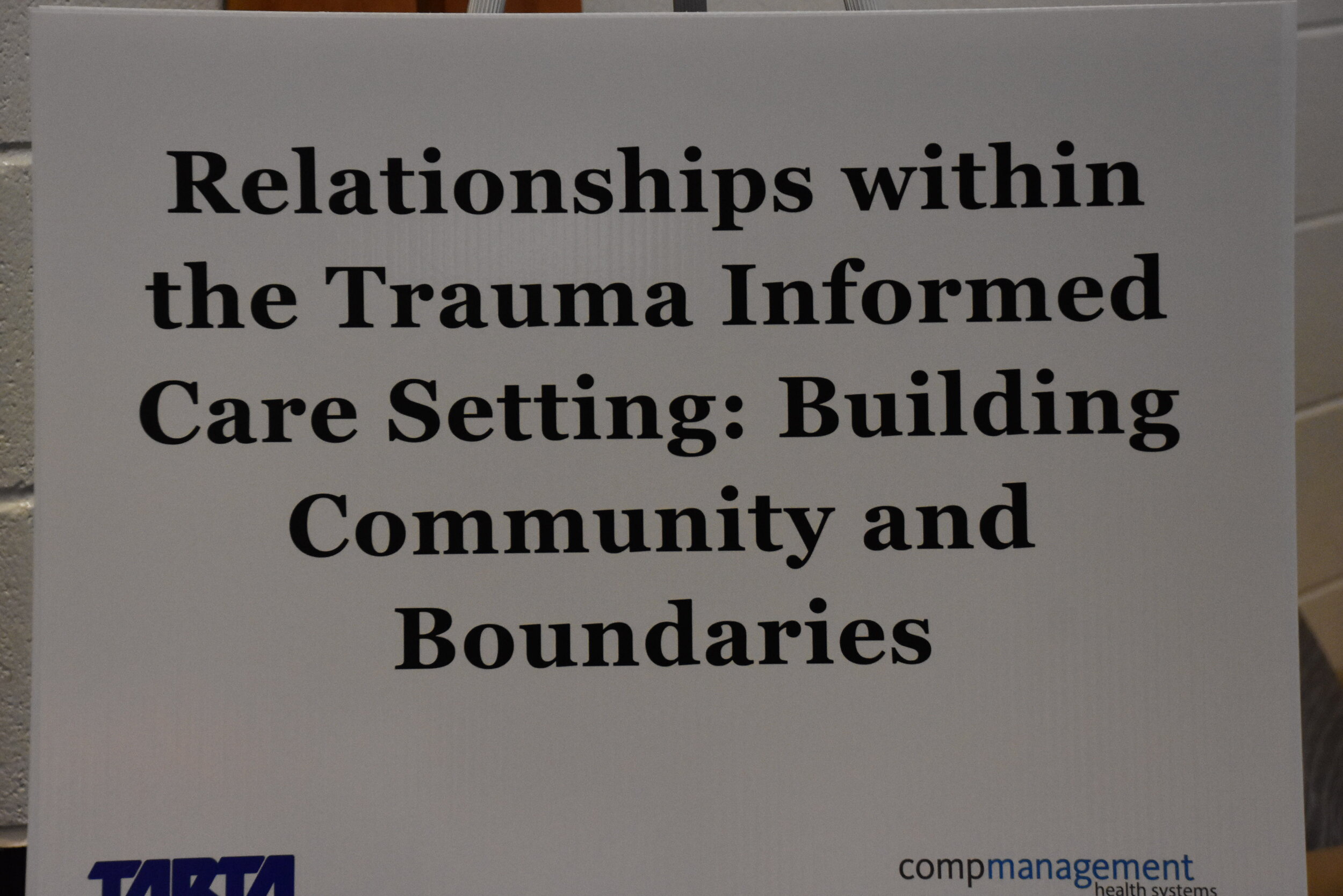
Therapeutic alliance, rapport, boundaries: terms professionals have all heard, but how are they put into practice? How can care providers foster relationships that have a positive and lasting impact on the treatment experience? This session will take a closer look at the importance of the relationship between treatment providers and clients. Everything from first-impressions through final sessions have a significant impact on treatment success, especially as setbacks arise. This session will examine how to build or repair therapeutic relationships that are often disrupted by disappointment, trauma, and shame. Time will be provided to discuss the practicalities of building rapport while maintaining boundaries and self-care. Additionally, there will be resources to gain perspective on how trauma impacts building a therapeutic alliance. Finally, there will be discussion regarding the importance of professional relationships and how these connections impact client care.
Presentation Objectives:
· Develop understanding of positive relationships as Trauma Informed Care.
· Describe the importance of the therapeutic relationship and ways to build and model healthy relationships.
· Identify ways to develop a positive therapeutic relationship and ways to recover from challenges.
· Describe personal boundaries and self-care in the therapeutic relationship.
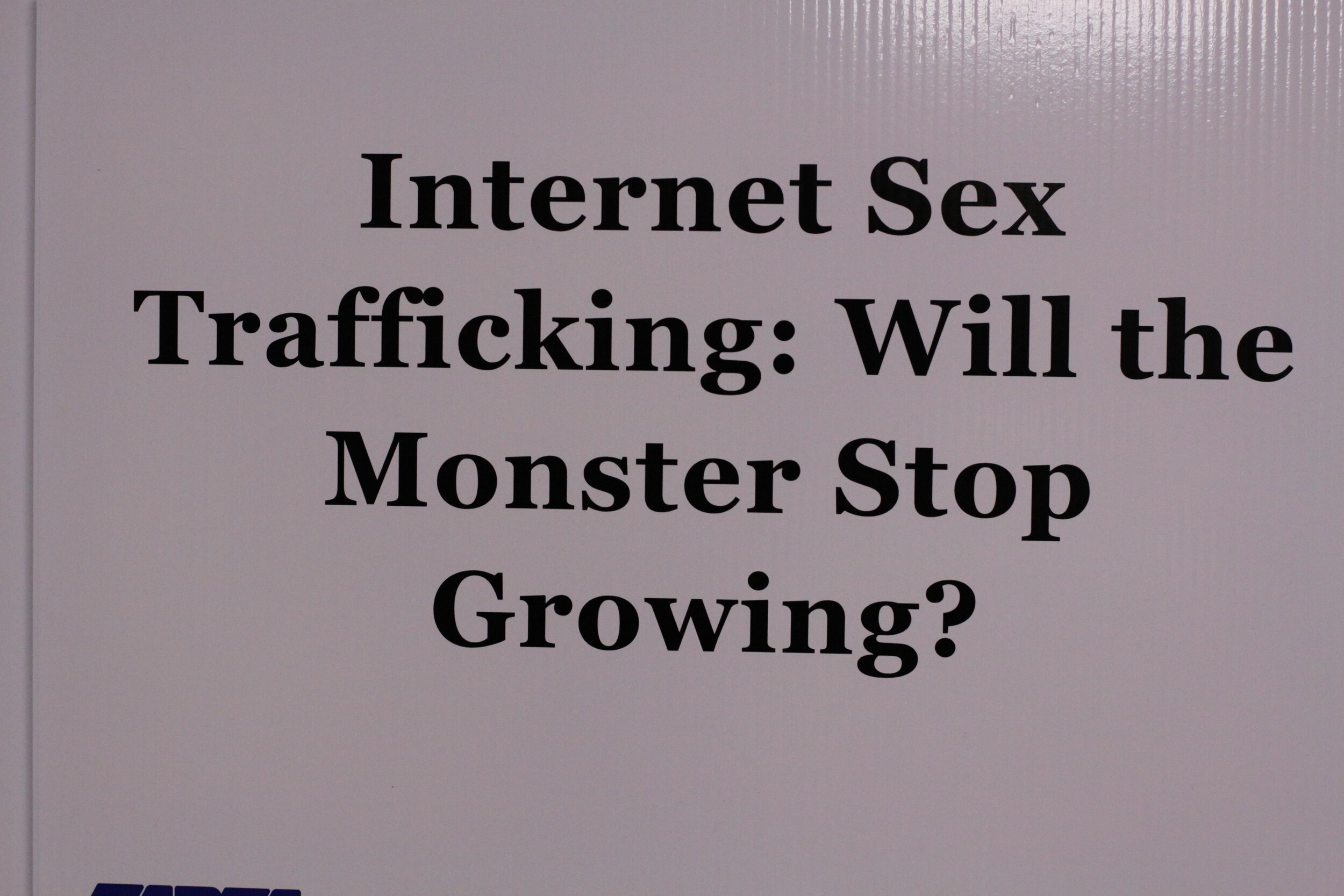
This presentation will discuss two main issues involving the internet/social media and sex trafficking: (1) recruitment of victims on the internet; and (2) selling victims on the internet. Traffickers are increasingly using Facebook and social media apps to reach out to victims and lure them into the sex trade. Maureen will discuss recent cases and evaluate potential legal and other means that can be utilized to counteract this growing trend. She has done extensive case research on civil and criminal cases involving Backpage and other internet service providers. Traffickers and pimps use Backpage and other internet sites to sell children and women for sex. The presentation will examine ways that traffickers and internet sites are working together to profit off the exploitation of sex-trafficking victims. Maureen will then discuss recent legal, technological, and educational approaches to curbing the tide of sex-trafficking online. This presenter will draw from the federal bills that were introduced and the legislation that was passed in this area, from the Senate Permanent Subcommittee’s Report on Backpage and on other reports drafted on this topic, and from some news accounts of recent activities regarding internet service providers such as Backpage.
Presentation Objectives:
· Outline the growing problem of traffickers' using social media and the internet to recruit and advertise sex-trafficking victims.
· Depict recent cases involving social media and the internet and explain the complexities involved.
· Examine recent legislative approaches to addressing this issue and whether the laws will curb the tide of sex-trafficking.
· Discuss potential solutions to the growing issue of internet sex-trafficking.
In partnership with the Las Vegas Metropolitan Police Department (LVMPD), the Arizona State University Office of Sex Trafficking Intervention Research (ASU STIR) developed a research plan to explore and analyze sex trafficking case files from 2013 to 2016. This study allowed for an inside look at the development of VICE cases and case actions. These files included police reports, records of interviews of alleged sex traffickers, interviews of
alleged sex trafficking victims, and case-related information including evidence collected and case update notes by LVMPD staff. The purpose of the study is to explore the efforts of law enforcement in identifying and investigating incidents of sex trafficking in Las Vegas, and to identify trends and patterns that might inform future research or practice. Findings include trends in the sex trafficking of minors and adults, including recruitment methods, transportation of victims, place of origin, elements of force, fraud and coercion, gang involvement, and criminal histories of the traffickers. Trafficker typology will also be discussed, as well as patterns in trafficker criminal histories and tactics. In addition, this information will help to establish a baseline of knowledge regarding the details of sex trafficking of minors and adults in Las Vegas, NV, with which to develop recommendation for future research, as well as policy implications and practice implications.
Presentation Objectives:
· Discuss trends in sex trafficking of minors and adults in Las Vegas, NV.
· Present findings on trends of trafficker tactics including recruitment, transportation, entrapment, gang involvement, and criminal histories.
· Explore future research, policy implications, practice implications.
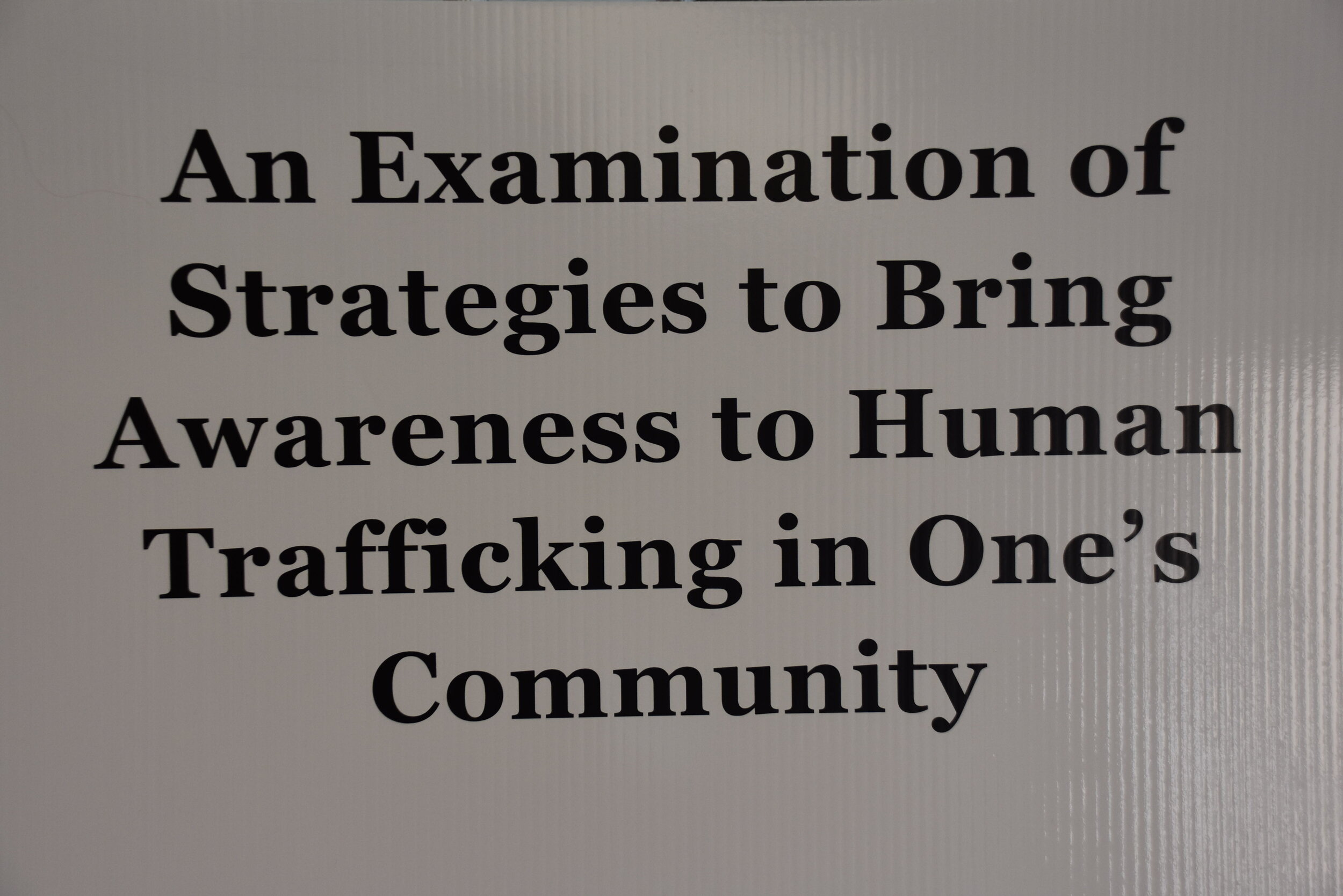
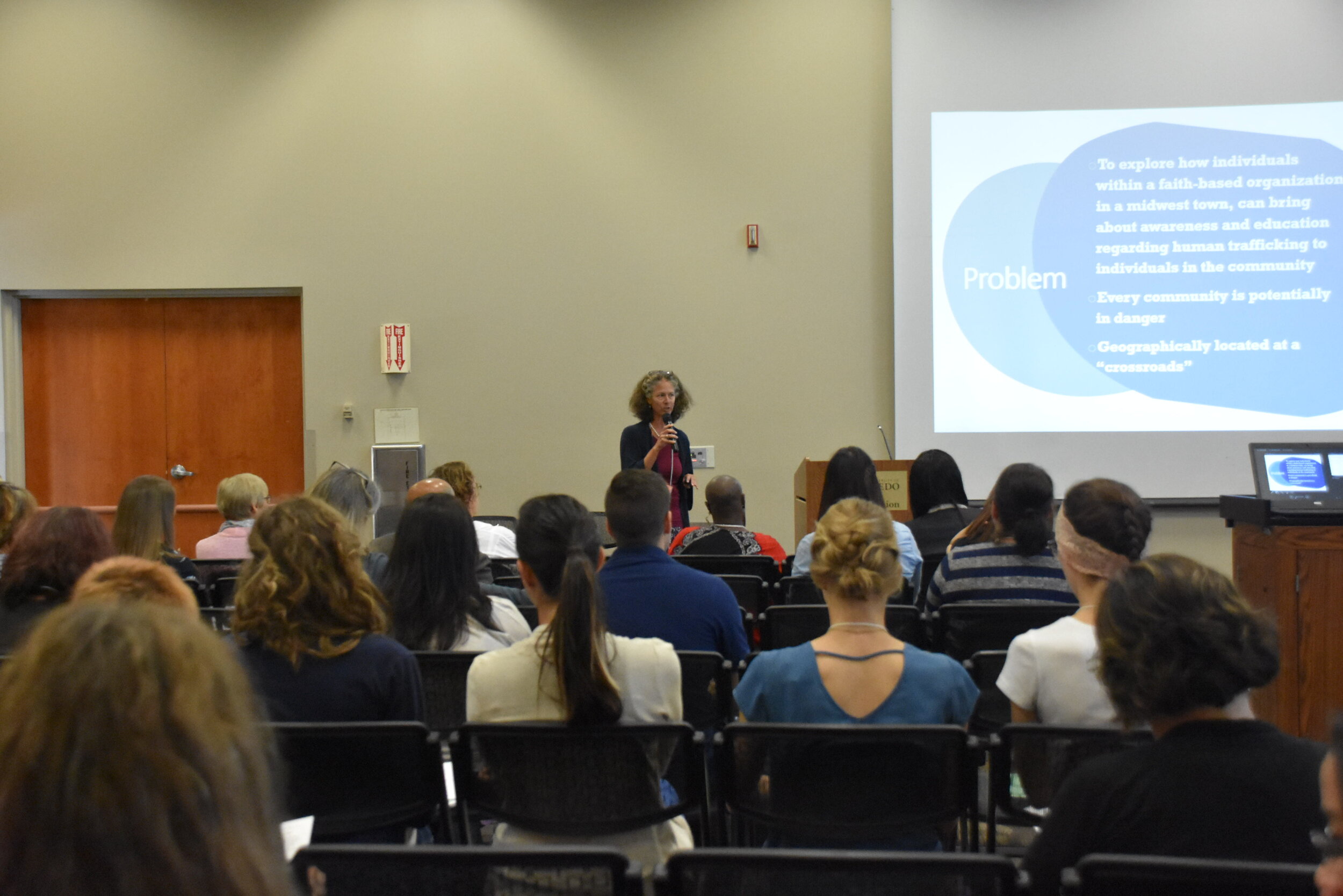
The purpose of this study was to explore how individuals within the faith-based organization in a Midwest town could bring about awareness and education regarding human trafficking to individuals in the local community. The community that was studied is geographically located in the center of the United States, along major highways leaving the entire community at risk of human trafficking. The primary research participants are members of the local Midwest “Free Now” (pseudonym) group consisting of approximately 10 individuals who are college students, professionals and retirees. The organization’s mission is to end modern-day slavery. The majority of the participants were female, Caucasian, and all were connected to a faith-based community as the core commonality. Participatory Action Research (PAR) was the method used in this study. PAR offers community members and the researcher a collaborative relationship in which interviews and focus groups are conducted to address the concerns of human trafficking. An anticipated outcome of this study was to mobilize community members to engage and learn how to bring awareness and education about human trafficking by transforming how individuals respond to this social injustice. In addition, this research study was to inform individuals and help strengthen their voices. A recommended potential intervention was that the local group would collaborate with service providers to develop strategies to bring awareness and education on the issue of human trafficking.
Presentation Objectives:
· Convey the basics of how PAR is conducted.
· Highlight skills to utilize interview and focus group tools to collect data from one’s community.
· Describe how to mobilize community members to determine how to address the issue of human trafficking in one’s community.
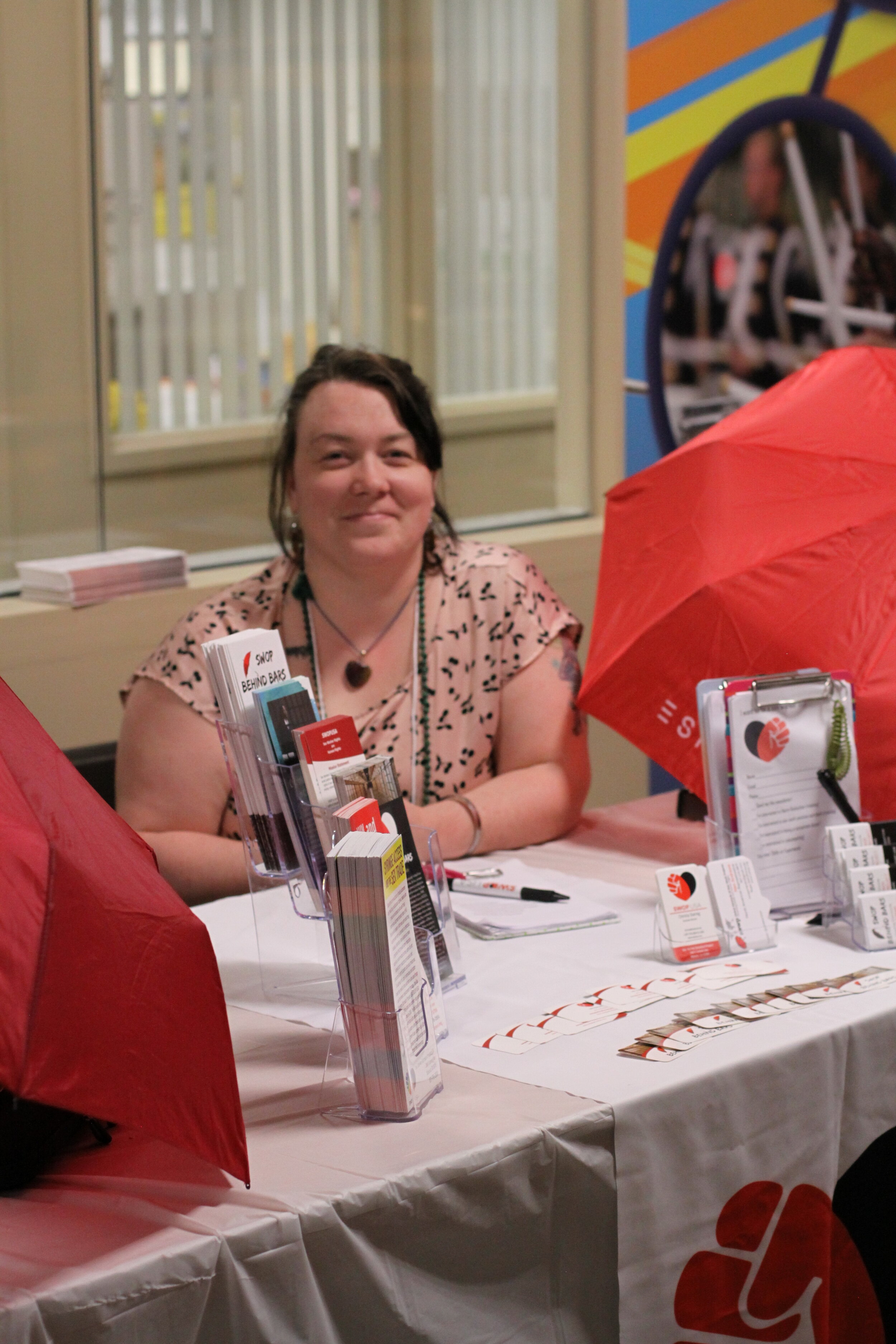
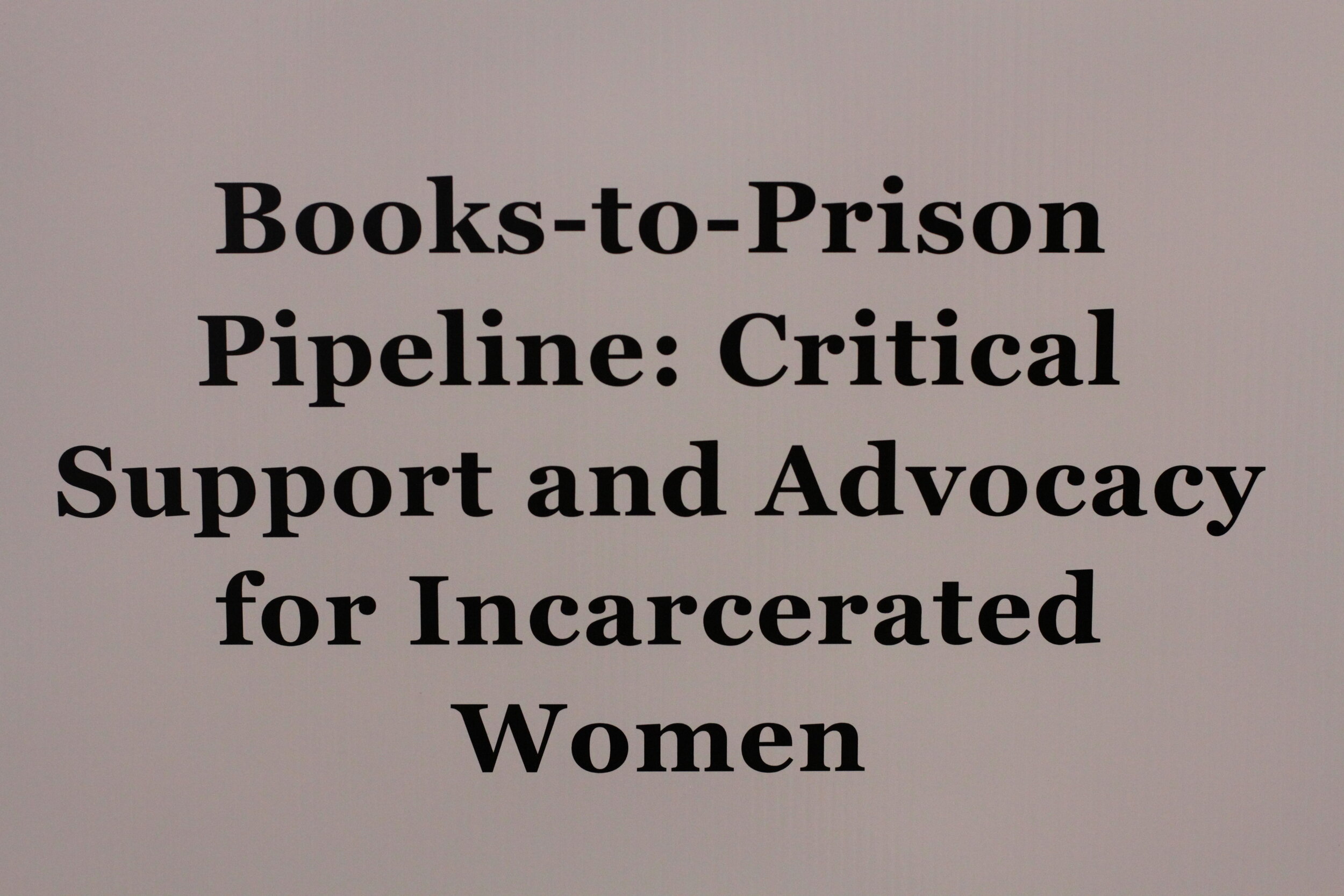
According to the Prison Policy Initiative (2017), more than 200,000 women are behind bars in the U.S. Moreover, the number of women in state prisons nationwide has been growing more than twice as fast as that of men since 1978. Attendees will learn about two programs providing direct support of and advocacy for incarcerated women and how they complement each other in their different approaches. Chicago Books to Women in Prison (CBWP) distributes free books to women in state and Federal prisons nationwide, as well as in Chicago’s Cook County Jail. They provide a critical intervention by offering the self-empowerment, education and entertainment that reading provides to people with little or no access to books. The organization has integrated human trafficking education in its work. They stock recommended books on human trafficking, feature the books on their order form, and distribute helpful bookmarks. CBWP uses the trust it has earned from the women it serves to help fight human trafficking. Sex Workers Outreach Project (SWOP) Behind Bars provides extensive support to incarcerated men, women and trans folks: newsletters, books, pen pals, scholarships and reentry support. The organization advocates for sex workers, who rarely receive the comprehensive support that would enable them to leave the industry—if they choose. SWOP Behind Bars works to remove the stigma around sex work and thereby protect the human rights and dignity of women in it. By decriminalizing both the buying and selling of sex, efforts can better focus on those who truly need assistance.
Presentation Objectives:
· Explain how books-to-prisoners programs fill a critical need for incarcerated people.
· Describe the role of books-to-prisoners programs in educating incarcerated people about human trafficking.
· Discuss the importance of supporting and advocating for sex workers, including those who are incarcerated and in reentry.
Caught Up features snippets from the narrative hip hop film TURNT to illustrate some of the tactics used by sex traffickers to recruit victims, highlighting the specific impact on one of the most vulnerable populations: foster care youth. The audience will follow the journey of a teen who is recruited, groomed and forced into sexual exploitation. Through video and engaging discussion, the presenters will reveal the dark truth about being caught up in The Life. Designed for audiences 9th grade and up, Caught Up also offers information on what sex trafficking is, risk factors for exploitation, who, how and where pimps recruit, and tips on how to avoid being Caught Up. The presenters will provide an overview of the Caught Up training and how they use media to teach at-risk youth the realities of being recruited into the life. The presenters will also discuss some of the ways traffickers recruit online and was to protect against that. This discussion is intended to give attendees an idea of the tools they use to support organizations that serve youth.
Presentation Objectives:
· Define sex trafficking and describe risk factors of sex trafficking in youth.
· Describe recruitment tactics and red flags of pimps and trafficking victims.
· Identify ways to protect against exploitation
2:45 - 3:45
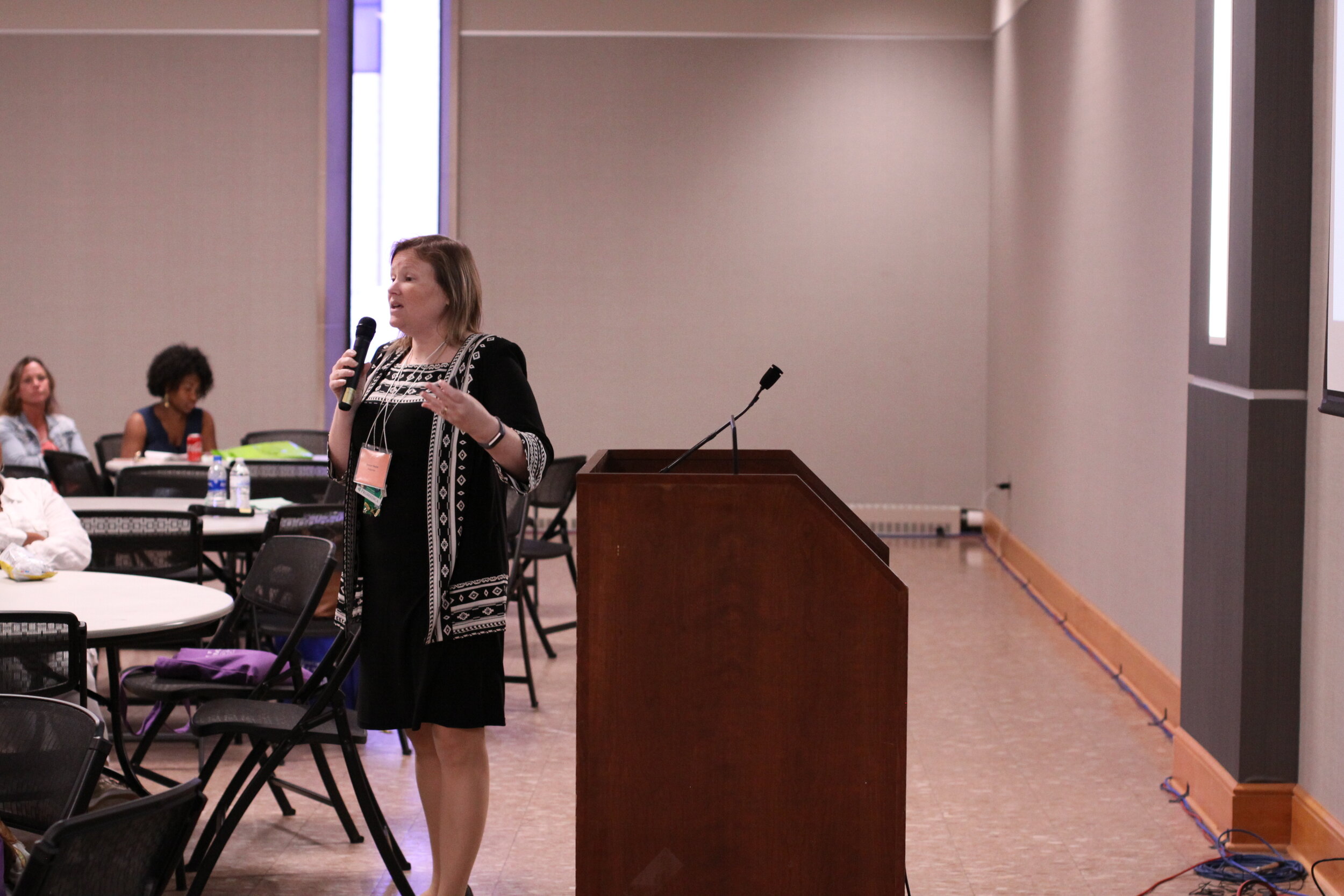
This presentation will provide detailed information of how the Sexual Assault Nurse Examiner (SANE) is able to help a victim of trafficking. The presenter will explore how the patient benefits from an exam completed by a trained SANE as well as medical treatment options for patients. This presentation will conclude with suggestions on how to provide care for this difficult population. Several case studies will be examined of patients that were seen and treated by trained SANEs.
Presentation Objectives:
· Explore how a SANE can help a trafficking patient.
· Examine case studies of potential human trafficking patients who were treated by a SANE.
· Pinpoint how human trafficking patients can benefit from exams completed by a SANE.
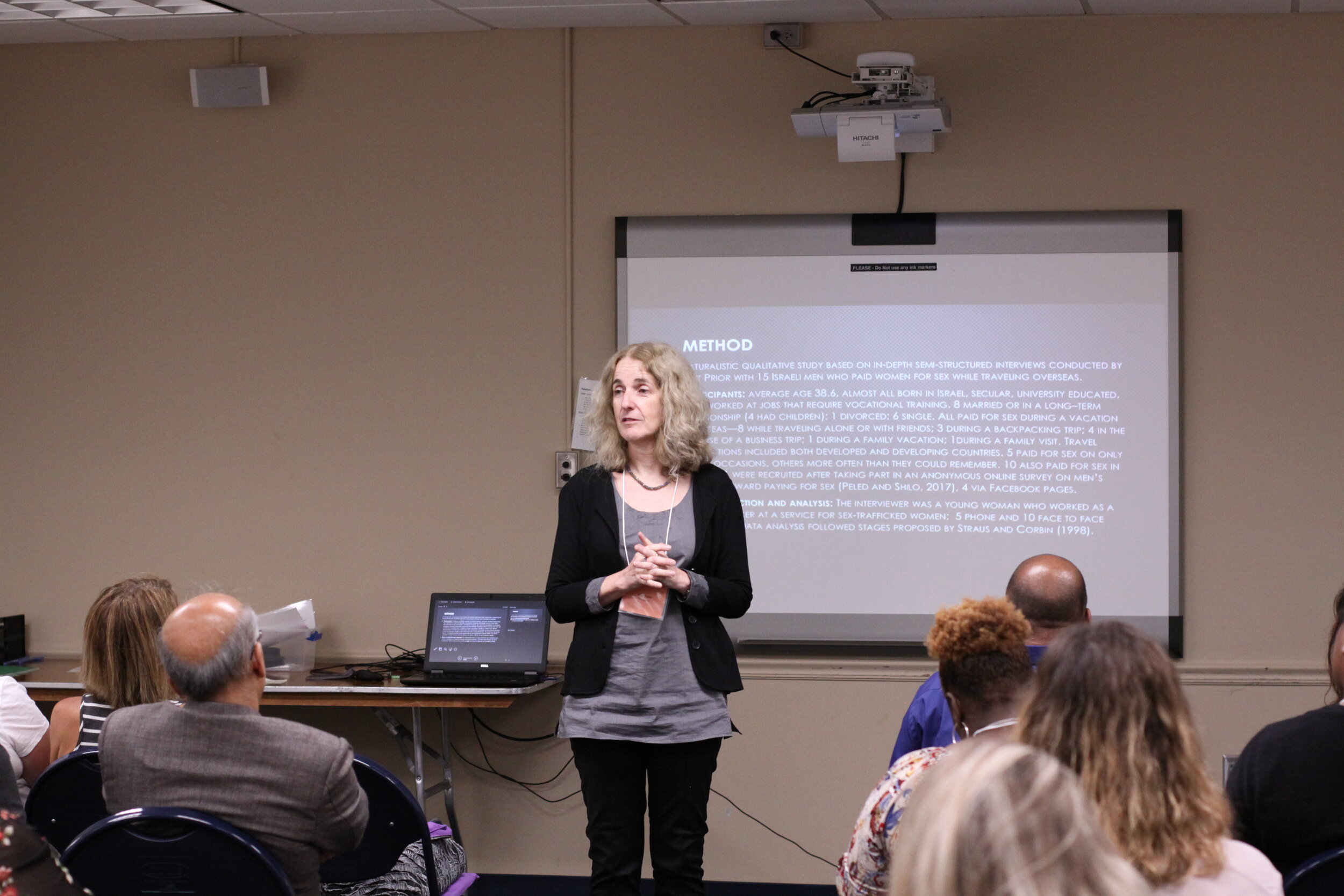
This presentation deals with the experiences of men who have paid for sex while traveling as tourists overseas. The findings are based on a qualitative study by co-researchers Einat Peled and Ayelet Prior that explored the experiences of 15 Israeli men, based on in-depth, semi-structured interviews with them. Findings focus on three major aspects of the participants’ experiences: the meaning of sex for them and their reasons for wanting to pay for it; the problems involved in paying for sex; and, paying for sex while traveling abroad as a preferable option to paying for sex in Israel. The participants spoke extensively about the meaning of sex in their lives. Four related perceptions they presented were of sex as a natural and basic need, as key to normative male identity, as related to intimacy, and as a form of social recreation. Most of the interviewees noted that they chose to pay for sex in the absence of any other option, and described the difficulties associated with doing so, which diminished their enjoyment of it. Conversely, they regarded paid sex while traveling abroad as successful and satisfactory. The participants described paying for sex overseas as being quite different and advantageous to doing so in Israel, and therefore much preferable. In their view, paying for sex overseas was “not really prostitution,” was normative, made them feel more positive, and was commercially more gratifying. The discussion of these findings will offer sociological and psychoanalytic inter-subjective explanations for the men’s preference to pay for sex as tourists overseas.
Presentation Objectives:
· Illustrate the meaning of sex and of paying for sex for the studied men.
· Describe the experiences of men who have paid for sex while traveling as tourists overseas.
· Communicate understanding of their preference to pay for sex abroad rather than in their home country.
· Discuss the implications of the research findings for social intervention with men who pay for sex.
Mental health problems associated with sex-trafficking appear to be enduring, with studies reporting a high prevalence of diagnosed disorder 6 months post-trafficking, and a slower decline in symptoms of physical health problems. We explored the association between traumatic events, psychological characteristics and mental health among 78 girls and women trafficked for sexual exploitation who were rescued and have been in contact with the International Organization for Migration (IOM) post-trafficking services. Multivariate logistic regression models based on screening data were fitted for posttraumatic stress disorder (PTSD), depression and anxiety separately, and adjusted for psychological characteristics to explore the pathways through which trafficking impacts mental health to inform interventions to promote recovery. Psychological typology of female survivors of sex-trafficking was portraited based on the existing systems of attitudes and values in communication and interpersonal interaction between the women and their family, friends and peers, and reported to be predictive of various cognitive, emotional and socio-psychological characteristics. The total index of mental distress, as indicated by a composite score of PTSD, depression and anxiety, was suggested to be less associated with the previously acquired psychological resources for coping with sexual slavery, and more determined by the severity of trafficking-related trauma exposures.
Presentation Objectives:
· Describe risk factors for mental health of female survivors of sex-trafficking.
· Exhibit psychological portraits of the survivors.
· Identify psychological resources for coping with sexual slavery.
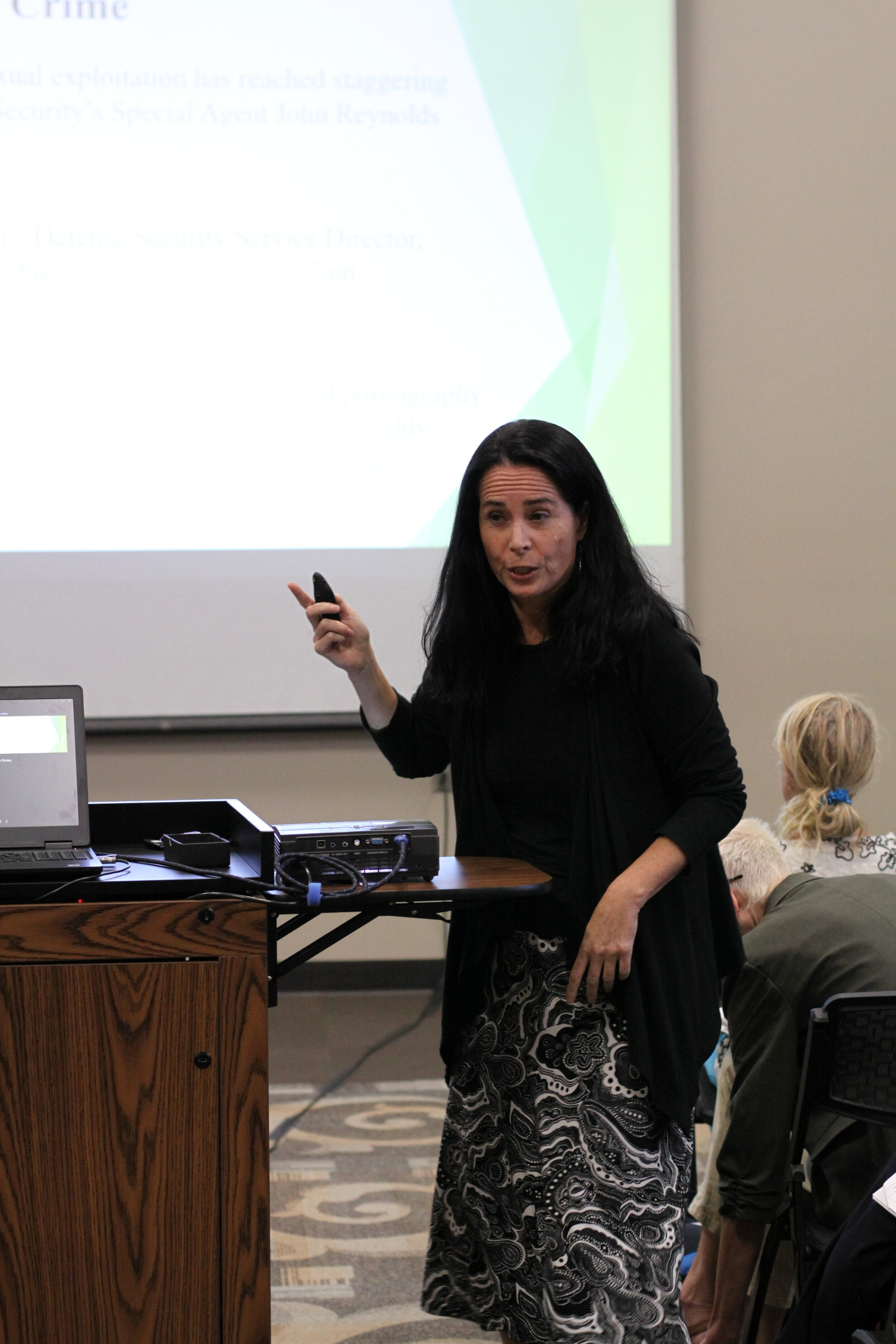
NetClean, a company offering software that blocks and reports child sexual exploitation (SEA) on electronic networks, has established how frequently this crime occurs in workplace (Borgström, 2017). My research, in particular within higher education, has documented similar results (McKenzie, 2018). Institutions must take responsibility for monitoring their electronic infrastructures—as much a part of the workplace environment as the lunch room. No institution should allow the criminal activity of child sexual exploitation to occur within the workplace. This session provides case studies from law enforcement, the medical community, higher education, US government employees and the humanitarian sector on child sexual abuse and exploitation in the workplace.
Presentation Objectives:
· Examine how pervasive child sexual abuse and exploitation (via the trade in images, videos and live-streaming) appears to be in the workplace.
· Discuss how predators use their professional positions of power over vulnerable children to commit sexual abuse and exploitation crimes.
· Propose ways for workplaces to take active measures, such as installing NetClean software and inviting law enforcement to perform clean-sweeps, to prevent child trafficking/sexual abuse in the workplace.
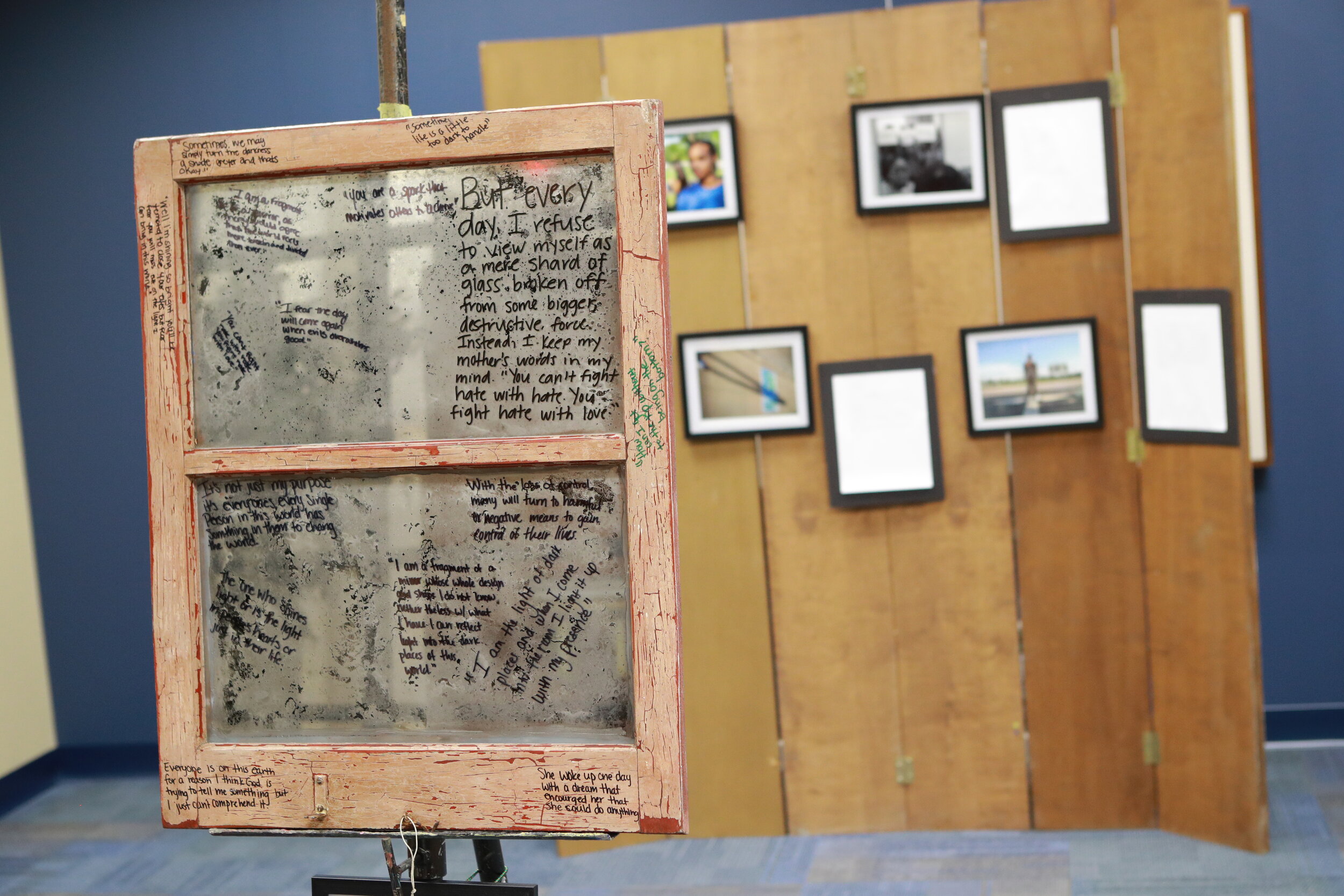
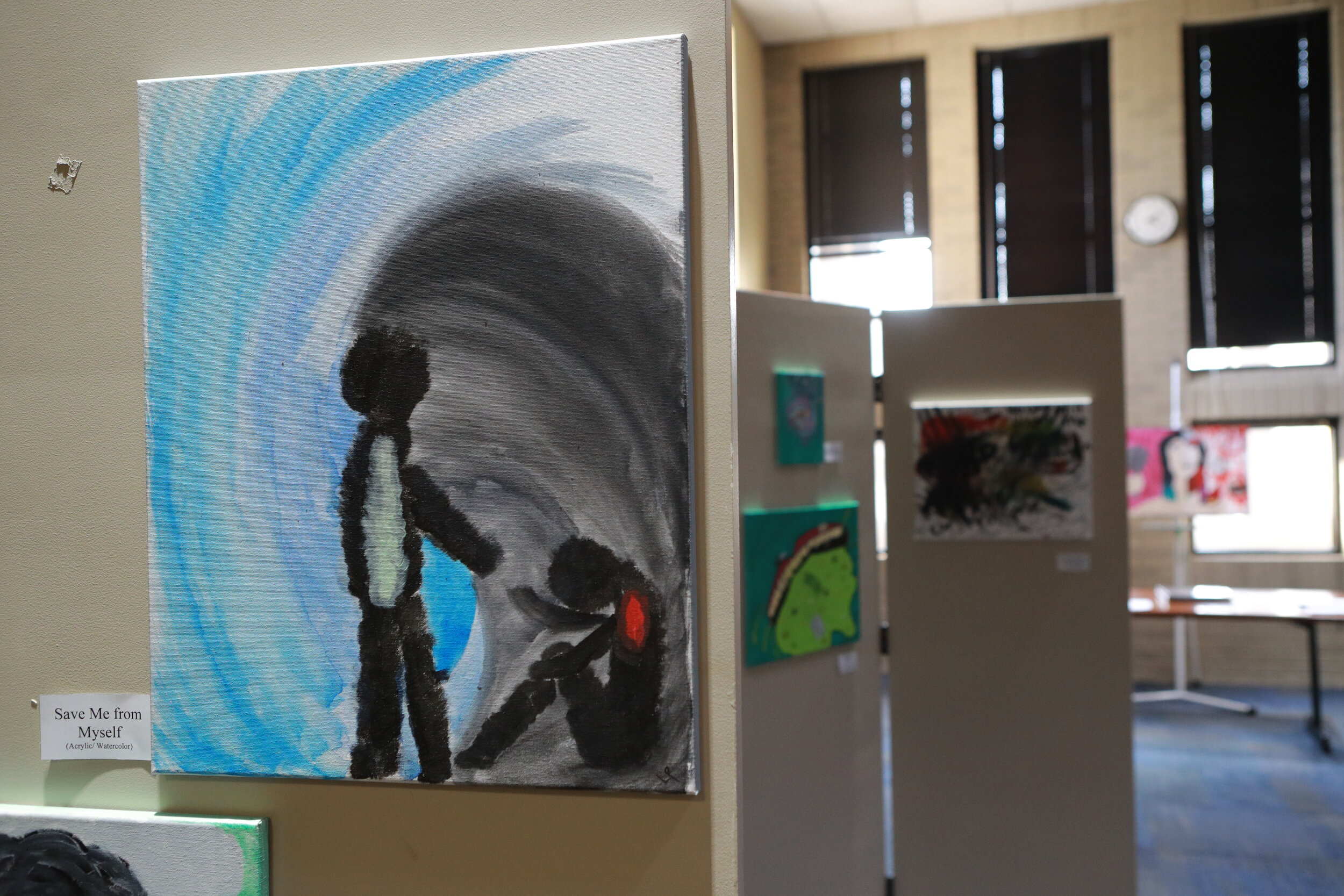
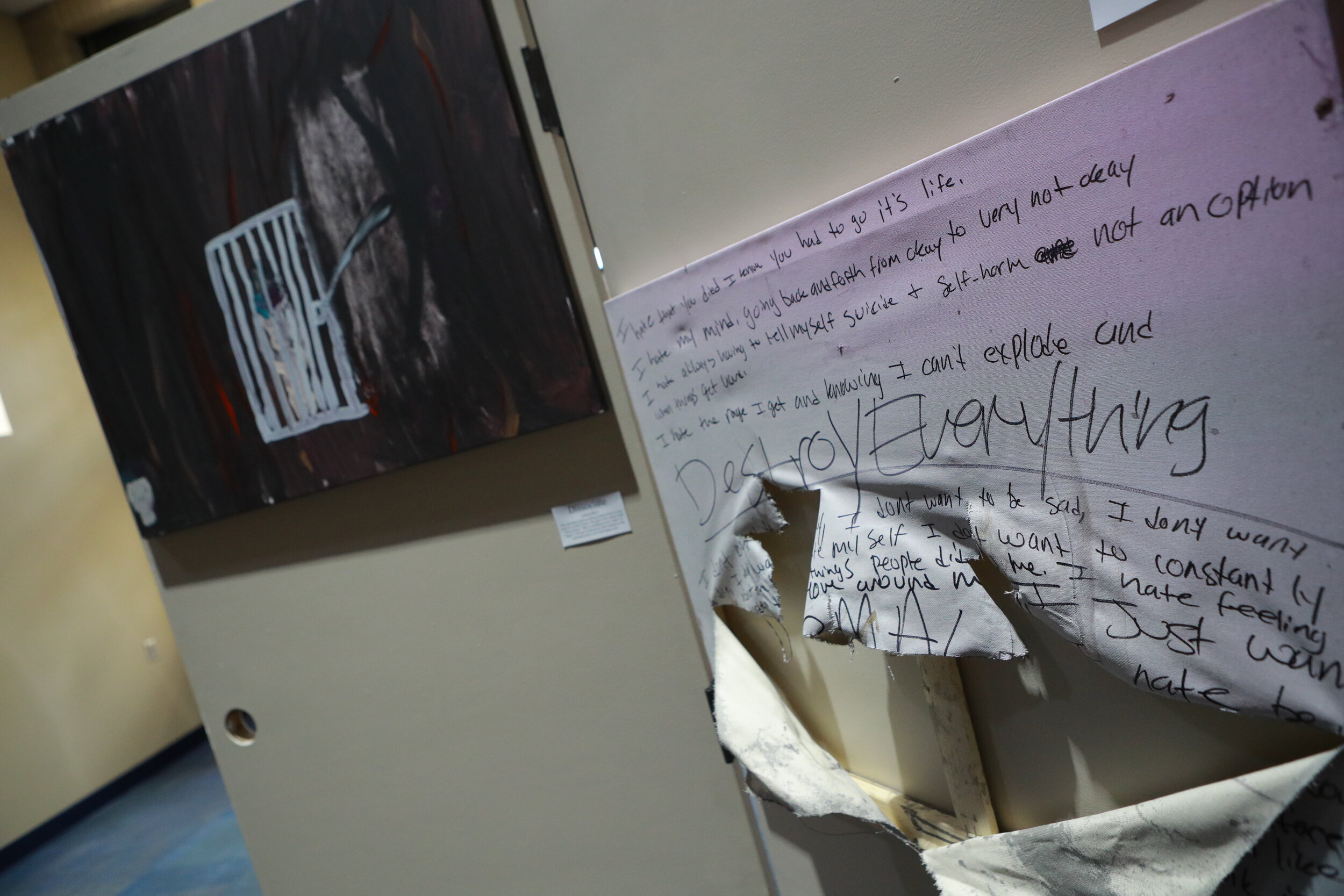
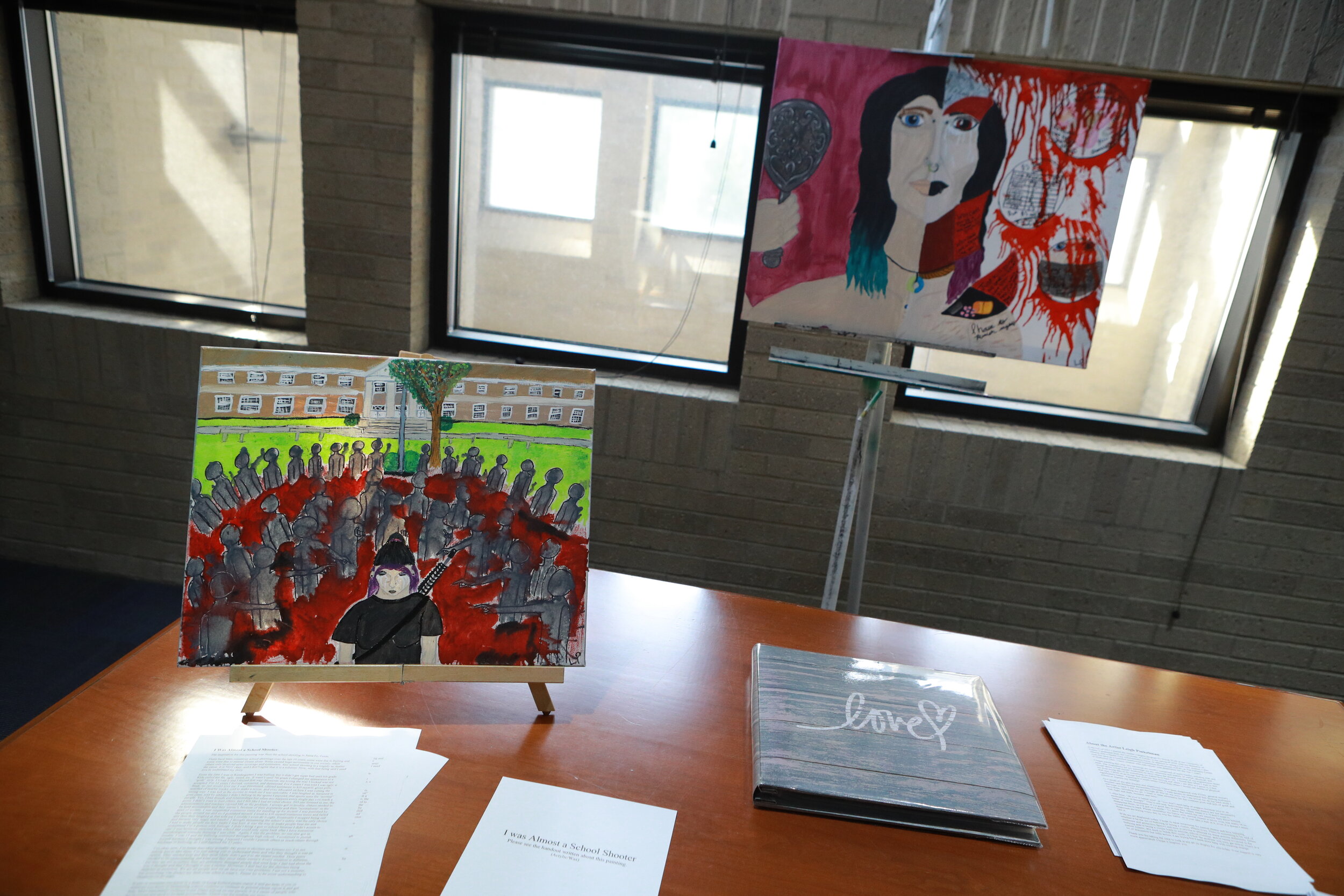
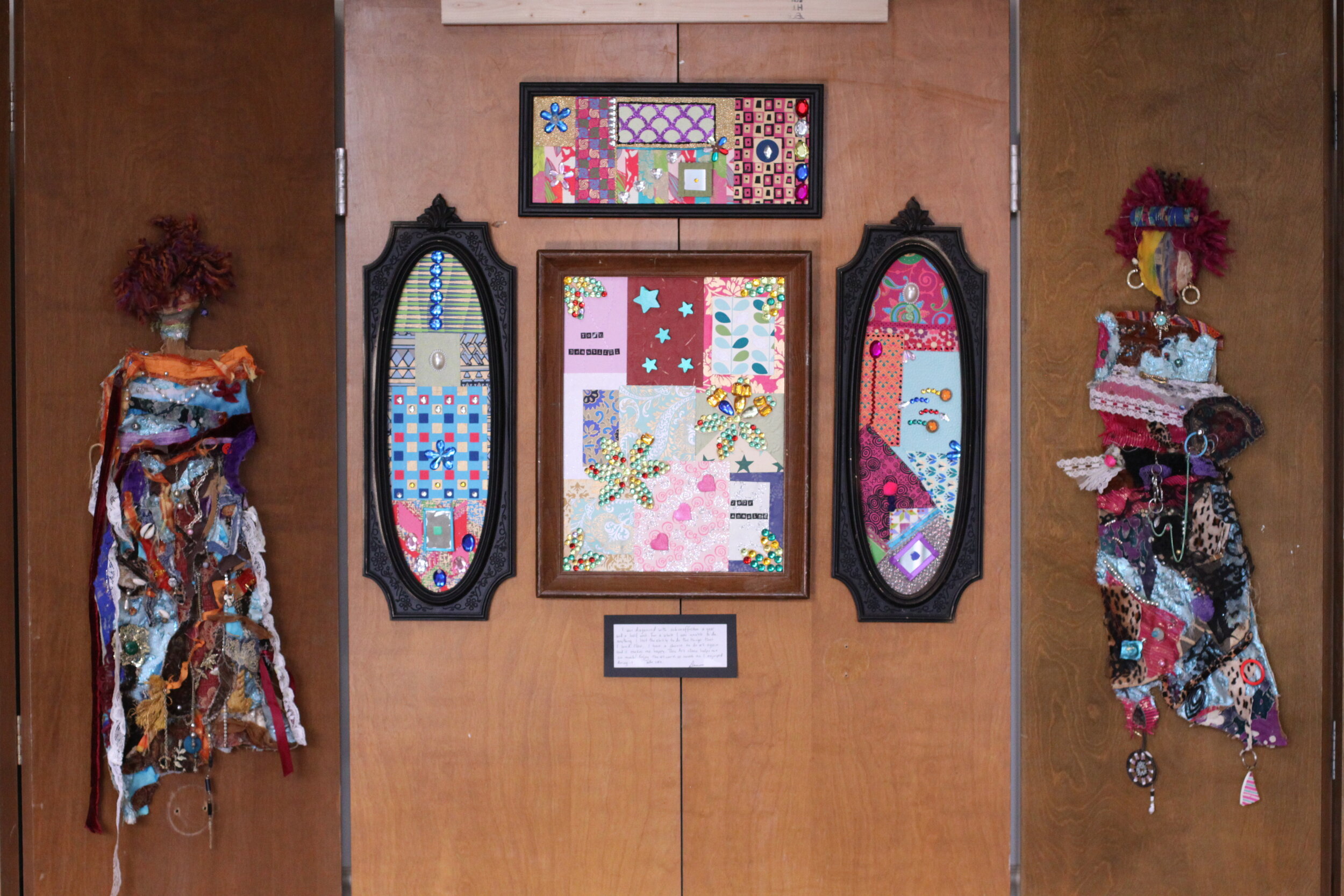
The Fearless Writers is a creative writing and autoethnography group developed as a community classroom alternative and participatory action research pilot. The panel members met weekly for one academic year to discuss social separation and autoethnography method. This group was the result of collaboration between high school juniors of Rogers High School’s AVID program and interprofessional students from the University of Toledo, mainly the social work program and the medical school. These discussions inspired weekly writing prompts about careful observation, the limitations of observation, what divides us from other people and what connects us with other people. The group engaged in regular strengths-based feedback about observations and writing. Group members were free to be as creative as possible in their writing using Amherst Writers and Artists method. From initial writing, the group shared concerns about expectations and acceptance. Research group members will be reading excerpts of their writing and what the group learned from writing and sharing regularly about subtle acts of marginalization that contribute to larger policy practices of social separation. This research group also contributed to the exhibit Shining Light: Monsters, Mysteries, and How Society Divides Us being displayed at this 15th International Human Trafficking & Social Justice Conference.
Presentation Objectives:
· Describe how communities can honor and respect the insights of young people.
· Identify the impact of social separation in the United States and how it contributes to health disparities.
· Demonstrate the power of creative writing, art, and photography to raising awareness about injustice.
· Counter stereotypes about youth and understand how disrupting stereotypes is crucial in erasing implicit bias.
· Inspire future research involving youth and interprofessional students that encourages connection and better understanding of differences.
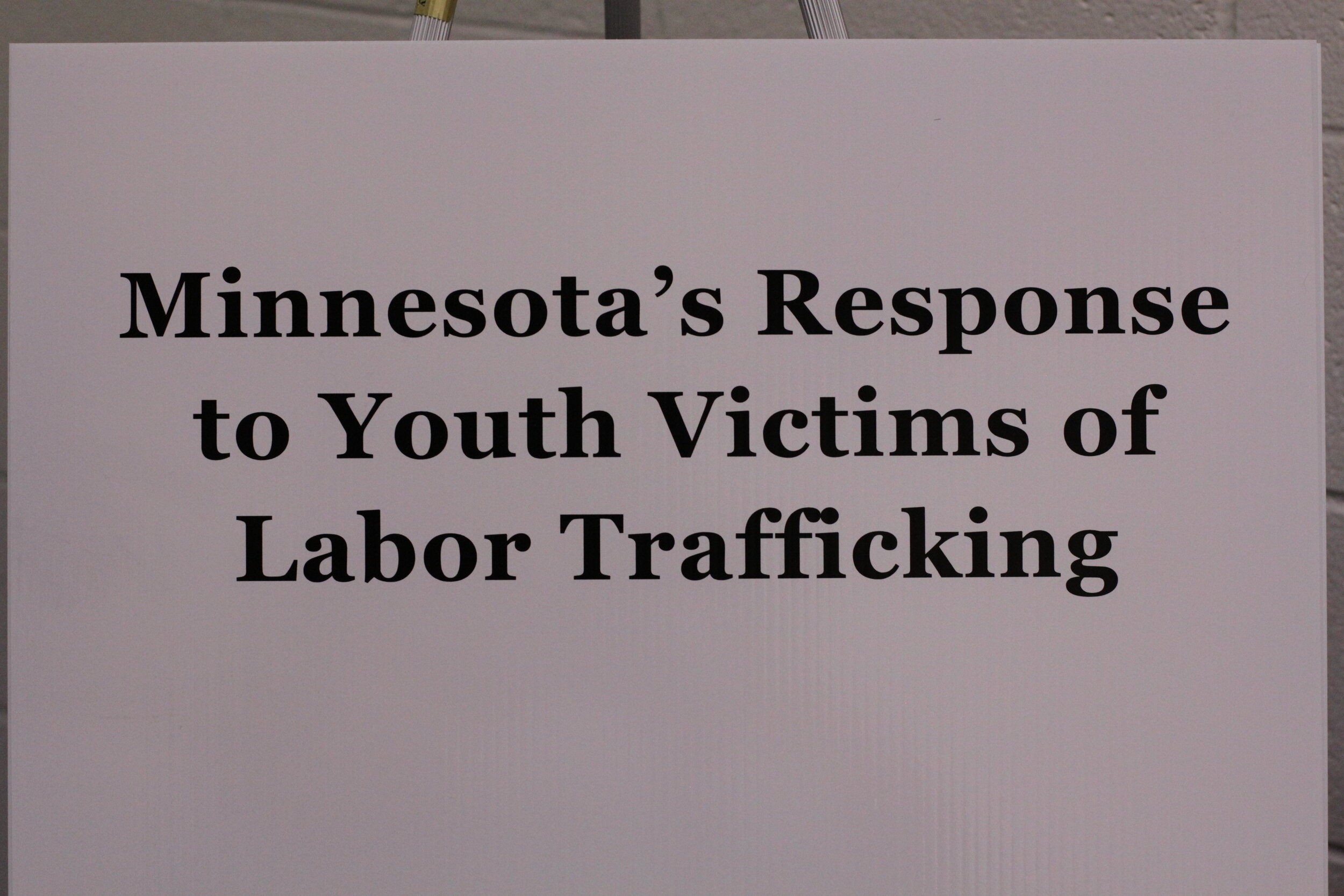
Labor trafficking occurs throughout the Midwest, and many agencies and organizations have been increasing their understanding and responses to this violent crime and human rights violation. In spring 2018, The Advocates for Human Rights and the Minnesota Department of Health published a protocol on how to identify and respond to youth victims of labor trafficking. The protocol covers many of the sectors that interact with victims of labor trafficking –law enforcement, child protection, legal services, victim advocates, health care providers, and more. This presentation will describe labor trafficking (i.e., definitions, dynamics, risk factors, and identification), examine Minnesota’s response to labor trafficking as a model for other states, introduce participants to best practices in working with victims through interactive case studies, and discuss ways that participants can improve multi-jurisdictional responses to labor trafficking.
Presentation Objectives:
· Examine the dynamics of labor trafficking and how to identify potential victims.
· Discuss what Minnesota is doing to respond to labor trafficking.
· Utilize the protocol for recommendations on identifying and responding to youth victims of labor trafficking as guidance for improving the response of the participant’s agency or organization.
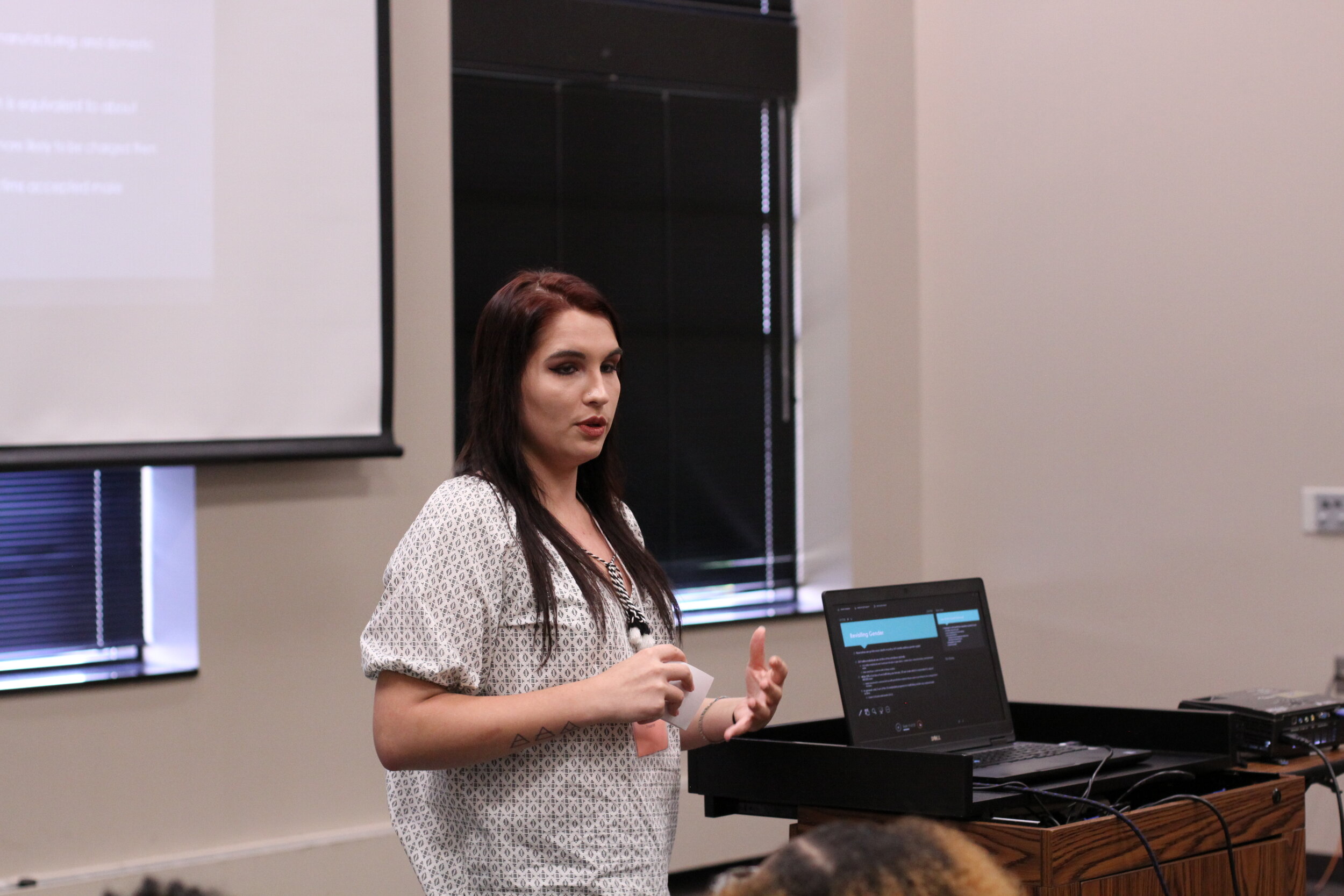
Almost 20 years ago, the passing of the United Nations (UN) Protocol to Prevent, Suppress and Punish Trafficking in Persons, Especially Women and Children helped push the issue of human trafficking to the forefront of legislation intended to protect and support victims (UN, 2000). Over 150 countries or states are associated with the Palermo Protocol and various groups have a variety of anti-trafficking initiatives that have followed this policy (UNODC, 2016). However, a major issue with many policies lies within the incorporated language being directed toward helping females and children specifically within sex trafficking, while excluding male victims. Human trafficking continues to be conceptualized as a women’s issue, even though many of the same vulnerabilities for trafficking have been identified for both men and women, including a history of abuse and substance use (Reid, 2012). The trafficking of males is often underrepresented and underreported due to the hidden visibility of forced servitude along with cultural beliefs regarding male superiority. For intervention and rehabilitation purposes, this discrepancy drastically affects the resources available for men. The failure to update policy to reflect greater gender inclusivity inhibits recovery of thousands of male victims that also need support. This presentation will review national and international anti-human trafficking policies to specifically examine gender biased language and discuss research findings regarding this bias. Preliminary analysis of over ten anti-human trafficking policies conducted through content analysis revealed that out of 1,154 instances of pronoun usage, 70% used ambiguous terminology (i.e., “victim”, “person”), 18.3% used “she”, 9% used “she/he” and 2.6% used “he”. Recommendations for policy makers and communities will also be provided regarding how to identify and address this lack of diversity within anti-human trafficking policy.
Presentation Objectives:
· Examine patterns and trends related to gender biased language in anti-human trafficking policies.
· Identify challenges associated with recognizing and assisting trafficking victims who are not female (i.e., male, transgender youth).
· Discuss implications for more gender inclusive language in policy reformation.
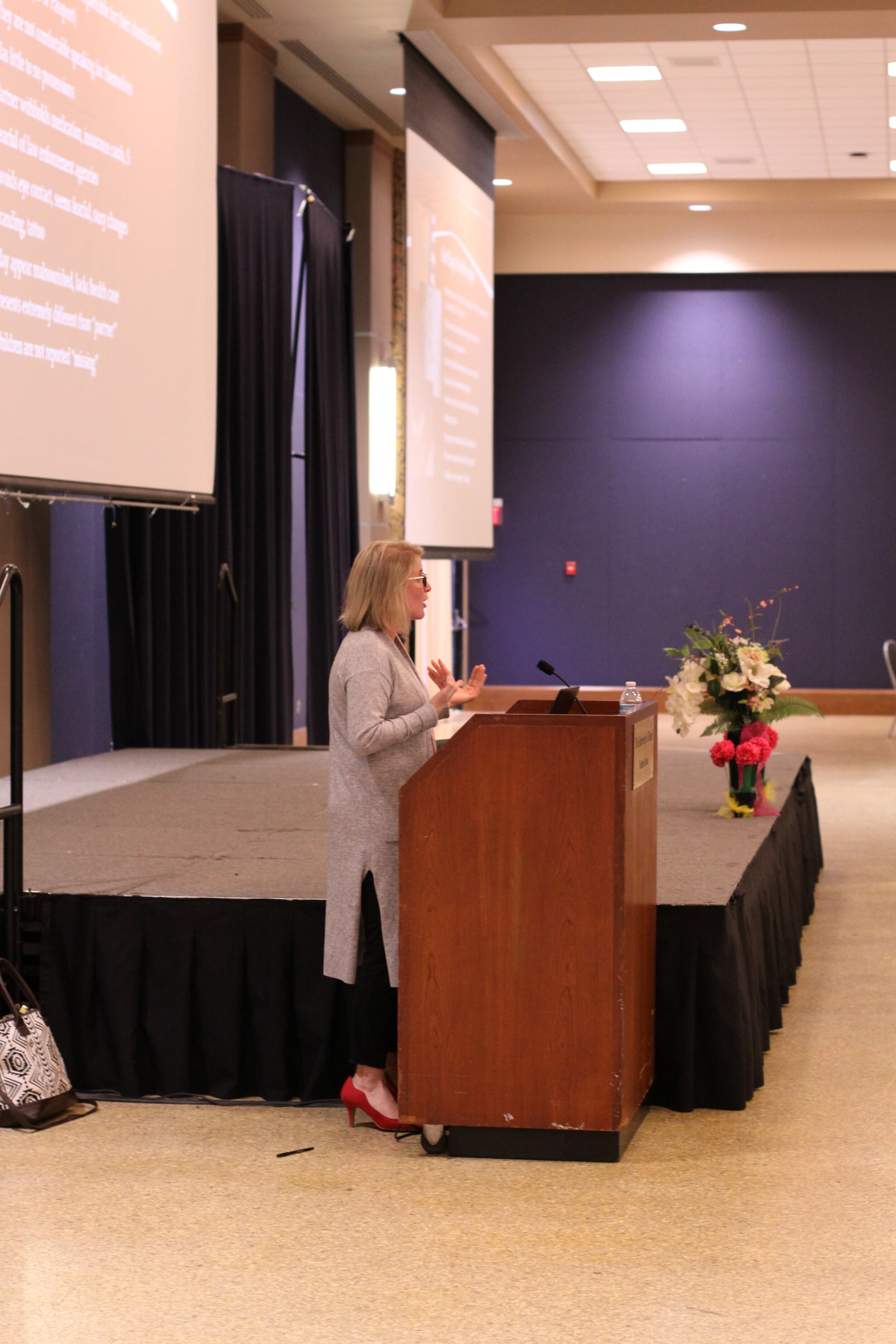
Domestic minor sex trafficking (DMST) victims face many barriers to getting appropriate trauma-informed treatment. DMST victims frequently have a history of early childhood trauma by trusted adults. Due to the complex trauma these victims experience, they become dissociated as a tool for survival. As a result of ongoing trauma, many DMST victims do not embody (intuitively display) protective skills. Helping professionals often misunderstand the presentation of trauma, misidentify dissociation as apathy or defiance, and place DMST victims into inadequate treatment. The Federal Advisory Committee of Juvenile Justice (2007) found that children who are sex trafficked are some of the most vulnerable youth; to hold these children accountable for sexual actions with adult perpetrators will only further exploit their vulnerabilities. Through experience as a Licensed Clinical Social Worker working with both adult and child victims of human trafficking at a non-profit agency in New Jersey and supported by research as a doctoral student, this presentation will share information about how DMST victims embody complex trauma and how the presentation of that trauma, or seeming lack thereof, causes them to be misidentified as criminals rather than victims. Trauma-informed care needs to be integrated from the first interaction with law enforcement, throughout the development of a treatment plan with providers, and for the duration of the therapeutic relationship. This presentation will illustrate how helping professionals can effectively advocate for DMST victims at the early stages of identification and also foster a safe, accepting therapeutic space to assist these clients in trust building and identify formation.
Presentation Objectives:
· Inform social workers and other first responders how to distinguish dissociation and other consequences of trauma from defiance.
· Discuss the rights of DMST victims.
· Advocate for proper identification across systems (i.e. law enforcement, child protection, judicial system).
· Provide options for treatment available.
· Present new ideas for specialized trauma-informed intervention when working with this population.
4:00 - 5:00
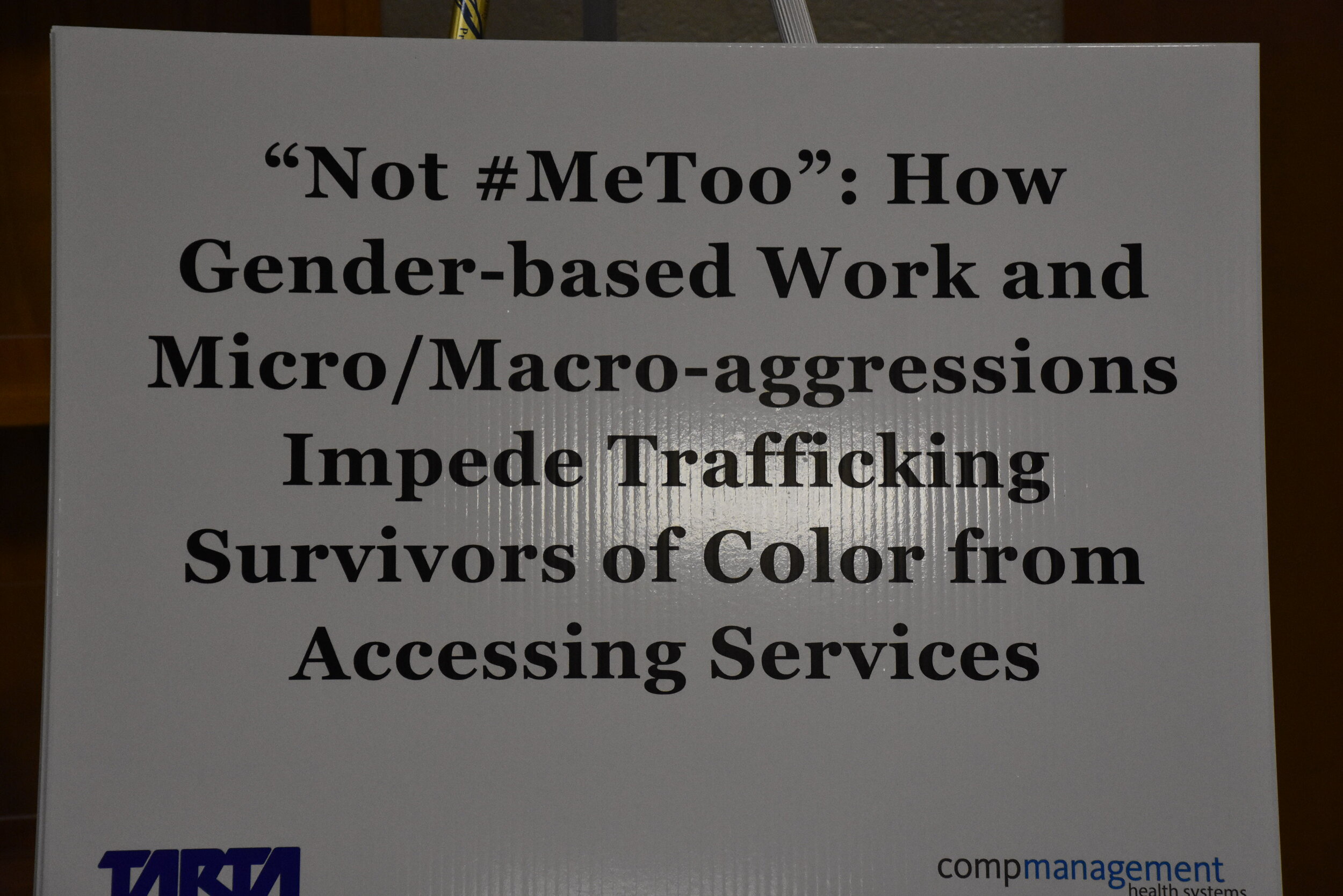
Even within the field of sexual violence intervention, there appears to be a hierarchy not only in who “deserves” victim-status, but even in the way our systems choose to intervene with marginalized populations. Often, those providing services within the sexual violence field face the same microaggressions that impact those whom they want to serve. This presentation will examine the systemic challenges faced by Women of Color (WOC) serving Trafficking Survivors of Color (TSOC), the barriers identified by TSOC in accessing culturally-relevant services, and ways in which various agencies have enhanced their services by implementing culturally-relevant practices.
Presentation Objectives:
· Define microaggressions and provide examples of how they are displayed with sexual violence work.
· Identify challenges faced by WOC providing services to TSOC.
· Describe barriers to accessing culturally-relevant services.
· Provide examples of culturally-relevant practices being utilized throughout the country with TSOC and other Survivors of Color.
The process in which religions use powerful sex drives to infect society with ideas that benefit the ideologies and influence human sex and sexuality continue to influence society today. Historically, Judeo-Christian religion has looked at female sexuality, on its own, as uncouth and something that deserved to be punished both by the church and publicly, achieved by limiting human, and in particular, female pleasure through shame and control. Pro sex feminism, one of two ideologies founded in 1980s feminist movements, makes the case that consensual sex expressions should be protected, no matter the form it takes. Today, feminists struggle with the implied patriarchal imprisonment of porn, sex work and the sexual representation of women in mass marketed media. Women have the choice to work in the sex industry as strippers, porn performers, etc. and their practice is akin to a lineage of healers tapping into taboo female power. Regardless of factors that have lead each individual woman to participate in this industry, sex workers are persecuted by both the patriarchal authorities and by feminist narratives that integrate sex work with sex trafficking. Just as women who defied the sexual status quo were once persecuted as witches, sex workers are persecuted for using their bodies to survive and even thrive in a culture that still has not granted complete bodily autonomy to women (Sollée, 2017).
Presentation Objectives:
· Deplete the negative stigma of the sex industry.
· Reframe the narrative around sex work.
· Analyze the connection between slut shaming and female persecution through the guise of religion.
· Describe the in-depth factors of what sex work means through the lenses of different races, sexual orientation.
· Introduce the idea of touch therapy, cuddle therapy, etc. in reference to sex work.
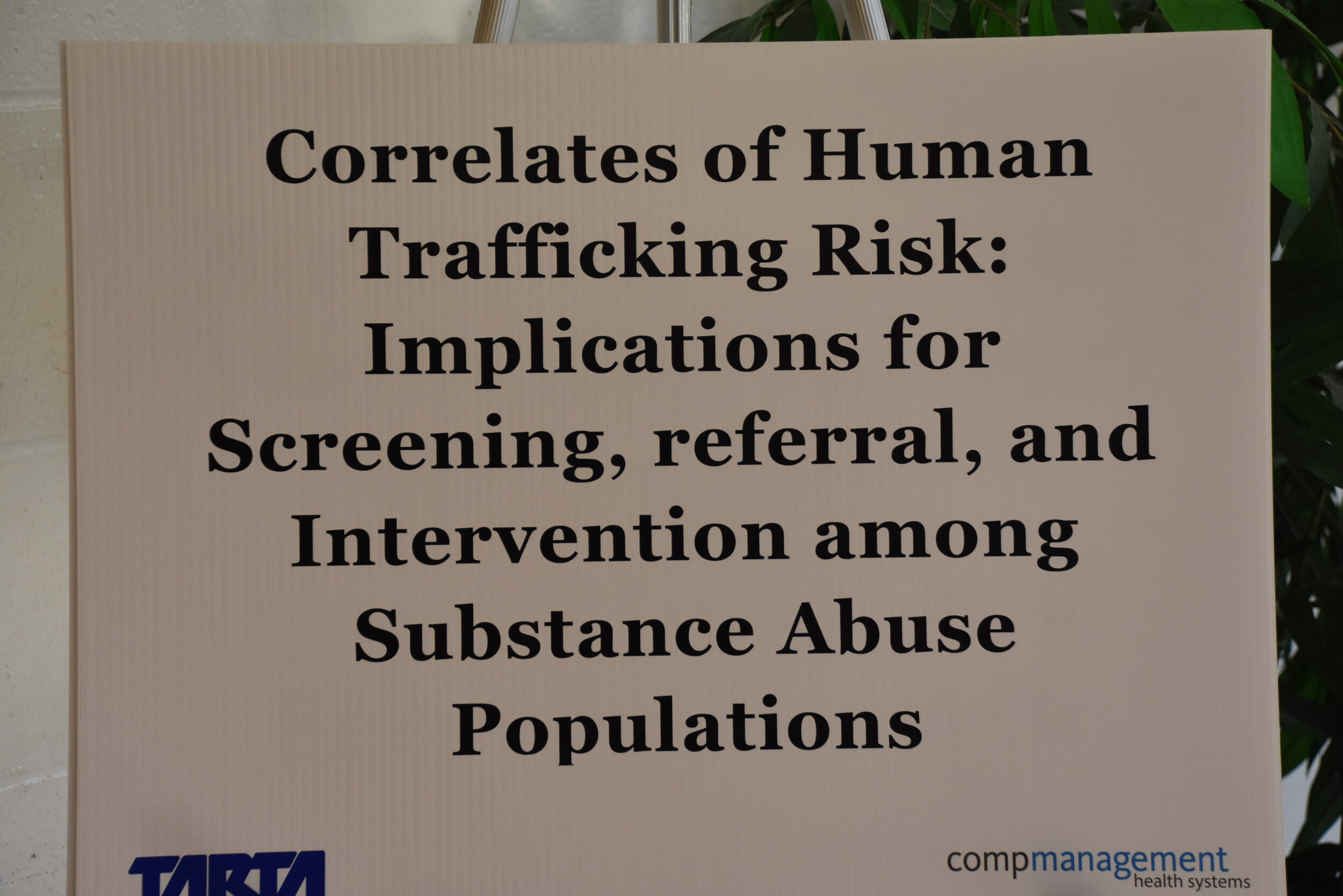
Clinical professionals are among the most likely to come into contact with those that are currently or have been victims of human trafficking. A response to education and awareness campaigns worldwide has increased efforts to improve screening and referral for trafficking victims among the medical, legal, and social service communities. This presentation will describe a descriptive study aimed at understanding what relationships exist between human trafficking victimization and other social and health indicators. A pilot study with 150 participants completed a screening for human trafficking (sex and/or labor) using an adapted version from the VERA assessment upon intake into substance use treatment. The VERA assessment is a validated tool, funded by the National Institute of Justice, developed by the VERA Institute to accurately identify victims of both sex and labor trafficking. Over one-half screened at-risk for human trafficking without self-identifying as victim. Descriptive analyses reveal that there are significant relationships among social determinants of health, health literacy, HIV risk, adverse early childhood experiences, and human trafficking risk. Structural equation modeling was then conducted to develop a pathway model of trafficking risk among substance abuse clients in treatment. These results informed an implementation study to better screen for human trafficking victimization, make appropriate referrals to services, and implement universal precautions for at risk populations that is currently underway. This session will be aimed at clinicians, health care professionals, and community members who want to better understand what relationships exist among risk factors for trafficking victimization.
Presentation Objectives:
· Explain social determinants of health.
· Describe relationships among risk factors for trafficking.
· Identify screening and referral strategies.
· Pinpoint potential moderators of trafficking risk.
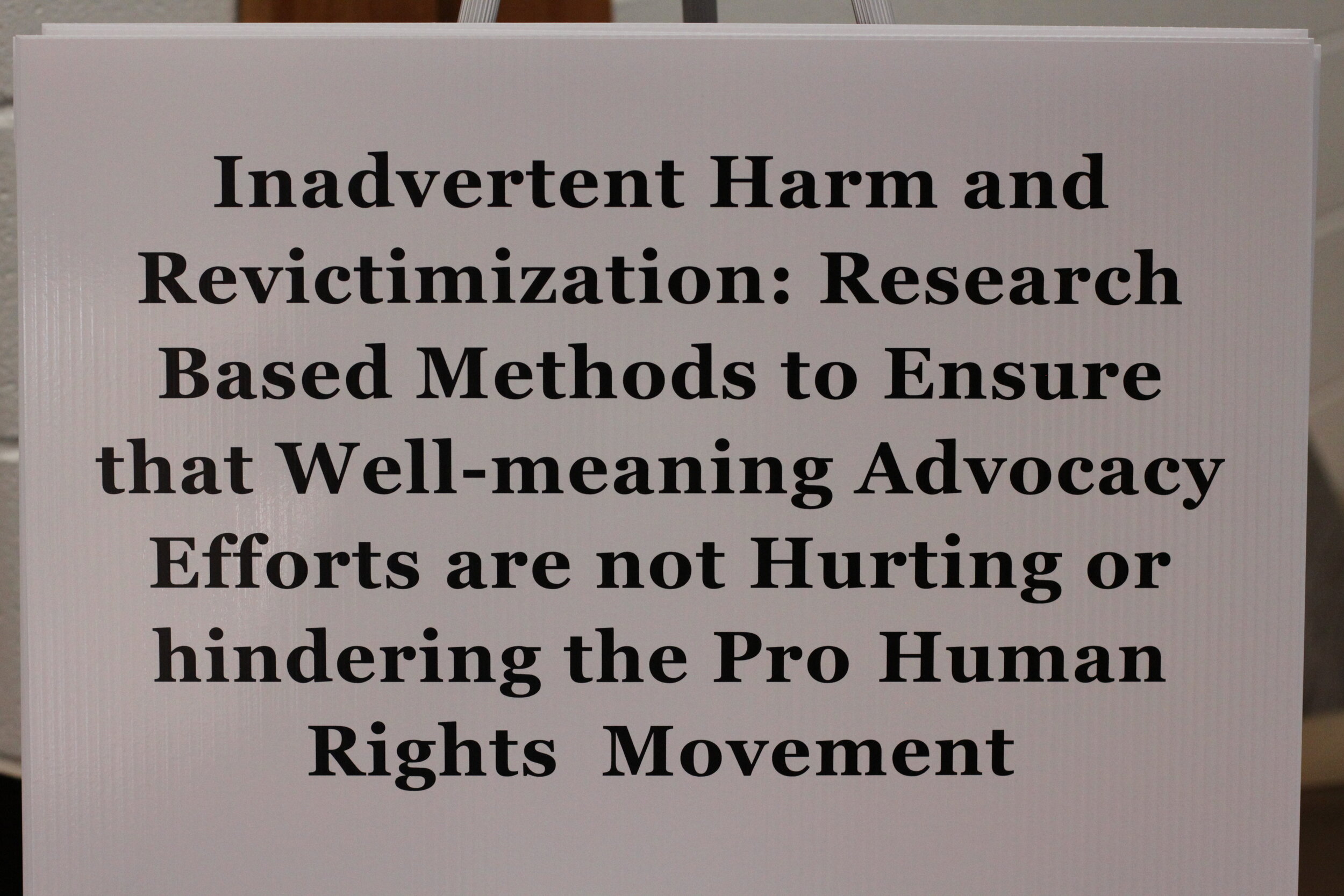
Over the last decade, an increased focus on human rights and social justice issues has inspired students, researchers, and advocates to join the field. Despite the well-meaning efforts of many advocates, it remains unknown whether ethical issues such as maleficence and beneficence are not violated. This engaging presentation will provide evidence-based, peer reviewed methods to better inform the research and treatment practices of helping professionals. This session will provide education on topics including how to avoid spreading false facts, how to avoid mindless consumerism within advocacy materials and fundraising items via the buycott app and how to use trauma-sensitive language as developed by the International Organizations for Adolescents (2017). Additionally, the presenters will be examining how to avoid emotionally escalating and/or damaged centered pleas to gain exposure for your organizations mission by examining Dr. Robert Cilaini’s research into influence (1984), ethical considerations in dealing with sensitive subjects, and finally how certain fundraising or advocacy efforts may inadvertently re-victimize survivors and abuse victims by relating the work of victimization conducted by Morton & Sangrey (1986) and others. At the end of this presentation, members of advocacy organizations who do not hold licensure for working with traumatic situation will have a better understanding of how to engage in trauma-informed dialogue. This presentation will benefit new students, researchers, and advocates who may be at the beginning of their career or those who have not yet discovered ways to ethically support survivors of trauma.
Presentation Objectives:
· Describe how to avoid spreading false facts.
· Explain how to avoid mindless consumerism within advocacy materials and fundraising items.
· Discuss trauma-sensitive language and ethical considerations in dealing with sensitive subjects.
· Explore how certain fundraising or advocacy efforts may re-victimize survivors and abuse victims.
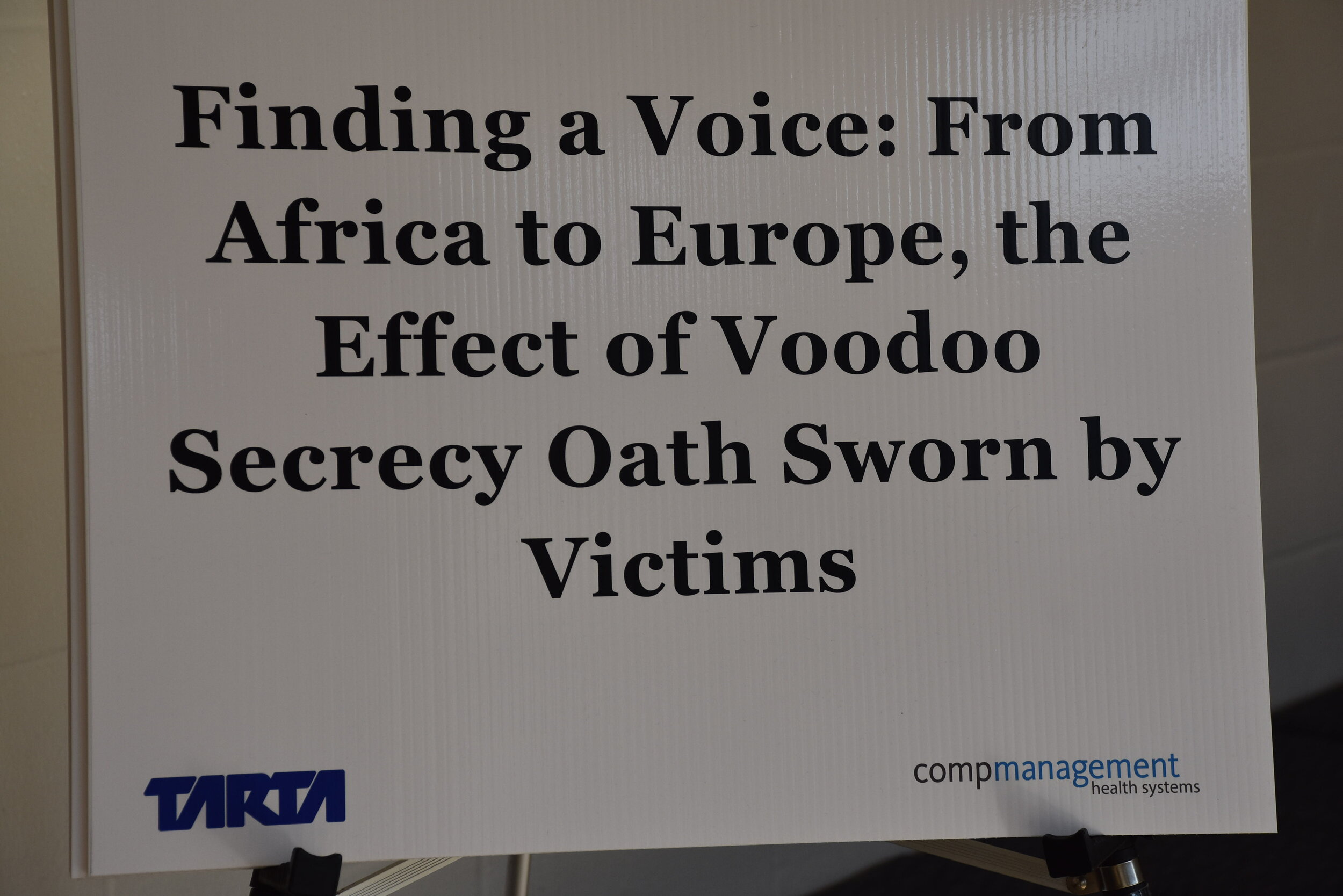
Human trafficking, also known as modern day slavery, is a menace that has eaten deep into today’s world. Day by day, victims are being trafficked across borders, seas and deserts from Africa to Europe, by traffickers for exploitation. These victims could be anyone: a relative, a friend, someone else we know, or there might even come a day might where we find ourselves as the victim…who knows? There is a need for the voices of the victims to be heard, which this presentation aims to provide. One huge factor that has silenced the voice of several victims from Africa is the voodoo secrecy oath usually sworn to by girls in Nigeria and Africa before being trafficked to Europe. The voodoo secrecy oath forbids the victim from ever reporting or giving any information to the police about their traffickers. Voodoo has been used as a powerful tool to enslave women for sexual exploitation (García 2013). Do people really believe in voodoo? Why is voodoo so powerful in West Africa? Is it real or its mere fiction? While most Africans believe in the power of juju/voodoo, others do not and only see it as a tool used by traffickers to scare their victims. With her individual personal experience in the anti-human trafficking struggle, Joy has been
privileged to come in contact with victims who have either taken an oath or had their hair and fingernails cut off by their traffickers for voodoo. Joy gathered data on this topic through conducting interviews with victims who experienced this. This presentation will cover the mechanisms that can be used to help victims find a voice regardless of the oath of secrecy previously sworn to.
Presentation Objectives:
· Explain the meaning of voodoo in the African context.
· Analyze the procedure for voodoo secrecy oath taking in Africa.
· Outline the role of voodoo priests in oath taking and human trafficking.
· Explore the role of voodoo in silencing the voice of victims.
· Discuss how to best help voodoo secrecy oath victims find a voice.
The goal of this presentation is to increase awareness of sex trafficking of the younger child, sometimes called familial or “Homegrown” sex trafficking. The presenter will first identify three different styles of this trafficking: 1) “Kids who pay bills” as in the Shania Davis Case; 2) “Organized Crime Trafficking” as in my own case and with other survivor interviews; and 3) “Loner Entrepreneurs” as in the book, Scared Selfless. She will also talk about the 2014 FBI report that found that 60% of all recovered victims had been in the foster care system. Second, the presenter will to go over signs and differentiate them from "regular" sexual abuse. Obviously, sex trafficking is abuse and many of the signs for younger children are identical. There is little research on this subject, but from interviews with victims, the presenter will point out a few of the telltale signs that might indicate trafficking. She will use her own experiences of being involved in 7 different trafficking groups from ages 5-16 and the grooming that started at age 3. Finally, the presenter will to review some of the investigation and intervention protocols that need to be handled carefully. Damage from early sexual trauma is psychologically profound as in DID. Victims may not remember their abuse, as in traumatic amnesia, or simply be unwilling to break the code of silence because it may be lethal to them. Great care must be taken in investigating these types of cases.
Presentation Objectives:
· Describe how this kind of trafficking exists and is often overshadowed by the "lured teen" or young adult.
· Explain the signs of this kind of trafficking so professionals can more readily recognize it.
· Discuss how any investigation or intervention done with this kind of trafficking needs to be handled differently.
It is now well established that women trafficked into the sex industry report higher levels of posttraumatic stress compared to women who are not trafficked (Choi, Klein, Shin, & Lee, 2009; Krumrei-Mancuso, 2017). Still, the attention on negative symptoms stemming from trauma has overshadowed awareness of adaptive coping strategies individuals in these contexts employ, as well as their potential for growth and transformation despite the formidable struggles they have endured (Calhoun & Tedeschi, 2013; Joseph, Murphy, & Regel, 2012). Religious coping following exposure to trauma is one such mechanism deserving attention, given the way unwelcome experiences disrupt personal beliefs and life narratives and cause individuals to grapple with the incomprehensible. Religious coping may provide resources for cognitive appraisals that assist with engaging the ultimate questions trauma raises and provide practices that support their recovery. Participants of this study included 60 individuals enrolled in the Changing Actions to Change Habits (CATCH) Court program, established in 2009 by Judge Paul M. Herbert in the Columbus, Ohio Franklin County Municipal Court for human-trafficking victims and persons arrested for prostitution and/or solicitation (Mueller, 2012). CATCH participants were recruited through invitation by the CATCH Court judge during weekly status review hearings. Results of this study will be discussed including findings related to traumatic events, Posttraumatic Stress (PTS), Posttraumatic Growth (PTG), distressing events, and religious coping. In an otherwise understandable overemphasis on posttraumatic stress, this presentation seeks to encourage survivors and providers alike with some helpful research on posttraumatic growth and religious coping among human trafficking survivors.
Presentation Objectives:
· Define CATCH Court, a restorative justice response to adult trafficking survivors in the criminal justice system.
· Explore the research behind PTG and how it relates to survivors of sex trafficking.
· Discuss both Negative and Positive Religious Coping and their impact on PTG.
· Identify linkages between exposure to trauma, PTS, religious coping and PTG in a group of individuals exiting sex trafficking.
Friday, September 21, 2018
8:00
Registration & Continental Breakfast
8:30
Morning Welcome-Auditorium
This engaging journey will provide a greater understanding of how childhood sexual abuse, the foster care system, and human trafficking are all connected. Amy’s personal testimony will leave you inspired and hopeful for a future without human trafficking. Amy explains how her own experience with abuse, severe disassociation, substance abuse, and cognitive issues set her up to be a target for predators. Children in foster care, runaways, throwaways, and homeless are at a much greater risk of being trafficked than the typical child in America (Gerassi, 2015;
Landers, 2017). Preventing human trafficking has proven to be a difficult endeavor, but do not lose hope. Through holistic approaches in mental health, intervention and restoration are possible (Bessel, 2014). This session will explain the physical, emotional, and spiritual impact that trauma in childhood had on Amy’s life and how her experiences can be used to identify and respond to victims, and potential victims, of human trafficking.
Presentation Objectives:
· Describe how early childhood sexual trauma creates greater vulnerability to sex trafficking.
· Discuss the connection between foster care youth, runaways, throwaways, and homeless children and sex trafficking.
· Explain how early intervention, support systems, and holistic therapy options can prevent sex trafficking through research and the presenter’s personal testimony.
Empirical evidence indicates that traumatic brain injury (TBI) is often an undiagnosed consequence of exposure to trauma. There is limited to no research regarding brain injury rates among survivors of human trafficking although substantial evidence is available among similar trauma populations including survivors of domestic violence and refugees. Diagnosing TBI in survivors of trauma proves difficult due to symptom overlap with other diagnoses including dissociation, posttraumatic stress disorder, and substance abuse. Survivors of brain injury experience cognitive, physical and/or psychological symptoms which may impact their participation and independence in daily activities. This presentation aims to provide education on brain function, the symptoms of TBI, impact of TBI on everyday functioning, and screening tools and compensatory strategies utilized in brain injury rehabilitation. Furthermore, this presentation aims to advocate for the expansion of brain injury screening and treatment among survivors of human trafficking.
Presentation Objectives:
· Discuss the symptoms of brain injury related to or resulting from trauma.
· Examine the impact of brain injury on daily functioning and quality of life.
· Specify screening tools/compensatory strategies to integrate into practice.
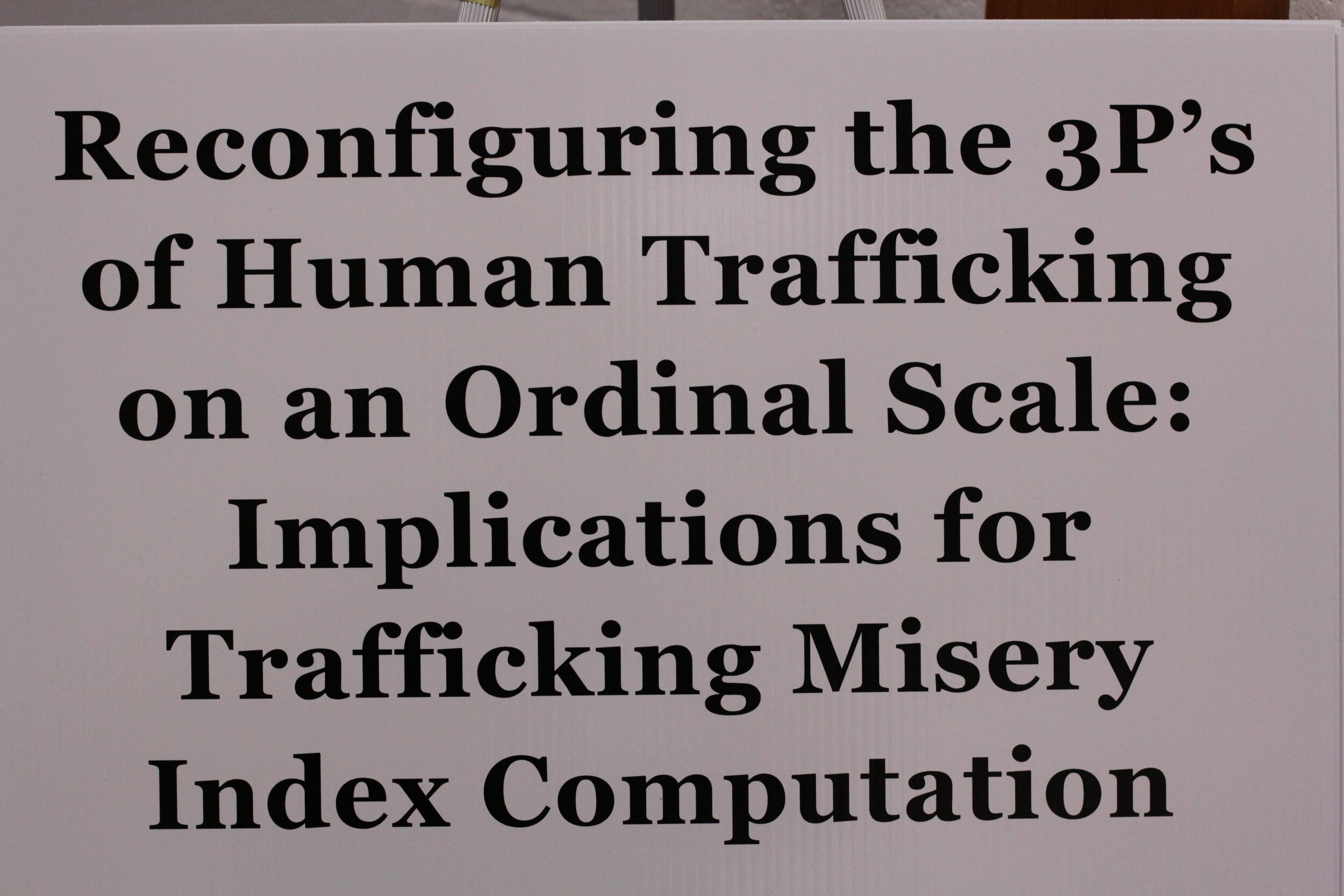
Cho et al.’s 3P’s, and the TIP report, indicate national efforts at opposing human trafficking. However, they do not indicate the severity of the problem. Two ways to measure trafficking severity are: 1) number of victims, and 2) the degree of victim suffering. This presentation focuses on the latter. Based on Weitzer’s (2014) note that trafficking situations “range from highly coercive…to…mutually beneficial,” and Murray, Dingman, Porter and Otte’s (2015) categorization of trafficking experiences as “voluntary,” “semi-voluntary,” and “involuntary,” the research team computed a “Trafficking Misery Score” (“TMS”) per nation (Source: 2015-2017 Univ. of Nebraska Trafficking Conference). TMS is based on the Murray et al. (2015) weighted 3 x 3 matrix. Next, the research team computed a “Trafficking Intervention Score” (“TIS”) per nation, based on the 3P’s scores. Finally, they combined the two measures to create a “Trafficking Misery Index” (“TMI”) by nation. It quantifies suffering (TMS), and compares it with intervention (TIS), where: TMI = TMS – TIS. Cho et al. assume all 3P’s are equally important. However, the researchers reconceptualized prevention as the most important “p,” and weighted it with a “3.” Protection is weighted with a “2,” assuming it is better to treat a victim than to prosecute a trafficker (and assuming prosecution is not preventive). Prosecution is weighted with a “1” on this ordinal scale. The weighted 3P’s scores reduced intervention scores. Ninety percent of nations (N = 188) saw reductions, while 10% saw increases (compared with using unweighted 3P’s; Source: UNODC). Weighting the 3P’s yields a more robust index.
Presentation Objectives:
· Define “Trafficking Misery Index” (TMI) and its component parts.
· Explain how to compute TMI and its component parts by using UNODC data.
· Explain why a weighted 3P’s score should be used in TMI computation.
· Explain why TMI is a better indicator than TIP and 3P’s scores.
· Display TMI scores for a dozen nations, including the U.S.
The Viminal Space, a term coined by Alex Tigchelaar for an art installation at the world-renowned Nuit Blanche art festival, explores the coerced social and legal construct of sex workers as victims or criminals, which often produces the same result: sex workers are victims if they do not agree to be criminalized, and criminals if they do not agree to be victimized. Services and support for people trying to survive in the sex trade - whether by choice, coercion or in the massive grey area between the two, often fall short of expectations, both for the victim as well as for the service provider. Access, stigma, gender identity, criminal record, substance abuse, trauma, age, race, and class are all factors that social service providers struggle with. The presenters have decades of lived experience with both receiving and providing services for survivors as well as sex workers. They will detail the necessary steps required to build trusting relationships with adults involved in the sex industry at the community level that will enable them to successfully transition out under their own steam and on their own terms for lasting success. Participants will explore new models of outreach and case management based on harm reduction approaches that will change the landscape of their work with trafficking victims and survivors.
Presentation Objectives:
· Describe the difference between sex work and sex trafficking from a harm reduction perspective.
· Discuss how street/survival based economies impact exploitation.
· Convey how access, stigma, gender identity, criminal record, substance abuse, trauma, age, race and class intersect with exploitation.
· Show how to navigate the worlds of clients/survivors who may have been incarcerated.
· Explore what to do with victims or survivors who may have criminal charges pending.
· Examine how to build relationships with people who engage in sex work as a means of survival at a community level.
The Youth Experiences Survey (YES) has been given each year for the past four years to a complex and difficult population to assess. Homeless runaway young adults (ages 18 to 25) are difficult to find and can be difficult to engage, and there is limited knowledge about their needs and experiences. This study utilized a cross-sectional research design and included a convenience sample of 187 homeless young adults aged 18 to 25 years old that completed a self-administered survey. Of the overall sample of 187 homeless young adult respondents, 58 (31%) reported experiencing sex trafficking exploitation, and 60 (32.1%) reported experiencing labor trafficking exploitation. At least one form of human trafficking (either sex or labor) was reported by 80 (42.8%) respondents and 38 (20.3%) respondents reported experiencing both sex and labor trafficking exploitation. Information from the YES study provides the Arizona community with rich data about the scope and complexity of their needs and challenges including the sex trafficking experiences of these young people.
Presentation Objectives:
· Describe homeless youth experiences, particularly engagement in the commercial sex market.
· Convey the scope and complexity of sex trafficking in the State of Arizona.
It can be far too easy to see the commercial sexual exploitation of girls as an inevitable egregious form of child abuse, sewn deep into the fabric of our society. It is not. While there are multiple areas to address to ensure a safer, healthier upbringing for all girls, targeted strategies can be implemented to decrease the likelihood that commercial sexual exploitation, and the trauma and degradation associated with it, will be part of a young girl’s trajectory. Over the past fifteen years, My Life My Choice (MLMC) has developed a survivor-led prevention model that includes the development of specialized policies and procedures as well as the integration of the MLMC Prevention Curriculum. Taking our Prevention Curriculum one step further, participants will have the opportunity to learn about this enhanced model and consider applying it to programs within their jurisdiction.
Presentation Objectives:
· Identify the public health implications of the commercial sexual exploitation of children.
· Explain the importance of creating specialized policies and procedures for exploited and high-risk youth, especially in congregate care settings.
· Describe the MLMC Prevention Curriculum and identify appropriate participants for Prevention Groups.
This basic overview of human trafficking is most appropriate for those new to the field. Presenters will focus on both domestic and foreign trafficking as well as labor and sex trafficking. Topics will include the definition of human trafficking, how traffickers recruit, indicators for victim identification, and where and how to report suspected trafficking.
Presentation Objectives:
· Define human trafficking.
· Explain the basics around how traffickers recruit.
· Describe indicators for victim identification.
· Outline where and how to report suspected trafficking.
In 2017, the Ramsey County Attorney’s Office and Minnesota Coalition Against Sexual Assault (MNCASA) released the Safe Harbor Protocol Guidelines (available at www.mncasa.org). The guidelines were developed over the course of three years with input from some 200 professionals who encounter sex trafficked and sexually exploited youth. The five principle values of the Guidelines are: victim-centered, trauma-informed, youth-centered, culturally-responsive, and strengths-based. The Guidelines were funded with an appropriation from the Minnesota State Legislature. Once the Guidelines were completed, the next logical step for the state was to implement the protocols through a multidisciplinary team process. MNCASA, a national technical assistance provider for the Office on Violence Against Women/Department of Justice, secured funding from the Minnesota Department of Health to lead an implementation process. Five pilot sites in urban, suburban and rural Minnesota were selected in recent months to coordinate their efforts through the assistance of MNCASA. The presentation will describe the process of creating the guidelines and explain the goals of a multidisciplinary approach for protocol development and implementation. The presentation will also recount the experiences of the pilot sites, addressing successes and challenges. All of this information will be presented within the context of how Minnesota built its Safe Harbor for sexually exploited youth response by establishing a system of regional navigators and services statewide and working to center survivor experience in its efforts.
Presentation Objectives:
· Describe the process of creating statewide guidelines for multidisciplinary response.
· Explain the development and implementation of protocols to assist sex trafficked/sexually exploited youth.
· Demonstrate the success and challenges associated with creating a statewide response.
9:00 - 10:00
10:15 - 11:15
Private sector engagement can be a powerful tool to combat human trafficking. Expanding the dialogue to include industry representatives and business leaders will broaden and strengthen the coalition to combat trafficking. Because there is a very low participation of private sectors in combating human trafficking in many countries, the presenters conducted a survey on the level of private sectors’ involvement and their perception in combating human trafficking in Nigeria. This presentation expounds upon the perspective of the private sector/business community in combating human trafficking and ways to engage them to adopt anti-human trafficking as a part of their corporate social responsibilities. Moreover, this presentation provides recommendations for Nigeria to engage private sectors in combating human trafficking. A survey was conducted with 50 private sectors from 3 states in Nigeria to find out their perception about combating human trafficking, their motivation, and willingness to join in combating human trafficking through corporate social responsibilities and other ways. From the evaluation, the results showed that few private sectors indicated strong willingness to get involved in combating human trafficking, especially through corporate social responsibilities and other approaches. Many expressed different reasons why they will not get involved. The perception of many business communities is that Nigerian government has not shown a stimulating move to engage private sectors. Private sectors have vital roles to play in the fight against human trafficking, and it is important to create avenues for sustainable partnership between them, CSOs and government to achieve greater results in combating human trafficking.
Presentation Objectives:
· Describe the role of private sectors in combating human trafficking.
· Discuss results and challenges on private sector engagement in combating human trafficking in Nigeria.
· Provide recommendations for Nigeria to engage private sectors in combating human trafficking.
Youth Living Out Loud (YLOL) is a program originally initiated by Wraparound Milwaukee in 2014 through an Office of Juvenile Justice and Delinquency Prevention (OJJDP), Mentoring for Victims of Commercial Sexual Exploitation grant. Wraparound Milwaukee engaged community partners, La Causa Inc., Rethink Resources, Medical College of Wisconsin, and Diverse & Resilient to collaborate in providing comprehensive case management and medical and mentoring services to youth who are vulnerable to being sexually exploited and/or sex-trafficked. Presenters will discuss the successes and challenges in providing specialized services to youth in Milwaukee, WI. A presentation describing the current program structure and foundation will include their system response to commercial sexual exploitation of children, mentor specific training, discussion about the current program, service provision and community partnership involvement. This presentation will highlight who would benefit from specialized services, encompassing the primary concerns of health, safety and overall well-being. Participants will learn emerging best practices in working with youth populations who have experiences of being sexually exploited. In addition, they will have an opportunity to reflect on their own program and/or service capacities in the context of meeting the complex needs of youth who have experienced sexual exploitation, as well as how to connect and partner with local efforts in their community.
Presentation Objectives:
· Examine the structure as well as the challenges and successes about the implementation of the YLOL.
· Present promising strategies to identify youth enrolled in programming by understanding risk and response from an individual and programmatic level.
· Exhibit evidence-based models to support changes to current programming that allow for a more competent service provision to youth who have experienced commercial sexual exploitation.
Effectively addressing trafficking requires increasing our ability to identify, reach, and serve marginalized and underserved communities (i.e. LGBTQ, men and boys, tribal communities, Southeast Asian communities, individuals with disabilities, individuals with mental illness, individuals experiencing homelessness, etc.). Within the North Carolina Department of Administration, Council for Women and Youth Involvement office (NCCFWYI), Project CLICC (anti-human trafficking program) works to foster collaboration among domestic violence, sexual assault, and human trafficking service providers and community advocates to increase the capacity of providers to serve all victims of human trafficking. By building collaborations, identifying resources, and utilizing creative approaches, we can bridge gaps in victim-services and bring awareness to the most at risk, vulnerable, and inadequately served individuals. Through this workshop, participants will explore the vulnerabilities and unique needs of survivors, holistic trauma-informed and victim-centered response, and multi-disciplinary collaborations to combatting human trafficking.
Presentation Objectives:
· Identify how the needs of trafficking victims differ from other victims.
· Explore providing victim-centered response and services to underserved populations.
· Describe what resources are needed to provide a holistic response to survivors.
· Assist attendees in identifying collaborations and partnerships to further increase organizational capacity to provide human trafficking victim-services and support.
In 2012, John Meekins, a Correctional Officer Sergeant at the Florida Department of Corrections, attended a voluntary training conference on human trafficking. Armed with the training, Meekins discovered a sex trafficking ring operating out of the large female correctional institution where he worked within a few months (Connolly, 2014). This presentation will be based off a case study on the trafficker and the methods used by him to recruit female offenders being released from Lowell Correctional Institution in Ocala, Florida. This was the first, but not the only experience Meekins had with human trafficking in the correctional system. Based on hundreds of hours of research, interviews with victims, investigators, traffickers, and others, Meekins will explain the pipeline to prison for sex trafficking victims (Binzer, 2016). He will explain what makes female offenders especially vulnerable to traffickers. Attendees will learn what questions to ask a suspected victim and why you should ask those questions. Meekins will show criminal histories and arrest patterns indicative of victims and trafficker. Also covered will be the best practices for reporting their victimization. Meekins understands the unique reentry challenges they face and what a correctional institution needs to do to fix it. He will highlight the importance of vacatur laws to victims of human trafficking and how they can drastically improve the lives of sex trafficking victims and survivors. Most importantly this presentation will cover how to put a wedge between incarcerated victims and their traffickers, thus enhancing the victims’ chances of success upon release.
Presentation Objectives:
· Communicate that the best place to identify victims and sex trafficking rings are in local jails and prisons.
· Illustrate what makes an offender vulnerable to traffickers.
· Provide tools to identify victims of sex trafficking behind bars.
· Educate how traffickers recruit victims to be trafficked upon release from jail or prison.
The Atlantic Slave trade ended in 1807 and the United States ended slavery in 1865. While nations proclaimed national acts and policies that put an end to slavery, the practice did not necessarily stop. As research and anecdotal evidence reveal, slavery, in various forms, has persisted into the current century. Today, modern day slavery is present among us. Hence, human trafficking is defined as or likened to modern day slavery. While much focus has been given to urban centers, human trafficking in rural communities is often not highlighted, although such locations are also vulnerable targets of human traffickers. The presentation will compare case studies in terms of the triggers and nature of trafficking in the communities examined, paying particular attention to the rural contexts, domestically and internationally. The presenter will refer to case studies and/or research cases from Nigeria and Michigan, USA. The Michigan example comes from a) anecdotal evidence, specifically, the presenter’s observations and conversations with community members during presentations on human trafficking across three counties; b) analysis of responses to a two-part survey by the CGI Human Trafficking Coalition located in Mt. Pleasant, MI. The Coalition’s two-part survey sought to find out the communities’ knowledge on human trafficking and the communities’ resource-readiness in relation to addressing human trafficking. The Nigerian examples come from anecdotal evidence based on conversations and interactions with groups involved in anti-human trafficking work, research on the topic, as well as conversations with residents of two rural communities about the subject.
Presentation Objectives:
· Provide knowledge of the nature of human trafficking in an international context.
· Describe the nature of human trafficking in rural communities.
· Consider human trafficking from a comparative perspective.
· Discuss community responses to combat human trafficking.
· Examine, discuss, and share suggestions for further community actions.
Ann Marie Babb is a Satanic Ritual Abuse and Human Trafficking survivor who was diagnosed with Dissociative Identity Disorder (DID) in her early 30’s and has spent the last 25 years navigating the mental health maze looking for help. She will talk about her experience and the fact that integration was not an option for her. She challenges the mental health community to think outside the box and that integration is not the only answer for DID. She will use her past as an educational experience about DID and be transparent about coping and surviving with DID.
Presentation Objectives:
· Build on last year’s presentation that dealt with a basic understanding DID and its root causes.
· Discuss the many faces of the disorder and the complex nature of DID.
· Examine how DID can present by using concrete examples.
· Illustrate how medications that effect serotonin levels in the brain can affect a person that lives with DID.
· Discuss mapping of personalities and how that might change over the years.
· Review original mapping and discuss how the mapping has changed over the years.
· Discuss satanic ritual abuse and the resurgence that we are seeing in new survivors.
· Discuss techniques and programming, long-term effects, and how it might present in survivors with DID.
We are all New Abolitionists- our mission is to abolish slavery everywhere, forever. Slavery is the fastest growing organized crime in the world. It’s real, hidden in plain sight, and tearing at the social fabric of every nation and economic structure. But that's why we exist- 21st century abolitionists determined to bring change. A21 Campaign is fueled by radical hope that human beings everywhere will be rescued from bondage and completely restored. A21 works with you to reach the vulnerable, free slaves, and disrupt the demand. Education about human trafficking is key to ending slavery. A21 prevents slavery from ever happening by engaging people through events, student presentations, and education programs. During the session, attendees will learn motivating and engaging prevention strategies and techniques that are age-appropriate, well-designed resources that are immediately applicable for members of their community ages 12 and up. They will also learn how to bring awareness of the crafty and tricky methods that human traffickers use and identify vulnerability traits and actions to take when others are in danger. It’s vital that the younger generation is informed and equipped to combat human trafficking. A21 educational curriculum is designed for everyone who would like to share prevention and awareness strategies in their communities, schools, and/or churches to help eradicate slavery now. A21’s Founder Christine Caine said, “When a lot of people do a little, it adds up and makes a difference.” The time is now. Let’s create history together.
Presentation Objectives:
· Explore ways to bring awareness and action against injustice.
· Empower all with human trafficking prevention and awareness standards-based strategies.
· Discuss participatory and sustainable solutions to injustice issues internationally.
· Examine pathways of engagement for others to be a part of the solution to end slavery.
· Identify the role of abolitionists and its effect on human trafficking in the 21st century as they see something, say something, and do something.
In March of 2018, two acts were legislated into action in both the House and the Senate: Fight Online Sex Trafficking Act (FOSTA) and Stop Enabling Sex Trafficking Act (SESTA). These acts seek to punish the hosts of online sites where sex workers post their ads for work allegedly to protect victims of sex trafficking. The presenters examine the difference between sex trafficking and sex work, the conflation of the two, and critically assess the ramifications of FOSTA/SESTA in relation to net neutrality, freedom of speech, and the impact on the lives of sex workers, particularly the more marginalized workers. In the wake of FOSTA/SESTA, they seek to analyze attitudes toward and the legislative history of sexuality in order to consider why we as a society are so interested in and committed to controlling issues relating to sexuality.
Presentation Objectives:
· Define sex work and sex trafficking.
· Examine the intent of FOSTA/SESTA.
· Explore the impact of FOSTA/SESTA.
· Discuss the history of the legislation of sexuality.
Much of anti-trafficking efforts and literature addresses ways to identify victims of sex trafficking and sexual abuse. While this is important, this strategy may minimize the need for identifying the driving force behind sex trafficking and sexual offenses—the perpetrators. Perpetrators establish the demand for victims and are the driving force behind certain facets of sex trafficking and sexual abuse. By recognizing and understanding offender characteristics, demographics, and methods of access, service providers will gain a first-hand understanding regarding the methods behind sex-based offenses. The presenters conducted an in-depth examination of transcripts applicable to 74 federal court cases pertaining to sex trafficking and illicit sexual conduct. The first study reviewed federal court transcripts of 24 offenders sentenced for violating Title 18, United States Code (USC) § 2251 and Title 18 USC § 2252, which included multiple sex trafficking offense charges. Similar to existing research, the findings suggest that offender race and gender were largely white males, but diverse in age groups, and were involved with some aspect of digital recording and storage within the various facets of abuse. The second study focuses on sample of 82 sex offenders and examines original charges and final sentencing outcomes with the nature of offense, characteristics of offenders and victims. The focus is on whether there is disparate treatment based on offender characteristics, victim demographics and nature of the offense.
Presentation Objectives:
· Identify characteristics of sentenced sex offenders for child molestation in a Midwestern Federal jurisdiction.
· Describe the characteristics of victims of child molestation.
· Explore sentencing outcomes and disparities in those outcomes.
· Discuss methods used by perpetrators to gain access to take advantage of victims.
Dr. Debbie Lassiter and Dr. S Michele Cohen have over 40 years’ experience working with traumatized individuals and have developed a strategy of building Trauma Recovery Support Teams (TRST) for human trafficking survivors. TRST uses a multi-disciplinary approach to provide collaboration and a safety net during the healing process. The expertise needed to walk alongside severely traumatized survivors requires a team working together in agreement. Learn how the team is built, who the participants are, and how to identify their roles. Participants will hear case studies from Wisconsin and review the importance of the team including how it impacted the survivor. How does the team communicate? When does someone need a break or need to step back? Which techniques should the team use and how are next steps determined? Are there requirements to be on the team, if so what are they? A team approach has proven successful in helping survivors as well as supporting team members to avoid compassion fatigue. Family members, friends or anyone supporting a survivor through their journey of healing is welcome to attend. This workshop will also include a demonstration of some of the techniques currently used at Convergence Resource Center.
Presentation Objectives:
· Explore the importance of being part of a team to support a survivor.
· Define the importance of a single-minded approach when working with a survivor.
· Identify other members of the trauma recovery team to create support.
· Explain the makeup of a trauma recovery team.
· Describe possible trauma recovery techniques for survivors.
Human trafficking is a human rights violation occurring around the world (Polaris 2014; United Nations, 2000). Despite the profound social, physical, and economic consequences of this crime, there is a lack of comprehensive research about the prevalence and needs of human trafficking survivors (Zhang, 2012). The purpose of this study is to describe the health service needs of human trafficking survivors seeking services at the University of Michigan Law School’s Human Trafficking Clinic. A secondary analysis of the University of Michigan Law School’s Human Trafficking Clinic closed case files from 2009-2016 was performed. Data was extracted from the legal files to create a database, and data analyses were completed using descriptive frequencies and logistic regression. Data was extracted from 65 closed cases made up of 49 female survivors (75.4%) and 16 male survivors (24.6%) between the ages of 13 and 68 years old (M=30.15). Survivors were victims of labor (56.9%) and sex (47.7%) trafficking. Logistic regression modeling indicated that trafficking experiences significantly influenced post-trafficking mental health needs. Survivors of human trafficking have extensive needs; however, there are many barriers to seeking and receiving comprehensive services (Chaffee & English, 2015). In order to serve this vulnerable population, collaboration between disciplines must occur.
Presentation Objectives:
· Examine gaps in the research related to the service needs of survivors of human trafficking.
· Explore the health and service needs of human trafficking survivors who sought legal services at the University of Michigan Law School’s Human Trafficking Clinic.
· Identify potential avenues to improve the provision of healthcare services for survivors of human trafficking.
Some of the messages conveyed to victims of intimate partner violence and human trafficking have parallels in popular culture’s toxic messages about love, relationships and romance. Particularly, concepts of romantic love associated with wanting someone, having someone, and belonging to someone (with jealousy equaling love) are presented in popular music, movies, and books as unproblematic, but their real effects are seen in the victim testimonies from people who have experienced intimate partner violence and sex trafficking.
Presentation Objectives:
· Examine toxic discourses of romantic love in popular culture and their connection to domestic violence and/or sex trafficking.
· Discuss whether these toxic discourses of romantic love make it harder for people to recognize and leave a violent relationship.
· Explore how toxic ideas and language use surrounding romantic love can be recognized and challenged to create healthier relationship dialogues.
Awareness about the commercial sexual exploitation of children (CSEC) in the United States has increased during the last ten years. This increase reflects the U.S. government’s considerable efforts to address the problem of human trafficking through the Trafficking Victims Protection Act of 2000 and its subsequent reauthorizations and recent laws including the Preventing Sex Trafficking and Strengthening Families Act of 2014, and the Justice for Victims of Trafficking Act (JVTA) of 2015. While for a long time the federal trafficking policy has primarily prioritized international victims, recent research has shown that most victims of sex trafficking are US-born children. Addressing the needs of the latter group continues to be a major challenge for the implementation of the federal trafficking policy. This presentation systematically critiques the policy and service responses to CSEC in general, and especially domestic minor sex trafficking (DMST) in the United States. Following an analysis of the characteristics and needs of CSEC victims, the presentation examines the key legislation and programs that the U.S. government has been implementing since 2000 to address the problem of CSEC. The presenter will discuss the availability and suitability of services for DMST victims and identifies challenges in service delivery. Finally, implications for practice, policy, and research are discussed.
Presentation Objectives:
· Provide an update on the key federal policies and programs regarding CSEC.
· Highlight key issues in the service provision regarding DMST.
· Provide recommendations for adequate responses to DMST.
With the increase of public policy, media attention, and legislation, the issue of human trafficking has become more widely known to society and mental health clinicians, alike (Logan, Walker, & Hunt, 2009). However, one area that has not received significant attention is the impact on the survivor when the trafficking is perpetrated by the family-of-origin. Just as human trafficking has historically, yet inaccurately, been viewed as an international problem, so, too, has it been viewed as an issue perpetrated by criminals outside of the family (e.g. pimps, gangs, organized criminal groups). The dynamics inherent in familial relationships complicate the survivor’s ability to reveal the abuse or get away from the trafficking environment. In this workshop, the presenters will explore common features of human trafficking and discuss how these features differ when the trafficking is perpetrating by a family system. Given the complicating factors inherent in intra-familial trafficking, the presenters will present clinical considerations necessary for effective mental health counseling with a client who has been trafficked by their own family members. These factors include but are not limited to: trauma bonds that increase concealment of the abuse (Middleton, Sachs, & Dorahy, 2017), betrayal trauma (Birrel & Freyd, 2006), the lack of a safe family to return to, implications for children born from the trafficking (Surtees, 2017), and the likelihood of continuous threats or danger if the survivor leaves the family system.
Presentation Objectives:
· Identify how symptoms of complex trauma may manifest within the context of the trafficking family system.
· Differentiate the common features of intra-familial human trafficking from non-familial human trafficking.
· Distinguish the unique challenges faced by clients and clinicians when working with intra-familial human trafficking.
11:30 - 12:30
Lunch- Auditorium
12:30 - 1:30
Twenty years’ experience as an actor, producer and director, attest to the ways plays, musicals, and television adaptations embody the imperative to attend to social injustice. This presentation examines three works -works spanning 130 years and two continents- that indicate clearly that adults fail to trust the young people in their charge. In the words of the French saying: the more things change, the more they remain the same. In Spring Awakening, adults fail to comprehend the magnitude of the young people’s concerns. Youths’ earnest attempts to process their experiences of suicide, sex, sexuality, rape, abortion, and sexual abuse are denigrated and denied. Their efforts to become responsible stewards of their own lives are systematically undermined by adults who lack empathy and pedagogical insight. Too often, we fail to educate young people appropriately. We infantilize them. We condemn their fumblings and their brilliance indiscriminately. We mock their attempts to grapple with foundational issues. At times, we damn their findings as unreal. Sometimes we stultify their unique contribution to the world. Who knows what gems we have lost as a result of this denial? This presentation examines three versions of Frank Wedekind’s Spring Awakening: Tragedy of Childhood. First, the original text published in 1890, then the 2006 Broadway musical adaptation, and finally the segments as included in the 2018 television show, Rise. The presenter concludes that our resistance to acknowledging young people’s agency in their own lives hampers their ability to handle the most serious issues they face.
Presentation Objectives:
· Explore how theatre can be used as a tool in examining social injustice.
· Examine three versions of one work of theatre and how it can be used as a tool for social justice.
· Inspire other artists to use academic rigor and arts in tandem.
Shamin, an exited sex worker, registered social worker, and activist in Manitoba uses her story and spoken word to explore the impacts of trauma on the healing process that takes place after involvement in the sex trade. She talks about the realities of the sex trade and barriers to healing with youth, their communities, and the staff of survivor-serving organizations. Additionally, she has both worked with, and healed alongside, a full spectrum of sexually exploited youth and adults (at-risk, emerging, entrenched, transitioning and exited). Shamin will draw from her experiences as well as from the work of Shame and Empathy Researcher Brene Brown, who has spent over sixteen years studying courage, vulnerability, shame, and empathy. Brene Brown's TED talk, The Power of Vulnerability, is one of the top five most viewed TED talks in the world. Through her healing journey and experiences with youth and adult survivors, Shamin has observed shame to be a primary barrier to developing the kinds of relationships necessary to foster healing. She will explore what her recovery has taught her about the relationship between trauma, shame, and trust as well as share what she believes are the keys to creating a foundation of safety within which trusting relationships with survivors can grow from.
Presentation Objectives:
· Explore the developmental impacts of trauma in her own life.
· Illustrate the relationship between shame and trauma in her life.
· Examine ways to demonstrate unconditional support and build trust with survivors like herself.
The Opportunity Project is an initiative through the Toledo Legal Aid Society designed to produce better outcomes for marginalized persons that are involved in the criminal justice system through earlier identification of client needs (alcohol/drug dependency; mental health issues; homelessness, etc.) and a more meaningful connection to appropriate services. The prime objectives of this project include: 1) Early identification of client needs; 2) Assistance in connecting/reconnecting with services; 3) Reduction in unnecessary use of jails (bond modification; identifying appropriate and less restrictive for alternatives to incarceration); 4) Provision of earlier opportunities for alternatives to prosecution (Diversion; Intervention in Lieu of Conviction); and 5) Production of better outcomes (Fewer felony convictions; Decreased recidivism).
Presentation Objectives:
· Define the project including history, purpose, and target population.
· Define the method and model being established.
· Review the results thus far and potential implications/next steps.
During this session consisting of interactive lecture, video, and Q & A, you will learn about various human trafficking trends impacting Central and Southeast Asia including trafficking of fishermen, Chinese brides, domestic servitude, bacha bazzi (dancing boys), and sex trafficking. Mike will draw from key research findings from US Department of State, ILO, IOM, UN ACT, and speak from his personal experiences serving in Cambodia with the international non-profit, Hagar International, from 2014-2017. The region, regarded as an epicenter for human trafficking, slavery, and significant gender inequality, must play a key role in the abatement of such inhumane practices. Mike will share about the rewards and challenges of serving abroad and leading the Cambodian trauma recovery programs, as well as Hagar’s involvement in counter-trafficking work in the region. You will also learn about their partnership work to improve government and sector understanding on the impact of trauma on survivors, more effective identification of victims, best practice judicial system responses for survivors, engaging corporations in the fight against trafficking, as well as Hagar’s prevention efforts.
Presentation Objectives:
· Describe key types of human trafficking in Central and Southeast Asia and connections back to the USA.
· Explore current strategies in recovery services to survivors and ways to reduce trafficking in the region.
· Communicate barriers to, and possible solutions for, effective trauma recovery program delivery in low-resource settings.
· Discuss the importance of partnership in the fight against human trafficking.
Data demonstrates that runaway and homeless youth are at risk for exploitation and human trafficking. Using the Youth Experience Survey from Arizona State University, the New Day Center identified that homeless youth reported a desire for connection back to their family despite being on the street. Thirty-one percent of those youth also reported being victims of sex trafficking and thirty-three percent of labor trafficking. The New Day Center, a family homeless shelter in Arizona, identified their role to utilize the existing programs to conduct awareness, education and connection to services for families impacted by trafficking. This approach not only looked at the minors as potential victims but identified that many adult family members may also be victims. The goal was to build stronger family connections, address trauma and awareness around human trafficking to avoid youth homelessness. The New Day Center developed a strategy to provide education and awareness to parents, while empowering young adults around safety, the risks and how to seek help during their shelter stay. This approach seeks to support parents and children while addressing and linking families impacted (both adult and children) to the proper supports at the agency and in the community. This was the first-time human trafficking screenings and trainings were introduced to the shelter staff. The presenter will share lessons learned for a campus-wide approach. Attendees will understand how the data guided the programs into developing a response, while sharing the strategies, groups and conversational tools to replicate in other shelters.
Presentation Objectives:
· Explore how the Youth Experience Survey data specific to youth and family connection developed a response within a family shelter.
· Explain how to utilize domestic violence protocol to develop human trafficking protocol within an agency.
· Demonstrate how to identify existing programs in your agency or community to introduce human trafficking and coordinate supports for anyone who might identify as a victim.
· Specify the importance of shelters, including family-based shelter, to be aware of human trafficking and prepared on how to support those that might identify and need support.
Through community-based practice, occupational therapy has impacted clients lives through sensory approaches of calming and alerting techniques to manage symptoms and increase occupational engagement. Using sensory-based approaches and a trauma-informed-care mindset expands treatment opportunities. Implementing sensory modulation techniques is beneficial to expand innovative treatment approaches for clients, especially those who have experienced trauma. Interventions related to sensory processing include activities and modalities with specific types and amounts of sensation, at strategic times of use, for a therapeutic purpose (Champagne, 2009). Interventions through the use of the sensory modulation program created by Tine Champagne will assist in expanding growth in clients to decrease symptoms and increase occupational engagement to build skills for independent living. Increasing awareness to self-regulation, building sensory tool kits, developing sensory diets, and establishing sensory spaces will expand treatment with individuals with PTSD and other behavioral health needs. In this session you will gain an understanding of sensory based approaches and how to implement them to enhance treatment for survivors of human trafficking.
Presentation Objectives:
· Identify specific assessments to use for sensory modulation treatments.
· Examine sensory modulation treatment approaches to calm and alert clients to expand self-regulation skills.
· Discuss how to put together a sensory diet for individuals with PTSD and/or other behavioral health needs.
Through a European, Canadian and Mexican comparative study, it is possible to compare the legislation but also the public policies of these states in order to propose an improvement of the legal systems. Federal or confederal, these states have decided to adopt very different strategies in the area of human trafficking. If, at the Canadian level, federal immigration legislation needs to be studied, this must also be done at the European level. Taking into account the specificities of these states, the areas of criminal law, migration law and more broadly public policies will have to be analyzed. The ultimate goal of this presentation is to propose a process of improvement of these states according to the strengths and weaknesses of each. As a result of this research, the presenter’s aim to propose an interdisciplinary study in the field. Highly related to the law but more broadly to the social sciences, trafficking in human beings is an international crime to be fought in order to help their victims.
Presentation Objectives:
· Compare legislation and public policy.
· Examine how to improve the legal system through a comparative approach.
1:30 - 2:30
The main focus of this presentation will be on sex and labor trafficking of individuals with Intellectual Developmental Disabilities (IDD) and uncover why this population is becoming more vulnerable to traffickers. Risk factors will be discussed as well as signs of victimization. Participants will learn how human trafficking affects individuals with IDD physically and behaviorally. The presenters will assist participants in how to develop and establish protocols and supports within the DD system. Case studies will be discussed based on real life experiences and they will share about how investigations are completed on IDD cases through County Boards and resources participants can utilize to assist victims on the path of recovery.
Presentation Objectives:
· Inform the community that IDD individuals are being targeted for human trafficking.
· Describe risk factors of human trafficking within the IDD population.
· Assist with how to develop, establish protocols, and supports within the DD system.
· Discuss how integration in the community can have risk for IDD individuals to be labor trafficked.
· Describe how our own systems can cause barriers and limitations in this area.
Documentary films have ushered awareness about their subjects to their audiences in a variety of styles and approaches from the omniscient narrator to the director/participant. The methods used by the film’s editor, when to cut away, when not to cut, what to cut to, will directly influence the way(s) in which the documentary’s meaning is understood by its audience. This presentation examines how internal and external influences on a film editor lead to the choices made in shaping a film’s content into meaning. The presenters will also discuss the ethical decisions an editor and filmmaker need to consider when making a film about someone who has been trafficked. “Teeth”, edited by Michael Goodier, follows Angelica, a mother of 5 in her late 40’s currently living in Hawaii, as she moves through the processes of healing the emotional and physical damage from having been sex trafficked at a young age. Goodier has constructed a space in “Teeth” where Angelica’s story is told, making visible her real-life experiences in ways that are often oppressed or misrepresented by mainstream media; she is survivor thriver, fighting every day to make her life better for herself and her family.
Presentation Objectives:
· Illustrate documentary film as an agent of change.
· Explore the influences of a film editor.
· Contemplate the ethics of representation from the film editor’s point of view.
Dorenthea’s life was perfect, or so she thought. She had a loving husband and two beautiful children. Things couldn’t be better, until in 2000, Dorenthea’s husband was sentenced to a 16-year prison term. She found herself being a single mom on welfare and lost everything she had, including her car and home. After serving 12 of the 16 years, he was home. They had made it through this horrifying experience! A few years later, Dorenthea started a new job and was happy to tell her co-worker her story until she said, “Don’t tell anyone your husband was in prison.” While she understood where her co-worker was coming from, Dorenthea felt shame and wondered, “Why can’t I tell people my husband was in prison?” In this presentation, she will share why owning your voice is key.
Presentation Objectives:
· Encourage and empower participants to not be afraid to own and speak their truth.
· Discuss steps to take to make your story known and use it for the greater good.
Although there has been a recent increase of attention and interest on the issue of labor trafficking in the United States, there continues to be limited research on the incidence of labor trafficking cases and characteristics. The Arizona State University (ASU) Office of Sex Trafficking Intervention Research examined labor trafficking cases throughout the United States from 2013 to 2016. The research identified 125 persons arrested for labor trafficking of migrant workers and U.S. citizens and 120 victims of labor trafficking during this time period. During this presentation, details about the cases will be explored and characteristics such as transportation, recruitment, and control tactics will be presented. Recommendations for future research and community action will be discussed.
Presentation Objectives:
· Present the findings of a national labor trafficking study.
· Explore recruitment and control tactics labor traffickers used to force, coerce, or trick victims into a labor trafficking experience.
· Examine elements of movement in labor trafficking cases.
· Discuss recommendations for future research and community action to combat labor trafficking.
When a victim reports domestic or sexual violence, they are faced with several options. One option is to file for a Civil Protection Order (CPO). In some cases, a CPO is necessary for a victim to feel safe in their surroundings. However, there are also many times in which a CPO may not be in the best interest of the victim, for various reasons. Deciding whether or not to petition for a CPO and navigating the process can be very difficult. This is where legal advocates and attorneys can help. This presentation is provided by an attorney/advocate team, who work together to help victims navigate this process in Northwest Ohio. Both presenters have extensive professional experience working with victims of domestic and sexual violence, specifically assisting with exploring options for protection and safety planning. This presentation aims to provide attorneys and advocates insight into the process for obtaining a CPO, as well as information necessary to assist clients in making a well-informed decision. Relevant CPO case examples from the presenters’ respective Toledo agencies will be discussed.
Disclaimer: Legal advice for specific cases will not be given during this presentation. Please keep questions on topic of the presentation. If you have personal legal questions regarding this topic, contact information for the presenters will be provided.
Presentation Objectives:
· Identify the role of civil attorneys and advocates in the Civil Protection Order process.
· Discuss the differences in types of protection orders available to victims of violent crime.
· Examine co-morbidities and other complicating factors to consider before petitioning for a CPO.
· Offer guidance on how to determine not only the necessity for a CPO, but the possible risk factors in requesting legal relief.
· Provide suggestions for audience members on how to approach this subject with clients.
Thus far, human trafficking research has primarily focused on qualitative studies, statistical estimations of prevalence, and insights generated from economic models. However, a variety of additional mathematical modeling and data analytic techniques also have the potential to help address the unique challenges facing anti-human trafficking efforts including: the covertness of traffickers, the hidden nature of victim-survivors, fragmented data, and limited resources. This presentation will discuss ongoing transdisciplinary collaborations in this sphere and utilize multiple illustrative examples, including optimizing the allocation of a limited budget for rehabilitative shelters for human trafficking survivors and coordinating efforts to disrupt trafficking networks. Applications of such modeling approaches to other social justice contexts will also be briefly discussed. This presentation is designed to be accessible for all audiences, regardless of their familiarity with mathematical concepts.
Presentation Objectives:
· Identify opportunities for mathematicians to aid service providers, policy makers, law enforcement personnel, and other researchers.
· Acknowledge challenges to modeling these environments.
· Highlight the benefits of incorporating mathematical models into the decision-making process through illustrative examples.
The Guyana Women Miners Organization (GWMO) was launched in January 2012. The organization addresses both the economic and social issues in Guyana, not to mention other critical areas, such as: health, environmental, social and safety conditions that affect women in the mining industry and all women who provide services to the mining industry. The GWMO’s Trafficking in Persons (TIP) Unit was the first to conduct rescues in 2012, in a period that not even the government acknowledged that trafficking existed in Guyana. The members of the TIP Unit bravely face rugged terrain and dangerous waters to be the beacon of hope for women and children who are victims of trafficking in persons. Despite the prevalence of trafficking, there are still limited efforts being taken to educate the general public on trafficking and the vital role they can play. Through their passion and guidance of executives, the GWMO continues to utilize their limited resources to rescue, rehabilitate and reintegrate victims. This presentation will chronicle the organization’s continuous journey, transforming victims into survivors. Utilizing case studies and visual illustrations, participants will explore the reality of trafficking in Guyana.
Presentation Objectives:
· Describe the GWMO’s history and work in the Guyana community.
· Outline the transformation from victim to survivor while discussing the critical stages of rescue, rehabilitation and reintegration.
· Highlight the GWMO’s role in creating the country’s first safe home for victims of trafficking.
· Explore the role that each individual can play to combat trafficking.
This presentation focuses on the efforts Louisiana has taken towards addressing human trafficking on a community level. In 2017, Louisiana received a ranking of ‘A’ by Shared Hope International for its proactive and reactive laws. However, statewide data indicates a 25% increase in human trafficking activity in recent years (Department of Children, 2017). Louisiana’s governor formed a statewide coalition to address the growing problem of human trafficking. This presentation will describe the use of a community action model approach to increase the capacity of individual communities in addressing trafficking. It recognizes that laws and policies effect change, but true change comes from the community. Following the community action model, the work in Louisiana is based on a participatory action research approach and on building the strengths of individual communities. Steps of a community action model will be described in terms of Louisiana’s activity. In addition, data from an on-line training developed to increase awareness and knowledge statewide will be discussed. Participants will have the opportunity to share what community efforts they have experienced.
Presentation Objectives:
· Discuss the use of statewide annual data to examine the problem of human trafficking.
· Explain and demonstrate the use of a community action model to effect change.
· Examine the effect of using an on-line training model to increase awareness and knowledge.
· Lead a discussion for participants to share community level initiatives or models used in various states.
2:45 - 3:45
Recent scholars have noted that homelessness is a risk factor for sex trafficking (Hudson & Nandy, 2012), but much remains unknown regarding the prevalence and correlates of sex trafficking—knowledge critical to identifying needs and later intervention opportunities for young people who are sex trafficked and experiencing homelessness. This presentation highlights findings of a recent prevalence study conducted by researchers from the University of Louisville, which surveyed young people experiencing homelessness throughout Kentuckiana receiving services at nine homeless service provision sites throughout the region. Kentuckiana contains the metropolitan areas of Kentucky and Indiana, including eight counties in Kentucky and five counties in Southern Indiana. The study utilized the Youth Experiences Survey (YES), a self-report measure that includes questions regarding demographics, place of origin, living situation, family connection, drug and alcohol use, trauma history, and physical and behavioral health history. Findings indicate that approximately 41% of reporting youth experienced sex trafficking. Furthermore, while all reporting youth and young adults face a myriad of physical and behavioral health concerns, youth and young adults who were sex trafficked emerged as having uniquely problematic experiences. Additionally, 70% of youth who were trafficked reported social media and various technologies were involved directly in their recruitment and sale. This has important implications for homelessness service provision sites, as well as the broader system of care that serves these youth and young adults. Findings can assist organizations in developing innovative, trauma-informed intervention and prevention programs focused on combatting sex trafficking among young, vulnerable populations. Such efforts are key to enhancing service provision and ultimately, to reducing the prevalence and consequences of sex trafficking.
Presentation Objectives:
· Pinpoint populations that are most at-risk for human trafficking.
· Describe the scope of sex trafficking in Kentuckiana and ways in which technology is used to facilitate commercial sexual exploitation.
· Identify the most common types of adverse childhood experiences (ACEs) of youth who have been trafficked.
· Single out the ways in which the service needs of sex trafficked homeless youth vary from the service needs of non-trafficked homeless youth.
This presentation will take a critical look at the justice system and how individuals are impacted based on their demographics, culture or socio-economic status. This presentation is to bring awareness and process solutions based on our individual roles and will include an open discussion. The presenter will draw on research from ACLU, local court cases, and high profile cases.
Presentation Objectives:
· Present statistics of mass incarceration and its impact on the community.
· Explain the misrepresentation of police in impoverished neighborhoods.
· Present case studies.
· Dialogue about the role we play to bring about change.
This presentation will utilize the film "Maddy's Story" to demonstrate one individual's journey through onset of substance use, progression of use, treatment, and ongoing recovery. The film will explore how substance use has impacted the individual who is using and their relationships with their family as well as other interpersonal relationships. The presentation will explore prevention of substance use, what to expect during treatment, and the ongoing process of maintaining sobriety and developing a recovery oriented lifestyle.
Presentation Objectives:
· Explain the importance of prevention, treatment, and ongoing recovery efforts.
· Describe the influence of environment and peers on risk of substance use.
· Discuss the disease model of addiction.
· Explore various treatment models including detox, inpatient, outpatient, and recovery housing.
There is something happening around the world. The “Me Too”, “Black Lives Matter”, “LBGTQ Rights”, “March for Our Lives” and the “Anti-Trafficking” movements are sending a message that the time is now to get involved. This workshop will inspire and challenge you to identify a clear mission or dust off your personal and professional mission. The presenter will identify those tools, talents, and skills needed to stay on track and turn your mission into your reality. The audience will be asked to engage in personal and professional assessments of themselves currently and interventions of where they want to be and what they want to do, based on their assessments provided. The field of social justice is open and waiting for you to put your skills and talents into daily practice to help others and make your mark on the world.
Presentation Objectives:
· Identify the personal and professional mission of professionals in the audience.
· Lead the audience through assessment and intervention of their practice within the lens of social justice practice.
The first part of this presentation will explore the life of a woman who was exposed to human trafficking through the kinship who was supposed to protect her. Lee Ann will discuss her pain and how she has turned that into a powerful message of hope. Not only does she talk hope, but she expresses it as she extends herself to others in efforts to help them overcome the pain. The goal of this presentation is to expose the events that lead to her trauma, her experiences, and the effects of trauma in freedom. She will also express the meaning behind the name of her home for women, Rahab’s Heart. During the second part of this presentation, minister, author, instructor and trainer, David, will discuss the spiritual journey of faith and how the existence of hope enables the desire to dream for better. In those dreams, a future could be constructed, making the goal of recovery something to be pursued. Some, because of the trauma they have experienced, believe God does not love them. This is where learning how to understand why you’ve survived and been entrusted with such a great responsibility: to carry a message of hope to the next person experiencing the absence of hope...Finding Hope in the Ruins.
Presentation Objectives:
· Expose the harsh reality of being trafficked from within kinship networks.
· Explore how the fight continues for the victim even after freedom has been gained.
· Convey the trauma related to being trafficked.
· Communicate how to provide hope to the hopeless.
As foreign and domestic policies improve the identification, apprehension, and conviction of perpetrators of sex trafficking, legal penalties may require perpetrators to complete sexual offender treatment. This population is characterized by unique intersection of power and control tactics consistent in intimate partner violence, exploitation of others for personal gain as seen with drug traffickers, and antisocial attitudes common with sexual offenders. This suggests the demand for an innovative treatment approach. This review of perpetrator characteristics, assessment tools, and treatment modalities equips treatment providers with necessary knowledge to begin effective treatment planning. Treatment approaches discussed in this presentation include Risk-Need- Responsivity Model, Risk Assessment, and Transtheoretical Treatment.
Presentation Objectives:
· Identify common characteristics of perpetrators of sex trafficking.
· Discuss currently available assessment instruments.
· Define the unique criminogenic needs of this population.
· Provide recommendations for treatment of sex traffickers and areas of future research.
The intersection between sex work and substance abuse is contestable but common in South Africa. Both activities are legally frowned upon and punishable directly or indirectly. According to the WHO, South Africa has an estimated 150,000 sex workers and over 263,000 people are on drugs. Although the two categories of people may differ generally, their activities may overlap at a stage which may result in an overlay. The issue of whether prostitution is sex work, and whether all sex workers are drug users remains a mystery that necessitates a research- debate. Further, the misconception and demeaning disregard for sex workers and/or drug users have over the years fueled the violence utilized against the vulnerable group of people. This is further exacerbated by exclusive laws that continues to criminalize sex work activities regardless of their lifestyles. Should we really be consumed by punishment and reprisals, or do we need to be more vigilant and moved by the plights of vulnerable groups of people as a democratic nation founded on Ubuntu? This presentation is based on literature and the presenters’ interactions with the vulnerable groups concerned. This presentation aims to argue that most harm which sex workers are subjected to, though related to substance abuse, are more profound given that negative perception of lawmakers and community members. Factors such as discrimination, stigmatization, marginalization, being treated as criminals rather than addressing the ills of exclusion, eliminating criminal activities, and stereotypes surrounding sex work and drug use in South Africa creates more problems in our communities. The presenters recommend that a holistic approach should be adopted by the state to deal with the problem by reducing the potential harms caused to sex workers and/or drug users as their needs may differ rather than focusing squarely or retribution.
Presentation Objectives:
· Encourage a meaningful discussion on the issue of sex work and substance abuse.
· Explore the idea that sex workers using drugs and other drug users are human beings with feelings and human rights, including the right to dignity, life, and health.
· Discuss the intersections between public ill health and neglect for sex workers using drugs problems.
· Outline laws governing sex work and substance abuse and suggest a possible reform that may be necessary for ameliorating the plight of sex workers and or drug use.
· Explore advocacy for humane and dignifying rehabilitation mechanisms in both the public and private sectors for sex works and drug users.
4:00 - 5:00
Art Exhibits, September 20-21, 2018
Issue Box Theatre would like to invite all conference attendees to an evening of theater by presenting two short works that explore issues related to gun violence. 26 Pebbles by Eric Ulloa is about the small town of Newtown, Connecticut; home of Sandy Hook Elementary. The characters in this production (all adults) examine the effects of the shooting that took place in the elementary school on December 14, 2012. Lockdown by Douglas Craven takes place in a high school classroom during what may or may not be a school lockdown drill. The students undergo a wide range of emotions during their experience. There will also be a talk-back session with members of the casts of both shows following the performance.
Performance Information:
Location: Rehearsal Hall at University of Toledo’s Center for Performing Arts- 1919 W Rocket Drive
Date & Time: Thursday, September 20th @ 7:00 pm
This exhibit involves visual art collaboration between a variety of consumer artists and social service workers from major community mental health organizations in the Toledo area. Each of these organizations has built art interventions into their services. The art in this exhibit was inspired by an open call based on a quote by Alexander Papaderos, a peace activist and scholar: "I am a fragment of a mirror whose whole design and shape I do not know. Nevertheless, with what I have I can reflect light into the dark places of this world -- into the black places in the hearts of men -- and change some things in some people. Perhaps others may see and do likewise. This is what I am about. This is the meaning of my life."
Exhibit Objectives:
· Consider how communities can honor and respect the insights of those with mental illness.
· Identify the impact of art interventions on healing.
· Demonstrate the power of creative writing, art, and photography to raising awareness about injustice.
· Counter stereotypes about mental illness and understand how disrupting stereotypes is crucial in erasing implicit bias.
· Inspire agencies to provide art interventions that encourage connection and better understanding of mental illness.
This exhibit features a survivor artist, Leigh Pinkleman. This will be the fourth year that the Human Trafficking and Social Justice conference has featured a survivor artist. So far, the exhibit has highlighted the experiences of surviving sex trafficking, childhood sexual abuse, and partner suicide. Art has been in the form of painting, sculpture, and poetry. This exhibit is the result of an open call for art with a due date of March 30 for submission. A small group of the art and social justice committee for the conference will help to choose from the artists that have submitted work.
Exhibit Objectives:
· Consider how communities can honor and respect the insights of survivors.
· Identify the impact of art interventions on resilience and survival.
· Demonstrate the power of art in raising awareness about experiences of injustice.
· Inspire survivor artists to share their work with the community and to provoke the audience to use art as a catalyst for empathy for all that have survived cruelty.
This exhibit is based on an open call for art sent to a variety of art studios in the state of Ohio dedicated to the artwork of adults with developmental disabilities. The theme of this is exhibit, “Make the Truth Irresistible” is from an Audre Lorde quote, “June Jordan once said something which is just wonderful. I’m paraphrasing her – that her function as a poet was to make revolution irresistible. Well ok, that is the function of us all, as creative artists, is to make the truth irresistible.”
Exhibit Objectives:
· Consider how communities can honor and respect the insights of adults with developmental disabilities.
· Identify the impact of art interventions on wellbeing.
· Demonstrate the power of creative writing, art, and photography to raising awareness about the experiences of having a disability in America.
· Inspire artists with developmental disabilities to share their work with the community and to counter stereotypes about individuals with intellectual disabilities.
This exhibit involves creative writing collaboration between UT students from the medical and social work professions and high school students from Rogers High School. The students write creatively on a weekly basis using multiple writing prompts from images to research on social separation. The sophomore group focused on memoir writing and the juniors' autoethnographic research on social separation. Themes developed from this writing about mysteries and monsters and the realities of expectations, acceptance, observation, and societal norms. The insights from these creative writing groups are helpful to better understand disconnects that happen between community members and providers.
Exhibit Objectives:
· Encourage communities to honor and respect the insights of young people.
· Identify the impact of social separation in the United States and how it contributes to health disparities.
· Demonstrate the power of creative writing, art, and photography to raise awareness about injustice and to counter stereotypes about youth.
· Inspire future social work and artists collaboration.