
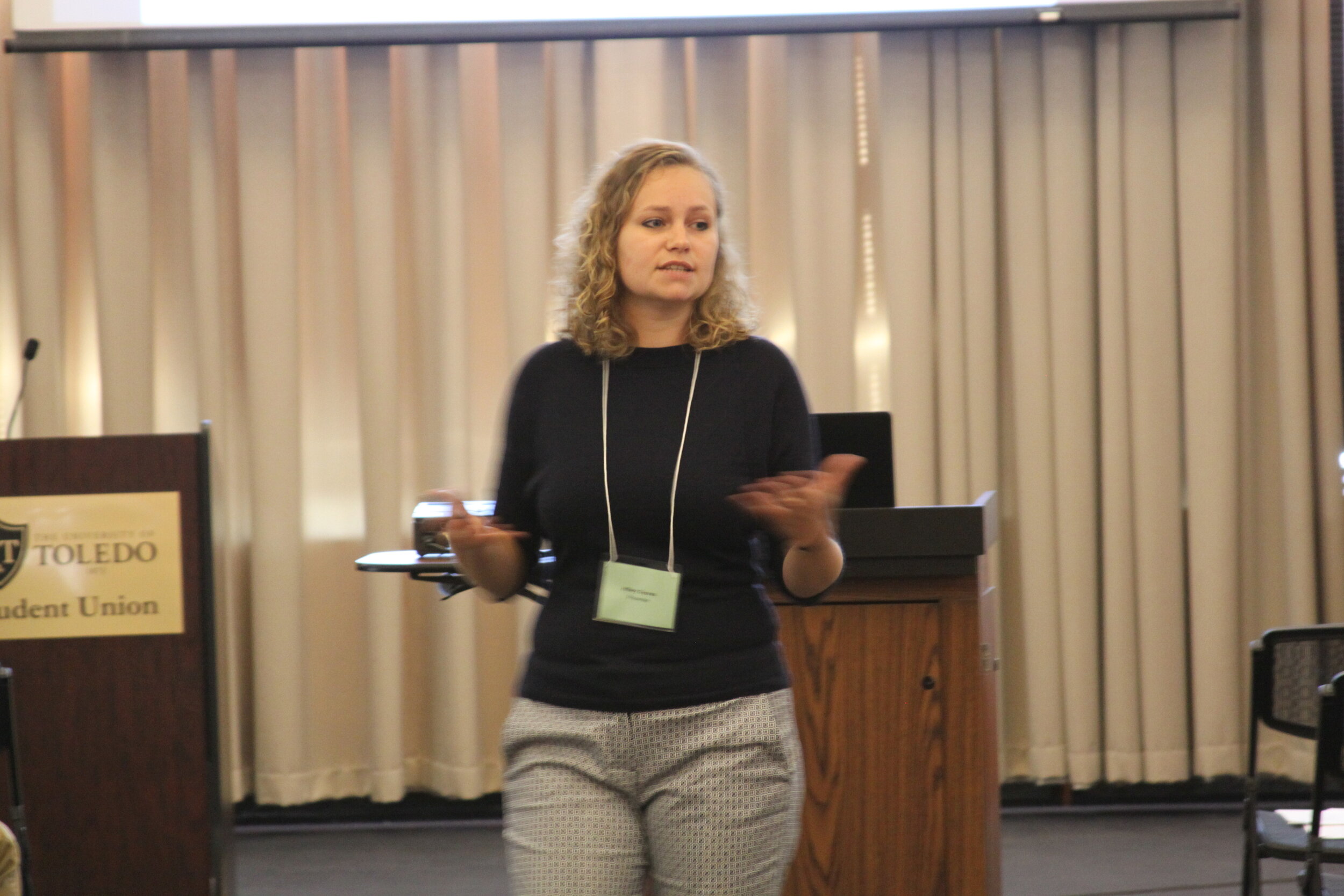
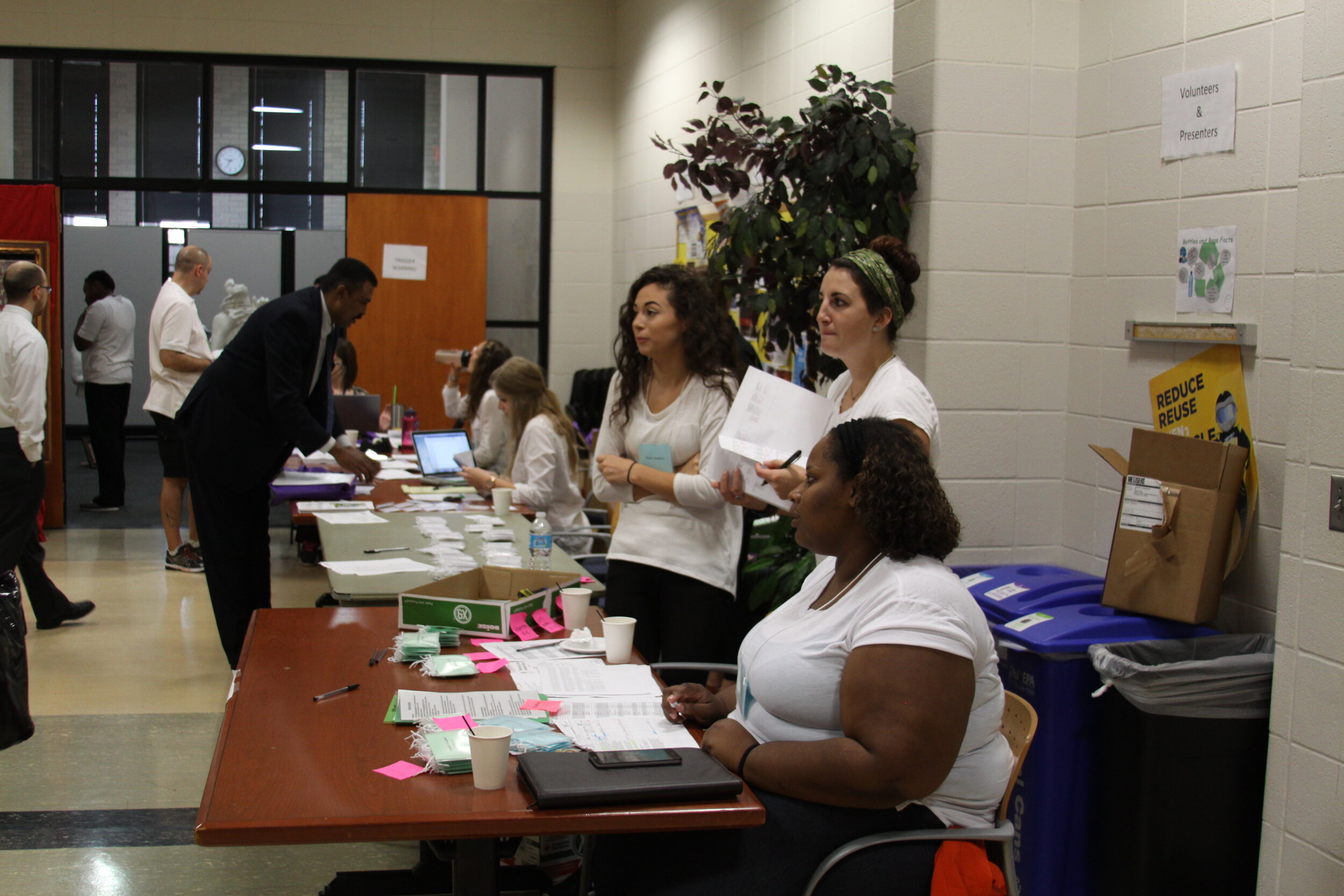
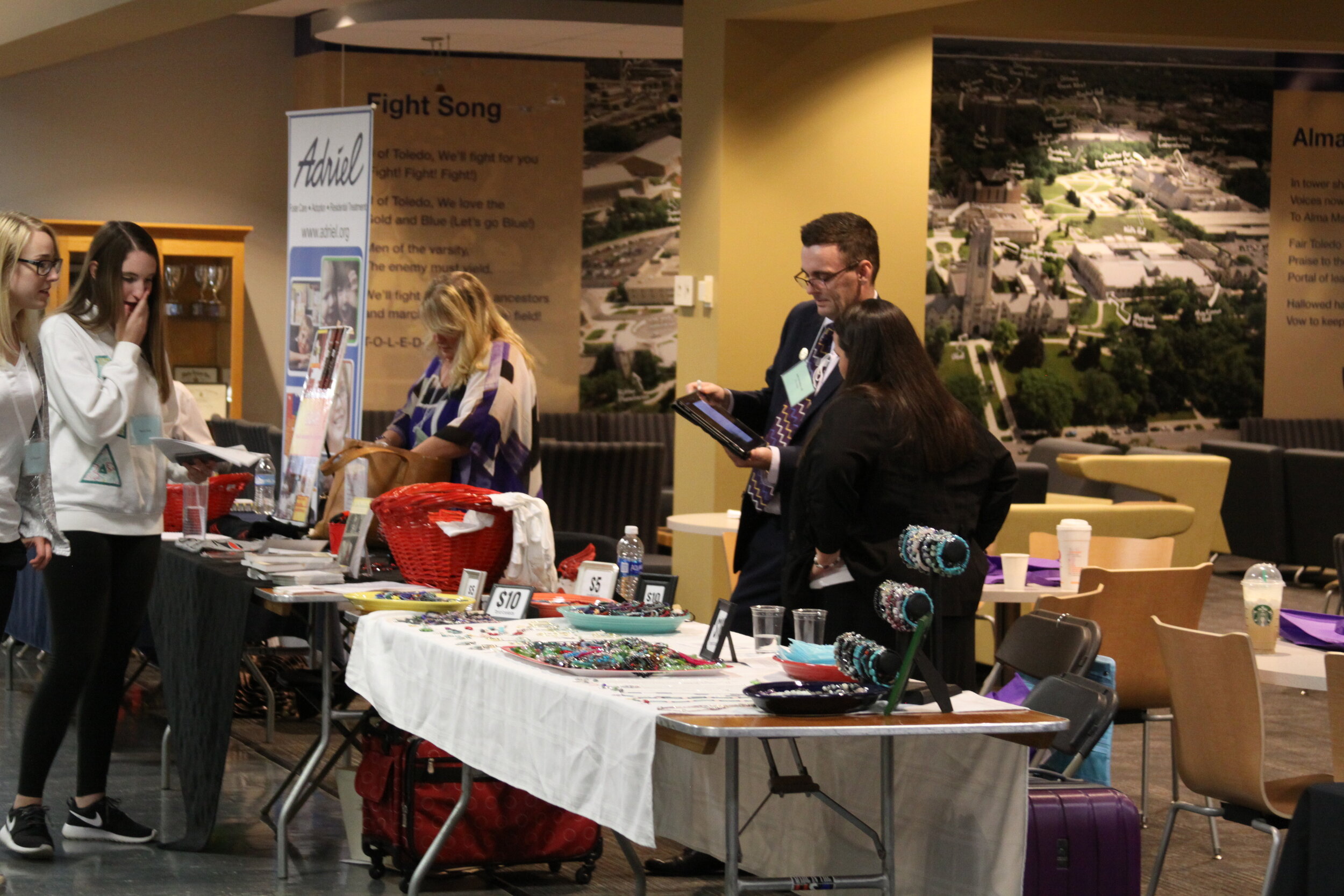

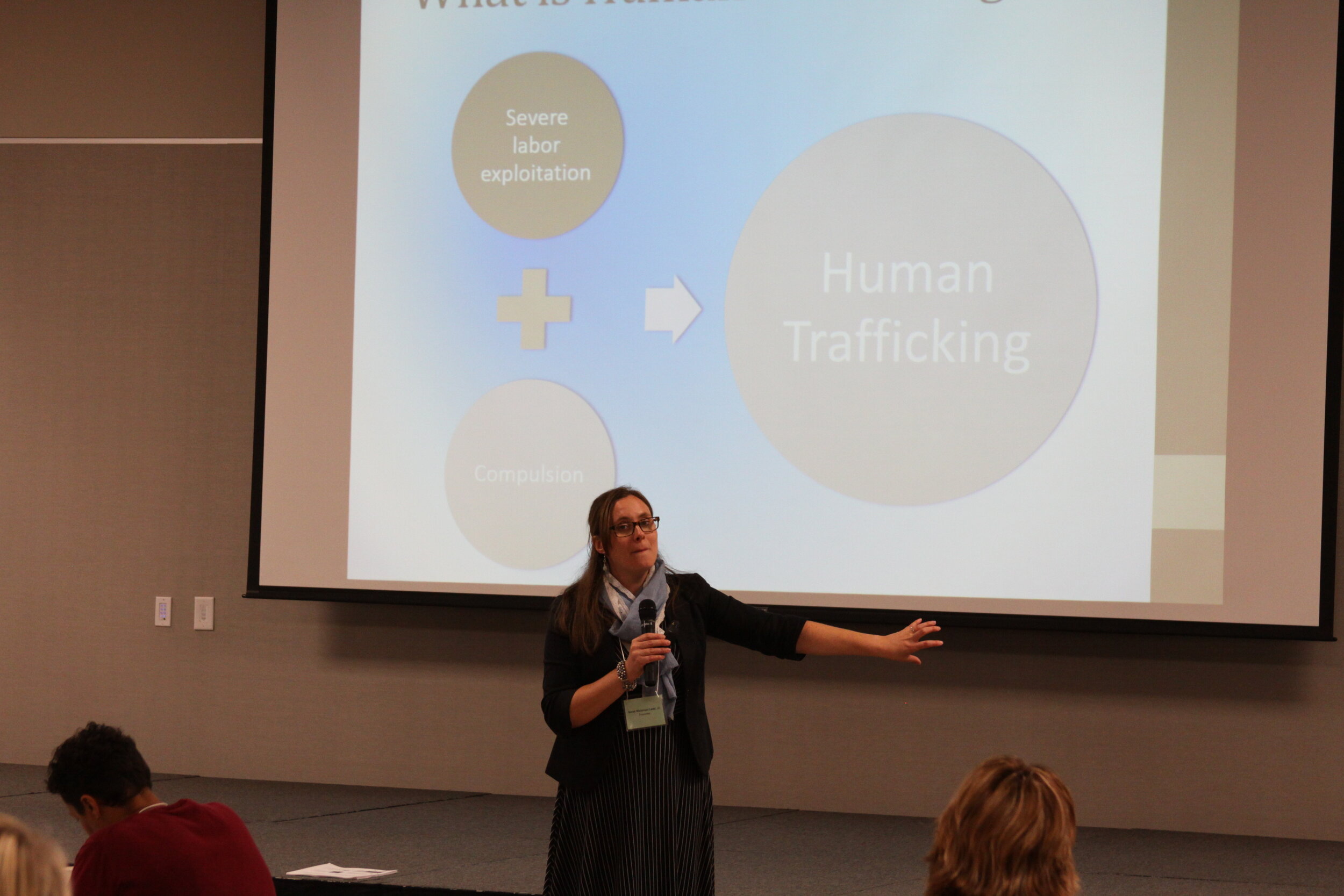
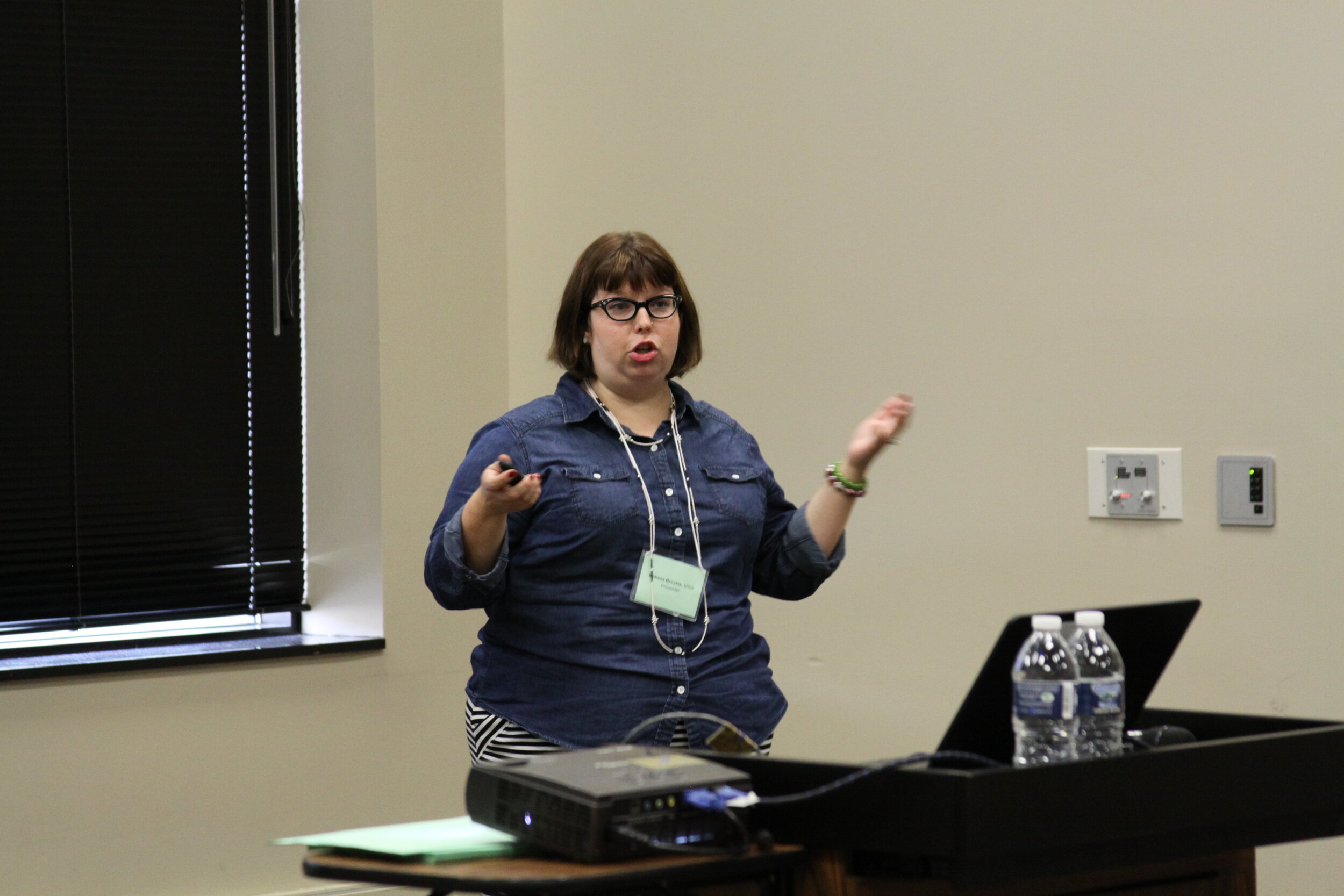
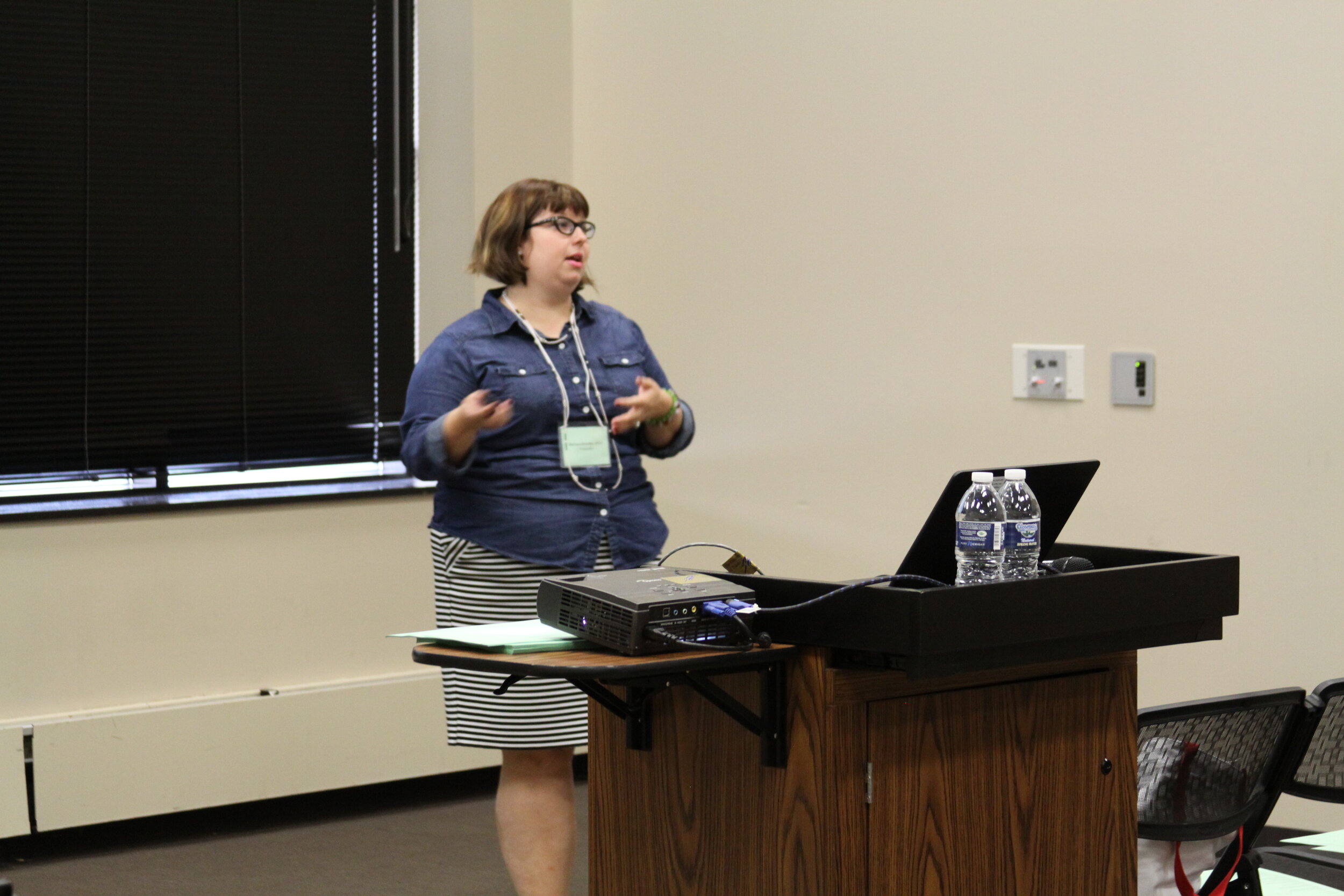
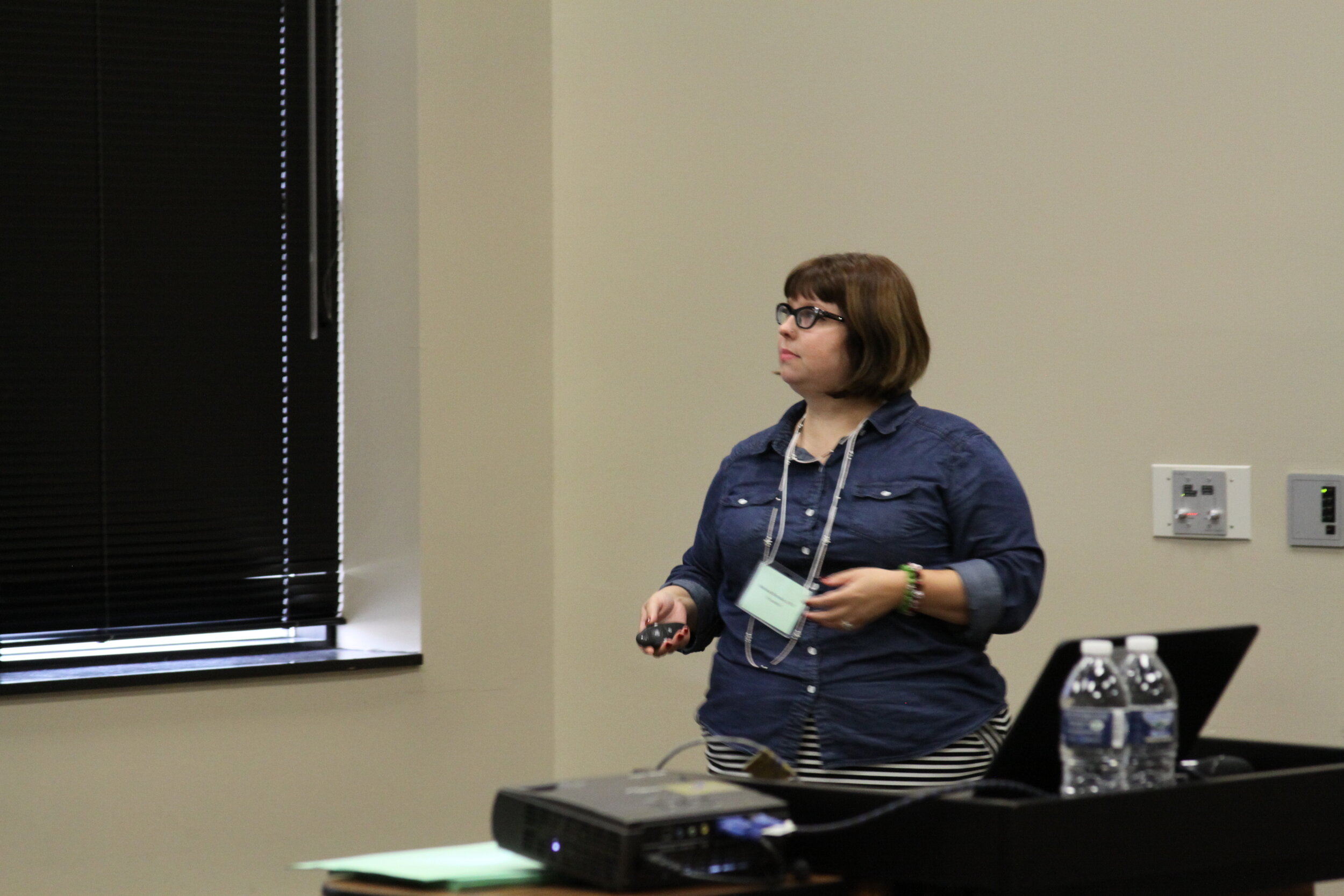











2016 Pictures
2016 Schedule
Thursday, September 22, 2016
8:00
Registration & Continental Breakfast
Student Union
8:30
Morning Welcome
Room Ingman
9:00 - 10:00
The presenter’s testimony begins at the age of 13 yrs old when she became the object of attention of a group of men that worshiped the devil. It spans over 13 years of drug addiction and abuse. The story continues after almost 20 years of proper recovery and involves a hard spiritual walk through where God has taken me. The presenter advocates for having the proper care for women after they have been rescued and is actively trying to bring this level of care to Middletown, OH. Although the presenter shares her story, the aim of this presentation is to emphasize the importance of appropriate aftercare.
This basic overview of human trafficking is most appropriate for those new to the field. Presenters will focus on both labor and sex trafficking in the United State. Topics will include the definition of human trafficking, how traffickers recruit, indicators for victim identification, and where and how to report suspected trafficking.
Mainstream social work education takes pride in a radical past, but rarely links this past to current day social work practice in a critical way. This paper will look at social work’s focus on becoming a legitimate profession in answer to Abraham Flexner’s claim that social work was not a profession in the early 1900s. The following social work concerns will be investigated through a cultural history lens: settlement house systems, abortion, xenophobia, and discrimination directed toward the disability community. Looking back at these social justice concerns over time is helpful in giving much needed historic context to macro social work practice today. Panel participants found it helpful to look at the strengths and the challenges of social work practice over time as a way to thoughtfully approach social justice action today. Historical context helps social work remember that the struggle for freedom is an ongoing one.
Firsthand account of what it's like to be a victim of labor trafficking in the U.S. along with the challenges to survival, getting help and becoming a "survivor". This presentation helps the audience to understand the gaps in identification and getting connected with the people who can help. Audience members will also be exposed to the continual cultural barriers which prevent victims from seeking help or be able to reach out, as well as the many ways in which culture can be used to exploit an entire family. This presentation will highlight the assumption of becoming a survivor, but what that true experience can be like from the insiders’ perspective. Becoming a survivor can be a life long journey, learning to live with the past and not simply try to move beyond presents a new challenge almost every day.
Today we live in a society where human trafficking is a hot button issue. Various disciplines, levels of government, institutions and organizations are all involved in the pursuit of social justice for this population yet none of them realize an understanding of the dynamics and best strategies for addressing this social problem were laid out over a century ago. The purpose of this presentation is to change that.
Individuals exposed to distressing events through work with traumatized children and adults consistently report symptoms of secondary trauma and PTSD. Even with training, professionals working in human trafficking experience acute symptoms at rates of over 85%. For organizations using volunteers, this information is profound and demonstrates the need for formal training for both professional and non-professional staff. Many of us who witness these tragedies know that it is easy to become overwhelmed by the enormity of the problem and can also become so focused on the work that we forget to look after our own emotional needs. This training discusses the newest research in unconscious empathy, somatic countertransference, sleep disturbance, and preventing and/or managing compassion fatigue. We will discuss the best means to train individuals who work with human trafficking by giving them the language to combat compassion fatigue as well as prepare for what they may see, experience, and feel. Research has shown that relatively simple things can impact one’s ability to cope with the impact of secondary trauma. Objectives for this training are to 1) identify signs that someone is experiencing the symptoms of vicarious trauma or PTSD, 2) understand the conscious and unconscious origins of secondary trauma, 3) learn ways to prevent or combat compassion fatigue and somatic symptoms and 4) discover elements that can be added to your existing training programs to assist in understanding complex emotional reactions. Preparation and training with an eye toward emotional readiness allows our programs and our missions to keep thriving.
This workshop will focus on the historical perspective of human trafficking and prostitution in India, a legacy of the British Empire since the ingress of the East India Company in 1612 till 1947. Participants will be enlightened with British plans of dominating India by making Indian culture seem inferior, and actions initiated by the Government of India and active NGOs to update the laws for controlling human trafficking and prostitution. This presentation will discuss how police are being trained to combat the tactics of the traffickers and pimps and training and empowering the victims to escape from their clutches.
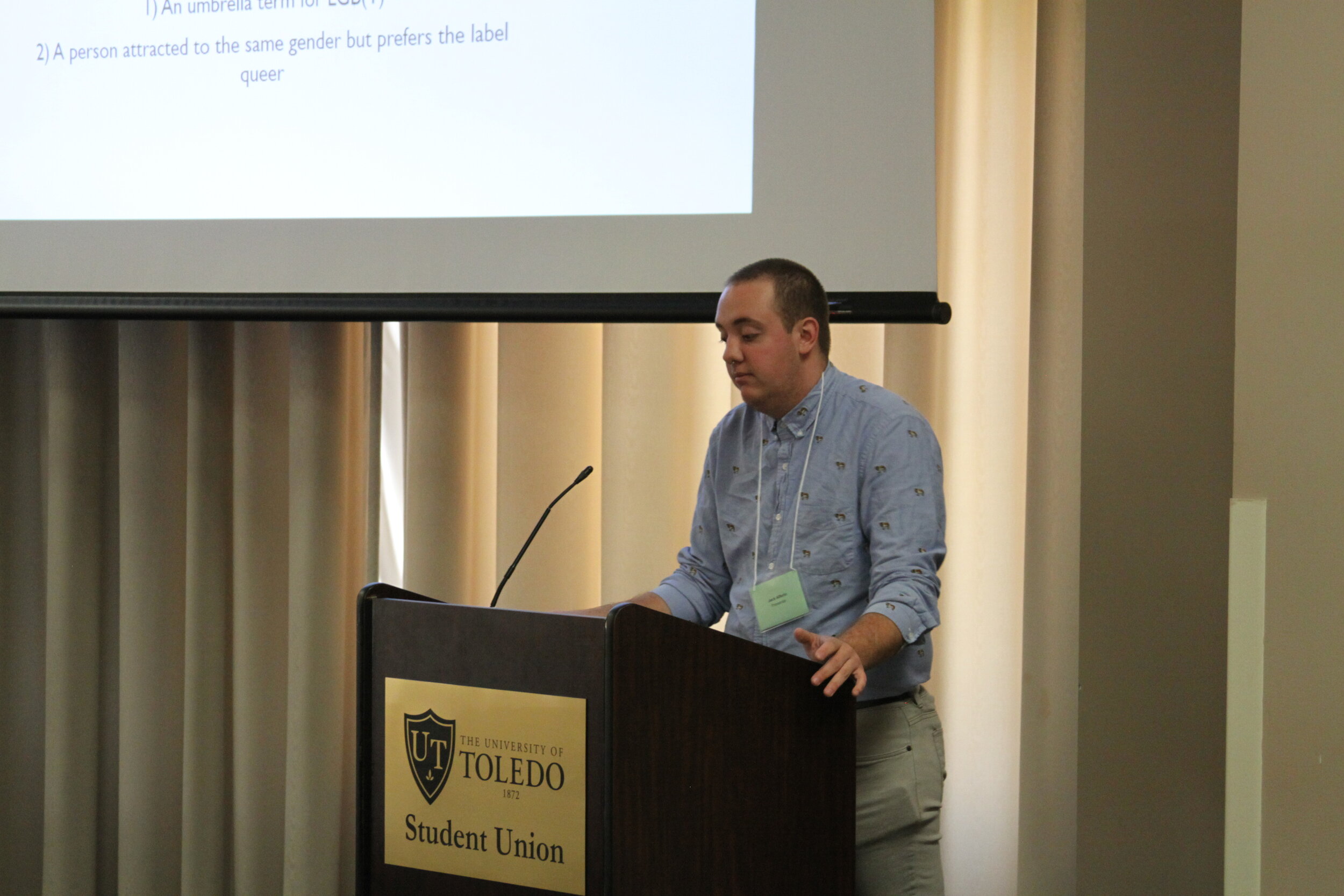
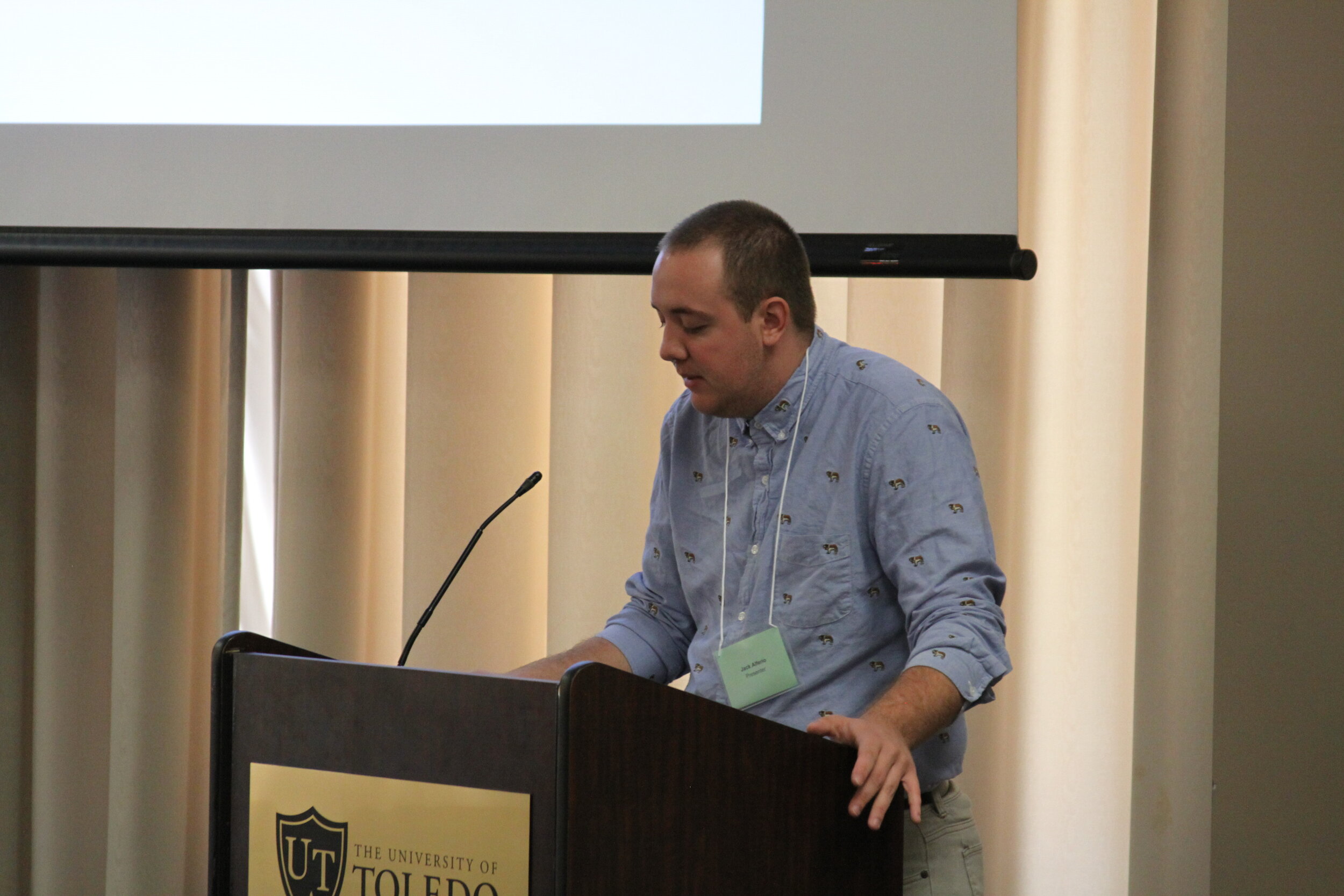
In this presentation attendees will learn the basics of lesbian, gay, bisexual, transgender, and queer folk. There will be discussion of each letter within the LGBTQ acronym and how these identities can influence one’s life. A short LGBTQ history will be given at the beginning to better understand historical and modern oppression faced by LGBTQ folk.
Transgender issues, including non-binary spectrum identities, will be presented at length. These issues include: suicide rates, murder rates, and how to better accommodate trans people.
Same-gender relationship dynamics will also be a topic of discussion during the presentation. This includes the same-gender relationship power wheel and intervention tips for unhealthy and/or abusive relationships. The goal/objective of this LGBTQ 101 is for allies (or those looking to become allies) to become better acclimated to the LGBTQ community as a whole.
10:10 - 11:10
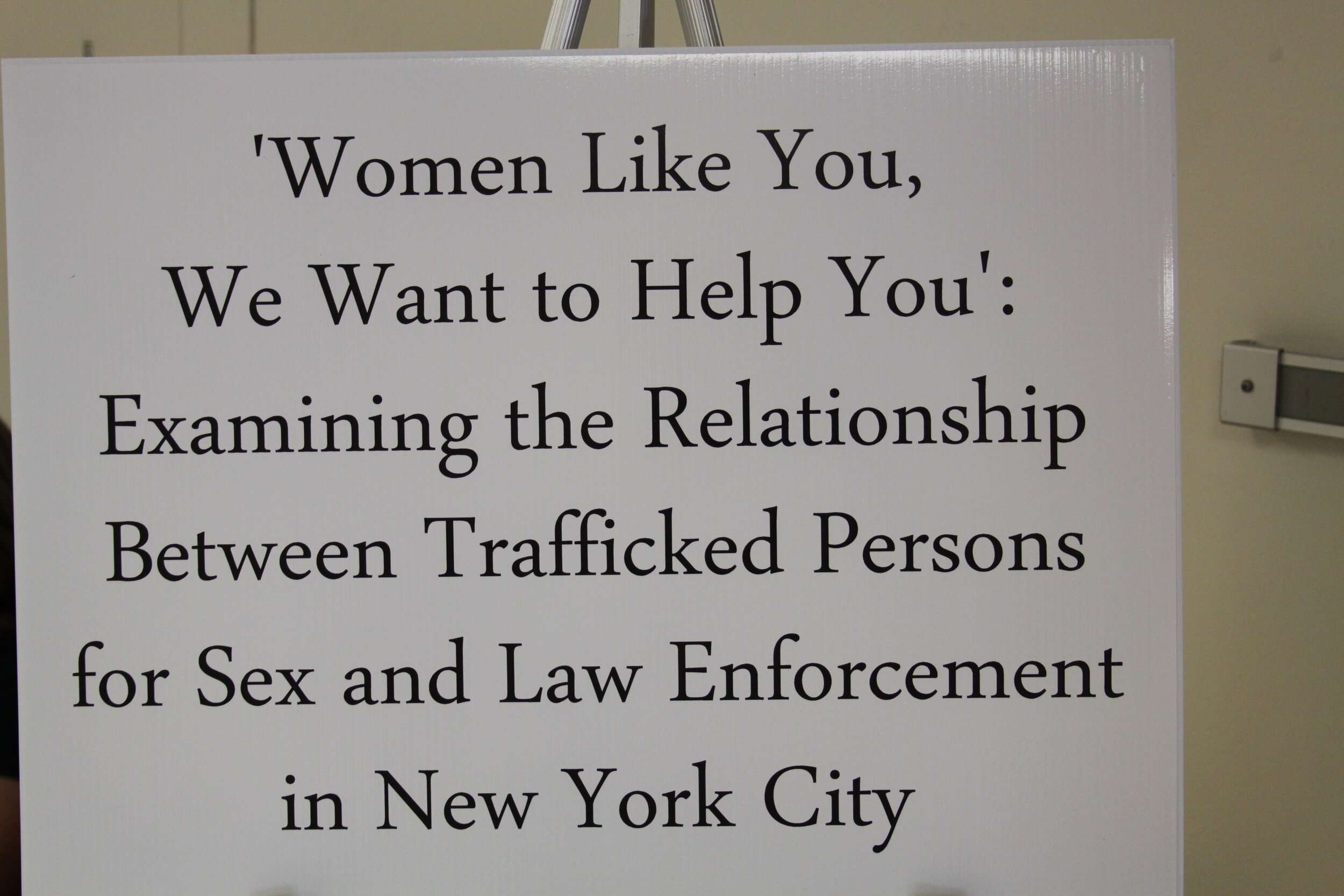
In the US, law enforcement serves as the primary entity in identifying victims of sex trafficking. Scholars and others have questioned why identification of trafficked persons is so low while estimates of trafficking in the US are so high. New York City is a hub for sex trafficking in the US. The contradiction between increasing training and development on the part of law enforcement in NYC and a continued lack of identification of trafficked persons brings to question the nature of the relationship between trafficked persons and law enforcement. Through a series of semi-structured interviews with twenty-two former trafficked persons, this study examines the relationship between trafficked persons and law enforcement in New York City. This relationship manifests in a Victim-Criminal framework and sheds light on why identification of trafficked persons is so low. Findings illustrate that law enforcement’s simplistic perception of sex trafficking, coupled with policies that further marginalize trafficked persons, effectively inhibit the identification of trafficked persons.
Presentation Objectives:
· To explore theories of why identification of trafficked persons is so low;
· To outline the role of law enforcement in identifying victims of sex trafficking, focusing specifically on New York City;
· To describe the Victim-Criminal Framework, which sheds light on the relationship between trafficked persons and law enforcement;
· To analyze the policies, coupled with law enforcement perceptions, that inhibit the identification of trafficked persons;
· To present suggested policy and training
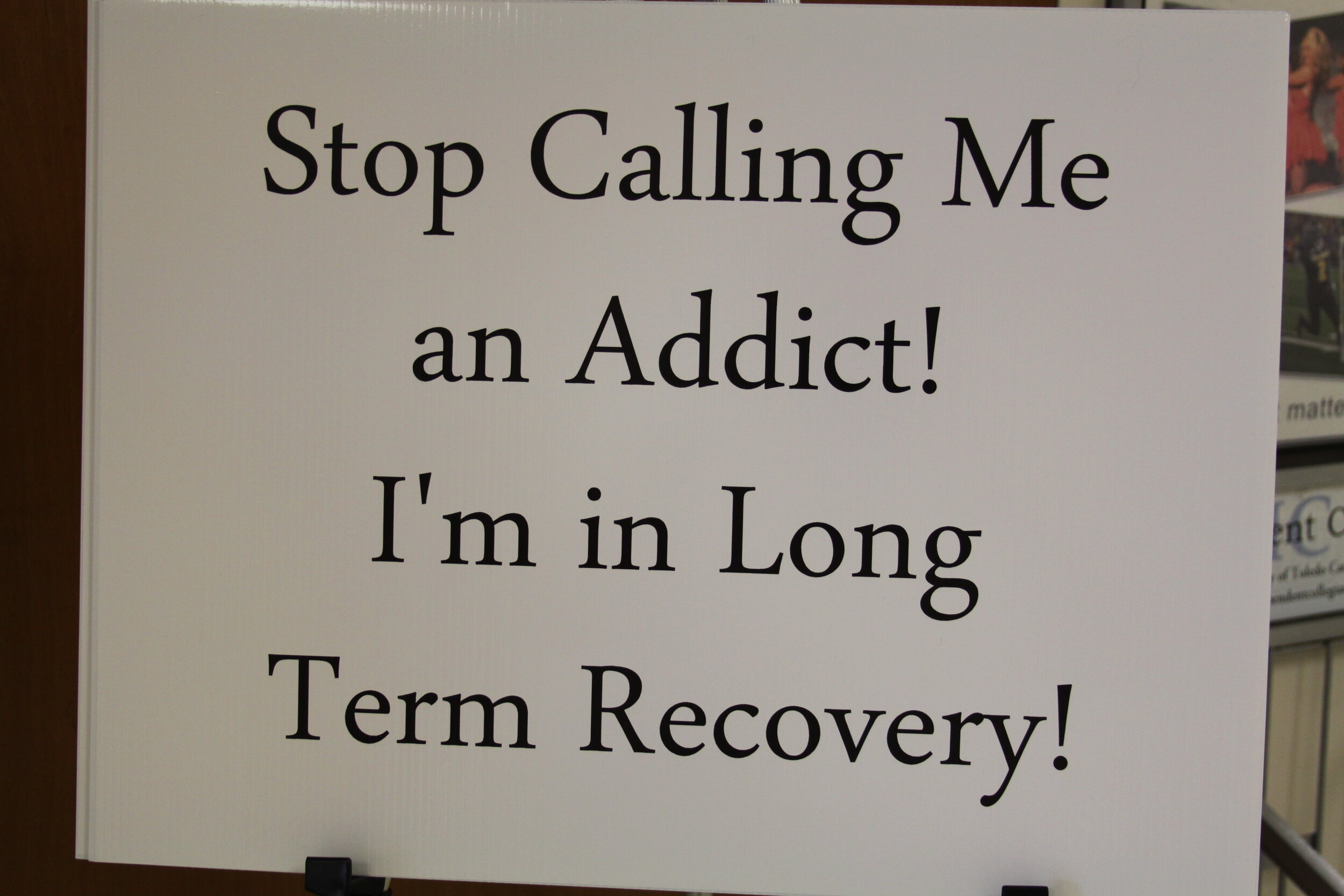
The stigma associated with addiction is so ingrained in our society that it may keep people from getting well. This training will empower people to be proud of their recovery and not shame addiction. Recovery message training helps eliminate barriers to recovery resulting from the stigma and discrimination associated with addiction. This workshop will discuss how as a community we can start advocating for a system of care that supports recovery throughout the individual’s lifespan. This talk will focus on supporting the development of addiction recovery advocates and leadership within the recovery community.
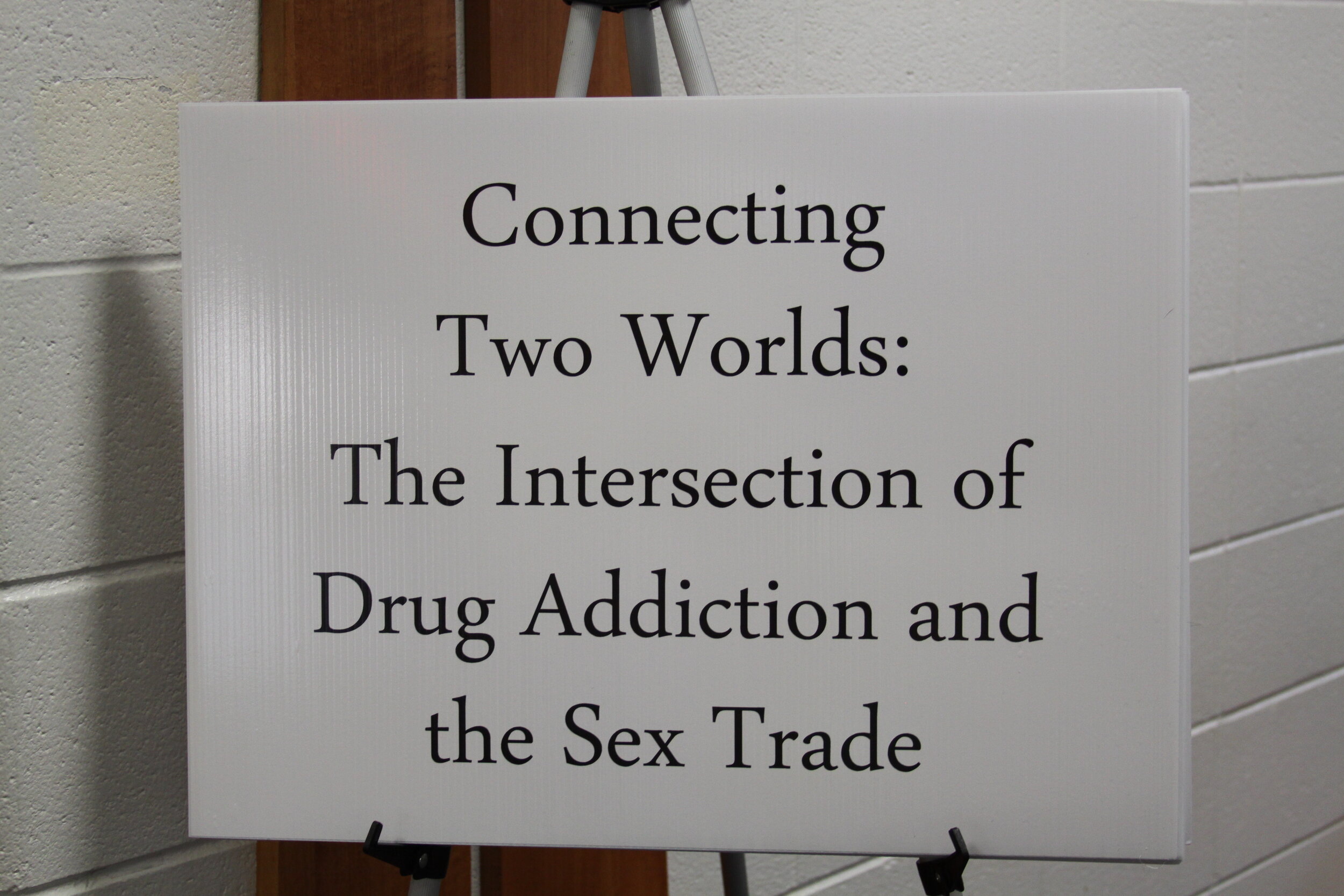
The drug trade industry is the biggest underground network next to human trafficking. With this commonality, we can see how these two global issues intersect and are closely linked. Contrary to popular belief and media representation not all sex trafficking survivors are dependent on drugs prior to being trafficked. There are several ways drug use intersects with sex trafficking including control, coping, drug purchase/sale, and recruitment. Drug addiction is intrinsically linked to the sex trade, an estimated 40 to 85 percent of people trafficked are engaged in one of the ways drugs intersects with the sex trade (National Center for Biomedical Technology, 2016). Drug addiction and severe mental health problems, including posttraumatic stress disorder are barriers to exiting the sex trade (Valera, Sawyer, & Shiraldi, 2001).
Presentation Objectives:
· To expose attendees to concepts and terms associated with drugs and the underground commercial sex trade.
· To increase awareness of the intersects of drug addiction and the sex trade.
· To discuss and increase knowledge on approaches and resources for trafficked survivors.
Pop culture and social media have portrayed gangs and pimping as "cool". Over the past few years in the United States, criminal gang activity has become a serious problem concurrently with human trafficking, emerging as one of the fastest growing crimes. This presentation will give participants a closer look at gang-motivated sex trafficking cases, gang dynamics, and recruitment/control tactics used by gang members.
This session is for Social Workers, Counselors and those working with the purpose of assisting people with positive change. This session will focus on the importance of establishing positive relationships with populations served. A review of Social Work ethics and incorporating religion and spirituality into the working relationship will be provided. Participants will learn the difference between religion and spirituality, better understand moral conflicts when working with specific populations, and ethical dilemmas in the working relationship.
Sex trafficking is a present day reality both internationally and nationally (U.S. Department of State, 2010). Children and adolescents with histories of sexual and physical violence or rape are particularly vulnerable to being trafficked as grooming techniques and violence are used by traffickers in their recruiting repertoire (Alvarez & Alessi, 2012; Clawson, Dutch, Solomon, & Grace, 2009; Hammond & McGlone, 2014). The mental health concerns among human trafficking victims include emotional, behavioral, social, and spiritual ramifications (Clawson, Dutch, Solomon, & Grace, 2009; Hodge, 2014; Zimmerman, Hossain, & Watts, 2011). Despite the myriad of individuals who are trafficked annually within the United States, scant research attention focuses on the sequelae of trauma and subsequent
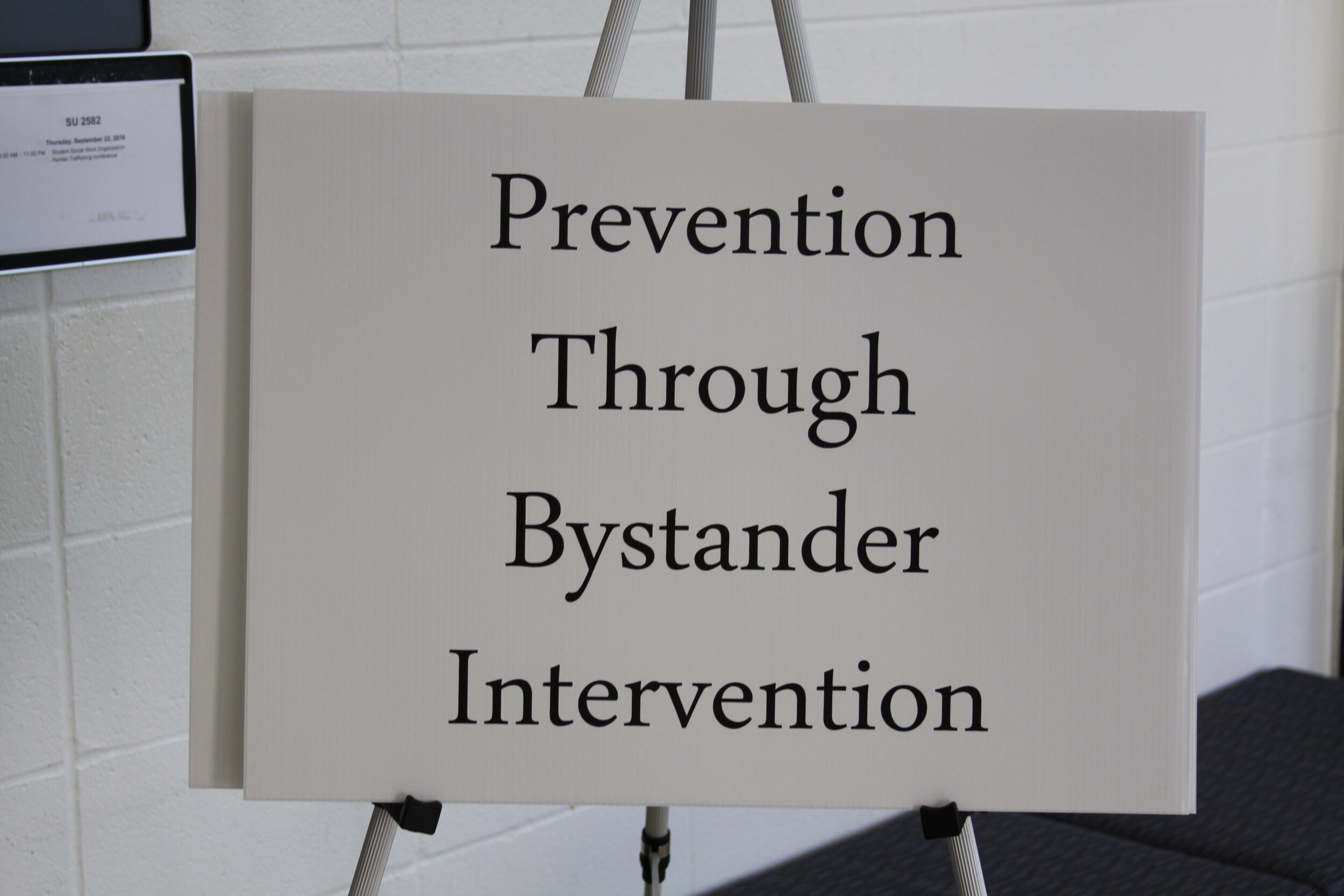
Power-based personal violence is not an individual problem; it’s a community concern. Bystander intervention re-frames the focus of prevention; it calls on all of us to make choices that could make a difference in the lives of others. Many know of active bystanders – most recently personified in Carl-Fredrik Arndt and Peter Jonsson – but knowing of them and knowing how to make similar choices are two very different things. This session will be an interactive workshop demonstrating the relevance of bystander intervention as a means of prevention around power-based personal violence including sexual assault, stalking, intimate partner violence, and sexual exploitation. Participants will outline obstacles and barriers to intervention, practice safe methods of intervention recognizing those barriers, and discuss observable behaviors that may call for intervention. Participants will also share proactive and reactive means of intervention. Violence in any form is unacceptable. As active bystanders, we have the opportunity to change the culture around violence so that everyone knows it is unacceptable.
The arts have the potential to be used in various social work contexts: drawings can help individuals open up and engage with the therapist; photographs can facilitate discussion in group work practice; and images can help advocate for various client groups. This presentation will provide an overview of the use of art with social work clients and focus on the use of the arts in healing and catharsis.
One of the presenters is an art therapist who works with mental health consumers/client-artists in Toledo. She has expertise in the use of various visual art mediums in her therapy sessions. This presenter has worked extensively with clients living with serious mental illness such as: Major Depressive disorder, Bipolar disorder, Schizoaffective disorder, Schizophrenia, and Post Traumatic Stress disorder. Many of her clients additionally grapple with substance abuse, trauma, homelessness, and poverty. The art therapist will demonstrate how her techniques have helped client-artists feel hopeful about the future and provide a platform for healing. The other presenter is a self-taught (or “nature-inspired”) artist who has no formal training in the arts. He uses pen-and-ink, acrylics, charcoal, pastels and cameras to explore issues of social and economic justice.
Presentation Objectives:
· To understand the power of the arts in combating global social justice issues
· To demonstrate the use of the arts to facilitate catharsis and promote healing
· To explore the use of images in client advocacy
To generate ideas for using various art forms to engage with diverse clients
11:15 - 12:15
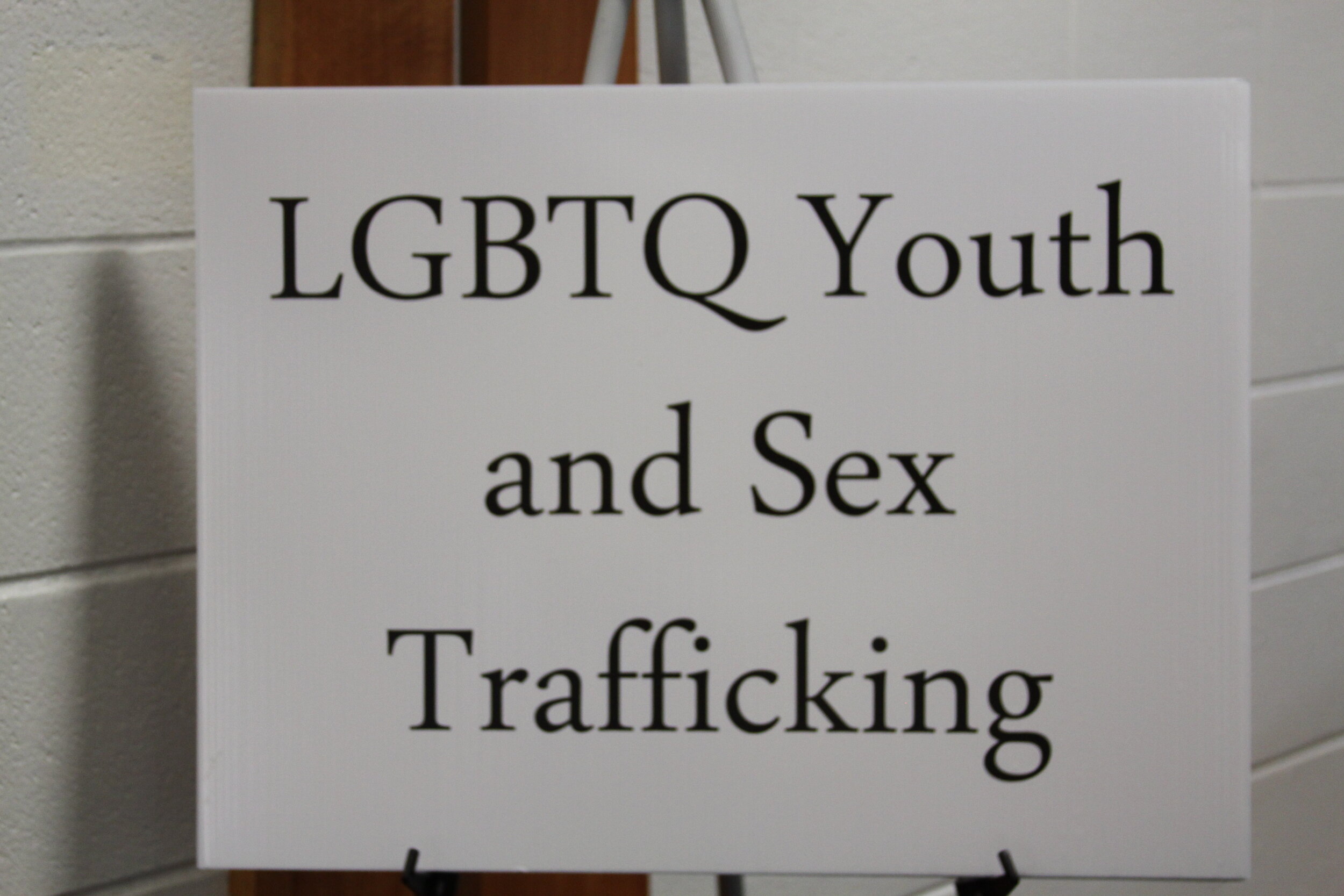
LGBTQ youth account for a disproportionate rate of the runaway and homeless youth population, and experience disproportionately high rates of victimization. In July 2015, the Office of Sex Trafficking Intervention Research completed the second year of a longitudinal study entitled the Youth Experiences Survey (YES): Exploring the Sex Trafficking Experiences of Homeless Young Adults in Arizona, which explores the sexual exploitation experiences of homeless youth and young adults, including LGBTQ youth. Of the 194 young adults who reported their sexual orientation in the 2015 YES survey, 68 reported having been sex trafficked (35.1%). Of the 68, 36 (52.9%) reported their sexual orientation as LGBTQ. The LGBTQ youth were found to be slightly younger at their first sex trafficking experience (LGBTQ 15.22 years vs. Heterosexual 16.23 years). The LGBTQ youth were significantly more likely to report having been sex trafficked for drugs, money and a place to stay. This presentation will explore the particular vulnerability of LGBTQ youth and the ways in which traffickers seek to exploit these vulnerabilities in order to compel youth into commercial sex.
“She’s Your Daughter” will add value and social change to the local and national discussion around familial human trafficking. Connie was raised in a middle class, religious family in the suburbs of Tampa, Florida. She is a survivor of childhood sexual abuse, pornography, sexual exploitation and domestic violence. Over 16 years of her abuse was at the hands of her serial, sex offender father. At 15, a pivotal time in a teenager’s life, Connie made a choice to be a prostitute. You will learn how her father became addicted to sex and pornography at the age of 13, became a serial sex offender and was still a pimp until he passed away at 82. Connie will share how she serviced men in the parking lot of her high school, the nights she was the party favor for high profile clients, and how she covered up living separate lives by being involved in school activities, such the dance squad, in beauty pageants and modeling. You will hear how she escaped, raised a family of her own, graduated with honors and obtained her Masters. in Adult Education, Training and Development. Today Connie is a beam of hope to other survivors. She travels internationally sharing her story and her journey. Attendees will learn the signs to look for and what they can do to make a difference in the lives of teens that are at risk, exploited or are being sold for sex.
This session will discuss the details of a human trafficking case investigated by the FBI and Toledo Police. This presentation will cover the investigation from start to conviction, going over such elements as the sting itself, victim witness issue's, and the trail. The presenters will also show clips from a training video used to educate police officers on what to look for when engaging potential victims and/or traffickers.
Research shows that approximately 70% of the population will experience a traumatic event at some point in their lives. Although some of the traumatized population will seek help from caring professionals, workers who deal regularly with trauma stories and images are likely to experience symptoms of Secondary Trauma transferred to them from the disturbing material. These symptoms can mimic symptoms of Post-Traumatic Stress Disorder, without the individual being the primary participant in the event.
Until December 2005 child trafficking and slavery were not crimes in Cameroon. Despite the recognition as a crime, very few prosecutions have been made for child trafficking and enslavement in the country. This study examines the self-recovery efforts of survivors in the North West Region of Cameroon that has been identified as the main catchment area. It is a tracer study of the lives of 218 child slaves in the region aged 30 – 45 years old. Seventy-four percent of them are females and 26% are males.
This study looks at the economic, professional, and family lives of the survivors. Twenty-two percent of the women are married or stayed in a marriage for at least ten years. A shocking 48% of survivors have released their own children into slavery while 64% of the women embraced survival sex work in at some time in their lives.
Twenty-four percent of females became pregnant by their masters and/or relatives, yet less than 2% of these children recognize them. Economic desperation of survival sex workers, “prostitutes”, is very high with most of them living in slums, attempting to operate petty businesses. A few have become enslavers recruiting other desperate survivors into yet another budding form of secondary slavery where survivors lacking marketable skills become prostitutes under the control of an older and retired prostitute who sets the rules of the game. These rules promote peer monitoring and peer abuse of the slaves by each other.
The survey recommends long term recovery programs for victims and survivors of child trafficking as a major way to break the vicious cycle of childhood slavery in Cameroon.
Trafficking of persons with disabilities is a disturbing new trend in the United States. The 2016 Trafficking in Persons Report identifies persons with disabilities as a vulnerable population in the United States. However, the trafficking of persons with disabilities in the United States is largely unexplored. The primary objective of this session is to raise awareness about this growing problem. This presentation discusses why persons with disabilities are targeted, how they are trafficked, how this can be prevented, and how victims can achieve justice and accountability.
The program will draw from new research on the U.S. -- an in-depth analysis of federal criminal and civil trafficking cases involving victims with disabilities. Case materials document victims with disabilities trafficked into the sex industry, held in forced labor, and trafficked into sexual servitude. Victims have been trafficked and abused in multiple sectors, including the meatpacking industry, the agricultural sector, the commercial sex industry, and domestic servitude.
Case analysis reveals that traffickers target victims with disabilities in order to steal their government disability benefits. A Pennsylvania woman was sentenced to life in prison plus 80 years for a scheme that targeted six individuals with disabilities. As individual representative-payees, perpetrators fall outside the monitoring and investigative authority of federally-mandated Protection & Advocacy agencies.
This presentation will identify the system failures and missed opportunities that contribute to the continued trafficking of persons with disabilities. Using these lessons learned, we hope to initiate a dialogue on how the anti-trafficking community can best serve this vulnerable population.
Victims of child trafficking may appear to have formed a positive and close relationship with their trafficker despite the abuse, coercion, and exploitation they have experienced. Terms such as Stockholm Syndrome and trauma bonding are used in the literature pertaining to the psychological trauma experienced by victims to explain this identification and bond with the perpetrator (Cohen, Mannarino & Deblinger, 2006; Adorjan, Christensen, Kelly & Pawluch, 2012). However, more recently, research has focused on the concept of complex trauma, which was first proposed by Herman (1992) and can be summarized as, “symptom clusters reflecting alterations in affect regulation, consciousness, self-perception, perception of the perpetrator, relations with others, and systems of meaning” (Resick, et al., 2012, p.241; Ai, et al., 2013). The topic of bonding with the trafficker comes as a direct result of qualitative data collected by the presenter with 15 service providers. This session openly examines the attributes of this bonding process among victims of child trafficking, the resulting dynamics, their connection to current interventions, and future strategies in addressing this bond.
Presentation Objectives:
· To become familiar with outcome data specific to service provider experiences related to the victim bond
· To examine the complex trauma and the corresponding social constructs that fuel the bond with the trafficker
· To identify several areas of direct practice that are impacted by the resulting victim resistance and strategies to overcome them
12:30 - 1:30
Lunch by Carolyn’s Catering
Auditorium
1:30 - 2:30
This presentation will focus on the hours spent researching the presence of indicators of human trafficking in massage parlors in Jackson County, Michigan. The presentation will begin with a review of the relevant literature on Asian massage parlors, proceed with the research questions set out to answer, continue with the methodological approach employed, and then conclude with the data collected. The purpose of this presentation is to expand awareness of how Asian massage parlors function, their connection with organized crime, and explore whether or not their employees may be victims of human trafficking. Finally, the possibilities for future research and scholarship on the study of Asian massage parlors as venues for human trafficking in Southern Michigan, as well as potential obstacles to continuing this type of research will be discussed.
This presentation redefines what the trauma-informed care model looks like when accompanying survivors of human trafficking. The content builds on the Trafficking Conference 2015 session, “Lessons Learned in Providing Trauma-Informed Services to Human Trafficking Survivors” and is based on an article on this topic by the presenters. The presenters recently conducted a conference on accompaniment of trauma survivors in Central America, where one of their principle learnings was the power of accompaniment as a tool when working with trafficking survivors. The presentation comes from the multidisciplinary perspective of the presenters, and will develop and apply five core Trauma-Informed Practices (TIP’s) that service providers, academics, and policy makers can utilize in improving response to all forms of human trafficking. The heart of the TIP’s is to view service provision as accompaniment of survivors by creating safety and reciprocity with, for, and among survivors and service providers. The purpose of this workshop is to engage practitioners in developing an anti-trafficking response that give survivors something to move towards, not just something to escape from.
In this intermediate- to advanced-level workshop, participants will accomplish the following objectives:
· Learn a new framework for creating a survivor-driven trauma-informed care model;
· Discover and discuss specific Trauma-informed Practices for accompanying human trafficking survivors while providing assistance after exiting the trafficking situation;
Engage law enforcement, policy makers, service providers, academics, and survivors in improving the anti-trafficking response by learning techniques to create safety and reciprocity with and among survivors and responders.
For those working in the helping professions, compassion fatigue is as common as “turbulence” during a windy flight. In order to address this turbulence, one must develop self-care strategies and warning systems to let them know they are moving into the caution zone and the oxygen masks will soon deploy. Prevention and self-care can best happen when professionals are able to distinguish between and identify personal and professional vulnerability. This interactive workshop will help professionals renew their passion and commitment to the field and their work.
Ohio Crime Victim Justice Center is a statewide 501(c)(3) non-profit that provides free legal assistance to crime victims during the criminal justice process. OCVJC also provides victims’ rights trainings to various professionals who work with crime victims to help them understand and enforce the rights of Ohio’s state and federal crime victims during the criminal justice process. This training will teach participants about crime victims’ rights at all stages of the criminal justice process, including the hospital, investigation, prosecution, and post-conviction.
This presentation will also focus on educating participants on OCVJC’s Crime Victims’ Rights Toolkit, a first-of-its-kind online resource dedicated to helping crime victims and those who advocate for them to understand all rights and other useful information available to Ohio’s state and federal crime victims. This tool can be used to manage advocate cases and create an online forum for interaction between advocates and their clients.
Presentation Objectives:
· Recognize when victims’ rights issues are implicated in their cases;
· Identify which victims’ rights are implicated and how to address these rights; and
Describe how to utilize the toolkit to victims and coworkers.
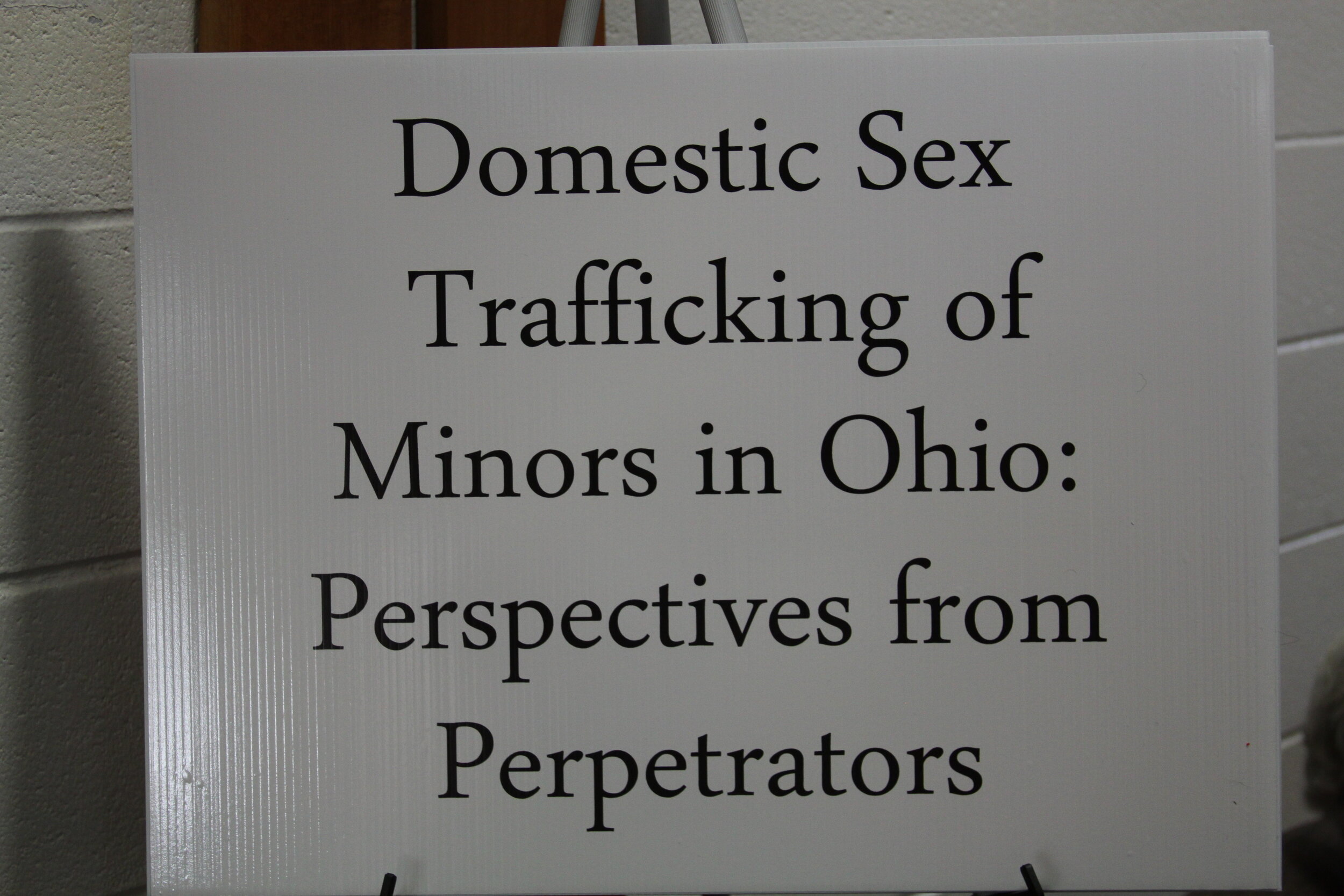
This research project follows a qualitative-quantitative approach used to gain a deeper understanding on the strategies used by the adults who are involved in the exploitation of children. This study exposes, and helps put into perspective, how the sexual trafficking of minors is differentiated from other types of sexual offending behavior. Integrated theory (including trauma theory) and multifactor theories, such as the confluence model provide the theoretical backdrop for this study. While the focus of data collection comes from perpetrators of child exploitation, it is important to underscore what we understand and hypothesize about victims. It is hypothesized that adverse childhood experiences and family modeling created a cascading effect that impacts the way adolescents interact in the adult world. Secondly, it is further hypothesized that as a result of these adverse situations, children’s vulnerabilities become manifest in unhealthy relationships with adults including those who have chosen to exploit them sexually. Q Methodology is a research method that is used to study people’s subjectivity and points of view on a particular phenomenon and serves as the primary methodology used in this study. Face-to-face interviews with inmates incarcerated in State of Ohio correctional institutions were conducted and consisted of specific questions which served as the platform for the Q sort. Questions targeted the topics of victim recruitment, victim retention, as well as explored offenders’ perceptions of the relationships they have with the girls they have exploited in the sex business.
On college and university campuses around the country, student activists are working to address two issues that have remained separate from each other: universities’ histories with the slave trade and modern-day human trafficking. This study analyzes these two trends in campus activism. First, the author tracks the movement to respond to American universities’ history with the Atlantic slave trade. Using social movement theory, the author analyzes the birth of this movement and the actors and factors that have led to its progress. Second, the author focuses on the campus-based movement to combat modern-day slavery. She notes the social reasons why the two movements have remained distinct thus far and suggests that the two movements could benefit from cooperation and integration.
Presentation Objectives:
· To raise awareness about the role American universities played in the Atlantic slave trade and continue to play in modern-day slavery;
· To trace the progress of two social movements and identify key actors and factors;
· To assess the quality of universities’ responses to each movement;
· To offer a toolkit for student activists and faculty seeking to contribute to productive conversations about their institutions’ history with slavery;
To suggest how the two movements could support each other.
In 1885, The Salvation Army, social reformer Josephine Butler, and the Pall Mall Gazette joined together in a successful attempt to stem the trafficking of young girls from prostitution by raising the age of consent (for sexual activity) in London, England. This effort, known as the Maiden Tribute of Modern Babylon, involved a sensational newspaper series stemming from the actual purchase of a thirteen-year-old child (Eliza) to prove how easily a child could be obtained for illicit purposes. Drawing upon historical records, trial transcripts, and journal entries, Eliza's story illustrates the challenges faced by the reformers, as well as the ethical concerns as to their methods. The presentation will include opportunity to consider ethical and moral concerns in regards to contemporary advocacy for clients and legislation.
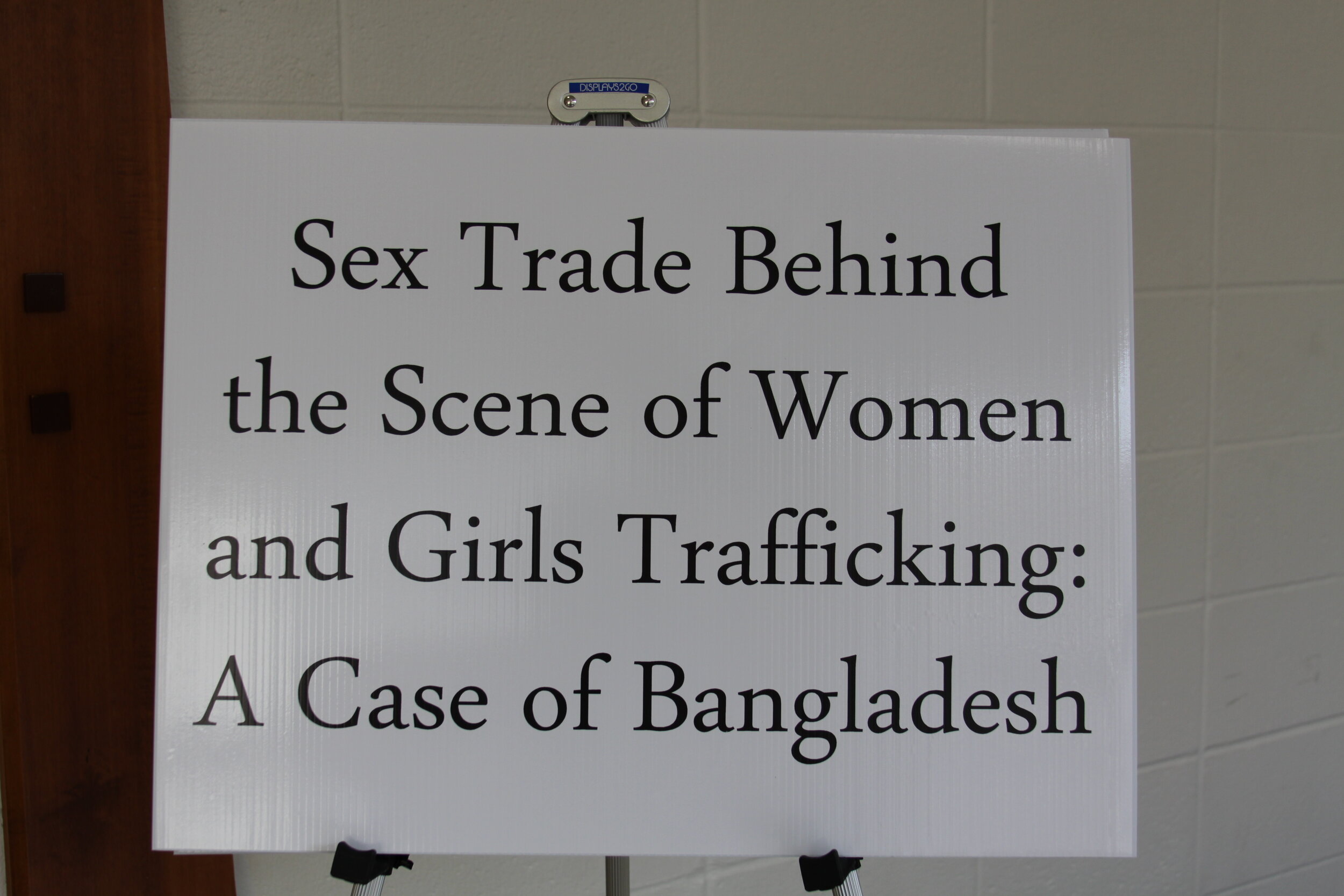
Human trafficking, along with drugs and weapons have been reported as the top three largest organized crime industries in the world. It is estimated that one to two million women and children are trafficked annually around the world for the purposes of forced labor, commercial sexual exploitation, or domestic servitude. The main objective of this study was to explore the picture of sexual exploitation. The study showed that the sex trade is becoming very popular to traffickers because of the expanding commercial sex industry in Asia and male client’s preference for young women and virgin girls to avoid HIV infection (UNIFEM). Traffickers made an estimated $7 -12 billion in profits annually, whereas the human trafficking industry is $32 billion internationally (UN, 2008). The study observed that about one million ‘unreported’ Bangladeshi women were trafficked in Pakistan and 300,000 Bangladeshi children have been trafficked to the brothels of India over a period of time (Star October 8, 2000). Over the last five years at least 13,220 children were reportedly trafficked out of the country, 4,500 women and children from Bangladesh are trafficked to Pakistan annually (UNIFEM) and 50,000 Bangladeshi girls are trafficked to India every year through 4,222 kilometers border areas (Biswas, 2015). As a Tier 2 country, Bangladesh is a transit and a destination country for women and girls forced into prostitution. Bangladeshi women and girls are especially trafficked to India, Pakistan and the Middle East (TIP Report, 2015) using Dhaka- Mumbai-Karachi-Dubai as the main trafficking route (Biswas, 2015).
In this intermediate- to advanced-level workshop, participants will accomplish the following objectives:
· Learn a new framework for creating a survivor-driven trauma-informed care model;
· Discover and discuss specific Trauma-informed Practices for accompanying human trafficking survivors while providing assistance after exiting the trafficking situation;
Engage law enforcement, policy makers, service providers, academics, and survivors in improving the anti-trafficking response by learning techniques to create safety and reciprocity with and among survivors and responders.
2:45 - 3:45
In partnership with the Las Vegas Metropolitan Police Department (LVMPD), the Arizona State University Office of Sex Trafficking Intervention Research (ASU STIR) developed a research plan to explore and analyze sex trafficking case files from 2010 to 2015. These files included police reports, records of interviews of alleged sex traffickers, interviews of alleged sex trafficking victims, and case-related information including evidence collected and case update notes by LVMPD staff. The purpose of the study was to explore the law enforcement work on sex trafficking in Las Vegas and to identify trends and patterns. The findings presented will be a one-year snapshot of sex trafficking cases developed by the Las Vegas Metropolitan Police Department’s Vice & Sex Trafficking Investigations Section in 2014. One hundred and fifty-nine cases were analyzed for 2014, representing a total of 190 victims. Of the 190 victims, 67 (35.3%) were adult victims, and 123 (64.7%) were minors (under the age of 18). In the sex trafficking cases, 118 sex traffickers were identified. The sex traffickers were mostly males (n =103, 87.3%) with only 15 (12.7%) females. Patterns of recruitment and exploitation of both minor and adult victims will be discussed, as well as any differences in trafficking experiences of minors versus adults. Trafficker typology will also be discussed, as well as patterns in trafficker criminal histories and tactics.
This presentation will lay a foundational knowledge base defining the transgender umbrella, gender identity and gender expression. It will examine the myths and facts of being transgender and identify the increased risks that a transgender individual and community faces in our society. We will explore some state/federal laws and policies and identify strategies for advocacy and work as an ally.
Presentation Objectives:
· To define gender identity and gender expression
· To identify at least three increased risks to the transgender community
· To increase participant advocacy and ally skills
Learn the results of a 4-year study that interviewed over 250 survivors of domestic sex trafficking. The study consisted of personal accounts combined with an extensive questionnaire on the physical and mental health needs of victims while being trafficked and then as survivors. Why was this missed in our healthcare system? Hear recommendations for how to identify and respond.
This presentation analyzes the experiences of a disabled sex worker and argues for an understanding of the experiences of sex work as a form of self-care. Sex work can function as a form of self-care by affirming one’s sense of self; by providing for basic necessities; by assisting one to realize their personal goals; by allowing one to work out trauma and providing access to community. Finally, sex work is a political act of resistance to capitalist modes of labor that can be exclusive. Additionally, this presentation examines the rarely theorized intersection of sex work and disability from the position of a disabled sex worker; an attempt to create space for an absent subject. This presentation will add to the growing body of scholarly first-person sex work narratives (Love 2013; Redwood 2013; JJ 2013; Johnson 1999; Frank 2002) and add more sex worker voices to the conversation about sex work.
The training will educate you on how human trafficking has impacted the Developmental Disabilities population. The speakers will share history and powerful stories of individuals who have experienced human trafficking. Attendees will have a better understanding of how to recognize signs and symptoms human trafficking and how prevalent it is with the DD population. There will be a discussion about how human trafficking is not only affecting the United States but other countries. The speakers will also cover Labor Trafficking and Organ Harvesting because the DD population is not exempt of this type of trafficking.
Ethiopian women who are sent to the Middle East to work as domestic workers and send money home find themselves caught between a rock and a hard place. When families send their daughters they place a heavy burden of high expectations on them particularly because most of the rural families from where domestic workers are recruited are poor and often borrow money that is used to finance the long and tedious process of migration. In cases where families have borrowed and invested money, migrants are forced to pay the debt. On arrival in the Middle East, they become subjected to conditions of slavery, imprisonment, physical and psychological abuses. However, the gravity of their suffering at the hands of their masters is considered insignificant compared to the poverty at home.
This study focuses on a large number of women who returned home sooner than expected. Some women that returned without fulfilling their obligations have experienced rejection by families and communities and a number have committed suicide. This study examines the experiences of returnees through the intersectionality of cultural gender perspectives in Ethiopia (women’s low social status); the dynamics of globalizing Arab world cities where local traditions and practices of slavery may have become fossilized; and poverty of rural communities in Ethiopia, which often forces families to put their daughters in the hands of unscrupulous traffickers.
The objective is to commence a discussion among conference participants about how intersectional identities of gender, race and class shape the experiences of female domestic workers.
4:00 - 5:00
The presenter will explain simulation’s role in ensuring holistic education is provided to healthcare professionals regarding current medical processes, development and implementation of victim-based simulation, and community resources for healthcare providers and victims. The presenter will discuss programs already implemented within the Interprofessional Immersive Simulation Center at the University of Toledo.
Human Trafficking Recognition was developed in response to research indicating 87% of victims receiving medical treatment during captivity went unrecognized. This portion of the presentation will discuss the implementation of educational sessions and how they provide a framework for simulation scenarios. Utilizing both simulators and standardized patients, learners will observe the challenges in recognizing victims through video footage of simulations where red flags were incorporated into patient history and interaction.
Sexual Assault Patient Education has been developed into simulation for the purposes of enhancing Sexual Assault Nurse Examiner (SANE) training and to provide insight to other interprofessional providers on how this patient population should be cared for. This presentation will emphasize the benefits SANE programs gain from simulation practice and provide insight into development of curriculum for disciplines that do not regularly interact with sexual assault patients.
Presentation Objectives:
· To identify innovative approaches to developing and implementing simulation scenarios with a focus on forensic science education.
· To learn to incorporate new methods of training to augment SANE program education, competency and educate providers that work in areas lacking SANE resources.
To gain appreciation for the role healthcare providers play in identifying human trafficking victims and caring for the sexual assault patient. Presentation Objectives:
· To provide the results of the 2015 & 2016 Youth Experience Survey
· Contrast non-sex trafficking needs with victims of trafficking to help guide client needs
· To discuss how to expand prevention and interventions for trafficking victims within a homeless, youth serving program
· To build engagement strategies for existing clients to share their experiences and access services
To leverage community partners for needs such as legal, medical and housing.
Presentation Objectives:
· To learn what human trafficking looks like in rural communities
Two of the most prominent social justice issues of our time are human trafficking and oppression of sex/sexuality/gender minorities (Smith 2015; Tomaszewski, 2014), yet frequently overlooked is how these two issues converge. Yearly, hundreds of thousands of LGBTQ+ individuals are victimized through human sex trafficking (Martinez & Kelle, 2013). Moreover, they are at higher risk of being trafficked than their non-LGBTQ+ counterparts (Cochran, Stewart, Ginzler, & Cauce, 2002; Martinez & Kelle, 2013). In addition to a general awareness, what is often missing in the conversation is how and why this population is at particular risk of being sold for sex. This presentation will address awareness, prevention, intervention, and social justice of LGBTQ+ sex trafficking through a three step process. An overview of the research findings on this segment of the issue will be detailed, bringing the awareness into clear focus. Next, education will be provided on the issues faced by LGBTQ+ individuals which puts them at particularly high risk of being victimized. Finally, the presenter will provide specific, concrete tools that can be utilized to combat the trafficking of LGBTQ+ persons. Such resources include LGBTQ+-affirmative approaches (Rose & Baltrinic, 2016), which can be utilized by any professional or student across a wide-range of disciplines including law enforcement, criminal justice, social work, and counseling. Resources for prevention and social justice will also be provided. Through this approach, participants will leave this presentation with the information and resources to address the problem of LGBTQ+ human sex trafficking.
Presentation Objectives:
· To provide the results of the 2015 & 2016 Youth Experience Survey
· Contrast non-sex trafficking needs with victims of trafficking to help guide client needs
· To discuss how to expand prevention and interventions for trafficking victims within a homeless, youth serving program
· To build engagement strategies for existing clients to share their experiences and access services
To leverage community partners for needs such as legal, medical and housing.
Presentation Objectives:
· To learn what human trafficking looks like in rural communities
Homeless youth and young adults present increased risk factors and exploitation for sex traffickers. Tumbleweed Center for Youth Development in Phoenix, Arizona provides services for homeless youth ages 12-25 and wanted to explore increasing programs and interventions for youth who experienced sex trafficking. Our agency partnered with five other agencies and were awarded the demonstration grant for Domestic Victims of Human Trafficking through the Department of Health and Human Services. Along with the grant, Arizona State University’s Office of Sex Trafficking, Tumbleweed and two homeless youth service programs in Phoenix and Tucson, Arizona partnered on the Youth Experience Survey. The survey explores the trafficking experiences of homeless youth and young adults (18-25). This presentation will share insight from the findings of the survey, along with program development to assist in meeting the unique needs of homeless trafficking victims, including groups, counseling, healing, housing and supportive coordination amongst direct service providers in two counties.
Presentation Objectives:
· To provide the results of the 2015 & 2016 Youth Experience Survey
· Contrast non-sex trafficking needs with victims of trafficking to help guide client needs
· To discuss how to expand prevention and interventions for trafficking victims within a homeless, youth serving program
· To build engagement strategies for existing clients to share their experiences and access services
To leverage community partners for needs such as legal, medical and housing.
Presentation Objectives:
· To learn what human trafficking looks like in rural communities
Come to this session to learn how to navigate the disability program. Many survivors of trafficking may qualify for disability to for mental/emotional conditions or physical conditions. What is the basic definition of disability? This will be a great opportunity to learn how to help your clients with the process, and have a better understanding of what to expect. Who qualifies? What is the difference between SSI and Social Security? Can my client’s case be expedited? Is everyone denied the first time? What do people need to file for benefits? How do you file an appeal, and do you need an attorney? These are just some of the questions Social Security will answer. This session should help streamline the process so you can better help a friend, a client, a loved one, or even yourself. Social Security will also demonstrate how to access your own account online through Social Security’s website, and what a client will be eligible for.
The objective of this presentation is to relay the impact of the heroin epidemic on the children caught in the aftermath of addiction and how they are used as sexual currency traded for a fix. The presenter will share 40 years of experience in working in the turbulent, violent, shame-filled underworld of abused and trafficked children. Ten thousand children have passed through the doors of One Way Farm Children's Home. The presenter will share founding the facility with only $59, growing to have 32 employees, an annual budget of $1.6M and serve the most innocent casualties of severely dysfunctional families. While it's noble to research, analyze data, and theorize about this national crisis, at its core, it's a human issue. Statistics don't mean much to the child whose only experience with adults is perversion. The essence of what we do is stabilization then normalization. Living with these victims, comforting them and sharing the presenter’s deeply abusive childhood gives them hope of a life beyond the hand they have been dealt. The presenter’s evidence based research is born from real life, and has shaped the experience based methods of what works in a real life scenario to turn children's lives around. To date, 10,000 children have been rescued and sent on a course they would never have otherwise known.Presentation Objectives:
· To provide the results of the 2015 & 2016 Youth Experience Survey
· Contrast non-sex trafficking needs with victims of trafficking to help guide client needs
· To discuss how to expand prevention and interventions for trafficking victims within a homeless, youth serving program
· To build engagement strategies for existing clients to share their experiences and access services
To leverage community partners for needs such as legal, medical and housing.
Presentation Objectives:
· To learn what human trafficking looks like in rural communities
Human trafficking affects every zip code in the United States, and happens in communities of every size in Ohio. This session will explore some commonalities and differences between what human trafficking looks like in rural communities and urban areas. Participants will also learn about the difference between human trafficking identification and response efforts in rural and urban areas. By examining existing recognition of and response to sex and labor trafficking broadly, the session will delve more deeply into how to create an effective human trafficking response in rural communities. The participants will practice identifying trafficking through a scenario exercise and will brainstorm tools and coordinated steps they can take to improve their own response, whether they serve a rural or an urban area. Finally, using a multi-disciplinary lens, the presenters will guide participants in developing a safety-focused response to human trafficking in their own communities.
Presentation Objectives:
· To learn what human trafficking looks like in rural communities
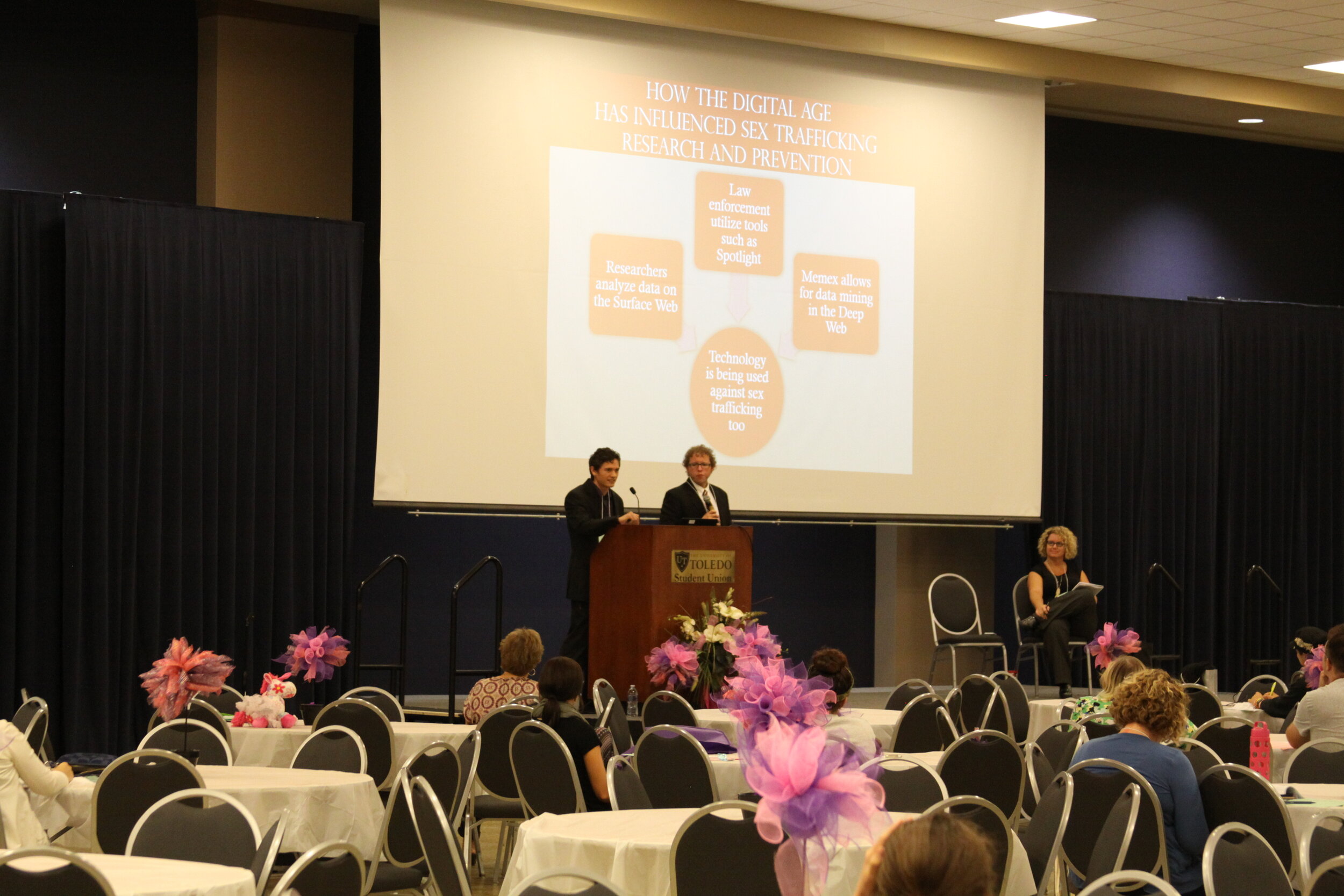
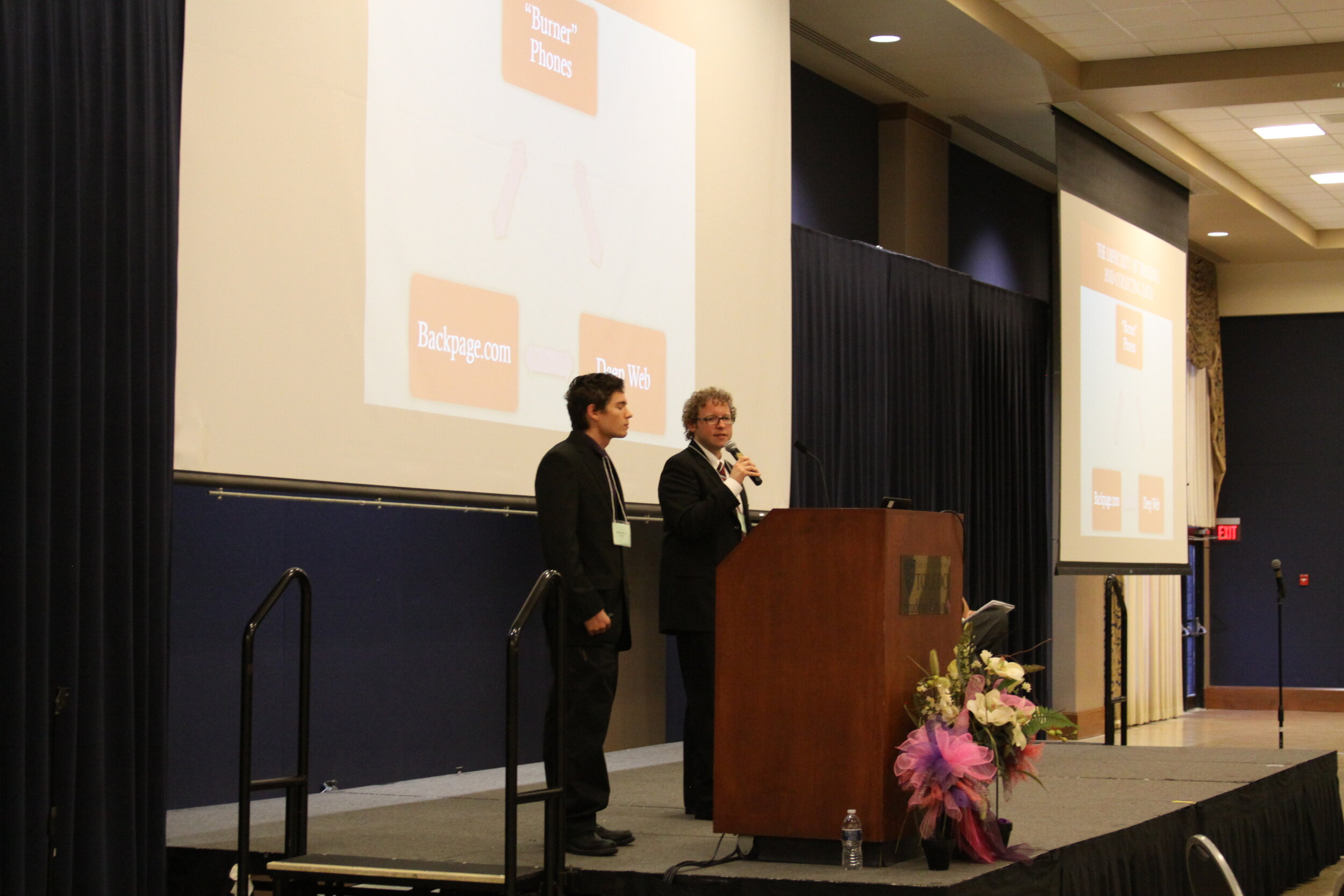
Although sex trafficking has been a social issue long before the conception of the Internet, the arrival of a world-wide network has increased sex traffickers’ reach and anonymity, potential victims’ vulnerability, and buyers’ selection. Via the Internet, sex traffickers can advertise trafficking victims anywhere in the world. When the trafficker decides to relocate the victim, they can easily change the name and number associated with the victim online. Traffickers can link the victim’s contact information to a “burner” cell phone that authorities are often unable to connect with a real identity. However, data mining initiatives allow law enforcement agencies and researchers to gather and analyze data from webpages that potentially contain sex trafficking information. For example, DARPA created the Memex program in order to index the data from webpages on the Deep Web. The Memex program shares similarities with popular search engines, which index the webpages that most users access every day. Gathering and analyzing data in new ways will allow for a greater understanding of how sex trafficking is being performed in the digital world, by providing insight into the modus operandi of sex traffickers, and providing valuable information about the victims themselves.
Presentation Objectives:
· To describe how the advent of the digital age has influenced sex trafficking, as well as sex trafficking prevalence data;
· To articulate the difficulty of tracking and collecting information about sex traffickers online;
To explain several possible solutions being implemented to aid researchers and law enforcement agencies. Presentation Objectives:
· To provide the results of the 2015 & 2016 Youth Experience Survey
· Contrast non-sex trafficking needs with victims of trafficking to help guide client needs
· To discuss how to expand prevention and interventions for trafficking victims within a homeless, youth serving program
· To build engagement strategies for existing clients to share their experiences and access services
To leverage community partners for needs such as legal, medical and housing.
Presentation Objectives:
· To learn what human trafficking looks like in rural communities
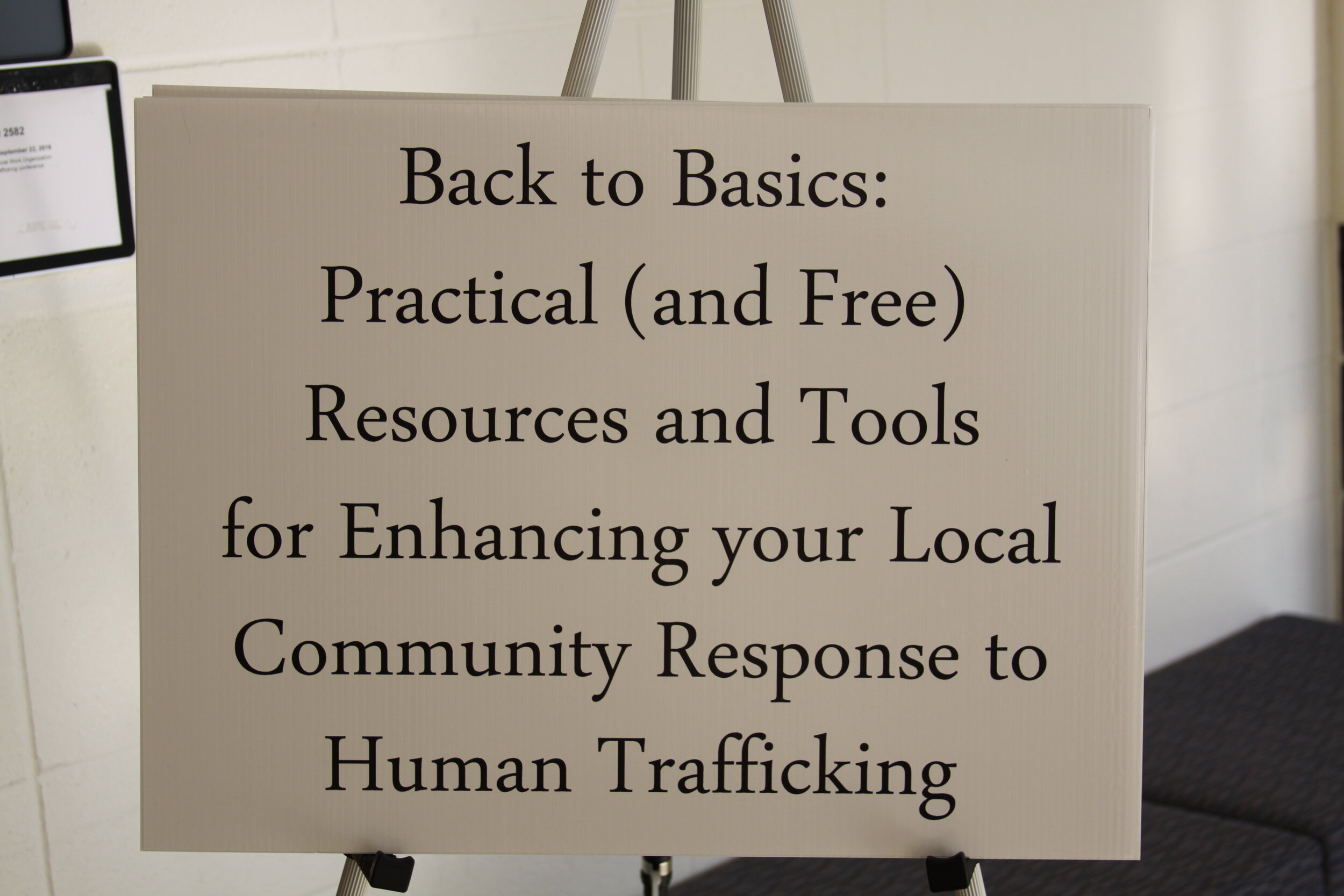
The Governor’s Ohio Human Trafficking Task Force was created in 2012 to help exploited children and adults facing dire circumstances in Ohio. Since its creation, partnerships with task force agencies, federal entities, and grassroots coalitions have yielded tremendous results in combatting trafficking in the state, particularly by building applicable and relevant resources that allow advocates and community leaders to enhance their local response to trafficking. Participants will leave this session with a greater understanding of how to practically utilize, apply and adapt existing tools and resources, all of which are free and readily available through the Task Force. This session will cover the key components that make up a strong and holistic response, and attendees will walk away with tangible and substantive information and tools to support and enrich their agency’s trafficking response.
Specifically, participants will walk through sample protocols for coalition building, learn about victim service standards and an online toolkit designed to support effective outreach to victims, review state and federal funding sources, and more. The tools, resources and protocols covered in this session were created in partnership with state, local and federal organizations, and are intended to be adapted by communities throughout Ohio working to address the crime of human trafficking. By attending this session, participants will gain practical, concrete information to support their day-to-day work in responding to trafficking.
Presentation Objectives:
· To learn what human trafficking looks like in rural communities
Friday, September 23, 2016
8:00
Registration & Continental Breakfast
Student Union
8:30
Morning Welcome
Room Ingman
Human trafficking is a health problem. Healthcare professionals play an important role in both identifying, treating and assisting victims of trafficking. Studies have shown that a majority of human trafficking victims report seeing a healthcare professional at some point while being trafficked. This presentation will focus on the scope and nature of child sex trafficking and commercial sexual exploitation in the United States. It will also address the health care needs of victims and how the medical provider may assist in detecting and identifying victims when they present with other complaints.
Presentation Objectives:
· To be able to identify risk factors for exploitation as well as potential indicators of victimization of children.
· To become familiar with health care needs of victims of human trafficking and how to address these needs and refer patients for medical care.
· To be aware of how to make a report of suspected victimization as appropriate.
To become knowledgeable about available resources for victims and healthcare providers.
EHTP is a coordination of programs which seek to make awareness about Human Trafficking (HT) on college campuses. The EHTP program facilitates a cooperative network of students and faculty to inform the community and facilitate students taking a role in breaking the chains of modern day slavery. This collaborative project creates original materials designed to speak to fellow college students and empower students to speak up for those who cannot speak for themselves. EHTP is a campaign to design a program to raise awareness against Human Trafficking on college campuses to lead youth to produce their own materials to educate other youth about Human Trafficking. This movement is called, “the Yellow Butterfly Campaign”. Youth are the next generation of leaders for our communities and deserve every chance and opportunity, which might assure them a better life in the future. Through the Yellow Butterfly Campaign, youth at college level will be facilitated to use their skills and cultural knowledge to transfer and translate a message and facts about human trafficking to different mediums to speak to other youth. In other words, this project may be called, “Youth gets empowered for and by Youth against Human Trafficking.”
EHTP encourages learners and educators to work cooperatively on human trafficking issues and enables youth to understand the complex realities and processes of today’s modern day slavery to develop values, attitudes, knowledge and skills, which will allow them to face the challenges of an interconnected world of crime, corruption, and chaos.
This paper provides a critical analysis of the law and practice on human trafficking in the Commonwealth Caribbean. More specifically, it provides a socio-legal critique of the gaps in implementation of anti-trafficking law, drawing on empirical research conducted in four Commonwealth Caribbean countries. It identifies, in particular, the shortfalls currently being experienced between law and practice from a normative, institutional and rights-based perspective. It also considers nuanced approaches in other jurisdictions, and argues for a more synergistic response to human trafficking in the region, in the interest of protecting victims, preventing the rapid growth of the phenomenon, and prosecuting perpetrators.
The workshop will show Willie Knighten’s TED talk on the inconsistencies of the criminal justice system and how to advocate for people returning to our communities who leave our jails and prison systems (Returning Citizens). Willie will share his personal triumph over incarceration and criminal lifestyle. Individuals should learn the barriers and hardships for people leaving jail and prisons, the need for criminal justice reform, and the mentality of people in and out of prisons. The workshop will provide service providers the key when working with this particular population.
David is the author of “Reconciled…#I Got Well”. Being a person in long-term recovery from a substance use disorder, he has been inspired to share how the spiritual side of recovery is the foundation of holistic wellness. Reconciled exposes the relationship between God and man, solidifying the intimacy needed for long-term recovery. He has assisted in the development of the recovery coach/peer specialist duties and task as a paraprofessional in the state of Ohio, along with being one of two recovery coach trainers-of-trainers in Lucas County. This workshop will create a positive atmosphere to challenge the most misunderstood health disparity in America. Individuals will learn the stigma associated with addiction and how it prevents people from staying abstinent. Attending this presentation, participants will hear a story of recovery that will keep social workers, health care providers and concerned citizens striving for more social justice! “I am not an addict, addiction was my chronic condition, I am a man…. #I Got Well!”
The concepts of trauma and trauma-informed care have continued to change and grow over the years. What does this really look like in an agency providing intensive survivor services? In this workshop you will have the opportunity to join us as we walk through three survivor stories highlighting the honest realities of this challenging but rewarding work. Through these stories we will share intimately about our experiences in working to provide holistic trauma-informed care, vicarious trauma, and the traumas of “collaborative” work. Just as the concepts of trauma and trauma-informed care have evolved, the ways in which we celebrate and grow the work we do with survivors also evolves. Please join us for an open discussion on these topics so that we may all learn from each other!
The use of drugs among those involved in sex work, prostitution or human trafficking is well known. While not everyone uses or is addicted to drugs or alcohol, for many prostitution or sex work serves as a means to an end of getting the substances they need. For others, while initially they are drug free, they may eventually turn to substance use/abuse as an act of self-medicating to numb and distance themselves from the reality of what they are experiencing. And then there are those who are forced to take drugs by their pimps or traffickers as a means of controlling them to ensure that they will do as they are told. But whatever the reason for the use, the outcome of substance use and abuse can have severe consequences both physically and emotionally. In addressing the individual’s recovery, aside from helping the individual heal from the sexual exploitation, it is important that we help them in their recovery from drugs and alcohol. This presentation will discuss the most common types of drugs abused; what their side effects, risks and benefits are; and appropriate forms of treatment.
Presentation Objectives:
· Name the 5 most common substances used by those in the sex trade;
· For each substance named, discuss its impact on the user as well as several common and serious side effects; and
Describe an appropriate form of substance abuse treatment for a given substance.
When working with Asian-Born victims of Human Trafficking, no matter whether it is labor or sex trafficking, the concept of “one size fits all” does not apply to them. The trauma-informed care model requires integrating cultural, historical and gender issues. The case planning would require an understanding of their needs, gaining their trust, and empowering them with their own voices and choices.
The presenter will share the toolkit built by her agency and discuss what they have learned, the challenges they face and will continue to face, and what they would like to accomplish by applying this model. Ms. Chen will also demonstrate why “one size does not fit all” to illustrate the importance of having a culturally appropriated case management plan when working with Asian-Born victims.
Human Trafficking is a heinous crime, and it exists everywhere in this country as well as in the world; there are no certain patterns, types, or groups. Often there is a cross section between labor and sex trafficking, so it makes it even more difficult to build a particular model. However, this does not stop us working to save the women, the victims and their families. Ms. Chen will talk about the importance of partnerships and demonstrate how it worked for her agency and the lessons they learned for all agencies involved.
The purpose of this presentation is to discuss the role of the media and how it influences people’s mindset and how we respond to events. Danielle will do this by explaining victimhood (good victim vs. bad victim) and how these terms are influenced by the media and people’s perception. Throughout this presentation she will be referencing media framing-- which is the action of shaping or directing one’s thoughts, actions, powers, etc towards a certain cause or purpose. To be clear framing is the study of communication in which the source selects some facets of events, problem, or issue and make connections among them as to promote a particular interpretation.
This is absolutely the case when it comes to a good rape victim versus a bad rape victim. The media highlights a good rape victim as a woman raped by a stranger in a dark alley. Reality tells us that the majority of rapes happen by acquaintances “people we know”. However, it is the victims of those rapes that are identified as the bad victim due to media’s portrayal of what a good rape is. The media currently focus more on the rape victim and their behavior than that of the offender. The media must change its coverage of highlighting the victim to highlighting the wrong action of the offender to help bring justice to the survivors. Purpose of this session is to highlight media framing, explain the truths about RAPE, and to possibly address a solution moving forward.
9:00 - 10:00
India is a source, transit and destination country for trafficking in persons, especially women and girls. Mumbai, in particular, is a hot spot of commercial sex activity with trafficking as a major contributor to the brothel workers in its infamous red-light districts of Kamathipura and Falkland Road. Despite heightened interest in trafficking survivors in non-Western countries, most of the data comes from large-scale survey studies and most focused on HIV and physical health status. Rich qualitative data on the developmental trajectories of Commercial Sex Industry (CSI) survivors are largely nonexistent.
To help fill gaps in the literature, this study sought to: 1) Examine the childhood experiences of women working in the brothels of Mumbai; 2) Examine life within Mumbai’s CSI, with focus on participants’ adult relationships with family and key figures associated with brothel-based work (e.g., clients, brothel keepers, peers), and 3) to examine participants’ ability to exit Mumbai’s CSI if they so desired.
Data were collected in Kamathipura, one of Asia’s largest red-light districts and Falkland Road, a sister red-light slum district, 1km (.6 miles) from Kamathipura. Each houses approximately 5,000 – 7,500 brothel workers.
The PI collected interview data from brothel workers in Kamathipura (n =15) and Falkland Road (n =15); she was assisted by a bi-lingual (Hindi/English) doctoral student. Data were translated and transcribed into text. Transcripts were then analyzed using Thematic Analyses (Aronson, 1994); results of which will be presented.
What was I thinking? Bringing 24 survivors of human trafficking and sexual exploitation together for a weekend of healing certainly brought many challenges. I wanted to change their deep rooted image of being a sinner and make them feel saintly. Was it hard? You bet. Was it rewarding and life changing? You bet. Come listen to the results of our Survivor Retreat and how to help survivors thrive. Listen to other survivors who attended the retreat tell how it helped them grow. #Floresstrong
Although hardly discussed, boy prostitution occurs in Sub-Sahara Africa. This study, which appears to be the only one of its kind, explored the characteristics of boy prostitution in a major city in West Africa. This study used a quantitative descriptive design based on a survey instrument. A convenience sample of 13 male minors participated in the study. The findings show that none of the participants were homeless or runaway children. Most of them lived with their families while practicing prostitution. Adverse life events respondents experienced prior to entering prostitution include sexual abuse, sexual assault, and family dysfunction. The findings do not show any criminal networks involved in boy prostitution. Respondents’ prostitution practices and the environment of such practices were explored. The findings show a high level of awareness of and protection against sexually transmitted infections among the respondents. Respondents experienced violence by clients, people in the community, and the police. They primarily relied on peer networks and non-governmental organizations for support and assistance. All the participants stated their intention to quit the sex trade. Implications for practice, policy and research are discussed.
Presentation Objectives:
· To show the prevalence and characteristics of boy prostitution in West Africa;
· To highlight the influence of environmental factors and culture on boy prostitution practices;
· To explore issues of protection against STIs and violence among boys in prostitution;
To discuss challenges boys in prostitution face in accessing assistance; and
To contrast the lessons learned from this research with the literature on boy prostitution.
Backpage is the single biggest advertiser of commercial sexual transactions in the United States. Because the number of advertisements continue to grow, Backpage has become a target in both civil and criminal investigations. Many private plaintiffs have sued Backpage for its alleged role in advertising underage youth. Most of these lawsuits have been routinely dismissed on the premise that Backpage, as a website creator, does not have adequate control over the content of the advertisements to be liable for sex advertisements. Recent state court decisions, however, have allowed these lawsuits to proceed against Backpage on the basis that Backpage's "guidelines" facilitate trafficker's illegal practices. Government officials are lashing out against Backpage by urging credit-card companies to disallow any charges related to "escorts" or similar "adult advertisements". Finally, the United States Senate is currently investigating Backpage's role in furthering sex trafficking and recently issued a civil-contempt order against the company because Backpage refused to cooperate in the investigation. The prevalence of Backpage in the field of sex trafficking, the status of the legal proceedings involving Backpage, and the likely future of this website and similar websites will be discussed.
After exiting their trafficking situation, trafficking survivors are in need of a variety of healthcare and social services in order to begin the journey to holistic healing and wellness. Thankfully, in the United States we see an increasing number of organizations dedicated to meeting these needs. However, the growing number of aftercare oriented organizations raise questions as to the most effective approaches to trafficking aftercare, both from a client-focused standpoint and in the realm of organizational barriers and effectiveness.
Summarizing the findings of four years of doctoral research with multiple aftercare organizations, this presentation will focus on several outcomes.
Presentation Objectives:
· Have a clear understanding of the needs and barriers survivors face in aftercare,
· Have an up-to-date view of systemic barriers to success programs are reporting,
· Develop an awareness of the existing structures and guiding philosophies employed in the field,
· Explore how power dynamics are impacting the success and failure of aftercare,
· Discover how lack of collaboration and distrust between providers may be impacting everyone, especially survivors, and how we can contribute to a solution.
Additionally, this presentation will also address other issues revealed by field research, such as: survivor harm caused by trafficking organizations, problematic relationships with law enforcement, road-bumps experienced with survivor led initiatives in aftercare, and the split between faith-based and non-faith based aftercare initiatives.
Presentation Objective:
To have a solid, data-based understanding of these critical issues-- which impact not just aftercare programs, but the entire movement. Presentation Objectives:
· To show the prevalence and characteristics of boy prostitution in West Africa;
· To highlight the influence of environmental factors and culture on boy prostitution practices;
· To explore issues of protection against STIs and violence among boys in prostitution;
To discuss challenges boys in prostitution face in accessing assistance; and
To contrast the lessons learned from this research with the literature on boy prostitution.
This study focused on the impact of client suicide and suicide attempt on clinicians, organizational responses, and effects on future clinical practice. Participants involved in the study were clinicians based in various regions in Ohio that experienced at least one suicide or attempted suicide. The purpose of the study was to better understand the experiences of clinicians and to recommend appropriate formal and informal responses to support them. Confidential qualitative interviews lasting between one and two hours each were conducted with 60 clinicians from various regions in Ohio. Clinicians were asked to discuss their most distressing case, why it was the most distressing, how they were affected, how it affected their practice, the types of supports they received, and recommendations for clinicians, supervisors, and administrators. Findings include a number of experiences, effects, and recommendations.
Objectives:
· To provide information on the impact of suicide/suicide attempt on clinicians.
· To provide information on a range of helpful and least helpful organizational responses.
· To provide recommendations for providing support for clinicians that experience a suicide or suicide attempt.
Once a victim has made the deadliest choice of their life, to leave their abuser, the daily task of staying alive, maneuvering through court systems, community programs and their personal health are only the beginning stages to becoming a survivor. We will bring to light the realities a victim faces from the moment they leave through attendee interaction. We will present my (TSM) personal story along with having the audience participate in a victim's challenge.
A victim profile will be presented to each of the attendee's. To which at the moment they receive the profile, they are that victim and they are to utilize what information they have to go from victim to survivor.
Violence against American Indian women has been well documented, with Native women being the most frequent victims of physical and sexual violence in the United States when compared to other racial and ethnic groups (Pierce & Koepplinger, 2011). Although research about sex trafficking has well encompassed the methods of how victims are recruited and exploited (Baker, Dalla, & Williamson, 2010; Dalla, 2006; Dalla, Xia, & Kennedy, 2003; Greer, 2013; Farley et al., 2011; Johnson, 2012; Kennedy et al., 2007; Kennedy et al., 2012; Pierce & Koepplinger, 2011; Pierce, 2009; Roe-Sepowitz, Hickle, Cimeno, 2012; Roe-Sepowitz, et al., 2011; Williamson & Cluse-Tolar, 2010; Williamson, 2005; Williamson & Folaron, 2003), only a handful of studies have focused on the sex trafficking experiences of American Indian women. This study sought to collect and disseminate new knowledge about sex trafficking among and within American Indian communities in Arizona, and to discover the unique vulnerabilities and intervention needs of American Indian persons. The sample was derived from surveys that were completed from January 2011 through June 2015 by 784 individuals participating in the city of Phoenix Prostitution Diversion Program. Thirty-three (4.4%) of the respondents identified as American Indian. Results demonstrate significant trauma histories and abuse experiences, as well as new insight into the specific vulnerabilities and exploitation experiences of American Indian women. Results and further research plans will be discussed.
An existing hiatus in empirical research related to the use of ‘juju’ rituals as a spiritual or psychological control mechanism by perpetrators to subjugate victims of human trafficking for sexual exploitation has underscored the need for further exploration. The phenomenon is shrouded in secrecy and little is known as to what juju entails and how it is used to subdue victims. The presentation will focus on knowledge gained in the South African context whilst illuminating some of the multi-layered complexities associated with the use of juju as a control mechanism. In-depth interviews with participants in the field contributed to the unveiling of this phenomenon in the South African and broader counter-trafficking context. Juju is a reality that numerous victims of Nigerian traffickers have to contend with. The presentation will show how traffickers use juju rituals as an effective control mechanism and catalyst to instill profound fear among victims, whilst compounding efforts by response agencies and criminal justice practitioners to combat human trafficking. Suggestions for counter-trafficking activities and recommendations for future research are offered. Finally, acknowledging the experience deficit among criminal justice practitioners in responding to arcane methods used in the human trafficking process, the presentation will underscore the importance of perspectives from, among others, sociology and African Traditional Religion to be included in research and human trafficking combating efforts.
10:10 - 11:10
11:15 - 12:15
This presentation will include detailed information of what the sexual assault nurse examiner is able to do for victims of sexual assault. An explanation of the extensive training the nurse must complete to be considered SANE-trained will be discussed as well as how the patient benefits from a sexual assault exam completed by a trained SANE nurse. The team approach and what is included in a forensic exam will be explained. This presentation will conclude with a few case studies of patients that were seen and treated by SANE-trained nurses.
Persistence of human trafficking in Tanzania is reported to be exacerbated by many factors including patriarchal systems, poverty, peer influences, job opportunities and availability of social services to mention a few. Lack of knowledge and skills, has been thought to catalyze the situation more as compared to others. In a research study conducted in Arusha Municipality involving girls who are victims of human trafficking and other stakeholders; it was found that destitution of rural families, forced marriages, peer influences, broken families and gender based violence were among the root causes which led these young girls to become prey to traffickers. The study also revealed that these young girls faced a lot of challenges including being overworked and being unpaid, being tortured physically and emotionally. Some of these girls experienced other challenges such as sexual abuse and in some cases even contracted sexual diseases. In combating the situation, the study recommends more drastic measures from the Government and other stakeholders including increasing awareness on Human Trafficking for the general public and encouraging victims to report human trafficking cases. The study also recommends that children who are most vulnerable and at high risk of being trafficked be checked regularly and if possible be supplied with their basic needs.
Penal labor within the prison system is common, and has been subject to much controversy, especially in the last five years. While the debate is heated and complex, one commonly ignored aspect is the use of penal labor by private prisons. Private prisons make up 16% of federal prisons. Similar to federally-run prisons, private prisons use penal labor to perform “institutional maintenance” and to pay for “room and board”. Private prisons receive a static amount of federal funding to hire employees to do this work. This begs the question: How and to what extent can and do private prisons use penal labor to cut costs and increase their bottom line? This study seeks to answer this question by examining the use of penal labor in Federal Private Prisons and explores the connection between labor in these prisons and labor exploitation, forced labor, and human trafficking.
Presentation Objectives:
· Outline the debate surrounding the use of penal labor and the laws around the use of penal labor in U.S. federal prisons;
· Examine how private prisons make a profit and how that is connected to the use of penal labor;
· Explore the use of penal labor in private prisons and the connection with forced labor and human trafficking;
Outline action goals and tools to address this issue of forced labor and human trafficking in federal private prisons.
Most victims of sexual violence experience some level of Post-Traumatic Stress. A majority are diagnosed with Post Traumatic Stress Disorder (PTSD), which can include extreme levels of anxiety. The goal of the presentation is to determine if individuals with anxiety disorder diagnoses are more vulnerable to sexual trauma and also to examine the number of survivors that are diagnosed with an anxiety disorder after having been victimized. Presenters will discuss whether anxiety disorder diagnoses as a result of sexual trauma are appropriate, given that a diagnosis of Post-Traumatic Stress Disorder involves symptoms of anxiety.
Both presenters come from a background of victim-centered care and will examine the aforementioned issues from both an advocacy and clinical standpoint. Issues will also be examined and discussed from a personal standpoint, as one of the presenters is a sexual trauma survivor that also suffers from a diagnosis of Obsessive Compulsive Disorder. The presentation will begin with this survivor’s story and explanation of how her story can be applied to the stories of many survivors. The program will conclude with recommendations for clinicians and victim advocates for trauma-informed care with anxiety disorders as a priority.
Presentation Objectives:
· To examine the prevalence of anxiety disorders amongst sexual trauma survivors.
· To create dialogue about the overlap between anxiety and victimization; before and after the incident(s) of sexual violence.
To be a cautionary tale about making diagnoses and recommendations too hastily; without fully examining the part that trauma may play in an individual’s symptom of anxiety.
Prostitution is often experienced and regarded as a form of oppression and abuse. In the last decade, it defined by a growing number of professionals, academics and politicians in Israel as a social problem requiring societal response. While many people in prostitution are seen as victims who deserve adequate social and therapeutic services, prostitution-centered intervention is rarely provided by social workers in public services in Israel.
The objective of this presentation is to share the findings of several studies conducted in Israel, using both quantitative and qualitative methods, aiming to learn about the response to and perceptions of prostitution by several groups of social workers.
Dr. Peled will first present the findings of a study of 215 social workers in the Administration of Social Services in the city of Tel Aviv.
The main research questions were:
(1) Do social workers in municipal public services serve people in prostitution?
(2) How do social workers explain occasions when clients’ involvement in prostitution is known, but there is no discussion of our intervention in that matter?
(3) What factors are related to social workers’ willingness to intervene with people in prostitution?
Secondly, Dr. Peled will present the main findings from a series of 4 qualitative studies aimed at understanding the perceptions of social workers regarding prostitution and people in prostitution. She argues that social workers' willingness, choice and ability to intervene with people in prostitution is influenced by their perceptions of people in prostitution as normative/deviant, as victims/ agents, and as subjects/objects.
Art is very helpful in learning to sense another’s experience. Creative writing or a painting, for examples, can encourage the social worker to feel, taste, smell and see the realities of marginalized lives. Because empathy and connection are often created at the level of the senses, art is uniquely suited as a way to learn. Empathy is not only important on a micro-level, is important to raising awareness about cultural disparities and injustices. This paper will look at the use of art as self-reflection, a way to encourage empathy between professionals and clients, and as a way to inspire social action.
Any person whose identity, status, labor, or serostatus should have a range of remedies available to them to fight and to right the wrongs they face under systems of criminalization. Unfortunately, this is too often not the case. The remedies available to people profiled, arrested, and convicted due to their age, race, socio-economic class, gender identity, serostatus, and/or actual or perceived work in street economies or erotic trades, are composed of a web of esoteric rules and regulations, oftentimes lacking adequate publication or resources for those eligible to take advantage. This session will outline common problems faced by these communities, along with typical remedial models including: immunity, affirmative defenses, diversion, sealing, expungement, vacatur, and pardon, along with the drawbacks and benefits of each. The session will conclude with a group brainstorm and participatory discussion of how our communities and organizations can work to improve existing remedies and what other remedies we should fight to establish.
Lunch by Carolyn’s Catering
Auditorium
12:30 - 1:30
Title IX legislation dictates how universities in the U.S. investigate and respond to campus sexual violence. Low reporting rates of sexual violence occur within all demographics; however, oppressed identities often reflect the lowest reporting rates. The LGBTQ-identified community actually experience sexual violence at higher rates than heterosexual-identified persons on American college campuses, but have additional barriers when reporting. Twenty-four percent of Transgender, Genderqueer or gender non-conforming, Questioning, or Not listed (TGQN) undergraduates report nonconsensual sexual contact on college campuses. Sixty percent of gays and lesbians report being sexually harassed compared to 45.8% of heterosexuals. Qualitative research methods were used to understand the intersectionality of oppressions related to sexual orientation, gender identity, and public policy, particularly the relationship between Title IX on college campuses and LGBTQ/minority students. The aim is to better understand LGBTQ-identified people who experience(d) a form of sexual violence on a college campus and how their intersectional identities (race, class, gender, ability) impact(ed) their agency when reporting to legal or campus authorities. Whether resources (emotional, mental, physical, legal) were used by students was examined. An ethnographic, feminist methodology was used to inquire how Title IX is understood by minority/LGBTQ-identified students and how Title IX impacted students seeking support in the American academy.
Presentation Objectives:
· To discuss the impacts of Title IX and policy on minority populations at American universities.
· To raise awareness of social justice issues affecting LGBTQ students.
To engage with service providers and faculty within the academy to discuss how they can work with students and create progressive policy change on campuses.
How can people working in the helping profession support trafficked clients that become “stuck” in the counseling process? What are the benefits to using expressive interventions? How does trauma affect the brain? This engaging and interactive presentation sheds light on recent research findings that highlight the neurobiological benefits of using creative interventions. Attendees will learn trauma-sensitive creative approaches that can be easily implemented with survivors of sex trafficking or across a wide variety of settings. Attendees will also be engaged through the use of relevant case studies, open dialogue, and small group work to practice the use of pictorial narratives.
Responding to human trafficking requires collaborative effort; no single person, agency, or professional sector can be truly effective working alone. Yet the failure to effectively collaborate is the most common stumbling block for anti-trafficking organizations. Why is collaboration so difficult to initiate, achieve, and sustain?
Together we will explore why collaborative efforts most commonly fail, how we can become better collaborators as both individuals and as organizations, and – most importantly – what true collaboration can achieve. Learn how we all play a critical role in the response to human trafficking, while we unlock key steps we can take to create partnerships that will help all of us enhance our individual—and collective—response to modern slavery.
There is a need for more long term programs for survivors of human trafficking. The need is great and research shows there are less than 1000 beds across the country for survivors to find long term help. In this session you will learn the basics of starting a home and funding its long term success. Refuge for Women has 3 homes for survivors in Kentucky. They have been operating since 2009 and have been able to work with survivors from 14 different states that have sought services. They have effectively launched a home in Las Vegas and Chicago. In 2017, homes are set to open in Miami, Atlanta, and North Texas.
This workshop will present research on youth and adults returning to our community and highlighting the barriers one must overcome to maintain their freedom. This presentation will educate the audience on current work going on in the community to promote social change to assist returning citizens (formally incarcerated) overcome collateral sanctions. Typical reentry programs focus on “soft skills” and “mental toughness”. However, without the proper advocacy for returning citizens to regain back their civil rights nothing will change. Community synergy is necessary to reduce recidivism and help returning citizens overcome being a second class citizen. Finally, the presentation will highlight the struggles experienced as a convicted felon and how I overcame many significant barriers.
This workshop will present findings from a one-day cross-sectional look at escort advertisements from every Backpage.com market in the US. Backpage.com currently is the largest advertiser of commercial sex in the nation. Law enforcement investigations and outreach efforts across the US have revealed numerous cases of human trafficking within the total universe of Backpage ads. A team of 60 volunteer researchers worked for 8 hours coding descriptive data such as number of ads, race, age, location, and so on. These are joined with US Census and other data in a comprehensive dataset of 400 Core Based Statistical Areas (CBSA) covering all 50 states and the District of Columbia. In addition to exploratory, descriptive analysis, quantitative and geographic analyses utilizing SPSS and ARCGIS explore relationships between ad data and potential explanatory variables such as percentage of male/female in population, poverty and income levels, and presence of major sporting/entertainment venues. Initial findings using state-level analysis have provided insights with implications for policymaking and advocacy efforts. E.g., preliminary analyses reveal that the per capita number of ads in a state is positively correlated with the percentage of females in that state’s overall population. In other words, commercial sex advertising appears to be driven by supply, rather than demand.
Presentation Objectives:
· To present an overall description of the national online commercial sex marketplace
· To identify factors related to the type and number of ads across the US
To discuss implications for anti-human trafficking and prostitution/sex work advocacy efforts.
Much research has highlighted the overrepresentation of LGBTQ, especially youth, in sex trading/trafficking. However, very little research explores the interplay of what sex buyers are seeking, victims/sellers’ sexual orientation and gender identities, and trauma. Furthermore, those within the LGBTQ community participate in sex trading along a continuum of experiences, some of which are considered sex trafficking. This presentation will explore qualitative data about the experiences of LGBTQ sex trafficking victims/individuals who trade or sell sex, and how homophobia and transphobia interact to create unnamed traumas for these victim/sellers. Data for this presentation come from a subset of interviews (N=156) conducted with social service providers and law enforcement personnel who work closely with victims of sex trafficking, sex buyers, and traffickers from across Minnesota (2015-2016). Participants described specific traumas related to LGBTQ identities: buyer preferences for transgender individuals as “fetish”; buyer preference for experiences with lesbian/bisexual women; LGBTQ victims/sellers who perform commercial sex acts outside of their own sexual orientation; and buyers who act violently to LGBTQ victim/sellers based on homophobia and transphobia. Understanding these specific unnamed traumas creates a more nuanced understanding of sex trading/trafficking that is more inclusive of LGBTQ experiences. Traditionally, sex trafficking has been viewed from a heteronormative and cis-gendered perspective and this can have unintended consequences for law enforcement investigations and social service provision. This presentation seeks to explore the ways that LGBTQ individuals face challenges specific to their identities within situations of sex trading/trafficking.
1:30 - 2:30
Previously, sex trafficking was the main topic of human trafficking study in India. But the post liberalization lifestyle changes in India has generated an increased demand for labor trafficking. Specifically, for people who can work in houses, offices, entertainment and the leisure industry which is largely informal in nature. Informal workers, make up 90% of the workforce in India which generally turn out to be labor trafficking situations.
The Indian real estate market is expected to gross $180 billion by 2020 where the housing sector alone contributes to 5-6% of the country's Gross Domestic Product (GDP). The real estate sector consists of four sub sectors - housing, retail, hospitality and commercial. There is huge demand for unskilled labor in real estate as well as for household assistance and domestic servitude. The demand is higher than the supply of man power resulting in women and children being pulled into cities to work in exploitative situations.
India is going to witness more trafficked victims in the form of domestic servitude and bonded labor along with a rise in illegal organ transplantation. The legal procedure to receive organ donation is too cumbersome that the recipient often dies before the official procedure gets completed. Consequently, traffickers are addressing this scenario by facilitating organs with the help of doctors in their network often by offering a huge share of what they get out of organ trading.
Presentation Objectives:
Attendees will learn about specific cases of labor trafficking as mentioned above.
i.e. Domestic servitude, workers in real estate as bonded laborers and illegal organ trading in India
Through the story of a survivor of human trafficking, the impact of occupational therapy as a form of innovative treatment will be shared. A journey that includes breaking free from human trafficking, recovering from addiction, addressing and moving past life traumas, and learning how to live a new and successful life will be shared from a survivor and her occupational therapist. The most effective treatment for survivors of human trafficking include treatment involving, but not limited to job placement, independent living skills, housing, basic needs, health education, educational opportunities, trauma specific treatment, social skills, and any other needed skill building areas. As part of a team, occupational therapists address these issues holistically from assessment to treatment. Survivors of human trafficking benefit from skill development such as self-care, financial management, employment, meaningful activity, meal planning and preparation, community mobility, relationship development, problem solving, impulse control, and many other areas. Occupational therapy played a big role in the recovery of a survivor in Hancock County who will share her story to increase empathy for individuals who struggle with substance abuse, trauma, human trafficking, and life skill development. Through the lived experience of a survivor, a story from leaving her situation to building a coalition will be shared and how occupational therapy and a holistic approach to treatment was a success.
In this presentation, we explore the often-overlooked realities of individuals who participate in illicit sex markets and we dismantle widespread misconceptions about violent victimization and constrained agency as they relate to sex trafficking. Our discussion focuses primarily on: gender disparities in pimping and the relationship dynamics between pimps and sex workers; non-dualistic life experiences of sex workers who are both perpetrators and victims of violent victimization; and intimate partner violence experienced by sex workers whose abusers are unaware of their participation in sex work. We discuss the findings from two ethnographic studies conducted in New York City between 2011 and 2014. The first study, led by the first author, involved a comprehensive examination of the life histories of 15 female and 15 transgender street sex workers between the ages 18 and 30. The second study, led by the second author, involved in-situ interviews with 85 male pimps/traffickers in Harlem housing projects. Findings suggest that misconceptions about the lives and experiences of individuals participating in illicit sex market may thwart public agency and community-based organization efforts to help victims of violence. The misguided “one size fits all” treatment of individuals in the sex industry may inadvertently push away individuals who both need and desire assistance.Presentation Objectives:
· Participants will be able to discuss the framework of sensory integration.
· Participants will be able to discuss the relationship between the sensory integration and trauma.
· Participants will be able to describe the benefits of sensory integration in trauma informed care.
Participants will be able to identify sensory approaches to integrate into practice.
Empirical evidence indicates that individuals exposed to trauma are at risk of sensory processing deficits including defensiveness, modulation, integration and registration. Deficiencies in sensory processing are linked with poor emotional regulation, anxiety disorders, and depression. Sensory integration supports self-regulation of the central nervous system, attachment, and reduction of seclusion and restraint. The empirical evidence and utilization of sensory approaches in mental health practice has significantly increased over the last decade. The integration of sensory and trauma informed interventions are an emerging practice area in the treatment of trauma. This presentation aims to provide education about the framework of sensory integration, the impact of trauma on the body’s stress regulation systems, and the use of sensory interventions in trauma informed care. Participants will have the opportunity to administer sensory assessments and trial sensory interventions.
Presentation Objectives:
· Participants will be able to discuss the framework of sensory integration.
· Participants will be able to discuss the relationship between the sensory integration and trauma.
· Participants will be able to describe the benefits of sensory integration in trauma informed care.
Participants will be able to identify sensory approaches to integrate into practice.
Third-party work arrangements often originate in private social spheres (see Dank et al., 2014; Marcus et al., 2012; May et al., 2000). In sex markets, these overlapping spheres can foster a complex intimacy and economy nexus. Zelizer (2000) explores the sociology of purchases of intimacy using three approaches: ‘hostile worlds,’ ‘nothing but,’ and ‘connected lives.’ In the hostile worlds paradigm, if intimate and economic spheres collide, they are contaminated and chaos ensues. In the nothing but paradigm, spheres blend quite normally, but with a focus on uneven power dynamics. ‘Connected lives’ is where intimacy and economy co-exist through on-going negotiations some deeper connections form. Pimps’ perspectives about the economy and intimacy nexus map onto Zelizer’s three-fold typology.
Eighty-five third parties are interviewed in housing projects in Harlem about their labor, including their approach with sex workers. The crux of understanding this nexus is the relationship between a third-party and his ‘bottom bitch,’ (main sex worker). Third parties articulate specific management philosophies; however, their approaches are not static. Their intimate feelings for bottoms can develop over time or romantic relationships transform to friendship or distant business relationship. Based on comparisons of median weekly income, those who are more intimate with workers generate higher earnings.
Presentation Objectives:
· To explore pimps’ perspectives about the rules of intimacy with sex workers.
· To understand work/intimacy arrangements between pimps and sex workers.
· To investigate how arrangements may impact pimps’ work conduct.
To explore how the rule of intimacy in this work arena impact economic returns.
This interactive presentation uses longitudinal data collected from service recipients and staff to contextualize the benefits and challenges associated with the implementation of a new sex trafficking safe house in rural New England. Instruments used to evaluate resident outcomes include the: Post-Traumatic Stress Checklist-5 (Weathers, Litz, Keane, Palmieri, Marx, & Schnurr, 2013), Center for Epidemiologic Studies-Depression index (Radloff, 1977), and Protective Factors Survey (social-emotional support and concrete support subscales). Resident outcomes related to the program goal of providing trauma-informed treatment and support services to residents will be discussed. Staff experiences, which are equally important to consider when developing a comprehensive understanding of program impacts, were measured using the: Professional Quality of Life (Stamm, 2012), Secondary Traumatic Stress Survey (Bride, Robinson, Yegidis, & Figley, 2004), Trauma-Informed Practice Survey (Institute for Health and Recovery, 2011), Global Transformational Leadership Scale (Carless, Wearing, & Mann, 2000), and Adverse Childhood Experiences (CDC, 2013). The Program Director and Lead Evaluator will discuss the role that prior trauma histories, leadership characteristics, and trauma-informed practices play in regards to staff, and how this data can assist in monitoring staff perceptions of well-being, which can contribute to or mitigate staff turnover.
Participants will be able to:
· Describe the impact of an evidence-based, trauma-informed practice model on clients and staff;
· Articulate benefits and challenges associated with providing services to sex trafficking victims/survivors;
· Identify strategies for addressing challenges; and
Describe how data can be useful in informing the design of residential programs for sex trafficking victims/survivors.
My Life My Choice is a survivor-led agency in Boston, MA. We pair adult survivors of the sex industry with youth who have been sexually exploited. The goal of the relationship is to build rapport, build self-esteem and to provide a continuum of service to youth as they exit the commercial sex industry. As the first to provide this service, our goal is to:
· Educate others as to the benefit of the survivor mentor role
· Provide a trauma-informed service
To speak a language to these youths that only a survivor can provide.
In 2012, three sex worker activists came together to create a research project specifically designed to capture information from industry insiders, including sex workers, clients, and other individuals employed in the sex trades regarding their experiences with trafficking and coercive practices. Tired of biased, misinformed research on sex work conducted by academics and anti-trafficking organizations that seeks to further criminalize and marginalize sex work, they sought to conduct their own research, using their strength and knowledge as industry insiders to gather their own data regarding the impact of trafficking in the sex trade in the United States. Launched in 2013 in conjunction with DePaul University’s Social Science Research Center, the Erotic Labor Market Survey (ELMS), has gathered around 1000 responses regarding each respondent’s experience with trafficking or coercive practices within the context of being a worker, client, or employee/manager. This first ever research project of its kind was created by sex workers in order to provide other sex workers, activists, and academics a more accurate portrayal of trafficking in the sex trade. The presenters will share some of the preliminary findings of the research as well as the process they went through in developing this community-based participatory research project and working with an academic institution to develop a sound research process and methodology for the survey.
2:45 - 3:45
To date, no research study has explored the relationship between human sex trafficking and national baseball sporting events. This engaging and didactic presentation will present valuable research findings related to the frequency and descriptive statistics associated with 4553 commercial sex advertisements listed during the 2015 All-Star Baseball Game. Of note, transgender commercial sex advertisements (N = 634) were the second highest type of listing. This presentation will provide valuable information regarding the intersectionality between race, gender, and perceived demand for commercial sex. Presenters will utilize an open format that promotes questions and deep discussion. Areas for future research and counseling implications will be addressed.
Presentation Objectives:
· To develop a deeper understanding of the unique vulnerabilities associated with transgender women
· To discuss the research findings associated with commercial sex advertisements posted during the 2015 All-Star Game
To understand the prevalence and risk factors contributing to the sexual exploitation of transgender persons
The United States has more people incarcerated than any other nation, with the fact of mass incarceration and its sequelae exponentially worse in communities of color. The challenges and barriers to successful community reentry are formidable for individuals returning back to the community from prison following incarceration, with higher rates of serious mental illness and substance use disorders among the criminal justice population contributing to higher rates of recidivism. The proposed presentation will present an overview and the outcomes from the UT Mindfulness Meditation program, a collaborative service-learning project between the University of Toledo, Department of Psychology and the Volunteers of America (VOA) Community Reentry Program located in Toledo. Participants in the program are individuals serving the last 3-6 months of their prison sentence at the VOA half-way facility. Participants complete an 8-week Mindfulness Meditation program facilitated by University faculty and graduate students, as well as community members.
The curriculum is framed within the Mindfulness-Based Stress Reduction program by Kabat-Zinn (2003) and provides participants with psychoeducation about mindfulness meditation and self-regulation skills, along with an opportunity to practice a variety of mindfulness-based exercises, including mindful breathing, body scan, mindful movement, and mindful art activities. Pre and post outcome data are being collected to evaluate the effectiveness of the program in promoting better emotional regulation, mindfulness, and mental health functioning. Quantitative and qualitative results will be presented from two groups that have been completed to date, one with women and one with men, along with challenges and successes of the project.
Each year in Nepal an estimated 10,000-15,000 young girls are trafficked into slavery, most to India and the Middle East. They come from underprivileged families with little opportunity for the future. Many are deceived by traffickers who prey on the poor. These traffickers are networked both locally and globally with those who profit from modern day slavery. SAVE THE LIFE NEPAL promotes unity among those who want to end trafficking from Nepal.
Today’s culture is teaching girls that, from toddler age on up, they have but one purpose: using their sex for someone else’s pleasure. Before they even know what sexuality is, girls are being shown to perform sexuality through the activities they engage in and the merchandise which they play with and wear. Furthermore, such merchandise activities are marketed to children throughout their development glorifying “pimp culture,” which in turn glamorizes and contributes to human trafficking. The presenters will explore toddler beauty pageants, under-10 pole and topless dancers, sexualized toys for minors, Hello Kitty joining forces with Playboy, and many other pop culture examples of the obsession with sexualizing young girls and contributing to the vulnerability of children which contributes greatly to forced sexual slavery.
Presentation Objectives:
· Identify pop culture’s manner of sexualizing children from infancy to adolescence
· Identify and discuss the ramifications of pop culture’s obsession with child sexualization for the individual, women & girls, and society as a whole
· Identify the connection between sexual exploitation and human trafficking
Identify and implement ways to critically analyze and combat pop culture sexual exploitation of children
At the root of any social justice cause, there must be a strong sense of identity of one’s self and the cause for which one is promoting. Most people lack a clear understanding of their own identity. When someone lacks identity, they scramble to find pieces of themselves in material things, other people and even social causes, and often harbor limiting beliefs, self-doubt, and a lack of self-esteem, which can result in subtle but insidious depression.
Until one finds their own identity and commits to training themselves in it, they are not in the best position to help themselves or others. They can bring challenges to the social cause they are promoting, and even cause harm to themselves. It is imperative for those who are promoting social justice against human trafficking to understand their own identity.
Diana understands the search for personal identity because she, too, scrambled to find her own identity, and wrote about it in her autobiographical book, “Inspiration in My Shoes.” After years of attaining higher education, working high-level corporate jobs, leading a non-profit organization, and joining social justice causes, she found that this identity struggle is all too common among the highly educated. The more confident she became in her own identity, the more effective she became at leading social change.
She helps people ground themselves in their own identity to equip social justice leaders in human trafficking prevention efforts, which can also alleviate the factors that make people vulnerable to trafficking.