
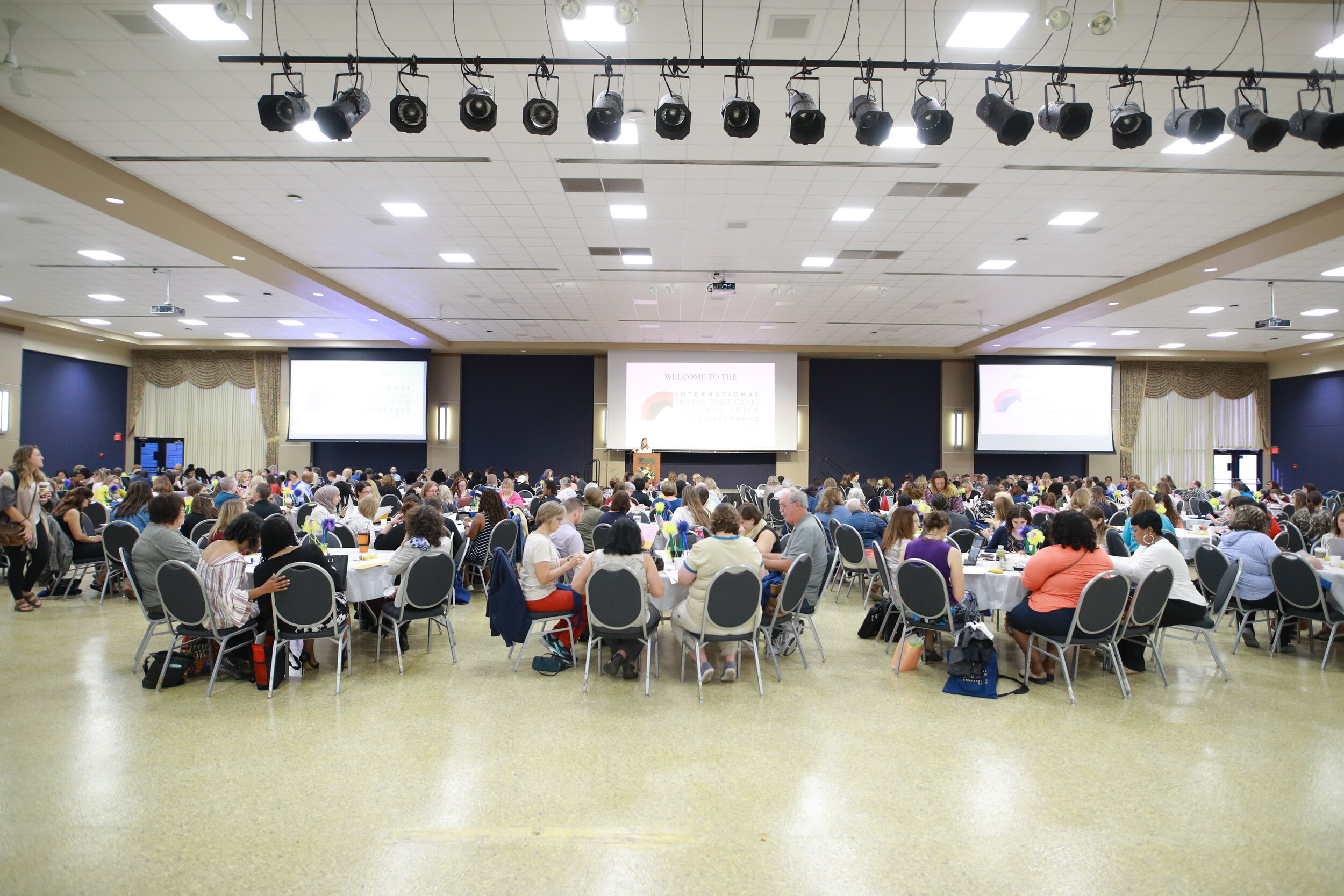



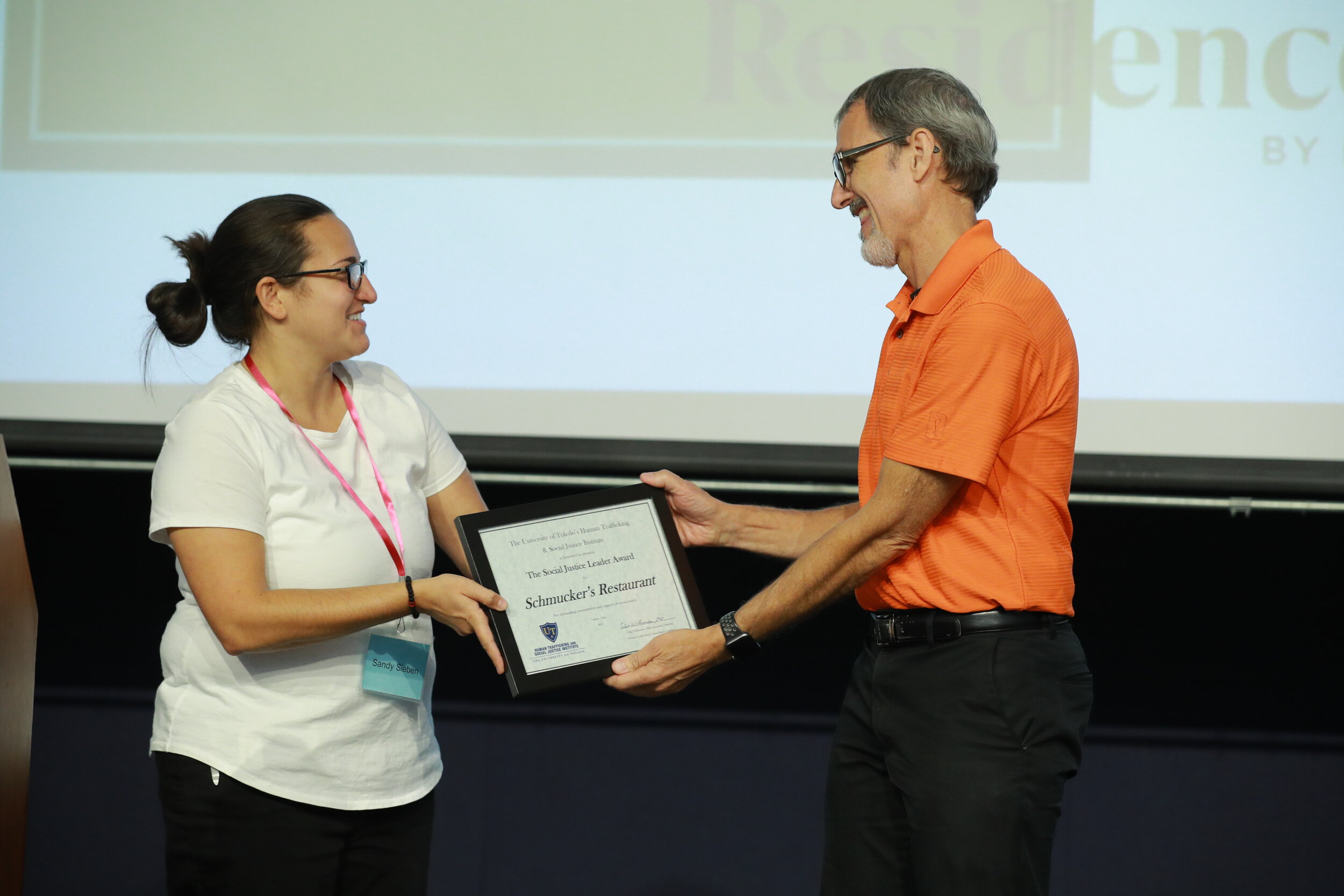
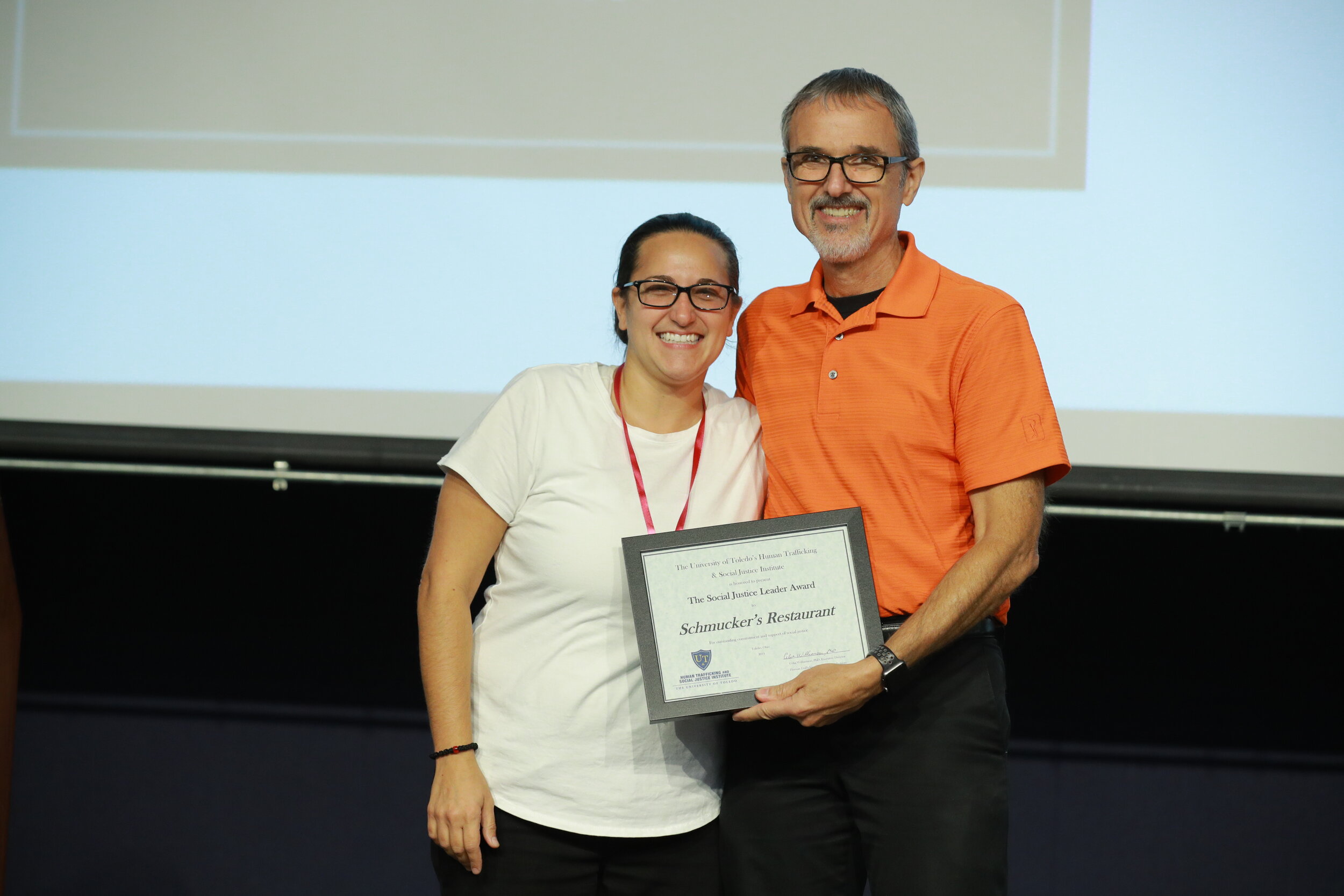
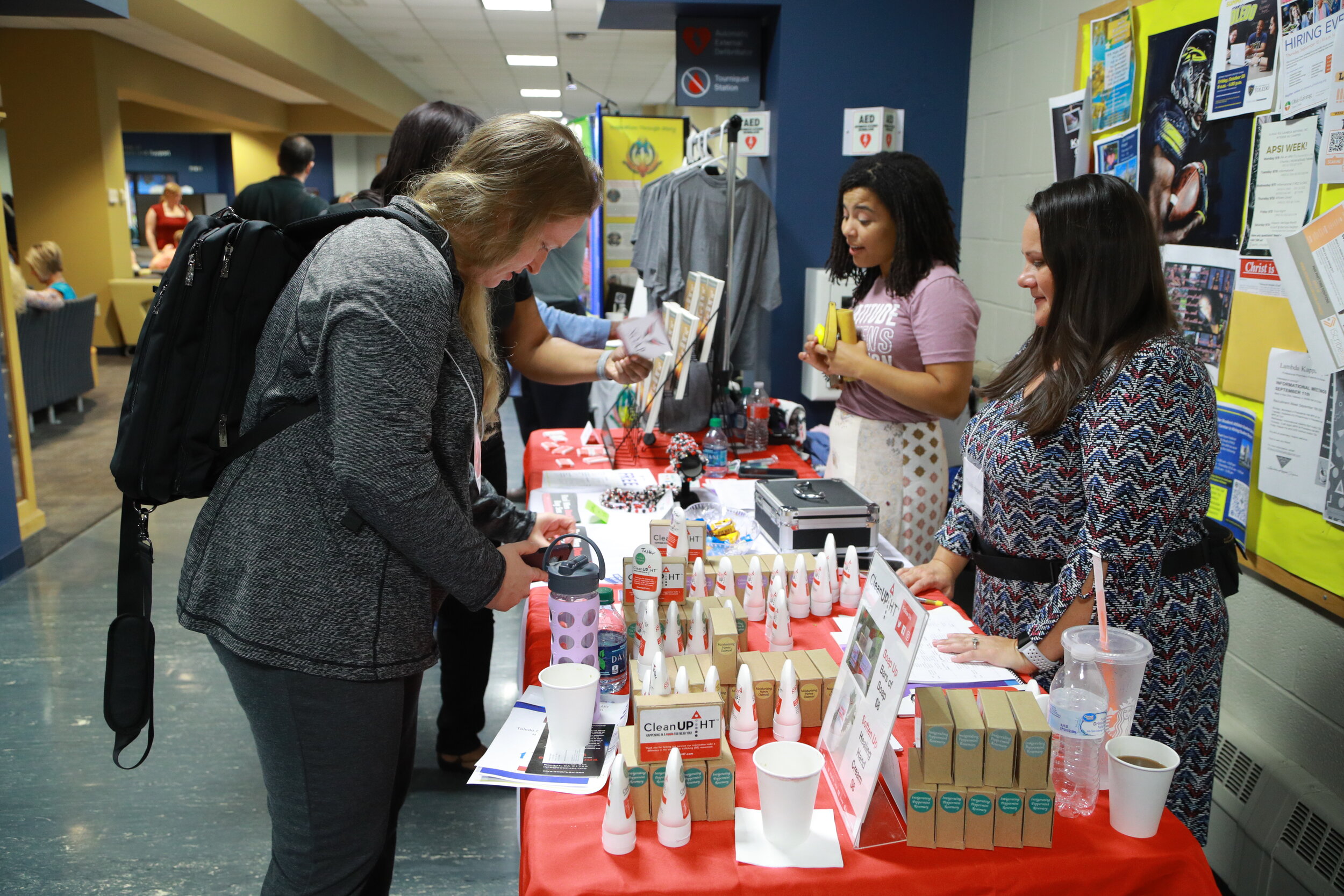

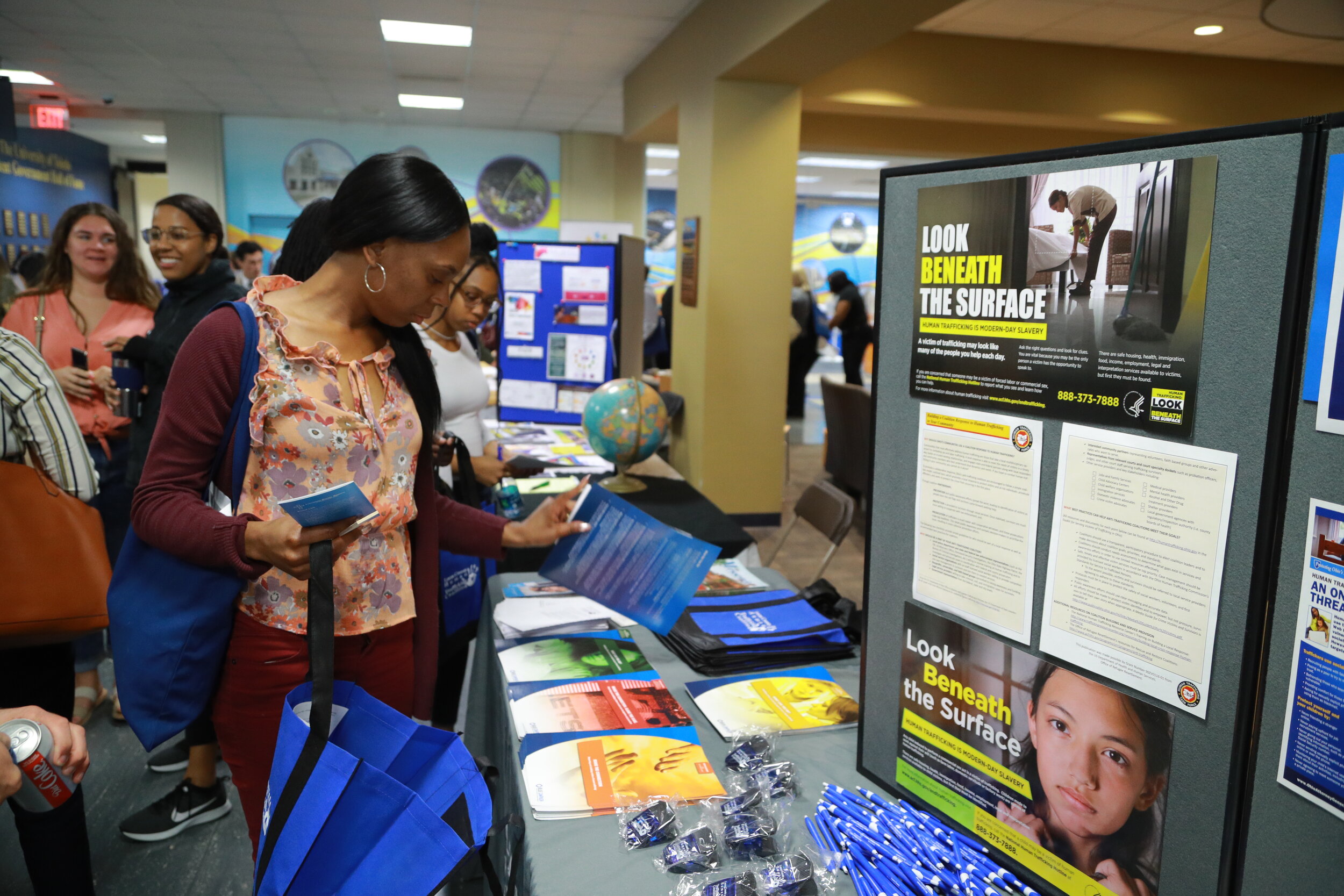
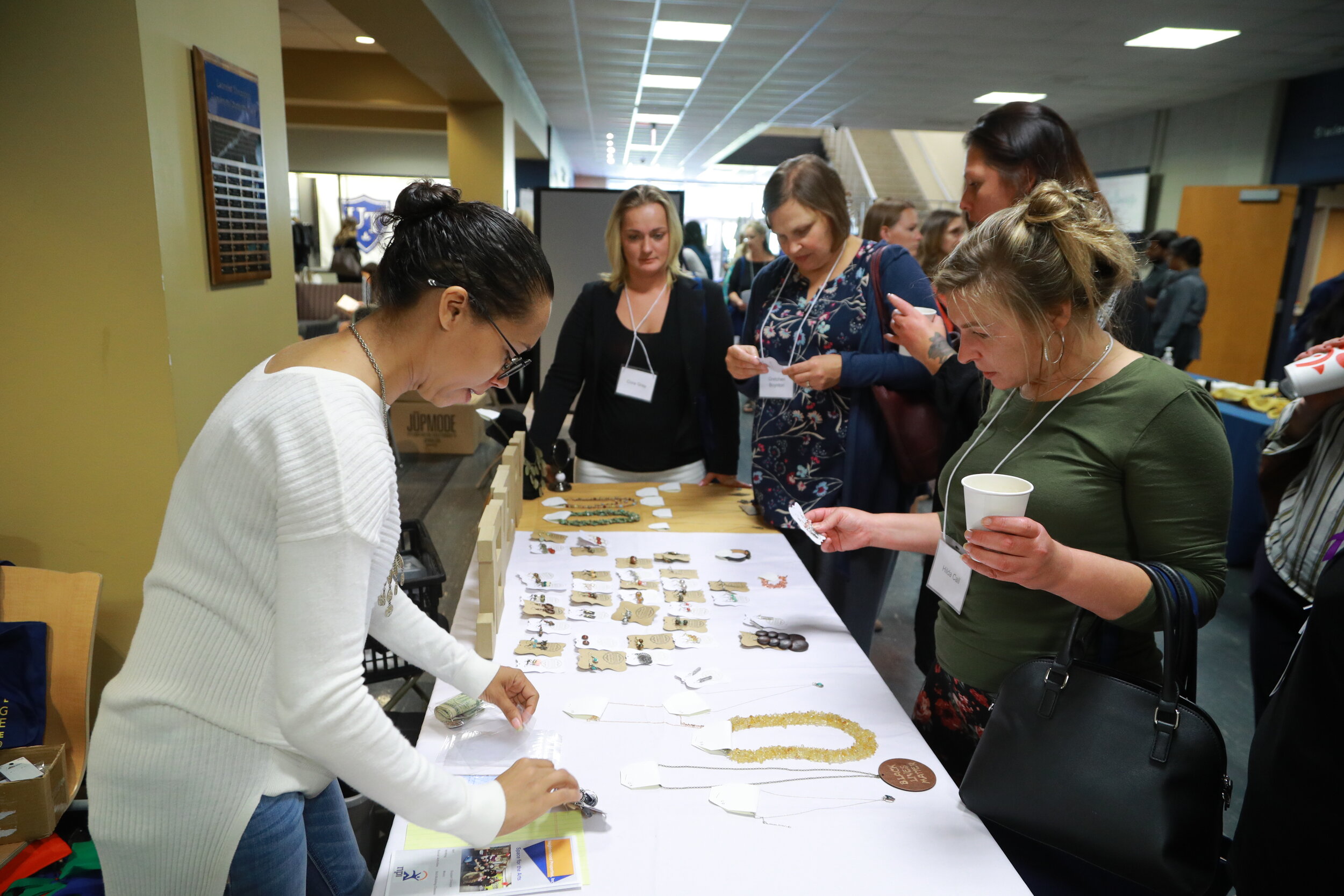
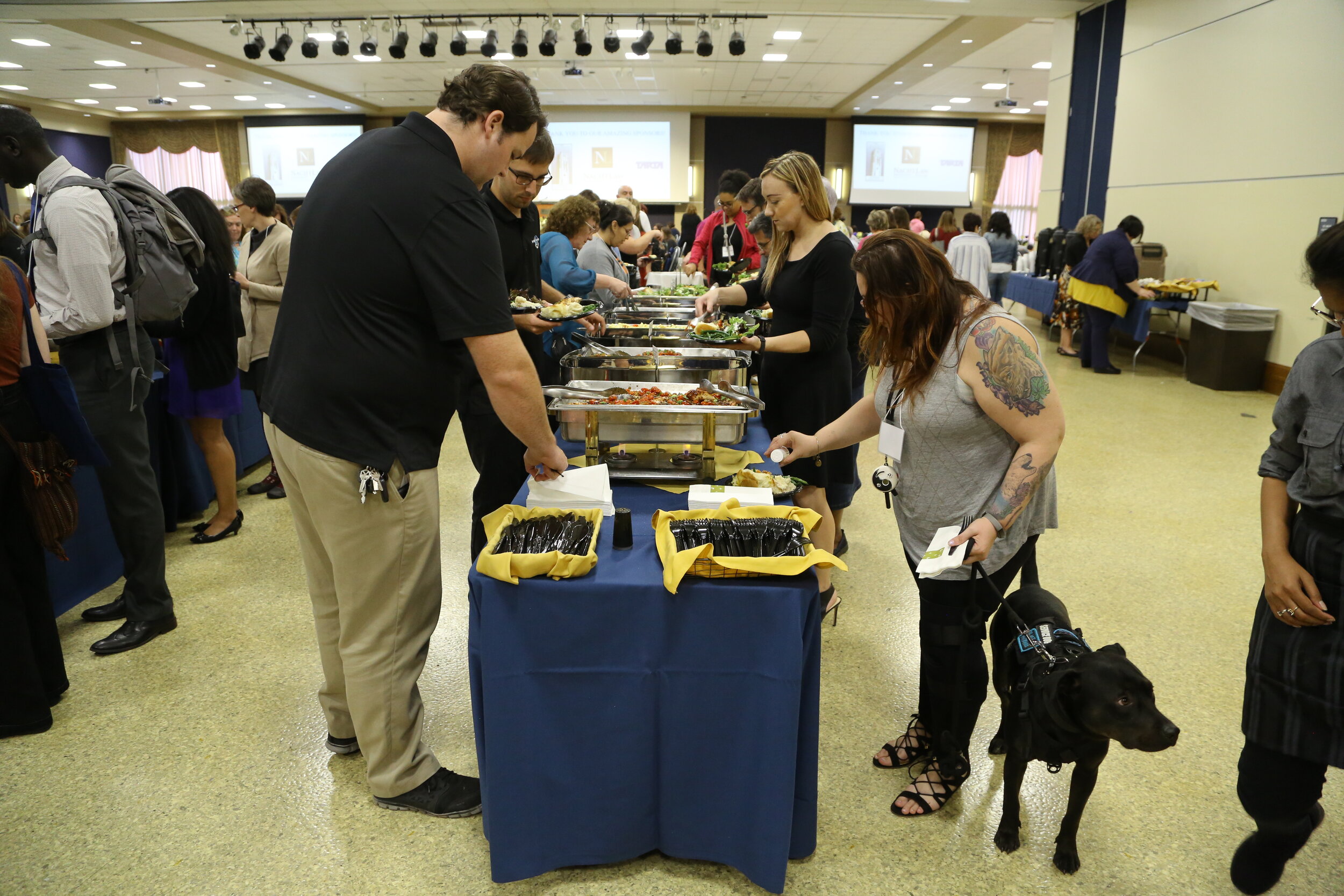


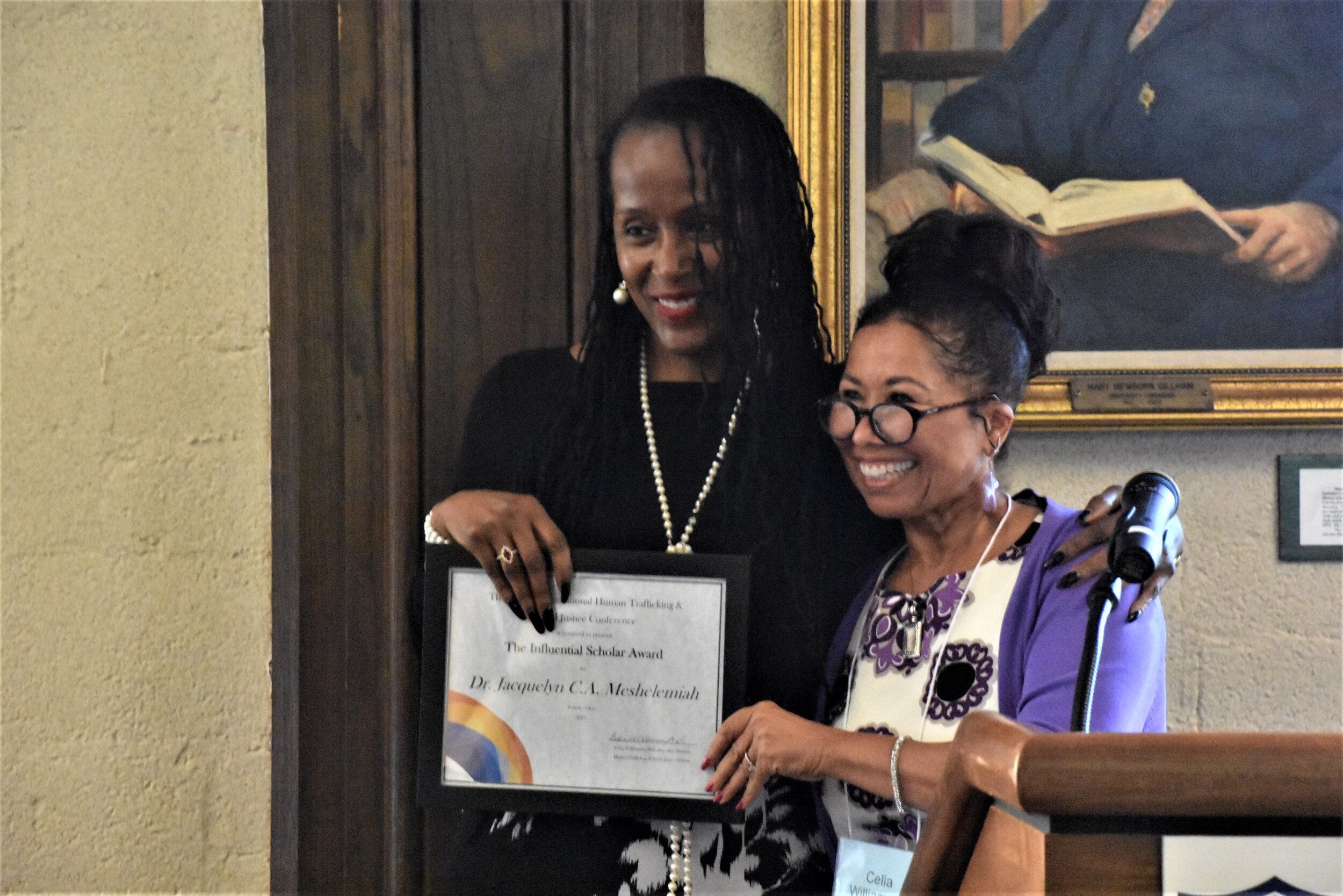
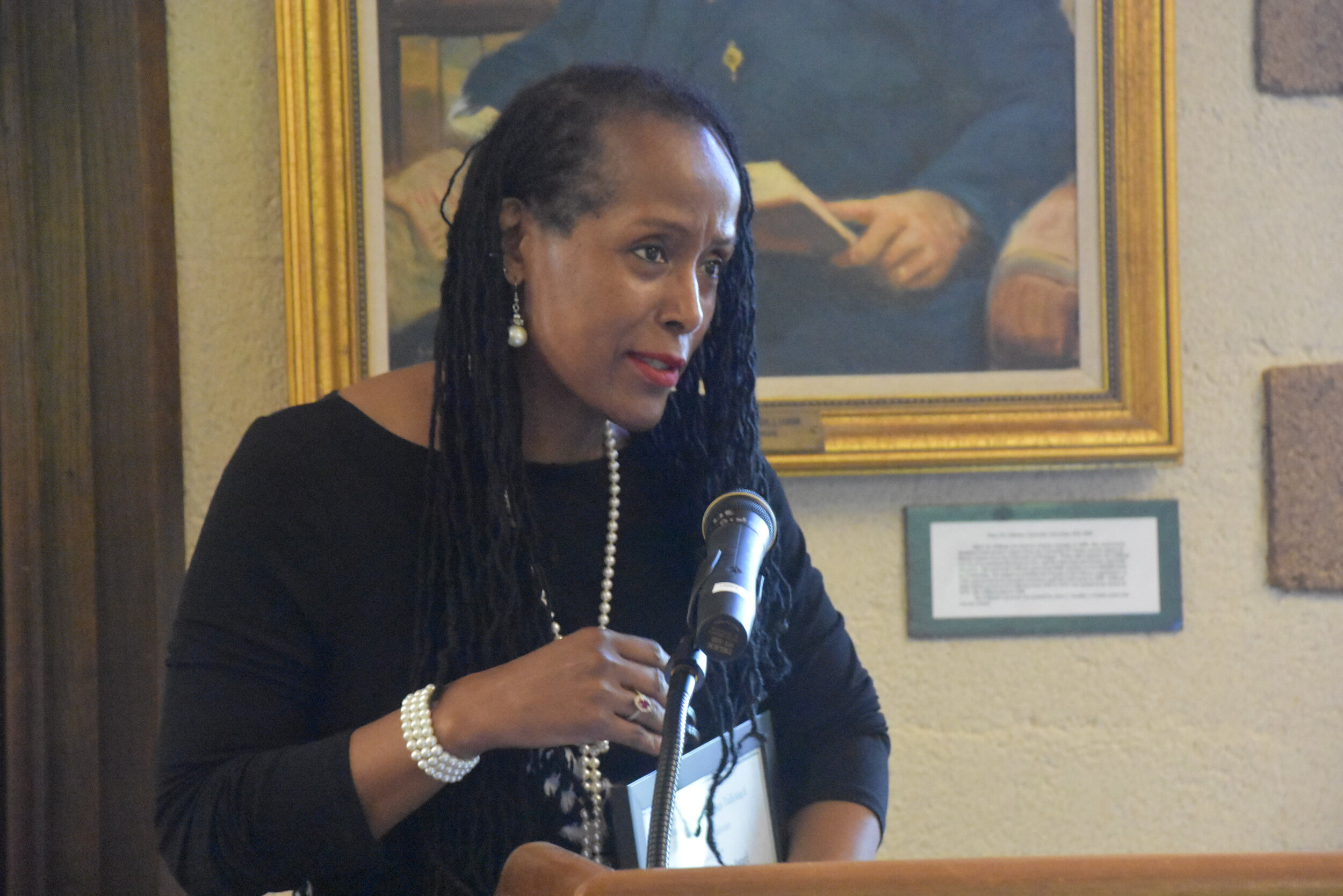
























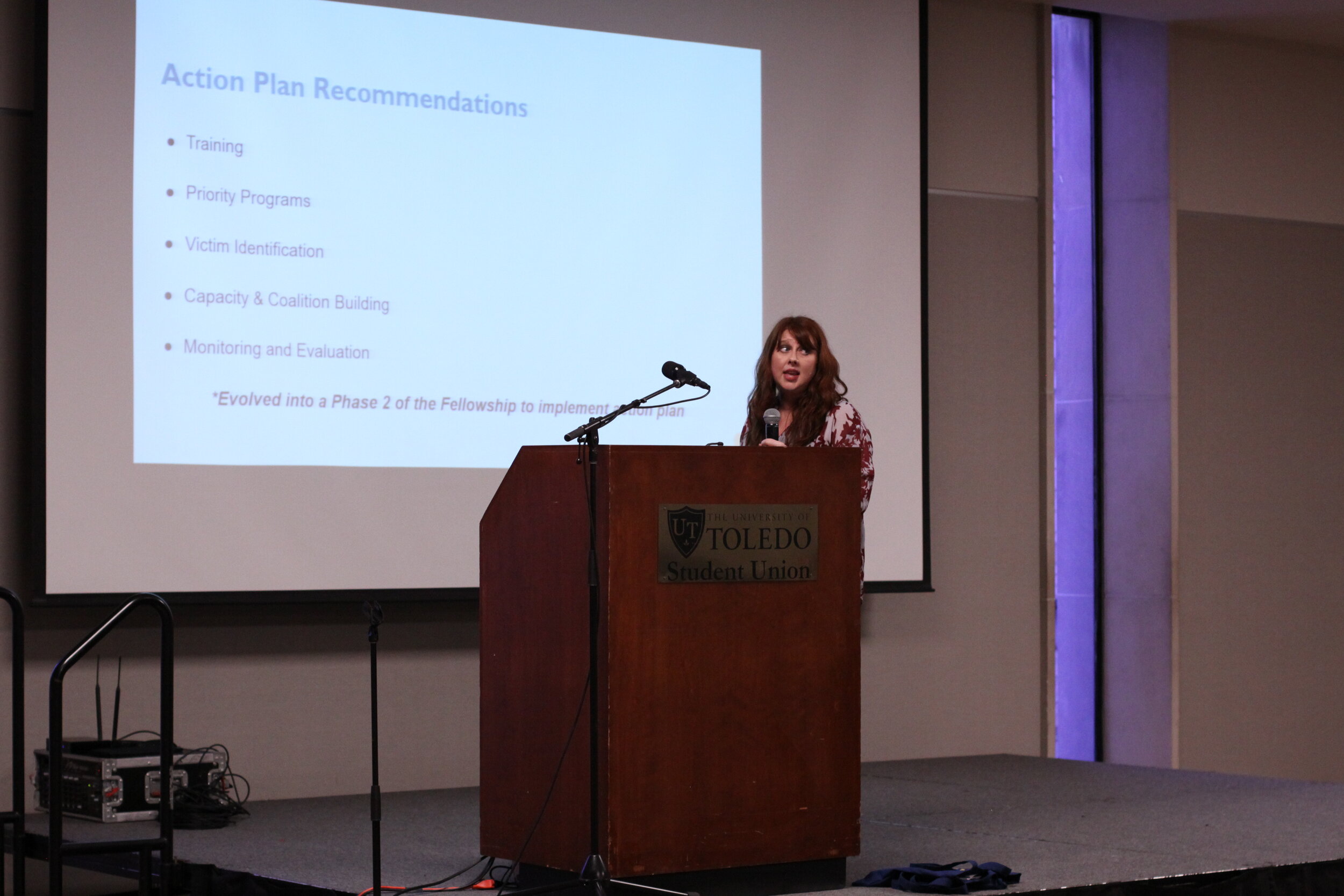

2019 Pictures
2019 Schedule
Thursday, September 19, 2019
8:00
Registration & Continental Breakfast
8:30
Morning Welcome- Auditorium
9:00 - 10:00
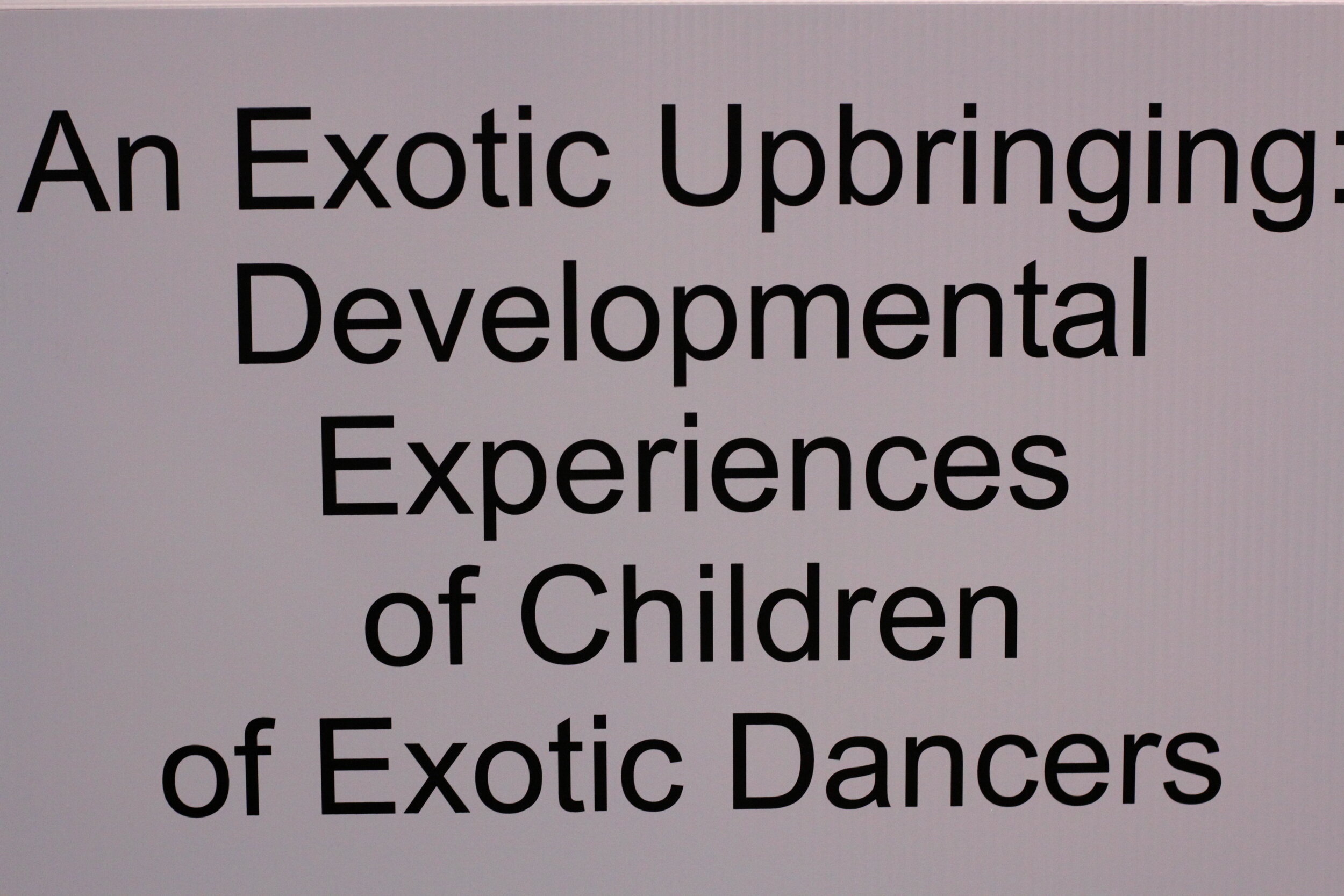
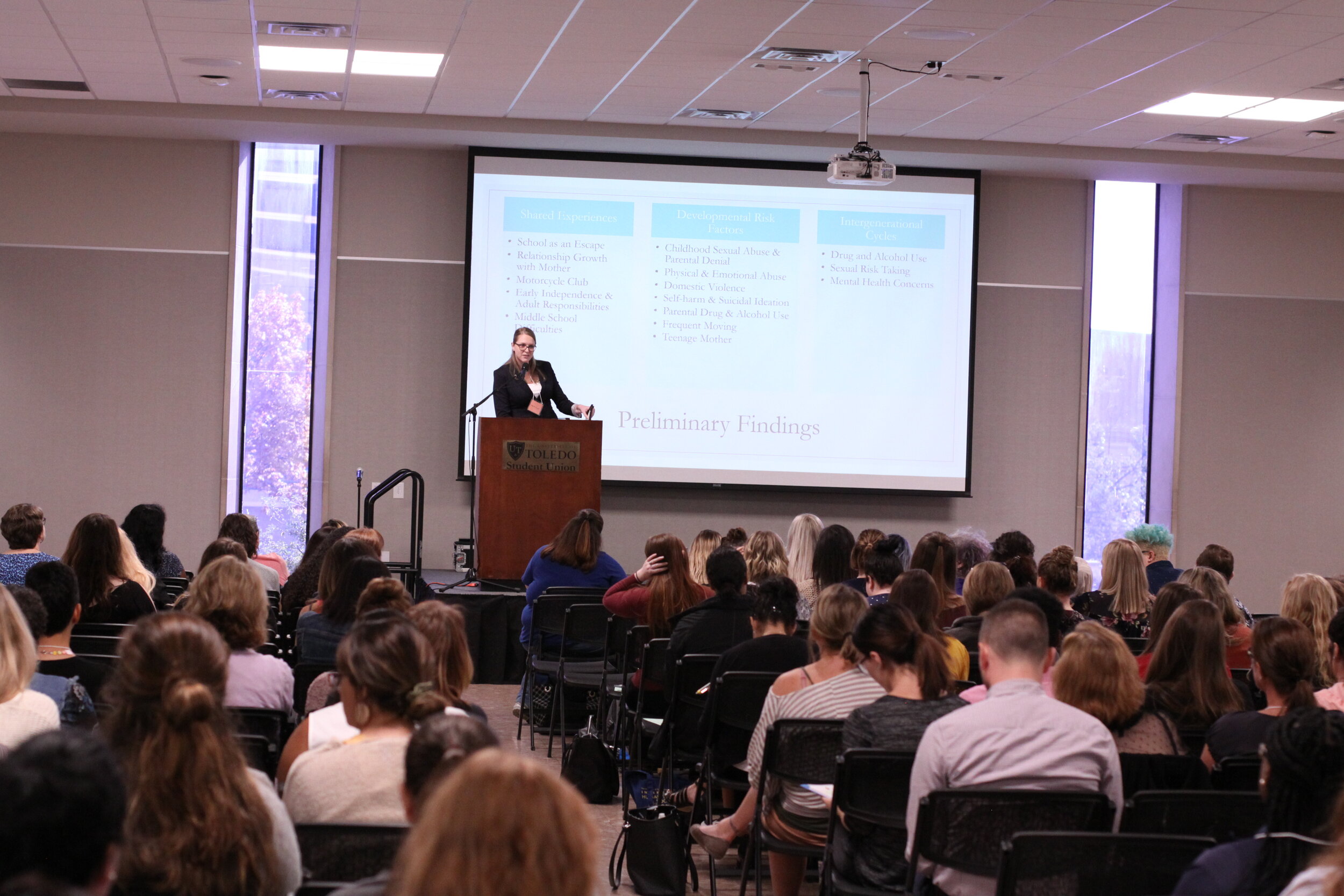
During this presentation, Sarah will describe finds from her dissertation, which is focused on the developmental experiences of adult children of exotic dancers - a previously unexplored population. Research to date provides insight into a plethora of risks associated with working as an exotic dancer (e.g., drug and alcohol abuse, sexual assault); however, gaps in the literature remain. Specifically, there is a void regarding the intergenerational impacts on children whose mothers are employed as exotic dancers. The available literature suggests that they are exposed, both directly (e.g., unstable housing, low SES) and indirectly (e.g., witnesses to domestic violence, maternal depression), to factors that challenge optimal developmental outcomes. This presentation will provide a description of the shared experiences, developmental risk factors, and intergenerational cycles described by adult research participants. The sample will include approximately 20 adult children of exotic dancers, who will be recruited using word of mouth recruitment and snowball sampling. Data will be collected through short surveys and a semi-structured interview formed through application of phenomenological research methods. Research outcomes are expected to have implications for future research and family programmatic efforts. This research stemmed from Sarah's personal experiences of growing up as the child of an exotic dancer; therefore, she will also be sharing select aspects of her own formative experiences. As the needs and experiences of this population have not yet been investigated, the methodological approach used to explore this hidden population will be outlined, exploring the strengths and limitations of studying the topic as an "insider". Dr. Rochelle Dalla, Professor at University of Lincoln Nebraska-Lincoln, is a contributing author of this presentation.
Presentation Objectives:
· Discuss common experiences and developmental risk factors for children of exotic dancers
· Describe intergenerational cycles occurring between exotic dancers and their children
· Outline methodology in conducting research with this hidden population
· Share personal select experiences of growing up as the child of an exotic dancer
Hawai’i, in 2016, was the last jurisdiction in the United States to pass a state law addressing human trafficking. To date, no sex trafficking case has ever been successfully prosecuted under this law against a sex trafficker in Hawai’i. However, no criminal justice data does not mean that sex trafficking does not exist in Hawai’i. Sex trafficking has been found in every state in the United States, including Hawai’i, and in most countries around the world. The global and national dimensions of sex trafficking have functioned to obscure the unique and intertwined colonization of bodies and land in Hawai’i. This mixed methods study examines in-depth the lived experiences of 22 victims of sex trafficking in Hawai’i. Findings include the challenges faced to change the culture that facilitates the secrecy of child sex trafficking in Hawai’i. The findings of the study will be discussed along with recommendations for services and policies.
Presentation Objectives:
· Discuss the results of a mixed methods study on the lived experiences of 22 victims of sex trafficking in Hawaii
· Explain the recommendations for services and policies
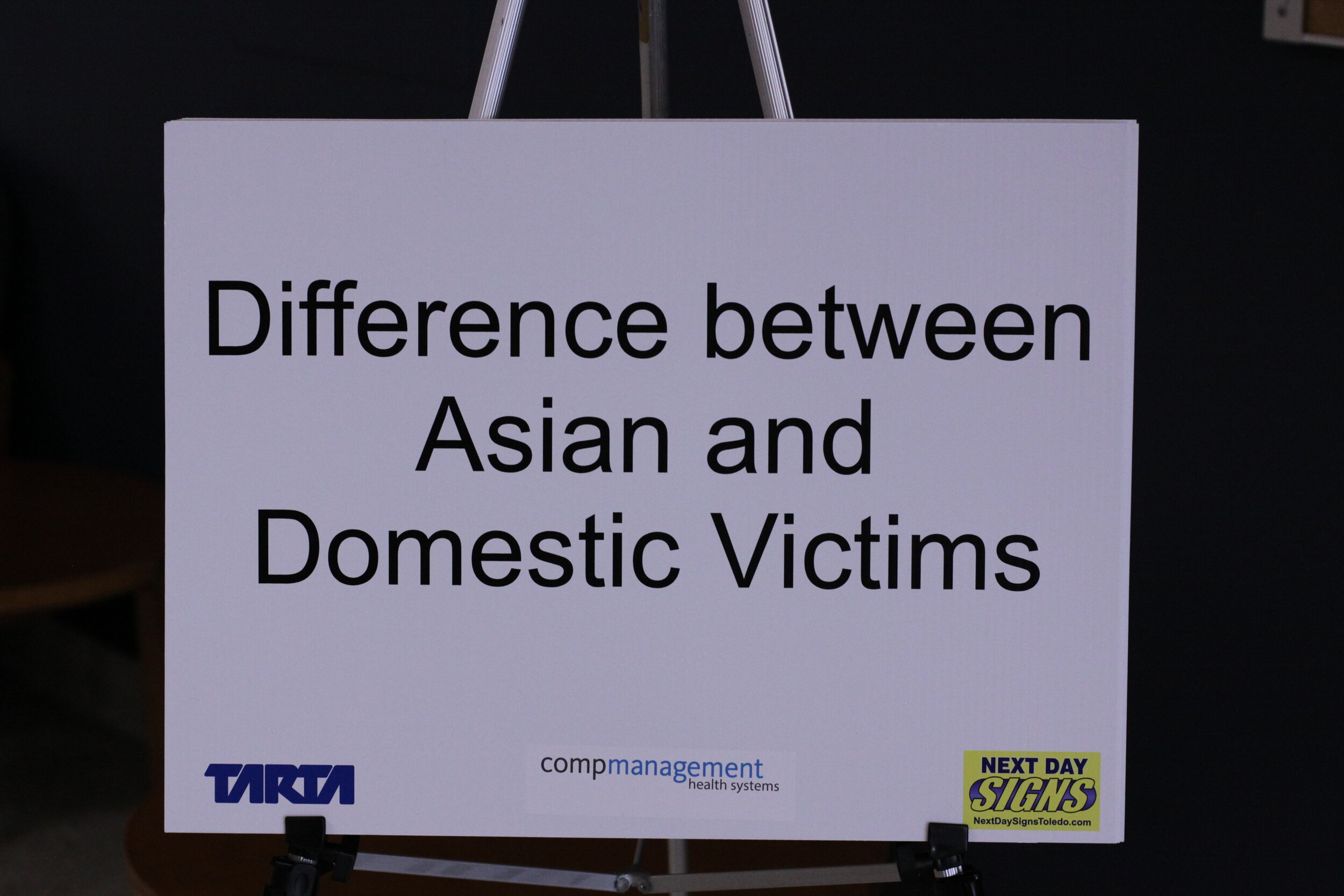
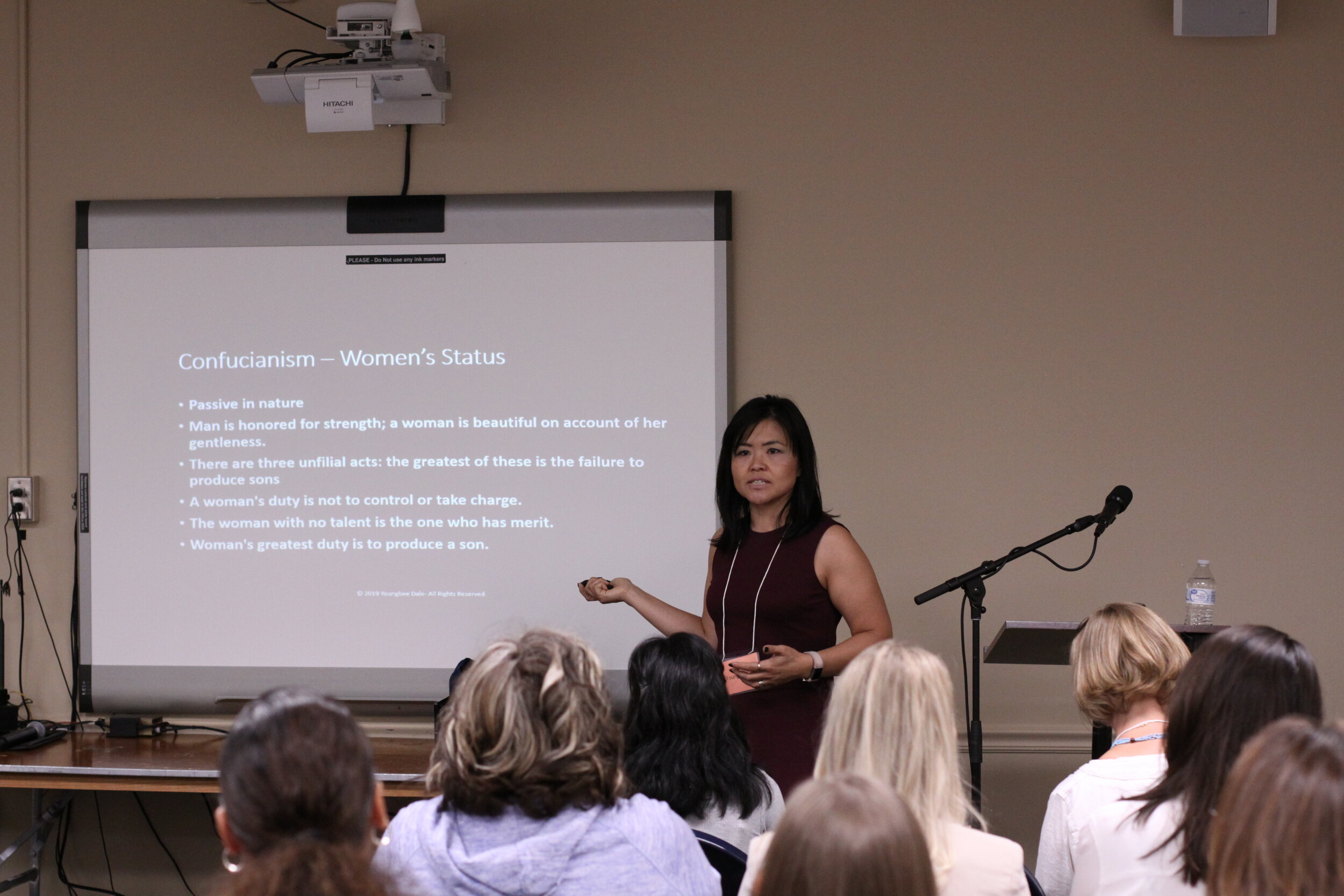
This presentation will introduce the distinct characteristics of Asian sex trafficking victims in the United States. NGO professionals nationwide are facing challenges to reach Asian victims of sex trafficking in massage parlors and other brothels because of their lack of understanding of Asian victims' characteristics. This presentation is aimed to provide the NGO professionals with better understanding of Asian victims to build better outreach programs to combat Asian sex trafficking in the U.S. This presentation will include cultural and socioeconomic backgrounds of both Korean and Chinese women, the difference between Korean and Chinese women, and the distinct characteristics that Asian women have from domestic sex trafficking victims. Finally, the presentation will provide recommendations to strengthen the outreach programs to support Asian women in the commercial sex market in the U.S.
Presentation Objectives:
· Compare and contrast Korean and Chinese sex trafficking victims.
· Discuss cultural and socio-economic backgrounds of Chinese and Korean victims
· Explore differences between Asian and domestic sex trafficking victims
· Present guidelines to build better outreach and victim assistance programs for Asian victims in commercial sex market in the U.S.
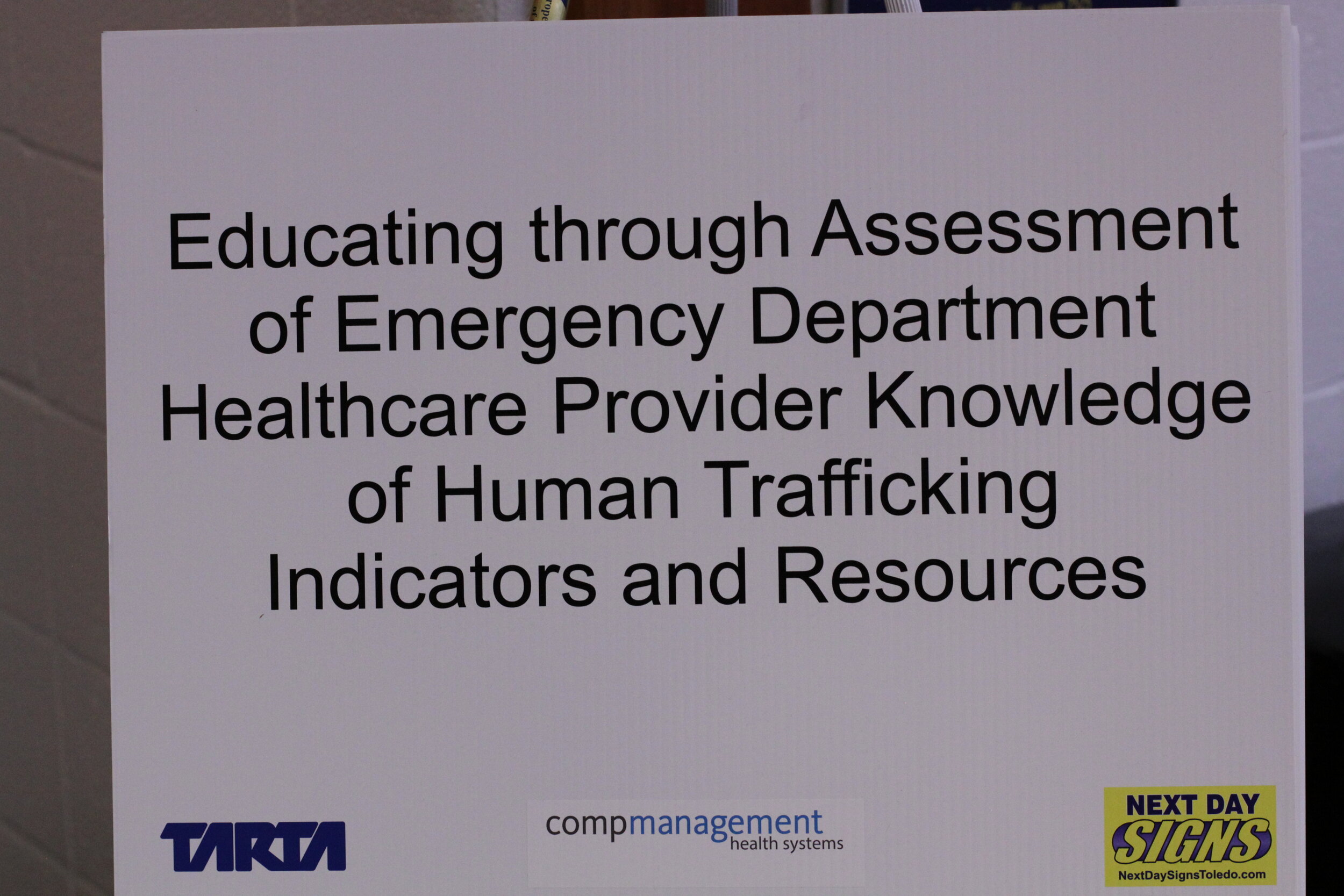
Human trafficking is a billion dollar industry that trades human capitol obtained through coercion, fraud, or force for commercial gain. Human trafficking has been noted globally, throughout the United States and Toledo, Ohio has been labeled a hub for this activity (Provance, 2010). Literature highlighted that nurses and other healthcare professionals are positioned to identify and help rescue victims. This descriptive study assessed knowledge of indicators or human trafficking and resources to rescue using a 14-item tool, Assessment of Human Trafficking Awareness Survey. Indicators of human trafficking are not well identified by nurses or healthcare providers and knowledge of resources to rescue is inconsistent. Education about human trafficking is critical for nurses and other healthcare professionals and should be included in curriculum and/or required continuing education.
Presentation Objectives:
· Discuss indicators of human trafficking
· Describe how assessment of indicators can facilitate identification and rescue
· Explain educational pathways for improving knowledge of indicators of human trafficking
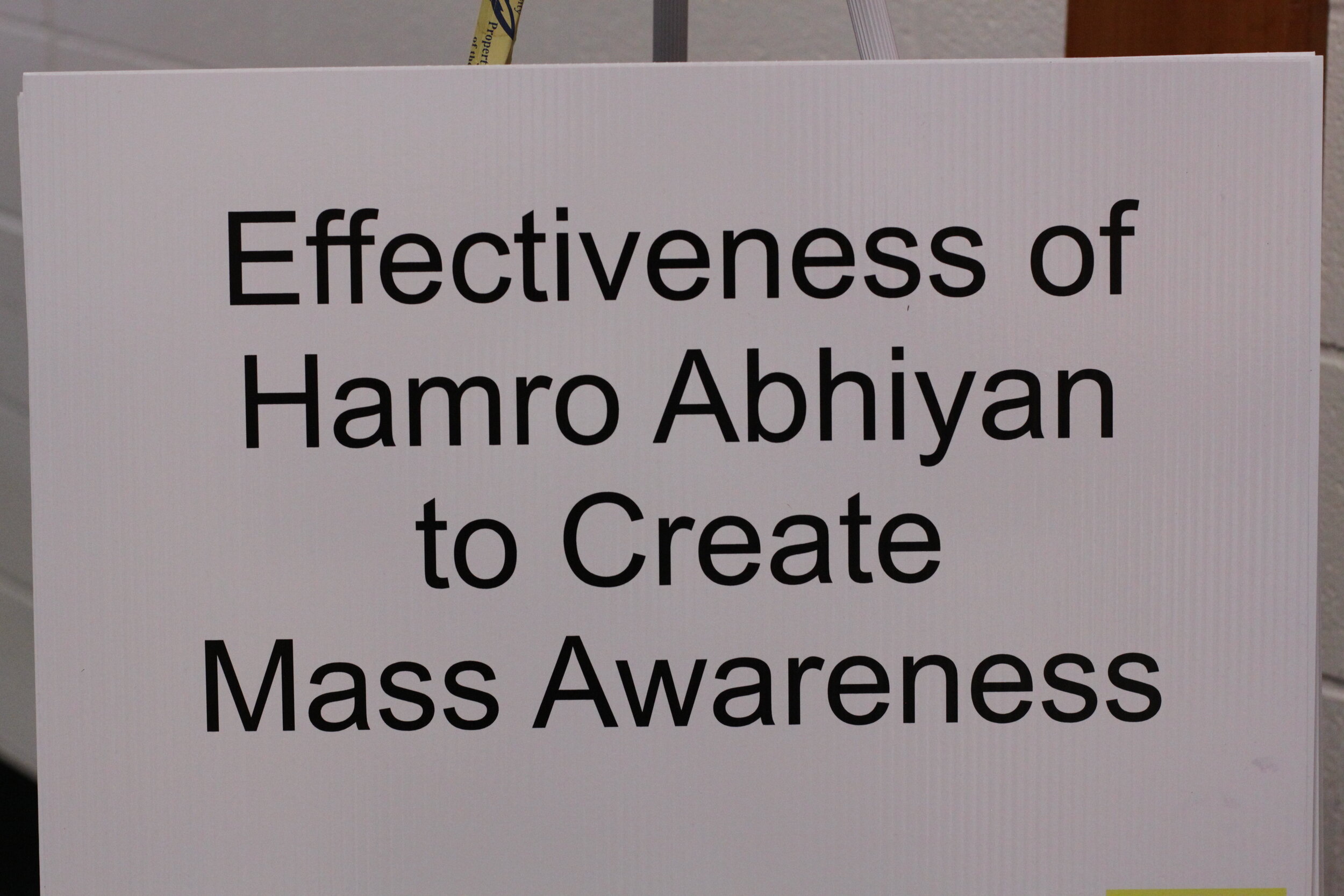
Hamro Abhiyan is a Behavioural Change Communication tool that brings awareness to sensitive issues like the causes of trafficking, its consequences, safety against trafficking, rehabilitation after rescue, and prevention of trafficking through informative edutainment methodology. This program is targeted to people of age 13-35. The impact is measured with the help of questionnaires that the participants of Hamro Abhiyan complete before and after they are involved in the interactive learning activities. Learning with peers or in groups is a proven and effective technique which has been adopted by Hamro Abhiyan that helps to gain knowledge and contributes to positive behavioural changes. Statistics pertaining to incidents of Trafficking in Persons in the past shows the inadequacy of education and awareness. There is a need to reach vulnerable populations with correct messages, knowledge, and information in order to adopt appropriate techniques. The education obtained in a congenial and emotionally attached environment is effective, real, and behavior-changing as compared to the experience of gaining education from other sources. Such types of education need to be exciting and entertaining so that the children, youth, and adolescents adopt it and change their behavior positively and progressively.
Presentation Objectives:
· Describe effective ways to sensitize teenagers and youths about human-trafficking
· Explain how Hamro Abhiyan has enabled 3 Angels Nepal to influence stakeholders to be responsive
· Discuss what is Hamro Abhiyan and how it is implemented
· Highlight how it can be implemented in other countries
This basic overview of human trafficking is most appropriate for those new to the field. Presenters will focus on both domestic and foreign trafficking as well as labor and sex trafficking. Topics will include the definition of human trafficking, how traffickers recruit, indicators for victim identification, and where and how to report suspected trafficking.
Presentation Objectives:
· Define human trafficking
· Explain the basics around how traffickers recruit
· Describe indicators for victim identification
· Outline where and how to report suspected trafficking
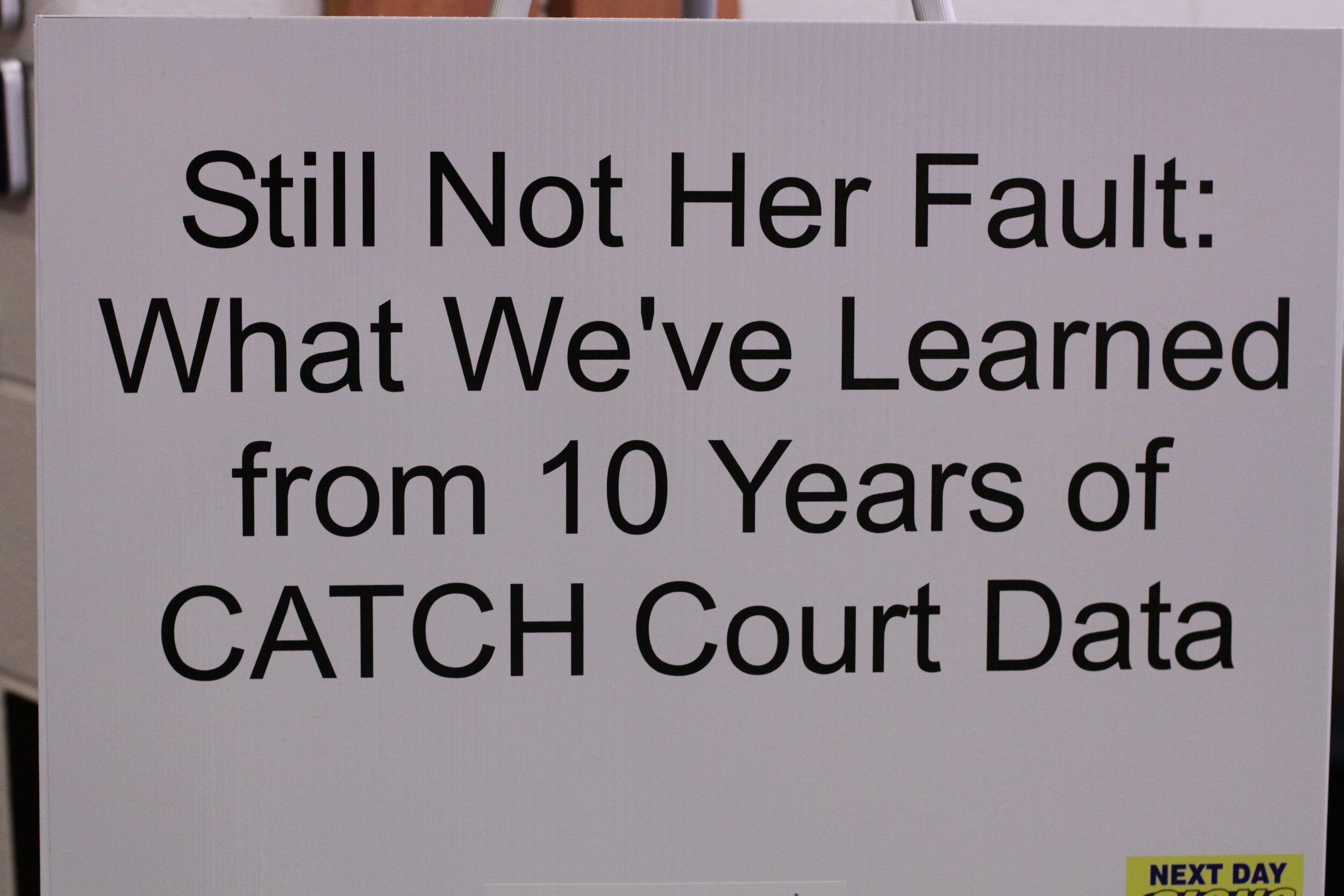
When CATCH Court began in 2009, it was considered a specialized docket experiment for women ready to exit prostitution. Things began to evolve with the passing of the Ohio Human Trafficking Law in 2012. By 2014, CATCH Court was certified as a specialized docket for victims of human trafficking by the Supreme Court of Ohio. Several academic professionals began to collaboratively evaluate the effectiveness of CATCH Court, and other data interest points. Judge Paul Herbert has been recognized locally, nationally, and globally for his pioneering work. This presentation seeks to both honor a decade worth of work and also highlight lessons learned from the inside. The presenters’ goal is that attendees will grow in their understanding both from their victories, as well as their hard-learned lessons.
Presentation Objectives:
· Describe an evolution of understanding about commercial sex and the criminal justice system
· Provide clear and specific steps for individuals to advocate for a similar specialized docket in their community, as well as specific steps to expand and grow their already existing docket
· Discuss frankly why and how the health of a multidisciplinary team can impact the participants of the specialized docket, and learn about ways to stay healthy as a team
· Share honest mistakes and exciting victories of a 10-year-old docket
10:15 - 11:15
Researchers at The Ohio State University interviewed 25 survivors of sex trafficking in the Central Ohio area in an effort to understand their trajectory into leadership roles in the anti-trafficking movement. The interviews were recorded and analyzed for themes related to three conceptual aims: 1) examining the transition of sex trafficking victims to survivors; 2) examining the transition of sex-trafficked women from survivors to leadership roles; and 3) assessing sex trafficking survivors’ perceptions of leadership. Themes that emerged included: adverse childhood experiences, drugs, forced prostitution, incarceration, and treatment for Aim 1; outreach, public speaking, and peer mentoring for Aim 2; and honesty, strength, open-mindedness, and role modeling for Aim 3. This is one of the first studies to examine leadership in the anti-trafficking movement at the survivor level. The findings are in line with, and highlight the importance of, the Survivor Leadership Model’s five components: a trauma-informed approach; input and direction from survivors; adequate resource allocation by the organization’s upper management; empowerment of the survivor; and post-graduation support (Family and Youth Services Bureau, 2015). This presentation will include: defining leadership; examining the evolution of trafficking victims to survivors; and understanding leadership from the perspective of an anti-trafficking activist who is also a survivor.
Presentation Objectives:
· Define leadership and explore the Survivor Leadership model
· Examine the evolution of trafficking victims to survivors
· Understand leadership from the perspective of an anti-trafficking activist who is also a survivor
This presentation will discuss the Northwest Ohio Violent Crimes Against Children Task Force and their mission to combat crimes against children. This will be followed by a case study in which the attendees will hear about a sex trafficking investigation in Lima, Ohio that was conducted by the task force. Attendees will hear the case from initial recruitment of the minors to the convictions of the traffickers and others. The case concerns 2 minors in the Lima, Ohio area, their traffickers, and others that conspired to traffic the minors. As a result of the investigation, two minors were recovered and 7 individuals were arrested and convicted, with one trafficker sentenced to life in federal prison and another sentenced to 30 years in federal prison.
Presentation Objectives:
· Discuss how the task force approaches these types of investigations by looking at the big picture and taking out an entire organizations ability to operate
· Explain how the task force uses a victim centered approach to our investigations
· Describe the complexities of these types of investigations from dealing with multiple jurisdictions to preservation of evidence
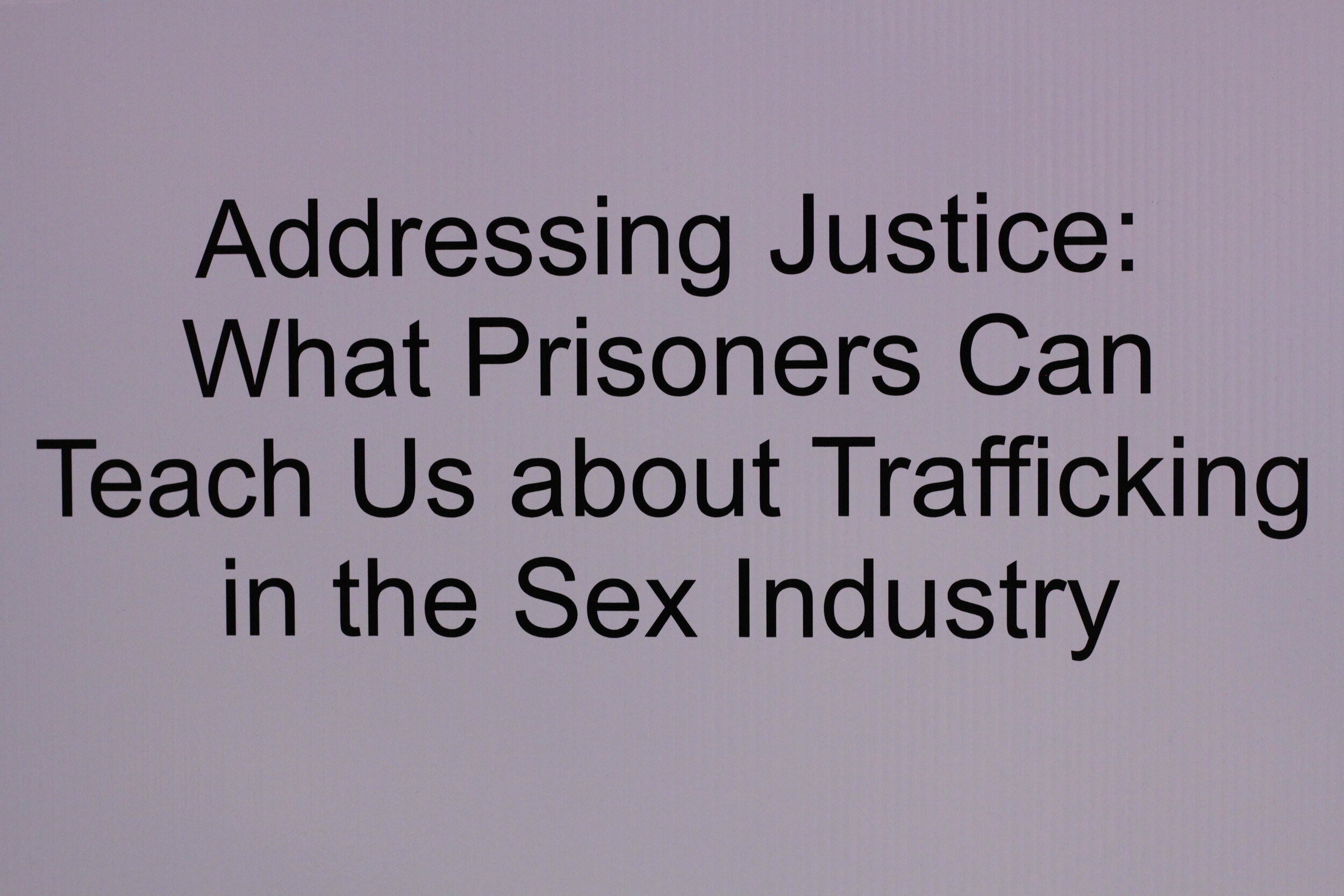
This presentation discusses the data Sex Workers Outreach Project (SWOP) Behind Bars has collected for three years with over 1000 individuals who are currently or formerly incarcerated for prostitution, trafficking, or prostitution-related crimes. SWOP Behind Bars is a national social justice network dedicated to the fundamental human rights of people who face discrimination from the criminal justice system due to the stigma associated with the sex industry. While the United States’ incarceration rate is staggering compared to the rest of the world, this rate is the lowest the US has seen since 2008 (Kaeble & Cowhig, 2018; National Research Council, 2014). Despite this downward trend of incarceration rates, the proportion of women to men has steadily increased, making women a greater percentage of the adults filling US prisons and jails than in previous years (World Prison Brief, 2018). While the imprisonment rate for females is overall lower than men, at 84 per 100,000 adult females, the arrest rates of women increased from the previous year (Benedict, 2014; Lynch, Fritch & Heath, 2012). The female population in jail has increased 44% between 2000 and 2013 (Fact Sheet on Justice Involved Women, 2016). Many women in the prison system have prostitution-related experience and/or criminal charges in their past. Increasingly, women are also being arrested and convicted for trafficking of others, even though they have been victimized and trafficked themselves (SWOP Behind Bars, 2019). This presentation highlights the overlap between adult consensual sex work, trafficking, and traffickers, provides an overview of data they gathered, and explains their members’ greatest needs. This vulnerable population becomes even more at risk for falling victim to predatory management that will force them into compromising situations and push them further to the margins. The stigma and shame that is already present for most women who have been in jail or prison is exacerbated by the lack of opportunities for employment and education upon release.
Presentation Objectives:
· Explain the differences between adult consensual sex work and trafficking/exploitation in the sex industry
· Provide a clear understanding of how the criminalization of prostitution impacts victims of sex trafficking
· Discuss how incarceration is related to prostitution, prostitution-related crimes, and trafficking
· Provide attendees with a better understanding of individuals they may work with who have been incarcerated, and how to better address their needs as whole people
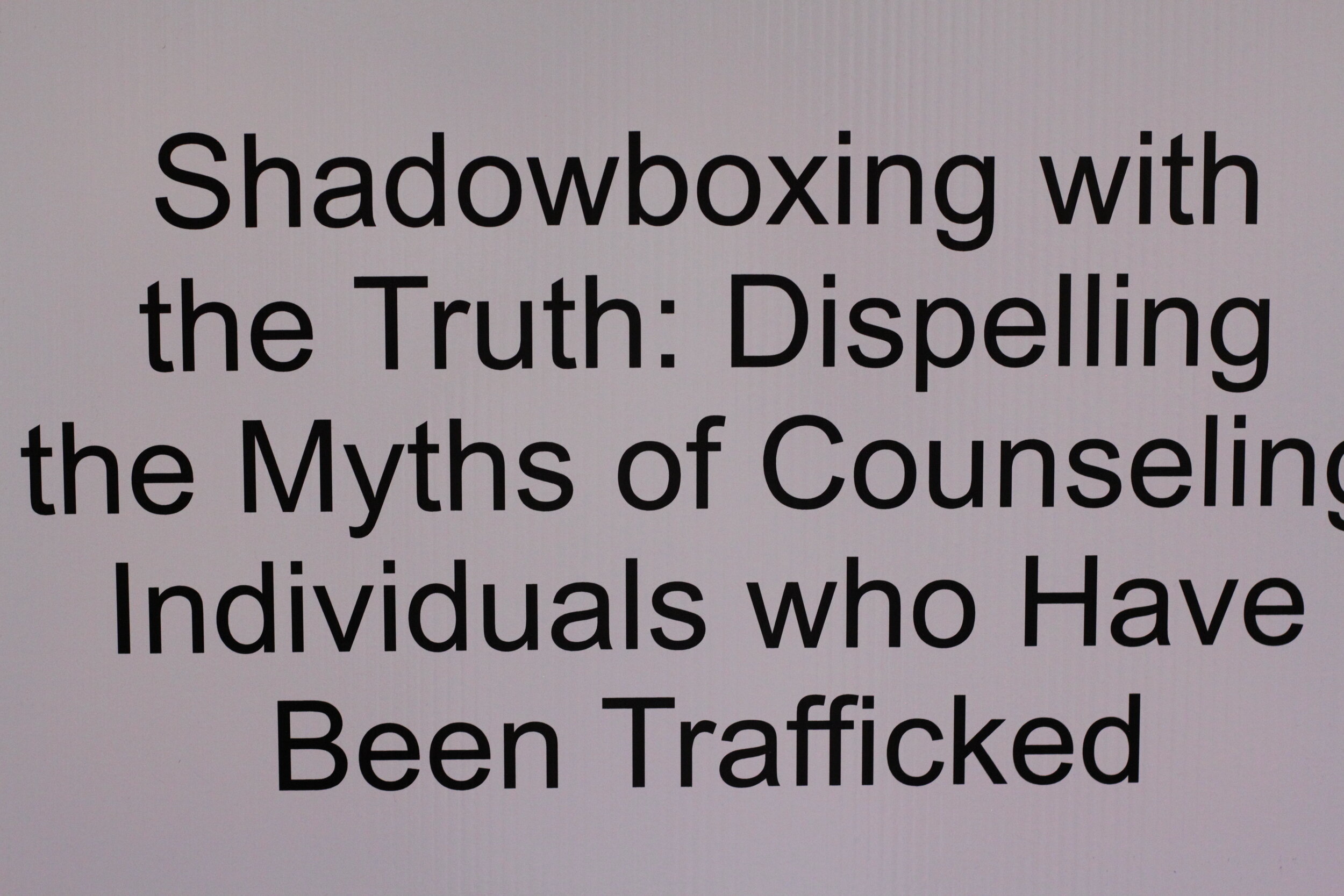
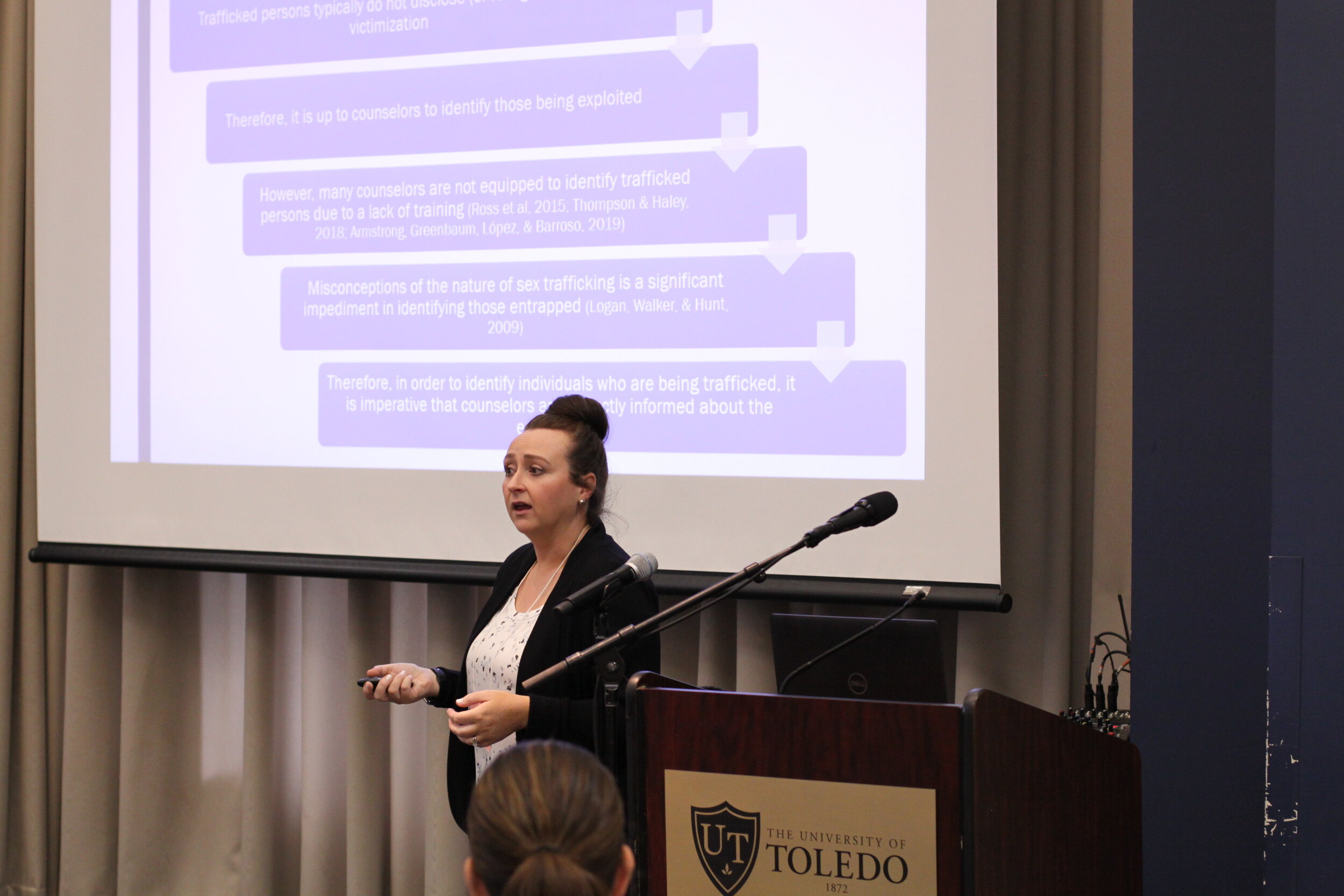
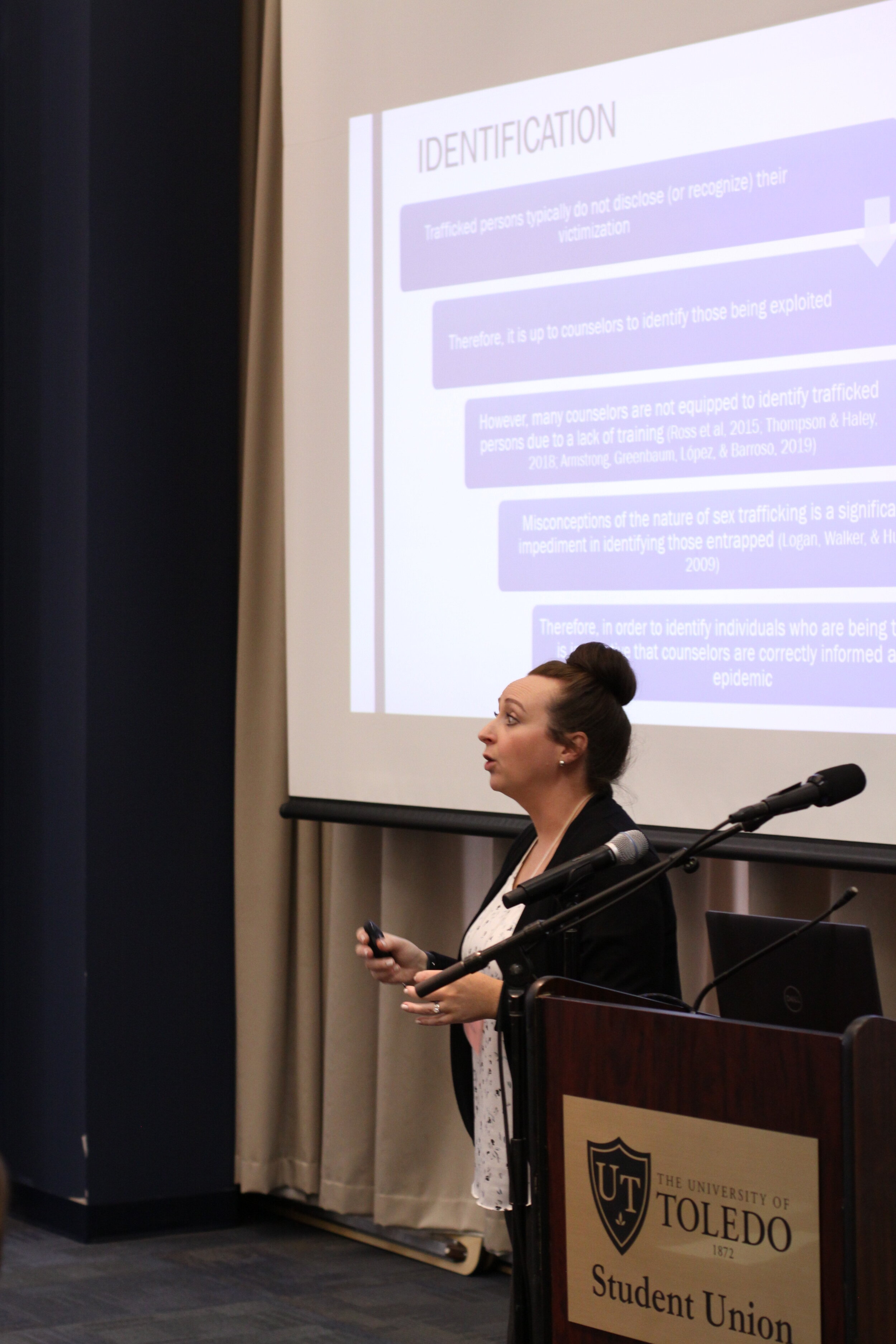
Sex trafficking involves the intentional use of coercion, force, fraud, or exploitation of one person by another for purpose of performing unwanted sex acts. With the advent of systemic factors such as increased dependence on technology, ambiguity in legislation and prosecution, unjust stigma, and other barriers and misconceptions, individuals who have been trafficked can struggle to access appropriate resources, such as counseling, to assist them. Rarely do trafficked persons seek counseling independently. Further, when they do present in counseling, they may present with a host of other symptoms that can mask or exacerbate their experiences or be indicative of co-occurring concerns. Thus, counseling trafficked persons tasks counselors and other mental health providers with possessing awareness of and competence to understand the dynamics of trafficking. Counselors must be attuned to and respond with trauma neutral language, appropriate assessment, crisis intervention, safety planning, and stabilization, the ability to address basic needs, and the ability to provide trauma informed and responsive identity, existential meaning, and grounding work with clients.
Presentation Objectives:
· Explore the culture of trafficking
· Explore systemic factors that perpetuate trafficking
· Explore evidence-based techniques and strategies for counseling individuals who have been trafficked
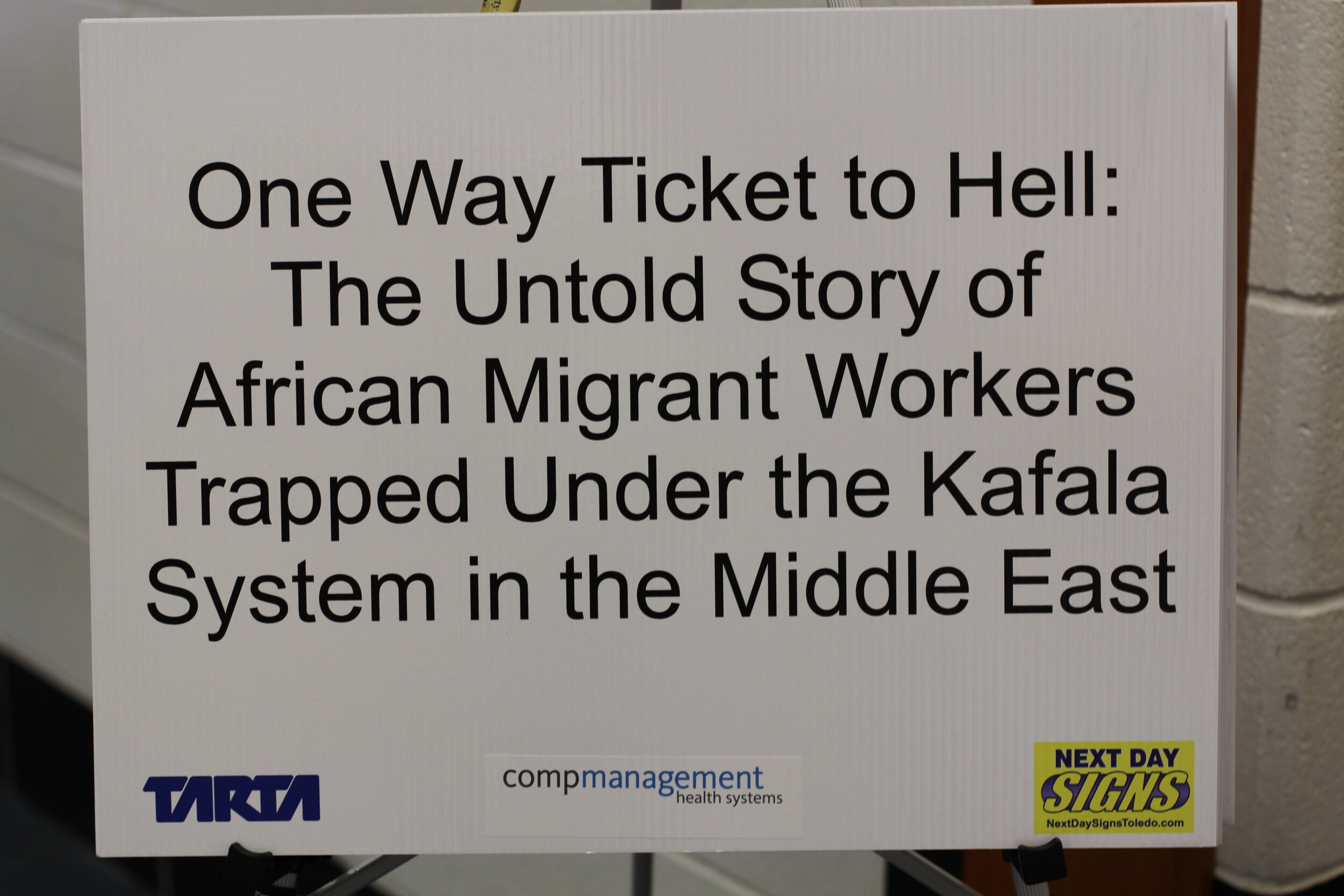
There can be a world free of slaves. However, the most effective way to tackle a problem is to first address the root cause. The root cause of trafficking in Africa and most third world countries over the years remains poverty, with women and children being the most vulnerable (Allais, 2006). Will trafficking ever end without first eliminating or, at best, reducing the push factor? This presentation seeks to answer this puzzle. Third world countries have continuously failed its youth and young adults. According to the National Bureau of Statistics, the unemployment rate in Nigeria is 23.1%, while the World Poverty Clock estimated that 86.9 million Nigerians now live in extreme poverty. This makes it easier for traffickers to recruit desperate job seekers to the Middle East with promises of well-paid jobs. Kafala System is an employment framework that requires sponsorship for migrant workers from a nation who possesses substantial control over the worker (Hartnett, 2018). Oman’s Kafala System has more than 160,000 female migrant domestic workers trapped in beatings, unpaid wages, sexual abuse, and excessive working hours (Human Rights Watch, Oman, 2018).
Presentation Objectives:
· Provide insight into the history of Kafala System practiced in the Middle East
· Analyze how the Kafala system serves as a gateway to labour trafficking
· Discuss the leading push factors of labour trafficking
· Make recommendations for reform to the Kafala System
Spring Awakening is a powerful piece of drama in its breadth of issues regarding teenage angst, dilemmas, and community oppression. Written in 1891 by Frank Wedekind, it concerns German youth and their challenges in growing up. The dramatic material tackles a plethora of issues such as rape, suicide, and abortion, to name a few. Issue Box Theatre’s process first identified a specific translation (Franzen) of the German text that would most potently explore these issues. Next, they created a performance with age appropriate casting to ensure a well-rounded and realistic interpretation of the play. They selected a director who was able to navigate the contemporary themes in the dated material and established a production team to support this challenging but vital work of theatre. Curriculum was developed to generate community dialogue with the participants and audience members. Characteristics of safe and healthy relationships were discussed via open dialogue and resources provided by community educators. Issue Box Theatre encourages participants to become “Actorvists”, putting the ACT back into activism. This workshop will present their methods starting with a rationale for this production including IBT company methods and values. Rosie will present synthesized data gathered throughout the process and present results including community responses and reactions. This is a follow-up presentation to a workshop from last year's conference where the project was proposed.
Presentation Objectives:
· Discuss the process of the theatre project development and conclusions
· Describe ways healthy relationships curriculum assisted both young and old alike to discuss issues in an open and healthy manner
· Describe how creating a network of community educators and resources for young people was beneficial to the community as a whole
11:30 - 12:30
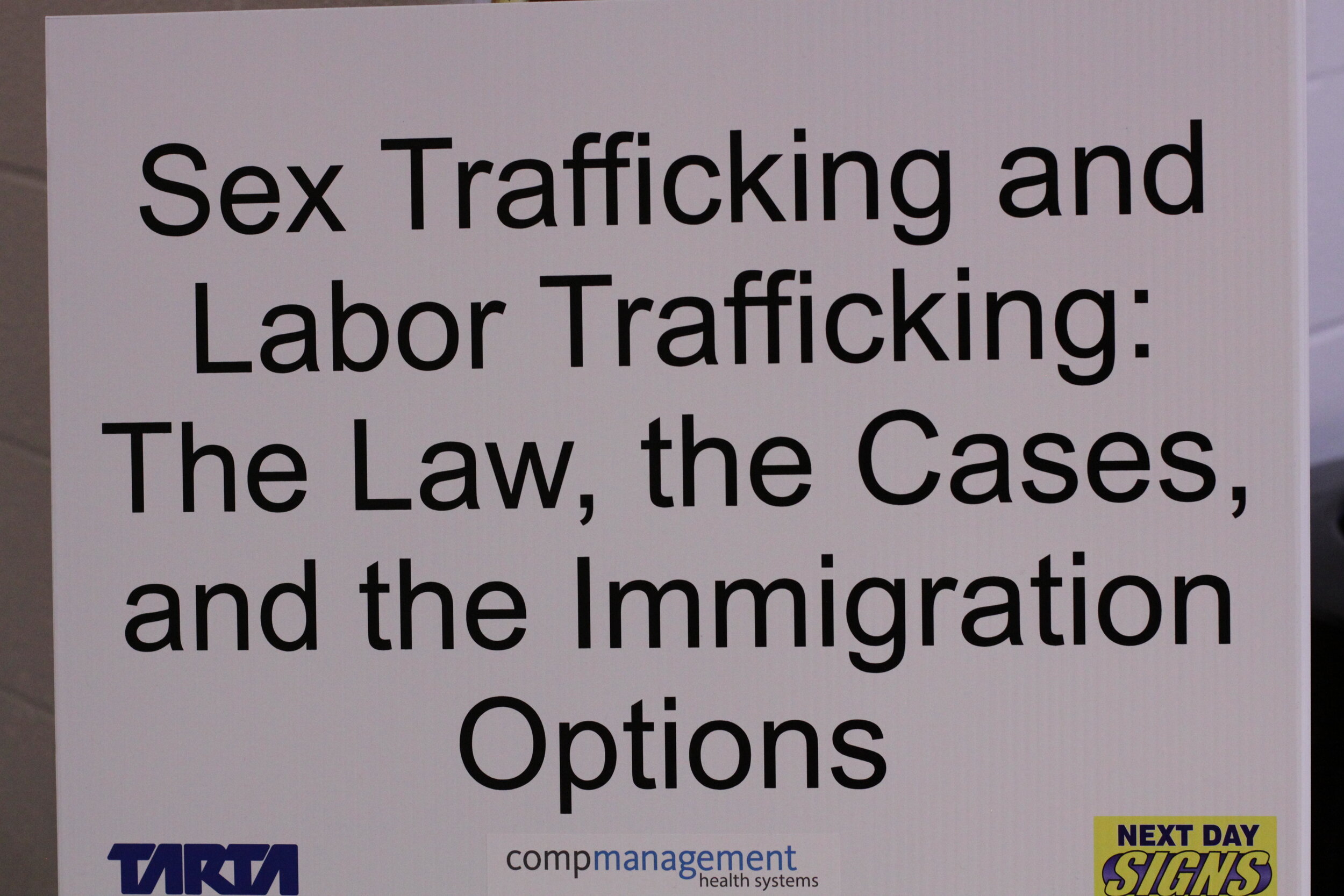
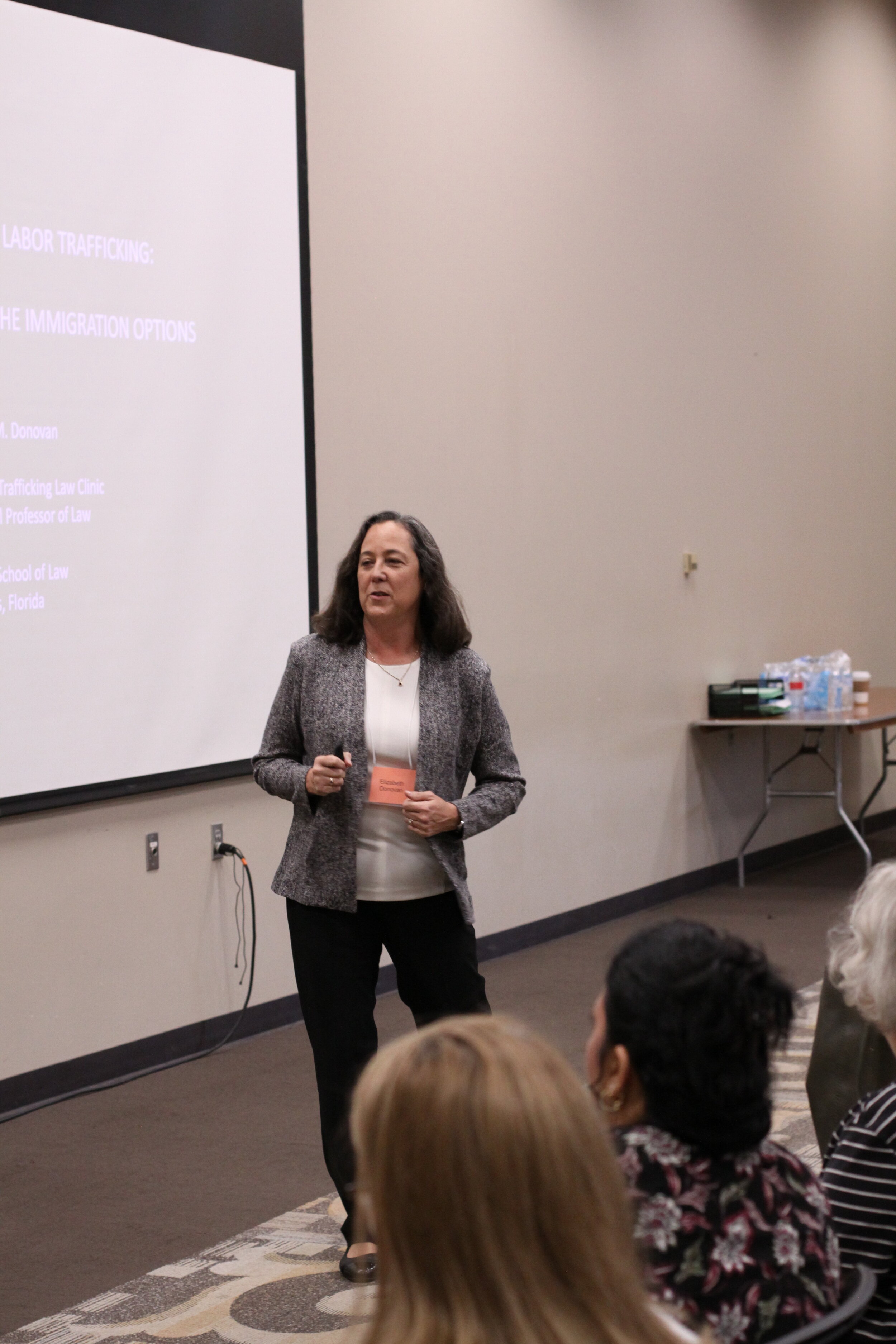
This session will explore sex trafficking and labor trafficking, including terms such as force, fraud, and coercion, as defined by the Trafficking Victims Protection Act of 2000 (the TVPA) and its reauthorizations, as well as cases decided under the TVPA. This session will also discuss immigration options available to undocumented survivors, including non-immigrant visas, derivative visas, permanent residence, and citizenship.
Presentation Objectives:
· Explain how the law and cases define sex trafficking
· Explain how the law and cases define labor trafficking
· Discuss special challenges and unique options for undocumented immigrant survivors of sex trafficking and labor trafficking
While emerging research and advocacy efforts are bringing more attention to labor trafficking of minors, this form of human trafficking is often under-recognized and under- reported. In this workshop, attendees will learn about the two main types of labor trafficking exploitation, bonded labor and forced labor, as well as learn to recognize the signs and pathways to help prevent labor trafficking among at-risk youth. The presenters will introduce relevant prior research on youth and labor trafficking and also share the experience of a pilot project to identify youth who are labor trafficked currently underway in Minnesota by The Enitan Story (TES). TES is conducting in-depth, community-based outreach to identify labor trafficking victims, assess their needs, provide direct trauma-informed, culturally relevant services in the areas of employment and life skills and coordinate referrals.
Presentation Objectives:
· Discuss the definition of child labor trafficking and prevalence among at-risk youth
· Discuss the risk factors and pathways that youth engage in labor trafficking
· Describe ways to engage in the prevention of labor trafficking for at-risk youth
· Share the experience of a current pilot project underway in Minnesota to identify and serve youth and young adults who are survivors of labor trafficking
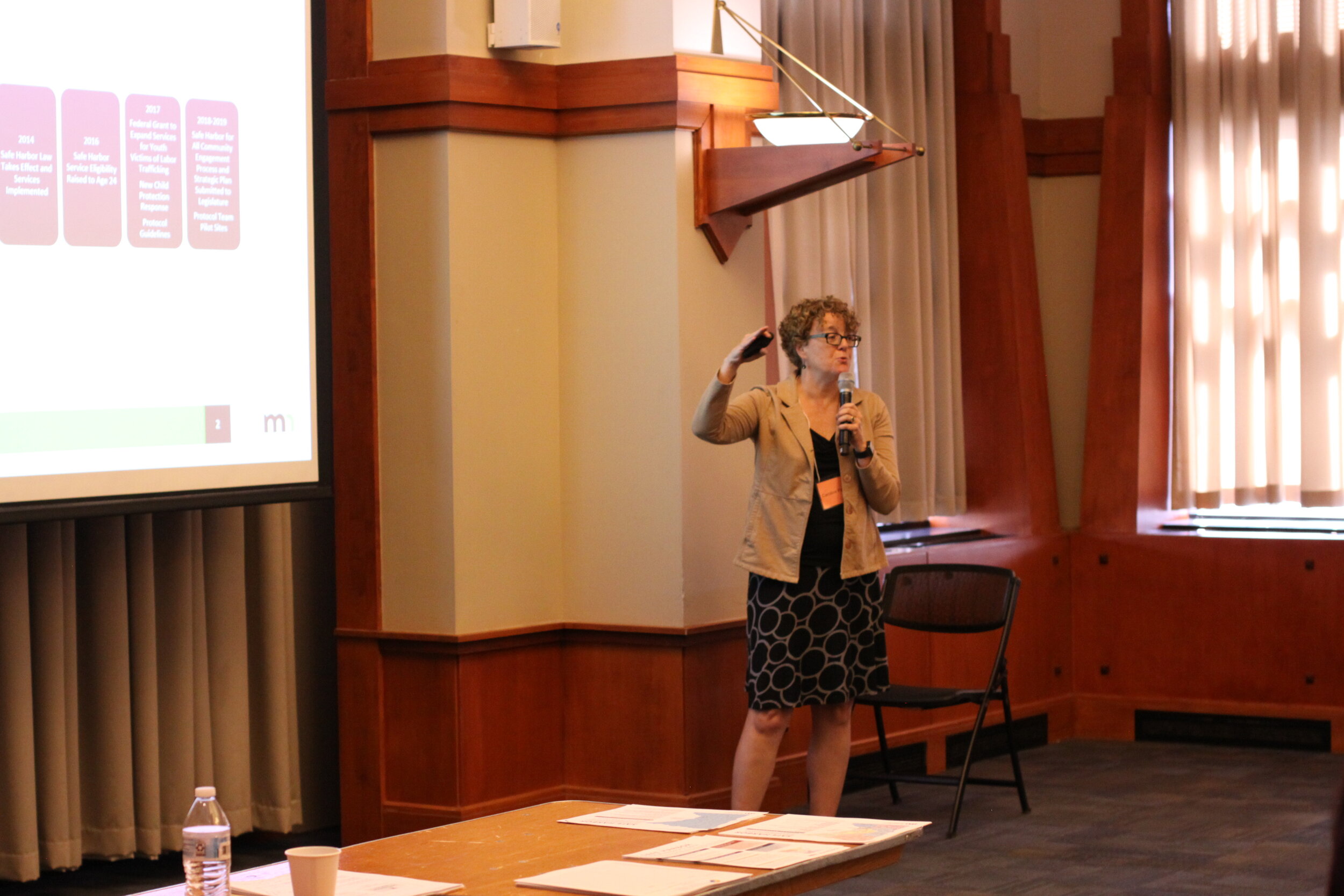
Over the past decade, Minnesota’s response to sex trafficking and exploitation has focused primarily on youth up to age 24. In 2017, the Minnesota State Legislature, in response to stakeholder requests for an enhanced vision of the Safe Harbor system, directed the Minnesota Department of Health (MDH), in consultation with the Minnesota Department of Human Services and the Minnesota Department of Public Safety, to develop a strategic plan that expands the current Safe Harbor system to address the needs of all victim/survivors of sex trafficking and exploitation as well as others who have lived experience, regardless of age. MDH contracted with three partner organizations, The Urban Research and Outreach-Engagement Center at the University of Minnesota, The Advocates for Human Rights, and Rainbow Research, to design and implement a community engagement process involving stakeholders statewide, including persons most impacted by sexual exploitation and trafficking. In January 2019, MDH submitted a strategic plan to the legislature providing immediate and long-term suggestions for expanding Safe Harbor to all ages. This plan is informed by the recommendations and findings developed through the community engagement process and outlined in the report submitted by the partner organizations, "Safe Harbor for All: Results from a Strategic Planning Process in Minnesota." This presentation will provide an overview of the partners' comprehensive participatory research model supporting the strategic plan. Workshop attendees will learn about how participatory research approaches can inform and enhance the multidisciplinary response to trafficking and exploitation for youth and adults.
Presentation Objectives:
· Describe the needs of adult victim/survivors and persons with lived experiences in terms of supportive services and system response
· Discuss how participatory research policies can advance state policy to support adult survivors of trafficking/exploitation and all persons with lived experience
· Demonstrate how state and private research partnerships can expand the dialogue about the intersections of sex trafficking and exploitation with overt and underlying forces of oppression
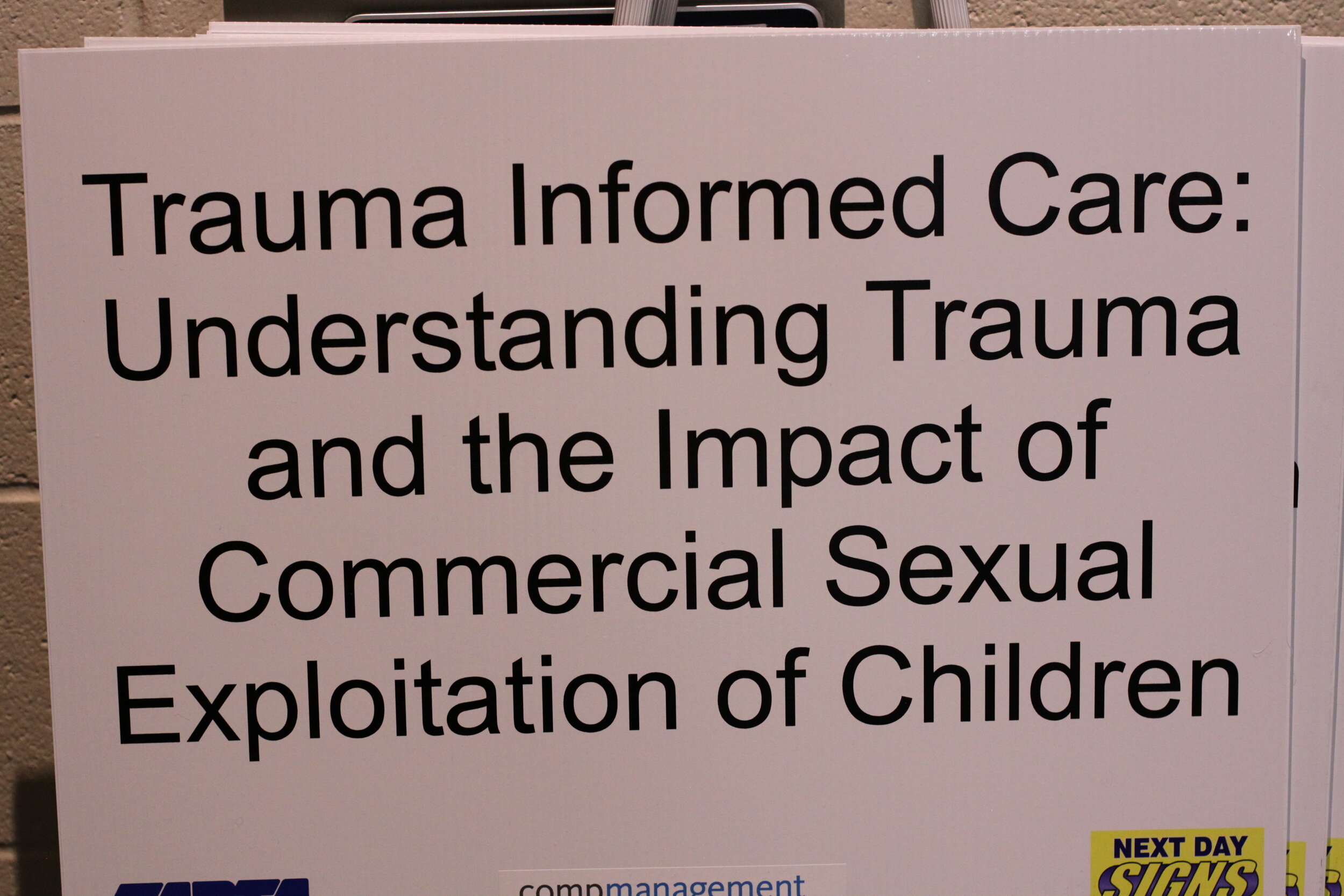
The commercial sexual exploitation of children (CSEC) is a widespread social problem. However, true estimates of the incidence and prevalence of the problem are challenging to determine due to inconsistent definitions and difficulty identifying victims (Salisbury, Dabney, & Russell, 2015). Best estimates to date suggest that approximately 25,000 to 100,000 children are at risk for CSEC each year in the United States (Mitchell, Finkelhor, & Wolak, 2010; Willis & Levy, 2002). As such, continued efforts to better understand, assess, and provide services for victims of CSEC are warranted. Certain risk factors for CSEC have been identified and include physical, psychological, and sexual abuse and neglect; witness to domestic violence; drug/alcohol use; running away from home and homelessness; involvement with child protective services and law enforcement; and development of risky sexual behaviors and sexually transmitted infections (OJJDP, 2002; Varma, 2015). Given the vast array of traumatic events, this population experiences, development of mental health difficulties such as anxiety, depression, and posttraumatic stress disorder are common (Hossein et al., 2010). Thus, evidence-based assessment and treatment to help adolescents address these difficulties are also needed. Recent research provides guidance for implementing trauma informed care when working with commercially sexually exploited youth. This presentation will provide information regarding how child maltreatment, homelessness, illegal behavior, and other risk factors can lead to CSEC, as well as information regarding current methods of identifying youth at risk for CSEC and ways to provide support for professionals working with this population.
Presentation Objectives:
· Discuss current information in the field of childhood traumatic stress as it relates to commercial sexual exploitation of children
· Describe initiatives to develop a screening process to identify youth at risk of commercial sexual exploitation
· Explore a state-wide initiative to help serve youth who have experienced CSEC in a trauma informed manner and support providers working with this population
At Selah Freedom, 100% of the sex trafficking survivors in their safe housing reported experiencing childhood sexual abuse. This early abuse normalizes unhealthy sexual relationships and can increase the susceptibility to being later recruited by a trafficker. Selah Freedom believes getting out ahead of this issue with their prevention training is key. Their Freedom for Youth curriculum addresses sex trafficking with an age-appropriate curriculum for K-5th Grade. This coloring book-based training helps kids explore safe touch, identify safe adults, offer tips of using their voice to speak up for themselves, and online safety.
Presentation Objectives:
· Discuss sexual abuse as a risk factor of sex trafficking youth
· Preview a curriculum that offers a solution to prevention training for younger kids
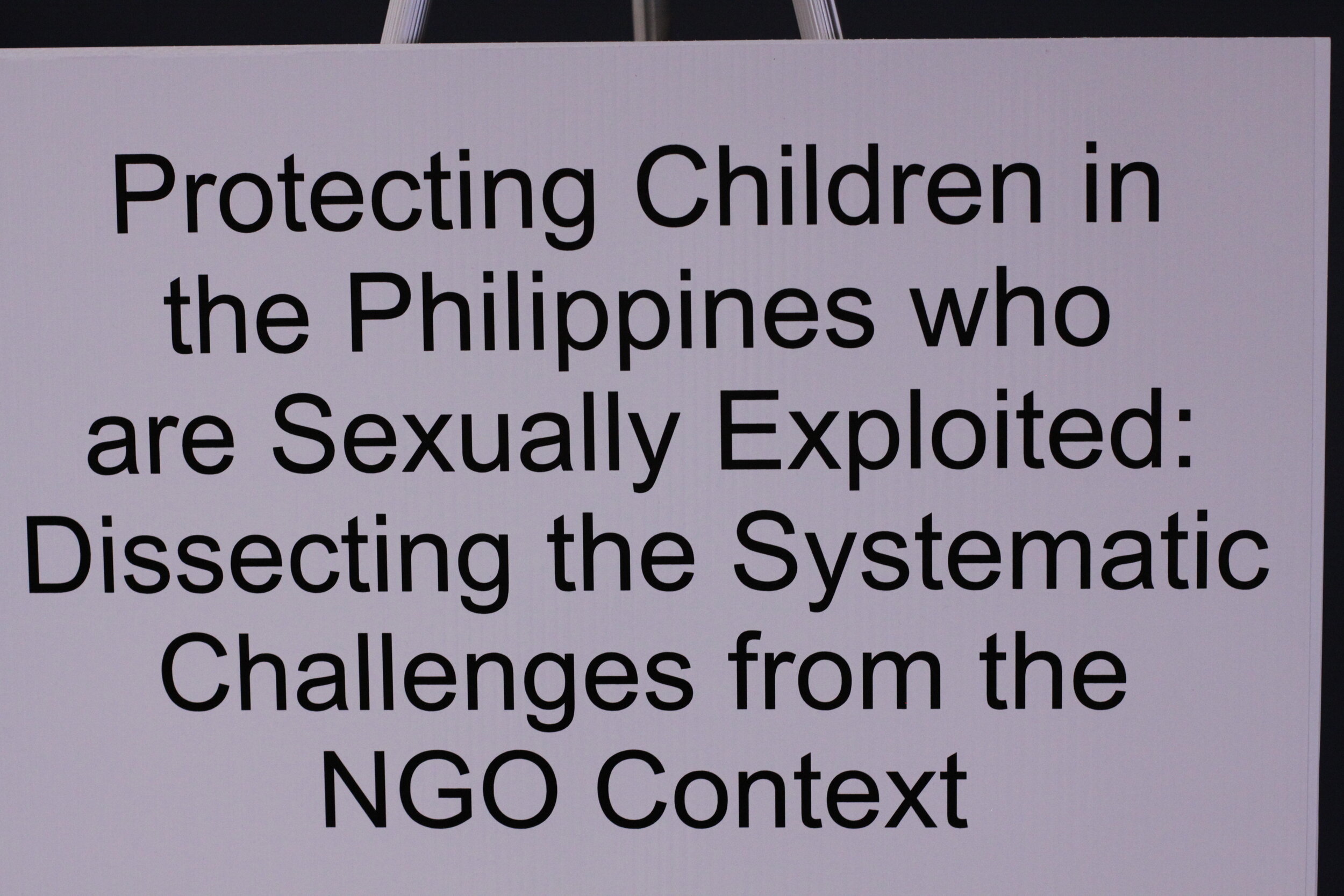
Child sexual exploitation (CSE) is a widespread and significant social phenomenon that has gained substantial concern from the public and policy sphere, especially for nations in the Global South. A report from UNICEF (2017) stated that the Philippines is “the global epicenter of the live-stream sexual abuse trade”. Online child sexual exploitation (OSEC) is the leading form of cybercrime in the Philippines, making up half of reported cases across the world. Plagued by a multitude of political and socio-economic factors, norms driven by neo-colonial ideologies have had implications for local responses and communities. This presentation is based on initial findings from an in-depth qualitative study exploring the state of CSE from the lens of three grassroots non-government organizations (NGOs) based in the highest reported areas of sex trafficking in the archipelago. Utilizing an ethnographic methodology and traditional grounded theoretical approach, comprehensive case studies were constructed encompassing observations and semi-structured interviews with frontline staff and organizational leaders who are at the forefront of targeted frontline efforts to tackle CSE. The presentation will disseminate the preliminary key findings from the study, aiming to inform conference participants of systemic challenges in efforts to respond to the evolving dynamics of CSE. Likewise, the presenting of push and pull factors specific to the context of the Philippines intends to cultivate wider discussions related to prevention, child safety and global roles in tackling the prevailing issues.
Presentation Objectives:
· Explain the prevailing situation of child sexual exploitation (CSE) in the Philippines, specifically the push and pull factors
· Articulate the current systems from the grassroots NGO lens in response to CSE
· Discuss key findings from a qualitative study and the evolving opportunities and challenges
· Expand on international perspectives towards tackling CSE and the application to Global South communities using the Filipino context as an example
12:30 - 1:30
Lunch- Auditorium
1:30 - 2:30
According to the Prison Policy Initiative (2018), 219,000 women are behind bars in the U.S. The number of women locked up nationwide has been growing more than twice as fast as that of men since 1978. Moreover, incarcerated women tend to face greater disciplinary action than men and are offered inferior services, programming and facilities than men (Women’s Justice Institute, 2018). Attendees will learn about two programs directly supporting and advocating for incarcerated women. Chicago Books to Women in Prison (CBWP) distributes free books to women and trans/non-binary people in prisons nationwide. The grassroots organization provides a critical intervention by offering the self-empowerment, education and entertainment of reading to people with little or no access to books. The organization has integrated human trafficking education in its work, offering recommended books on human trafficking. CBWP uses the trust it has earned from the women it serves to help fight human trafficking. Sex Workers Outreach Project (SWOP) Behind Bars provides extensive support to incarcerated men, women and trans folks: newsletters, books, pen pals, scholarships, and reentry support, as well as a “toolkit” for donating books to county jails. They advocate for sex workers, who rarely receive the comprehensive support that would enable them to leave the industry if they choose. SWOP Behind Bars works to remove the stigma around sex work and thereby protect the human rights and dignity of women in it. By decriminalizing both the buying and selling of sex, efforts can better focus on those who truly need assistance.
Presentation Objectives:
· Explain how books-to-prisoners programs fill a critical need for incarcerated people
· Describe the role of books-to-prisoners programs in educating incarcerated people about human trafficking
· Discuss the importance of supporting and advocating for sex workers, including those who are incarcerated and in reentry
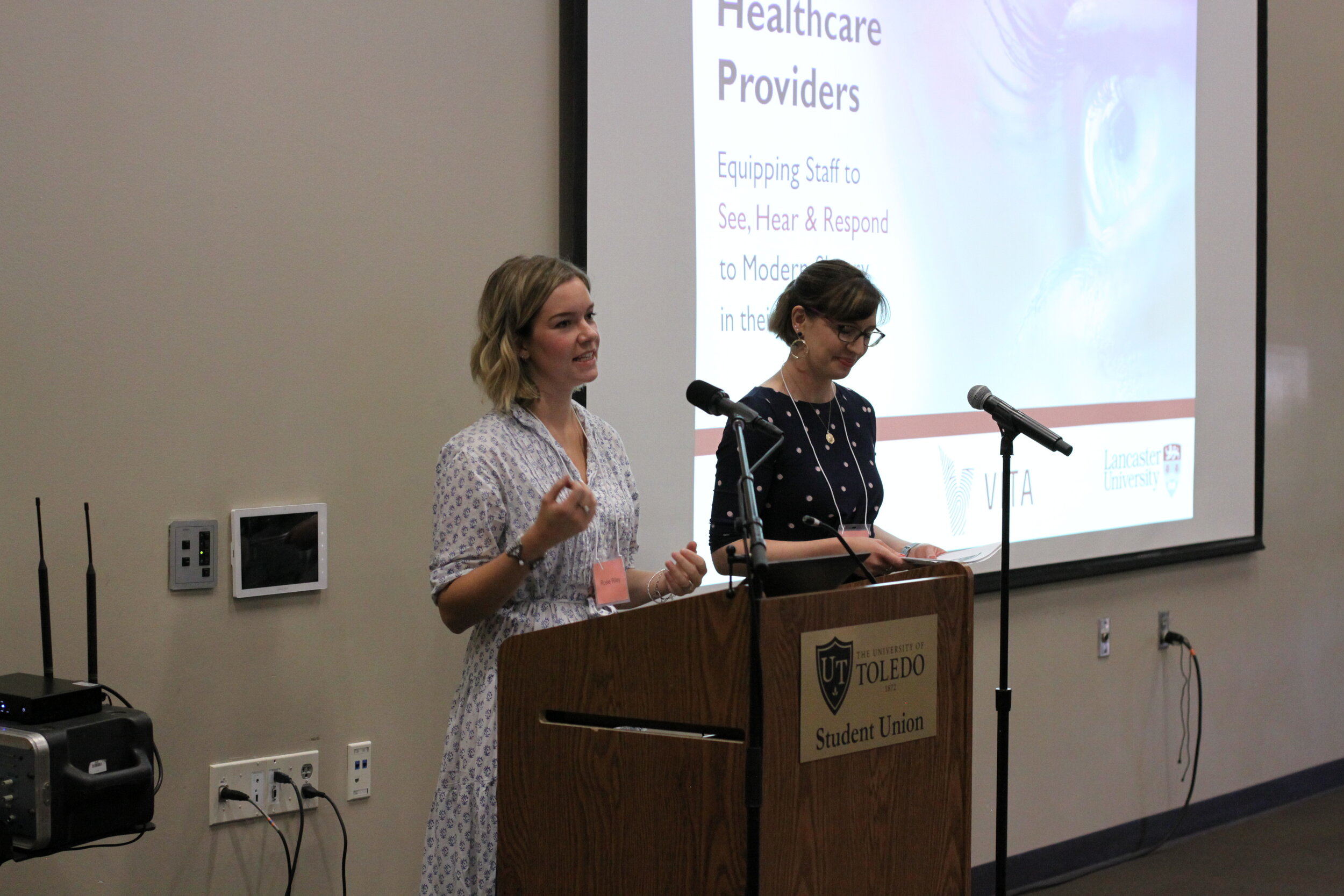
Victims of trafficking are presenting in healthcare settings, yet studies show that they often remain ‘hidden in plain sight’ in the hospitals and clinics because healthcare professionals don't know how to identify, respond, and safeguard them (Oram et al, 2016; Katsanis et al, 2019). Professionals may be blinkered to treating the physical injury but miss holistically assessing the individual and their potentially life-threatening situation. Crucial opportunities to empower and intervene in a survivor’s life are being lost. Trafficking survivors often feel unable to spontaneously disclose their abusive situation to health professionals due to complex, layered fears, threats, confusions and misunderstandings. However, to a sensitive professional, their speech, behavior, mental state and physical appearance may well give clues that something is wrong. If that attending health professional is then equipped to manage a potential slavery scenario safely and confidently, including tailored screening questions, techniques for removing suspicious accompanying individuals from the room without raising alarm and an understanding of next steps, the chance for a victim to be well supported greatly increases. This workshop will cover the reality of human trafficking and how it relates to healthcare, the approach and lessons learnt from the USA’s healthcare-led responses, and VITA’s plans to transform the assessment and care of modern slavery survivors in the UK National Health Service.
Presentation Objectives:
· Discuss how victims of trafficking may present in healthcare settings
· Discuss what physical, mental, behavioural and other clues to trafficking may be disclosed or detected in the healthcare setting
· Discuss what actions are appropriate and safe for a healthcare professional to take when a patient is a suspected modern slavery victim
· Discuss existing training programs for healthcare professionals across the USA, drawing important lessons
· Discuss the development and strategy of VITA training in the UK, identifying key recommendations for implementing a national training program
Recently there have been concentrated efforts focusing on human trafficking prevention (ACF, 2016; Chang & Stoklosa, 2017). Current prevention efforts span various professional fields and expertise. Missing from prevention literature is the systematic inclusion of survivors’ through methodologically sound research (Murphy, Bennet, & Kottke, 2016). This study utilized Group Concept Mapping (GCM), a rigorous participatory mixed-method process adept in capturing stakeholder contributions, to explore human trafficking prevention. Having survivor contributions captured through rigorous research provides greater opportunities to utilize data. GCM draws upon a non-random, purposive sample of stakeholders: survivors of human trafficking (Kane & Trochim, 2007). Survivors are the originators of the data, determine the value of the data and identify ways in which the data should be presented and coalesced. Adult survivors of human trafficking (N=35) participated in brainstorming and rating/sorting sessions across three states. Survivors were asked to conceptualize human trafficking prevention. Results identified 10 distinct clusters, made up of 108 unique statements. Examples included: Education and Awareness, Social Services, and School Based Education. Survivor conceptualizations of prevention (statements) were also rated by participants across two variables, Importance and Feasibility. Participant ratings produced a high correlation between participants’ views of which data was important and which data was feasible (r = 0.91). Two significant outcomes of this study are the central focus on the inclusion and representation of survivors’ contributions and building an empirical knowledge base for preventing human trafficking. The analytical outputs are highly useful in influencing program development and modification. Dr. Justin “Jay” Miller, Associate Dean for Research & Associate Professor at the University of Kentucky, is a contributing author of this presentation.
Presentation Objectives:
· Emphasize survivor integration in research conceptualizing prevention strategies
· Discuss study findings and implications
· Identify key areas for prevention initiatives
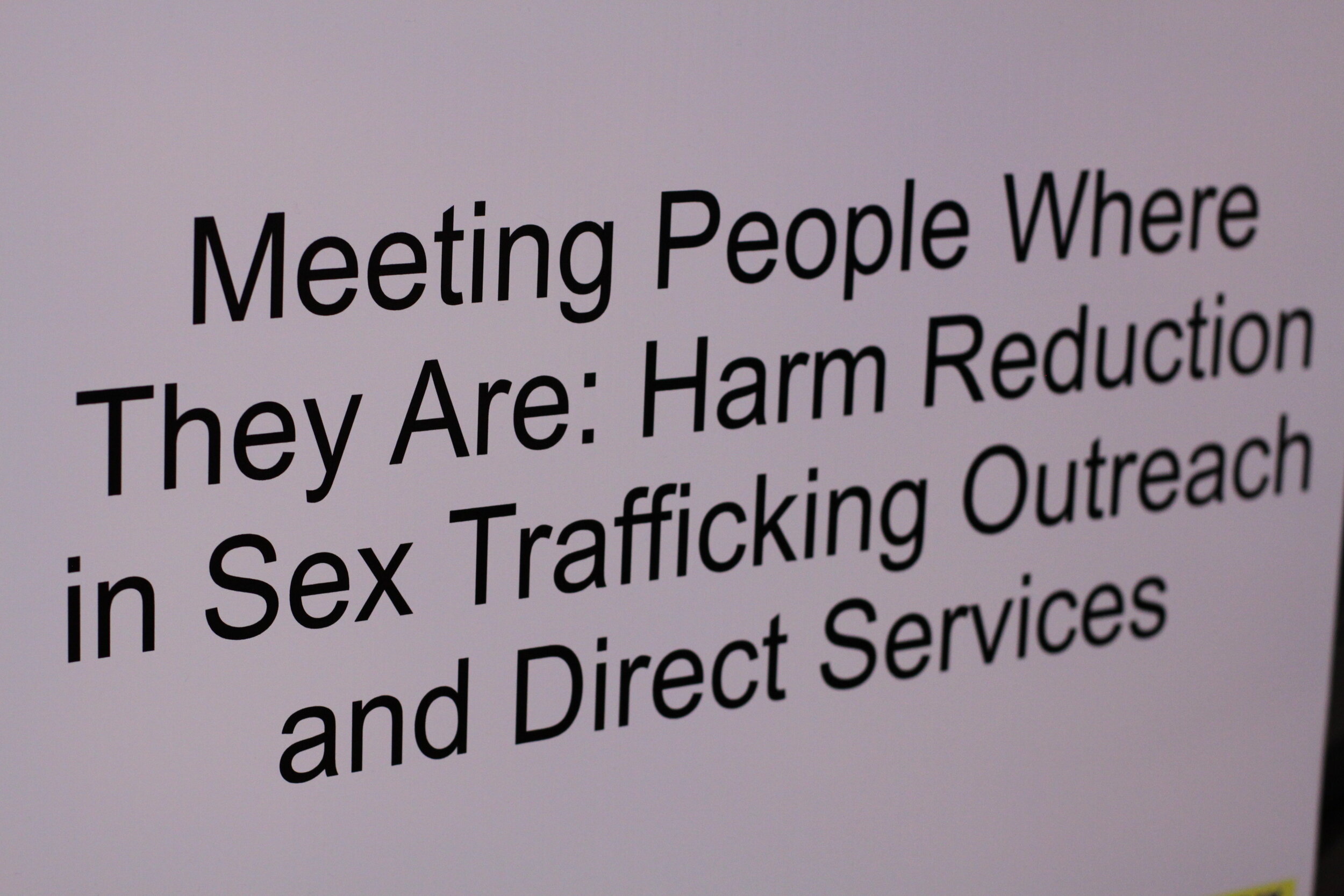
As many of us working tirelessly toward ending human trafficking begin to move from “rescue and restore” models of intervention into more holistic, trauma-informed, empowerment models emphasizing safety and self-determination, harm reduction principles become increasingly important for us to understand and incorporate into our work. Harm reduction in sex trafficking prevention starts from the position that any steps toward a person’s safety are worth making, allowing for incremental improvement toward safety and self-determination rather than holding out on “rescue” as our primary indicator of success. In this workshop, attendees will learn harm reduction principles, why they are needed in our work in sex trafficking prevention and response, and how to incorporate them into outreach, direct service programs, and policy.
Presentation Objectives:
· Identify the 8 principles of harm reduction as outlined by the Harm Reduction Coalition
· Translate these principles from use in addressing substance use disorders to sex trafficking policy and response
· Name 5 ways these principles might lead to more effective policy, outreach, and direct service programming for survivors of sex trafficking
Psychosocial, human, and health services are seldom equipped to address the unique needs of people with lived experiences in the commercial sex trade (Aron, Sweig, & Newmark, 2006; Hemmings et al., 2016). A prominent issue is the struggles that people experience(d) to exit from the trade (Baker, Dalla, & Williamson; Reid & Piquero, 2014). The stigma associated with involvement in the trade often deters those caught up in it from services (Macy & Johns, 2011; Silver, Karakurt, & Boysen, 2015); a missed opportunity for providers to engage a population highly vulnerable to exploitation, violence, trafficking, prostitution and other forms of human rights violations. Hence, this presentation will describe a study whose primary objective is to better understand the challenges that people face to exit. Another study objective is to generate knowledge to inform best practices to work with people who are at different points of experience and relationship to the commercial sex trade: still in the sex trade; out of the sex trade; and with or without a history of cycling in and out of the sex trade. The team will discuss their preliminary findings in relation to the study objectives based on qualitative and quantitative data gathered across Massachusetts in 2018 from 50 interviews with adult participants who reported they had exchanged sex for something of value during their lifetime. The study participants are diverse by their age (18-34, 35%; 35-44, 45%; 55+, 20%); gender (male, 14%; female, 84%, other 2%); race (Black & African American, 41%; White, 47%; other, 12%); ethnicity (12% Latino); sexual orientation (Heterosexual, 59%; Homosexual/Gay/Lesbian, 10%; Bisexual, 25%; other, 6%); income (51%, $12,000 or less); and childbearing status (74%, have children).
Presentation Objectives:
· Discuss preliminary study findings related to participants' relationship to the commercial sex trade correlated across exiting status and measures involving spirituality, wellness, dissociation, PTSD, and Adverse Childhood Experiences
· List potential practice applications of the data that may inform improved clinical and peer services to people with lived experience in the commercial sex trade
· Engage attendees in helping the researchers identify how these preliminary findings might be helpful to better serve the population
Numerous United Nations bodies, such as the Committee Against Torture, the Committee for the Elimination of All Forms of Discrimination Against Women, and the Office of the High Commissioner for Refugees, contend that it is a human rights violation to make survivor assistance contingent upon cooperation with law enforcement. The fact that the U.S. Trafficking Victims Protection Act does so has been decried as placing an “onerous, discriminatory burden on alien victims” (Chakraborti, 2014). We will discuss this allegation in light of three factors: (1) that the objections to the TVPA’s Contingency Clause are utilitarian rather than based upon human rights, (2) that existent human rights law grants discretion to utilize some version of the Contingency Clause, and (3) that the history of human rights as well as international and regional practice implies a reciprocity of duties among rights-holders, which suggests the Contingency Clause may in fact be justified on the basis of human rights. Discussants will be asked to consider how contingency, if re-construed as reciprocity, affects the relationship between such (sometimes) competing therapeutic goals as enhancing autonomy and effecting a willingness to proactively serve other potential survivors.
Presentation Objectives:
· Examine the claim that the TVPA's contingency requirement violates survivors' human rights
· Describe international and regional human rights law regarding survivor services
· Discuss the implications (e.g., for therapeutic goals) if contingency is compatible with human rights
2:45 - 3:45
The goal of this presentation is to educate attendees how hidden incest, sexual abuse, and rape trafficking go hand in hand. The presenter will identify grooming, incest and how both affected her life, tore apart relationships, and how she was able to overcome the past through education.
Presentation Objectives:
· Describe how this happens easier in a rural community
· Explain the signs of what it looks like when a child is enduring this kind of abuse
· Discuss how teachers, nurses, and doctors can do things differently to help the child
· Discuss how secret societies and hidden communities must have ways to be held accountable
· Discuss the health issues to the audience with question and answer time
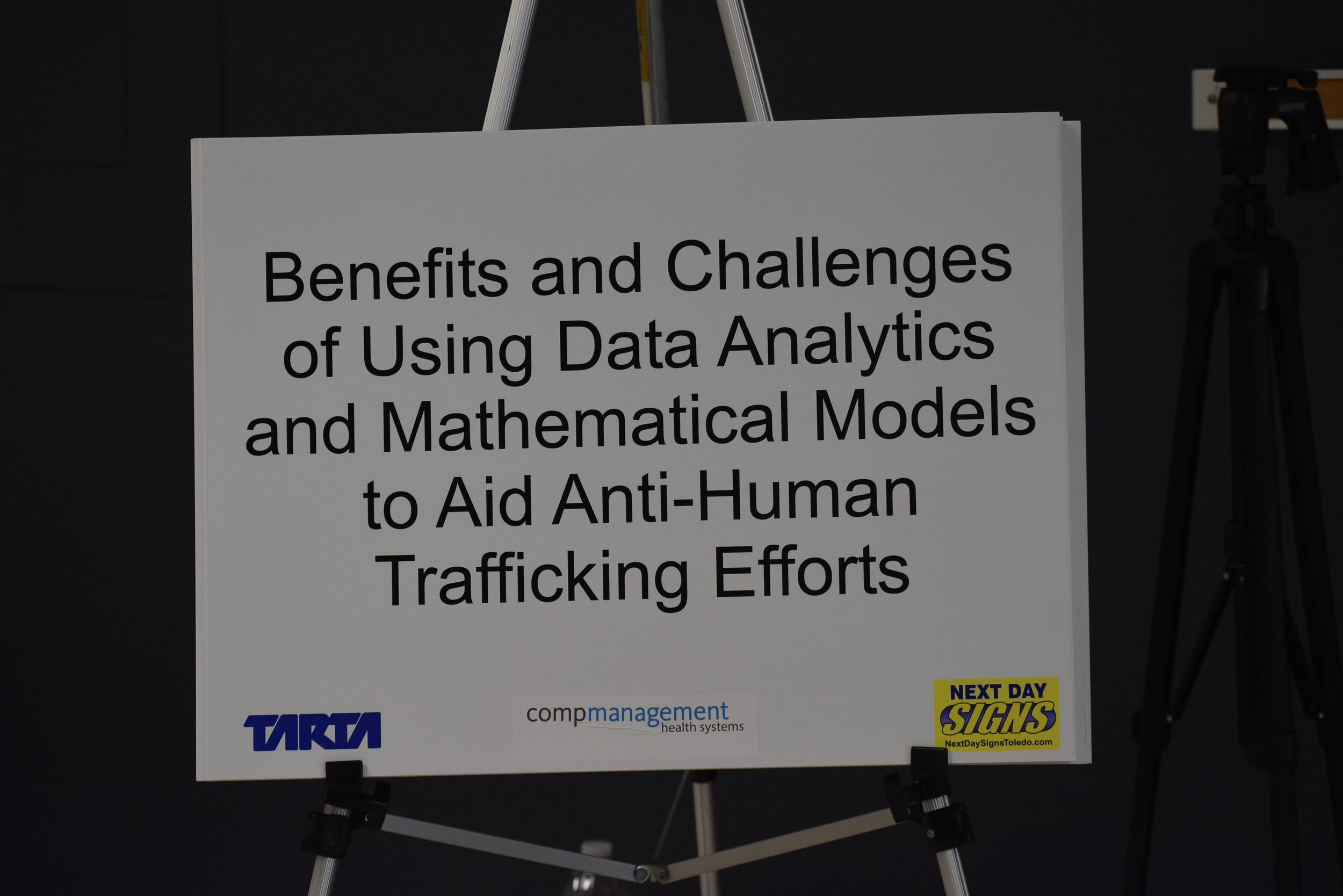
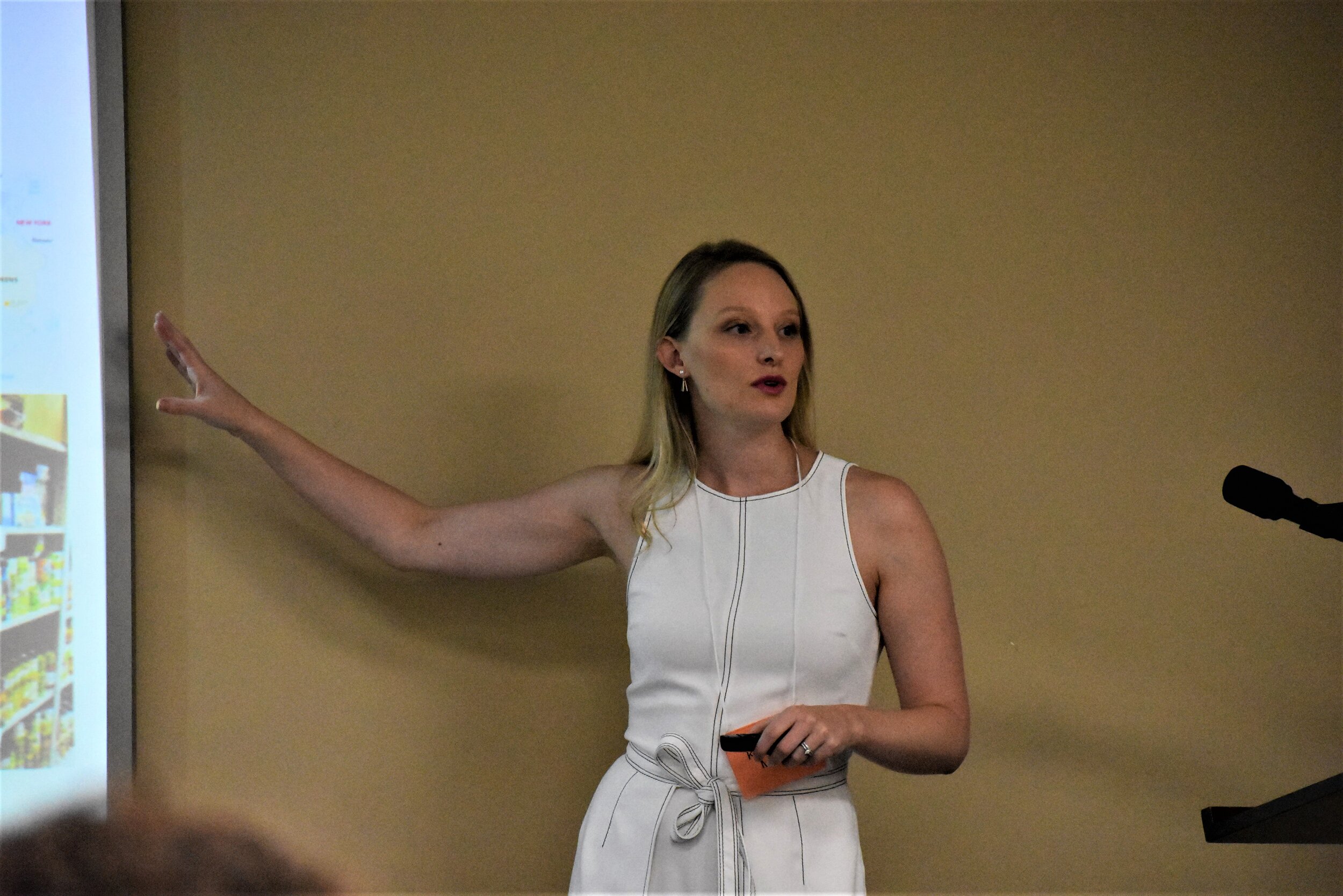
Thus far, human trafficking research has primarily focused on qualitative studies, statistical estimations of prevalence, and insights generated from economic models. However, a variety of additional mathematical modeling and data analytic techniques also have the potential to help address the unique challenges facing anti-human trafficking efforts, including: the covertness of traffickers, the hidden nature of victim-survivors, fragmented data, and limited resources. This presentation will discuss ongoing transdisciplinary collaborations in this sphere and utilize multiple illustrative examples, including optimizing the allocation of a limited budget for rehabilitative shelters for human trafficking survivors and coordinating efforts to disrupt trafficking networks. Applications of such modeling approaches to other social justice contexts will also be briefly discussed. This presentation is designed to be accessible for all audiences, regardless of their familiarity with mathematical concepts.
Presentation Objectives:
· Identify opportunities for mathematicians to aid service providers, policy makers, law enforcement personnel, and other researchers
· Acknowledge challenges to modeling these environments
· Highlight the benefits of incorporating mathematical models into the decision-making process through illustrative examples
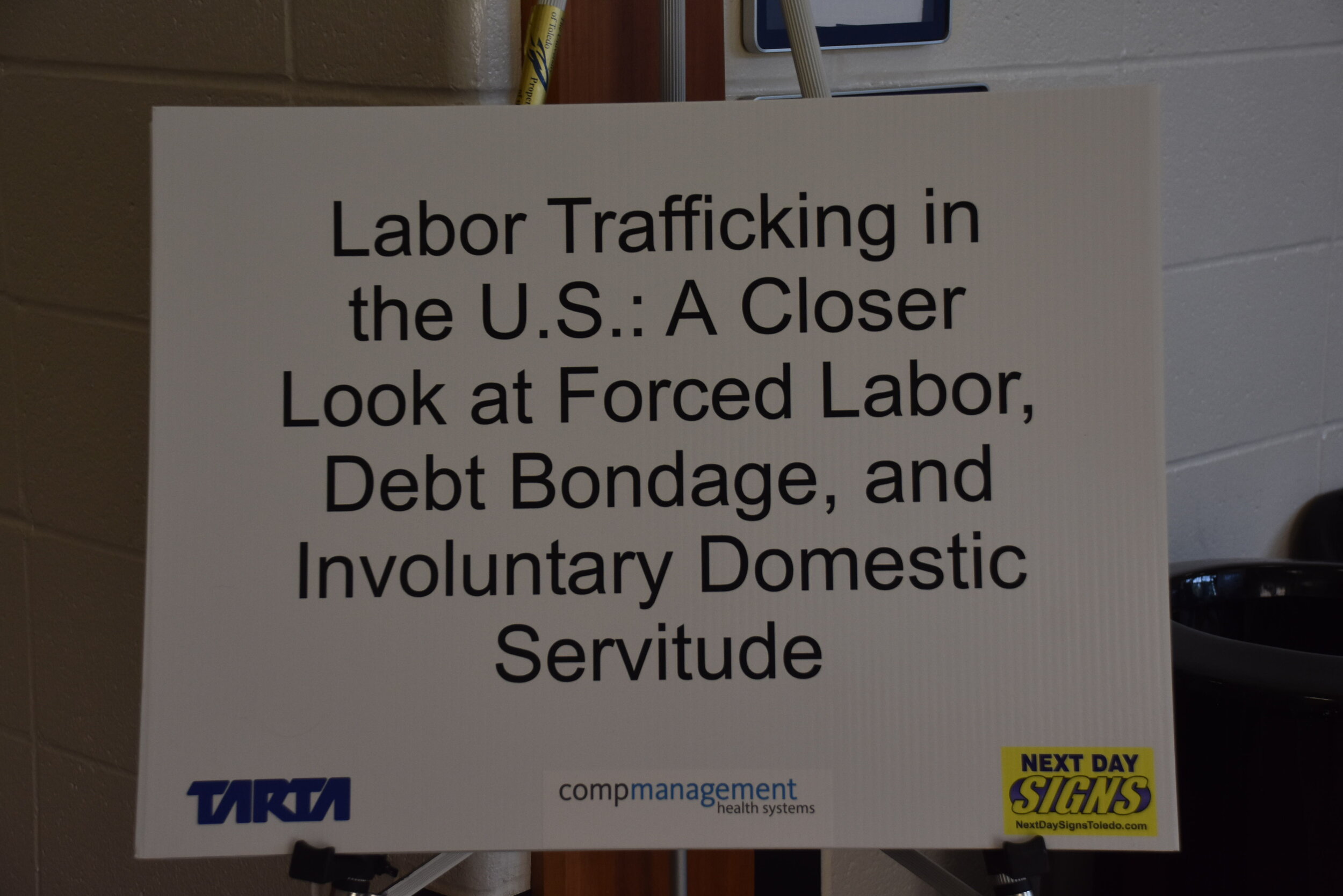
It’s wonderful that the world is awakening to the realization that slavery and trafficking in humans exist in our world today, but focusing on sex trafficking alone won’t help solve the problem. This workshop will offer a closer look at labor trafficking including forced labor, debt bondage, and involuntary domestic servitude. We will use case examples to discuss the complications in identifying and serving victims. At this workshop, attendees will learn how to recognize potential red flags and indicators of labor trafficking, understand the barriers that labor trafficking victims faced when accessing help, recognize the gaps in services for these vulnerable population, and understand immigration reliefs for victims. The presenter will also discuss the most effective practices to serve foreigner national labor human trafficking victims using trauma informed-care, cultural humility, and client-centered approach. Finally, the presenter will touch on how you as a consumer can fight human trafficking.
Presentation Objectives:
· Describe different forms of human trafficking
· Discuss how to identify victims
· Explain barriers and gaps in social services
· Discuss immigration reliefs and resources available
· Identify the most effective practices using trauma-informed care, cultural humility and client-centered approach
· Discuss the role of consumers in fighting labor human trafficking
An often-overlooked part of healing for survivors of the sex trafficking is preparing their family members and loved ones for their return. The development of the Through the Eyes of a Parent program has provided tips and supportive tools for these family members. This session will offer tips, strategies and suggestions that have successfully contributed to re-integration. Survivors of the commercial sex trade often find it easier to return to the trafficker than to work through the challenges of navigating through returning to their families. Using a trauma informed approach, we must address the environment, emotional reactions, psychological impact and day to day practical survival involved in "coming home". Often survivors don't understand that their families are in shock, and families are uncertain of how to best help their loved one. Learn how to help them.
Presentation Objectives:
· Explain the impact of reintegration on the survivors of sex trafficking
· Explain the impact on the families and loves one of survivors of sex trafficking
· Identify services needed to help with re-integration for survivors of sex trafficking
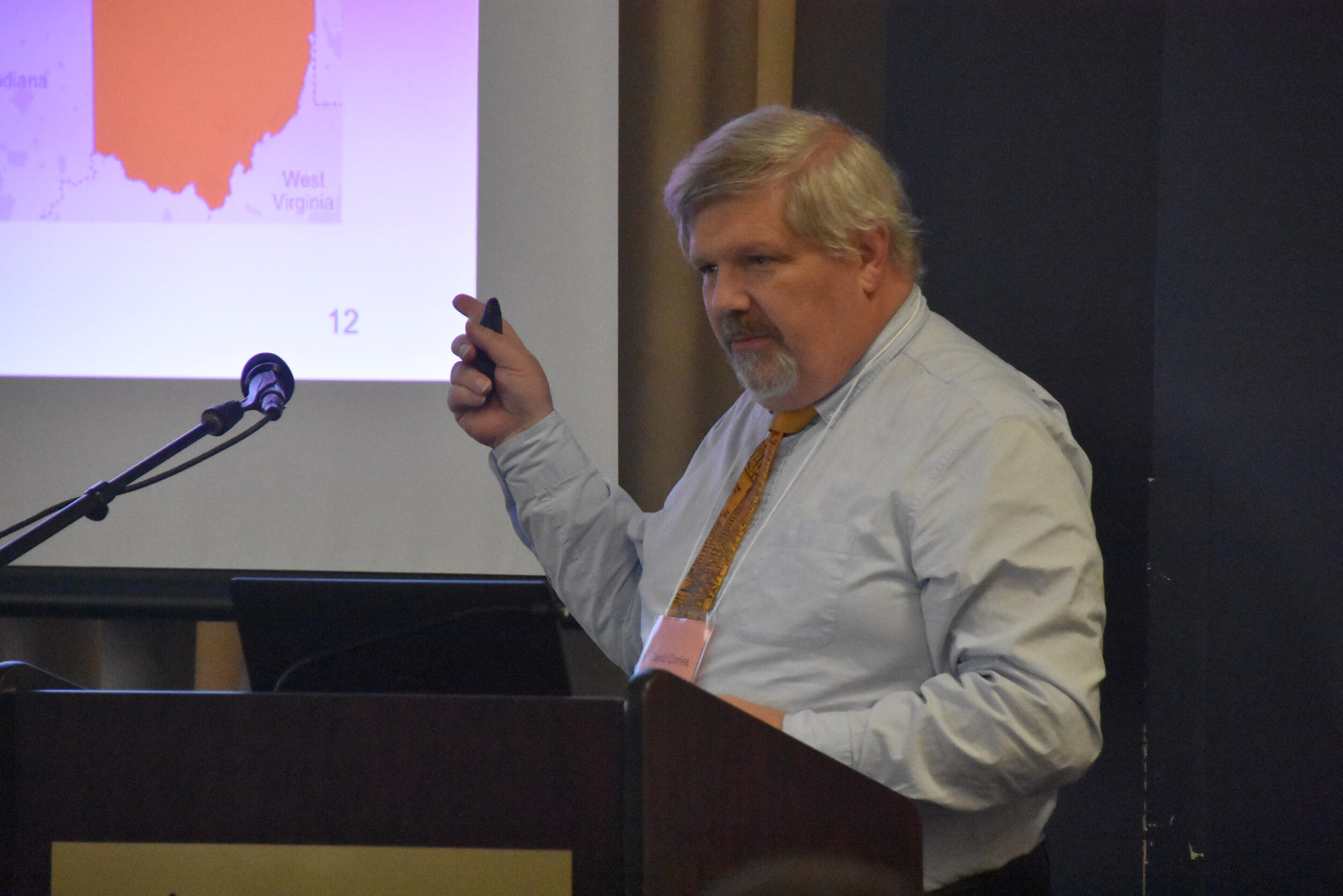
Previous statistical analysis of state-level human trafficking reporting in the Polaris data has identified demographic, economic, and sociological drivers of human trafficking. This enables a prediction of the number of reported victims to be expected for each state. States with high-performing programs and practices for identifying victims have a higher reported rate than that predicted by demographic and socio-economic drivers alone. This study compares the legislative environment of higher performing states, such as Ohio, to those with fewer reported cases for the same expected underlying rate. In this way, insight is gained as to which legislative actions are more effective in identifying victims. For example, training of emergency room workers is a very effective practice, yet at least 37% states have no such requirement. A statistical model derives data-driven recommendations for which legislative actions have the largest effect in driving the reporting of human trafficking victims.
Presentation Objectives:
· Identify and recommend legislative actions effective at identifying more human trafficking victims
· Advocate for more research on data-driven recommendations to combat human trafficking
This presentation seeks to illuminate challenges presented and barriers related to the language and images used in anti-human trafficking work and formulate a better way forward. Specifically, the presenters consider the ways in which the diverse identities of people involved in trafficking situations, anti-human trafficking advocates, and the historical backdrop of the United States interacts with and impacts anti-human trafficking efforts. The presenters will discuss how anti-human trafficking language, imagery, and stories often inadvertently subvert objectives by shaping and influencing thinking, actions, attitudes, and the treatment of others in a non-comprehensive way. For example, how the imagery, language, and stories associated with referring to human-trafficking as "modern day slavery" is void of appropriate societal context, ostracizes and can offend victims and advocates, and recasts antebellum slavery in a sanitized light while retelling the story of American slavery as a rescue mission. This one example is a preview of how the presenters expect to deconstruct linguistic and visual tools to raise awareness and initiate a discussion for a more effective approach. The elucidation of such challenges is the departure point from which presenters and audience members will engage to formulate less constricting terms and work towards resolving such issues. At the conclusion of this presentation, attendees should have a basic understanding of subversive anti-human trafficking language choices and be able to identify better, concrete, options moving forward that more effectively accomplish the goal of discussing human-trafficking.
Presentation Objectives:
· Highlight issues surrounding the language and imagery used in anti-human trafficking work
· Discuss ideas for how to reframe our experiences
· Set concrete objectives for participants to use going forward
4:00 - 5:00
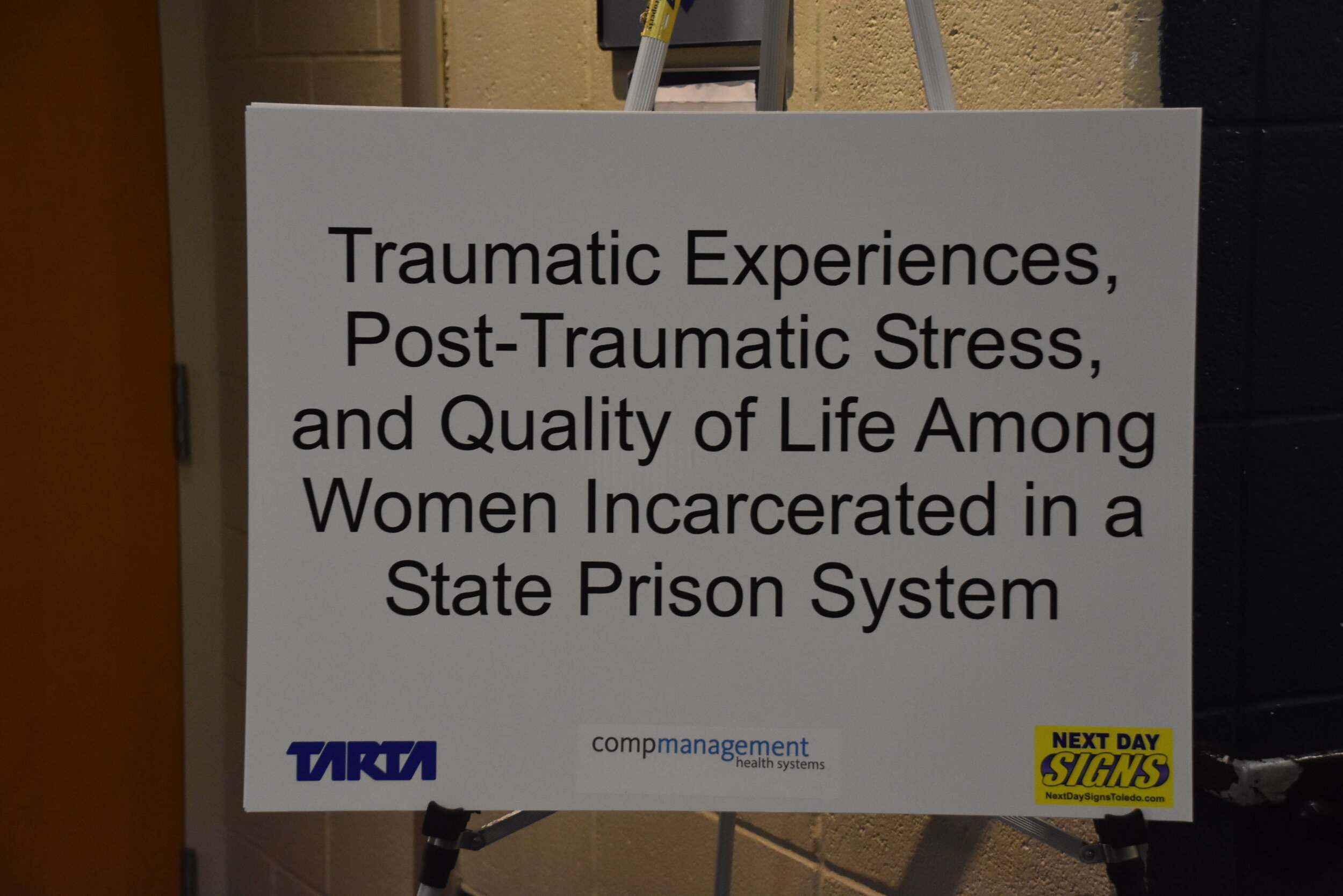
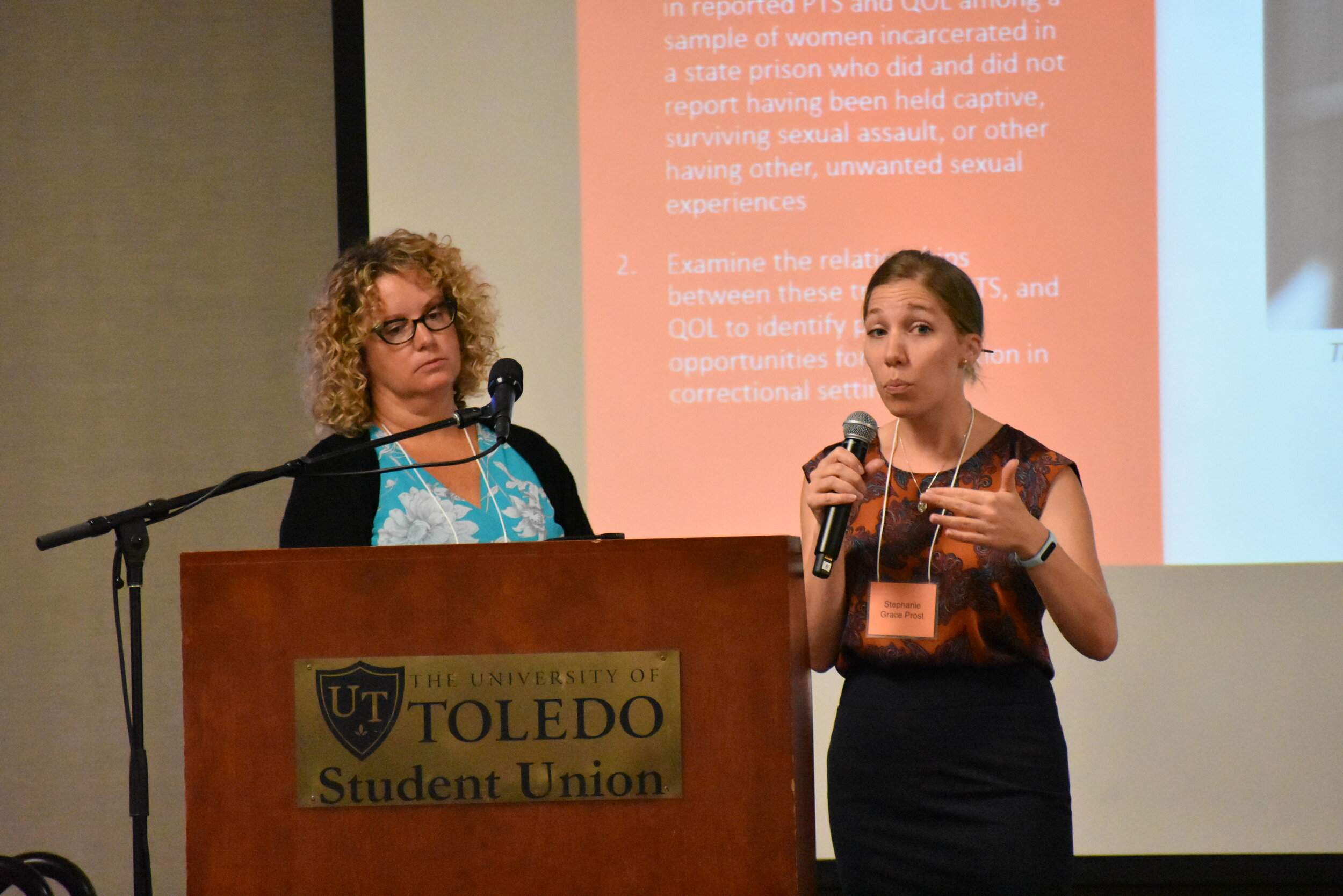
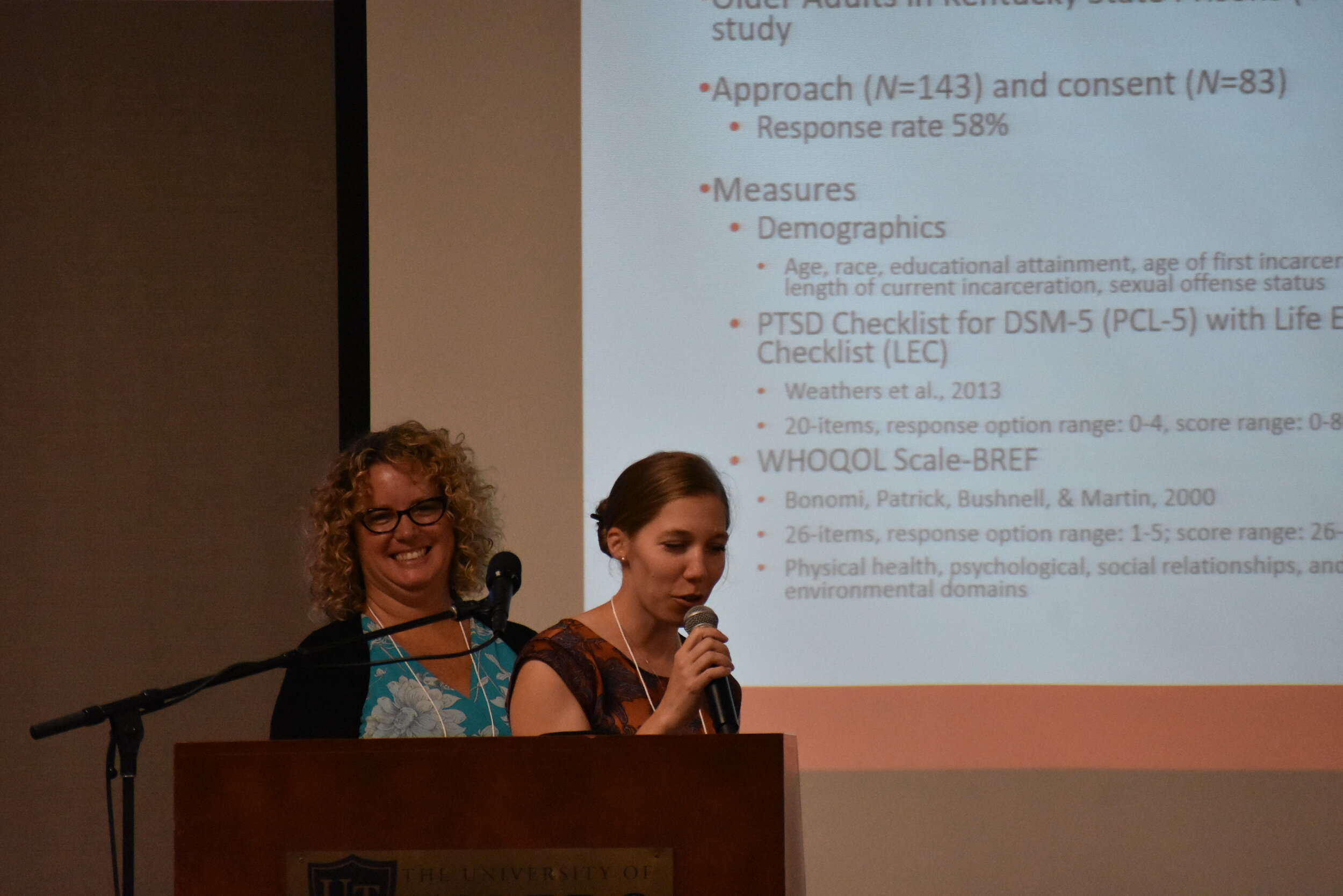
Researchers conducted voluntary face-to-face interviews with women incarcerated in a Southern state prison (n=83) regarding their health, quality of life, and justice-related experiences using a cross-sectional approach. PTS severity was captured using the PTSD Checklist for DSM-5 with Life Events Checklist for DSM-5 (Weathers et al., 2013). Traumatic experiences of current focus include sexual assault; other unwanted or uncomfortable sexual experiences; and captivity. Quality of life (QOL) was captured using the World Health Organization Quality of Life Scale-BREF (Bonomi, Patrick, Bushnell, & Martin, 2000). Independent sample t-tests identified significant differences of PTS severity and QOL among women who self-reported having experienced the above traumas directly and those who did not report direct experiences. Women who reported experiencing these traumatic experiences reported significantly higher average PTS severity than their non-affected counterparts (r= .28 - .40). Women who reported experiencing unwanted sexual experiences or captivity also reported significantly lower environmental QOL than their non-affected peers (r=.30 - .35). Significant relationships between having enough money to meet one’s needs and sexual assault (r=-.33, p=.002), other unwanted sexual experiences (r=-.28., p=.01), and captivity (r=-.32, p=.003) may indicate that financial security serves as a mediator of trauma and QOL among women incarcerated in state prisons. Implications related to vocational training and job opportunities in carceral settings for women will be discussed, within the context of key trauma-informed care principles. Dr. Amber McDonald, part-time faculty at the University of Louisville Kent’s School of Social Work, is a contributing author of this presentation.
Presentation Objectives:
· Provide an overview of a study exploring relationships among traumatic experiences, post-traumatic stress (PTS), and quality of life (QOL) among women incarcerated in a state prison system (N=83).
· Describe relationships between traumatic experiences, PTS, and QOL
· Showcase findings regarding sexual assault or other unwanted or uncomfortable sexual experiences, captivity, PTS, and QOL among a sample of women incarcerated in a state prison system
· Discuss practice implications related to primary study findings
Recovering Individuals from Sexual Exploitation (R.I.S.E.) is a program of The Salvation Army in Northwest Ohio that seeks to empower survivors of trafficking and exploitation through holistic and intensive case management, support groups, and resource connections. Survivors of trafficking and exploitation have experienced immense complex trauma, and it has been found that traditional methods of addressing the needs don’t always prove the most beneficial (Polaris Project & Sanar Wellness Institute, 2015; Williamson, Dutch & Clawson, 2010; Xiong, 2008). For that reason, this project focuses on utilizing creative expressions and equine-assisted therapeutic activities to positively impact the survivors’ journey. This was realized through a collaborative grant between R.I.S.E., Issue Box Theatre, The Expressive Therapies Center, and Serenity Farm Equestrian Center through the generosity of the Lucas County Human Trafficking Coalition. This presentation will cover the process of collaborating across four unique yet interconnected fields (social work, art therapy, theatre, and equine-assisted therapy) as well as how the clients themselves responded to the activities. First, each presenter will share a brief background of their area of expertise and how it provides healing to survivors of human trafficking and exploitation, using research to support their perspectives. Second, each presenter will share the experience of working with R.I.S.E. survivors as well as working in a collaborative fashion across disciplines. Then, the presenters will provide qualitative responses shared from the survivors who were part of this project. Finally, the presenters will give overall feedback as well as suggestions for those wishing to facilitate similar activities and collaborations.
Presentation Objectives:
· Discuss efficacy of art-based initiatives
· Provide clarification on the differences between “therapeutic intervention” and “therapy”
· Share responses of survivors to creative interventions and their process of imagining a brighter future
· Present findings of evidence-based and best-practices related to creative interventions for survivors of trauma and trafficking
Good intentions are the driving force behind current legislation and policies directed at helping those who are trafficked. However, by overlooking the voices of the most vulnerable, these seemingly progressive acts have unintended consequences, even making trafficking more likely. Using recent examples including FOSTA/SESTA, strip club legislation, and raids on sexual oriented businesses (SOB), the presenters will demonstrate how efforts to end trafficking often blur the lines between trafficking and sex work and end up perpetuating the problem we seek to eradicate. They will then discuss how activists can learn from these shortcomings and develop more inclusive policies that will genuinely work towards ending trafficking while still protecting people who perform consensual erotic labor.
Presentation Objectives:
· Define sex work versus sex trafficking, the spectrum of agency within the sex trade, and criminalized, legalized, and decriminalized models for prostitution
· Highlight various pieces of legislation targeting sex workers across the country
· Provide examples of real abuse and exploitation happening in SOB, gentlemen’s clubs, and adult entertainment venues
· Illustrate how decriminalization initiatives grant greater access to support, resources, and non-sex work economic opportunities
· Offer suggestions to anti-trafficking advocates on ways to be inclusive toward sex workers when developing policy strategies, rescue interventions, and/or outreach
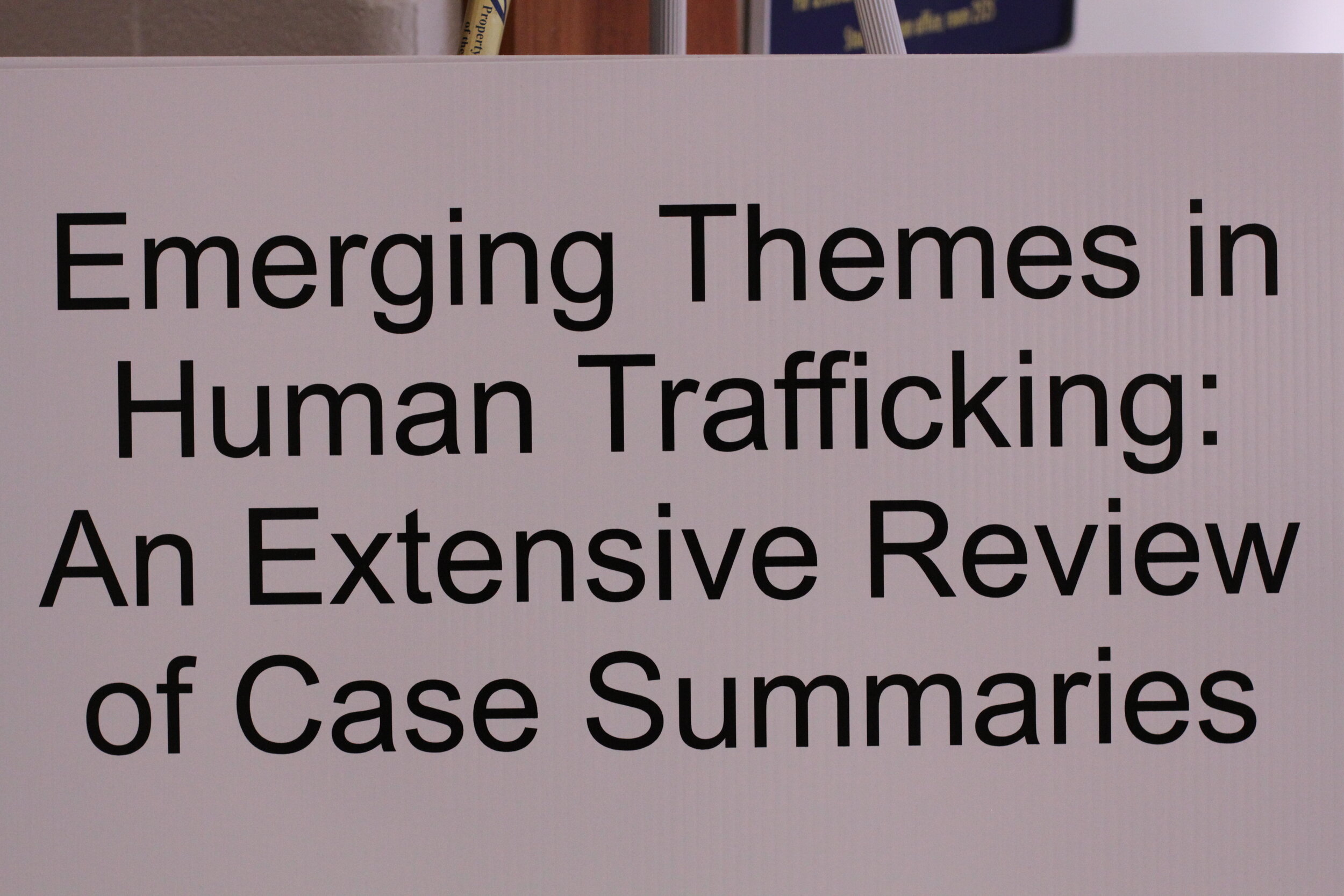
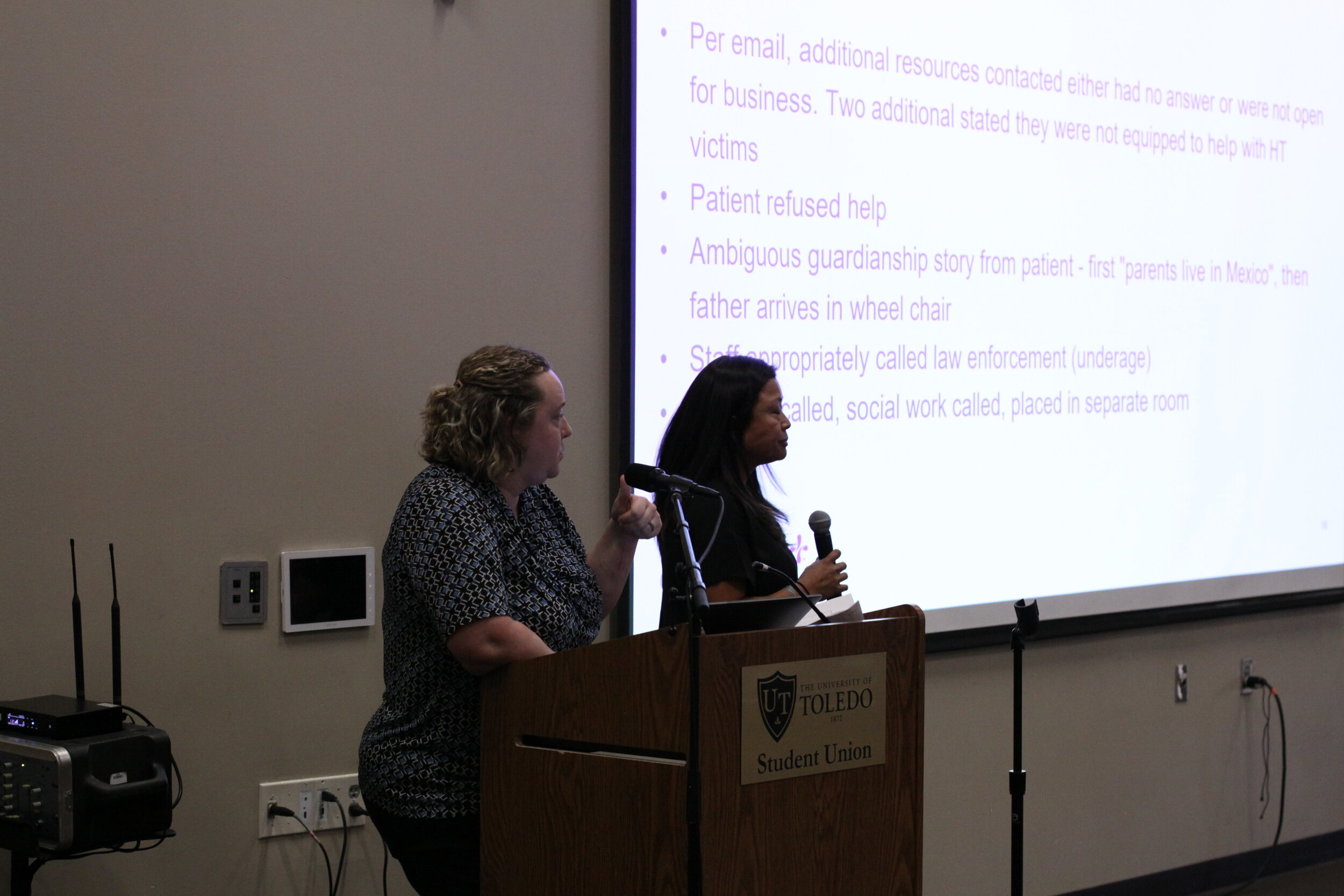
This presentation will present findings from an extensive review of 33 case studies of suspected victims of human trafficking. These case studies spanned three states over the course of two years. Each case study was analyzed by two research fellows to identify initial themes. A second review was conducted by two research scientists and consensus was obtained on the four themes. They include patient characteristics, trafficker characteristics, process improvement and point of entry. The research team has defined patient characteristics as any detail about the appearance, personality or behavior of the potential human trafficking victim. This is similar to the definition for the theme of trafficker characteristics. Process improvement is defined as characteristics that describe the overall process from the time patients presented to the hospital until they were discharged. These could include failure to identify potential human trafficking victims, gaps in following protocol, and opportunities for improvement in the overall care of the patient. Lastly, Port of Entry is defined as the location of first contact with the patient. These findings will be used to help improve the identification and care of the HT victim. Additional research studies have been planned as a result of these qualitative study, including a comprehensive analysis of the medical treatment that HT victims received.
Presentation Objectives:
· Discuss the common themes that emerged from the reviewed case studies and their impact on further research inquiries
· Identify criteria that could be used to build a template for future case study audits
· Identify areas of success and opportunities for improvement in the overall care of potential HT victims
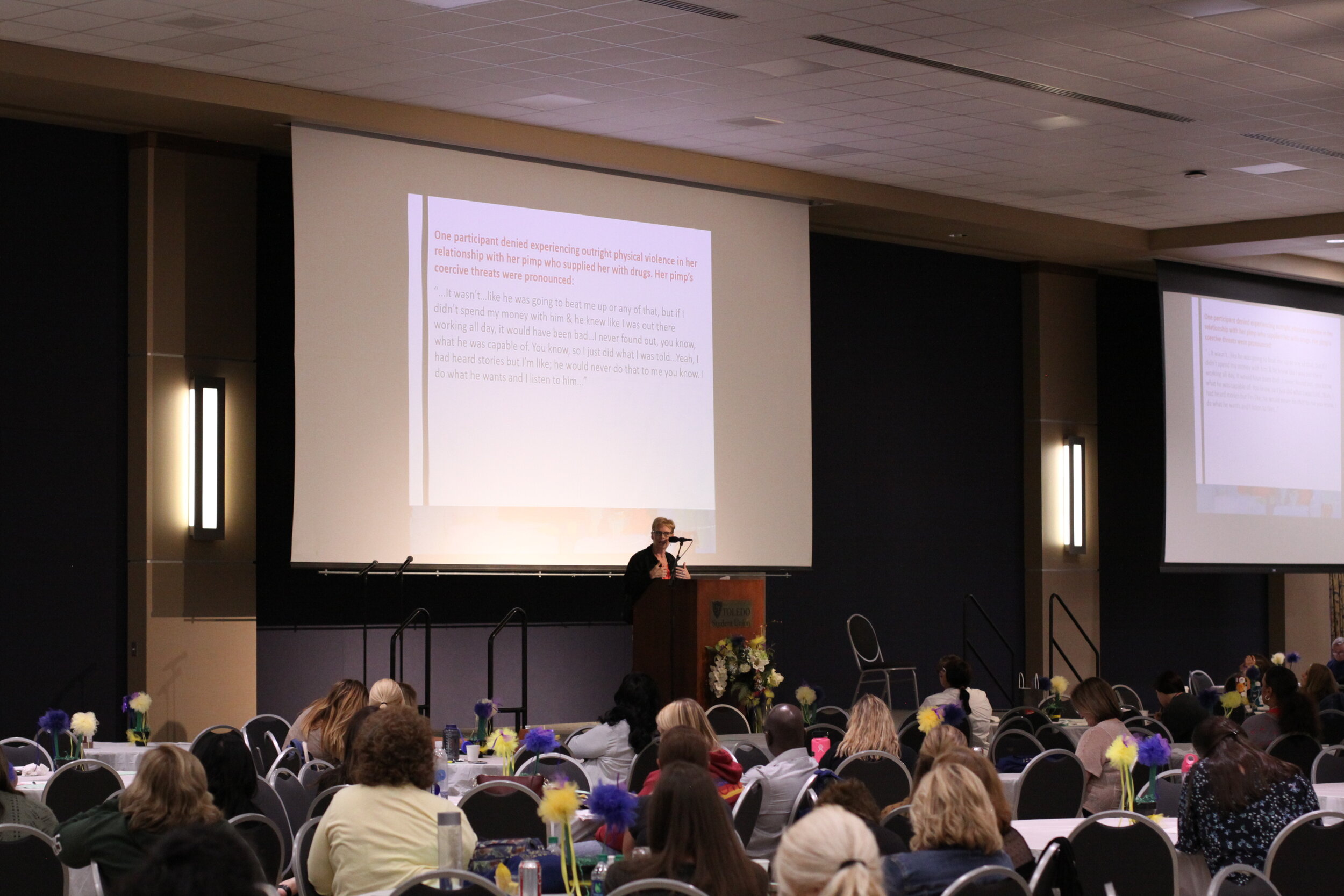
Sex trafficking and intimate partner violence (IPV) are global social justice issues in which vulnerable and marginalized individuals are harmed in significant and overlapping ways. The presenters analyzed the extant literature on sex trafficking and IPV and drew upon their own research with participants exiting sex trafficking through CATCH Court (Canning & Schultz, 2019; Schultz, Canning, & Eveleigh, 2018). This presentation is based on their mixed-methods findings. The presenters analyzed quantitative data based on participants (N = 60) enrolled in the Changing Actions to Change Habits (CATCH) Court in Franklin County, Ohio. Qualitative interviews with participants (N = 19) enrolled in the Changing Actions to Change Habits (CATCH) Court also provided insights based on participant completion of 90-minute life story interviews and life maps. Their findings revealed that abusive dynamics (e.g., coercive control, physical and sexual violence, traumatic brain injuries (TBIs), and fatal injuries) are mirrored in both forms of interpersonal violence and that pimp and sex buyer abuse perpetrated against sex trafficked individuals is more accurately understood using an IPV lens. The intersections of coercive control and violence between sex trafficking and IPV calls for clinicians to provide trauma-informed therapy, and specifically an awareness of IPV, as they work with sex trafficked individuals.
Presentation Objectives:
· Discuss the dynamics of coercive control, physical and sexual violence, traumatic brain injuries experienced by survivors of sex trafficking
· Discuss the dynamics of coercive control, physical and sexual violence, traumatic brain injuries experienced survivors of intimate partner violence
· Explain counseling implications as a result of the comparable forms of abuse dynamics that characterize both sex trafficking and IPV
Friday, September 20, 2019
8:00
Registration & Continental Breakfast
8:30
Morning Welcome-Auditorium
With limited time, money, and resources, advocates need to know which youth are at the highest risk for sex trafficking and then do their best to prevent it. The presenter will provide the audience with a new and free human trafficking risk assessment tool (HTRISK) developed at the University of Toledo’s Human Trafficking and Social Justice Institute with support from the Ohio Children’s Trust Fund and will provide instructions on how to administer and score it. Findings from use of the tool on over 400 Ohio youth will also be presented. Once understood, the majority of the session will be devoted to discussing effective ways to implement programming and policies aimed at reducing risk, increasing protective factors, and removing the barriers to serving youth at high-risk for sex trafficking.
Presentation Objectives:
· Provide the HTRISK Assessment Tool and discuss the findings from the study
· Explain which youth are most at-risk and the importance of focusing on at-risk youth over the general population of youth
· Describe strategies to reduce risk, increase protection, and remove service barriers for youth at risk
This presentation will focus on one night that completely changed the trajectory of Vanessa's life. In February, 28 years ago, Vanessa and her roommate, Kelly, were out together and with a 2 mm shift. Vanessa was not in the spot where Kelly was picked up and subsequently murdered that same night. Vanessa knew she was spared by God on this night and strived to escape the traffickers. After close calls on her own life and failed escape attempts, she was able to escape, return to high school, university, and then Law school, to become a successful lawyer. After years of success, CPTSD forced her to seek treatment and acknowledge her accomplishment. Once Vanessa found her true purpose, she came out of hiding. She realized that she was spared by God for a purpose and she finally began speaking about her story, realizing how inspirational her story is and how she can use her powerful voice to help other survivors. Vanessa's mission is to raise awareness and save lives of other survivors through scholarships.
Presentation Objectives:
· Share an amazing victim/survivor story and how a 2mm shift changed the course of the survivor's life
· Raise awareness of foundation for other NGOs or persons in attendance for fundraising and scholarship applications.
· Provide an inspirational and an emotionally charged story to the audience to induce attendees to continue their purpose with respect to the human trafficking issue
· To provide an example to any other victims or survivors that are in attendance
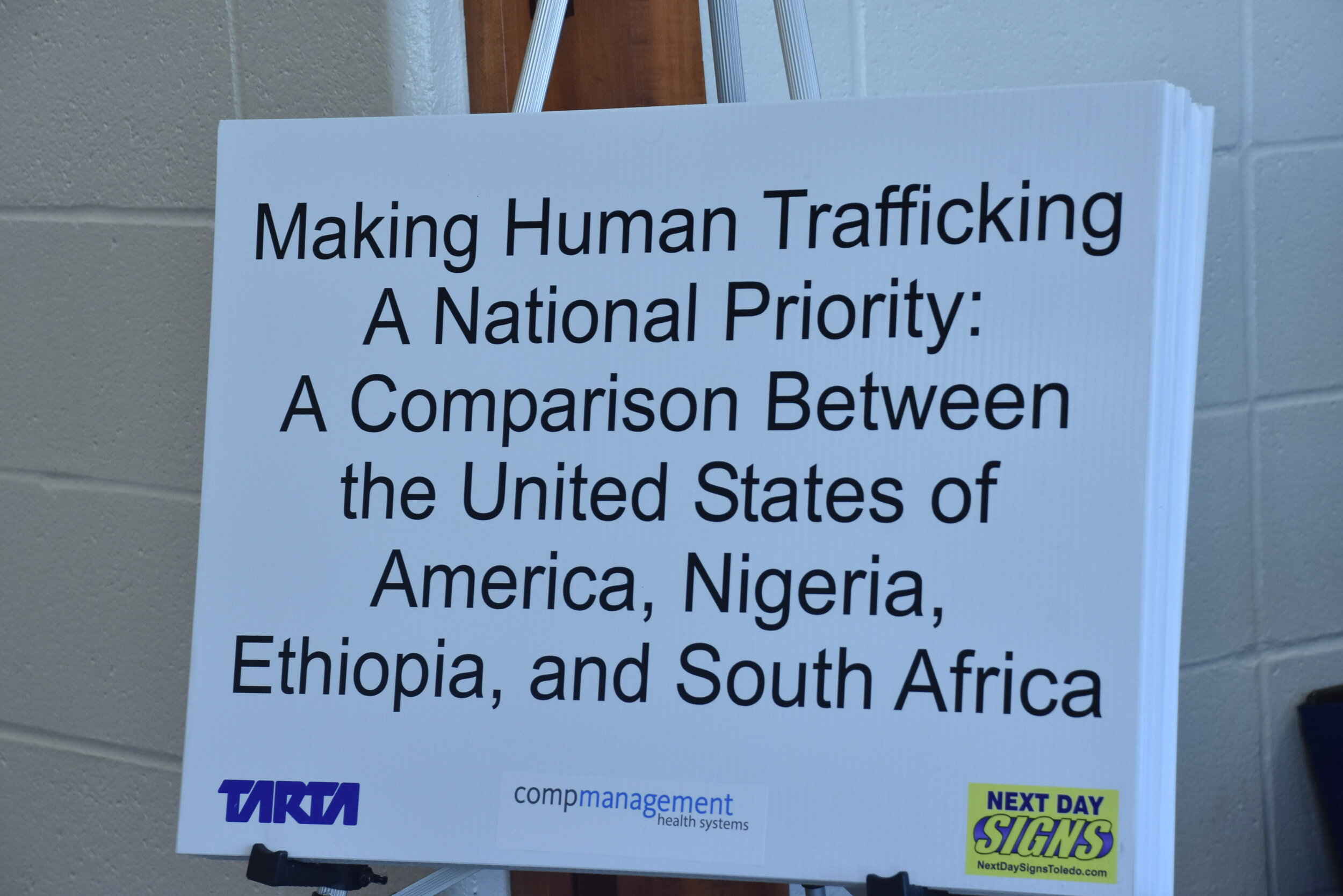
Human trafficking is one of the worst human rights abuses affecting Africa and the world. Also, human trafficking continues to be a big problem in the United States of America, affecting majority of states. Human trafficking is alive and well in the United States, just as it is in Nigeria, Ethiopia and South Africa. Most of the trafficked victims are children, vulnerable women, and girls usually deceived into conditions of suffering. This presentation expounds the need to make human trafficking a national priority and compares the level of commitment by the United States of America, Nigeria, Ethiopia and South Africa to ending human trafficking. It examines the efforts of state and federal government in tackling human trafficking, and provides recommendations. The efforts of the United States of America, Nigeria, Ethiopia and South Africa in tackling human trafficking were documented through discussions and interviews with anti-human trafficking experts, state and federal government agencies, and citizens. The presenters also gathered facts from published researches and articles. The findings from the study showed that not many countries have shown a high level of commitment to combating human trafficking. Most of the countries have not demonstrated sustainable commitment in action and result that shows human trafficking is a national priority. This also indicates the need to call on government of countries to demonstrate sincere political will and commitment in tackling human trafficking. Joseph Chidiebere Osuigwe, BEd is a contributing author to this presentation.
Presentation Objectives:
· Discuss the rate of human trafficking in United States of America, Nigeria, Ethiopia and South Africa and their efforts in combating it
· Discuss “making the fight of human trafficking a national priority” and the need for both state and federal government to show strong political will and commitment
· Describe how countries can make anti-human trafficking a national priority
While the Trafficking Victims Protection Act (TVPA) has rarely been within the purview of the corporate compliance world, a recent nationwide waive of corporate anti-human trafficking litigation is changing how corporations address human trafficking risks within their operations and supply chain. In fact, although trafficking victims have generally invoked the TVPA to seek restitution from their traffickers, this landmark federal law also grants a cause of action to bring claims against multinationals, such as hotel chains, financial institutions, social media companies, and retail manufacturers that benefit from labor or sex exploitation. Additionally, the TVPA exposes corporations to potential criminal liability if their business operations, or even investments, benefit from human trafficking. This presentation will address corporate human trafficking liability and describe how domestic and foreign companies may become the target of victim-centered civil litigation as well as regulatory enforcement or criminal prosecution because of their negligent or reckless failures to implement appropriate corporate anti-human trafficking compliance. The presentation will also review recent corporate anti-human trafficking lawsuits that have seen well-known international hotels, large tech companies and luxury car manufacturers at the crosshair of forced labor, sex trafficking and corporate liability.
Presentation Objectives:
· Describe how companies can be held civilly and criminally liable for benefitting from forced labor and sex trafficking
· Explain how social workers and advocates can work with trafficking victims and legal professionals to provide redress by holding corporations liable
· Discuss how law enforcement can combine corporate investigation techniques and human trafficking prosecution experience to investigate and prosecute corporations whose operations or investments benefit from human trafficking
· Explain how policy advocates can borrow from federal corporate anti-trafficking regime to spearhead similar legislation reform of state anti-trafficking laws
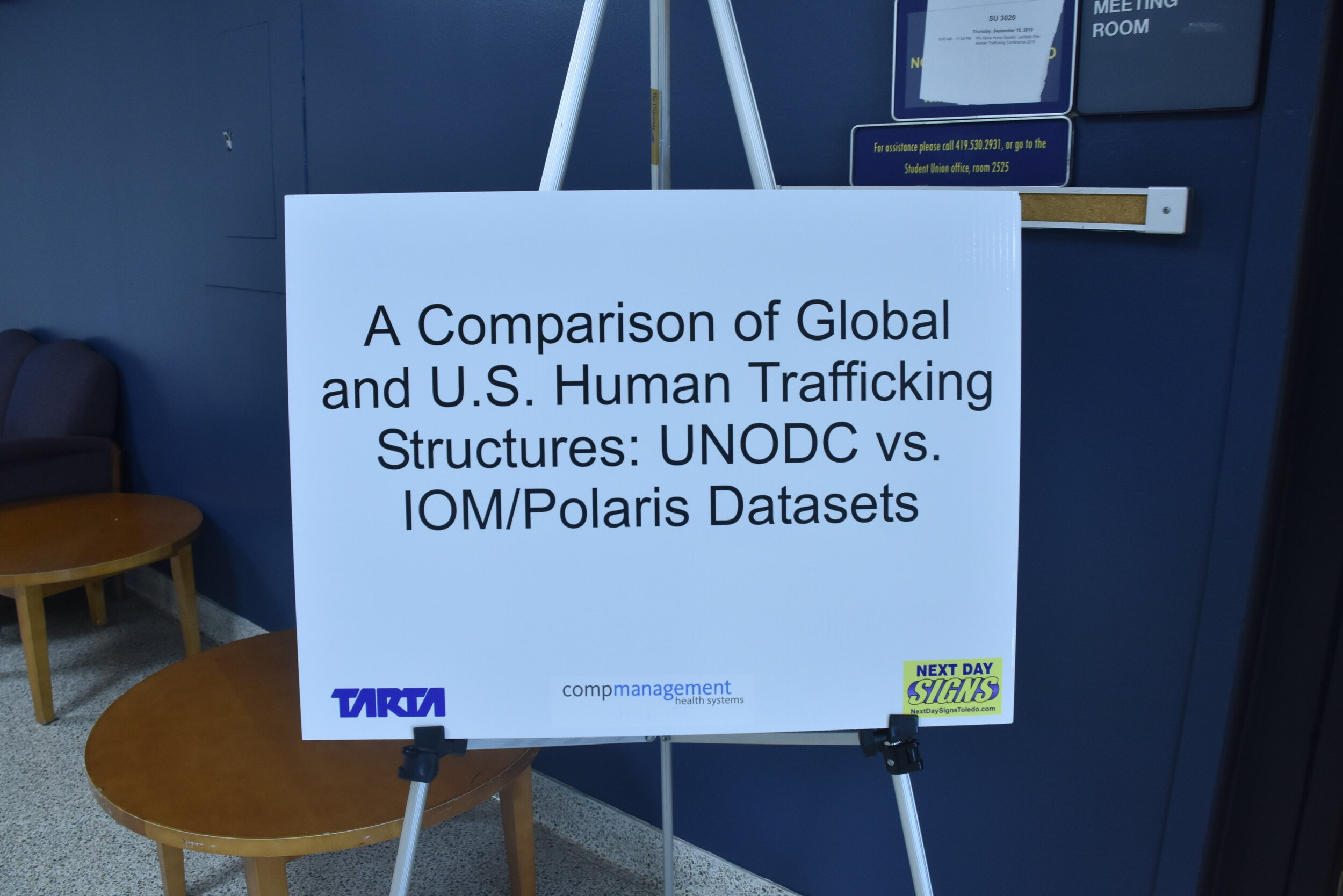
Employing the Murray, Dingman, Porter, and Otte (2015) framework of nine human trafficking situations, the researchers computed two global trafficking structure frequency distributions. The first distribution was based on (N = 1,300+) coded United Nations Office on Drugs and Crime Human Trafficking Case Law database cases. Results indicate that 20% of victims are "Willing Assimilators," 30% are "Tricked and Trapped," and 40% have been "Trapped and Robbed." However, the ratios differ for the International Organization for Migration/Polaris data (N = 55,000+). Here, 55% are Willing Assimilators, 25% are Trapped and Robbed, and the remaining eight (out of nine) victim categories are all below 10%. Overall, the findings suggest a global need for social marketing interventions to encourage economic development for Willing Assimilators (i.e. financially desperate voluntary victims). Global awareness campaigns regarding "trust assessment" would help reduce the incidence rate among the Tricked and Trapped (i.e. lured in and then enslaved). Finally, global social marketing efforts to encourage more effective law enforcement would help reduce incidence among the Trapped and Robbed (i.e. forced and coerced). The differences between the trafficking structures generated by the two datasets may be due to selection bias. For instance, anecdotal evidence suggests prosecutors target cases with the best chances of winning—hence, bias in the UNODC dataset. Similarly, the IOM/Polaris victims who called hotlines or presented at help stations may not represent a random sample of victims.
Presentation Objectives:
· Describe the Murray et al. (2015) framework of human trafficking situations
· Define the nine human trafficking victim situations based on the above framework
· Present and discuss a global frequency distribution of the nine victim situations based on the UNODC coded data
· Present and discuss a global frequency distribution of the nine victim situations based on the IOM/Polaris data
· Discuss three possible reasons for the differences between the two frequency distributions
In response to the emerging political climate in the United States, one in which marginalized communities face increasing risks and threats, one Social Work department at a public university in the Midwest developed a Social Justice Rapid Response team to mobilize collective departmental responses to social justice flashpoints. Given our ethical responsibility to pursue social change with and on behalf of vulnerable and oppressed individuals and groups of people, and as a means of promoting social justice, human rights, and respect for diversities, the Rapid Response team organizes on-campus actions to counter immediate social injustices. The Rapid Response team has collaborated with student organizations, academic units from across campus, institutional programs, and community partners to facilitate teach-ins, organize direct actions, host education fairs, coordinate community panels, and arrange coordinated awareness- raising activities. Since its inception in 2017, the Rapid Response team has coordinated six events, including a DACA teach-in, a workshop on responding to white supremacy, a March for Our Lives solidarity vigil, a voter information and education fair, a community panel on sexual assault prevention, and a transgender awareness week. Rapid Response has engaged more than 400 students, faculty, staff, and community members, partnered with more than 20 community organizations, and received coverage in campus and local media outlets. This presentation will provide participants with concrete examples to demonstrate the efficacy of interprofessional on-campus community organizing strategies in social work education, including their application in promoting critical thinking, raising critical consciousness, and engaging students with relevant social and cultural flashpoints.
Presentation Objectives:
· Identify the role of democratic learning in public institutions of higher education, specifically emphasizing the efficacy of experiential campus organizing activities in raising critical consciousness among students, faculty, and staff across campus
· Contextualize teach-ins within a critical pedagogical framework, highlighting the effectiveness of democratic learning in promoting critical thinking and collective action among undergraduate and graduate social work students
· Demonstrate the effectiveness of interprofessional collaboration in creating space for democratic learning, facilitating engagement and dialogue, and fostering community-university partnerships for responding to social injustice
The transition from Law Enforcement Offer to conducting a trauma-informed, victim-based interview can be difficult. Knowing how to interview victims and suspects of sex trafficking is the foundation to conducting a successful trafficking investigation from initial contact to prosecution. Most Officers, especially those that are new to sex trafficking investigations, have not been equipped with the necessary tools to conduct a successful interview in this type of investigation. This presentation will arm Officers with techniques designed to circumvent the need to “be the police” when dealing with victims of sex trafficking. This presentation will discuss constitutional legal parameters that an Officer needs to be knowledgeable of when conducting interviews. Finally, this presentation will outline questions that need to guide a trafficking interview in order to get an arrest of the trafficker to provide justice to the victim. Attendees to this presentation should not just be limited to Law Enforcement Personnel. This presentation will provide helpful insight to any individual or organization that works with police to combat human trafficking. Detective Jones is no stranger to working with non-governmental organizations as he currently serves on the Human Trafficking Rescue Alliance. HTRA is an interagency organization with several NGOs and law enforcement agencies teaming together to combat trafficking from all angles.
Presentation Objectives:
· Discuss the need to get away from a traditional police mindset
· Discuss Miranda as it applies to trafficking interviews
· Describe tools and questions to guide a sex trafficking interview to be useful for an investigation
· List investigative techniques that can be performed prior to an interview to assist in a successful interview
· Provide insight to the mind of a police officer conducting an interview
9:00 - 10:00
10:15 - 11:15
Human trafficking victims often suffer many physical and psychological health consequences. It’s often challenging to identify victims of human trafficking because they often do not self-identify, are isolated, have increased self-hatred, and fear retaliation. While being exploited, 9/10 victims come in contact with health care providers but sadly are under recognized. Health care professional are in a unique position to help identify and treat these victims. Thanks to the momentum of education and awareness on this topic over the last five years, we are coming to know that human trafficking exists in the United States. This presentation will give a general overview of the health implications and give health care practitioners effective strategies to help work with these difficult mindsets and the health complexities and consequences that intersect while being trafficked.
Presentation Objectives:
· Present current literature as it applies to the intersection of health care and sex trafficking
· Discuss the health implications of sex trafficking victims
· Discuss the mindset of human trafficking victims and why they stay
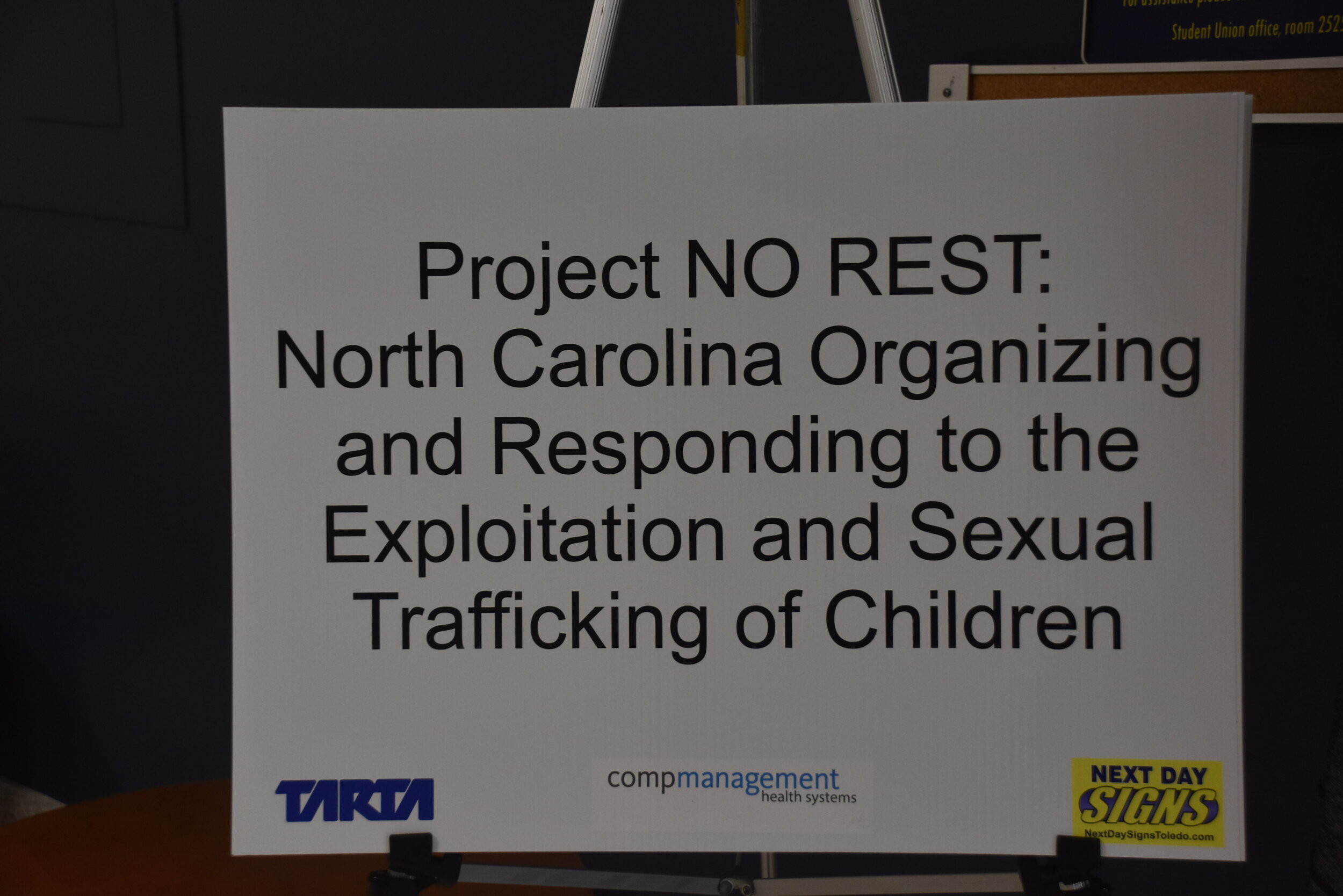
This session will present an overview of Project NO REST, a five-year effort funded by the Children’s Bureau and VOCA, and its approach to strengthening and supporting North Carolina’s infrastructure for addressing the trafficking of vulnerable youth in the state, especially those with a child welfare connection. It will cover the project’s development of a comprehensive plan to address both sex and labor trafficking. The presenter will describe the recruitment and experiences of five pilot sites, containing 17 counties, as well as information on the 477 individuals they served in the first two years. He also will describe the outreach campaign to connect survivors to services.
Presentation Objectives:
· Provide information on Project NO REST and its plan to address trafficking in North Carolina
· Articulate the project’s collaborative network approach to address trafficking
· Describe the operation of five pilot sites and present information on the individuals they served
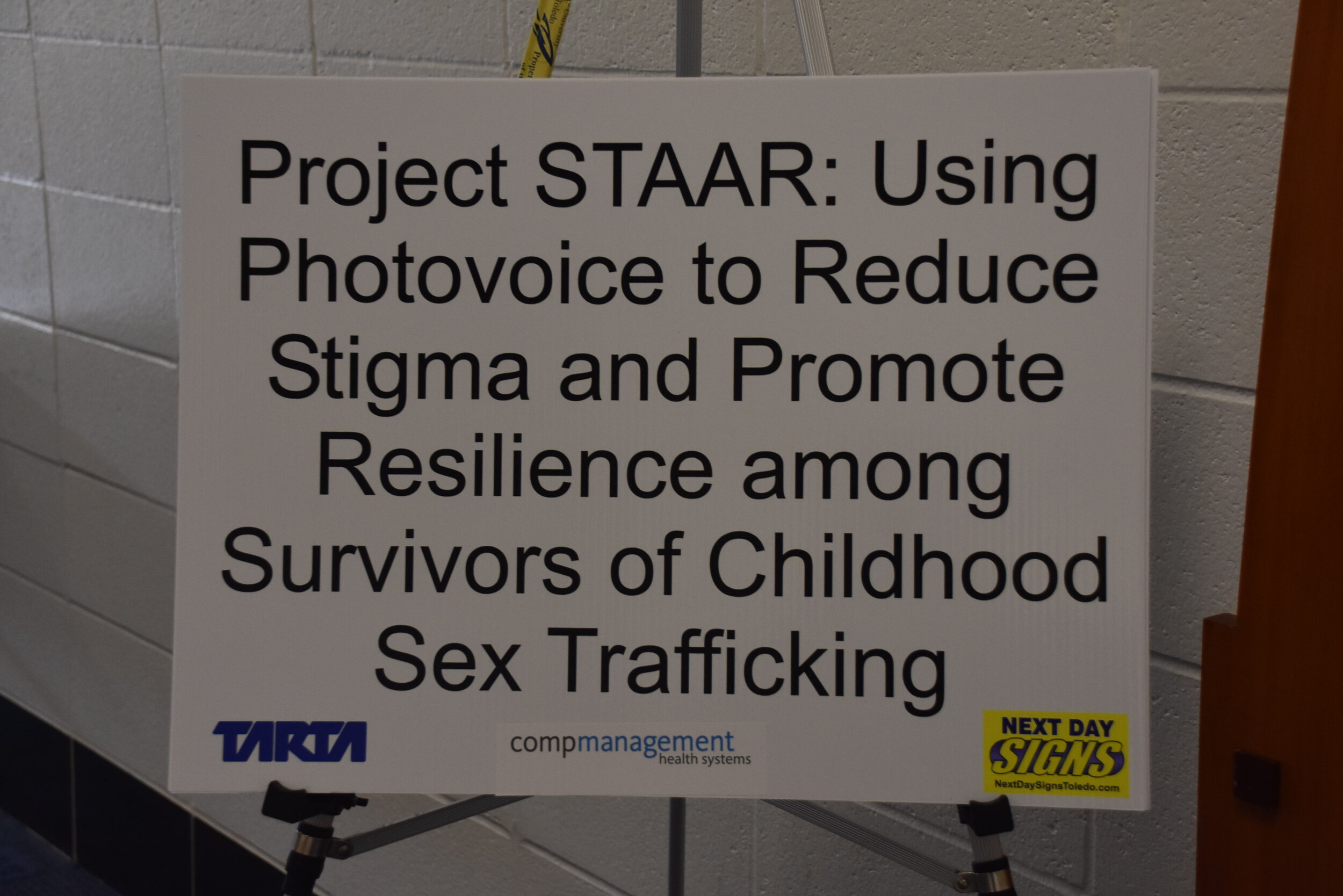
Human trafficking is the fastest growing criminal industry in the world today generating $9.5 billion yearly in the United States, with 98% of sex trafficking victims being women and girls. This photovoice project aims to 1) to increase awareness of the issue of human trafficking; and 2) to improve the ability of systems to appropriately and effectively respond to human trafficking in a trauma-informed manner, in order to reduce stigma and promote resilience. Project STAAR (Survivors of Trafficking creating Art, Agency, and Resilience) is a survivor-informed photovoice project that utilized grounded theory analysis techniques to facilitate critical conversations with two cohorts of survivors of childhood sex trafficking. A photovoice approach, with grounded theory analysis techniques was used to conduct two cohorts of data collection involving critical conversations with survivors of childhood sex trafficking. The resulting compilation of photos and narratives shared by the artists (the survivors) will be shown as a 20-minute silent short film. The film is powerful and conveys the many ‘photovoices’ of survivors of child sex trafficking. Following the film, the Project STAAR team will present lessons learned and findings (photography and narratives) from the project. Recommendations for improving advocacy, outreach and services will also be discussed. Dr. Lesley Harris, Assistant Professor at the University of Louisville, Dr. Maurice Gattis, Associate Professor at the University of Louisville, and Angela Renfro, Executive Director of the Kristy Love Foundation are contributors of this presentation.
Presentation Objectives:
· Increase awareness of the issue of child sex trafficking in the United States
· Enhance knowledge and understanding regarding the dynamics of child sex trafficking and its impact on children
· Reduce stigma and promote resilience among child trafficking survivors
· Improve the ability of systems to appropriately and effectively respond to child sex trafficking in a trauma-informed manner
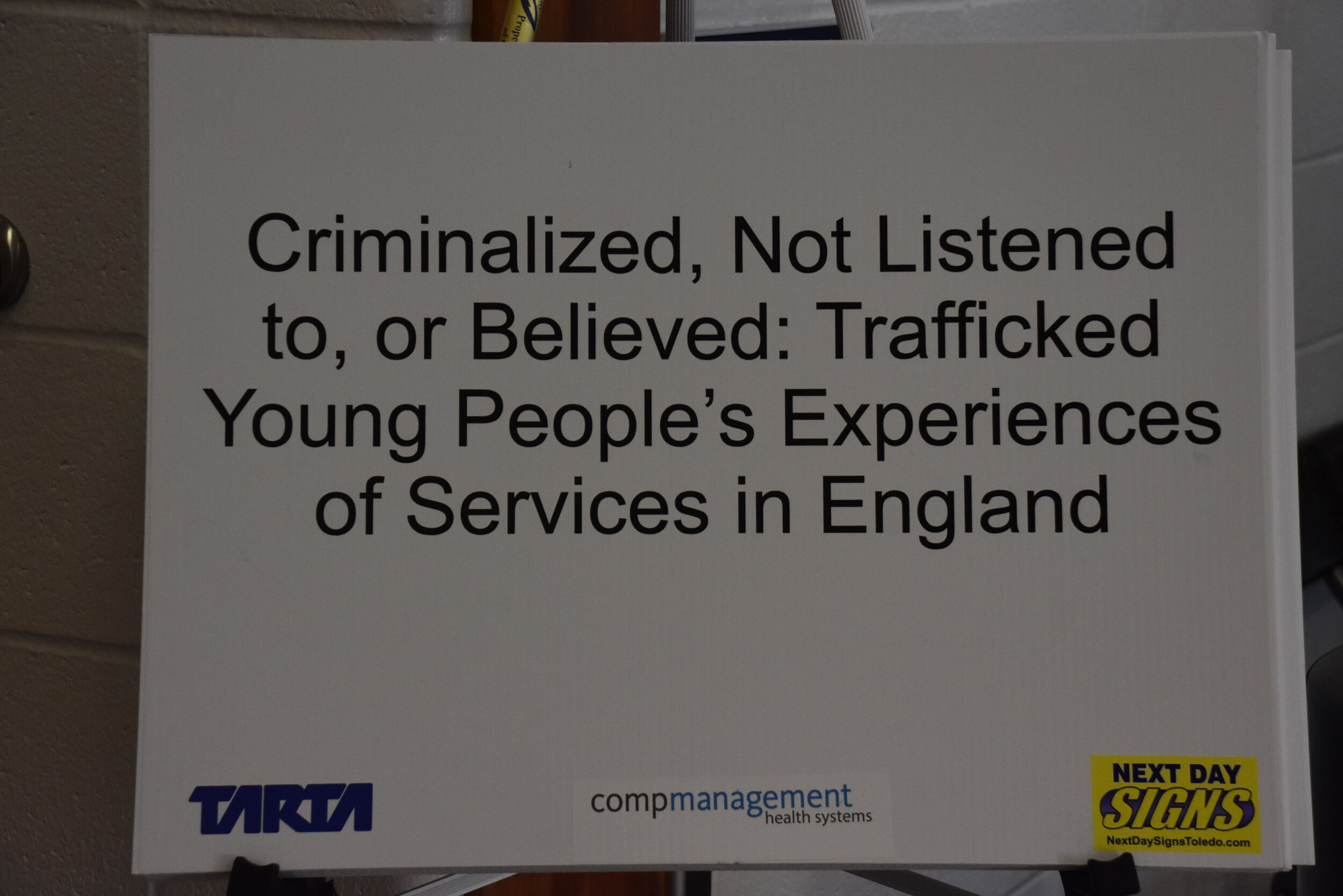
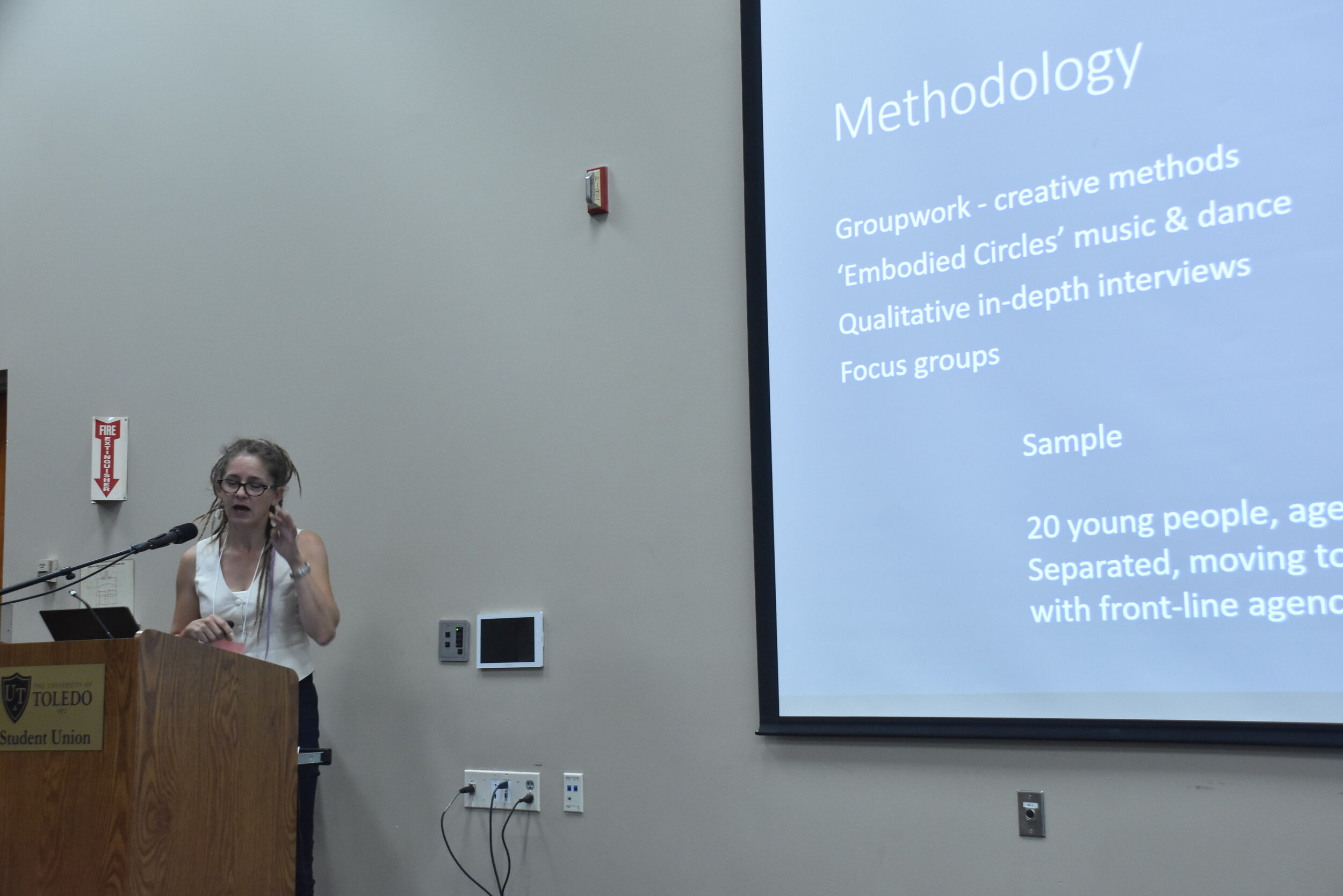
The presentation reports findings from an innovative study with young people who were trafficked as children into and within England. Creative methods of music and dance were utilized to access, engage young people and build trust. In-depth qualitative interviews and focus groups were held with 20 young people aged 15-21. This qualitative research examined lived experiences of trafficking and how children experience services within the child trafficking framework in England. Although a victim-centered approach is espoused in child trafficking policy, this research reveals how the binary opposite is experienced by children and young people in front-line services. Young people experienced immigration-driven and prosecution-focused practice and were treated as complicit in their situations. They reported how they were not listened to, not believed and further blamed by practitioners for their situations. Young people were criminalized, either as illegal immigrants or prosecuted for trafficking related crimes, creating further harm. The findings strongly support depoliticizing child trafficking policy away from a criminal justice approach towards policy and practice that centers on children and young people’s welfare needs and protection. An urgent cultural shift is required in practitioners believing young people when disclosing abuse. This relates to wider concerns of disbelief in children’s accounts of abuse in organized child sexual abuse scandals across England. The key message for social work education and practice is that Children Services need to realign their practice with migrant children as anti-discriminatory and reaffirm social work’s role in upholding children’s rights to equal access to protection.
Presentation Objectives:
· Share research findings from listening to children how they experience services
· Provide an English perspective of how child trafficking policy and practice is experienced
· Discuss implications of findings on practice
· Explore what we can learn from similarities/differences between the English and American anti-trafficking contexts
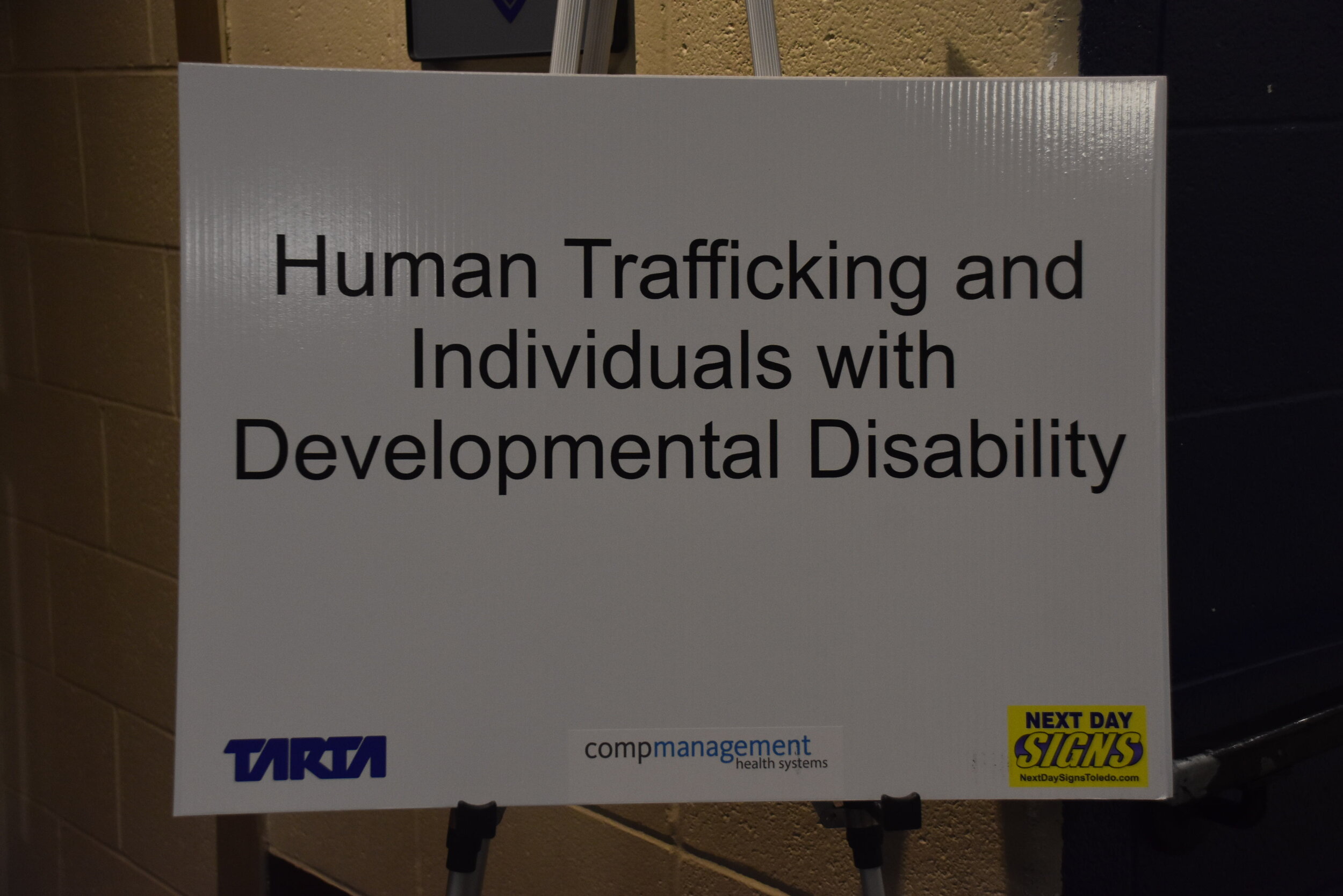
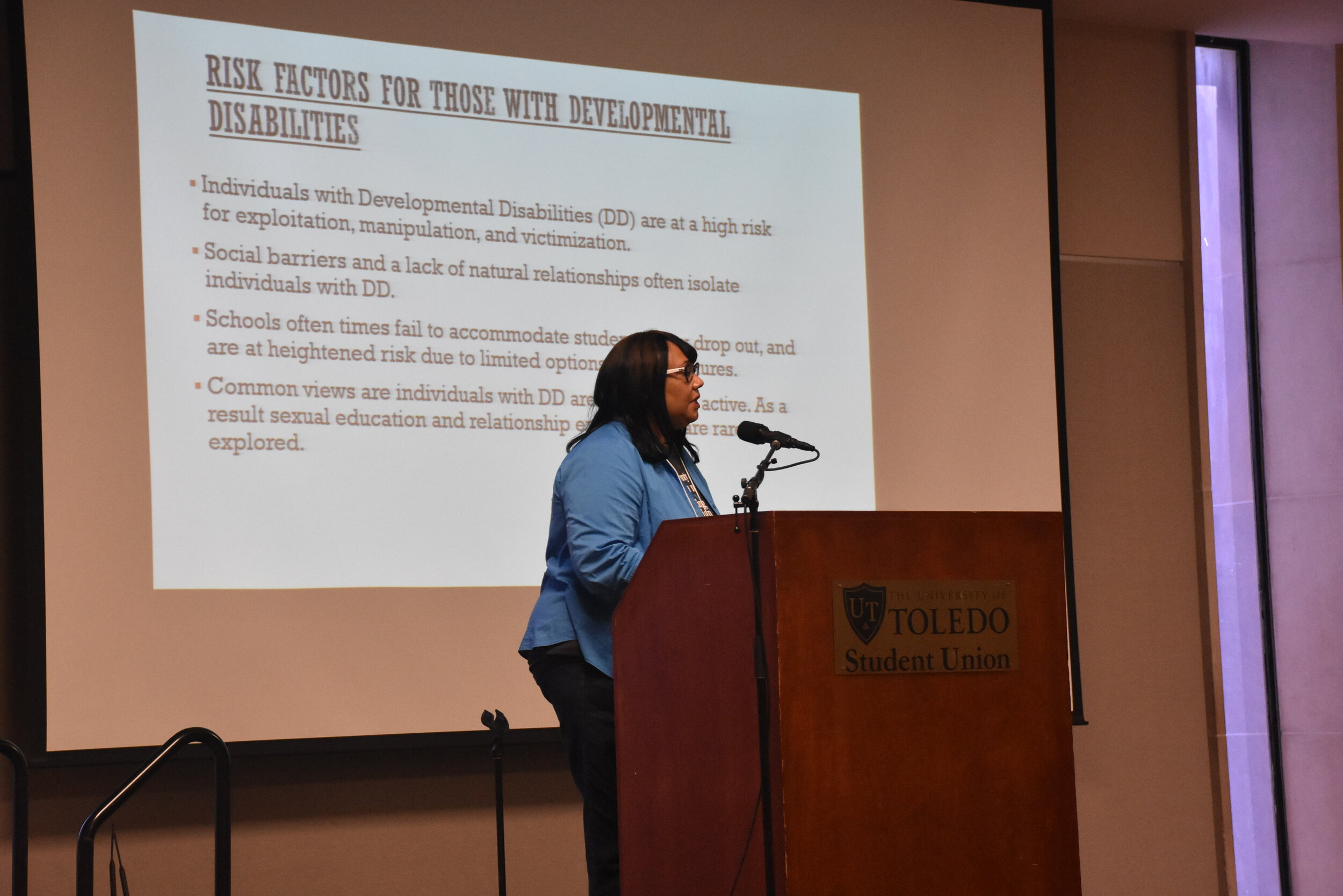
The goal of this presentation is to assist with awareness and understanding of human trafficking when working with Individuals with Developmental Disabilities (DD). The session will cover DD Individuals Risk Factors and why they are so vulnerable. The presenters will share stories about experiences with their population who have been trafficked, how to report, how to recognize the signs, how to support individuals and families if they experienced human trafficking. The session will also cover some labor trafficking stories in order to protect the DD population from employers who have immoral practices. Attendees will take away how their individual vulnerabilities have made them targets in the United States as well as overseas. They will share resources to assist the DD individuals and general population about Human Trafficking.
Presentation Objectives:
· Discuss the risk factors and vulnerabilities for the DD population
· Describe how our DD systems need to work together for positive outcomes of the victim
· Explain the importance why the DD and Learning-Disabled population need to learn prevention
Labor trafficking across the United States is a serious and pervasive national problem that has remained largely unexamined. Media reports indicate that labor trafficking occurs in both rural and urban areas in the United States, targeting victims who are both U.S. citizens and immigrants of any gender, race, age, and sexual orientation. The ASU Office of Sex Trafficking Intervention Research examined labor trafficking arrest cases throughout the United States from 2011 to 2018. The study identified 180 traffickers arrested for labor trafficking of both migrants and U.S. citizens and 273 victims of labor trafficking during this time period. The research team focused on arrest cases for which there was evidence qualifying the incident as labor trafficking under the U.S. federal, Trafficking Victim Protection Act definition. The team used the three constituent elements of human trafficking (action, means, and purpose) to identify potential labor trafficking arrest reports in the media and governmental agencies. Details about the cases will be explored and characteristics such as transportation, recruitment, and control tactics will be presented. Recommendations for future research and community action will be discussed.
Presentation Objectives:
· Provide information to develop specific training for law enforcement and prosecutors on characteristics of labor trafficking in the United States
· Explore the distribution of arrests of labor traffickers of migrant and domestic workers in the United States,
· Explore patterns of different types of labor traffickers of migrant and domestic workers (females, staffing agency-involved, solo vs. group offenders)
· Add to the literature regarding the vulnerabilities of migrant and domestic workers exploited by labor trafficking
· Fill a gap in the knowledge about the scope of arrests of labor traffickers of migrant and domestic workers in the United States
Minnesota has been steadily improving its response to human trafficking at the state level through increased criminal penalties for traffickers, a safe harbor law for minor victims of sex trafficking, funded services for trafficking victims, and protocol guidelines for responding to both sex and labor trafficking. Though counties and municipalities have improved their responses to human trafficking, the changes have been uneven. Minneapolis has begun investing in a comprehensive response to human trafficking across all city departments, an effort that coincides with new and proposed city ordinances on minimum wage, sick and safe leave, and wage theft. This focus on workplace justice provides an opening to incorporate best practices in addressing sex and labor trafficking throughout the city government. The process is two-fold. First, those departments already engaged in the statewide response to sex trafficking, such as the Minneapolis Police Department, will be encouraged to incorporate labor trafficking into their work. Second, those departments that do not yet have policies in place to address human trafficking will be trained on how to adopt new internal procedures to prevent and respond to both sex and labor trafficking. Worker-led organizations, trade unions, and survivor advisors will play a key role in the development and implementation of the response. This presentation will detail the history, process, and challenges and successes of Minneapolis’ implementation of anti-human trafficking policies. Minneapolis’ efforts can serve as a model for how other municipalities can expand anti-trafficking efforts beyond the traditional focus on sex trafficking and law enforcement agencies.
Presentation Objectives:
· Describe the history and progress of Minnesota's response to human trafficking
· Explore the best practices for municipal governments responding to human trafficking
· Analyze the challenges and successes of implementation in Minneapolis
· Apply lessons learned from Minneapolis to participants' own experiences and communities
This workshop demonstrates how Ohio is utilizing a cross-agency team of human trafficking experts (Ohio Network of Child Advocacy Centers, Public Children Services Association of Ohio, Department of Public Safety, and Department of Youth Services) to develop enhanced, trauma-informed strategies. Through this advanced practical training, participants will learn about identification, referral continuum, shelter, stabilization/ transition, MDT resiliency, safe harbor implementation, specialty docket development, and prosecutor/magistrate training.
Presentation Objectives:
· Demonstrate how Ohio is utilizing a cross-agency team of human trafficking experts (ONCAC, PCSAO, DPS, and DYS) to develop enhanced, trauma-informed strategies
· Discuss identification, referral continuum, shelter, stabilization/transition, MDT resiliency, safe harbor implementation, specialty docket development, and prosecutor/magistrate training
This presentation includes detailed information about how the sexual assault nurse examiner (SANE) is able to help a victim of trafficking. The presenter will describe how the patient benefits from an exam completed by a trained SANE nurse and medical treatment options for patients. The presentation will conclude with a few case studies of patients that were seen and treated by SANE trained nurses. Suggestions will be provided for caring for this difficult patient population.
Presentation Objectives:
· Provide a detailed overview of how SANE’s help victims of trafficking
· Describe how patients can benefit from a skilled SANE nurse
· Present case studies
Commercial sexual exploitation of children (CSEC) is prevalent in every region in the world. ILO (2005) estimates that 1.39 million people are victims of sexual exploitation, including approximately 0.79 million children. ILO considers CSEC a major violation of the human rights of children and a crime on the part of those who use children in the sex trade (IPEC, 2007). Scholars tend to view CSEC in the Global South through a Western theoretical lens, thus failing to contextualize the phenomenon based on distinctive environmental factors in each region. This presentation aims to compare key characteristics of CSEC in the U.S. and in countries in West Africa. A review of selected studies on CSEC conducted in the two regions between 2008 and 2016 shows that there are as many similarities as distinctive aspects regarding the characteristics of victims, service provision, policies, and research. In both regions, most CSEC victims are citizens of the countries where they live; boys and transgender youth tend to have more agency than girls over their sexual transactions. Distinctive aspects of CSEC include: the proportion of boy victims of CSEC close to that of girls in the U.S.; limited presence of pimps in CSEC and limited evidence of mental health issues among victims in West Africa. The presentation challenges key knowledge in the mainstream literature on CSEC. It also points to the importance of giving consideration to social and cultural factors in services and research on CSEC. Implications for practice, policy, and research are discussed.
Presentation Objectives:
· Describe similarities and differences in the characteristics of CSEC in West Africa and the United States
· Describe and contrast services needed and accessed by CSEC victims in West Africa and the United States
· Discuss the policy responses to CSEC in the two regions
· Contrast the issues in research about CSEC in the two regions and draw lessons for international research practice.
This engaging journey will provide a greater understanding of how the foster care system, the human brain, and human trafficking are all connected. Amy’s personal testimony will leave you inspired and hopeful for a future without human trafficking. When a child experiences trauma, the developing brain has the capacity to shut down certain areas, to self-protect. As Amy explains the data and her own experience with abuse, severe disassociation, substance abuse, and cognitive issues, deeper systemic issues will unfold. While no child, or adult, is completely immune from the evils of human trafficking, those who have already experienced severe trauma are more likely to fall victim. Children in foster care, runaways, throwaways, and homeless are at a much greater risk of being trafficked than the typical child in America. Preventing human trafficking has proven to be a difficult endeavor, but do not lose hope. Through holistic approaches in mental health, early education, law enforcement, and foster care, intervention and restoration is possible.
Presentation Objectives:
· Explain how early childhood sexual trauma creates greater vulnerability to sex trafficking
· Discuss the connection between children in foster care, runaways, throwaways, and homeless children and sex trafficking.
· Describe how early intervention, support systems, and holistic therapy options can prevent sex trafficking
Human trafficking through Central America with victims heading to the United States is an emerging international crisis. Objectives of this presentation are to share the presenter’s in-country research on human trafficking in Central America which involved studying how victims are trafficked through Central America to the United States. He traveled to the Central American country of Belize in February of 2019 and spoke with those on the front lines in Central America involved in detecting human trafficking victims before they reach the United States. The presenter will share his research on human trafficking through Central America that was obtained through speaking with immigration officers, defense force members, Belize Coast Guard members, and the Human Trafficking advocate with the Belize Judicial Branch on the current issues that exist in Belize and the greater Central American region in terms of human trafficking. In addition, published data and research by the United Nations Office on Drugs and Crime will also be presented. The objectives in this presentation are to share insight that he gained from Central America in terms of indicators that officers in this region are currently seeing from their interdiction of human trafficking, which include victim branding/tattooing, gang associations with human trafficking in Central America, victims in the sex trade awaiting unfulfilled promises of being smuggled north, and case studies of actual victims who have been abused by human traffickers. Objectives include providing the audience with a deeper understanding of how human trafficking appears through the eyes of victims and international law enforcement.
Presentation Objectives:
· Provide the audience with a deeper understanding of human trafficking trends in Central America
· Describe the human trafficking encounters law enforcement in Belize has experienced
· Share research from speaking with Belize immigration officers, Belize Defense Force members, Belize Coast Guard members, and the Human Trafficking advocate with the Belize Judicial Branch
· Discuss indicators of human trafficking, such as branding/tattooing
· Discuss the gang association in Central America with human trafficking
11:30 - 12:30
Lunch- Auditorium
12:30 - 1:30
What are common experiences of LGBTQ+ minor victims of trafficking? What are the service needs shared among this population? To what extent can youth-serving professionals better support LGBTQ+ victims? The presenter will address these questions with findings by a new, 2019 research project by the Center for Children & Youth Justice in collaboration with the University of Washington Evans School of Public Policy. In an effort to bridge the gap that currently exists in our knowledge of intersection of trafficking and LGBTQ+ youth, the presenter will cover the Center’s national literature review, original data collection and analysis in Washington State, and recommendations in a practical way. Attendees will then engage with each other to strategize on how they can improve policies and practices to better support LGBTQ+ victims. Professionals who have questions, concerns, or are apprehensive about this topic are encouraged to attend; this is a safe space to dialogue with your peers.
Presentation Objectives:
· Employ creative strategies to highlight research findings that demonstrate how trafficking may look different for LGBTQ+ youth victims
· Employ creative strategies to highlight some of the unique service needs of LGBTQ+ youth victims
· Facilitate small group activities to assist participants in unpacking how these findings impact participants' respective policies and practices
Given the significant rise of human trafficking in the last decade, in all 50 states (UNODC, 2018), there is a high likelihood that counselors will come into contact with trafficked persons. Mental Health Counselors are involved in all aspects of prevention, development, wellness, and advocacy across all social services, including child welfare, hospitals, youth and domestic violence shelters, and the criminal justice system. Thus, they are in an ideal position to identify trafficked persons and assist in establishing safety, which will significantly contribute to anti-trafficking efforts (Cree, 2008). Trafficked persons typically do not identify themselves as such, this is mainly due to the psychological coercion from their traffickers and the shame that surrounds their experiences (Brown, 2008). Thus, it is essential that counselors can recognize this type of exploitation so that they can assist in providing appropriate resources. However, there is little awareness of trafficking in the U.S. within the counseling field (Thompson & Haley, 2018). This presentation will discuss on-going research that is investigating the impact of an educational intervention on a counselors’ knowledge, awareness, attitudes, empathy, and efficacy of sex trafficking. It will also facilitate an open discussion on the ways in which the counseling field can better collaborate with anti-trafficking organizations.
Presentation Objectives:
· Describe ways that counselors can assist in anti-trafficking efforts
· Describe on-going research that is investigating the impact of an educational intervention on a counselors’ knowledge, awareness, attitudes, empathy, and efficacy of sex trafficking
There is evidence that suggests child sexual exploitation material (CSEM) may not be perceived as a serious crime amongst some members of the public (Warner, 2010). Importantly, sentencing remarks can disseminate formal messages about the harmfulness of a crime. The presenters conducted an exploratory content analysis on the sentencing remarks of 29 offenders convicted of CSEM offenses across a ten-year period in one jurisdiction of Australia, heard by 12 Judges. Most demographics of offenders were similar to the current research. All offenders were male and 41 years-old (on average) at time of sentencing, with heterogeneity in employment (from law enforcement and the legal field, right through to hospitality and retail). Further, most offenders pleaded guilty, were typically sentenced for several CSEM offences, did not have previous CSEM convictions or other convictions, and received a custodial sentence for the current offenses. Alarmingly however, almost all offenders possessed and/or accessed: CSEM with pre-pubescent children, with most cases involving children under the age of three; and CSEM involving the most severe category (bestiality, sadism, or torture of a child). Offender characteristics and Judges’ censure were captured across three themes: (1) offender’s motivations and attempted explanations for offending (specifically: downplay or denial; poor mental health and substance abuse; and addiction), (2) CSEM offenses are not victimless crimes, and (3) disparities in the offender’s public versus private life. The presenters’ findings should be a valuable resource for mental health practitioners, law enforcement, legal professionals, and social workers both within Australia and across the globe.
Presentation Objectives:
· Explore the censure sentencing Judges impart to child sexual exploitation material offenders and the wider audience
· Describe the characteristics of individuals convicted of child sexual exploitation material offenses
· Explore how the messages imparted in the sentencing remarks can be used to inform prevention of child sexual exploitation material offenses
Too often “trauma informed” is part of the industry lexicon with no understanding of what that means in action, especially within complex organizations (Substance Abuse and Mental Health Services Administration, 2014). Hear from an advocate with lived experience and the Minnesota Department of Health on what it means to act trauma informed when engaging with survivors in order to build real collaborations and partnerships. We will discuss how different factors such environment, subject matter, time constraints, and purpose impact the engagement process. Creating a safer and more equitable process for partnering with survivors is an important step toward going beyond the foundational “survivors should be compensated” message (Administration for Children and Families Office on Trafficking in Persons & National Human Trafficking Training and Technical Assistance Center, 2018).
Presentation Objectives:
· Recognize common pitfalls within complex systems
· Describe practical ways to mitigate the negative impacts of the system
· Bring “trauma informed” out of language and into practice
· Discuss 4 steps to build underlying values and action plans
In this presentation, participants will better understand three experiences which are often conflated – trading sex, sexual violence, and trafficking into the sex trade. This workshop seeks to break down these three distinct experiences and discuss the places where they may occur in tandem in order to better understand the nuances of each. The foundation will begin with what we mean when we talk about the sex trade, offering a neutral foundation which spans the constellation of choice, circumstance and coercion. Building on this understanding, the presenters will look at sexual violence that may be uniquely experienced by people who trade sex at the hands of a range of actors and experiences of exploitation and trafficking. The workshop will be both conceptual, as well as draw on community experience and knowledge, and incorporate tangible examples for how this comes up in community spaces, as well as service provision. This workshop will be presented by two experts in the field with experience in community organizing, service provision and advocacy for people who trade sex, including victims of trafficking, victims of violence, and victims of the criminal legal system.
Presentation Objectives:
· Discuss the unique ways that people who trade sex encounter sexual violence, and how it can be distinct from the experience of trading sex or of trafficking
· Articulate the difference between sexual violence experienced by sex workers and trafficking into the sex trade, both conceptually and as a lived experience
1:30 - 2:30
Anti-trafficking advocates routinely petition elected officials to pass and/or amend laws to limit or eliminate various forms of human trafficking. These efforts have had impact within the human rights movement and have gained increasing traction amongst the general population. One segment of human rights abuses prevails however; state sanctioned slavery within the prison system. Many advocates are unaware that the federal constitution and most state constitutions allow for slavery as punishment for a crime. This session uses a mixed methods approach to examine our founding documents and how they allow and encourage state sanctioned slavery. Case studies regarding prisoners used as forced labor will also be presented. The goal of this presentation is to add information to the human rights movement and to gain momentum to amend state constitutions so as to remove the “except” clause and other oppressive language.
Presentation Objectives:
· Identify how founding documents allow for state sanctioned slavery
· Explain how state constitutions can be amended to remove oppressive language
· Discuss how prisoners cannot "opt out" of forced labor situations
Awareness of human trafficking in illicit massage businesses (IMBs) is on the rise. The National Human Trafficking Hotline reports IMBs were the number one venue for cases involving sex trafficking in 2018. In 2017, the Polaris Project estimated there were 9,000 IMBs in the United States accounting for an estimated $2.5 billion in annual revenue. This seminar will address how to identify IMBs, the intersection of labor and sex trafficking in IMBs and how routine inspections of IMBs, IMB regulation, and collaboration can help combat human trafficking in IMBs.
Presentation Objectives:
· Discuss human trafficking in illicit massage businesses
· Describe how to identify illicit massage businesses
· Explain the intersection of sex and labor trafficking in illicit massage businesses
· Discuss the necessity of collaboration for effective disruption of human trafficking in illicit massage businesses
Whereas stakeholder involvement in policy implementation and service provisions to victims of human trafficking is substantially documented in the literature, there is almost no study on stakeholder input in the process of research on this global problem. Yet, input from stakeholders is critical for most studies about human trafficking. Stakeholders are individuals, organizations, or communities that have some interest or concern in the process and outcomes of a project, program, study, or policy (Brugha & Varvasovszky, 2000). Based on an international research study on child sex trafficking conducted in three countries in the West African region, the presentation examines the key ways stakeholders were successfully engaged in the research process from the preparatory stage to the translational stage, as well as their involvement as respondents in the study. A total of 133 stakeholders from 120 organizations in 13 major categories (international, governmental, non-governmental, community, policymakers, service providers, criminal justice, educators, etc.) were involved in the research process; 64 of these stakeholders were also research participants. The presentation shows how engaging various stakeholders in the key phases of the research helped improve its outcomes, and most important, helped increase the likelihood of acceptance and dissemination of the findings. The presentation discusses cases of programs that have been developed based on the recommendations of the study findings. Recommendations for collaborative initiatives and participatory research are discussed.
Presentation Objectives:
· Describe successful strategies to engage stakeholders (international, governmental, non-governmental, community, policymakers, service providers, educators, etc.) in the process of research on human trafficking and as research participants
· Describe roles stakeholders can play in the key phases of a study on human trafficking, including problem formulation, research design, data collection, and dissemination of study findings, and implementation of study recommendations
· Discuss key lessons for engaging community partners in program and policy development, and in research about hard-to-reach populations
The City of Phoenix, Arizona Starfish Place is a first-of-its-kind HUD funded permanent supportive housing program designed for victims of sex trafficking and their families. This presentation will present a step by step process of how to develop this type of housing program. The presenters will also discuss the lessons learned from implementing a new program. Narratives from focus groups on development and evaluation of the 12 residents will be presented. Challenges and implications will be described, and key take away ideas will be provided.
Presentation Objectives:
· Explain the step-by-step process of how to develop this type of housing program
· Describe the lessons learned from implementing this housing program
· Present the narratives from focus groups on development and evaluation of the 12 residents
Against persistent efforts, Sex Trafficking (ST) perseveres (United Nations Office of Drugs and Crime Report, 2018). In India, it’s challenging to understand the dynamics of ST because the country varies in culture, language and religious beliefs based on geographical location. Conventionally, young girls from villages are trafficked to cities in the pretext of employment, education and love (Meshelemiah & Sarkar, 2015), and their family members (parents, siblings, aunts, uncles, grandparents, intimate partners, in-laws) partake in the process (Black, 2007). Upon entry, it is likely that children are born to these adolescent girls as a result of unprotected practices, lack of awareness and desperation to earn. Family processes among ST families are rarely studied and there is limited to no research on how Survivors of ST (SST)/single mothers raise their children. Children born in such circumstances face a heightened risk of ST as they a likely to experience physical abuse, homelessness, unstable home environment and substance abuse (Choi, 2015). Filling this research gap will inform prevention of inter-generational trafficking. Therefore, this study aims to first, identify parenting values among SST; second, examine SST communication patterns in parenting their children; and third, compare inter-generational child rearing practices among SST families. The primary investigator conducted in-person audio recorded interviews with 40 SST across 4 cities in India. Social workers from non-governmental organizations (NGO) acted as gatekeepers to gain access to participants and as translators during the interviews. Results will be discussed and implications for practice, policy and future research will be included. Dr. Rochelle Dalla, Professor at University of Lincoln Nebraska-Lincoln, and Dr. Cody Hollist, Associate Professor in the University of Nebraska-Lincoln, are contributing authors of this presentation.
Presentation Objectives:
· Identify parenting values among Indian SST
· Examine SST communication patterns in parenting their children
· Compare intergenerational child rearing practices among SST
Therapeutic alliance, rapport, boundaries…terms we have all heard, but how do we create them? How do we foster relationships that have a positive and lasting impact on the treatment experience? Together, we will take a closer look at the importance of the relationship between treatment providers and clients. All of our encounters matter, so the presenter will discuss how to set the stage for helpful connections from the first encounter we have with clients throughout their time in treatment, even in the face of setbacks. The presenter will cover how to build and often re-build therapeutic relationships that are challenged by disappointment, trauma, and shame. Together, we will review the importance of modeling healthy relationships, agency wide, and even between interagency partnerships and how these connections impact on client experience. She will look at practical ways to build rapport while maintaining boundaries, and ways to build a better understanding of how trauma informs building a therapeutic alliance, using kindness, trust, and even humor to bridge the gaps. There will be an opportunity to explore how to best handle disagreements and misunderstandings within the therapeutic relationship. Finally, the presenter will discuss how to terminate a relationship successfully.
Presentation Objectives:
· Develop understanding of positive relationships as Trauma Informed Care
· Identify ways to build and model healthy relationships
· Describe the importance of the therapeutic relationship
· List ways to develop a positive therapeutic relationship
· Identify ways to recover from therapeutic relationship challenges
· Describe personal boundaries and self-care in the therapeutic relationship
In 2010, Laboratory to Combat Human Trafficking (LCHT), began a Community-Based Participatory Research (CBPR) process to comprehensively end human trafficking in the state of Colorado. In 2018, LCHT replicated the original methodology by conducting a longitudinal follow-up of the first iteration of The Colorado Project. The research described here is intended to determine ways to measure a social movement’s effort to effect positive social change seeking to end human exploitation. CBPR allows space for locally-lead and informed research endeavors--what the community needs as opposed to academics who may not understand community interests and strengths. This presentation explores how a nonprofit organization deeply embedded in the anti-human trafficking movement can produce original research. Team members employed both purposive and convenience sampling strategies to identify as many agencies and organizations across Colorado involved in anti-human trafficking efforts as possible. They then conducted 29 focus groups, 69 interviews, and received 183 completed surveys to inform the work. The findings identified seven emerging promising practices: 1) Supporting the movement in developing evaluation; 2) Acknowledging root causes; 3) Providing trauma-informed behavioral health resources; 4) Recognizing health professionals as crucial players in protection; 5) Having survivors inform the community response; 6) Problem-solving courts; and 7) Increased intentional and equitable inclusion in partnerships. This presentation will discuss the resulting Action Plan, developed by a diverse group of survivors, practitioners, law enforcement, and advocates as well as key takeaways on how Colorado has moved the needle on anti-trafficking efforts. LCHT plans to replicate this model in other states.
Presentation Objectives:
· Explain how CBPR can be used to measure social change
· Discuss the importance of a community-based and survivor-informed response
· Provide key takeaways on how Colorado has moved the needle in its anti-trafficking movement
2:45 - 3:45
Perpetrators of human trafficking maintain their networks and avoid detection by establishing highly organized and structured criminal enterprises. Thus, in order to successfully fight trafficking systems, communities and professionals need to be equally well-coordinated. Combatting human trafficking requires a well-organized, integrated effort amongst multiple disciplines including, but not limited to child protective services, law enforcement, district attorneys, and medical and mental health professionals. The Denver Anti-Trafficking Alliance (DATA) is one such interdisciplinary group that has formed to address the ever-growing problem of labor and sex-trafficking in Colorado. In this presentation, the presenters will share the mission and strategic goals of Denver’s alliance, specifically focusing on the mental health subcommittee, of which the presenters serve as co-chairs. They will discuss the specific efforts of the mental health sub-committee and how these lend to the greater efforts of the full city-wide alliance. Finally, the presenters will outline the challenges that come with coordinating such an effort and the strategies they have implemented to overcome them.
Presentation Objectives:
· Explore the importance of establishing community-based interdisciplinary groups to combat human trafficking
· Provide a model for a community-based interdisciplinary group for addressing prevention, prosecution, and treatment efforts related to human trafficking
· Identify the challenges inherent to a community-based interdisciplinary group and offer recommendations for mitigating these
This session presents a community-based participatory research (CBPR) project in consultation with the New Zealand Prostitutes Collective. Legislation directly impacts and harms people’s experience as a result of participating in particular behaviors and activities. Having decriminalized prostitution in 2003 as a result of the Prostitution Reform Act (PRA), New Zealand is an ideal location to explore how legislation impacts violence and trafficking in the sex industry. The presentation begins with overview of the different models used to legislate prostitution around the world and explains the differences between sex work and trafficking. The data shared from this CBPR project is based on three months of field work in New Zealand and interviews with 33 sex workers and 34 individuals who work closely with sex workers (including brothel operators, clients, social service agents, health professionals, and others, many of whom were also sex workers or had been sex workers in the past). Specifically, this presentation provides information from sex workers and individuals who work with sex workers and victims of exploitation to explain: 1) How harms are reduced and/or perpetuated in an environment where prostitution is decriminalized; 2) Examples of how sex workers are able to recognize, prevent, resist, and recover from violence, and the strategies they use to reduce violence and trafficking; 3) How sex workers control their work to greater and lesser degrees; 4) Legislative policy recommendations based on the perspectives of those most directly impacted by these legislative models; and 5) Limitations of the research, as well as areas where additional research is needed.
Presentation Objectives:
· Explain the differences between sex work and trafficking/exploitation in the sex industry
· Provide a clear understanding of the different legislative models related to sex work: criminalization, partial criminalization, legalization, and decriminalization and their impact on violence and trafficking in the sex industry
· Discuss what decriminalization looks like in New Zealand (the only country in the world that has decriminalized prostitution) based on the perspectives of those most directly impacted by these legislative models and how it impacts violence and trafficking in the sex industry
While all stakeholders usually receive a basic training in the TVPA, few are familiar with or ever receive a similar training in applicable labor laws. Through a combination of presentation and case studies, this session will provide an overview of key elements and remedies of the Fair Labor Standards Act, Migrant and Seasonal Worker Protection Act (MSPA), and the Immigration and Nationality Act (INA) in labor trafficking cases.
Presentation Objectives:
· Explain the main points of the 3 designated statutes
· Connect the role of the 3 statutes to labor trafficking example cases
· Show how to spot abnormal and exploitative labor conditions
According to the Global Report on Trafficking in Persons 2018 (Kangaspunta et al., 2018), trafficking of domestic victims worldwide has nearly doubled since 2010 (p. 43). Moreover, the U.S. Secretary of State Mike Pompeo (2018) affirms that understanding the local context of human trafficking is critical for an appropriate response. Therefore, to advance the information collection of a local context of trafficking, this presentation of a pilot study conducted from April to July of 2019 in the Southern Brazilian state of Paraná, will present an outline of the findings. Through a descriptive phenomenological method using ethnographic tools, the research objective is to explore the lived experiences of survivors of domestic human trafficking in Paraná. The specific aims of the pilot study are: 1) to describe the lived experiences of domestically trafficked men, women and children in Brazil; 2) to identify factors that influence the trafficking, survivorship, and health and wellbeing of trafficking survivors; 3) to discover the meaning of wellbeing, doing well, and/or doing better than expected for survivors; 4) to assess measurement tools, logistics, and cultural and language tools; and 5) to gain access to participants through networking, collaborations and cooperation with professionals in the field. Participants will be provided with an introduction to the state, a slide presentation of the collected data, a preview of possible directions for further research development and a discussion period. Some other expected topics to be discussed will be challenges, obstacles, decision making, and positive experiences.This work is also attributed to the contributions of Rochelle Dalla, PhD and Paul Springer, PhD.
Presentation Objectives:
· Discuss findings of pilot study
· Provide an introduction to the state of Parana in Brazil
· Present a slide show of data collected
· Discuss challenges, obstacles, decision making, and positive experiences
· Discuss possible methods for continued research of domestic human trafficking in Brazil
· Answer questions about the study
This session is intended for participants to discuss arts-based human sex trafficking awareness resources for classroom teachers that are appropriate for different grade levels. Resources include, among others, materials, guest speakers, and methods. Using the arts to explore issues of social justice is central to this session. Between 2012 and present, groups of teens from Bowling Green High School have engaged in the process of writing and performing a theatrical production, Lily’s Wings, for young audiences that draws attention to the dangers of sex trafficking of minors. This process is serving two purposes. First, crafting, performing, and joining audience talk-backs develops awareness and empowers the students and teachers involved. Second, viewing the performance empowers audiences. These audiences may be comprised not only of students, but parents and educators as well. Besides teaching students about the issue of human sex trafficking, presenting Lily’s Wings in the school setting is a provocative way to engage teachers with the curriculum. This discussion-oriented session will revolve around questions aimed at identifying and evaluating ways to build arts-based instructional methods that benefit educators, students, and by extension, parents.
Presentation Objectives:
· Discuss which is more impactful to students, a live performance or a filmed version of a play, intended to draw awareness of the dangers of human sex trafficking of minors
· Explore the potential value and degree of need for either type of presentation to be followed by a talk-back by experts
· Explain which U.S. states mandate teachers to learn about human sex trafficking and in what ways
· Describe challenges educators might face showing a filmed version of the play without the presence of an expert and ways to combat those challenges
· Discuss what a package of the filmed version of the play might contain to assist teachers introducing the topic to students
· Explain how such a package can be marketed to educators
This session will draw on the presenter’s experience of working as a first responder alongside other service providers. It examines the concept of “survivor leader” and the empowerment model. The grassroots social justice movement organizing theory is examined to show how resource mobilization has influenced these ideas and some new resulting terminology. The presentation will touch on deconstruction/reconstruction in postmodern philosophy, third wave feminism, and the evolution of fourth wave that have influenced social justice movements. The session is heavily focused on linguistics. The importance of identification and narrative within communities impacted by trafficking will be explored and this concept as an empowerment model. The presentation will conclude with personal techniques involving active listening and mindfulness to handle combative patients without force and stresses the importance of such in pursuit of healing rather than subjecting patients/clients and ourselves to another added trauma.
Presentation Objectives:
· Describe new terminology and parallels within Social Justice Movements
· Show how various agencies and organizations at a task force level work together to combat human trafficking
· Discuss new techniques to deescalate charged situations without force by using “active listening”
· Explain how to listen to one’s body and intuition to reinforce safety
· Provide a rare glimpse into the world of a survivor who has come “out” but also functions as a first responder & task force co-chair
· Discuss stigma and bias that result in barriers to project completion and healing relationships
4:00 - 5:00
Art Exhibits, September 19-20, 2019
This art exhibit will consist of artwork from individuals struggling with mental health disorders. These pieces will depict how they have learned to use art to cope with and/or overcome their mental health struggles and showcase that they are more than just their mental health journey.
Exhibit Objectives:
· Bring empowerment to the artists and allow a safe space for them to express their feelings toward their mental health or to showcase how art is a coping skill
· Bring enlightenment to attendees to look past the stigma of mental health diagnoses and truly see the individual
· Allow attendees to connect with these pieces and feel empowered in their own journey to improving their own mental health
This art exhibit is a safe space, open to all conference attendees regardless of past experience with art. This is a place to learn about the psychological, emotional, and physical benefits of art as well as allows for the attendee to experiment with various art mediums and methods. This room also provides a place for general relaxation to allow for the attendee to process the information they have absorbed through the conference. We encourage attendees to take advantage of this special space in order to find a relief from the heavy topics of the day, discover with their own creative capabilities, and to walk away with knowledge of art-based interventions.
Exhibit Objectives:
· Share the benefits of art based therapeutic techniques
· Provide a space for processing and relaxation
· Create an environment for learning and discussion
· Give attendees a place to experiment with art and discover their own creative capabilities
Issue Box Theatre would like to invite all conference attendees to an evening of theatre by presenting Every Brilliant Thing “a play about depression and the lengths we will go for those we love.” This play, written by Duncan Macmillan, and developed by Jonny Donahoe is about a 7-year-old who creates a list of brilliant things to help their mother with her depression. The list starts after her first attempted suicide. Dad suggests mom has “done something stupid” but that doesn’t help the child understand what has happened. Through the hour-long solo performance, attendees will learn of the impact of depression and suicide on both family and the relationships that are formed. The brilliant list begins: 1) ice cream, 2) movies, 3) staying up past your bedtime and being allowed to watch TV, and 4) the color yellow. Though it sounds like a downer, attendees will be surprised at how often they laugh and relate to this inspiring performance. This is being presented in special arrangement with Dramatist Play Service, Inc. New York. Tickets available at www.issueboxtheatre.org.
Performance Objectives:
· Discuss the impact of suicide and depression on family members
· Explore the use of a specific coping mechanism in relation to depression and suicide
· Present one person's story as they deal with their mother's suicidal attempts and completion
· Explore the impact of mental health issues on survivors
· Provide resources for those who relate to this story on a variety of levels
Momentum is a three-day festival celebrating the transformative vibrancy of the arts for our city and region. Momentum supports local artist and musicians and invites international creatives to perform and exhibit in Toledo. The festival runs from September 19-21. Momentum Kick Off at the Art Loop will be on Thursday, September 19th and will feature the “Faces of Trafficking” art display.
Festival Objectives:
· Bring art awareness and opportunities to the local community
· Support local artists and musicians
· Showcase the “Faces of Trafficking” art display
This art exhibit shares the experience of a survivor of sex trafficking and how she has used art to cope with the trauma of these events in her life. Through her art, she has learned how to strip away the negative labels that were created through her trauma and begin to redefine herself on her own terms - transforming her pain into a life full of freedom. This exhibit showcases that survivors are more than a "story"; they are a friend, a spouse, a parent, a student, a worker, an artist, an individual, and so much more. This exhibit hopes to bring light to the ways in which this artist has redefined herself and aims to celebrate her individuality.
Exhibit Objectives:
· Showcase the ways in which art has been used as a coping mechanism for this survivor
· Educate attendees to understand that survivors are more than their stories and to see them as individuals.
· Create place for self-reflection and learning
· Provide a space to highlight the talents of survivors
A partnership between the Institute and the College of Arts and Letters, Faces of Trafficking is an art exhibit featuring portraits of people from the area who are leading the fight to end trafficking. Our goal is to raise awareness through art and bring the issue out of darkness. The exhibit also features, A Thousand Hands: A Million Stars, a collaboration uniting visual art, poetry, music and dance, survivor artwork, student response pieces to trafficking stories and the winners of a high school art competition.
Exhibit Objectives:
· Feature portraits of advocates in the community
· Feature a collaboration of various art forms
· Raise awareness through art about human trafficking and social justice issues
This art exhibit will consist of artwork from local high school students depicting how they are breaking stereotypes and living a life for their own truth and purpose, while rising above social stigma. Their pieces will not only tell their stories, but also be an example of how they use art to identify themselves and showcase the true potential of the talents they possess.
Exhibit Objectives:
· Discuss how stereotypes are formed and broken in today's youth
· Empower others to rise above the stereotypes that surround them
· Show art through the artists’ eyes.
· Showcase how art is used as a form of coping, learning, and strength
A Thousand Hands: A Million Stars is a creative, collaborative effort uniting visual art, poetry, music, and song created and performed all by women as a vehicle to bring awareness, empowerment, and a voice to those that have been rendered silent and hopeless by their experience in human sex trafficking. In doing so, the women artists are partnering in a cause championed by multiple organizations dedicated to the healing of survivors of trafficking. Outside of awareness, the artistic, literary, and musical project is designed to illicit a genuine, emotional response and empathy for an often misrepresented and misunderstood issue. An in-person experience of the cross-collaborative efforts may serve as a force for change in perceptions, support, and help for the survivors of human sex trafficking. The artists of A Thousand Hands: A Million Stars have taken inspiration through survivors’ experiences and stories, contributing to personal narratives of their journey in, through, and out of human sex trafficking in hopes of providing visibility to the invisible victims and the power of recovery and healing. This project is interactive, community-driven, and collaborative and speaks to civil and city issues with human trafficking.
Exhibit Objectives:
· Bring awareness, empowerment, and a voice to victims of trafficking through art
· Illicit a genuine, emotional response to those who are often misrepresented and misunderstood
· Provide visibility to the invisible victims