



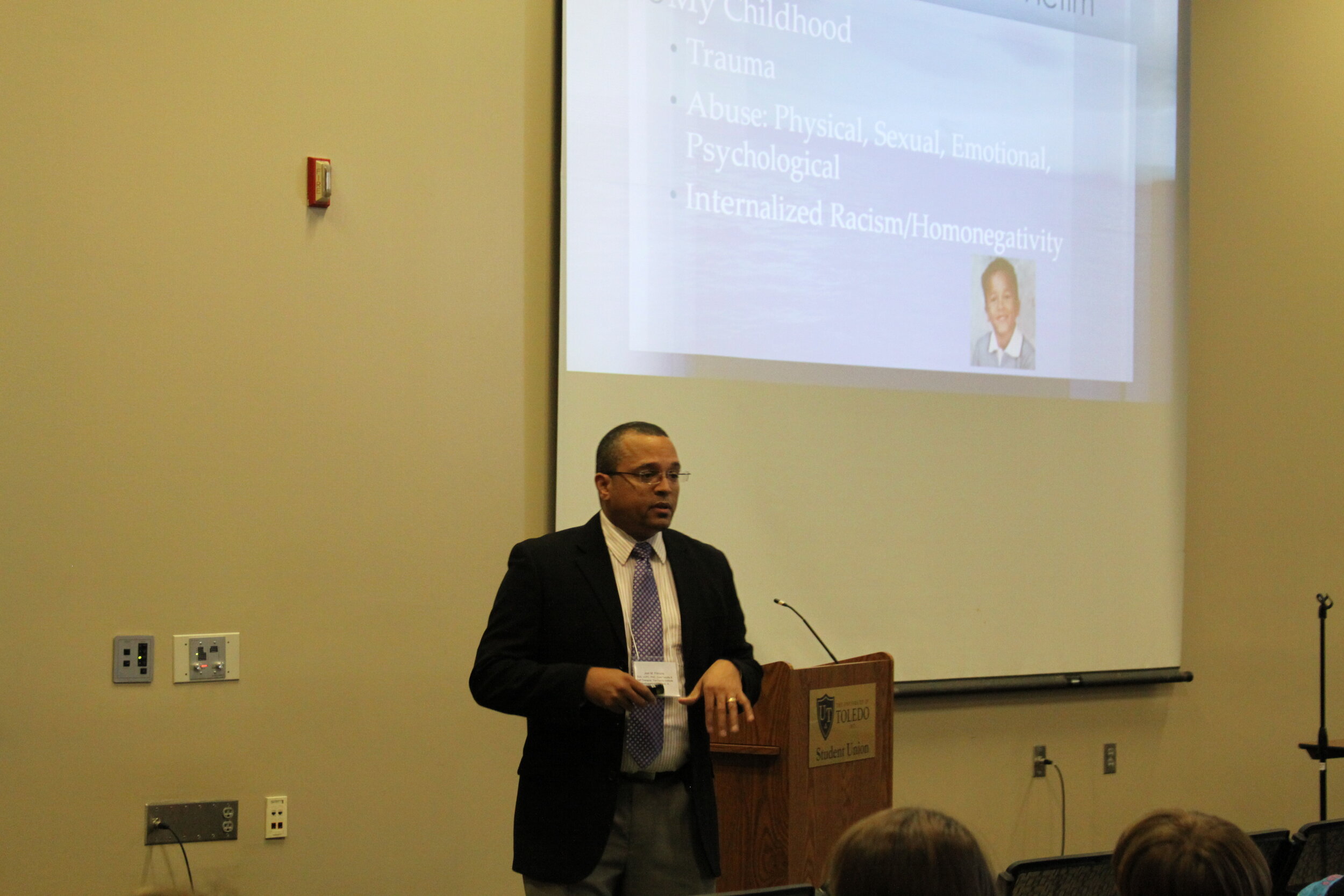
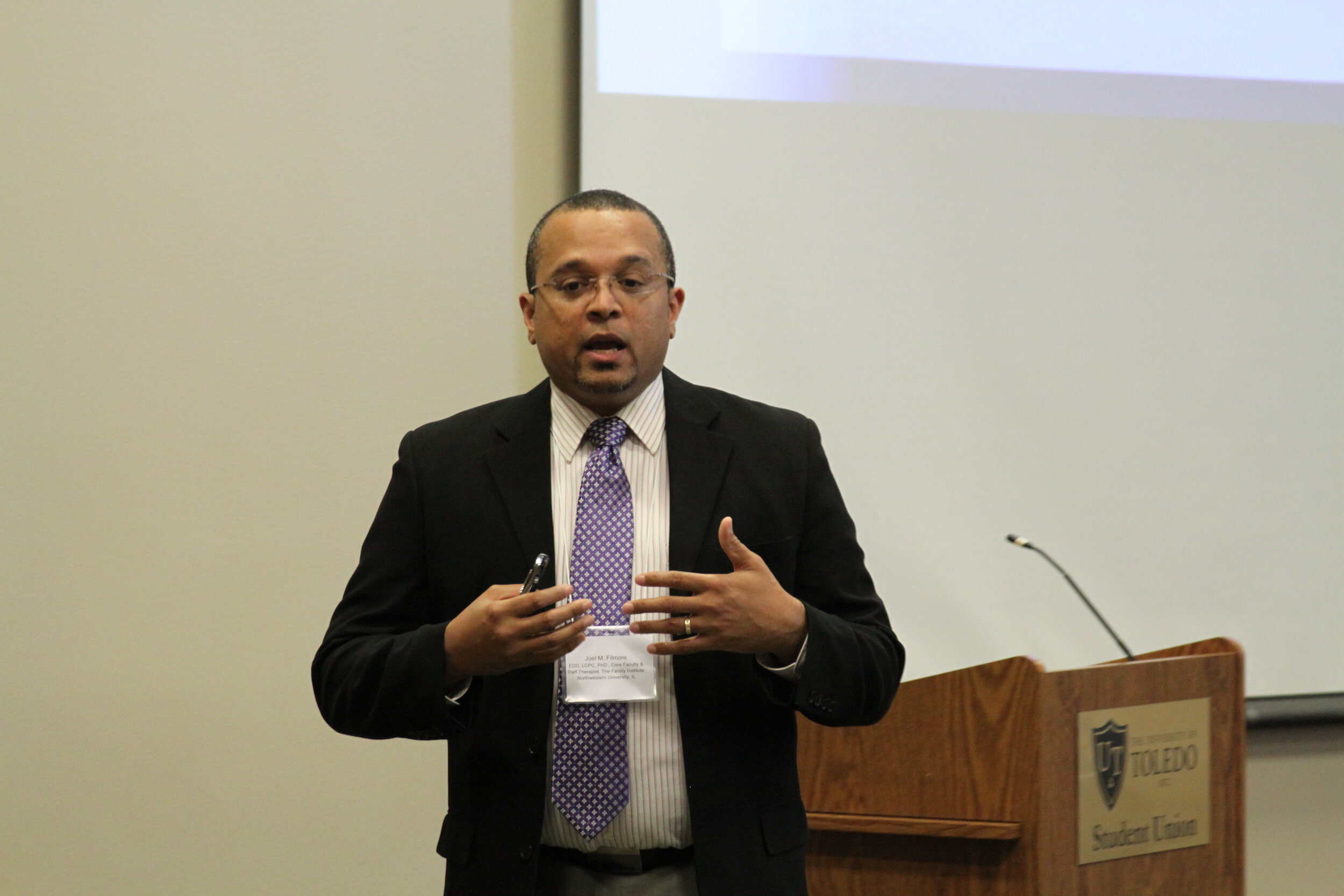
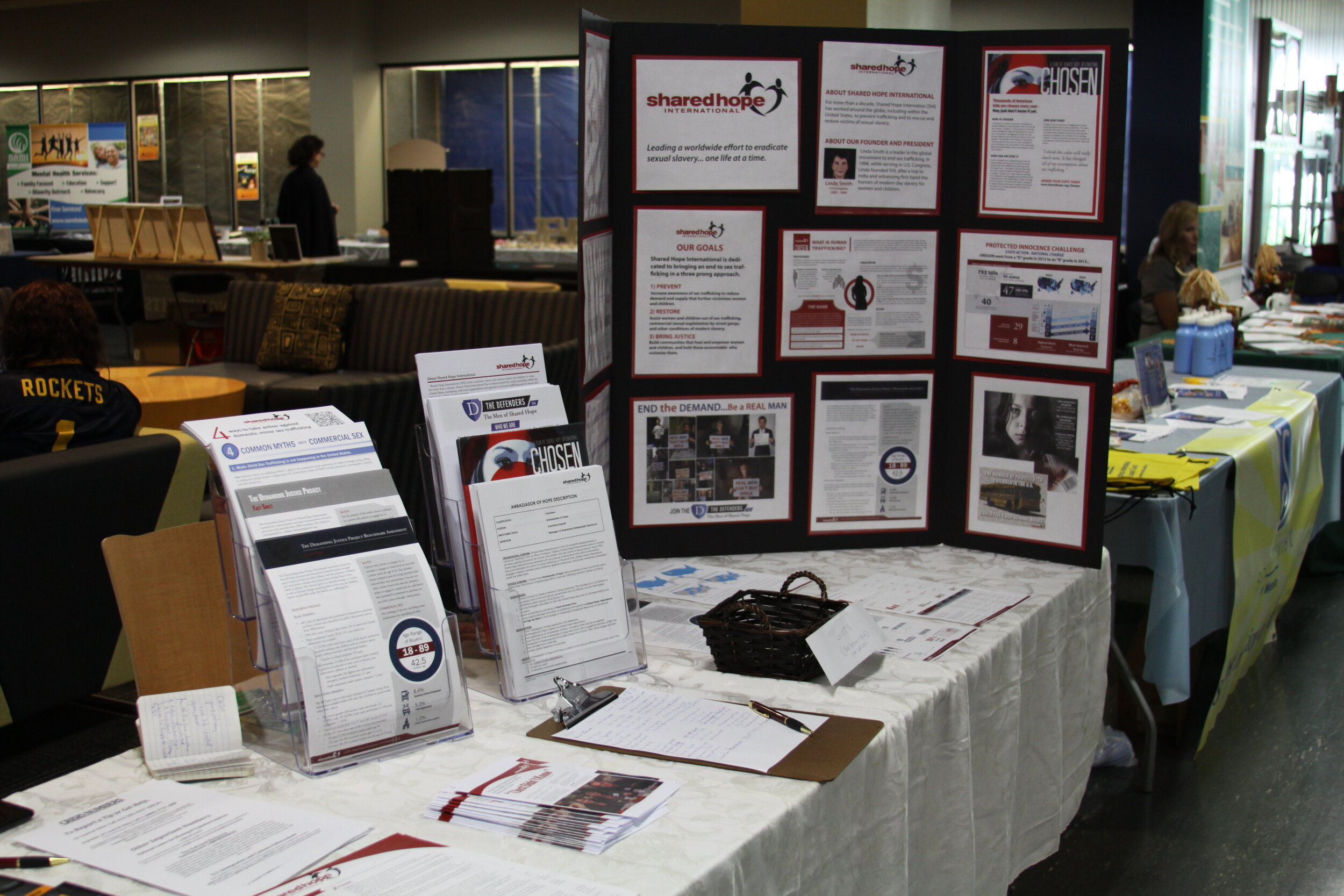


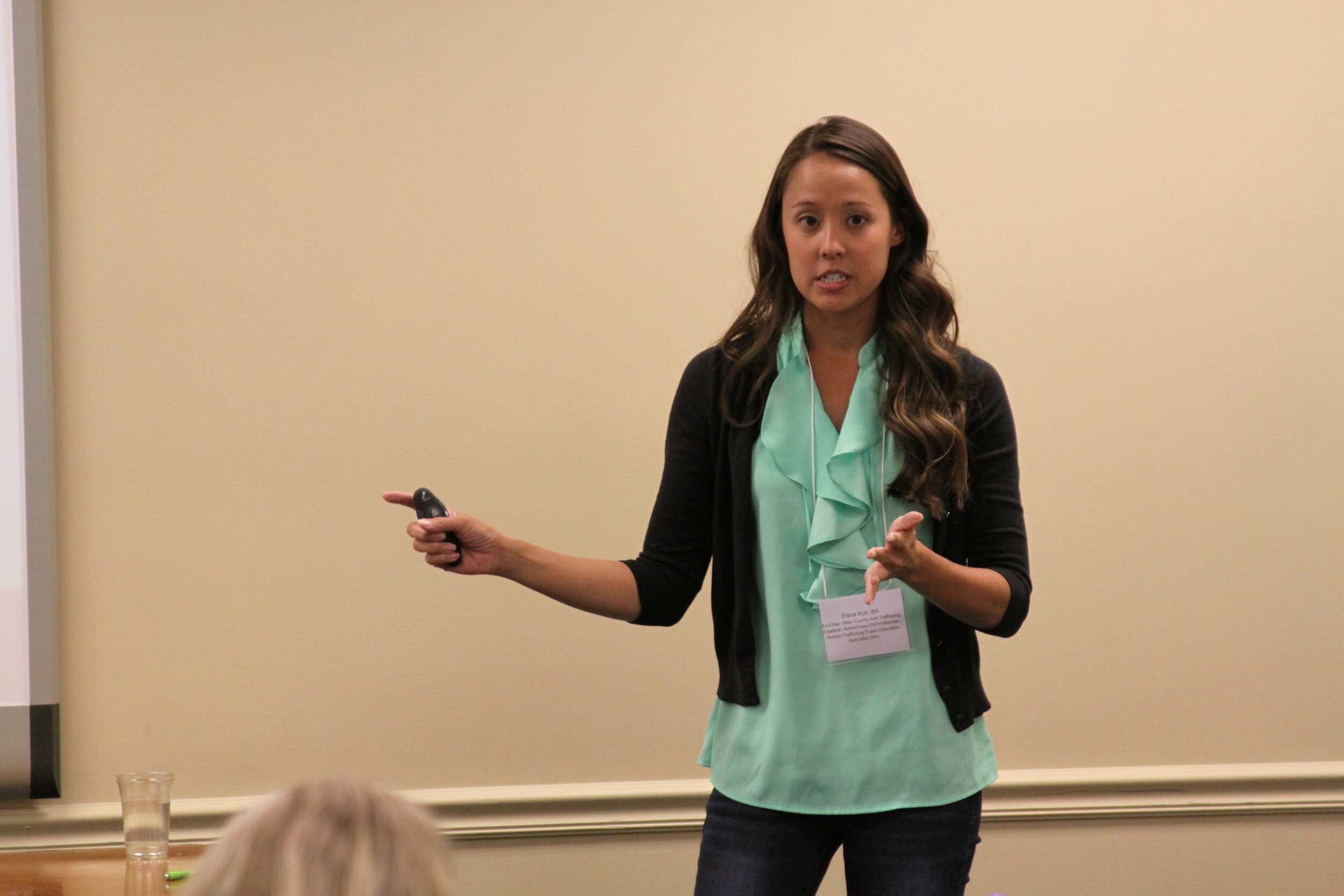
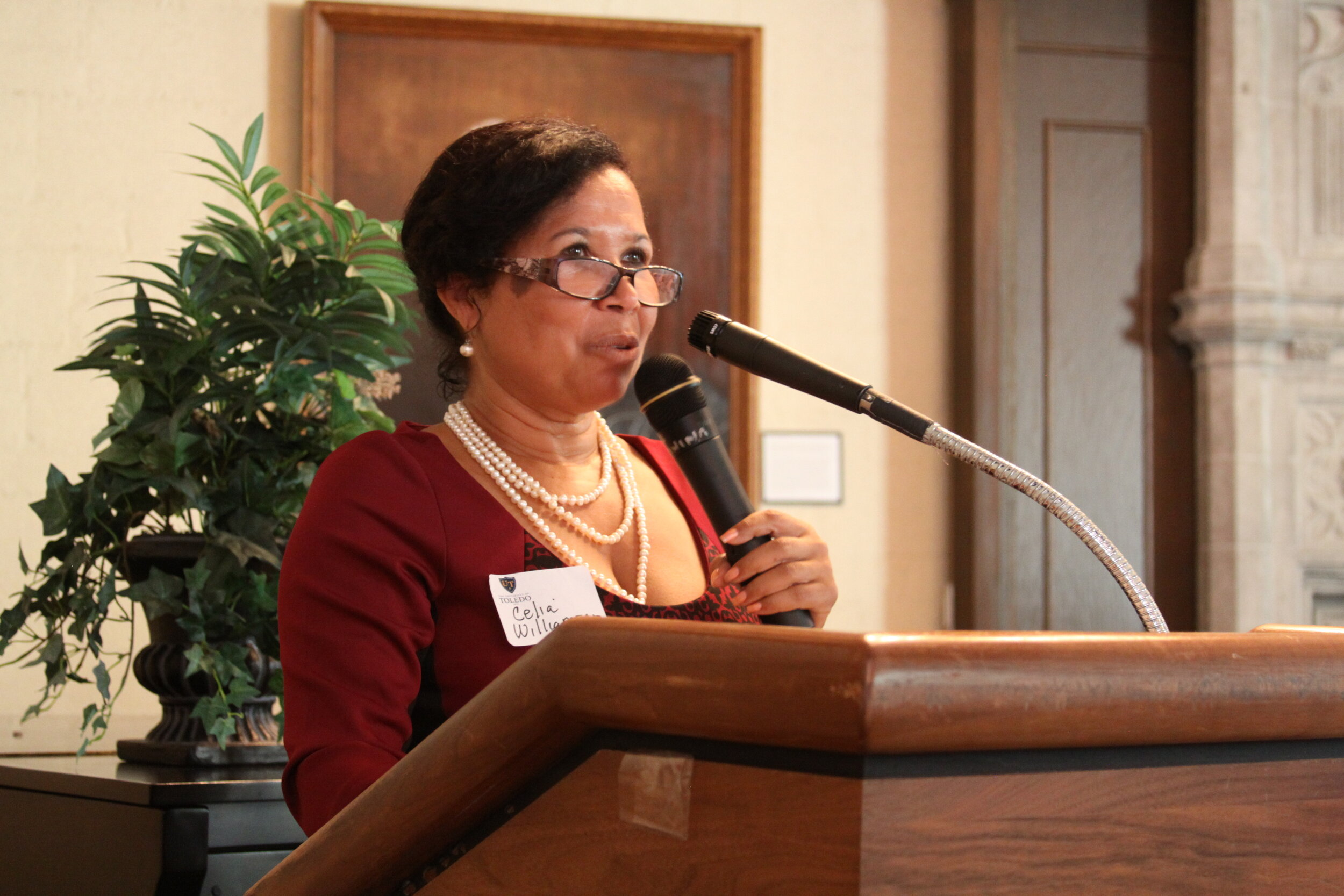
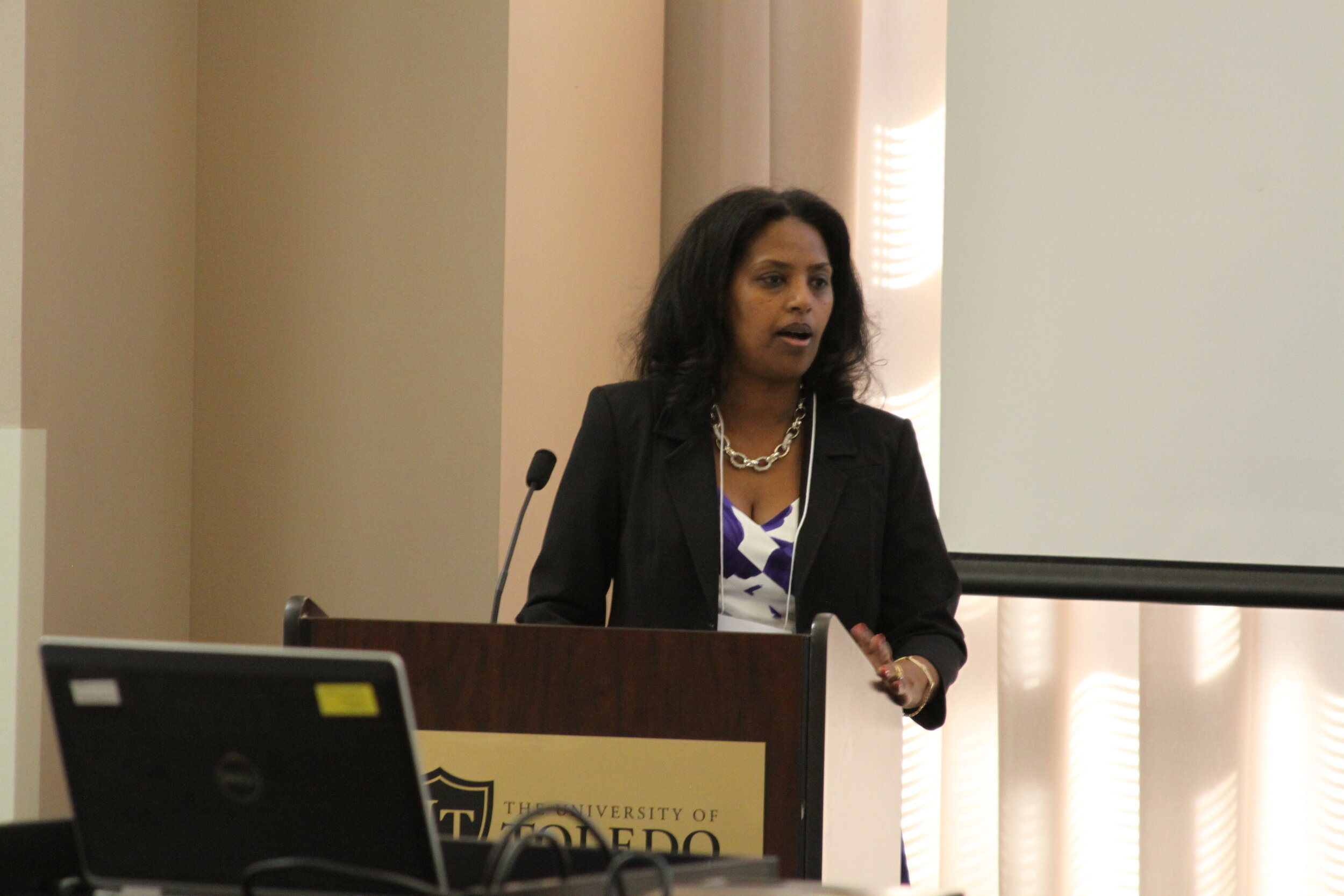
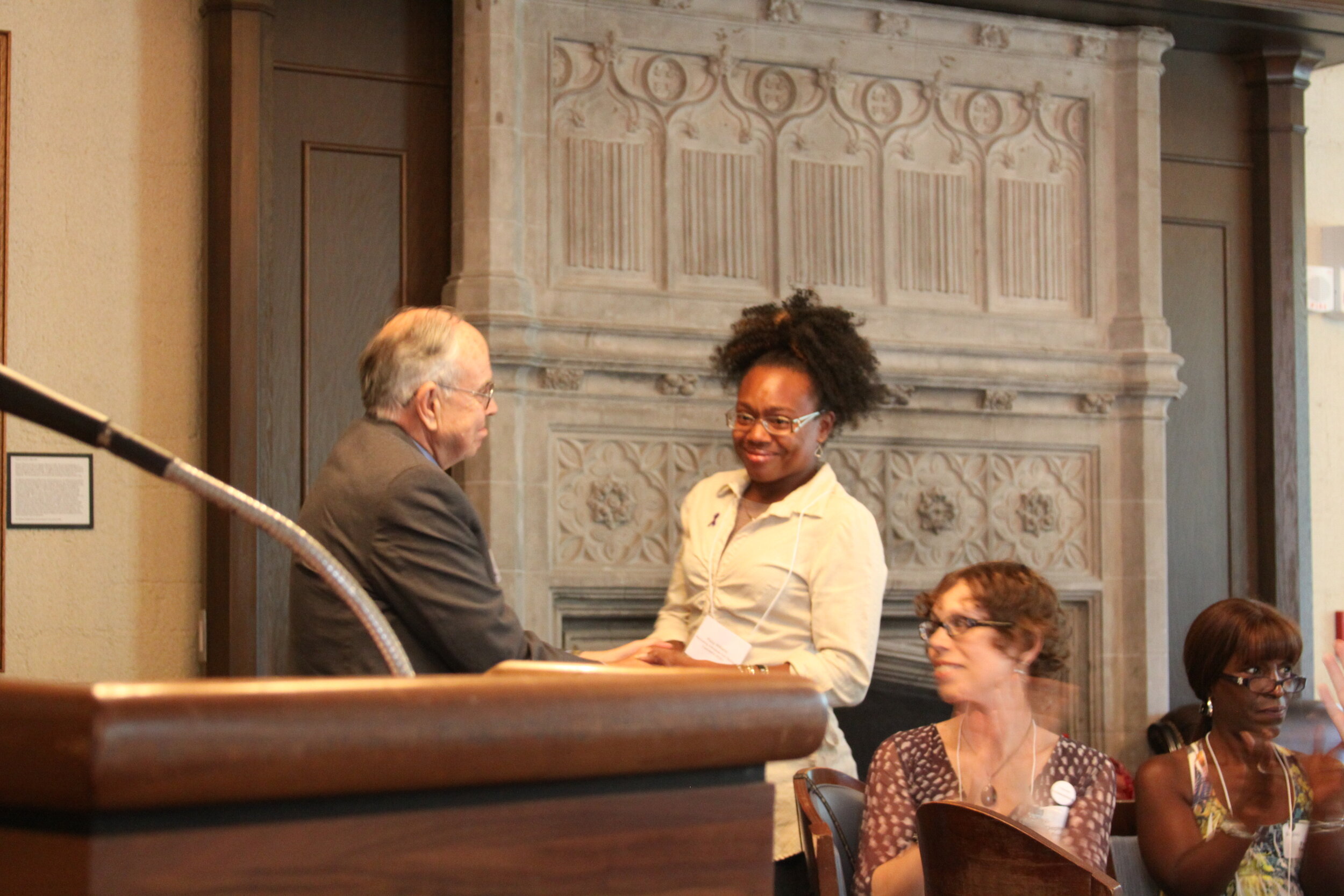

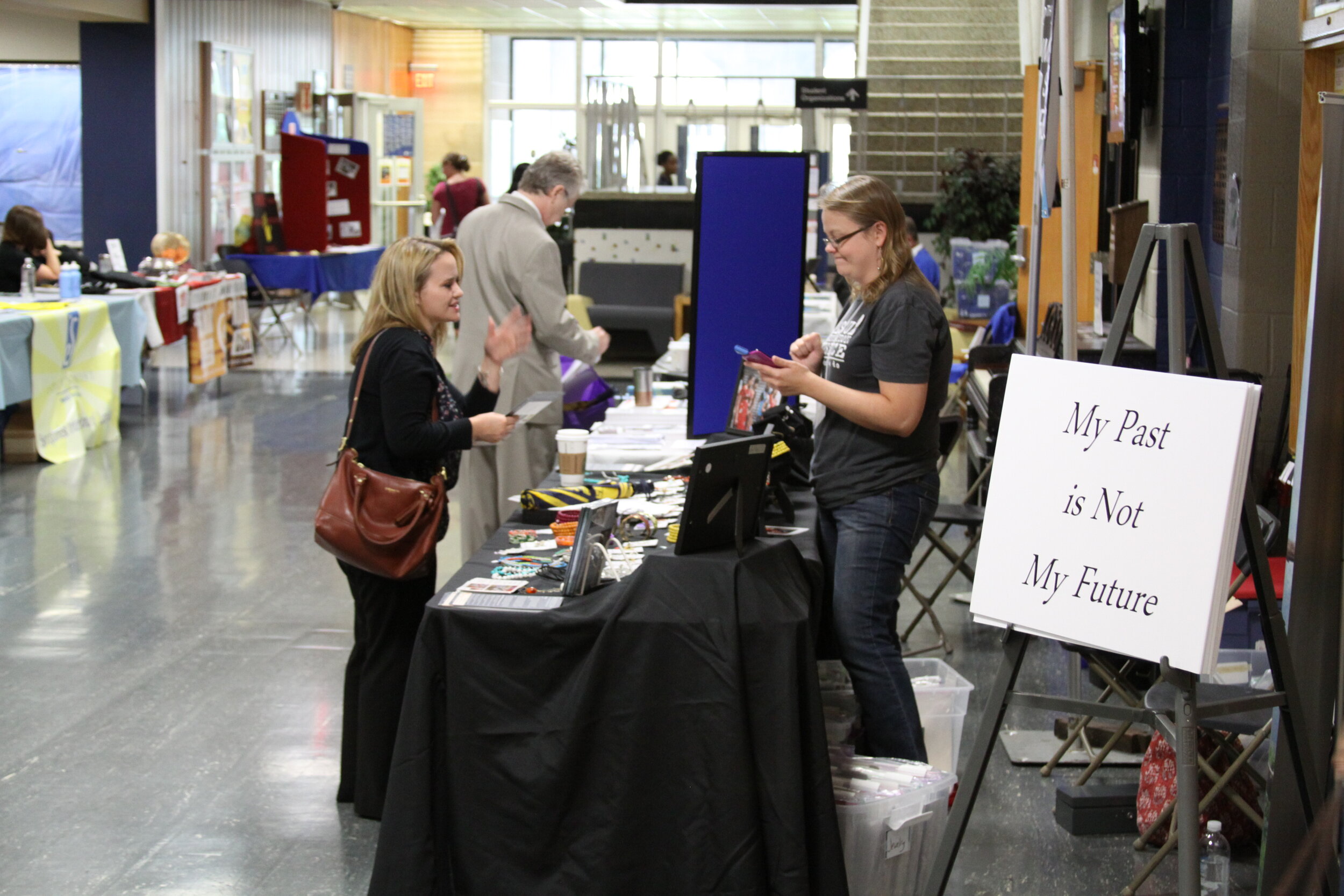
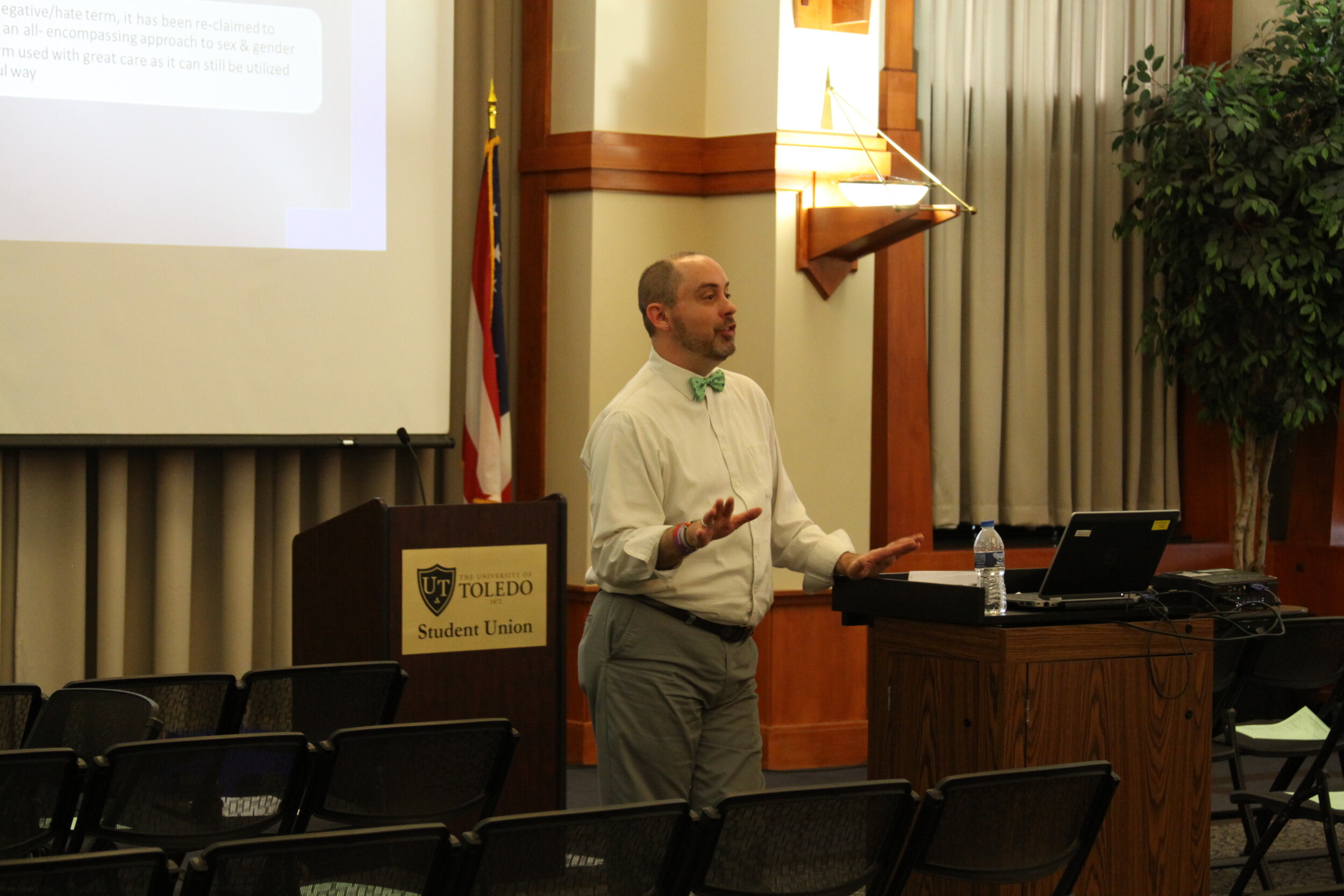
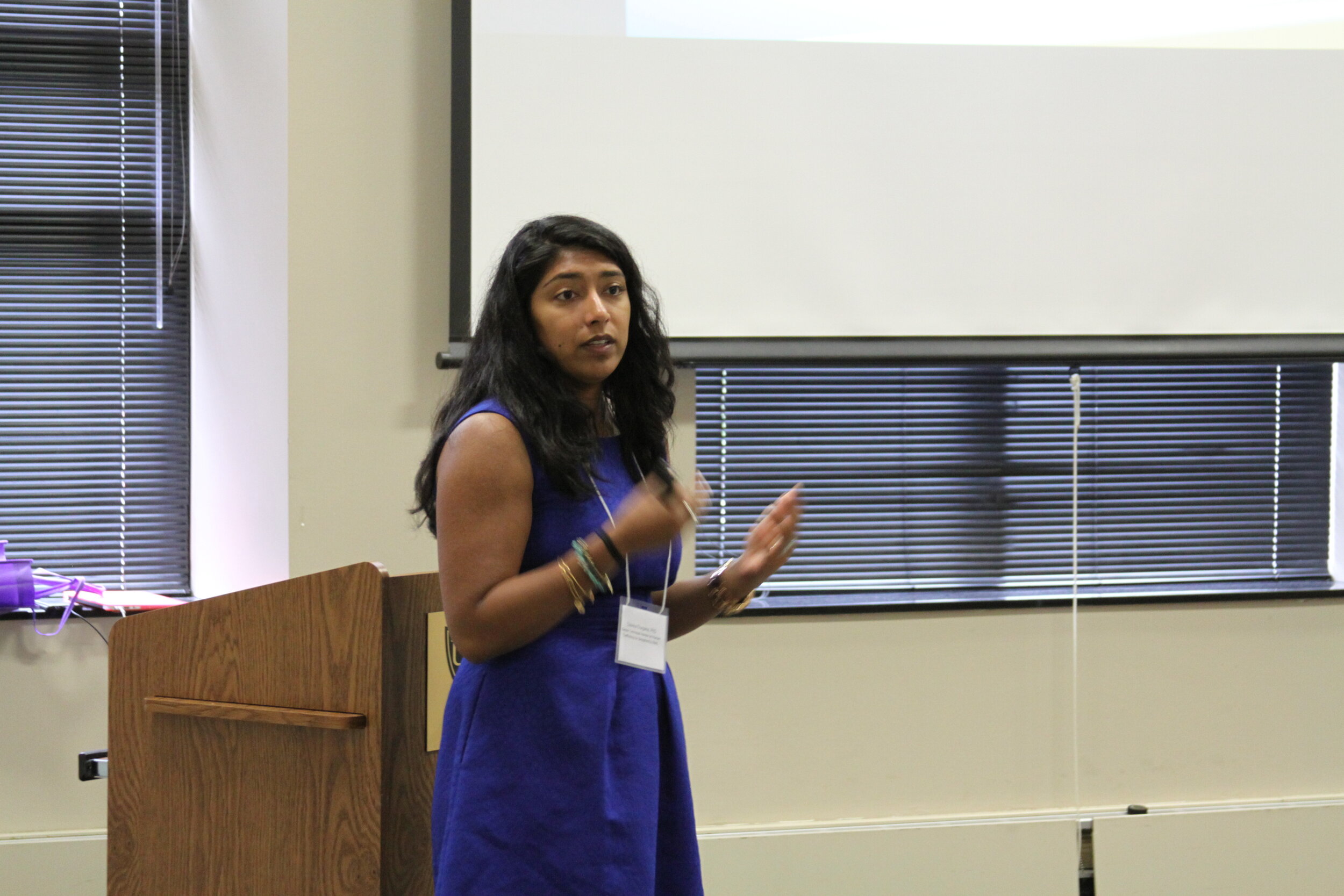
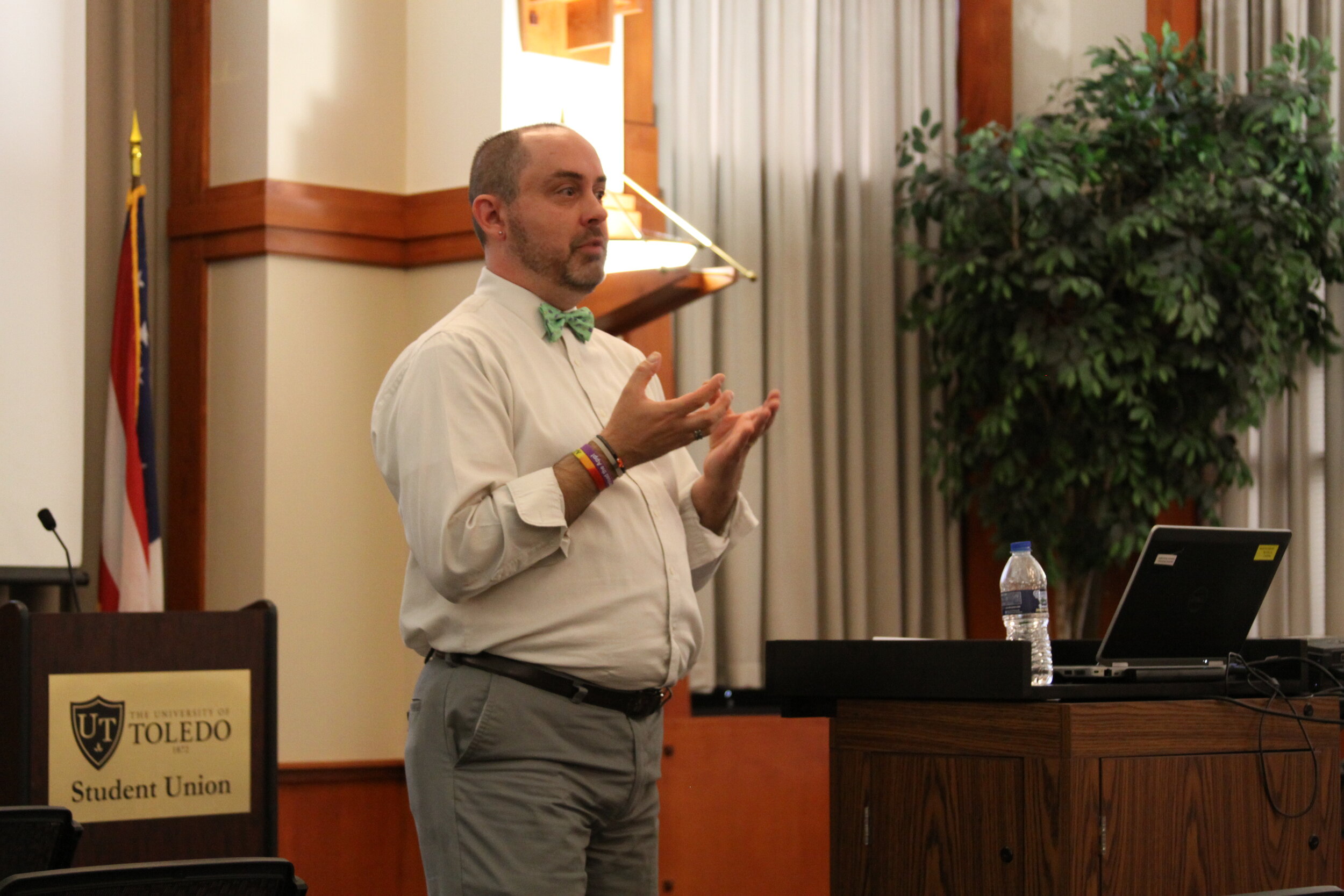
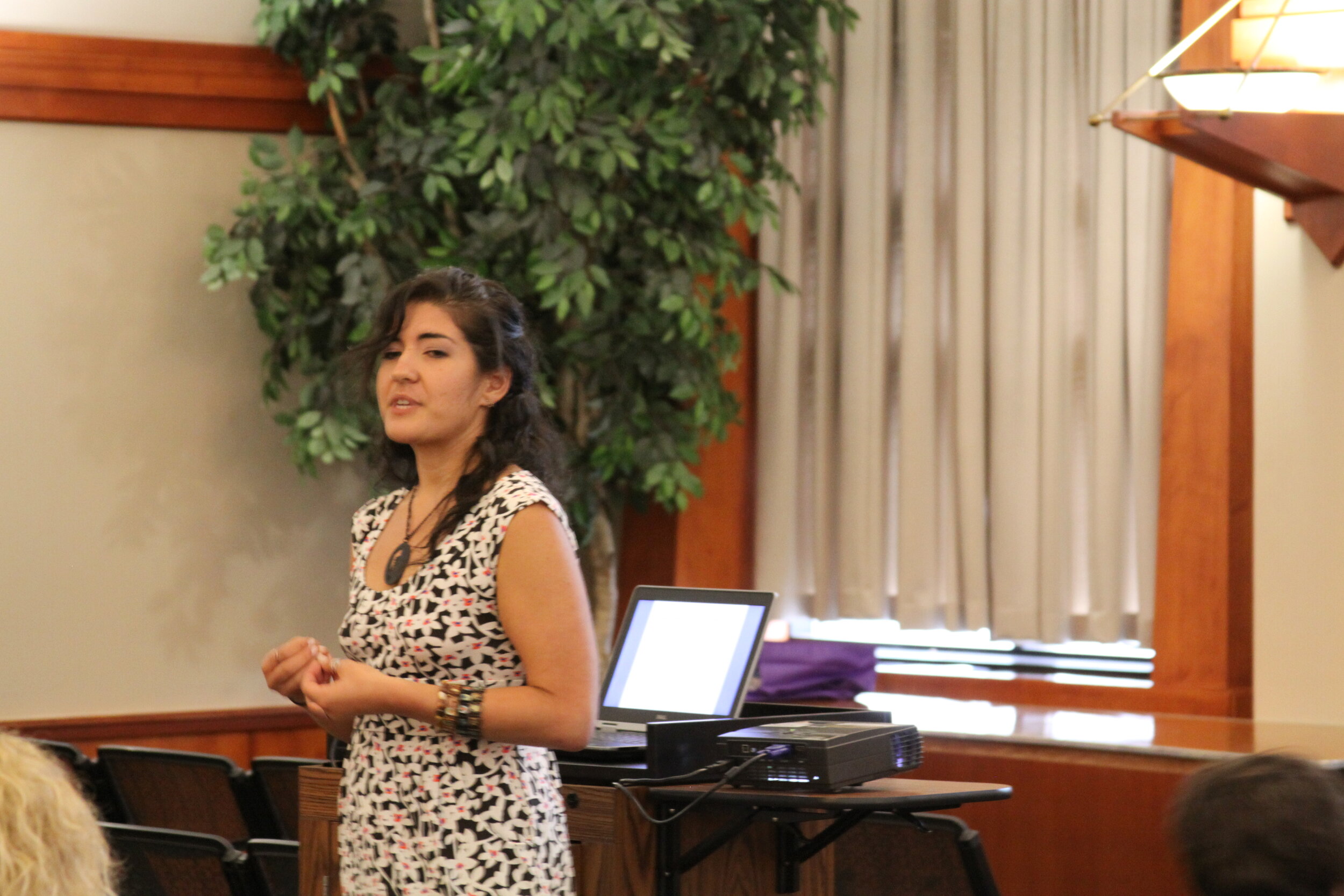
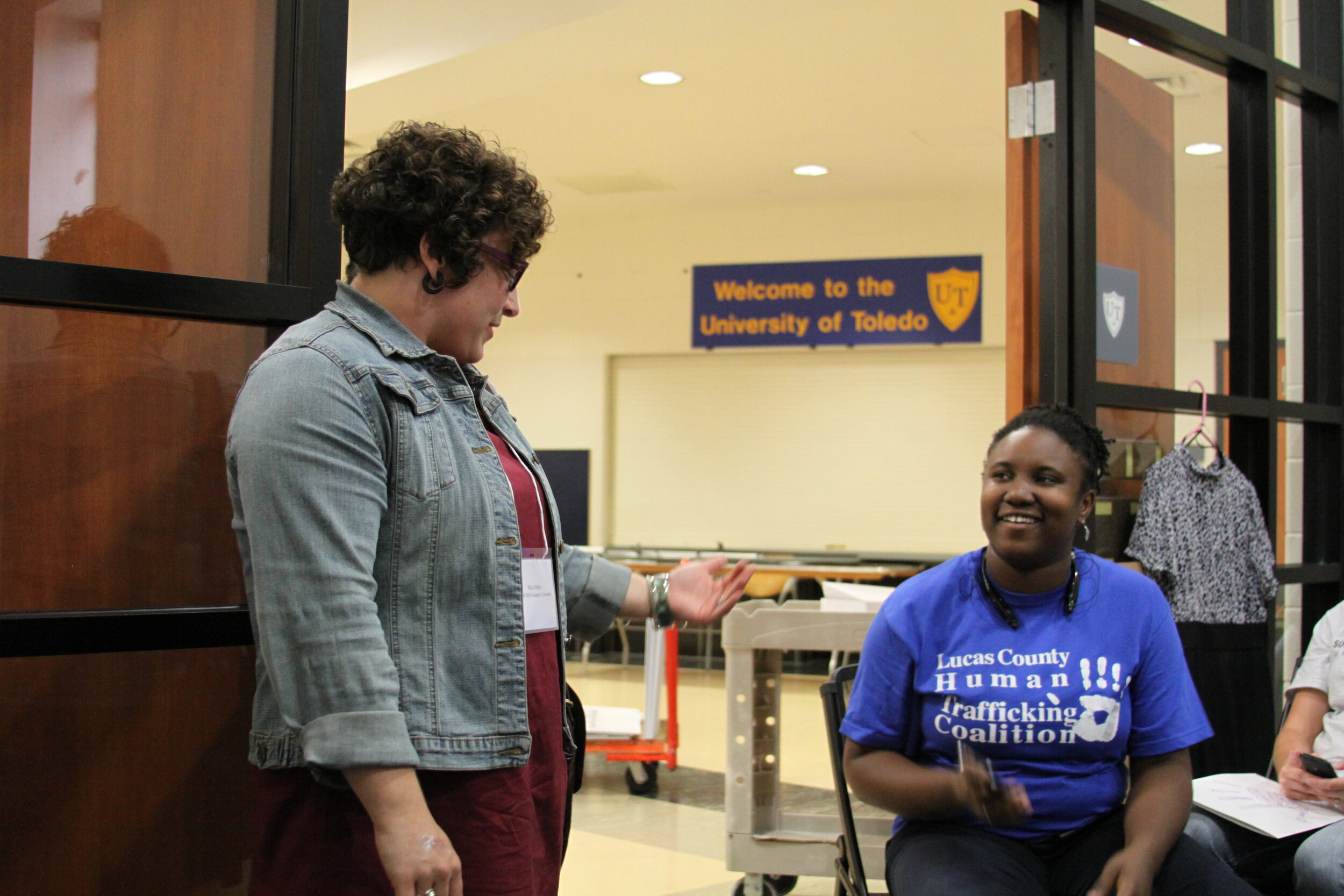

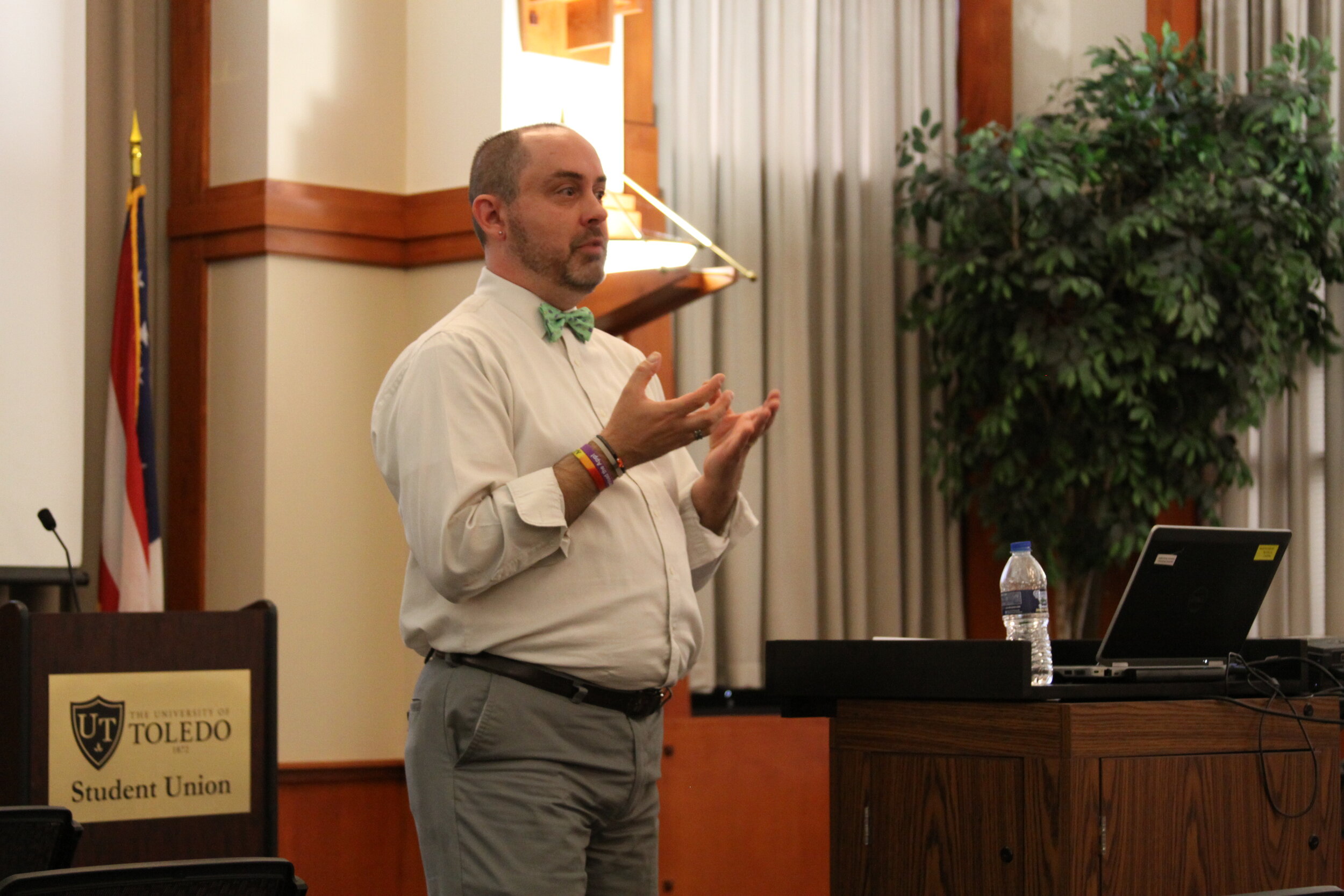
2015 Pictures
2015 Schedule
Thursday, September 10, 2015
8:00
Registration & Continental Breakfast
Student Union
8:30
Morning Welcome
Room Ingman
9:00 - 10:00
Numerous women in our culture have experienced shame, degradation, and despair as a result of having been sexually traumatized early in life. Some women end up in unhappy marriages or abusive relationships; some fall prey to a variety of addictions, silently or publicly; and some end up working as activists, social workers or sex workers. For many, these paths converge and cross. And for many other women, their situations—and the reasons that have brought them there—are secrets that have no voice.
This workshop will provide information on healing sexual trauma through myth, art, and metaphor. It will also outline steps into building solidarity with others in order to enhance the personal and collective voice of oppressed girls and women. There is a huge need to understand the complexities that underscore our human trafficking movements, and to build camaraderie with sex worker activism. The united voice that understands the roots and history of patriarchal thought and violence against women is far stronger than the lone voice. It is through deeper understanding of the interplay of race, class, gender, and socioeconomic status that we can begin to address the roots of the problems that we face, and find solutions through collective work and consciousness shifts. Participants will gain insights and practice into using transformative elements and skills that convert personal story and pain into art, ritual, and inclusive power.
One of the most challenging issues in combating human trafficking is working with adolescent victims of sex trafficking. Lawn force meant and medical personnel often do not recognize them as victims, and no national standard exist on how to conduct initial forensic interviews. Police and prosecutors indicate that conducting this initial interview properly is critical to identifying these victims, prosecuting their predators, and assisting them in their recovery.
Most evidence – based work on forensic interviewing has given attention to cognitive issues involving the ability to recall events. Particularly with adolescent victims of sex trafficking, motivational issues may adversely affect their willingness to report events to authorities. In this talk, I will review the body of research on rapptor building during forensic interviews. I will highlight what we know, what we do not now, and what we need to know in order to create evidence based interviewing practices. While studies have begun to investigate rapptor building, few experimental studies exist. No scientific studies exist to date to provide guidelines for rapport building with adolescents suspected of being involved in sex trafficking. I will conclude by making recommendations for research and practice during forensic interviews with possible victims of trafficking
Ohio ranks 50th in African American infant mortality. One risk factor for infant want Tallardy is low birth weight. African-American woman or more than twice as likely to deliver a low birth weight baby compared to a Caucasian woman. However, into thousand 13 and 2014, African-American woman in rolled in the pathways program in Lucas county had a low birth rate of 9.5%, much lower than the overall rate for African Americans in Lucas county (13.2% in 2013) and statewide (13.4% in 2013). This presentation will focus on the Pathways Model and educate the audience on how to both implement and advocate for the Pathways Model to be used in their community.
As an African American woman, raised in a low income and crime ridden environment, LaShanna Alfred has endured many hardships. LaShanna was an only child raised by her grandmother and surrounded by unscrupulous men. At the age of 2 her mother was murdered. Four years later, her father’s life was also taken by murder. She grew up in a family that would cover for her and excuse whatever behavior she offered to the world. She witnessed family members exploiting women through prostitution and abuse with little compassion, except for monetary gain. This led to an unhealthy self-image and a distorted view of women’s value in the world. Without positive role models in my formative years, LaShanna became a student of my environment, learning the lessons of survival. Finally incarcerated for trafficking drugs in a 3rd world country, pregnant and hopeless, she adopted new lessons to change her life. Now 13 years later, LaShanna has a master’s degree, published two books, is a Clinical Director of a program, teaches at a university, and facilitates women’s empowerment groups. She has learned the art of self-empowerment to break free from the cycle of internalized oppression. This talk will focus on those life lessons that are universal for any woman wanting to break free from her oppression and understand her value, fulfill their God given destiny, and self-actualize. All will learn to live by choice, and not circumstance.
This session is most appropriate for those new to the field of human trafficking and provides a basic overview and refresher of human trafficking. From an American perspective, presenters will focus on both domestic and foreign trafficking as well as labor and sex trafficking occurring in the United States. Estimates on the number of victims, their experiences, the indicators for victim identification, the business of trafficking, where and how to report suspected trafficking, and the importance of accountability of customers and traffickers will be discussed.
Social, emotional, physical, and psychological human benefits of human-animal interaction are well-documented. Within this presentation, these human-animal interaction benefits are reviewed and the roles through which companion animals can help convey these benefits and help facilitate trauma recovery are delineated.
Specifically, the following roles are defined and differentiated between:
- companion animals
- emotional support pets
- service animals
- animal-assisted activities
- animal-assisted therapy
For each role designation, the types of client trauma recovery-related needs that can be met are explicated, as well as pathways through which clients may be able to access such companion animal supports.
Objectives:
- Attendees will be able to identify at least three potential benefits of the human-animal bond for individuals who interact with companion animals.
- Attendees will be able to define and differentiate between the following designations: "companion animal" ; "service dog" ; "emotional support pet" ; "animal assisted activities" ; and "animal assisted therapy"
- Attendees will be able to identify and differentiate which kinds of client needs could be met by each of the different companion animal role designations.
10:15 - 11:15
Ethiopia is recognized as a hotspot for human trafficking. Survivors of trafficking in Ethiopia face many barriers in accessing and receiving rehabilitation and reintegration services, including posttraumatic mental health disorders, legal or economic issues, and cultural barriers, particularly in regards to stigma around mental health. Furthermore, very few trafficking-specific services are available in Ethiopia.
Using the results of a situational analysis participants will:
Identify gaps in service delivery for survivors of human trafficking in Ethiopia,
Describe how to form international, interdisciplinary partnerships to provide survivor services.
Explain optimal service delivery models for trafficking survivors in Ethiopia.
We conducted a situational analysis in Addis Ababa, Ethiopia to address the service needs of human trafficking survivors by incorporating: (1) a systematic review and (2) semi-structured interview with key stakeholders. The purpose of the situational analysis was to identify gaps in service delivery for survivors of human trafficking in Ethiopia using an international, interdisciplinary, survivor-centered partnership and to develop a collaborative plan for addressing those needs. A systematic literature review was conducted to identify gaps in service delivery. Students and researchers from the University of Michigan in the U.S. and from Addis Ababa University in Ethiopia conducted semi-structured interviews with key stakeholders in Ethiopia.
There was a paucity of research on human trafficking in Ethiopia, and adequate recognition of and response to the problem has not yet been achieved. Overall, the situational analysis suggested that all survivor services in Ethiopia are limited, but that mental health services in particular need expansion. Peer support and nurse-delivered models emerged as optimal frameworks for providing survivor services, given the cultural stigma around mental health and the limitations of mental health services available in Ethiopia. This project aims to create a sustainable, culturally appropriate, survivor-driven clinic in Ethiopia that offers comprehensive legal, health, and social services.
A method that systematically quantifies the number of people sold online for sex, and tracks their basic demographics, is a critical initial step to document the commercial sex market locally in communities. By analyzing patterns of commercial sex markets in the United States, important inferences can be made about sex buying trends. As such, this presentation will describe a data mining study that tracked online sex selling in target regions of Massachusetts, conducted in collaboration between RIA House, the Imagine Foundation, and William James College. The study’s main objective was to describe online patterns of supply within commercial sex markets specific to key Massachusetts regions, with the understanding that supply is dramatically underestimated and often hidden within the regions. This presentation will include data on the number of people sold for sex online for a period of three consecutive months in target Massachusetts regions. The presenters will conclude with examples of practical applications derived from the findings of other online sex selling data mining studies. Specifically, how the findings can clarify trends in demand for online sex, and how local data can also support community efforts to respond to the needs and interests of the people being bought and sold in the online sex market will be discussed.
Objectives:
1) By the end of the presentation, the audience will understand one specific data mining method to quantify the online commercial sex market in their communities.
2) By the end of the presentation, the audience will be able to identify and analyze trends in a local commercial sex market.
3) By the end of the presentation, the audience will begin to think about how a data mining project such as this could help them develop a comprehensive response to a local sex market.
There are very few empirical examples of research pertaining to convicted sex traffickers. This is due, in part, to limited research access by both the Bureau of Prisons, and Institutional Review Boards. To overcome this lack of access, Dr. Jesse Bach conducted an in-depth qualitative analysis of court documents, transcripts and courtroom interviews pertaining to the sex trafficking trials of Northern Ohio—resulting in a conviction, from 2010-2013. This presentation will examine the lived experiences, recruitment techniques, methods of victim/survivor control, and financial arrangements pertaining to convicted sex traffickers. It will provide unique insight to who traffickers are, how they came to be involved in sex trafficking, and how they gained access to victim/survivors. The implications of this research go beyond the advocacy world and into the development of preventative measures constructed around the warning signs and at-risk behaviors of potential traffickers—before they become involved in the crime.
** Trigger Warning**
Discussions of domestic minor sex trafficking, sex traffickers, physical abuse, psychological coercion, drug addiction, and prostitution.
This workshop will discuss an intervention program designed to help adults exit a lifestyle of commercial sex or sexual exploitation. Programming for Phenomenal Woman, a court-funded prostitution diversion in Los Angeles County, will be highlighted. Attendees will learn how all of the elements in the intervention program work together. The 10-week Ending The Game coercion resiliency curriculum helps unravel the mind control. Mental health services, drug and alcohol treatment and holistic help heal the body and mind. Individuals are assessed for safety, immediate needs, and shelter. Career development and GED testing helps participants obtain employment. Relationships with survivor-mentors provide the necessary support and encouragement to succeed. Courts serve as a source of external motivation and promote recovery in the program. Graduates of Phenomenal Woman are empowered to elect after-care services including leadership opportunities, trainings and employment.
The preliminary results of a research project examining the program’s effects on improving outcome measures such as recidivism will be presented. Self-reported changes on the IEP including education attainment, housing stability, employment and not engaging in prostitution activities were achieved through collaboration and coordinated services at a drop-in center. An in-depth discussion regarding application of Cimino’s (2013) Intentions to Exit Prostitution Model and Measure to assess readiness and tailor intervention services will follow a review successes in the exit literature. This study addresses the needs of this population and why a comprehensive approach is necessary and most-effective.
Objectives:
1) Gain an understanding of why a comprehensive approach is necessary,
2) Learn the 10 essential elements of such a program and
3) Gain knowledge of the IEP (Intentions to Exit Prostitution) instrument to target interventions and evaluate program effectiveness.
Reference: Cimino, A. N. (2013) Developing and testing a theory of intentions to exit street-level prostitution: A mixed-methods study. Dissertation is available from ProQuest database.
This review of international studies and literature highlights current levels of evidence for treatment approaches directed at recovery of sexual trafficking and sexual abuse survivors. Current data addresses symptoms of posttraumatic stress disorder, depression, mental health symptoms, and HIV risk. Treatment approaches include trauma-focused therapy, present-focused therapy, support groups, mindfulness activities, skills training, physical exercise activities, alternative techniques, and functional skills.
This presentation outlines suggestions for further investigation, including expanded symptoms of sexual abuse/trafficking, specific functional skills, activities of daily living (ADL), previously studied approaches, and novel techniques. Specific research guidelines offer direction into further research of assessment, diagnosis, and treatments of survivors of sexual trafficking and trauma.
The Commonwealth Caribbean is far from immune to human trafficking, despite widespread belief amongst the population to the contrary. Many Caribbean islands are designated as source, transit and destination countries. All of the Islands in the region who submit data to the United States Trafficking in Persons report are classified as either Tier 2 or Tier 2 Watch List countries. Legislation is in its infancy, and many countries are in the process of developing a framework for the training of Immigration Officers and Police Officers. However, it is submitted that transplanting legislation from elsewhere is not the answer due to the unique geographical, societal and cultural factors which influence the Caribbean. This presentation seeks to analyze the distinctive problems experienced by small island developing states in combatting human trafficking, and consider alternative methods to assist in the fight against human trafficking in the Commonwealth Caribbean.
11:30 - 12:30
Awareness and media coverage of human trafficking has increased substantially in the last decade causing an unprecedented number of people desirous to engage in efforts to combat human trafficking (Countryman-Roswurm, 2015). While most involved in the anti-trafficking movement are well intentioned, often times the behaviors and actions undertaken by these allies are harmful to the very survivors they are trying to serve (Countryman-Roswurm, 2015; Douglas, 2013; Lloyd, 2013; Smith, 2014). Within the anti-trafficking movement, more and more survivors are being used as propaganda. They are asked to share their stories in the media in order to raise funds or awareness with little thought to the effects of reliving the trauma and the significant impact this may have on the post-traumatic stress disorder most survivors deal with (Dart Center for Journalism and Trauma, 2011; Chicago Taskforce on Violence Against Girls and Young Women, 2012). In addition, rather than being recognized and/or compensated as experts and leaders in the anti-trafficking movement, survivors are being taken advantage of in the pursuit of a story that has emotional pull (Countryman-Roswurm, 2015; Douglas, 2013; Lloyd, 2013; Smith, 2014). Presenters will discuss ways in which media portrayals of survivor’s stories and the portrayal of human trafficking as a whole can be both harmful and beneficial. Presenters will also provide guidelines and best practices for sharing the message of human trafficking in a manner that does not exploit survivors but rather empowers and puts their needs first.
Objectives:
1) Explore the harmful and exploitive practices used by media, service providers, and advocacy groups to share the message of human trafficking.
2) Understand the risks of asking a survivor to share their story.
3) Learn practical tips to share the message of human trafficking in a manner that empowers and respects each survivor’s unique story and healing journey.
This workshop will explore the correlation between Stockholm syndrome and victims of sex trafficking. Specifically, the correlation between Stockholm syndrome and the “bottom girl”. What could this mean for how we legally and ethically treat “bottom girls”?
Stockholm syndrome is a phenomenon in psychology that describes the unnatural behavior of a victim towards his/her captor or aggressor. The Stockholm syndrome usually develops out of “traumatic bonding”, which forms from the “strong emotional ties that develop between two persons where one person intermittently harasses, beats, threatens, abuses, or intimidates the other” (Dutton, 1981).
Individuals, usually known as “girls”, trapped in trafficking rings controlled by pimps, often referred to as “stables”, are controlled, in large part, by fear and the direct aggressive behavior of the pimp. Over time, these “girls” generally become physically and mentally attached towards their pimp. The desire to please their captor and earn his favor is often a strong motivation for a girl to work harder, comply more, and even help coerce and incite other girls to work for the pimp.
The existence of the “bottom girl” position actually helps to prove the main points of Stockholm Syndrome. The forced bond influences the girl so strongly that she makes the conscious choice to attempt to obtain this position in an effort to develop a closer bond with her captor.
Objectives:
1) Raise basic awareness about the correlation between Stockholm syndrome and victims caught in sex trafficking and exploitation, particularly “bottom girls”.
2) Discuss the relationship between the pimp/trafficker and the “girls” in his “stable” as well as the hierarchy among these girls.
3) Attendees will learn about research findings regarding the coercion and power dynamics between a pimp and/or trafficker over his victims.
Case studies will be presented, allowing for participants to further examine the correlation between victims of trafficking and Stockholm syndrome.
Interactive discussion will be encouraged.
In a developing country like India, poverty becomes one of the main causes for being trafficked. Especially, for women and children who end up in prostitution and/or organ trading in other countries. Poverty creates a big scope of vulnerability among them for being trafficked. Allurement of overseas jobs, attempt to avoid sexual and physical abuse at home, poverty and forced labor are the key reasons of for human trafficking. Source? Wherever there is poverty, there is likely supply to meet the growing demand for sexual entertainment. India is a country, where the trafficking of women and children occurs frequently and acts as a source, destination and transit point. At least 225,000 women and children are trafficked from the region every year. It also causes the brunt of countless negative physical and mental health outcomes.
Objectives:
1) Explore the relationship between poverty and trafficking in women and children. Including, the various forms of violence they have to face after being trafficked.
2) Analyze the major routes, destinations and forms of trafficking in women and children in India? As it has been observed poor helpless families and tribal societies have become the main target group of traffickers.
Understand human trafficking violates the freedom of a person and it is against human rights. It has many forms and the modus operandi vary from countries and destinations.
Dr. Mulk and Roma Raj will be sharing their humble experiences as Indian Healers (based in New Delhi, India) and experience working on coalition building with American health workers for finding ways to eliminate the problems of human trafficking and prostitution.
(the sentence before can be shared in the presentation) In a recent report on social justice and determinants of health, the World Health Organization (WHO) concluded that because of social inequities, it will take international efforts and massive political will to improve the health conditions of much of the world's population (2000). This presentation will discuss the word HEALTH as our objective and further analyze the adverse impact of human trafficking and prostitution on humanity. A focus on how pooling our resources together on a universal level and coalition building raises consciousness so we can muster a force to awaken humanity.
Sexually transmitted diseases are not limited to HIV and Aids but genital herpes can be passed on just by skin contact without any intercourse. The American Center for Disease control (CDC) reported in 2000 that 45 million Americans (one in every six) are infected with genital herpes.
With support from the Bill Gates Foundation, CD's in every language of the world should reach vulnerable youth in the next two years with the goal to educate growing kids who are at risk of getting engaged in traps of the traffickers.
Objectives:
1) Increase understanding of the importance of universal (international) team work for coalition building and consciousness raising.
2) To explore strategies for reducing hate, ego, and violence as obstacles to coalition building and consciousness raising.
3) To chart course of action for key stone education, social justice, and will to share globally.
This presentation seeks to inform participants of the possibilities for successful interventions using occupational therapy frameworks to treat survivors and combat human trafficking.
Objectives:
1) Participants will be able to identify basic principles and philosophy of occupational therapy.
2) Participants will be able to identify specific needs of victims and survivors of human trafficking.
3) Participants will be able to identify potential roles of occupational therapy to treat survivors and combat human trafficking.
The profession of occupational therapy has an extensive history of improving the lives of individuals affected by various types of trauma. Occupational therapy practitioners frequently provide client centered care to populations with similar needs as survivors of human trafficking. Occupational therapy research shows effective intervention with musculoskeletal and psychological diagnoses, traumatic brain injury, and domestic violence using occupation based treatment strategies. The domain of occupational therapy involves improving engagement and performance in daily life activities to positively impact health, wellbeing, and personal satisfaction (AOTA, 2014). Occupational therapy can play a unique role in the prevention, advocacy, and treatment of survivors of human trafficking. Occupational therapists can help combat human trafficking by providing individualized trauma specific intervention using occupation based techniques; consultation services to improve organizational outcomes; improve and/or develop programming for survivors; and further develop and investigate trauma specific interventions.
This presentation will describe the development and implementation of a one-day pop-up drop in center for persons with histories of or current involvement in prostitution. Twenty-three organizations and over a hundred people volunteers their services and thousands of dollars of donations were received to support the project held two weeks before Super Bowl 2015. A marketing strategy was developed and implement throughout the community. Thirty-four clients attended the event including 12 youth under the age of 18. Lessons learned and future program plans will be discussed along with an outline of how to implement the event in other communities.
12:30 - 1:30
Lunch by Carolyn’s Catering
Auditorium
1:30 - 2:30
When most organizations plan to offer services pertaining to human trafficking, they most often contemplate a large, dedicated care facility. However, the stationary model may not allow access to the client base due to location, and the incredibly high cost places it out of reach for all but the most well-funded organizations. Over the past year, The Imagine Foundation of Cleveland, Ohio has been developing a unique facility and programming model taken from small, start-up businesses—the pop-up. This temporary and highly mobile model enables a low-cost alternative to high-cost infrastructure by utilizing existing, underused facilities, a professionally trained volunteer base, and a network of partnered organizations.
The Cleveland Pop-up is part of a prevention and recidivism reduction model that aims to implement career services to those involved within human trafficking—both potential perpetrators and victim/survivors in the belief that access to the formal economy through employment can help alleviate some of the contributing factors leading up to exploitation. During the intensive, one-day program, career services are located in close proximity to high-risk areas including hotels/motels, areas known to be conducive to prostitution, and halfway houses or prisons. In the Cleveland area, during the past year, over 200 clients have come to the various pop-up locations seeking career services to leave “the life” and earn employment within the formal economy.
The objective for this presentation is to introduce the advocacy and care community to a new and unique service model that allows providers to operate in a highly localized, mobile and cost effective way.
30 Nepali girls were trafficked into India with the intent of being forced into the sex trafficking industry. Tomorrow 30 more will be trafficked. They will be locked up, beaten and raped until they give in and accept the hell that will thereafter be their life. Meanwhile, as these girls continue to suffer, more will be added to their number.
SAVE THE LIFE operates more than 3 Border Monitoring stations at crucial points along the Nepal- India border. These stations are overseen by Subcommittees, and employ border guards to watch for signs of Trafficking, and try to intercept girls as they are being trafficked into India and other Country.
The workshop will provide an overview of reentry. Reentry reintegration of ex-offenders into mainstream society from a period of incarceration is a process not an event. The longer one has been incarcerated and the more severe the offense, the more challenging reentry can be. This presentation will deal with the major barriers and challenges faced by the reentry population, and the many roles social workers can play to increase the likelihood of successful reentry. While the needs of the reentry population are not unique (employment, housing, transportation, behavioral and physical health) and shared by many others, a criminal record often creates an additional barrier to obtaining these needs. Emphasis will be given to the role of social workers on both the micro level (providing direct services to individuals) and macro level (community advocacy). The presenter will tell their personal experience on being a convicted felon in Ohio and how they have become a social worker. In order to help this particular population there needs to be an emphasis on reducing the stigma associated with being convicted felons. The presenter will share his research that was conducted in Toledo, Ohio including effective rehabilitation and reentry efforts. It is a study with 67 participants and how they view their treatment and ambitions. Peer support can be affective for convicted felons and the role of mentors need to be addressed for convicted felons. This workshop will help demonstrate the change of people and motivate for success.
Objectives:
1) To understand the specific barriers that the reentry population faces;
2) To see the important role that social workers play in successful reentry;
To learn about a study and its findings done in Toledo involving reentry.
We have a monster hiding in our own backyard. This monster is growing larger, demanding more victims, acquiring vast amounts of wealth, becoming bolder by night, increasingly seen even in broad daylight. This monster, one that we unknowingly feed, through our lack of education, awareness, and/or action is known as Sex Trafficking.
Objectives:
1) Raise basic awareness about human trafficking, particularly domestic sex trafficking.
2) Discuss the current social policy and reform occurring in the United States.
3) Enable participants to have the tools to actively seek change within the social policy and legislation of their own regions and states.
Statistical data, policy reform issues, and various legislative topics will also be discussed. This research has been gathered by both third party organizations, such as the Polaris Project, National Center for Missing and Exploited Children, and Not on Our Watch America Foundation, as well as Ms. KiloMarie Granda. The material presented will both build upon existing research and incorporate measurable outcomes based upon Quantitative and Qualitative Data.
For more information about our mission to end Domestic Sex Trafficking, please check us out at www.unspokenvoices.net or https://www.facebook.com/unspokenvoicesorganization.
Inequity and a lack of human rights is at the root of human trafficking. Human trafficking education, awareness, and micro level interventions will not contribute much to ending trafficking, without attention paid to those institutional forces that drive inequality to create a thriving market for labor, sex, and drug trafficking. Using Latin America as a case in point, the audience will learn about the causes for the prevalence in trafficking, which include: (a) U.S. broken foreign policy with Mexico and Latin America, including trade agreements and immigration laws that criminalize the poor and supports endemic corruption and drug cartels; (b) U.S. global corporate supply chains and investor greed; and (c) our broken U.S. Congress and their inability to guarantee mechanisms for citizens and immigrants to exercise their human rights, civil rights and labor rights. This is a call to attack institutional inequality by creating a counter institutional moment among the victims and the poor. Examples of how to fight back and restore human rights and human dignity will be provided.
In July 2014, the State of Ohio’s Office of Criminal Justice Services received a grant from the US Department of Health and Human Services (HHS) to increase the identification of foreign-born trafficking victims in Ohio. The program that Ohio established is executed through state and local partners and has led to successful identification of previously hidden populations of trafficking victims. Beyond awareness, though, this panel of presenters has have been working with HHS to provide services for trafficking victims, and have learned to navigate the seemingly complex channels to accessing these services. The presentation will give both an overview of the role of HHS in anti-trafficking work among foreign born populations and will also provide concrete examples of initiatives to improve identification and services for foreign trafficking victims in Ohio.
Objectives:
1) To explain the role of the US Department of Health and Human Services in both identifying and serving foreign-born victims of human trafficking.
2) To illustrate Ohio’s initiative to identify foreign-born trafficking victims through the grant from the US Department of Health and Human Services, including the approach, partners, and entities trained through the grant.
3) To explain the specific efforts and priorities in identifying foreign born trafficking victims in northwest Ohio through the Lucas County Human Trafficking Coalition and its local outreach partners.
To demonstrate outcomes to date and the importance of raising awareness and collaboration with existing federal programs to increase the protections for potential trafficking victims.
Michigan currently ranks 5th in the nation for human trafficking (Shared Hope International). While Michigan legislature works tirelessly to enact laws that will change the shape of victims' services in this state, certain arenas remain untapped. According to a Stanford University study, the first uninvolved people to come in contact with human trafficking victims are medical professionals (Collins & Grace, 2009). Recently the State of Michigan passed into law a requirement for medical professionals to be trained to identify the signs of human trafficking in patients. While this amendment is extremely important, a lot of necessary information was left out of the Public Act itself: Who will conduct the training? What will the training? How long will the training be? Will the training be comprehensive enough that healthcare professionals feel comfortable identifying possible victims? Can healthcare professionals be held liable for reporting suspected cases? In order to address these questions and any others that may arie, the State of Michigan has created a small grant to be used via the Genesee County Medical Society through the Greater Flint Health Coalition as fiduciary to create a physician's toolkit through the compilation of multiple resources. The finished product will be given back to the State of Michigan, and will be disseminated in Genesee County. Physician feedback, competence, and reporting data will be monitored following the dissemination of the toolkit. The objectives through the creation and dissemination of this physician toolkit are to increase awareness of human trafficking as a public health issue among the health professions and to increase consistency in reporting human trafficking cases within the State.
2:45 - 3:45
In the late 19th century, abolitionist E. D. Moore undertook the ambitious project of tearing apart King Leopold II's slave industry in the Congo Free State. In what should have been a hopelessly lopsided battle, Moore pitted himself against a monarch's powerful propaganda machinery, and a highly profitable rubber producing industry. To level the playing field, he employed a new technology, the magic lantern, or what we would call a slide projector, to visually display the atrocities of slavery to large audiences, and turning the tide of public opinion against a powerful monopoly.
In the United States, more than 800,000 children are reported missing every year, nearly half end up living on the streets, most of those will be solicited for sex within their first 72 hours of living on the street. The presenter proposes the implementation of 21st century “magic lantern” that will identify and locate children being sold for sex online and bring them to safety. FAGIN (Facial Analysis to Gain Information Now) uses existing facial analysis technology to recursively extract and compare images from online sex ads to images of missing children producing a report for each match. With current Federal law, the FAGIN report provides probable cause and admissible evidence sufficient to trigger intervention and investigation by law enforcement. The FAGIN report also negates the need for the cooperation of, or further traumatization of, the minor victim in order to convict traffickers.
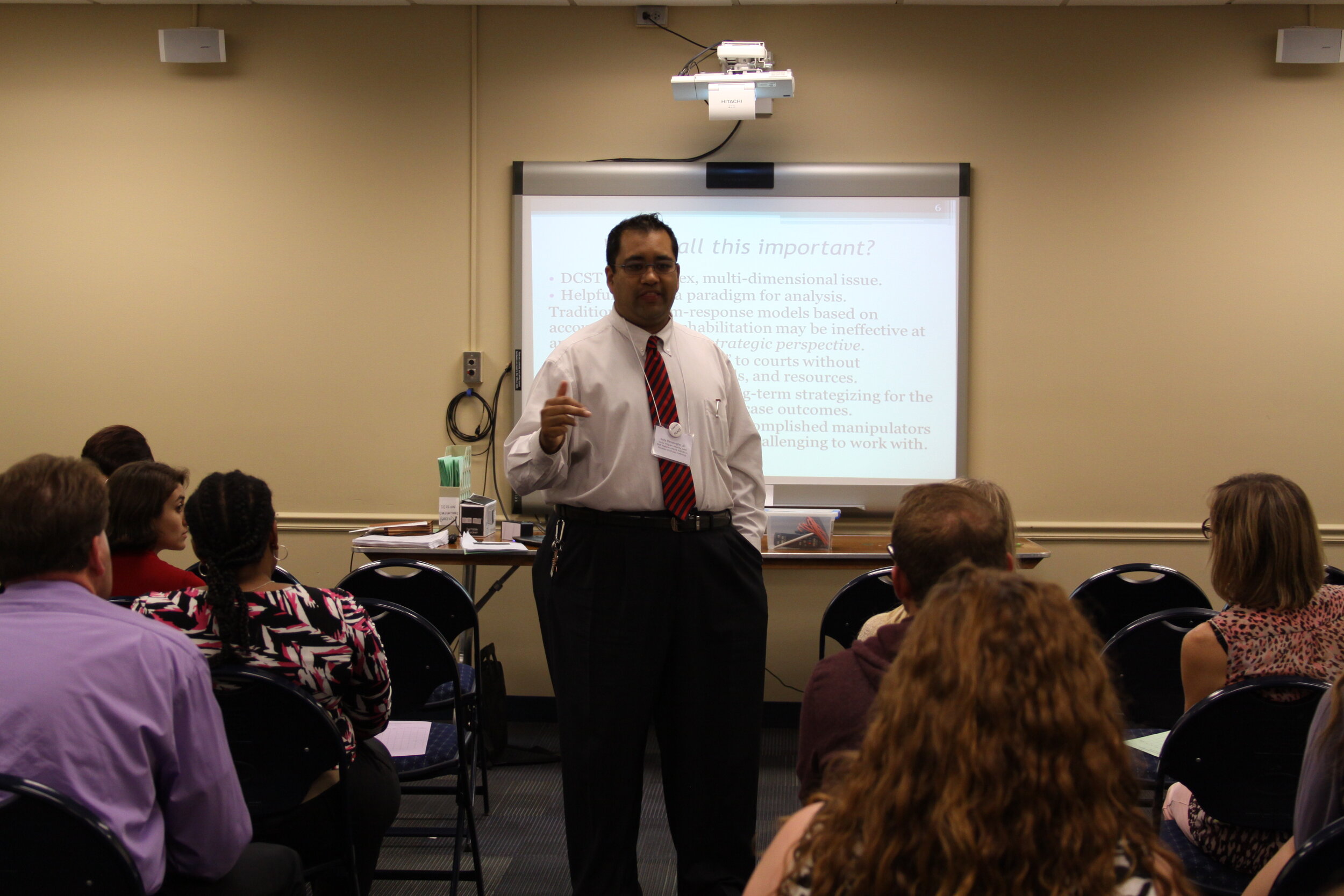
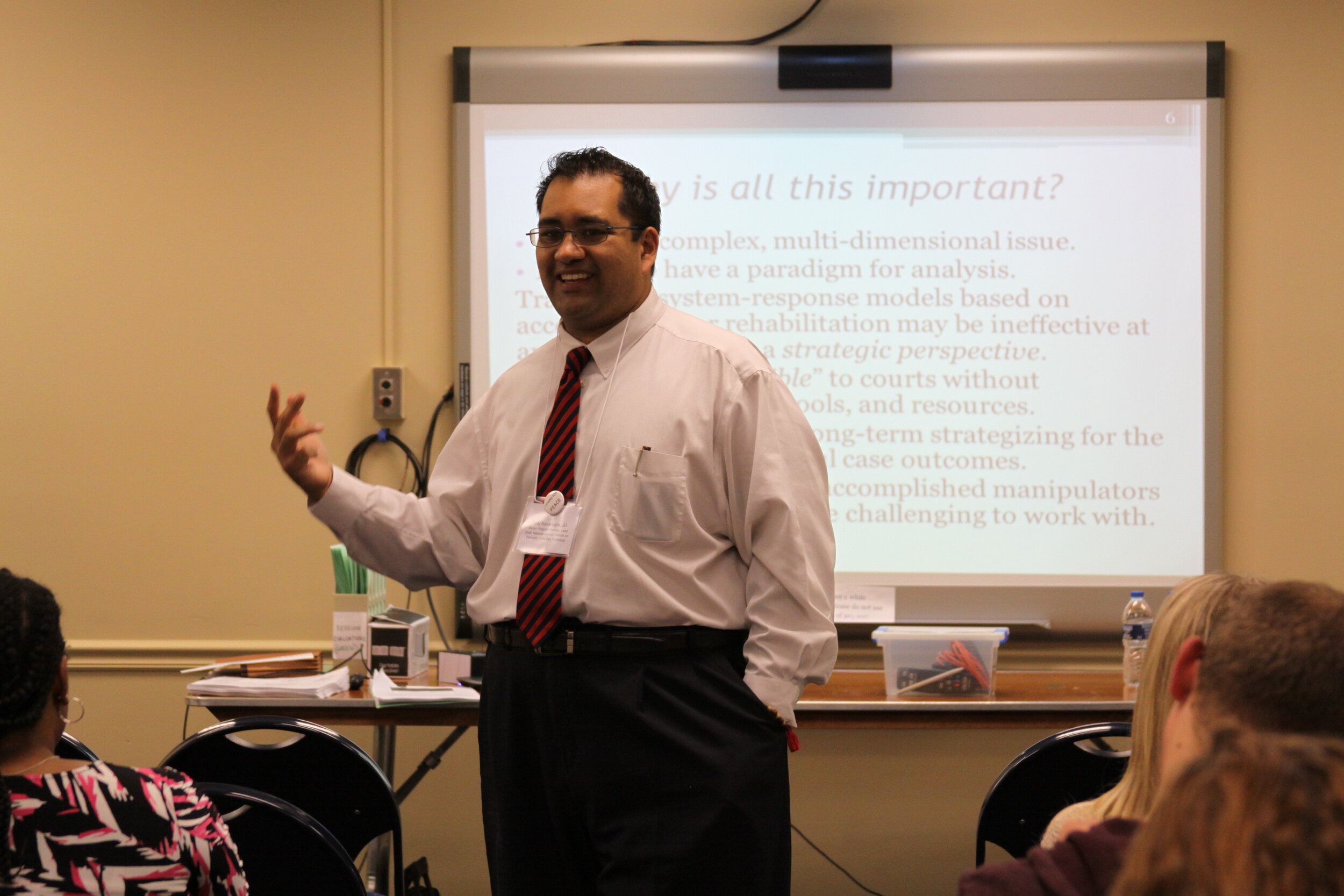
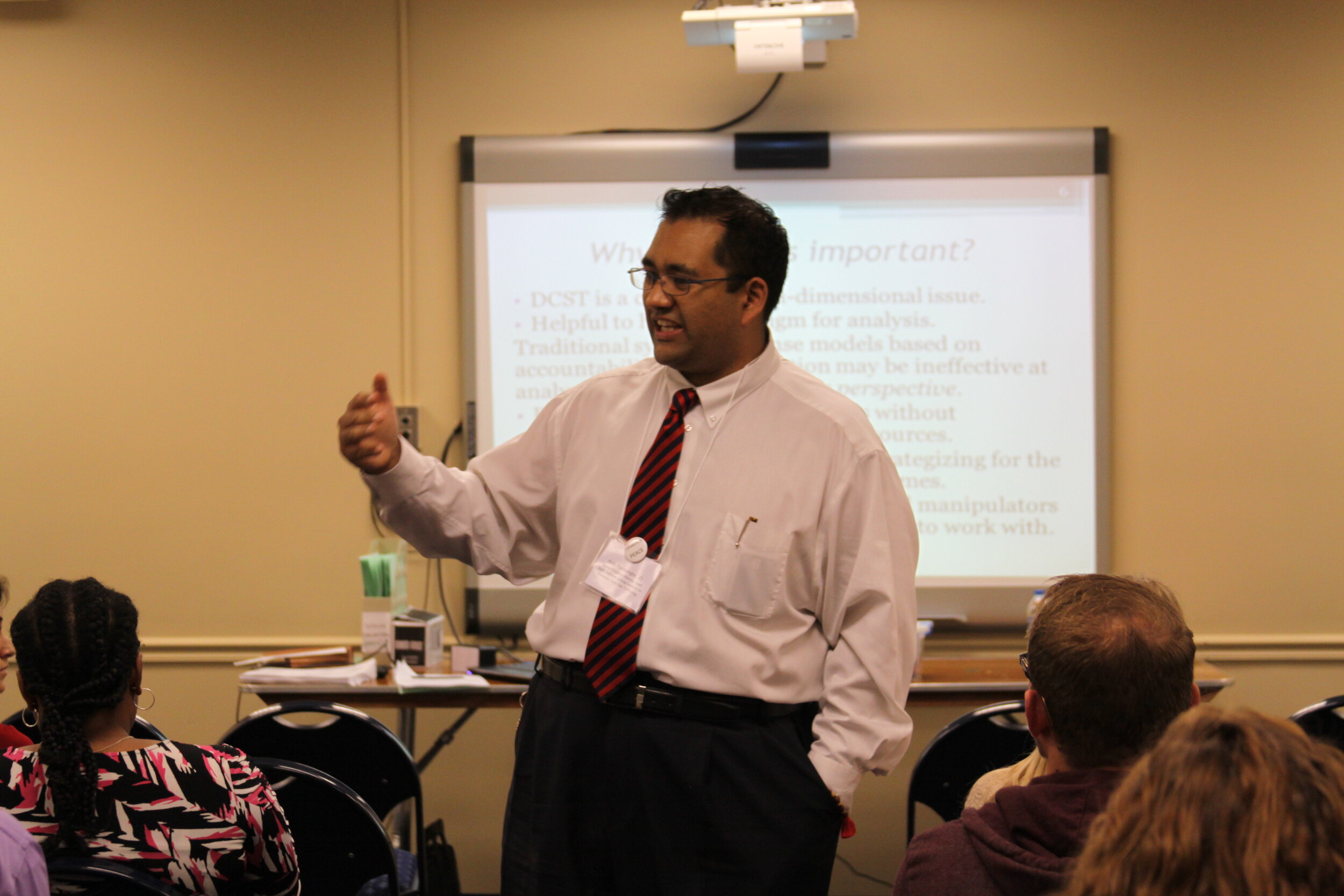
Counter-justice is a term used in this training to describe strategic victim and witness manipulation by traffickers that is intended to inhibit the justice system’s response to domestic child sex trafficking (DCST) cases. The training involves an active discussion into how the victim-perpetrator dynamic affects the functionality of the justice system. The trainer will focus on how traffickers manipulate victim behavior to inhibit case investigation, prosecution, juvenile disposition and therapeutic intervention. The trainer will also explore how the justice system identifies and processes child sex trafficking cases, and how these processes are neutralized by trafficker tactics. The victim-perpetrator dynamic, common vulnerability factors and psychosocial indoctrination of victims will be discussed. Participants will also explore the dynamics of intimate partner violence (IPV) when used for recruitment.
Objectives:
1) Victim’s perception of government intervention is altered using economic dependence, physical isolation, and manipulation of fears.
2) Victim behavior in the context of Maslow’s Hierarchy of Needs. The trainer will emphasize challenges to juvenile judges in child welfare when integrating court services.
3) Discuss intervention techniques which may be effective against trafficker counter-justice strategies. With an emphasis on judicial responses and discuss specialized court dockets, trauma-informed courtrooms, and the use of “vertical” case handling.
(Funded by the Office for Victims of Crime)
Estimates suggest that 25% of minors being sold into the commercial sex trade around the world each year are in India. Source? The U.S. State department calls India a “source, destination and transit” country for a majority of the trafficking in Asia. Therefore, India is in the center of the fight to end international sex trafficking.
This session will focus on the issue of sex trafficking in India while also providing a solution, evidenced by the work being implemented in the field by Freedom Firm. Have you worked in India?
Why are so many minors being trafficked in India? What are the primary causes of trafficking in India? What is the most effective solution for eradicating sex trafficking in our lifetime? Is there hope for the survivors? An exploration of Freedom Firm’s work on the ground in India will arm you with smart statistics and a better understanding of what effective anti-trafficking efforts look like overseas. Attendees will leave this session knowing what a holistic approach to this injustice looks like and why so many believe it is the best way to eradicate sex slavery in our lifetime.
This session will detail the significant accomplishments of Ms. Cynthia Turner and Ms. Barbara Amaya of SeraphimGLOBAL who have successfully integrated survivors of human trafficking into their professional workplace. There are many challenges, benefits, and best practices to working alongside survivors in this work and this session will highlight these perspectives from both Executive Management and a survivor herself.
From funded grants and evidenced based practice, our collaborators were able to empower 6 sex trafficking victims to move beyond becoming survivors, to becoming thrivers, working full time in the helping professions. This panel will discuss the Community Health Worker project in Lucas County from conception to implementation. We will provide definitions of victim, survivor, and thriver, and why it’s necessary to finish the support needed by creating economic empowerment for those that have been victims of sex trafficking. Members of the panel will discuss each component of the project toward creating successful thrivers.
As programs serving survivors grow and develop, evaluation of services can provide insight into what is working, where program improvements can be made, and provide evidence of return on investment for funders. This presentation will discuss the evaluation of services provided to survivors of human trafficking using two evaluation project case studies. In the demonstration cases, non-residential case management was provided to survivors of human trafficking in two different communities over two years. The presentation will share evaluation methodology, evaluation challenges, findings and lessons learned. While the work being reported on is specific to human trafficking, the session content and objectives may also be applicable to organizations providing case management services to a range of clients.
Objectives:
1) Provide an example methodology for evaluation of client services.
2) Highlight special considerations in conducting evaluation with this population.
3) Share findings from the evaluation projects.
4) Provide recommendations for conducting evaluation of human trafficking case management services.
In this true story of SECRET LIFE, SECRET DEATH, a young mother makes some heartbreaking choices that land her and her little son in the Mob in the Roaring 20's. In rapid-fire succession, Minnie went from a thrilling romance to being an abandoned mother to being trafficked to Chicago. Once in the Chicago underworld of criminals and human parasites, Minnie and her young son live high off the hog one day and scrape the bottom of the barrel the next.
Minnie and her son's unglamorized, tragic, true crime story is played out amongst infamous gangsters like Al Capone and John Dillinger. Filmmaker and Author Genevieve Davis narrates the film and the book, leading the audience through an incredible search to discover the true, tragic story of her Grandmother's life. Her commentary is frank, wry and revealing.
As Minnie's real life Granddaughter, Author and Filmmaker Genevieve Davis witnessed firsthand the effects of human trafficking in her own family, without actually understanding what it was or where it came from. As a child, Davis was kept in the dark as to the secret life of her Grandmother. Her father revealed that he was taken by his mother to Chicago Gangster Big Jim Colosimo's funeral when he was 5 years old compelled her to search for the truth about their life in Chicago.
Davis extensively researched the true story of SECRET LIFE, SECRET DEATH over a period of 10 years. She pieced together the real story of what happened to her Grandmother, relentlessly searching in archives, libraries, family letters and photo albums, and undertaking road trips to conduct eye witness interviews. Davis found, at the heart of the tragic story, the source of her family's pain.
OBJECTIVES:
1) To explore the traumatic effects of trafficking on the mental health of the victim.
2) To explore the mental health of the child whose mother is trafficked. And to explore how those effects manifest as the child grows to adulthood and how the quality of life as an adult is affected.
3) To explore the role of alcoholism and addiction in trafficking, and how that legacy is passed on to children.
4:00 - 5:00
Keeping track of information is important to all service organizations. However, many organizations providing client services may not realize how much insight can be gained through analysis of operational data. Operations data such as survivor demographics, referral sources, and case note content can be mined to provide insight into the client population, how services are being provided, and identifying other service needs. In turn, this information can provide an organization’s management staff with the information necessary to make sound decisions about allocation of the organization’s resources. This presentation will walk through why data is important and make recommendations about regular data collection. Examples and demonstration will be provided from the work of Myia Welsh Consulting with survivor support organizations. The primary objective of the session is to emphasize the notion that better data leads to better management, which leads to better services for survivors. Each participant will come away with a clear understanding of how to increase their data collection, and how to use that information to improve services.
It was established that there was a lack of publically available data on the commercial sex industry in the Akron/Canton Ohio area. To address this issue, a research team was organized and recorded three months of data from a leading website known to hosting commercial sex advertisements. The purpose of this particular research was to not only to establish a better understanding of where it happens in the Akron/Canton area, but also, where education and outreach efforts by local coalitions should be focused on.
C.G. Women’s Empowerment (“CGWE”) is a Christian, non-profit organization. CGWE believes that empowering women to be key agents of change is an essential element to achieving the end of hunger and poverty. CGWE chose “Dabaree” as a model program to follow with some minor changes where appropriate. Dabaree is a traditional Oromo economic system of relation and/or cooperation. The genesis of Dabaree women economic support project is a traditional support system involving transfer of heifers from cattle rich individuals to those without cattle endowment.
During 2013-2014, CGWE provided a cow each to 51 families in Kombo community, donated clothing, shoes, school supplies, Bible and Bible dictionaries, solar phone chargers, and 100 portable solar lights for use in non-electrified rural areas for school children to study, do their homework, and read in the evenings.
CGWE beneficiaries are meeting every month, discussing finance; learning best ways to handle their cows; and conducting bible study in conjunction with the proclaimed CGWE. More than 255 people have benefited within short period of time; and they have seen a BIG change in the family lives already.
CGWE will participate in education designed to highlight rural community’s harmful traditional practices and other forms of violence perpetrated against women and girls like female genital mutilation and forced marriage. The presenter also hopes to initiate a program to train and motivate youth in rural economy by providing High Yielding Variety seeds and instructions on planting local vegetables in neighborhood gardens using a 4-H type model.
Everyday practices that deny sexual pleasure and create barriers to wellbeing also help to encourage human rights violations at the level of sexuality. Cultural expectations surrounding sexual pleasure contribute to oppression. These violations have prompted discussion about the creation of formal sexual pleasure rights by feminist, LGBTQ, and disability scholars. A variety of popular and professional discourses about the cultural expectations surrounding sexual pleasure and barriers to access will be analyzed in this presentation. Health care professionals, in large numbers, do not feel prepared to integrate sexual pleasure into general care and consumers of health care report regular insensitivity on the part of professionals when they pursue assistance with sexual concerns. This paper will explore ways professionals can increase knowledge about sexual pleasure as a complex concept, encourage client-centered attitudes, and build communications skills. Time will be spent considering carefully controversial topics within the fight for sexual pleasure rights like: disability and sexual surrogacy, BDSM and intimate partner violence and body image and relationship expectations that come in the way of young women’s pleasure. Participants will reflect on what influences their personal understanding of pleasure and sexuality and how personal understanding can hinder an environment where people feel sexuality is a permissible subject to talk about. Participants will consider the ethical responsibility of all healthcare professionals to incorporate issues of pleasure and sexuality into practice to combat human rights violations at the level of sexuality.
DO Something! is a workshop that will empower and energize participants to take the initial steps to create and grow a functioning and effective anti-human trafficking organization. While many people are startled by the alarming increase in human trafficking, some are overwhelmed by what they perceive as the potential obstacles in creating such a group. DO Something! is designed to help participants unpack their concerns and address critical issues they will face when undertaking the task of starting and maintaining an anti-human trafficking group.
Objectives:
1) How to identify the purpose(s) of starting an anti-human trafficking group.
2) How to identify local resources in their community to tap into as they start such a group.
3) How to identify the key people needed to organize the group.
4) How to identify the nomenclature and logo for their group.
5) How to identify key functions of the group.
6) How to identify and utilize existing resources to enhance the group.
7) How to get and stay going strong.
Work with victims of sex-trafficking can be extremely rewarding but it can also be incredibly disheartening. Many times victims seem unable to move beyond their experiences and it can be challenging for advocates to motivate them to move along the continuum from victim-to survivor-to-Thriver. This session will present ways of working with clients, utilizing therapeutic interventions, to assist them in their journey of discovery and renewal.
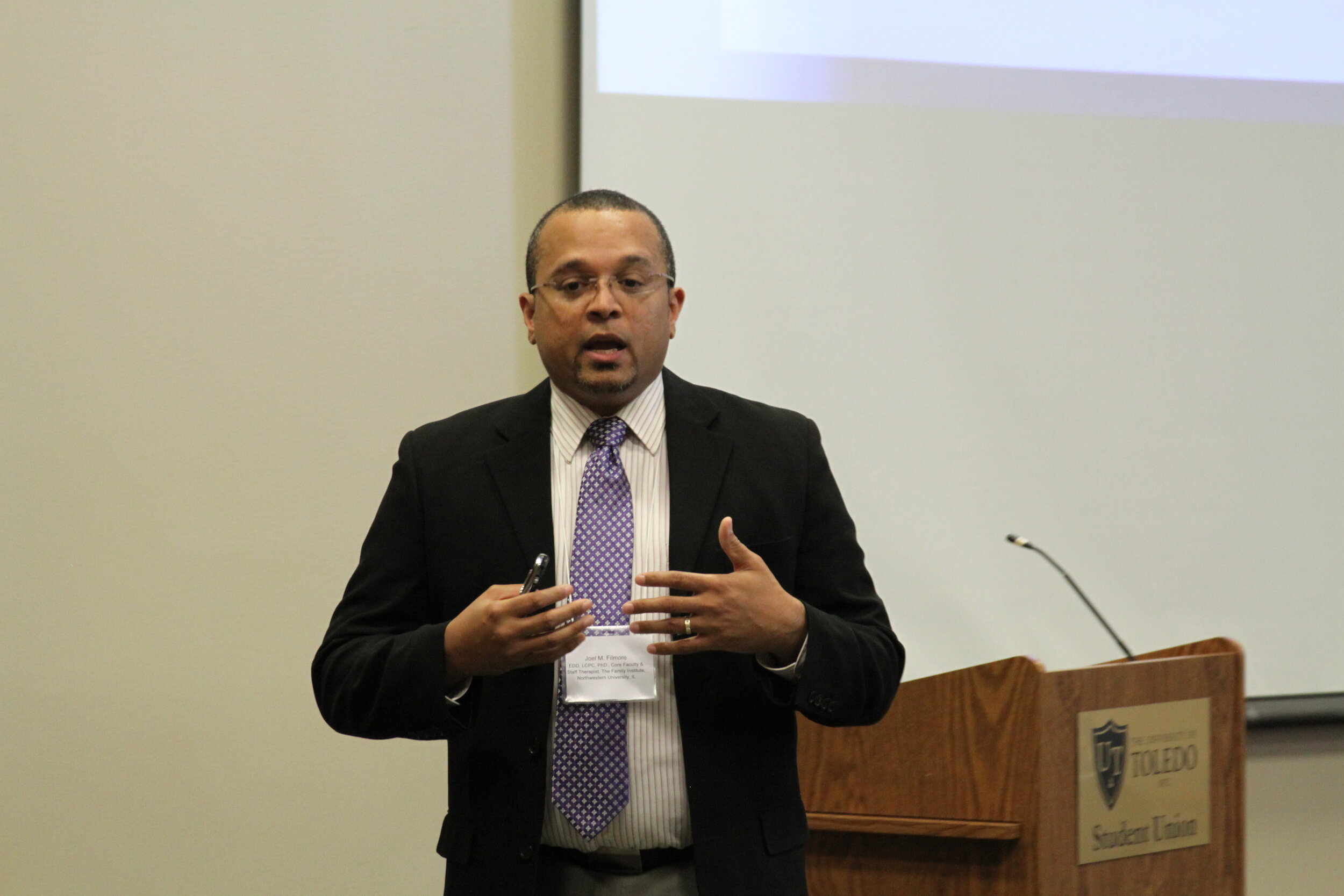
Dr. Filmore is not only a Licensed Clinical Professional Counselor who specializes in working with trauma victims, he is also a former victim of sex-trafficking who has turned his past into passion and become an incredible Thriver. In this session he will use his professional clinical and research skills to assist participants in working with clients, as well as share some of his personal journey of how he became a Thriver, in a way that is not only heartfelt but humorous. Dr. Filmore believes that everyone is capable of having an amazing life and you will leave this session energized and ready to help your clients find their amazing!
Friday, September 11, 2015
8:00
Registration & Continental Breakfast
Student Union
8:30
Morning Welcome
Room Ingman
This session is most appropriate for those new to the field of human trafficking and provides a basic overview and refresher of human trafficking. From an American perspective, presenters will focus on both domestic and foreign trafficking as well as labor and sex trafficking occurring in the United States. Estimates on the number of victims, their experiences, the indicators for victim identification, the business of trafficking, where and how to report suspected trafficking, and the importance of accountability of customers and traffickers will be discussed.
Little is known about the sex trafficking experiences of homeless young adults in the state of Arizona. The chaotic and unpredictable nature of homelessness puts individuals at heightened risk for sexual exploitation due to survival strategies such as sex trading or survival sex. The life experiences of a random sample of homeless young adults in Phoenix and Tucson, Arizona were collected through paper and pencil surveys administered from drop-in centers and street outreach efforts (N=246). Results of the initial study demonstrated that 25.6% of study participants reported a history of sex trafficking. LGBTQ young adults were significantly more likely to report a sex trafficking experience (33, 38.4%) than heterosexual young adults. Sixty-five percent of study participants who had a history of sex trafficking also reported having a sex trafficker at one point, with nine participants reporting having a sex trafficker at the time of the study. The childhood, behavioral and untreated issues that created risk factors for sex trafficking vulnerability were extensive. In the majority of the comparisons between the sex trafficked and non-sex trafficked young adults, significant differences were found with the sex trafficked group having many more negative experiences, behaviors and untreated issues. Techniques used to address these issues and the challenges of providing services to homeless victims of sex trafficking will be discussed.
Coalitions are easy to initiate but sometimes have great difficulty becoming effective because they do not have the capacity (knowledge, skills, or resources) to attain their goals. Along with creating effective organizational structures, the organization's capacity to plan, manage, implement prevention programs and policies is essential. We will discuss the model set up by the NYC Faith-Based Coalition Against Human Trafficking and Domestic Violence which launched the Not On My Watch! Movement which focuses on bringing awareness and advocacy through training and education; learn how to build-bridges between houses of worship and community-based organizations, elected officials, federal reps, city agencies, service providers, and grassroots organizations; we will discuss the successes and shortcomings. It is important that coalitions are "action" oriented and not just monthly meeting gatherings. Coalitions want to be recognized in the community/city as having a voice that will be heard by the powers that have the capacity to change policy as well as media. Significant impact should be realized through coalition efforts. In this session participants will learn how to build, launch and sustain a coalition with impact in combatting human trafficking. Faith leaders are highly encouraged to attend.
Research across disciplines shows homeless youth are uniquely vulnerable to commercial sexual exploitation. Yet few studies have explored how youth view sexual exploitation. This qualitative study uses participatory methods to explore how young adults define sexual exploitation, pathways into involvement, and opportunities for prevention and intervention. Twenty-four female-identifying young adults (ages 18-23) currently or formerly experiencing homelessness were recruited from a youth serving agency in Minneapolis, Minnesota. The sample is diverse with respect to race/ethnicity, including African American, Latina, Native American, and Caucasian participants. Participants described experiences in line with documented pathways including desperation, immaturity, the strong role of peers, and violent romantic relationships. Uniquely, participants connected survival sex with participation in the commercial sex industry and pimp-mediated sex trafficking. Results yield novel perspective on the continuum of sexual exploitation experienced by youth, connecting constructs previously thought of as distinct. Participants also shed new light on how this shift in perspective affects intervention. Paradoxically, accessing homeless youth services may flag youth as more vulnerable to exploitation. Findings indicate that all youth experiencing homelessness regularly confront solicitations and experiences around sexual exploitation. From the youth perspective, intervention efforts must engage the entire homeless youth community.
Objectives:
1) To better understand the spectrum of sexually exploitative situations homeless youth navigate.
2) To better understand the pathways/recruitment methods that lead to sexual exploitation for the purpose of recognizing those pathways and being able to intervene.
3) To apply this knowledge to prevention and early intervention efforts among the homeless youth population.
Research shows that approximately 70% of workers who deal regularly with trauma stories are likely to experience symptoms of secondary trauma transferred to them from the disturbing material, such as a worker experiencing nightmares reflecting the experiences as reported to them by a trafficking victim. Source? The helping field has gradually begun to recognize that workers are profoundly affected by the work they do, whether it is by direct exposure to a traumatic event (paramedic or police officer), or secondary exposure (hearing clients talk about trauma they have experienced). Compassion fatigue and vicarious trauma have been described as the cost of caring for others in emotional pain and can strike the most dedicated worker. Ironically, helpers who are burned out, fatigued and traumatized tend to work more and work harder. As a result, they go further down a path that can lead to serious physical and mental health difficulties, such as depression, anxiety, substance abuse, stress related illnesses, and even suicide.
Breaking the Stigma: Understanding Compassion Fatigue and Vicarious Trauma is an educational awareness presentation for front line workers who deal with a traumatized population.
Objectives:
1) Educate workers on the different definitions and forms of trauma they can experience during their careers as well as the symptoms they may suffer.
2) How to build resiliency when dealing with work related trauma as well as the effects on our loved ones.
3) How to get help for symptoms relating to compassion fatigue and vicarious trauma.
6/12: client severely injured Amanda and Jill due to extreme negligence as a private pilot, and also raped Amanda twice while recovering from a broken neck and brain bleed.
7/12: Client has: paid representatives to send death threats to Jill via email and voicemails; paid men to assault Jill on three separate occasions; hired hackers who committed credit card fraud and identify theft against Jill and threated legal actions.
4/14: Final attacks were extremely violent and medical complications from those attacks have created a terminal blood-clotting disorder. Jill also suffers brain damage from the repeated head injuries.
The first attack was not reported to the police. The last two attacks and credit card fraud were reported to the police, who did not investigate and “lost” the incident reports.
Jill does not have a criminal record of prostitution, but has been reported to police as a prostitute and suffered police harassment ever since and therefore chooses not to report.
The stigma of sex work has prevented the women from being able to access legal aid, justice, proper medical care, and both are vulnerable to stalking, threats, and violence. They no longer live in the US for safety concerns.
The client, as an attorney, can play the system with impunity. As sex workers, the women have been disbelieved, questioned, and scrutinized.
Objectives:
Listen to sex workers when they talk about any violence they experience. Violence can happen to any sex worker, even if they're a fully-consenting sex worker.
Identify resources or lack thereof for sex workers.
Understand why sex workers are reluctant to go to the police.
How the criminalization of sex work allows this to happen.
Violence has a profound impact on a sex worker's life because the stigma of sex work overshadows the real violence done to them.
9:00 - 10:00
In this presentation, the audience will be asked to question one of the foundational concepts of anti-trafficking work and ask: Is anti-trafficking a criminal justice issue? This presentation will examine that question, and what it means to use a criminal justice framework to address a social justice problem. First we will explore the various ways in which we institutionalize this work within a criminal justice framework, including through laws and social dialogue. We will look at the problems with contextualizing the issue as one of victim/victimizer, the concept of success as a question of laws and expansion of law enforcement, and the harms of couching anti-trafficking in terms of numbers of arrests and prosecutions. Case studies which juxtapose the use of criminal justice-based mechanisms with other forms of anti-trafficking work will be utilized as we explore the ideas of what anti-trafficking work is, what justice looks like, and alternative frameworks which could lead to more rights-based and survivor-centered outcomes.
This presentation aims to educate professionals working with young people on the issues of sexual assault, dating violence, and reproductive coercion. The target audience for this program are educators and professionals working with an adolescent population, domestic violence workers, and sexual assault advocates. This presentation sheds light on the prevalence of sexual abuse and reproductive coercion within already violent intimate partner relationships. As part of this educational session, information will also be provided regarding victim rights and services available to victims of these crimes.
During the program, observers will learn the legal definitions and basic facts about dating violence, sexual assault, and reproductive coercion. Observers will also be given an in-depth explanation of the Ohio Statutory Rape Law and how this law is relevant to the issues of dating violence and reproductive coercion. Observers will also be advised of the appropriate protocol for dealing with disclosure of these crimes as well as the various options afforded to survivors regarding the legal process, advocacy, and seeking medical treatment.
Participants will be provided with statistical information regarding these three types of violence and how they are related to each other. Statistics included in the presentation are: statistics regarding survivors’ relationships to their offender, the common age ranges of survivors, the amount of male and female survivors, and the prevalence of unreported incidents. In closing, observers will be given contact information for local advocacy services.
The Green Dot Strategy is a comprehensive approach to violence prevention that is capsulized on the power of peer and cultural influences across all levels and ages of the Socio-Ecological model. Informed by the social change theory, the model targets all community members, as potential bystanders, and seeks to engage them, through awareness, education, and skills-practice, in proactive behaviors that establish intolerance of violence as the norm, as well as reactive interventions in high risk situations- resulting in the ultimate reduction of violence.
A Green Dot etc. training is distinct from a typical conference experience. In addition to learning the core curriculum, the Green Dot etc. training engages participants in skill-building and analysis focused on fostering authentic relationships, personal connection and mastery of skills and knowledge necessary for effective persuasive communication.
A foundational tenet of the Green Dot etc. violence prevention strategy is the belief that we cannot expect others to engage in a process we are not willing to engage in ourselves.
Objectives:
1) Gain an understanding of the Green Dot etc.
2) Engage in an in-depth examination of their personal and professional connection to the issue of violence prevention.
3) Understand personal, cultural, and societal obstacles to action.
4) Equip bystanders with the knowledge and empowerment to become an educated active bystander.
Shadow on the Heartland is a 30 minute film on sexual trafficking in Ohio. It features Rep Teresa Fedor, Gov. John Kasich, Dr. Celia Williamson, Judge Paul Herbert, survivors, an ex pimp and two undercover police officers. The film is designed to show to children and teens in schools and youth groups to educate them about this crime and learn how to prevent becoming a victim. The film also can raise the awareness of this crime among the general public. The film can be used as a resource tool for organizations fighting sexual trafficking. Camille & Haley Harris, two young recording artists, from Tulsa narrate the film and present their song "Slavery" which will likely become the banner song of the anti-sexual trafficking movement.
Mass incarceration makes millions for those who own and operate private prisons. These entrepreneurs lobby to enforce laws and impose stricter laws to put and keep people in prison. Many of these prisons have removed rehabilitation services, such as GED, training programs, or Alcoholics Anonymous support groups, opting instead to overfill their prison in favor of profit. This documentary and discussion about a private owned prison for profit in Ohio will educate the audience on the impact of privately owned prisons for profit.
10:15 - 11:15
11:30 - 12:30
“Our Fashion Year” is a presentation of an investigative comics journalism project that connects the garment trade to the sex trade worldwide, through international anti-trafficking NGOs. Originally published on Truthout, investigative journalist Anne Elizabeth Moore presents a lively look at a deeply complicated issue, presenting a viewpoint on the world of anti-trafficking NGOs that brings human and labor rights issues into sharp focus. Conference attendees will closely examine the fashion industry at large and its connections to the sex industry in a series of colorful comics created by some of the top-working comics creators in the US. They will be presented with hard evidence indicating that the results the anti-trafficking world claims as success are problematic and self-serving, and participants will be positioned to wonder what purposes the identification of trafficking as a global issue serves, who is funding its eradication, and what is being achieved. One of the leading critics of global anti-trafficking rhetoric, Anne Elizabeth Moore in this project works with Delia Jean, Melissa Mendes, Leela Corman, Ellen Lindner, and Julia Gfrörer to draw a very clear picture of how anti-trafficking organizations often end up perpetrating the exact practices they claim to be against.
Severe, chronic, and extensive sexual abuse sometimes leads to symptoms of Borderline Personality Disorder. Over the past three decades, Dialectical Behavioral Therapy was developed to treat the most difficult and deeply entrenched cycle of sexual abuse. In this workshop, participants will learn the history and rationale for the development of DBT as a distinct treatment model. In addition, participants will further learn the five main skill sets of DBT; how each of the five skill sets relates to specific clinical symptoms; and how to apply the five skill sets to clinical populations.
Outcomes:
1) Participants will learn the history and rationale for the development of DBT as a distinct treatment model.
2) Participants will learn the five main skill sets of the DBT model.
3) Participates will learn how each of the five skill sets relates to specific clinical symptoms.
4) Participants will learn specific examples of how to apply the five skill sets to clinical populations.
The Green Dot Strategy is a comprehensive approach to violence prevention that is capsulized on the power of peer and cultural influences across all levels and ages of the Socio-Ecological model. Informed by the social change theory, the model targets all community members, as potential bystanders, and seeks to engage them, through awareness, education, and skills-practice, in proactive behaviors that establish intolerance of violence as the norm, as well as reactive interventions in high risk situations- resulting in the ultimate reduction of violence.
A Green Dot etc. training is distinct from a typical conference experience. In addition to learning the core curriculum, the Green Dot etc. training engages participants in skill-building and analysis focused on fostering authentic relationships, personal connection and mastery of skills and knowledge necessary for effective persuasive communication.
A foundational tenet of the Green Dot etc. violence prevention strategy is the belief that we cannot expect others to engage in a process we are not willing to engage in ourselves.
Objectives:
1) Gain an understanding of the Green Dot etc.
2) Engage in an in-depth examination of their personal and professional connection to the issue of violence prevention.
3) Understand personal, cultural, and societal obstacles to action.
4) Equip bystanders with the knowledge and empowerment to become an educated active bystander.
Now more than ever, human sex trafficking is being facilitated online. In fact, “technology has become the single greatest facilitator of the commercial sex trade” (Shared Hope International, 2012, p. 5). To have any kind of impact for individual survivor/victims and social justice issues surrounding human trafficking, anti-trafficking efforts must re-conceptualize the image of women and girls walking the streets at night looking for customers, to what is flashing across computer screens. Sites such as Craigslist, Backpage, a plethora of “hook-up” sites, and yes even Facebook and Twitter, are used to recruit and sell sex trafficking victims. It is not the case that all online sex work is a situation of trafficking; however, research reveals it is overwhelmingly situations of trafficking (Hughes, 2002; Latonero, 2011; Thorn, 2014). This is especially true of minor sex trafficking, not only because of youth social media use which puts them at risk of being trafficked, but also because the location of the underage victim can be kept secret more easily by advertising online. A recent study conducted by Thorn (2014) demonstrates this with the discovery that up to 70% of child trafficking survivor/victims are sold online. The use of the Internet provides traffickers with even more anonymity (of themselves and their victims), as well as the ability to sell and re-sell the same individual more frequently than through any other location (e.g. on the street). Consequently, it becomes more challenging to identity and prosecute the traffickers, as well as to find the victims and assist in their progress to survivor.
This presentation will bring to light a critical awareness element of online sex trafficking. This will be accomplished by reviewing examples directly from active websites, a list of websites and sales tactics frequently used by traffickers, and essential research surrounding this method of selling survivor/victims. Prevention recommendations will also be provided, with special emphasis given to youth risk factors associated with online trafficking recruitment. Finally, practical suggestions for social justice on this issue will be addressed.
This presentation will explore a local survivors story of becoming an incredible thriver..? Michelle Moore's story started out like many others: the daughter of a prominent Toledo attorney and a stay at home mother, raised with strong Catholic values. But that all changed when her boyfriend got tangled in alcohol and drugs. Soon, she was trafficked to pay off his drug debt. So began twenty years of nightmares for Michelle.
After a near-death experience, Michelle regained control of her life. Eight years later, her life has completely turned around from that moment on the streets of North Toledo. She has been clean and sober since, working to keep others from the life. Sharing the same past as the clients she serves allows Michelle to use her experience, strength, and hope of recovery, to save them from the decades of hell that she survived. Michelle continues to push for survivor leadership, helping to prepare these women to move beyond victimization to thriving. With her intimate understanding of survivor's challenges, she is able to build a supportive environment with trauma informed groups, art therapy, and self-esteem building exercises, so that they may live freely by choice, and not be compelled by their prior circumstance.
Michelle is now a full time Recovery Specialist at RISE and holds a Chemical Dependency Counselor Certificate, as well as a Bachelor's in Counseling. She currently serves on the Board of Directors of Advocating Opportunity. Michelle has won the prestigious Liberator Award from Ohio Governor Kasich for her dedication to human trafficking. Michelle is also in the process of expunging of her record under the Safe Harbor Law.
This workshop will focus on the relationship between substance use disorders, specifically opiate addiction, and sex trafficking. A program has been developed for specifically addressing these issues together. We explore topics of empowerment, violence, grooming, and the "pimp is the dope boy." Our treatment program is utilized by CHANGE court, the prostitution court of Hamilton county. Need more, plus objectives.
Lunch by Carolyn’s Catering
Auditorium
12:30 - 1:30
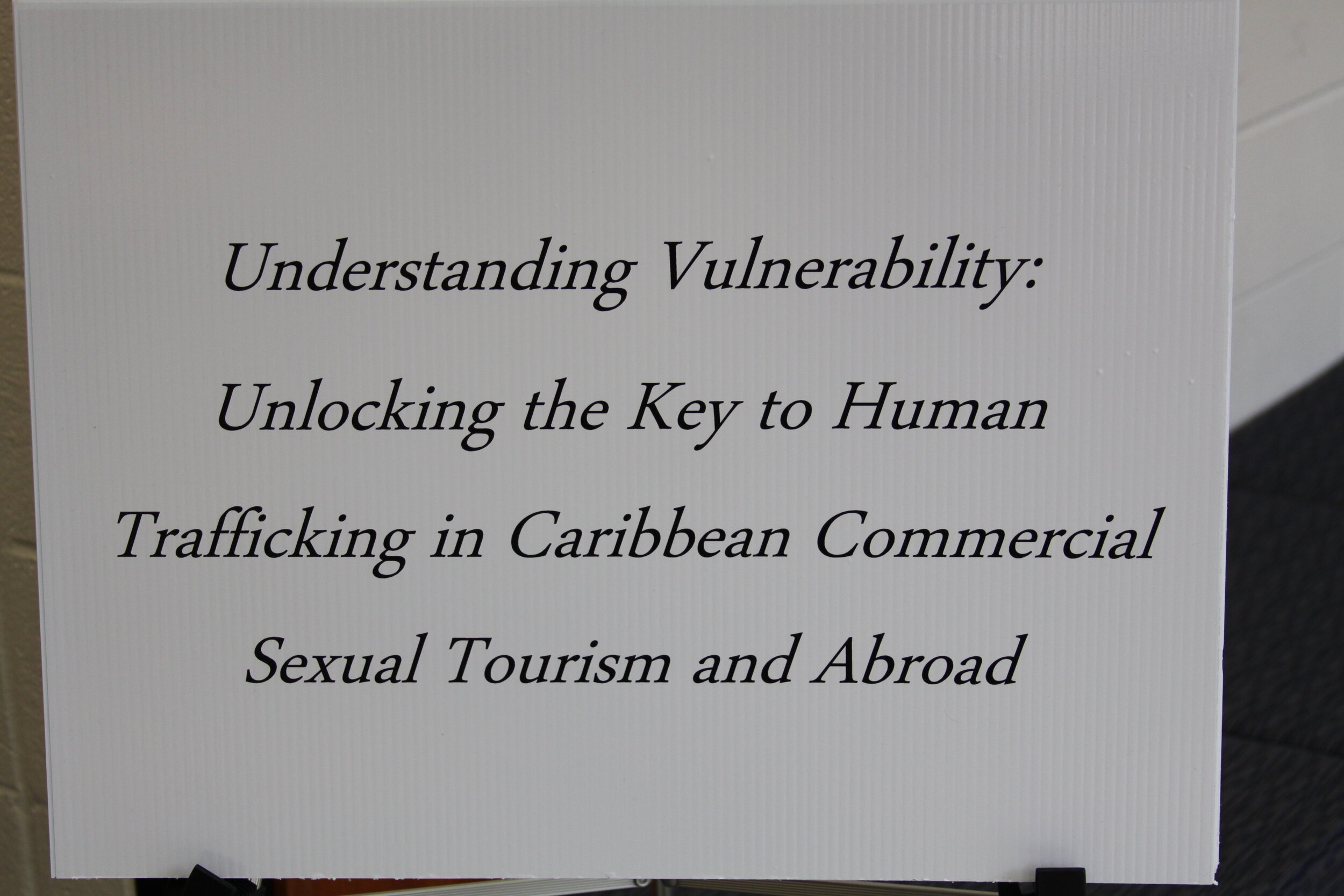
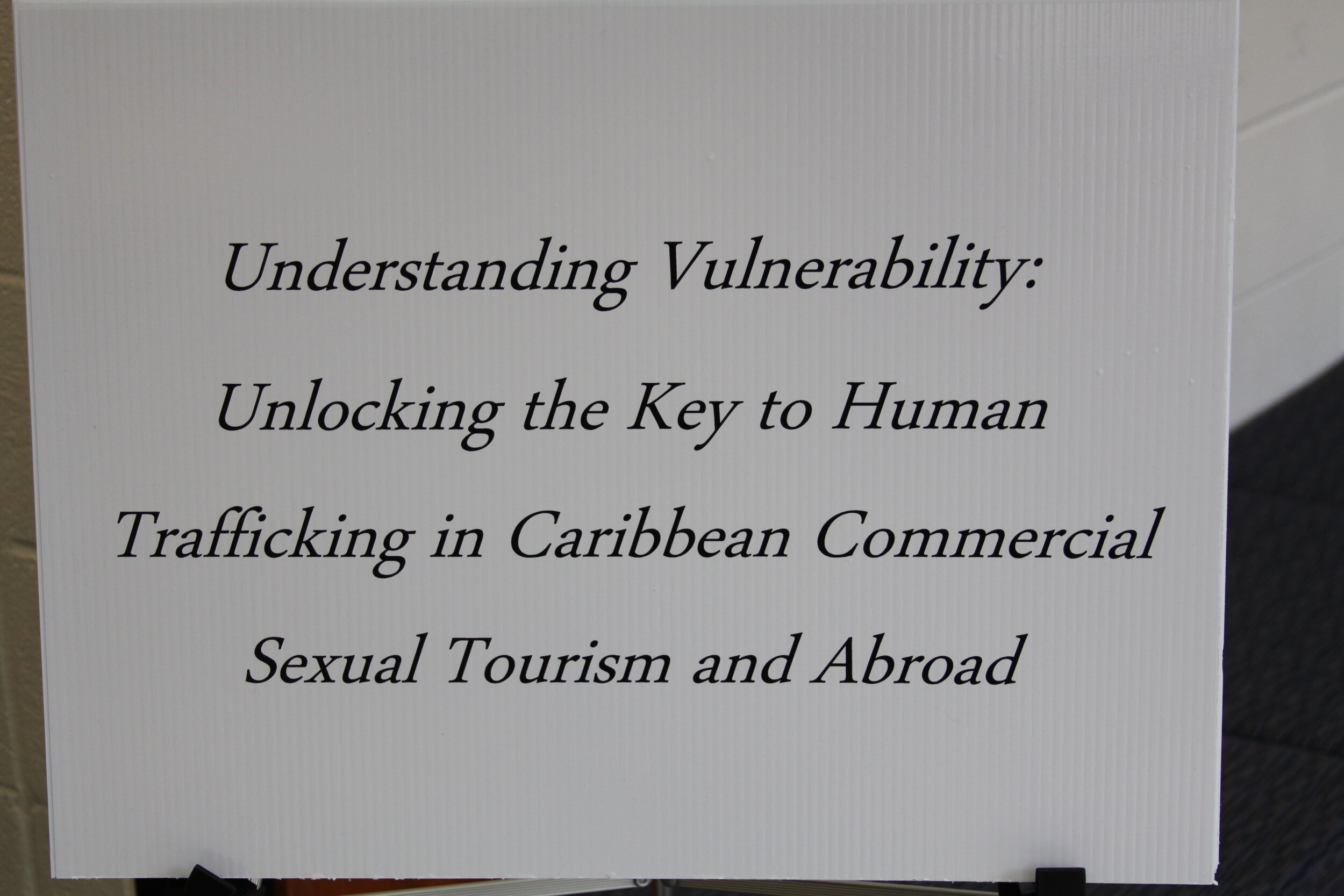
After creating the first human trafficking risk assessment and prevalence estimation model for minors in the United States, Dr. Durgana applies the same theoretical and statistical modeling insights to the issue of human trafficking in Caribbean sexual tourism in this lecture. She deconstructs vulnerability to human trafficking by appealing to the UN human security theoretical framework. She also provides context on how to best inform potential interventions for human trafficking prevention in the Caribbean and the United States from the perspectives of both regions. Survivor Advocates, Academics, Community Members, and others will find this lecture to be a unique perspective into the state of human trafficking in nearby Caribbean and abroad, with an engaging open discussion on the many potential ways to combat this issue moving forward.
Sex Work, Human Trafficking, and Social Justice is a panel of three sex workers - One who is trans, one African American, one who was raped, beaten and abducted, one who was assaulted by several clients, who talk about their own experiences and how anti-trafficking trends affected them. Topics discussed are transmisogyny (structural violence against trans women) misogyny and anti-trans violence, survival sex and exploitation, gaps in services and the need for trauma-informed care, and health and harm reduction in our communities. The panel will explain and examine the difference between sex work and sex trafficking, from sex workers’ perspectives. Kristen DiAngelo, Pearl Callahan, and Delphine Brody have over 80 years’ combined experience in the sex industry and sex trades.
Objectives:
1) Understand the impacts of structural violence on trans sex workers and trans people who trade sex.
2) Discuss anti-trafficking techniques and their adverse consequences (end-demand, street stings, massage parlor code enforcement, etc).
3) Understand and discuss the ideas surrounding survival sex/sex trades.
4) Grasp the idea of complex trauma in sex work and sex trades, and how it occurs.
5) Have a working knowledge of what you can do to interrupt the cycle.
6) Obtain a set of resources who are experts on sex work and sex trades for use in your organization.
7) Evaluate the content of the anti-trafficking information you are being given.
8) Draw informed conclusions that reflect an understanding of multiple (and sometimes conflicting) sources of information.
Many disabled victims of human trafficking are ignored, both by disability organizations and by human trafficking organizations. This presentation will give many examples of disabled victims of human trafficking and will challenge advocates to be more aware of these victims. It will examine a wide range of impairments - people who are blind, amputees, people with physical impairments, cognitive impairments, psychiatric impairments, explaining how all of these groups are exploited in various ways in the sex industry and in forced labor. Finally, the presentation will provide many strategies and suggestions on how to respond more appropriately to disabled victims of trafficking.
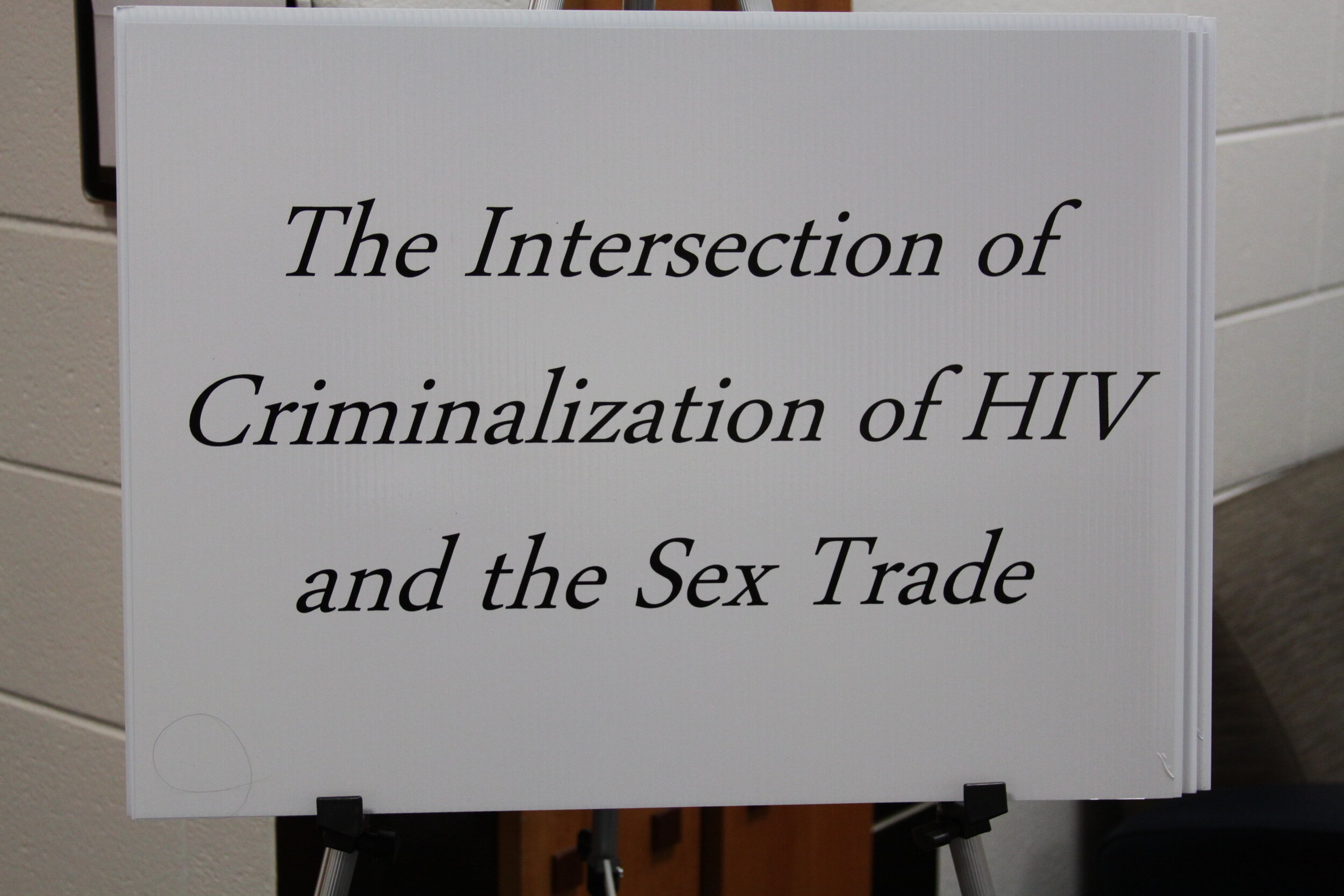
While people in the sex trade are often treated as vectors of disease, people are often put at higher risk because of the way sex work and HIV are treated in the United States. Over the last year, the Sex Workers Project and the Global Health Justice Partnership at Yale University have embarked on a research project to explore the intersections of criminalization of sex work and HIV. This presentation will explore the ways in which HIV, sex work and criminalization overlap to create the conditions which increase transmission, disincentive HIV testing and safer sex tools, and increase criminalization of those in the sex trade. As each of these issues has a unique set of factors, we will look at specific case studies of how these major issues interact in New York, Georgia, Tennessee, and California, and highlight the unique perspectives that each location brings. In each of these locations we will also dig into ways in which communities are coming together and building coalitions to push back and create real change on the ground. Participants will walk away with a better understanding of the issue, as well as opportunities to investigate these issues in their home state.
Sex og Samfunn (Medical Center of Adolescent Sexuality) is the biggest clinic for sexual health in Norway and it has approximately 25.000 patients annually. Sex og Samfunn works mainly with testing and treatment for STI`s and contraceptives for adolescents up to 25 years.
Currently they have a project at the clinic that focuses on prevention with people who buy sex. The service offers testing of STI`s and therapeutic treatment for those who want to quit buying sex or just want to talk about their experiences with buying sex. The service is open for all sexes, ages and for partners to people who buy sex.
In addition, the clinic offers an interactive chat on their website where people who buy sex anonymously can write questions and get answers. This service is funded by the Department of Justice in Norway and is an action to prevent prostitution, human trafficking and the spread of STI`s. In Norway, it is legal to sell sex, but illegal to buy sex. The service aims to help the ones who want to quit buying sex to find alternatives to buying.
The clinic believes in meeting the sex buyers free of judgment. This opens a rare opportunity to talk about difficult subjects and enables the sex buyers to reflect upon their own practice and behavior. The clinic works systematically to obtain knowledge about people who buy sex and try to provide for their physical and mental health, with the aim to reduce the amount of people who buy sex in Norway and reduce the spread of STI`s. To achieve these goals Sex og Samfunn collects data from their patients so that we obtain more knowledge and information about this group. The idea is that this data will give a better foundation for knowing how to provide the best service, to address prevention.
There are cases where survivors have had children with their traffickers. While these case are low in numbers there is every reason to believe they will increase in the future. This is an issue as traffickers may attempt to use family court as a means of intimidating survivors for a variety of reasons. Traffickers fear her testifying or providing information to law enforcement regarding being trafficked. Traffickers may threaten women with seeking custody and/or parenting time in their state.
In Michigan, Family Court primarily deals with custody and parenting time issues. If the trafficker is the biological father in unmarried cases or if they were married and/or divorced, he has the right to seek contact with their common child.
This workshop will focus on the trafficking context as it relates to Custody and Parenting Time laws of Michigan with the focus on the power, control, manipulation and fear factor. Survivors would naturally be fearful of their trafficker having any form of contact with their child, especially related to the fear of similar acts being forced unto their child and/or the use of the child as a means of continuing to have control over the woman’s life.
Objectives:
1) Attendees will gain understanding of the legal system related to custody and parenting time.
2) Attendees will be able to recognize the role of power and control as it relates to potential court cases.
3) Attendees will be able to formulate concepts of how to address these issues in future court cases.
Attendees will have a greater understanding of examining their state’s custody and parenting time laws related to HT survivors.
1:30 - 2:30
Approximately 50% of victims of human trafficking in the USA are seen by health care personnel at least once. However, most healthcare personnel fail to recognize the signs of trafficking and do nothing to intervene. Sabella (2011) challenged nurse educators to incorporate awareness of human trafficking into teaching/learning activities in undergraduate and graduate nursing programs.
Although many student nurses have some awareness of human trafficking, they are uncertain of the role of the nurse when the patient is may also be a victim of human trafficking. To remedy this deficit, clinical simulation could be used to raise awareness of human trafficking and the role of the nurse. Clinical simulation provides a means to supplement clinical experiences and guarantee exposure to clinical situations deemed as critical experiences. As no clinical simulation that integrated a victim of human trafficking as the patient was identified, the presenter developed and implemented such a simulation into the BSN curriculum.
It is recommended that this simulation be adapted for use in other healthcare academic programs or health care institutions. Participation in this learning activity provides a means to help prepare healthcare personnel to interact with a patient who is also a victim of human trafficking.
Objectives:
1) Appreciate the importance of integrating information about human trafficking into healthcare education programs;
Understand how a clinical simulation could be used as an educational modality to raise awareness of human trafficking
When working with human trafficking victims it is important to have an understanding of trauma and the impact it has on a person’s life. It is important to develop the ability to work with people through a trauma and culturally sensitive lens. Join the presenters as they define trauma; explore the different definitions related to trauma; give examples of the impact trauma has in our community; and present information about community resources.
Objectives:
1) Participants will be able to define trauma and how it differs from everyday stress.
2) Participants will have an understanding of the different definitions related to trauma: Complex trauma, Post Traumatic Stress Disorder (PTSD) etc.
3) Participants will have an increased understanding of the magnitude of trauma in the community and across the country and be provided with relevant statistics and data.
4) Participants will be presented with a case example that will highlight all of the learning from the session and give a deeper understanding of the impact of trauma on the person as they walk through the various systems.
5) Participants will be informed of the importance of trauma informed care when working with victims. They will gain knowledge of community resources; learn what questions to ask when seeking trauma specific care; and be able to identify a trauma informed approach and services.
Human trafficking is an epidemic that has taken the world by storm. In efforts to understand the complex issues surrounding human trafficking, commonalities have been identified. However, relevant differences among international populations must be illuminated for more effective and successful strategic efforts to combat this epidemic can be designed. Cultural and religious aspects affect the degree to which human trafficking has visibility or lack thereof, import and export of victims, law enforcement practices and policy development or lack thereof. Understanding the differences can only increase knowledge and further the movement to end human trafficking. The audience take away will be understanding specific trends that are culturally related in international settings, and what problems they present in ending human trafficking.
The presentation is based on three analogous studies on child prostitution in Benin, Burkina Faso and Niger. A mixed research method--quantitative and qualitative--was used to collect data from child participants and organization representatives. A convenience sample of individuals involved in prostitution, 261 girls in Benin, 243 girls in Burkina Faso, and 205 children including 192 girls and 13 boys in Niger, participated in the research. These studies established the profile and characteristics of children in prostitution, in West Africa. Recommendations were made to improve the mechanisms of prevention, protection and rehabilitation of children in prostitution. This international research, the first to be conducted on child prostitution in the West African region, provides substantial information on the phenomenon in major cities as well as small ones in the context of the region and documents several important aspects of the living conditions of the target population. Implications for policies, practice and research are discussed. Although not generalizable, the research findings challenge some global concepts on child prostitution. ECPAT France and ECPAT Luxembourg, members of ECPAT International, commissioned the three studies as part of their program PACTES to fight commercial sexual exploitation of children in the West African region.
Objectives:
1) Learn how cultural, social and economic environments shape child prostitution practices in West Africa
2) Gain an understanding of the connection between child prostitution and migration in the region
3) Explore challenges for assistance to children in prostitution in the region.
Gaining Independence for Females in Transition (GIFT) project was developed by a multi-jurisdictional team from corrections, research, and community agencies in response to community concerns about prostitution in Minneapolis. GIFT is probation. Here the presenters describe the model and present data from their recently concluded study that shows that GIFT is successful in reducing recidivism by working with women to improve their life circumstances while on probation. GIFT was designed using research on prostitution, gender responsive corrections and practices in community court. The core components of GIFT involve a specific model of authority to shape the role of each system partner, intentional service delivery through support, non-judgment and respect, and the use of an actuarial assessment tool to target individual case-planning and intervention in partnership with each woman. Based on four years of evaluation data using a quasi-experimental design, the presenters found that GIFT reduces recidivism for prostitution-related offenses and that it leads to life improvements for women who complete their probation. While this model is embedded in probation practice, they believe many of the core components are transferable to other types of programming for women in prostitution.
Objectives:
1) Understand the core components of a new, successful model for reducing prostitution recidivism by working with women to improve their life circumstances;
2) Explore ways this model may be applicable to other types of prostitution-related programming;
3) Learn about a quasi-experimental research design to evaluate effectiveness of this program
From the team behind THE INVISIBLE WAR, comes a startling documentary of rape crimes on U.S. campuses, institutional cover-ups and the brutal social toll on victims and their families. Weaving together footage and first-person testimonies, the film follows survivors as they pursue their education while fighting for justice.
A brief talk-back will be held immediately following the film. Information will be provided on how to report an incident at UT and where victims and survivors can find support.
2:45 - 3:45
Two of the most prominent social justice issues of our time are human trafficking and the oppression of sex/sexuality/gender minorities, yet it is frequently overlooked just how often these two issues converge. Although specific figures are challenging to identify, it is known that every year hundreds of thousands of lesbian, gay, bisexual, transgender/sex, queer, etc. (LGBTQ+) are victimized through human sex trafficking (Martinez & Kelle, 2013). Moreover, research demonstrates that they are at higher risk of being trafficked than their non-LGBTQ+ counterparts (Cochran, Stewart, Ginzler, & Cauce, 2002; Martinez & Kelle, 2013; Tyler, 2008). In addition to a general awareness, what is often missing in the conversation is how and why this population is at particular risk of being sold for sex, along with increasing preventative measures. This presentation will address awareness, prevention, intervention, and social justice of the sex trafficking of LGBTQ+ individuals through a three step process. An overview of the research findings on this segment of the issue will be detailed, bringing the awareness into clear focus. Next, education will be provided on the issues faced by the LGBTQ+ community which puts them at particularly high risk of being manipulated and victimized. Such issues include, but are not limited to, the high rates of un-housed LGBTQ+ youth, and how nationally 60% of them report being sexually victimized (Lillie, 2013). Finally, the presenters will provide specific, concrete tools that can be utilized to combat the trafficking of LGBTQ+ persons. These resources will include direct social justice action steps, and an overview of LGBTQ+-affirmative approaches (AAMFT, 2014; Kort, 2008) These approaches can be utilized by any professional or student across a wide-range of disciplines including law enforcement, criminal justice, social work, and counseling. Through this approach, participants will leave this presentation with the information and resources to address the problem of LGBTQ+ human sex trafficking.
Objectives:
1) Identify and describe the awareness components associated with LGBTQ+ human trafficking.
2) Identify and describe the risk-factors which place LGBTQ+ at higher risk of human trafficking than non-LGBTQ+.
3) Implement measures to prevent the human trafficking of LGBTQ+ through individual and community interventions, and social justice activities.
4) Understand the foundational elements of affirmative approaches in working with LGBTQ+.
As those who have been victimized and exploited begin to recover and heal from the trauma of having been trafficked, there are a number of supports they can make use of to improve their emotional well-being. Often times, mental health counseling or therapy is appropriate for some individuals while others may require psychotropic medications either alone or in addition to therapy. This presentation will address the role of psychiatric medications in working with and treating human trafficking victims and survivors.
Objectives:
1) Accurately describe which categories of mental health medications are most appropriate in working with this population;
2) Accurately explain how and why they work;
3) Discuss the side effects and problems the individual needs to be aware of while taking the medications; and
4) Discuss when psychotropic medications are not enough as well as when they are not indicated
This session will discuss the details of a human trafficking case investigation by the FBI and Toledo Police. This presentation will cover the investigation from start to conviction, going over such things as the sting itself, victim witness issue's, and the trial. The presenters will also show clips from training video used to educate police officers on what to look for when engaging potential victims and/or traffickers.
The global issue of human sex trafficking is well known. Yet America, one of the richest countries in the world, fails to recognize the vast number of males that are affected by this abusive phenomenon. Simply stated, such atrocity cannot be tolerated. We must bridge the gap and offer reconciliation. "BOYS?" speaks to just that, answering the gruesome facts concerning male sex trafficking and speaking to the question of what hope looks like for survivors. Restore One has crafted something unique. As they are opening The Anchor House, the first safe home in the nation for boys who've been sexually trafficked. Their programming is one of a kind. The recovery model, titled The HOPE Model, walks boys through their story of trafficking by allowing space to grieve and rage over the harm done to their heart and body. The HOPE Model uses poetry, yoga and art as gateways for the boys to heal and express emotion. "BOYS?" teaches about what care for boys who've been sexually trafficked looks like and how care providers can make tangible steps to offer help and healing. Visit RestoreOneLife.org to learn about Restore One
Sexual abuse has profound and devastating effects on the cognitive, emotional, and relational functioning of children. This training will explain how recent brain research has informed the new DSM-5 model for PTSD, resulting in a more accurate conceptualization of this diagnosis. In particular, this training will explain in simple language how traumatic events in general—and especially sexual abuse in particular—affect the developing brains of young children, resulting in symptoms of PTSD. Even after the original trauma has long ended, the after-effects of traumatic events sometimes take on a life of their own. This presentation will include case studies of severely traumatized residential adolescent clients who have survived the effects of human trafficking (both abroad and domestically).
Outcomes:
1) Participants will learn specific ways in which sexual trauma affects the neurological functioning of the brain.
2) Participants will learn the classic DSM-5 symptoms of Post-Traumatic Stress Disorder.
3) Participants will learn how sexual abuse in particular especially generates and exacerbates PTSD symptomology.