
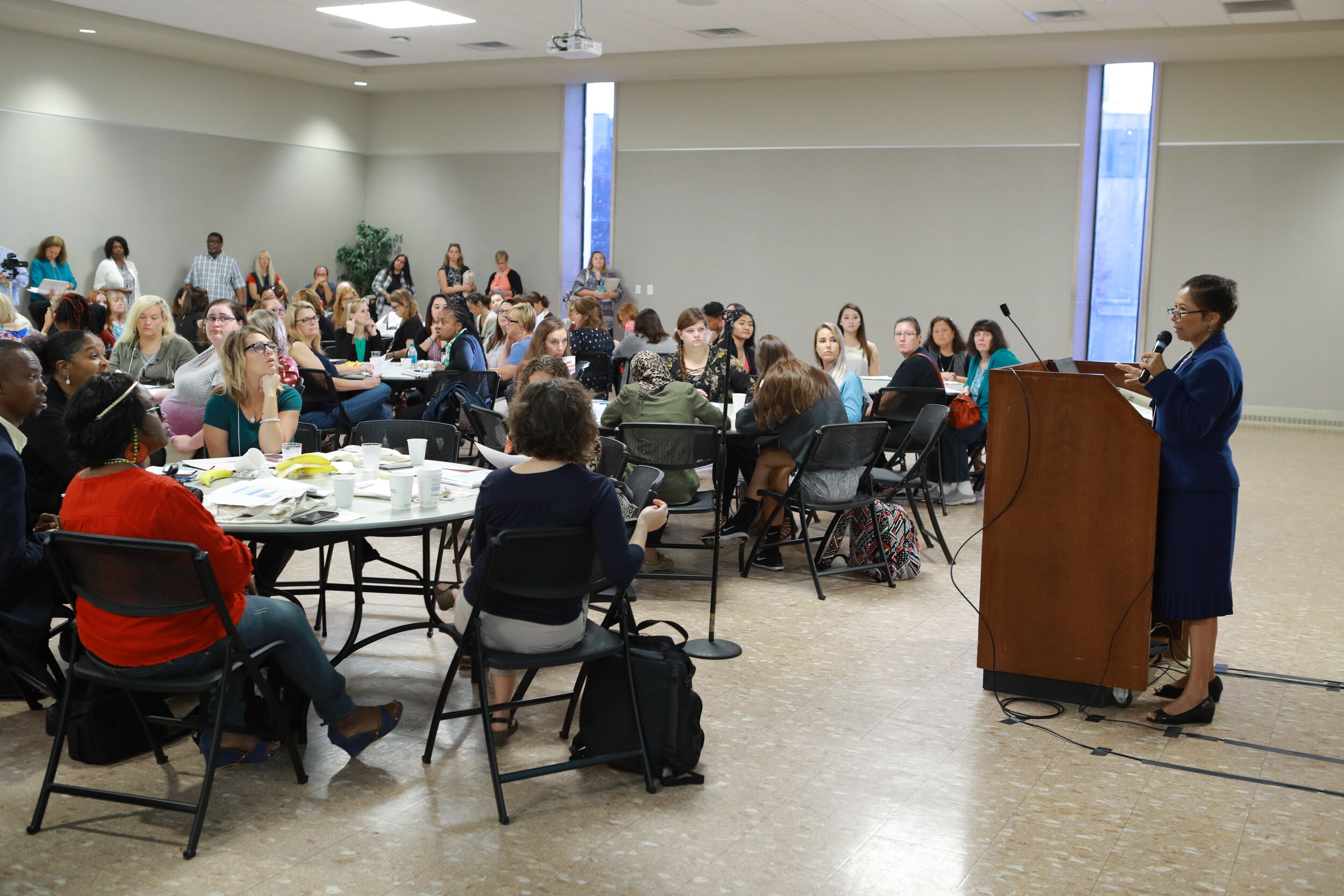
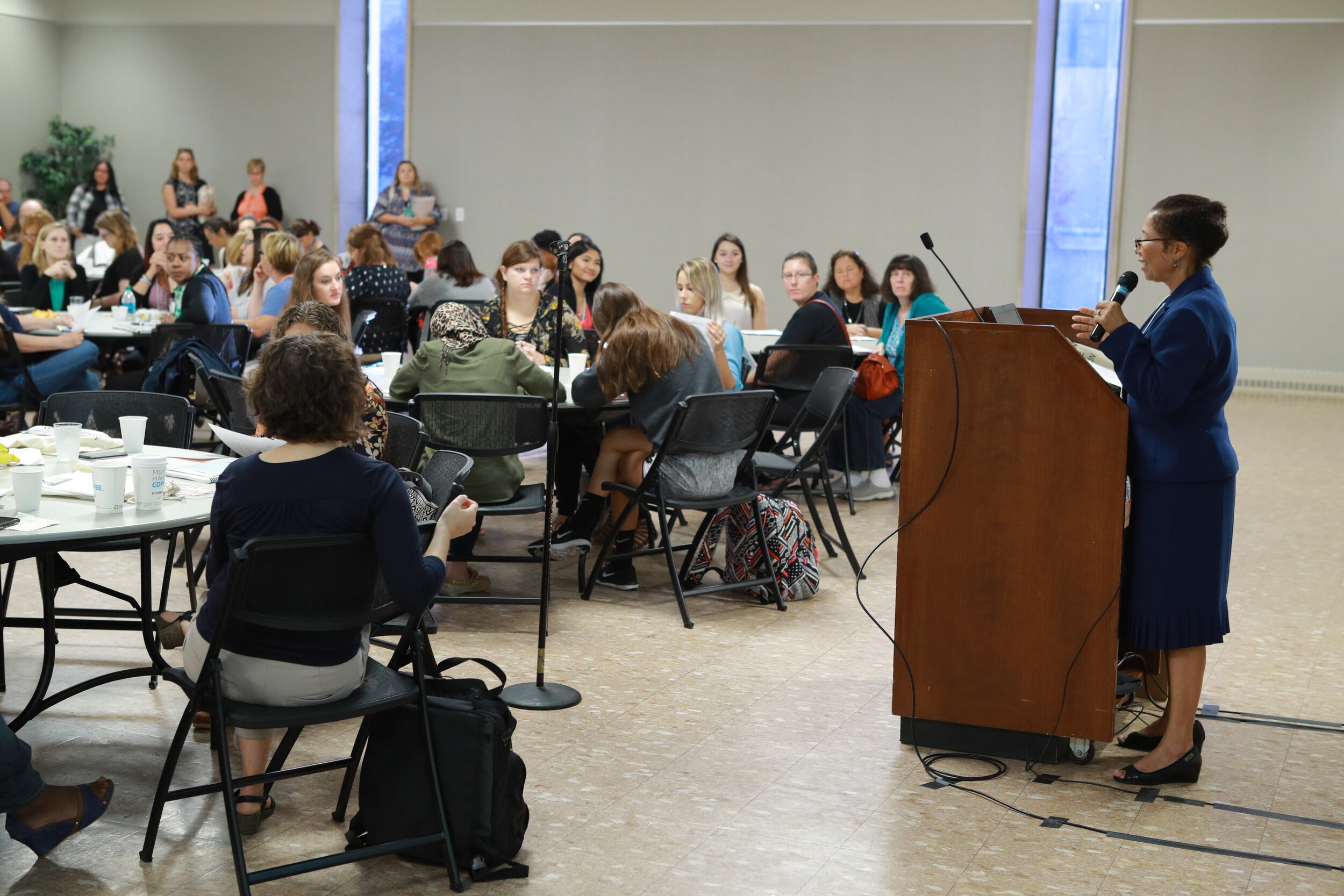
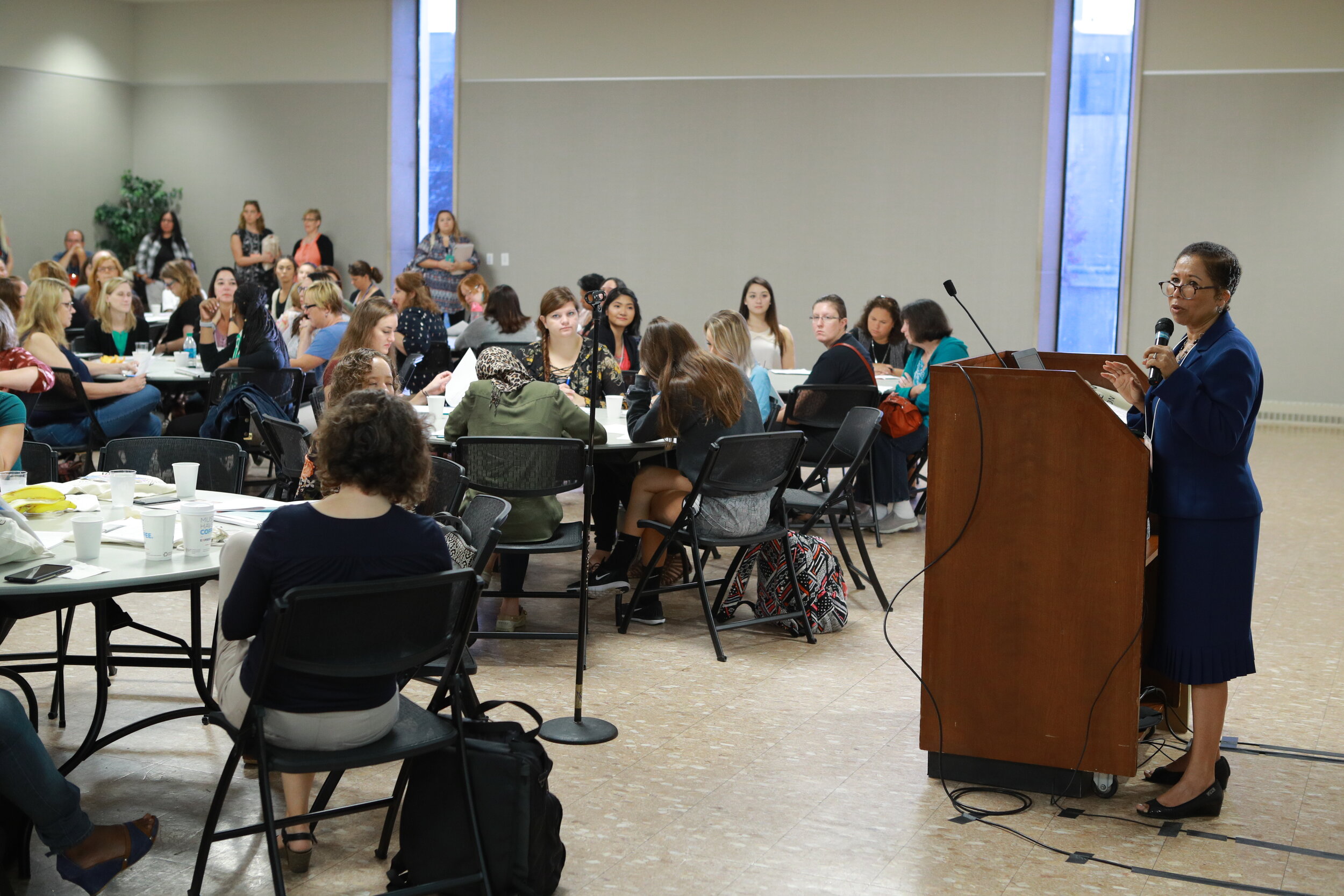
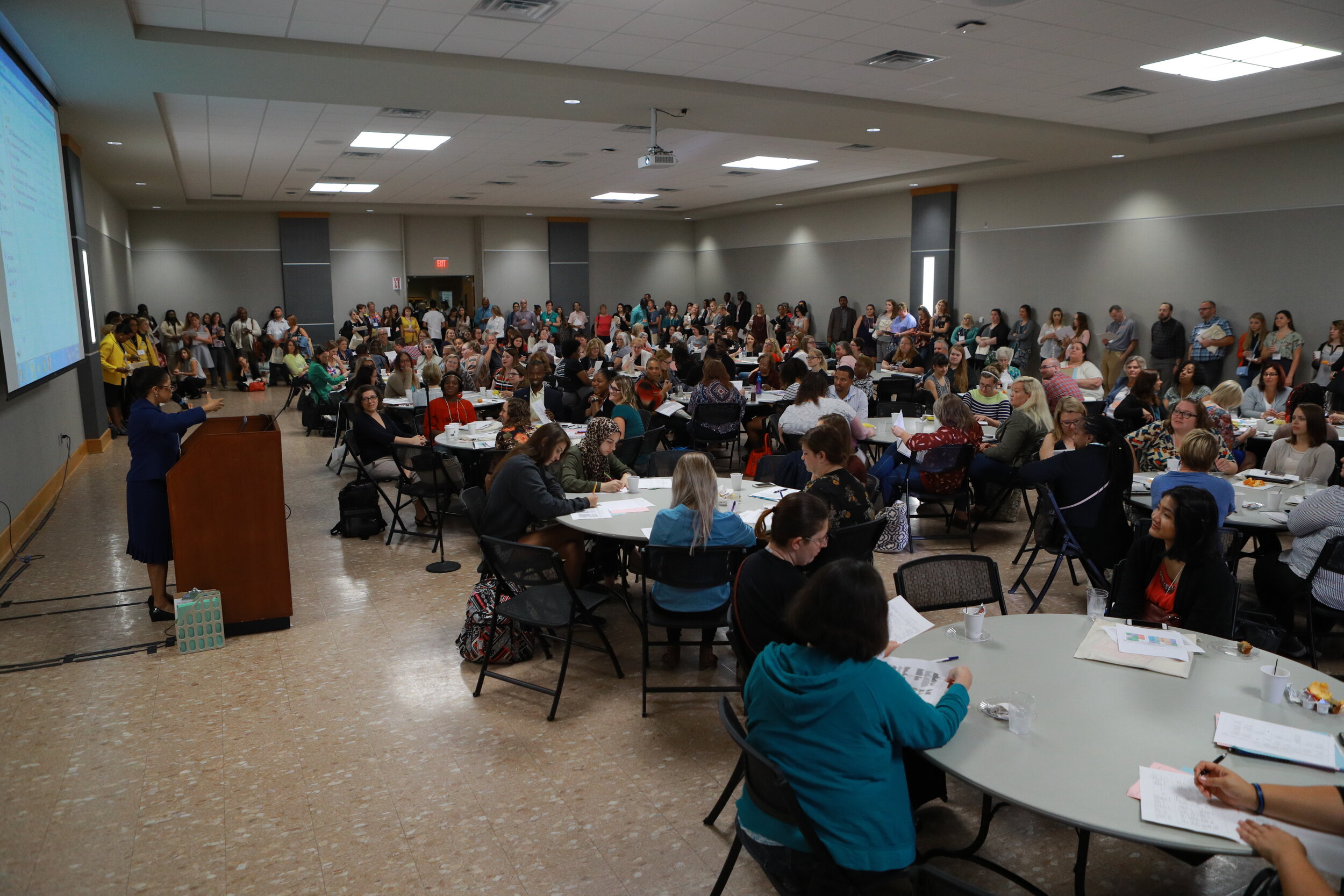





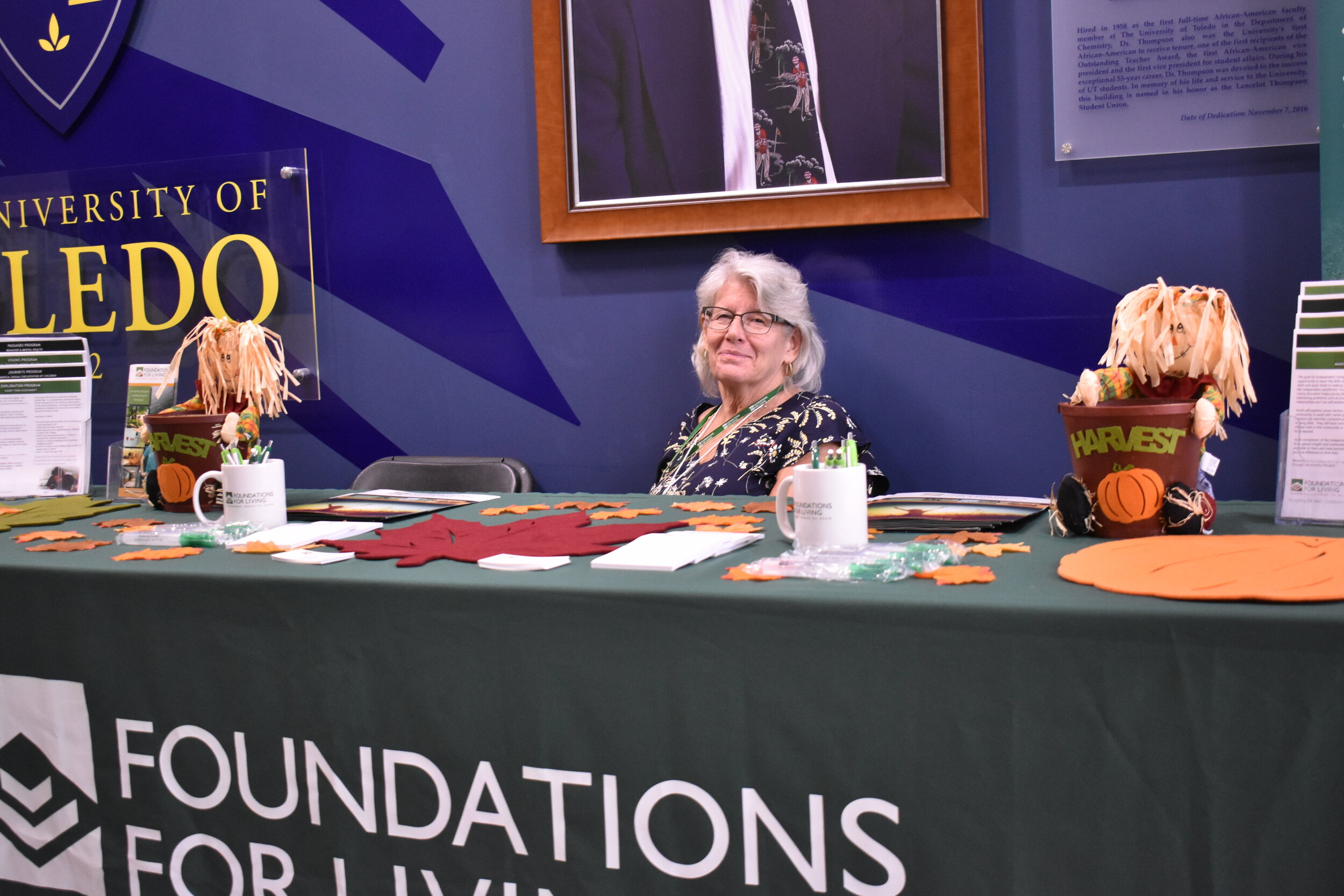
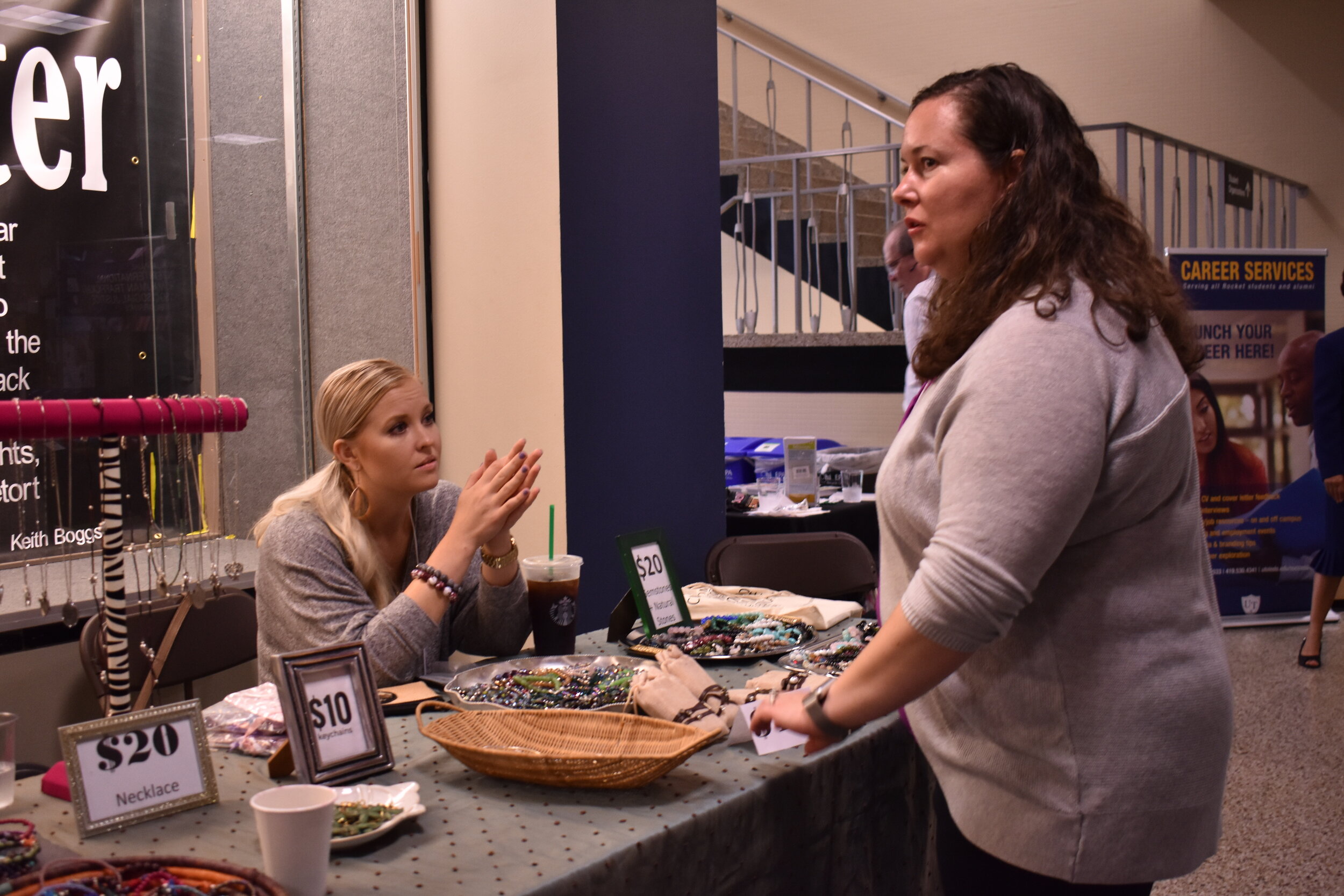
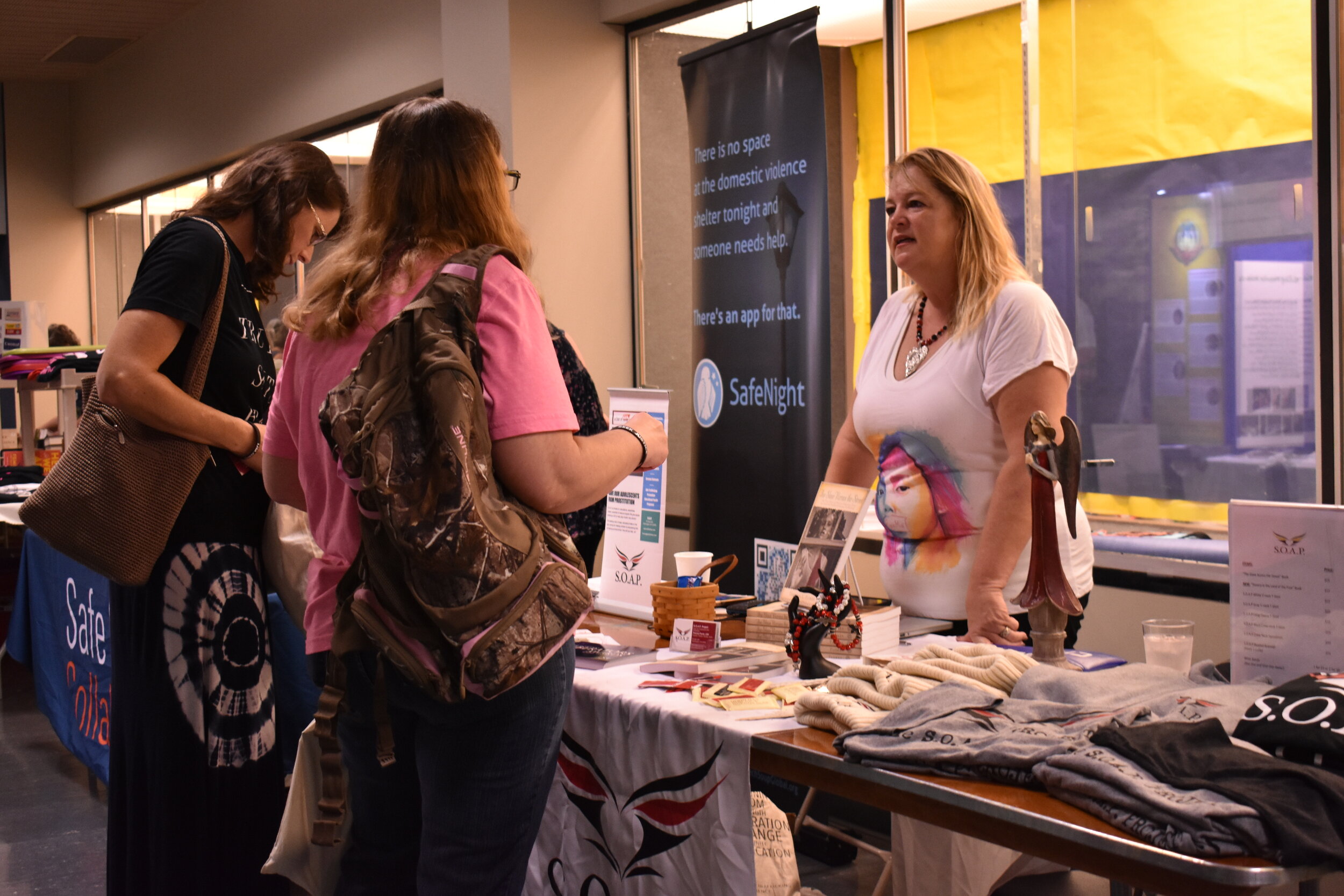
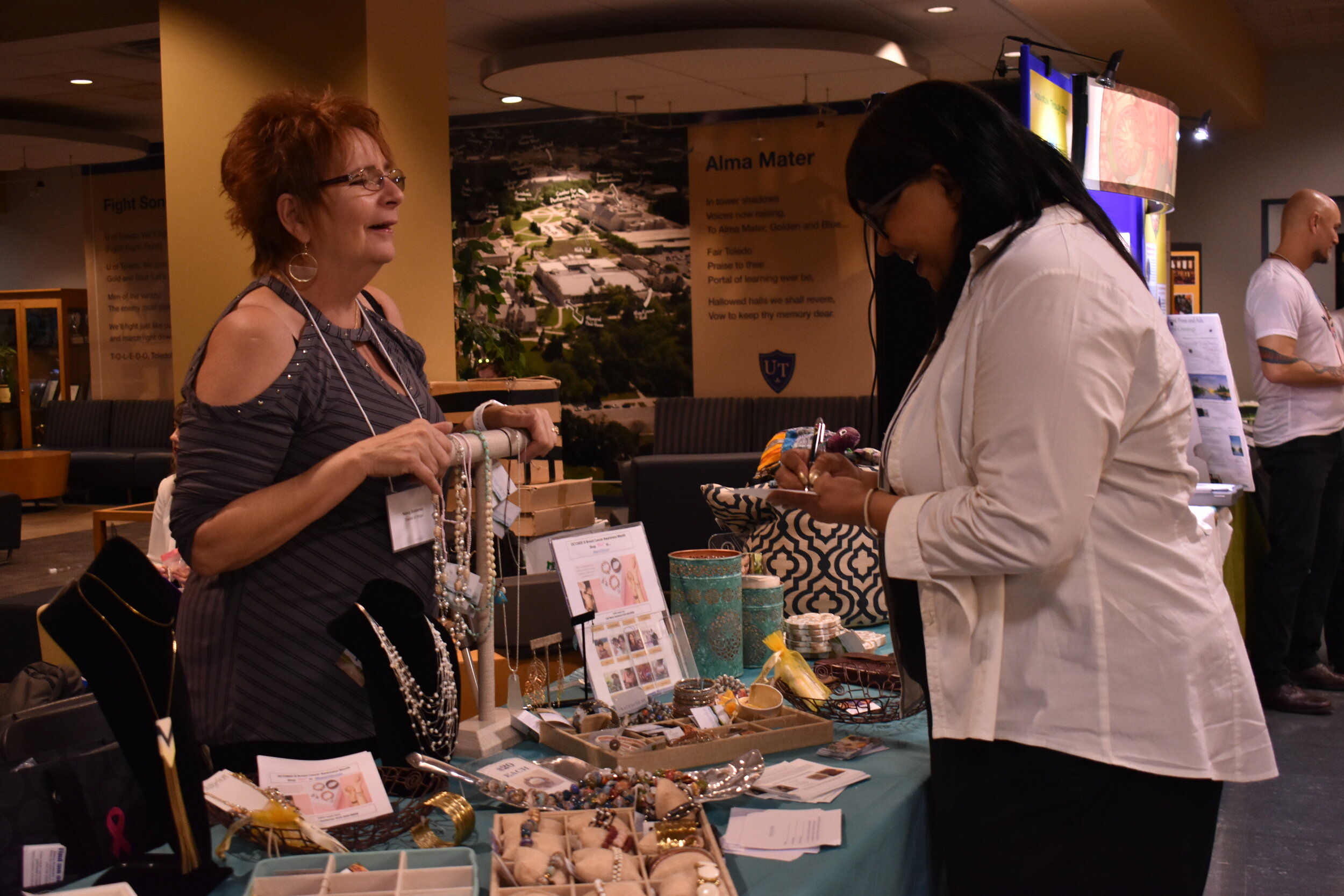



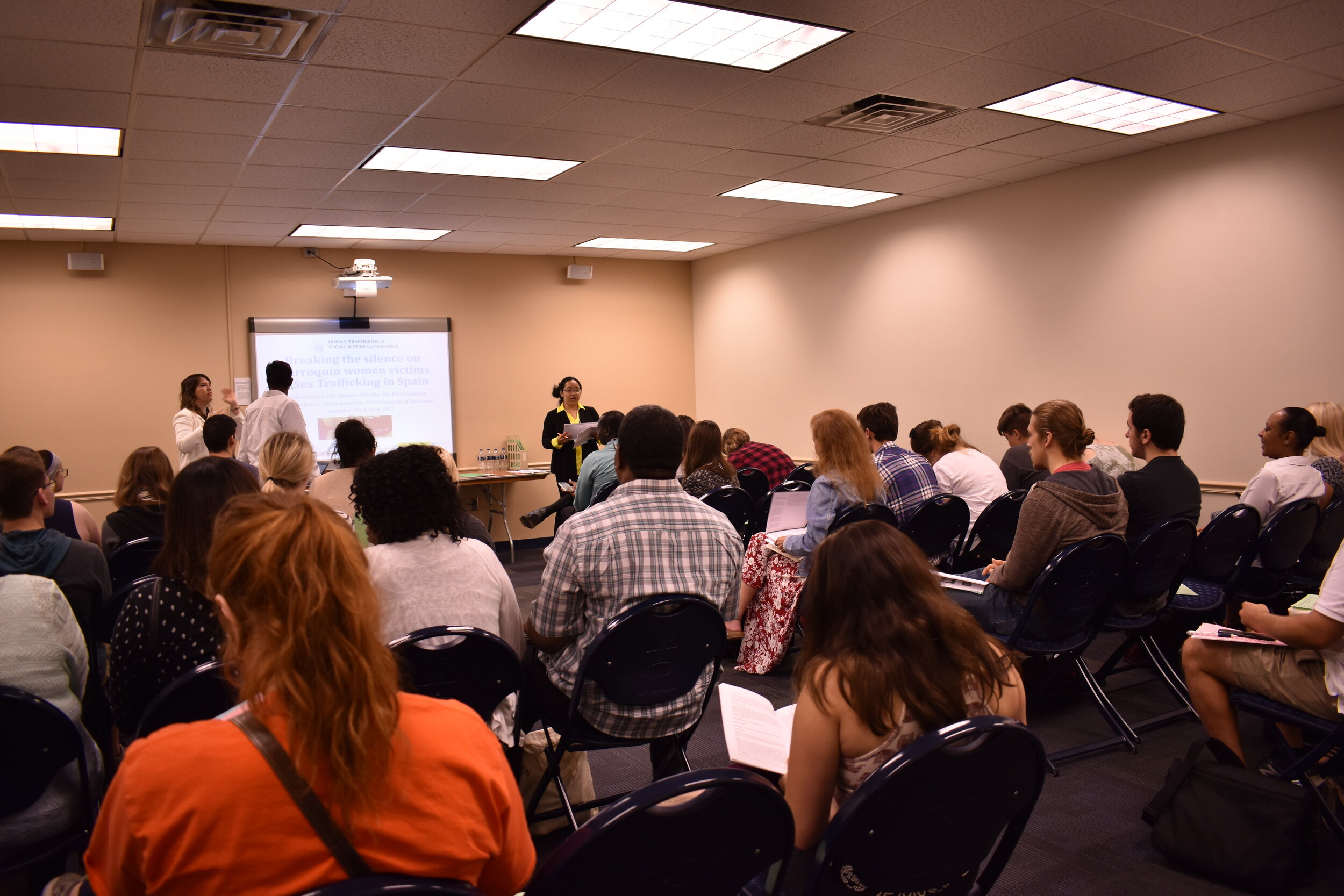
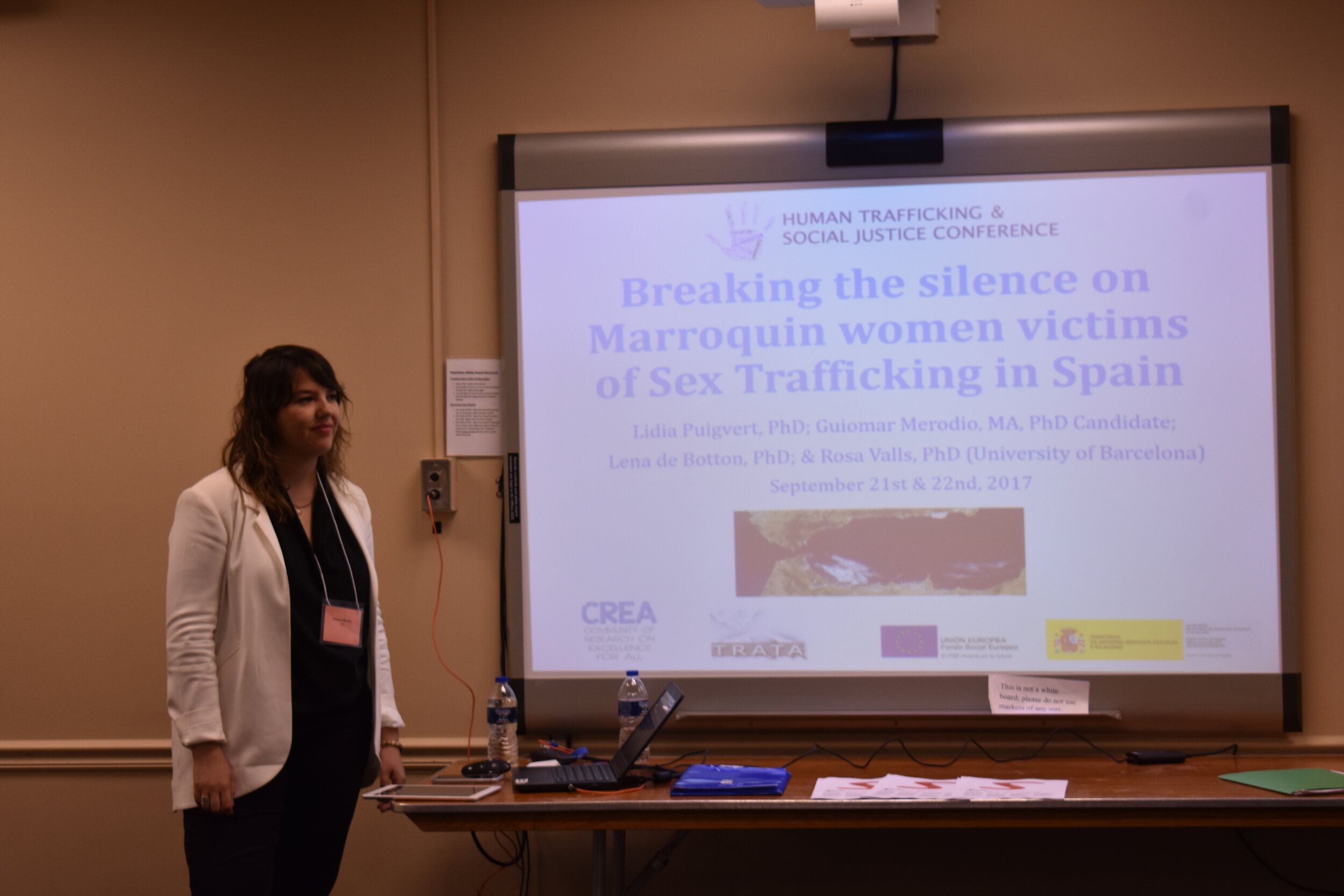
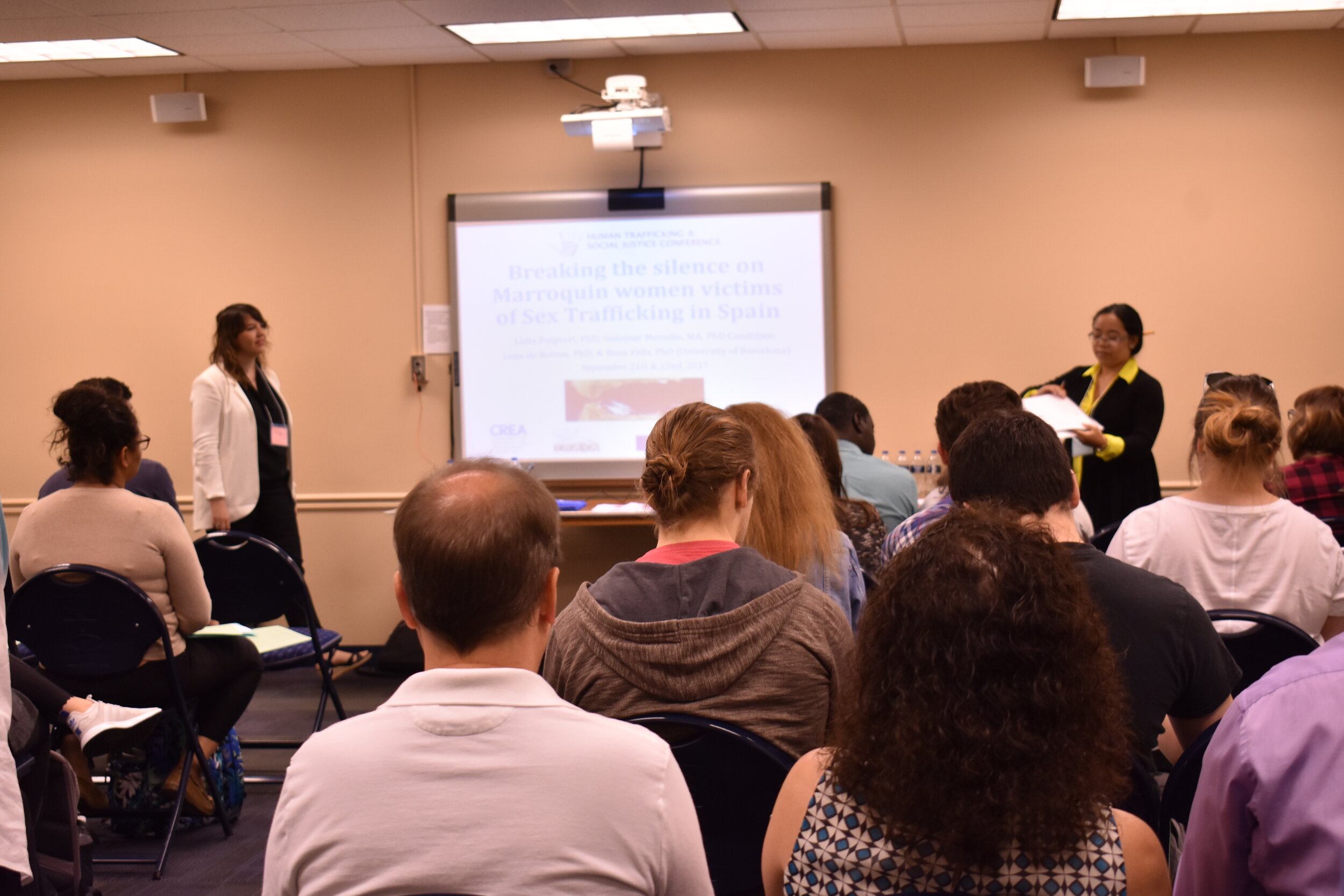
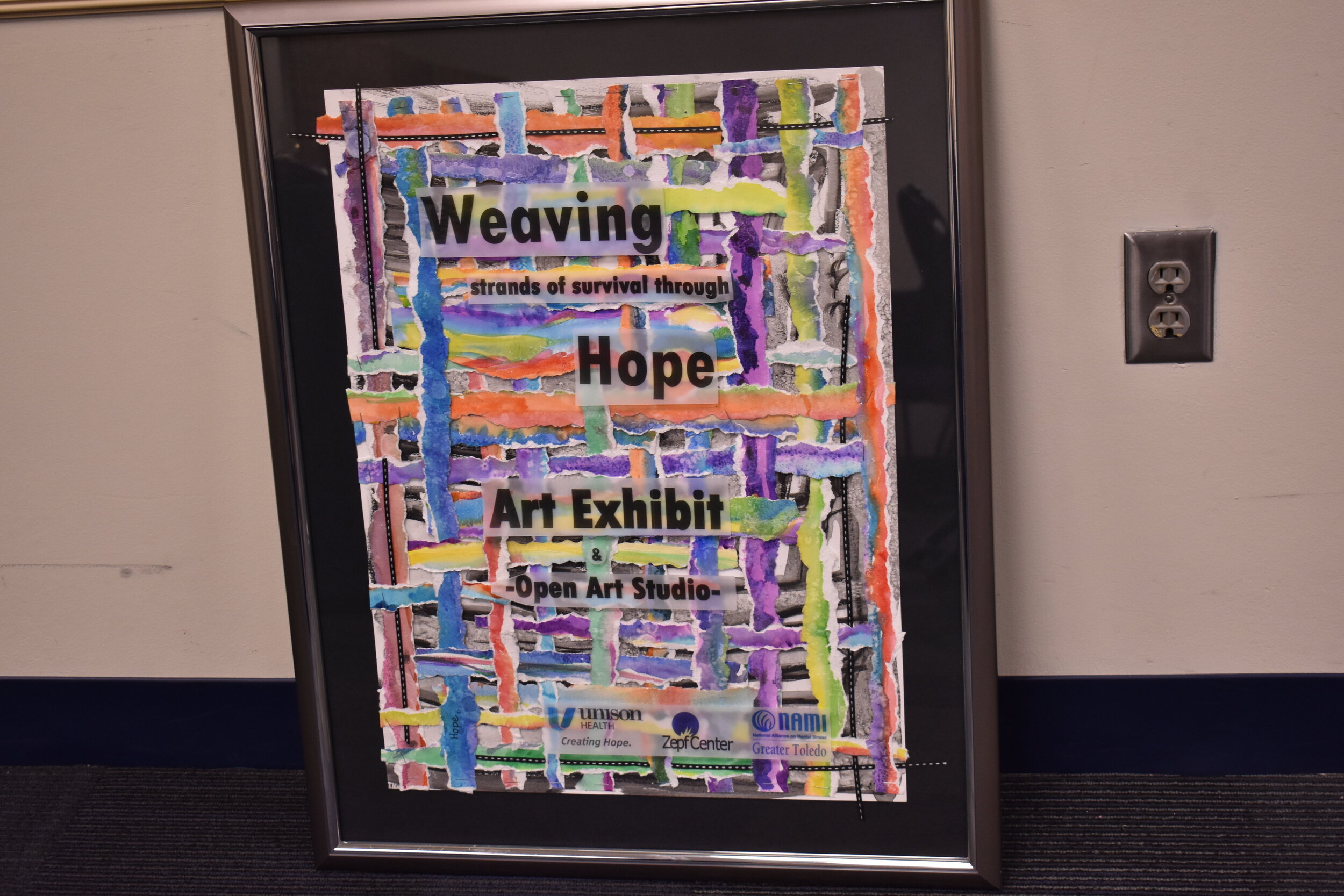




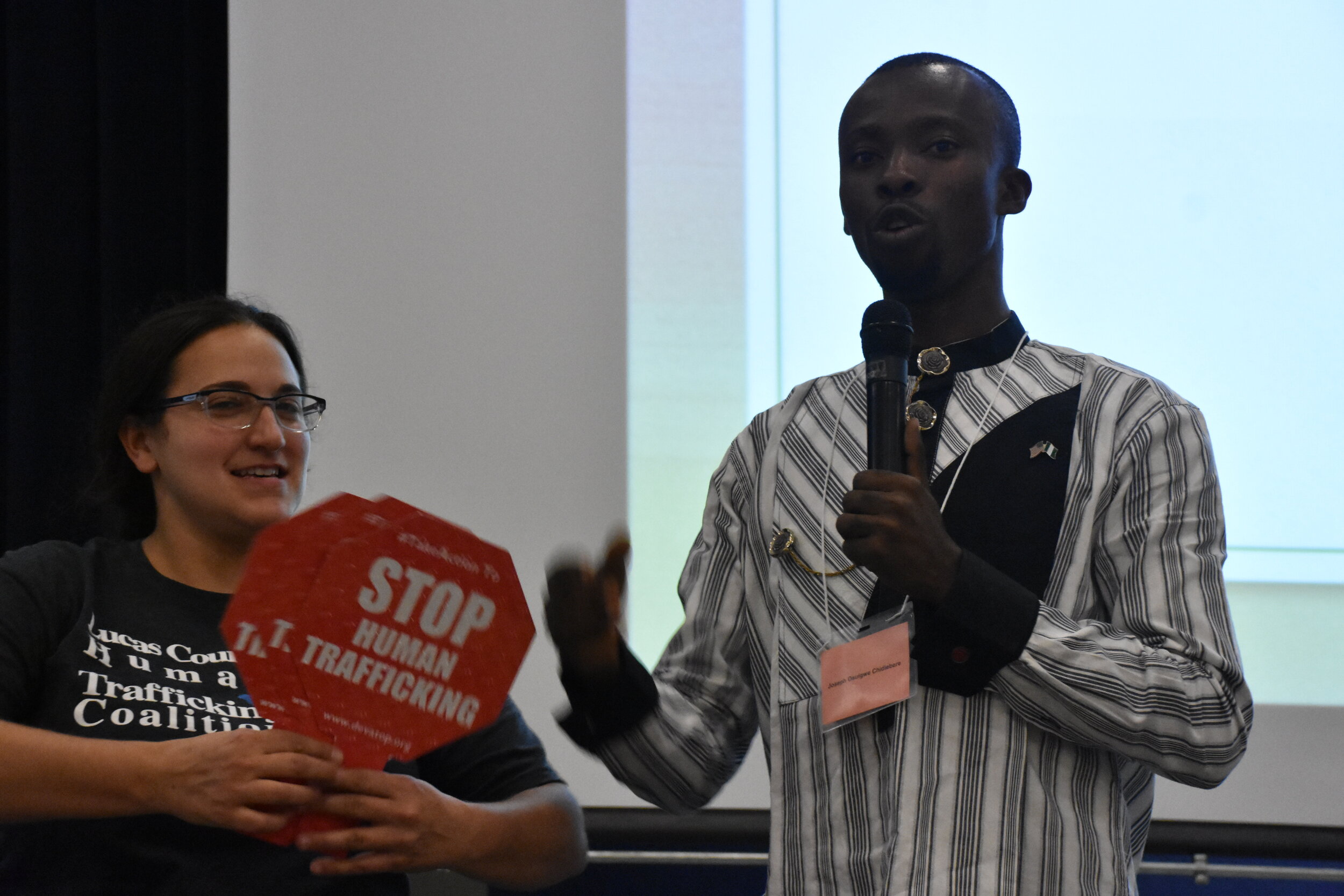
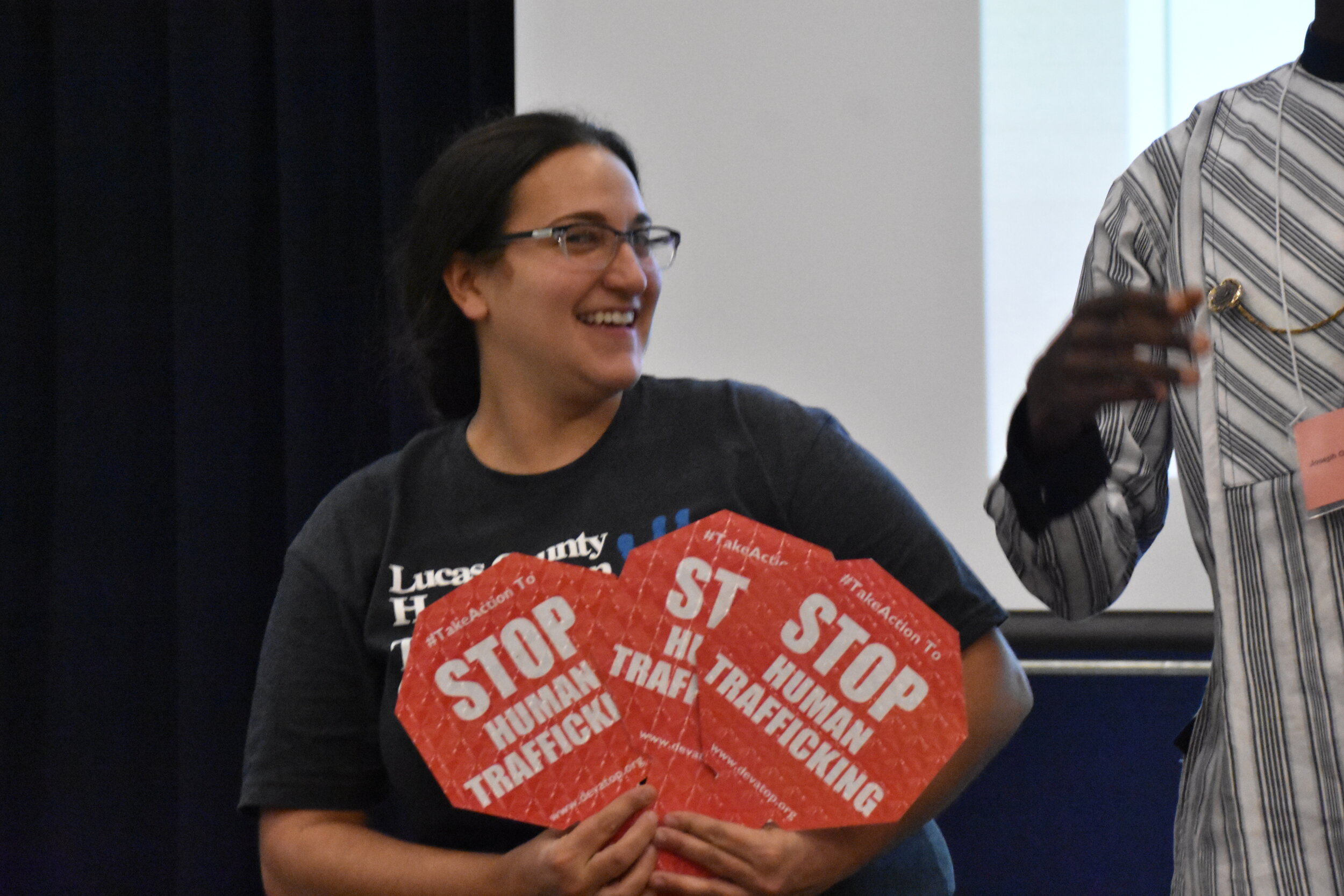


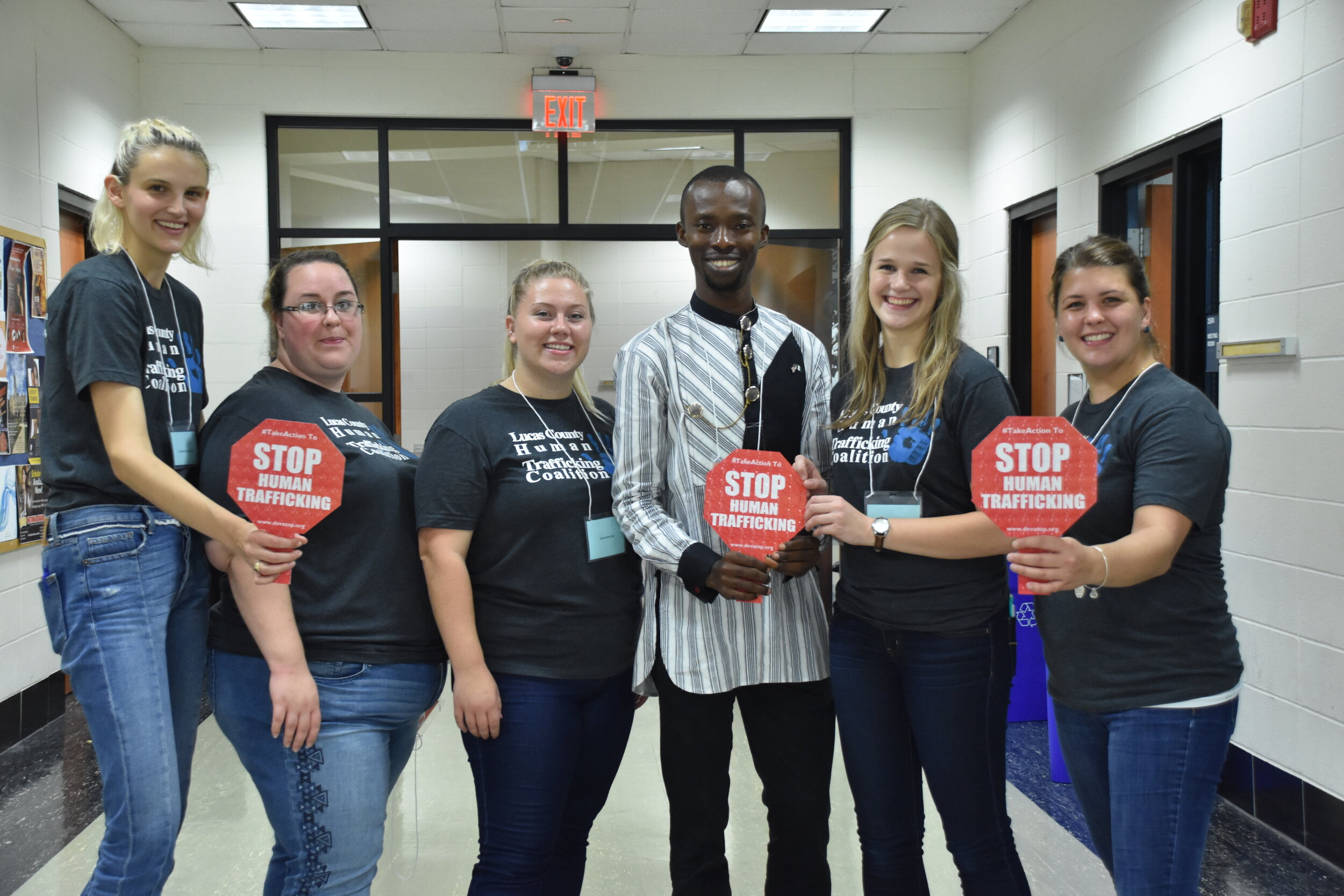


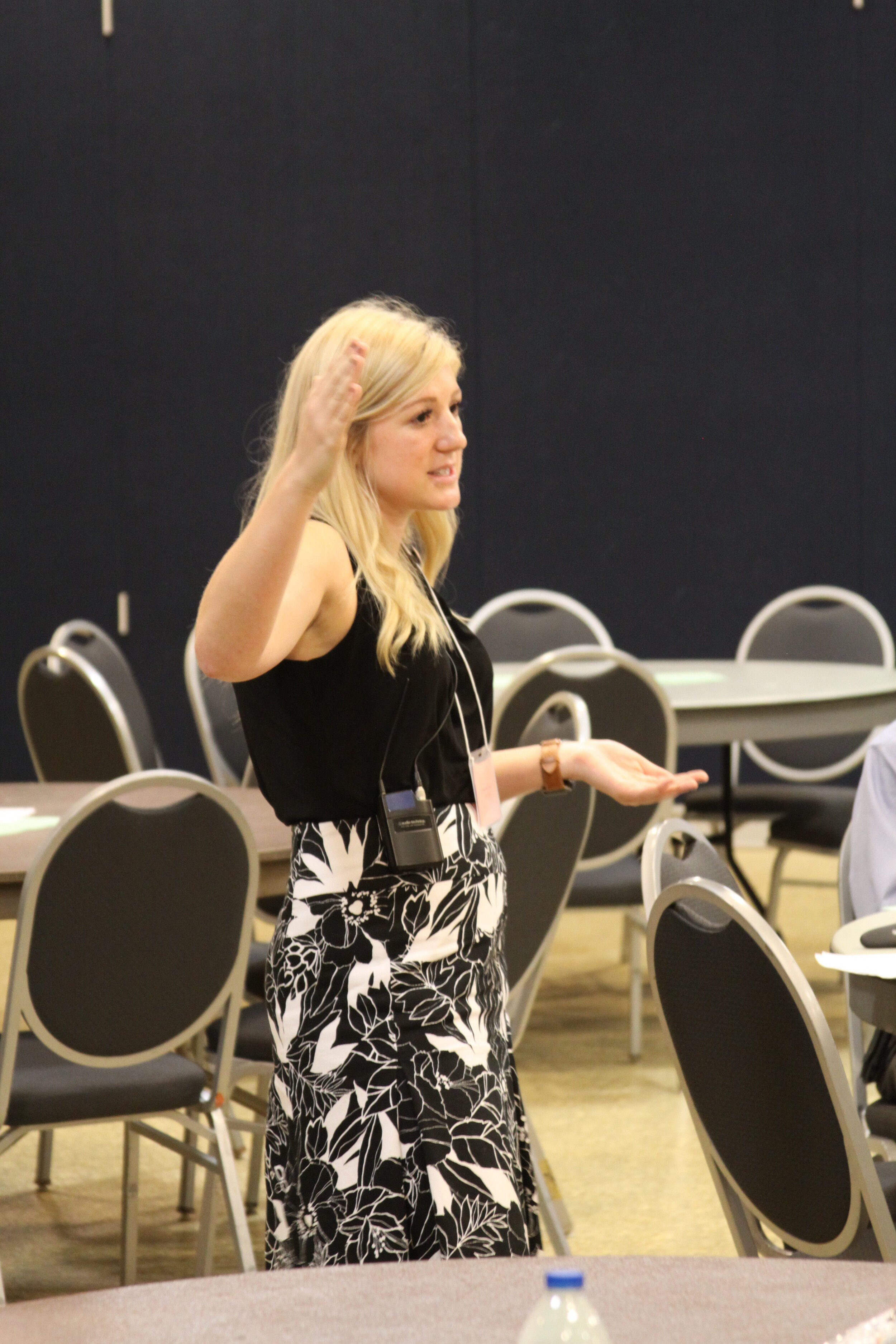
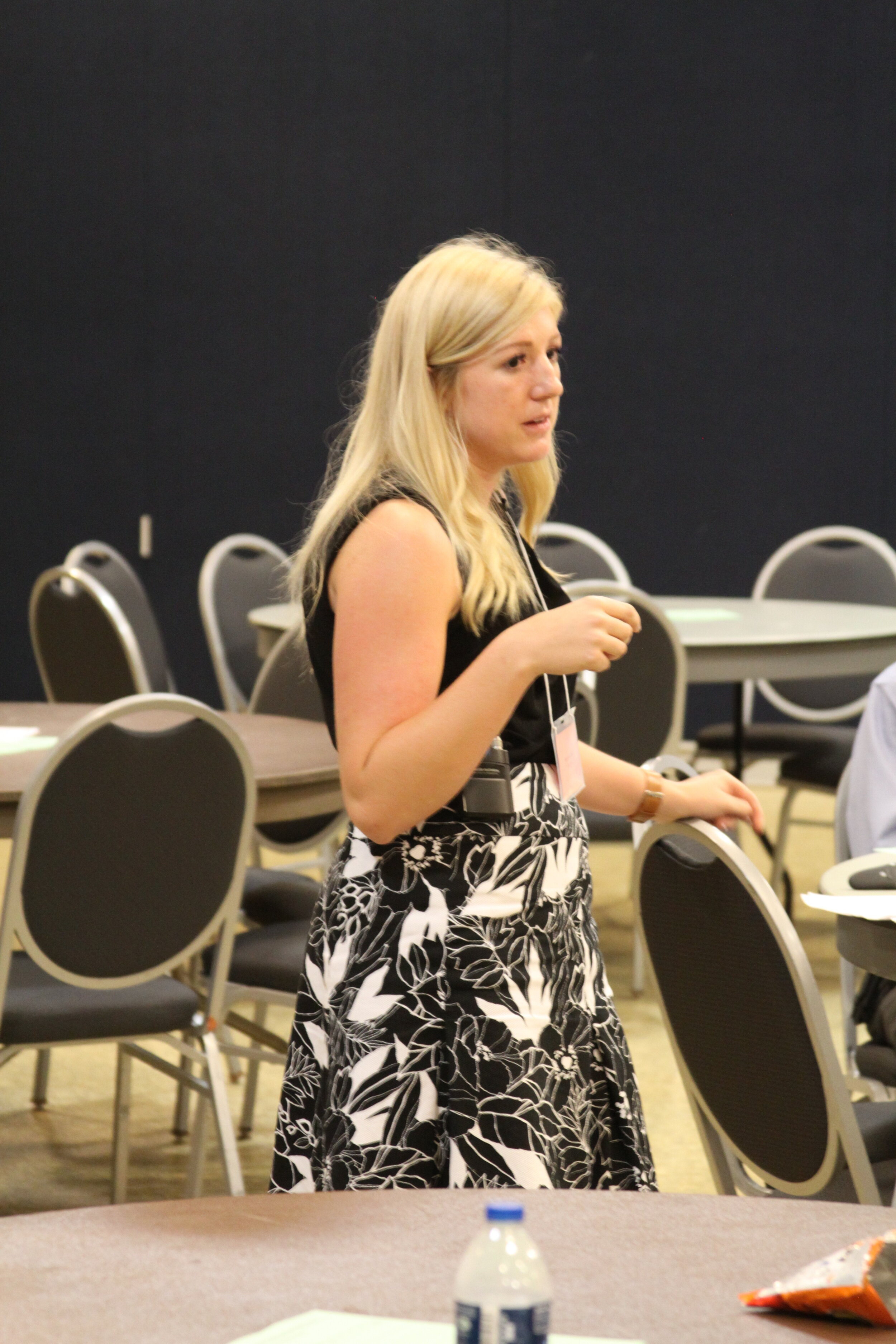
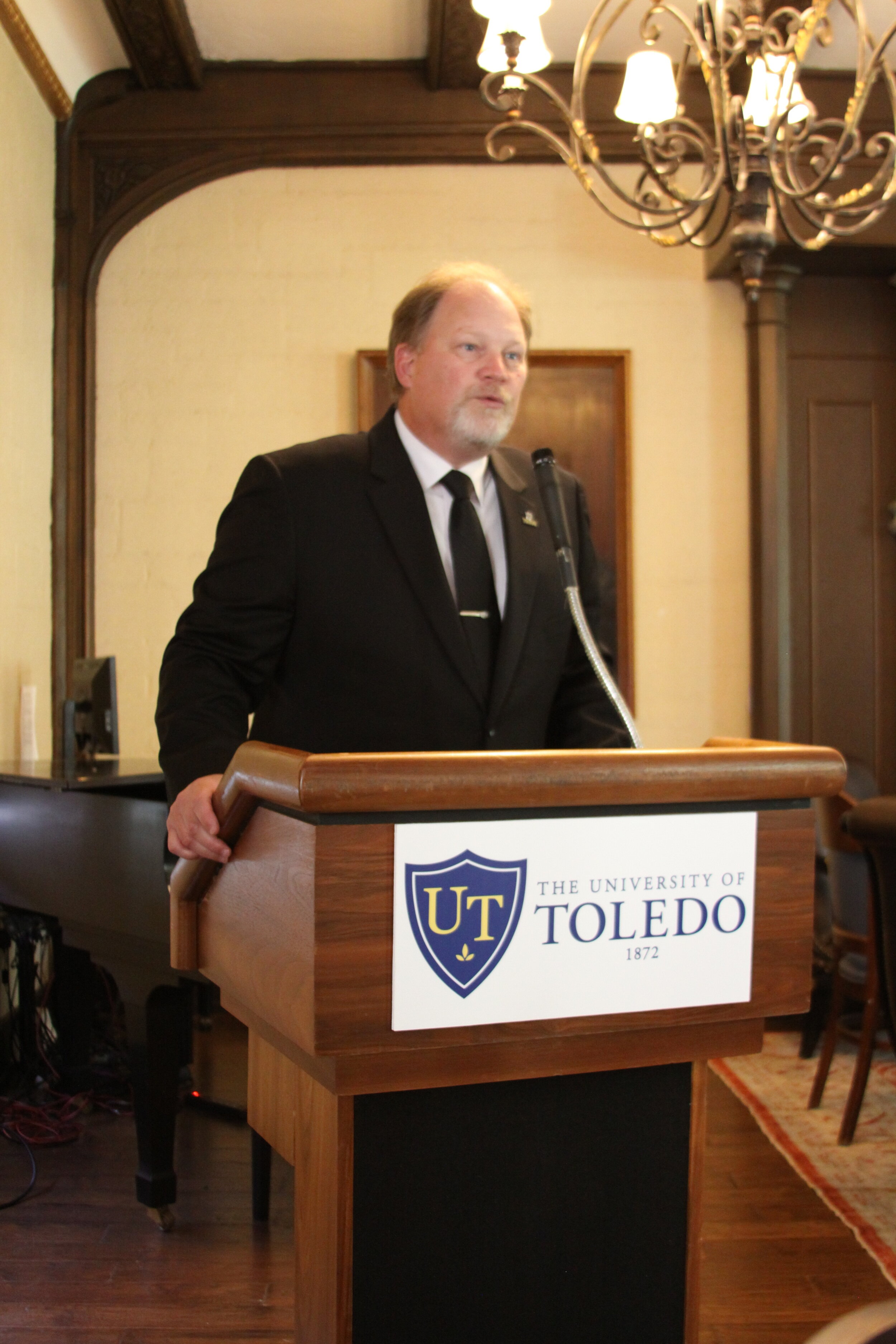
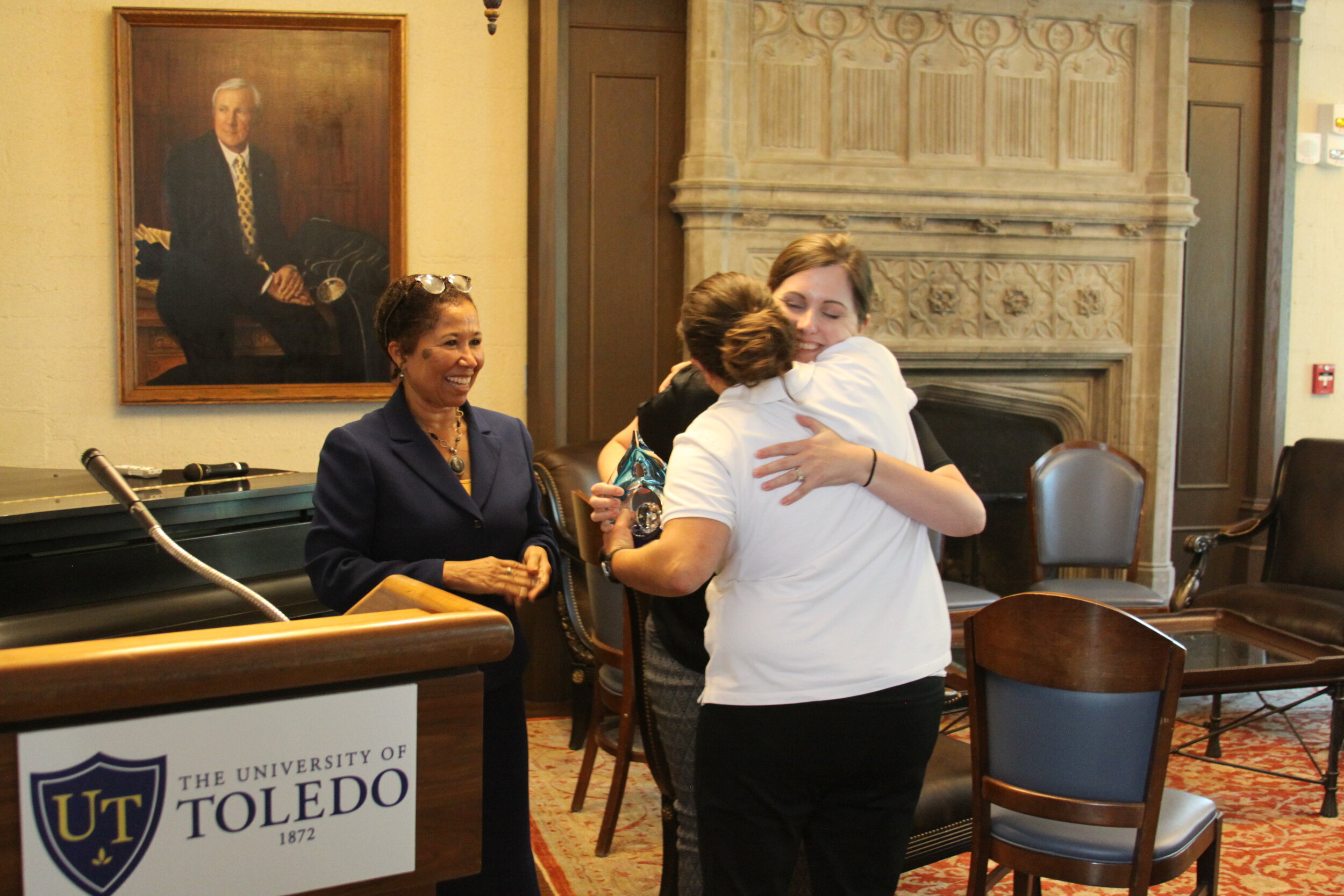
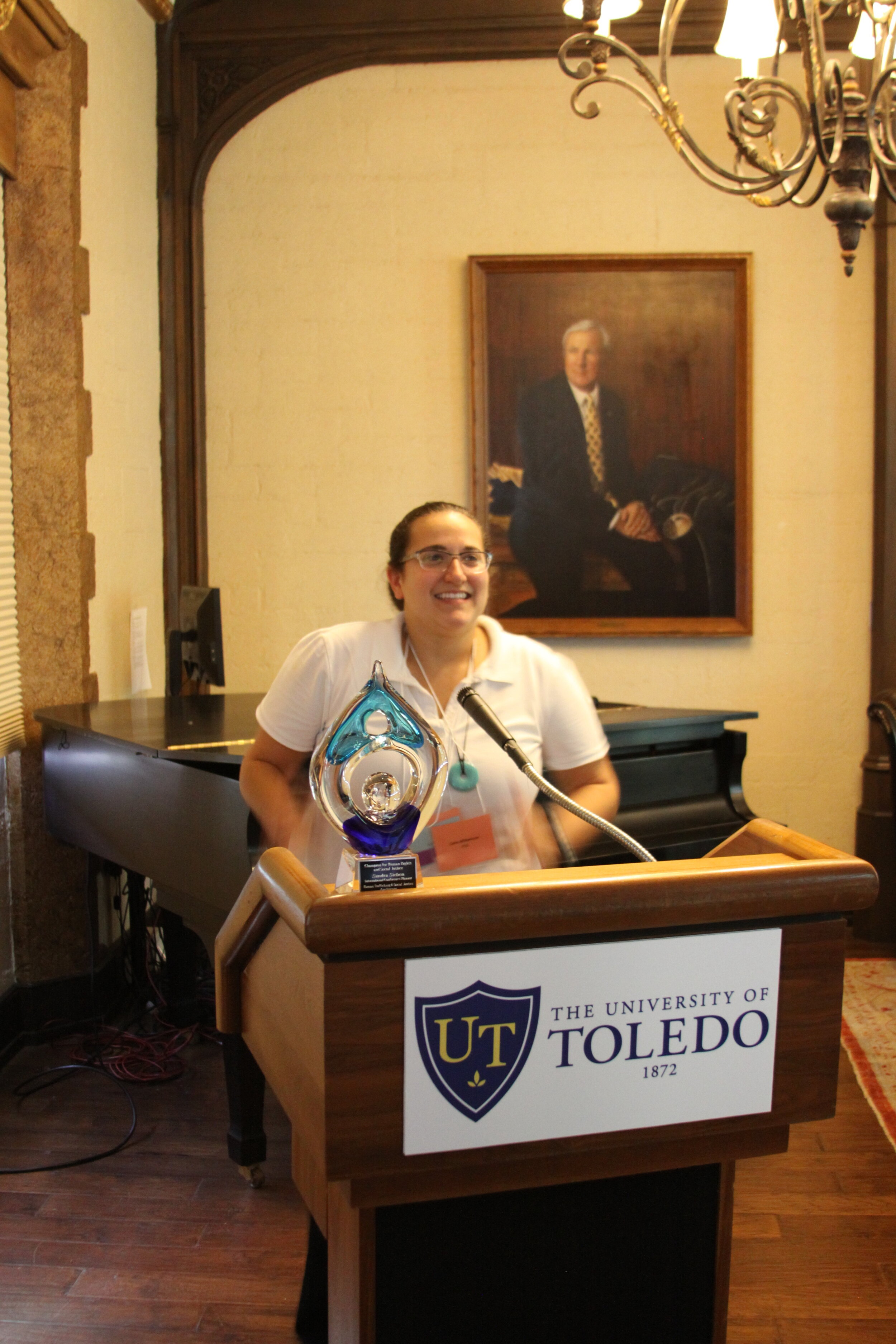
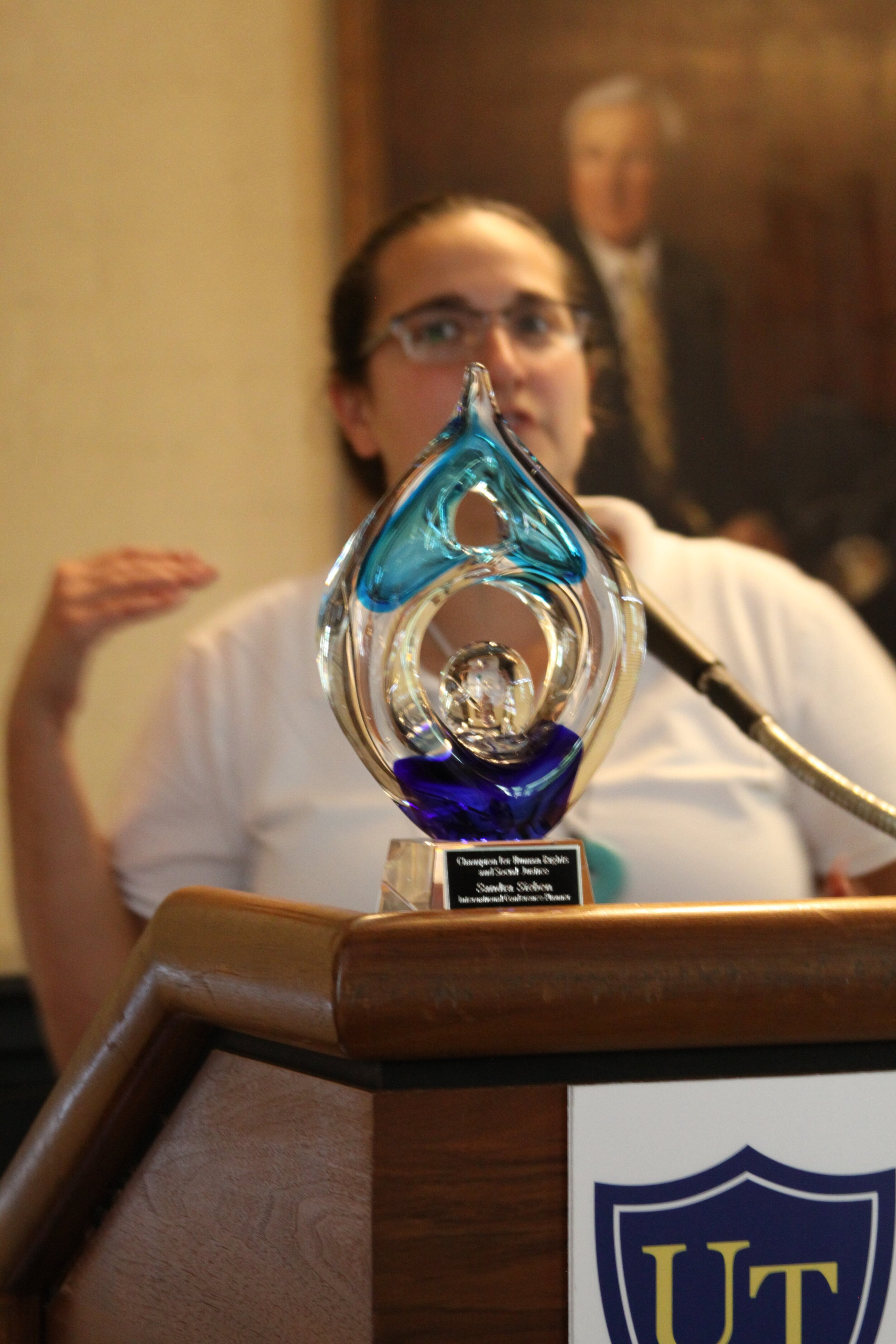



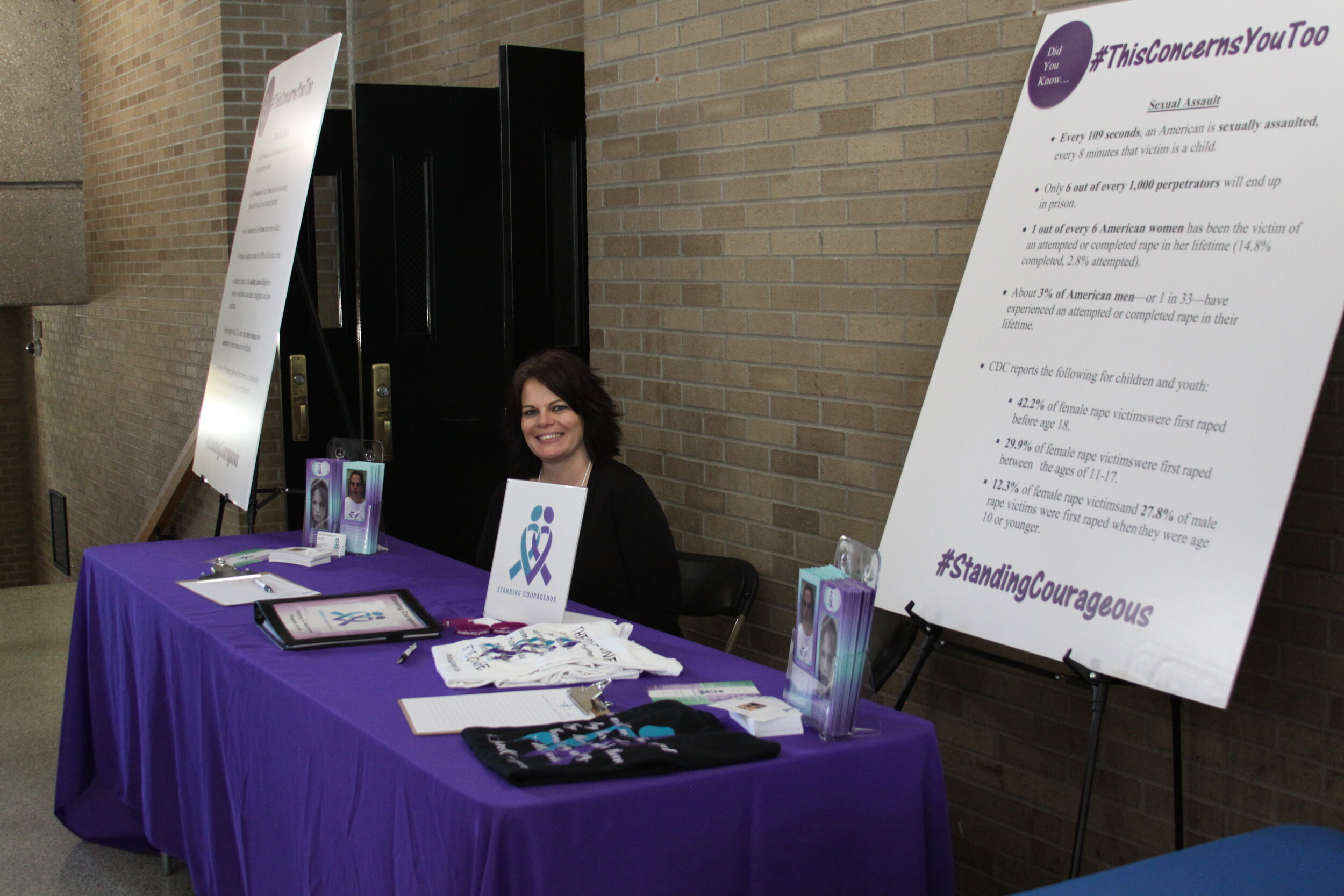


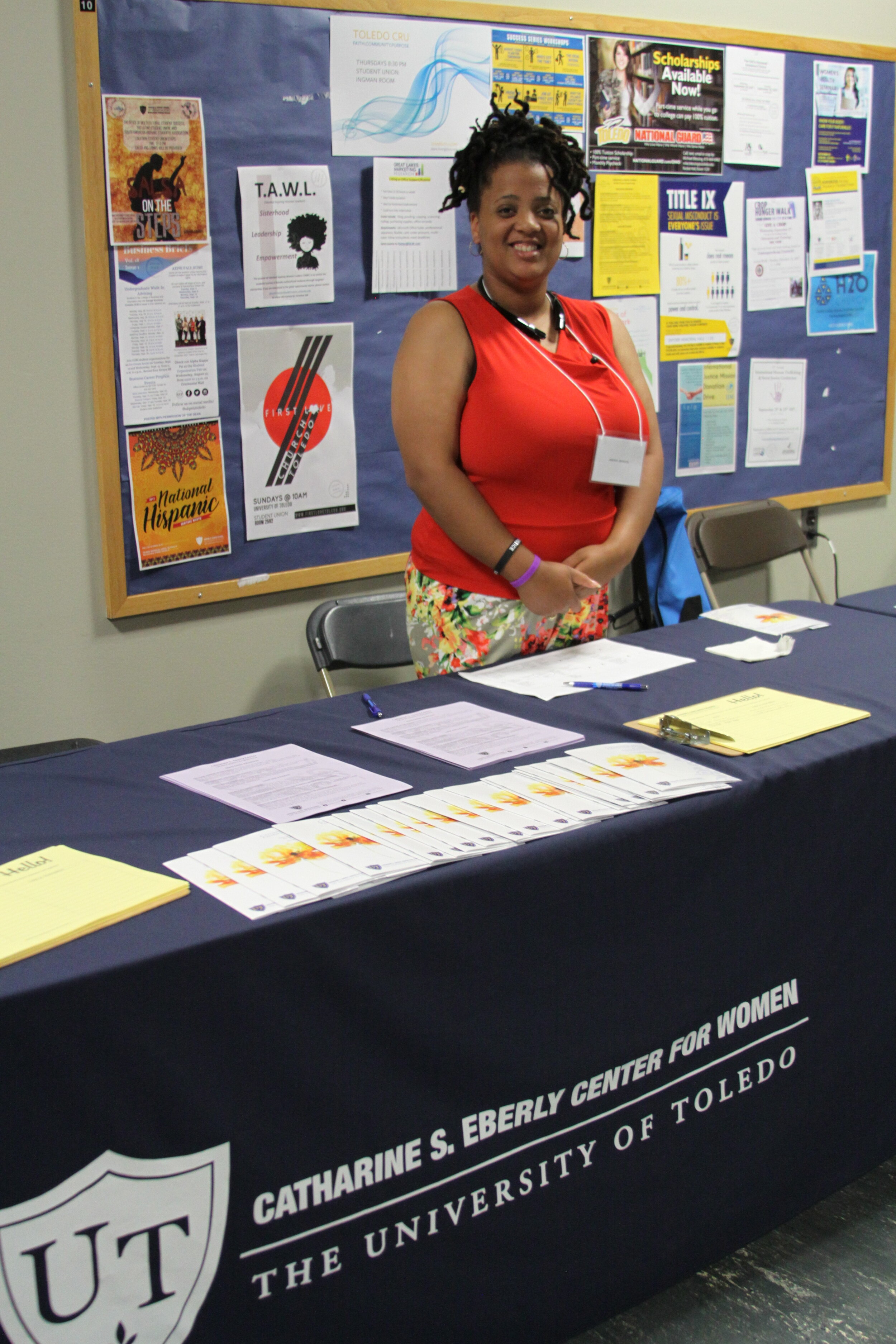
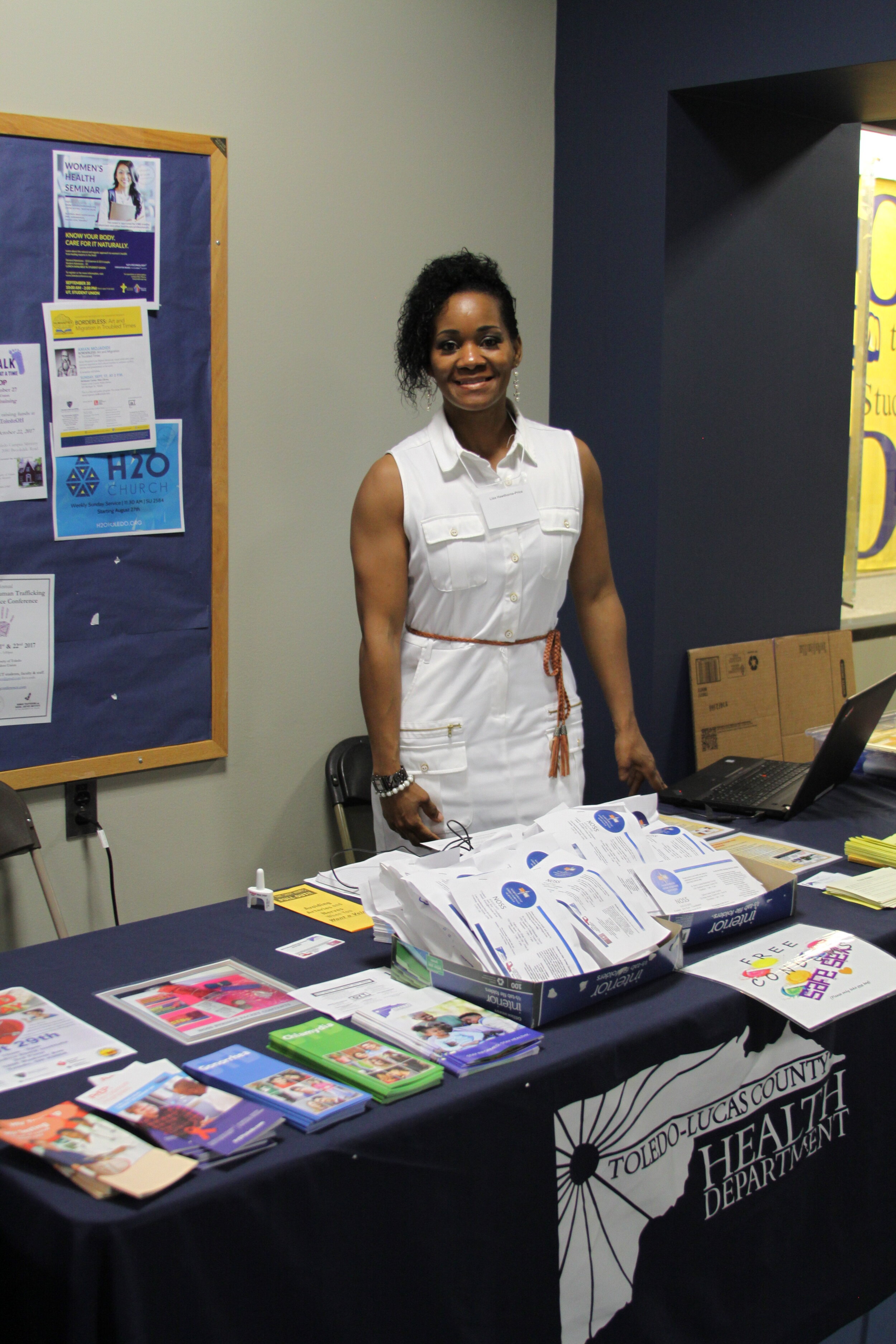

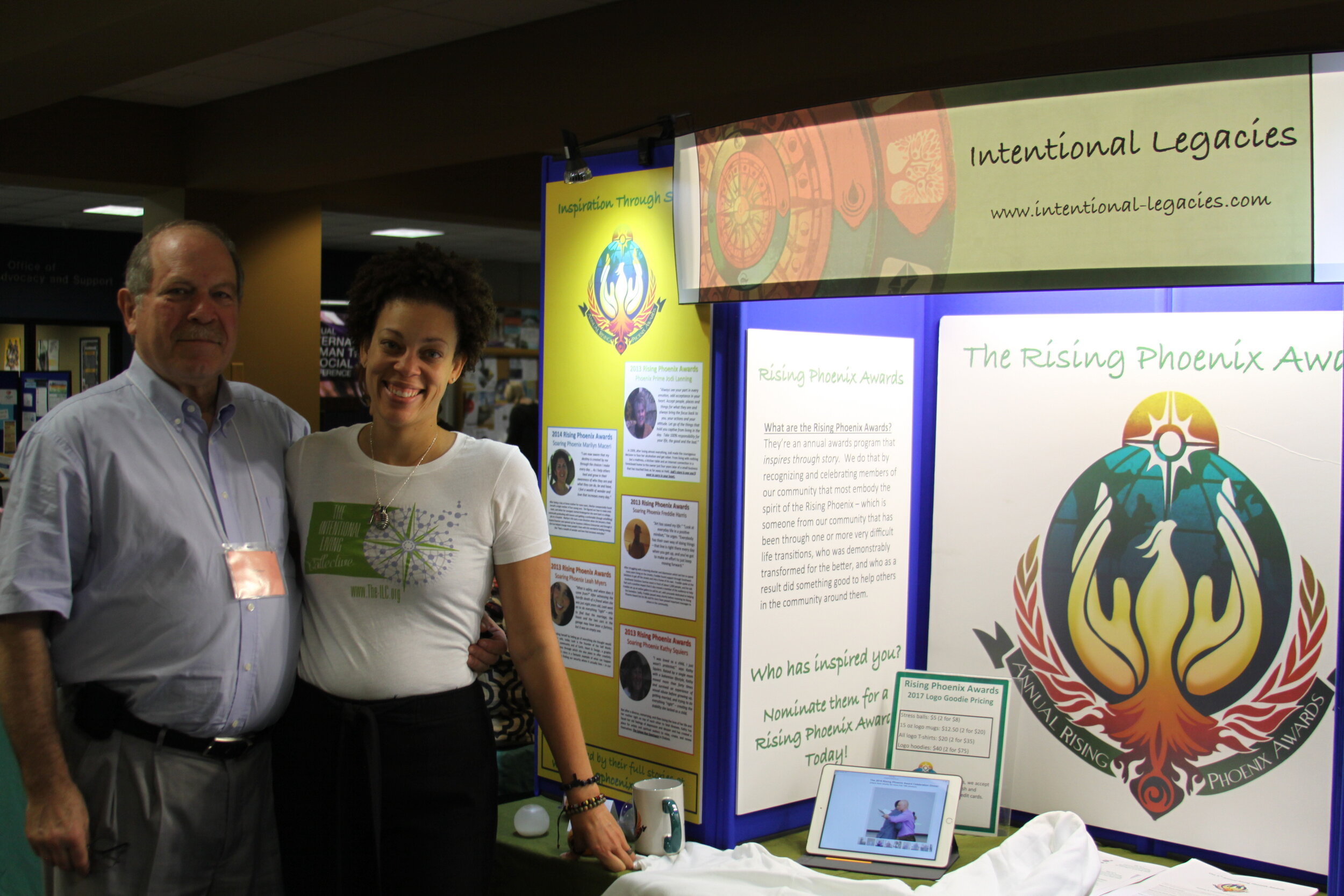






2017 Pictures
2017 Schedule
Thursday, September 21, 2017
8:00
Registration & Continental Breakfast
Student Union
8:30
Morning Welcome
Room Ingman
9:00 - 10:00
In the United States, thousands of minors and young adults are victims of Human Trafficking (HT). US-born victims of HT are typically exploited through sex trafficking—commercial sexual exploitation. At least 20% of HT victims come to interact with healthcare providers (HCP) at some point during their victimization. Although some protocols and trainings to identify HT victims in healthcare settings (HCS) exist, HT victims often go unidentified. There is scant research in understanding the interactions between HT victims and HCPs. To address this gap, this study interviewed survivors of sex trafficking (SST). It sought to present their accounts on a) the HCS they visited, b) reasons for seeking care, and c) barriers to disclosing victimization with HCPs. This study utilized an exploratory concurrent mixed-method research approach. Data were collected from March 2016- March 2017 in San Diego, CA and Philadelphia, PA, (N=21). Univariate and inductive analysis were performed to analyze data. Emergency Departments (76.2%) and Community Clinics (71.4%) were the most frequented HCS. Main reasons for healthcare visits included treatment for STIs, followed by battery injuries (52.4%). This study confirmed that SST sought medical care during their victimization and provided essential insights as to the types of healthcare settings attended, reasons for seeking medical care and barriers limiting them from disclosing their victimization with HCPs.
Presentation Objectives:
· Discuss commonly used HSC by SSTs
· Provide a deeper understanding of what were the main reasons for seeking care
· Describe barriers to victimization disclosure during their medical visit
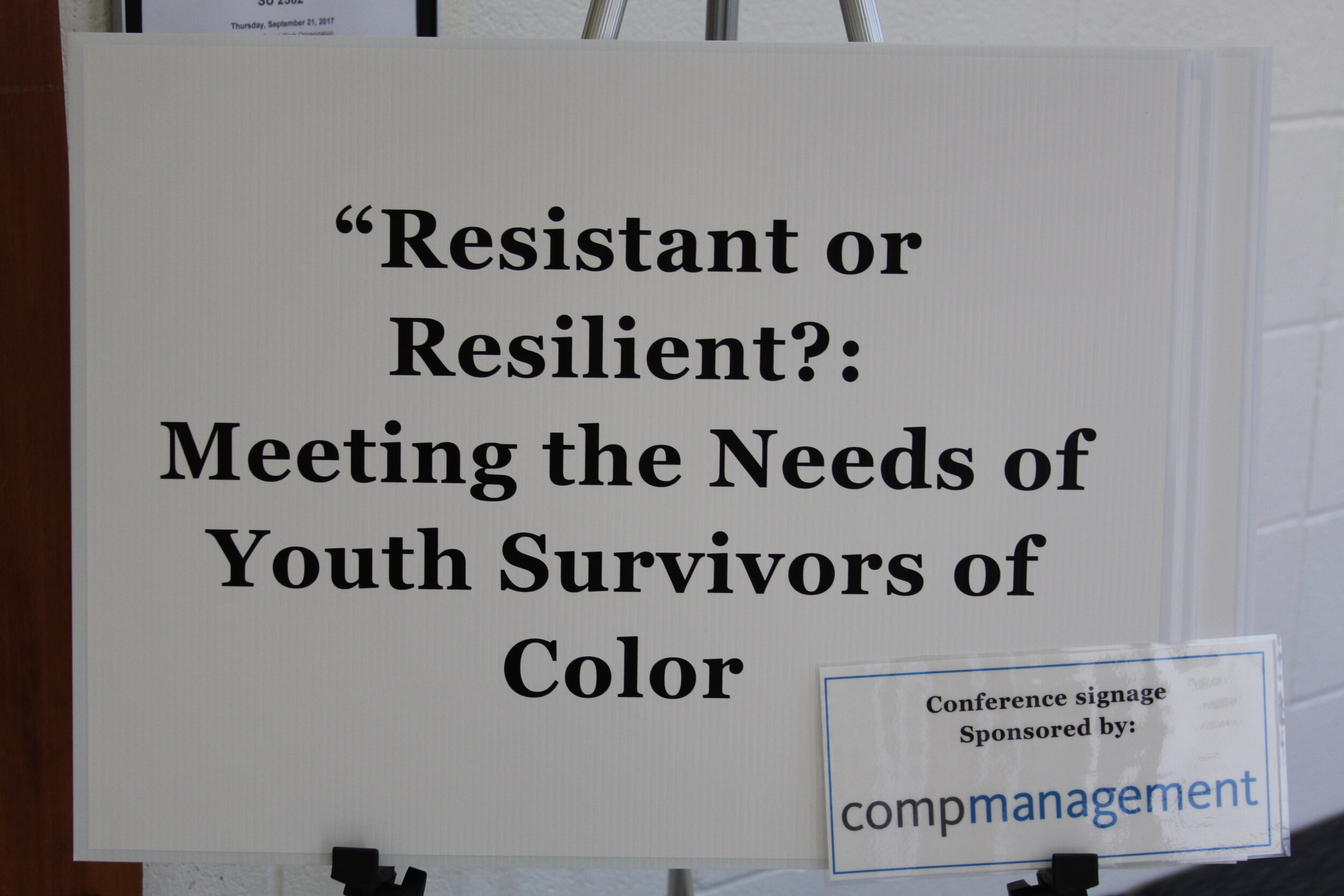
This presentation will address the historical and ongoing failure of the sexual violence prevention/intervention movement to meet the needs of youth survivors of color, the social injustice that often results in the sexual abuse to prison pipeline for these youth, and ways to engage in culturally-competent interventions to meet the needs of Black and Hispanic adolescent human trafficking survivors.
Presentation Objectives:
- Identify the historical views of sexuality, sexual violence, and mistrust of systems in the lives of people of color
- Challenge societal myths about human trafficking survivors of color, specifically as it relates to the idea of “the perfect victim” and how it impacts our own response to survivors of color
- Identify how our traditional advocacy, prevention, and intervention work needs to change in order to meet the needs of youth survivors of color, specifically related to the intersectionality of race/gender
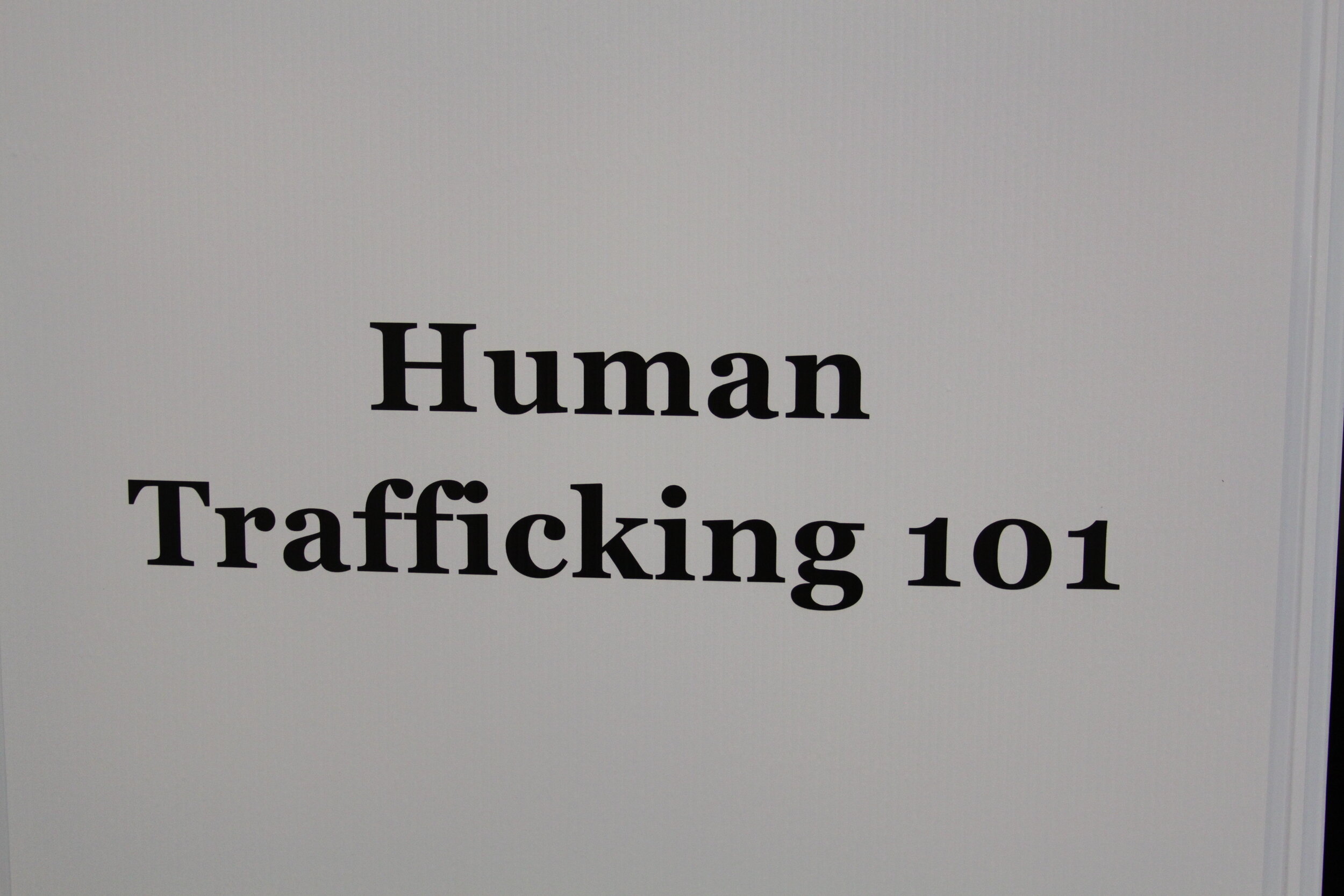
This basic overview of human trafficking is most appropriate for those new to the field. Presenters will focus on both domestic and foreign trafficking as well as labor and sex trafficking. Topics will include the definition of human trafficking, how traffickers recruit, indicators for victim identification, and where and how to report suspected trafficking.
Presentation Objectives:
- Define human trafficking
- Explain the basics around how traffickers recruit
- Identify indicators for victim identification
- Learn where and how to report suspected trafficking
This presentation outlines collaborative work done with women who are currently incarcerated to better understand trafficking legislation and how to best support victims of trafficking. Through video chats, email, and post mail, our team defined the central research questions, determined how best to gather the data, and, most importantly, worked to effectively integrate the vision, perspectives, and voices of those who are marginalized and silenced by the prison industrial complex. Early on, the definitions and identities surrounding prostitution and trafficking in the sex industry became untangled, which then directly informed the research design, outcomes to be achieved, and difficulties encountered when incarcerated and non-incarcerated activists combine efforts to create knowledge. Ethical issues that occurred are explained and strategies are offered for making this scholarship available to legislators and the larger public.
Presentation Objectives:
· Offer a research model that centers those most directly affected by US prostitution and trafficking laws
· Explore the thin line that exists between individuals engaged in prostitution, victims of trafficking, and those convicted of trafficking as defined by current legislation.
This presentation shares research findings about who sex buyers are, where they live and purchase sex in Minnesota, how they enter the marketplace, and what they seek in the marketplace. The goal is to help close a significant gap in research, practice, and policy related to sex buyers and the demand for commercial sex. Presenters explore purchasing power, control, and commodification within the market for sex; as well as intersectional oppression related to race, gender, and income inequality. This report presents new and important information about people who purchase sex in Minnesota in order to illuminate a more complete picture of the overall marketplace for sex; this is no easy task. Commercial sex is hidden, illegal, often dangerous, and stigmatized. Data includes interviews with 157 statewide stakeholders, all cases of sex trafficking and prostitution referred to the Minnesota Court Information System (MNCIS), media coverage from 1995-2015, a review of the online sex advertising environment, and consultation with numerous stakeholders. The presenters will also highlight ideas for prevention and intervention.
Presentation Objectives:
· Describe who sex buyers are and the demand for commercial sex, and basic market forces behind the marketplace for commercial sex
· Provide an evidence-based understanding of who is purchasing sex in Minnesota, where they live and purchase sex, how they experience the market, and what they seek to purchase
· Discuss ideas for demand-side prevention of sex trafficking and intervention to reduce exploitation
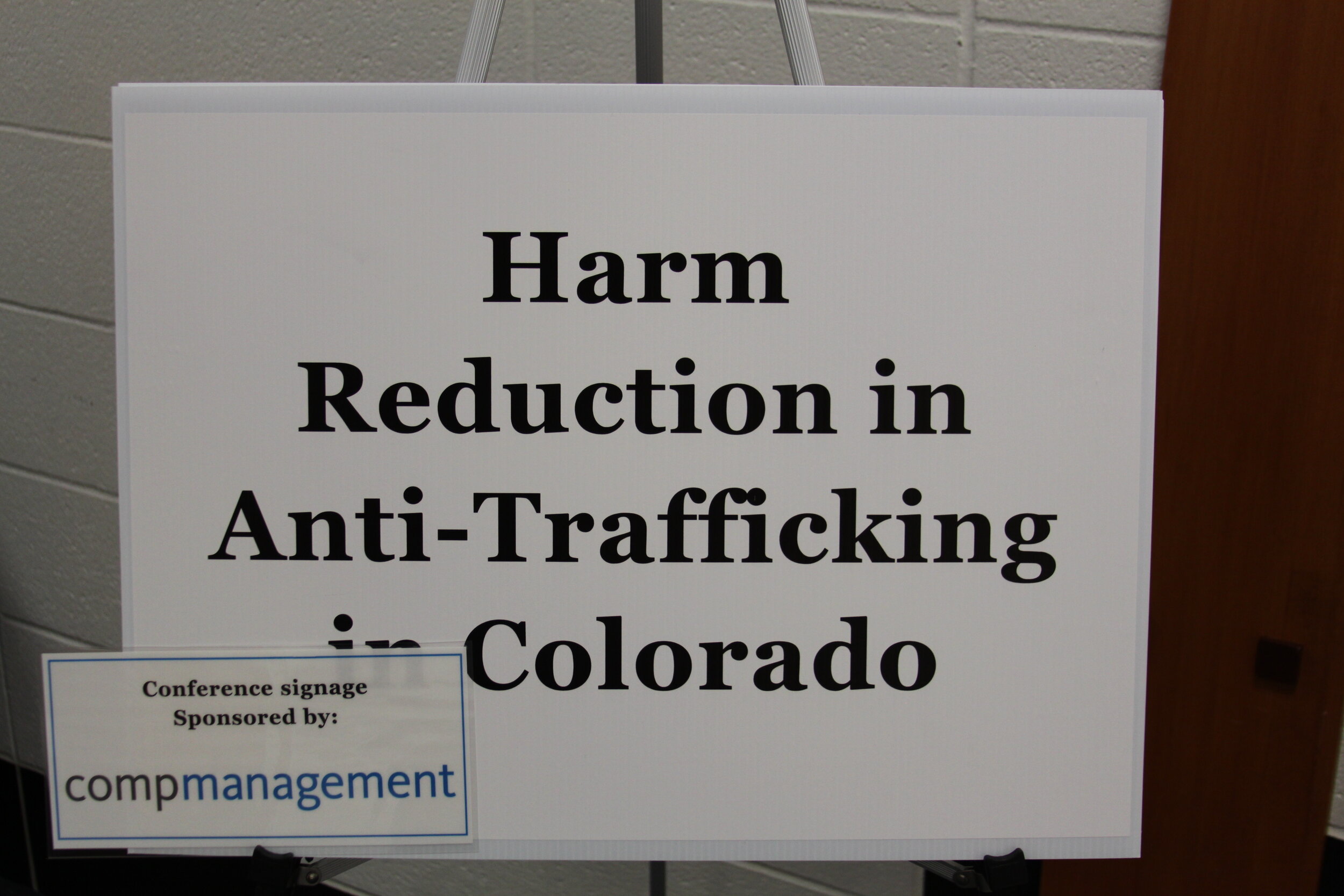
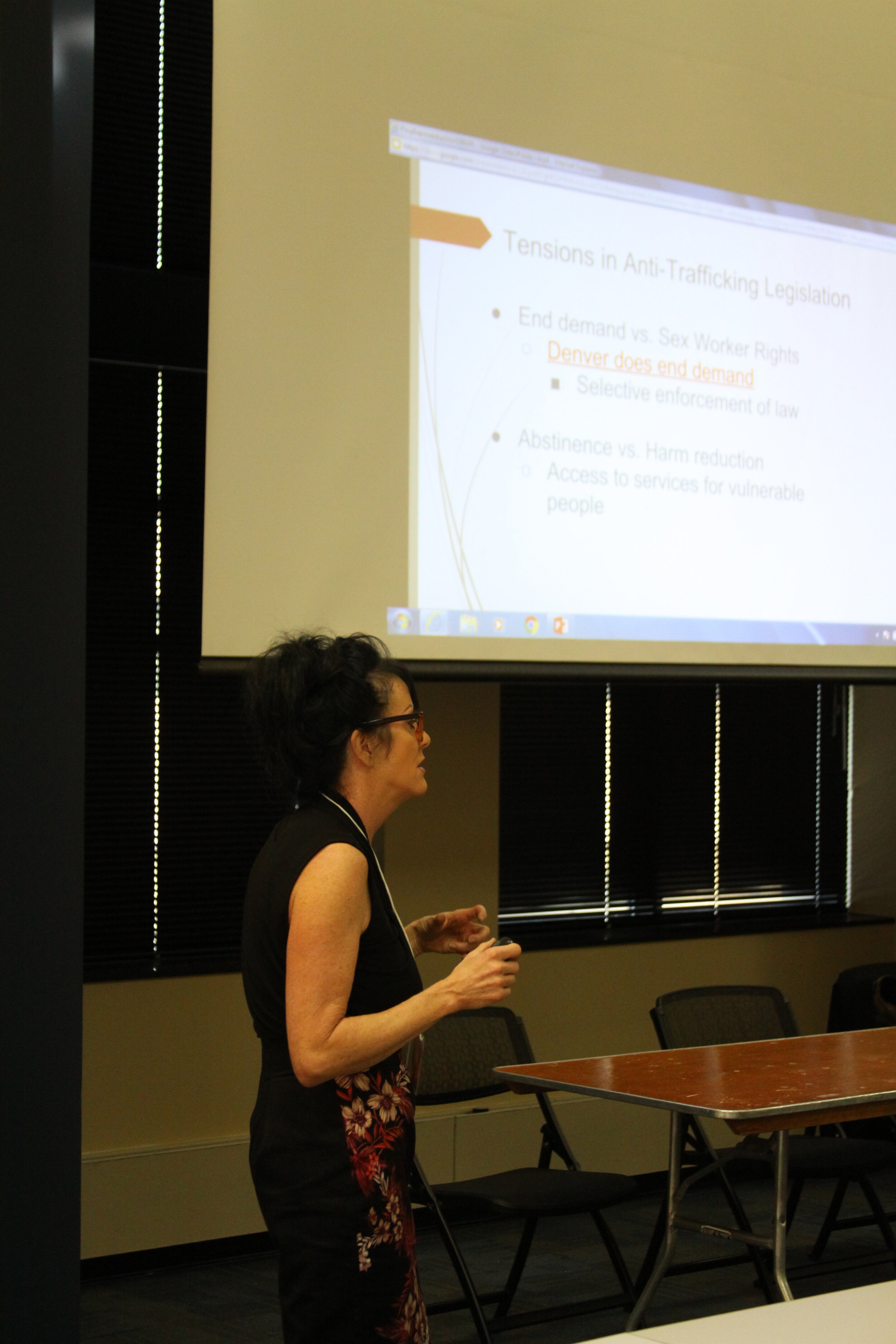
This presentation includes tensions in anti-trafficking legislation in Colorado, defining harm reduction in the anti-trafficking movement, and personal and policy strategies to help reduce harm. This presentation also includes statistics from the National Survivor Network on the criminalization of victims of human trafficking. Decriminalization as a means of harm reduction is also introduced.
Presentation Objectives:
- Define harm reduction in the anti-trafficking movement
- Describe personal and policy strategies to aid in reducing harm
- Introduce decriminalization as a means of harm reduction
10:15 - 11:15
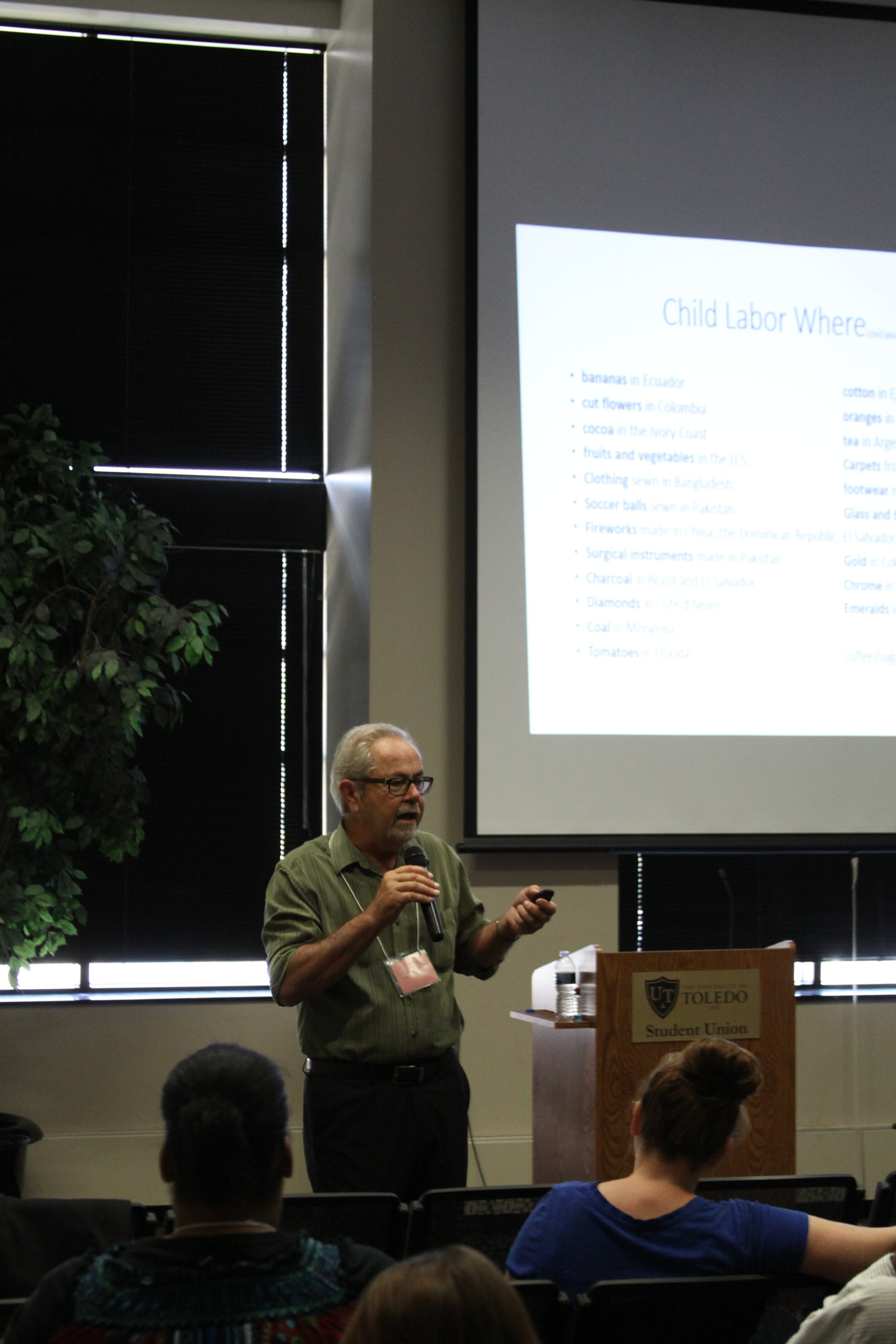
This presentation is about a successful program, which reaches students between ages 8 and 18 in summer camps and after school programs. It involves students in learning about how they may become victims of trafficking and how they can avoid it as well. It also shows how everyone is complicit in labor trafficking by purchasing products made by enslaved people. It teaches students how to avoid situations which may lead to becoming entrapped in sex or labor trafficking. It then shows them how art has been an agent of social change for centuries and how they can collaboratively work with other students to produce art with a message, which will then be exhibited to teach others. The presentation will show participants how they can use or adapt the program in their own communities.
Presentation Objectives:
· Teach participants how to adapt this program for their use
· Explain how the different parts of this program work together
· Discuss how collaboration and teamwork can reinforce information presented
· Encourage participants to appreciate the confidence building aspect of the program as part of the prevention effect
The term child soldier conjures up images of a war-torn, Sub-Saharan African child holding a battle-worn rifle, staring into the distance of an uncertain future. Their story is well known: a paramilitary organization entered an area and forcibly recruited children to engage in conflict—protecting arms, drugs, or “turf”. Through the marketing of the child soldier story and its emotional response, the international community has been moved to action through hosting awareness raising campaigns, generating mass donations for care, and establishing recovery and rehabilitation programs. There is no doubt that the international child soldier is viewed as a victim and is treated accordingly. But, what constitutes a child soldier and does national and international policy assign the label unfairly? Many domestic (North American) child gang members meet the national and international definition of child soldier, having been forcibly recruited to engage in conflict. Domestic gang members, however, are generally viewed as perpetrators of crime whereas international child soldiers are almost exclusively seen as victims of crime. This presentation argues that issues of race, borders, poverty, ethnicity, agency, American superiority, and prison industry profit have intentionally co-opted the definition of child soldier away from domestic child gang members and that a reconceptualization is necessary in order to address the issue.
Presentation Objectives:
· Describe what constitutes a child soldier
· Explain how domestic gang members are child soldiers
· Discuss the factors that lead society away from viewing domestic gang members
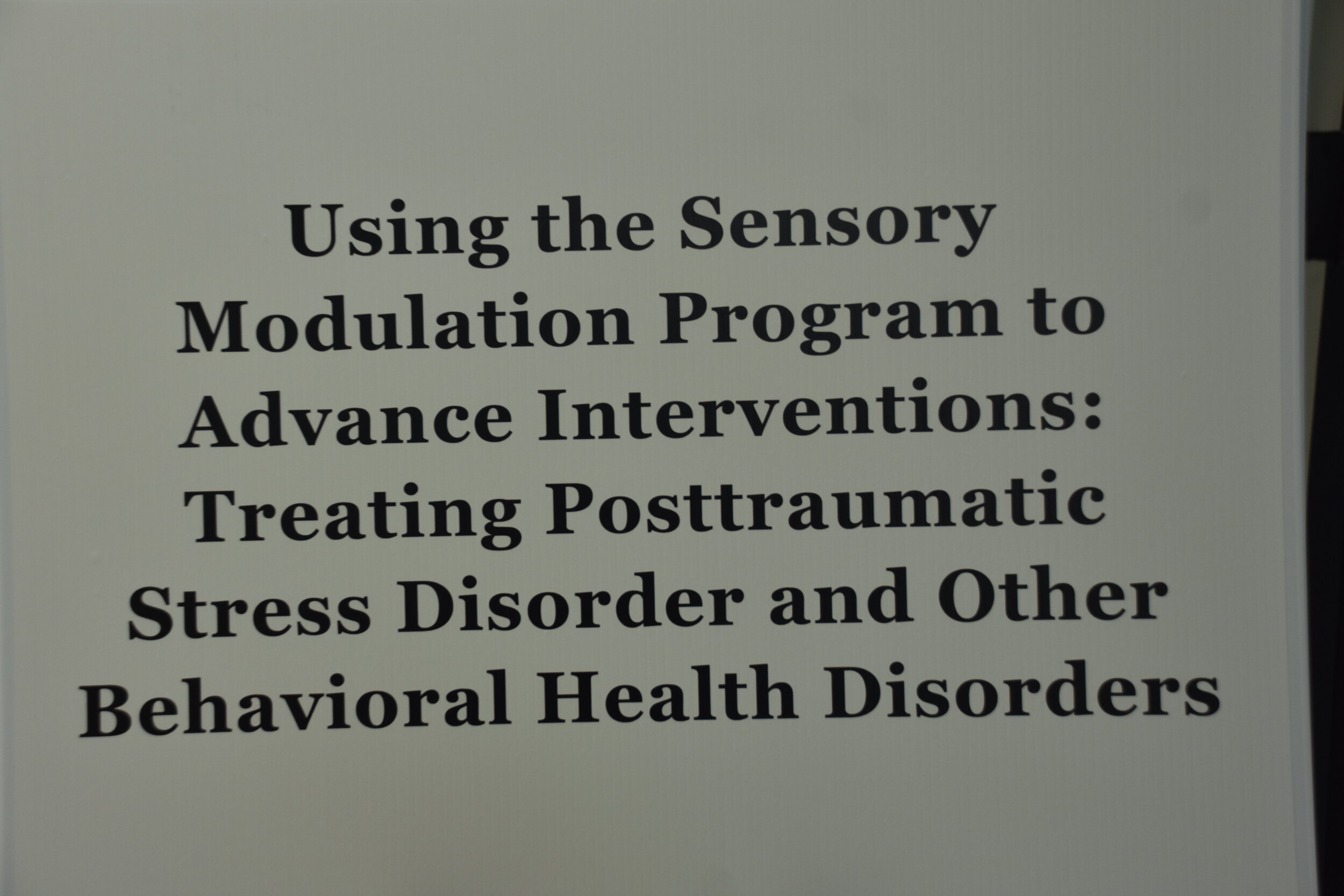
Human trafficking survivors are constantly reminded of their lived experience. They struggle with PTSD, Stockholm Syndrome, DID, nightmares, flashbacks, and memory loss. During their own trauma recovery, they fight against themselves to appear ‘normal’ and to survive in this alternate universe. Often the only help for them is to prescribe medication, psychotherapy, support groups, counseling, etc. All of these, and many other supportive services and resources, are needed; however, we are missing one of their most valuable resources: their bodies. Service providers can teach them to manage their stress and trauma episodes by regulating their own bodies response to these incidents.
Building personal resilience combines personal coaching or mentoring with scientifically validated tools to help individuals self-regulate responses to stress and build resilience. Often when a survivor has a nightmare, they wake up in a room or home with others that have no idea of how to help them. Developing and building personal resilience will result in mental clarity and focus, improved relationships, and an overall sense of well-being. During the presentation, a technique will be shared that will have immediate results. The effects of this presentation are not limited to survivors, but can be applied to anyone including individuals providing services for survivors. Introducing this valuable resource will help survivors continue to regain their sense of self and position them to help others safely.
Presentation Objectives:
· Discuss the trauma victims of human trafficking can experience and the importance of trauma recovery
· Share techniques to help survivors cope with trauma
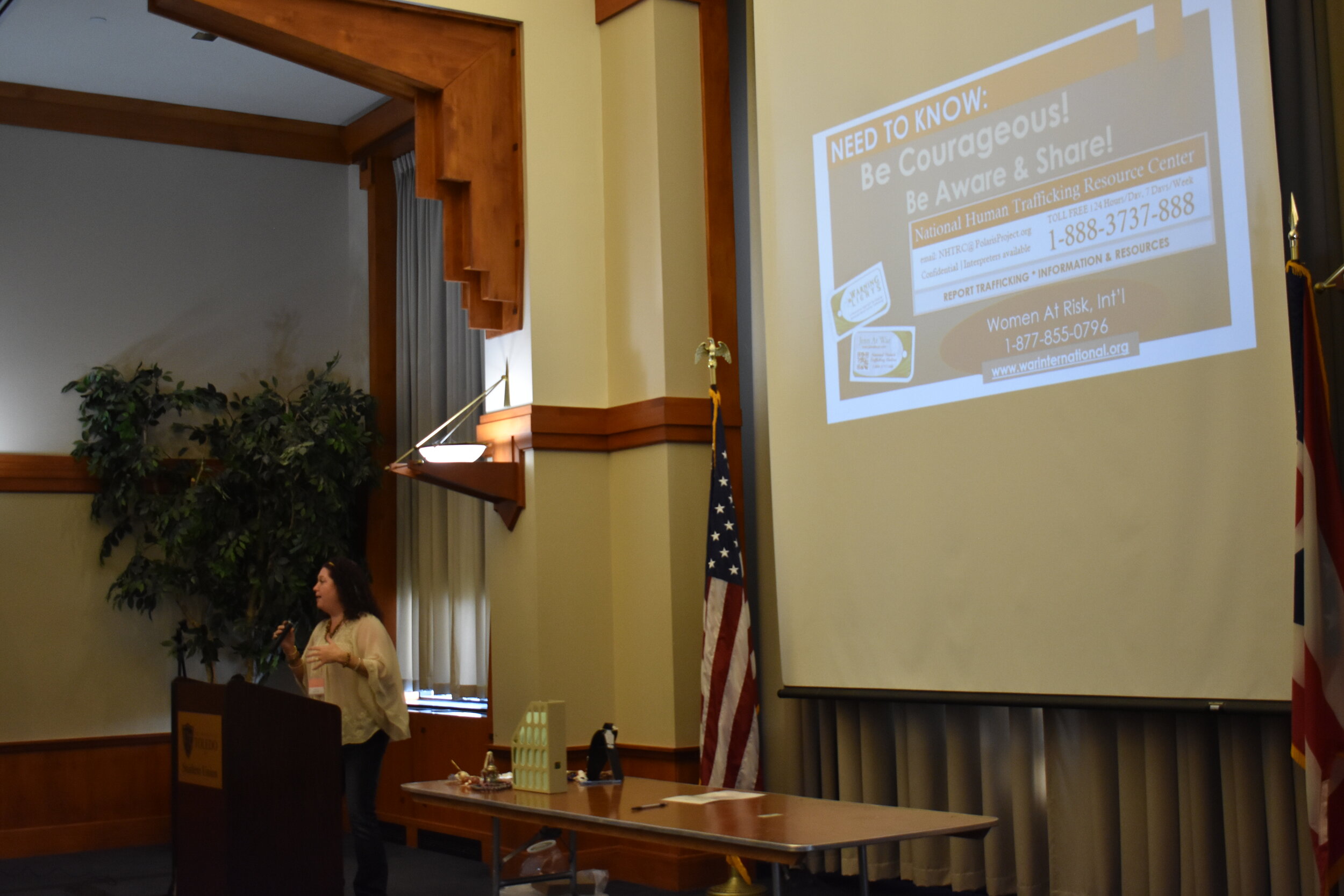
You’re invited to “pack a bag and grab that passport” as you embark on a multimedia journey around the globe with Women At Risk, International. This Michigan based, nonprofit organization was established to create circles of protection around at-risk women and children. Through culturally sensitive, value-added intervention projects and partnerships, they provide safe places to heal from abuse, trafficking, exploitation, and more. Each month, additional projects and partnerships are formed, increasing their ability to offer the rescued and at-risk a "hand-up" instead of a handout. You will experience some of their curative, supportive, and preventative programs that reach over 40 countries. Because this crime is targeting minors, you will be introduced to the highly successful youth prevention program, Warning Lights. This program (in its various forms) is making its way across the nation. It is fighting to protect our kids, teens, and young adults from the disguised lures of human trafficking. You will hear directly from “Jenn At War”, the author and program director, on how Warning Lights is being received by audiences, voted into school curriculums, and continually utilized by communities to create circles of protection for families. This emotional and memorable voyage will broaden your awareness, refuel your compassion for others, and reward you with new ways that you too can get involved.
Presentation Objectives:
· Describe the Women At Risk, International and Warning Lights programs
· Discuss how these programs are being utilized around the world
With respect to human trafficking, Minnesota has spent a decade building and refining its response to sex trafficking, but its response to labor trafficking is less developed. This presentation will examine the challenges and new opportunities for prosecuting labor trafficking and effectively protecting victims in Minnesota. The workshop will present findings from The Advocates’ recent report, Asking the Rights Questions: A Human Rights Approach to Ending Trafficking and Exploitation in the Workplace, which illuminates the current state of labor trafficking prosecutions in Minnesota and its impact on victims. The presenters will also draw on several recent cases from the Washington County Human Trafficking Unit to provide examples of advances in prosecuting labor trafficking under Minnesota law and analyze ways to further improve victim protection. Finally, the presentation will look at a new initiative by the Minnesota Department of Health to improve outcomes for child victims of sex and labor trafficking and how it will impact the investigation and prosecution of labor trafficking.
Presentation Objectives:
- Explain where Minnesota currently stands in terms of labor trafficking awareness, victim response, and prosecution.
- Explore recent labor trafficking cases for possible ways to expand Minnesota’s approach to labor trafficking and better protect victims.
- Discuss a new initiative to improve outcomes for child victims of sex and labor trafficking and its potential impact on prosecutions.
In 2014 The City of Edmonton was exploring changes to our municipal regulatory framework impacting Body Rub Centres as well as Escorts through the Body Rub Centre Task Force. This group consisted of law enforcement, social service providers, government officials, sex workers, and body rub centre owners. At this same time, the federal laws changed in Canada to decriminalize the selling of one’s own sexual services and re-focus enforcement on protecting victims of trafficking and exploitation, vulnerable communities, and hold buyers and traffickers to a higher account.
This session will explore how these criminal changes have impacted the work within our bylaws, the addition of another bylaw officer as well as a social worker to our City’s team and some of the work that this team is involved in, and the development of software, coined “Exposure”, which we are currently using to automate our online enforcement and outreach efforts.
Presentation Objectives:
· Basic overview of the recent changes to Canadian criminal law
· The City of Edmonton Body Rub Centre Task Force and recommendations to City Council
· Edmonton’s bylaws and municipal efforts to make the licensed adult services industry safer for workers
· The current use, and potential future uses, of our locally developed online adult listing software
At the conference, the presenters will explain the main results of the Spanish research project, Life trajectories that move away or bring closer to the trafficking processes of sexual exploitation (2013-2015). This project was funded by the Spanish Women’s Institute, Ministry of Health, and Social Services and Equality, and the main researcher was Dr. Lidia Puigvert. This project was developed at CREA Research Center at the University of Barcelona. Drawing on CREA’s previous work and scientific contributions on breaking the silence on violence against women in Spain, in the project the presenters shed light on a collective of victims who remained invisible for social service providers and law enforcement until the research was conducted. The aim of the project was to explore the life trajectories of young Moroccan women between 15 and 21 years old from poor and rural areas of Morocco. They were seeking to improve living conditions with a migratory project to Spain and the factors that bring them closer to sex trafficking. The study was developed using the Communicative Methodology of research (Puigvert, Gómez, & Flecha, 2011). They conducted fieldwork in Spain and Morocco during 2015, entailing a sum up of 30 qualitative techniques of research.
Presentation Objectives:
- Provide an overview on sex trafficking in Spain
- Show the identification of new realities and collectives of victims as young Moroccan women sex trafficked in Spain
- Discuss the challenges of research on sex trafficking with a social impact
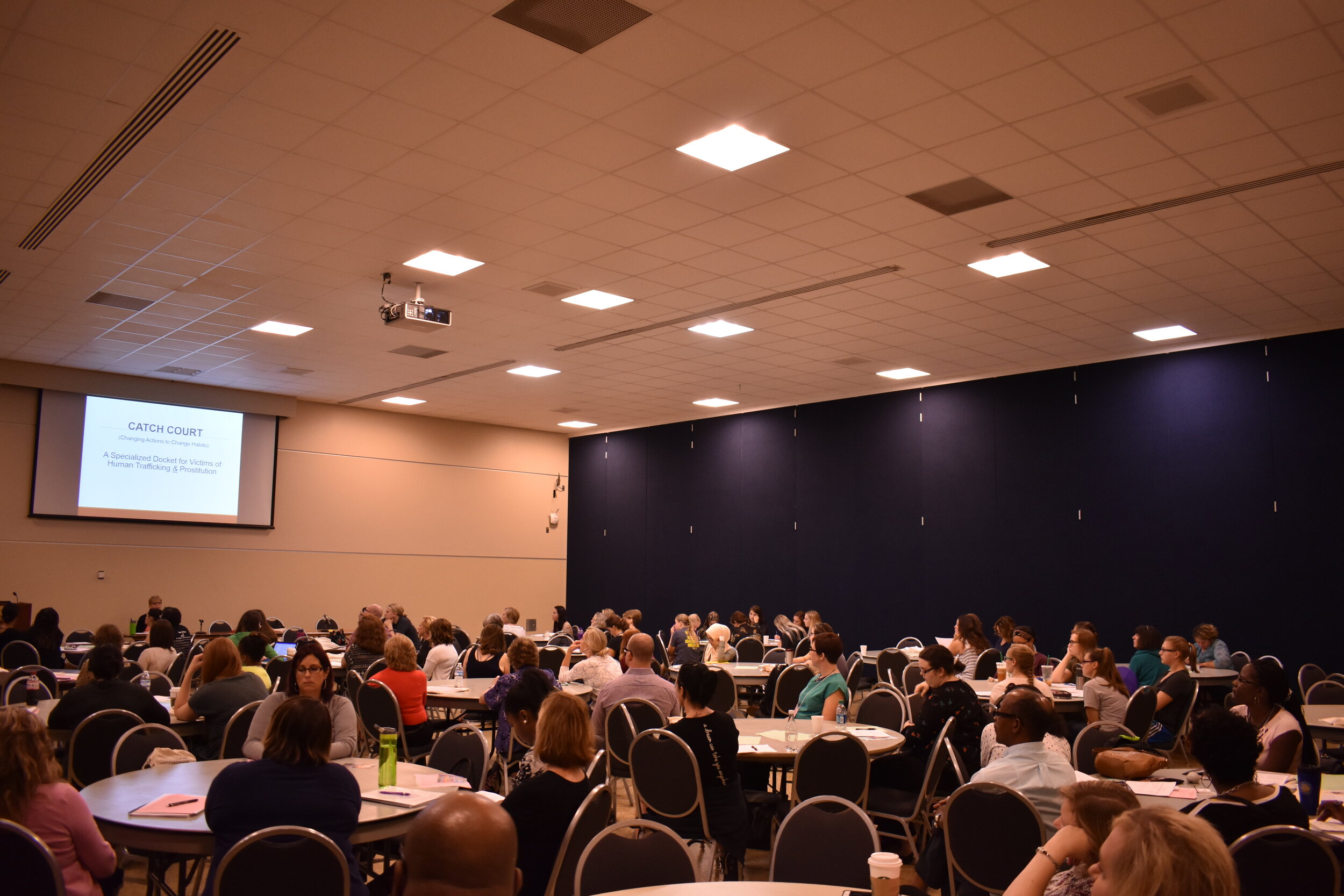
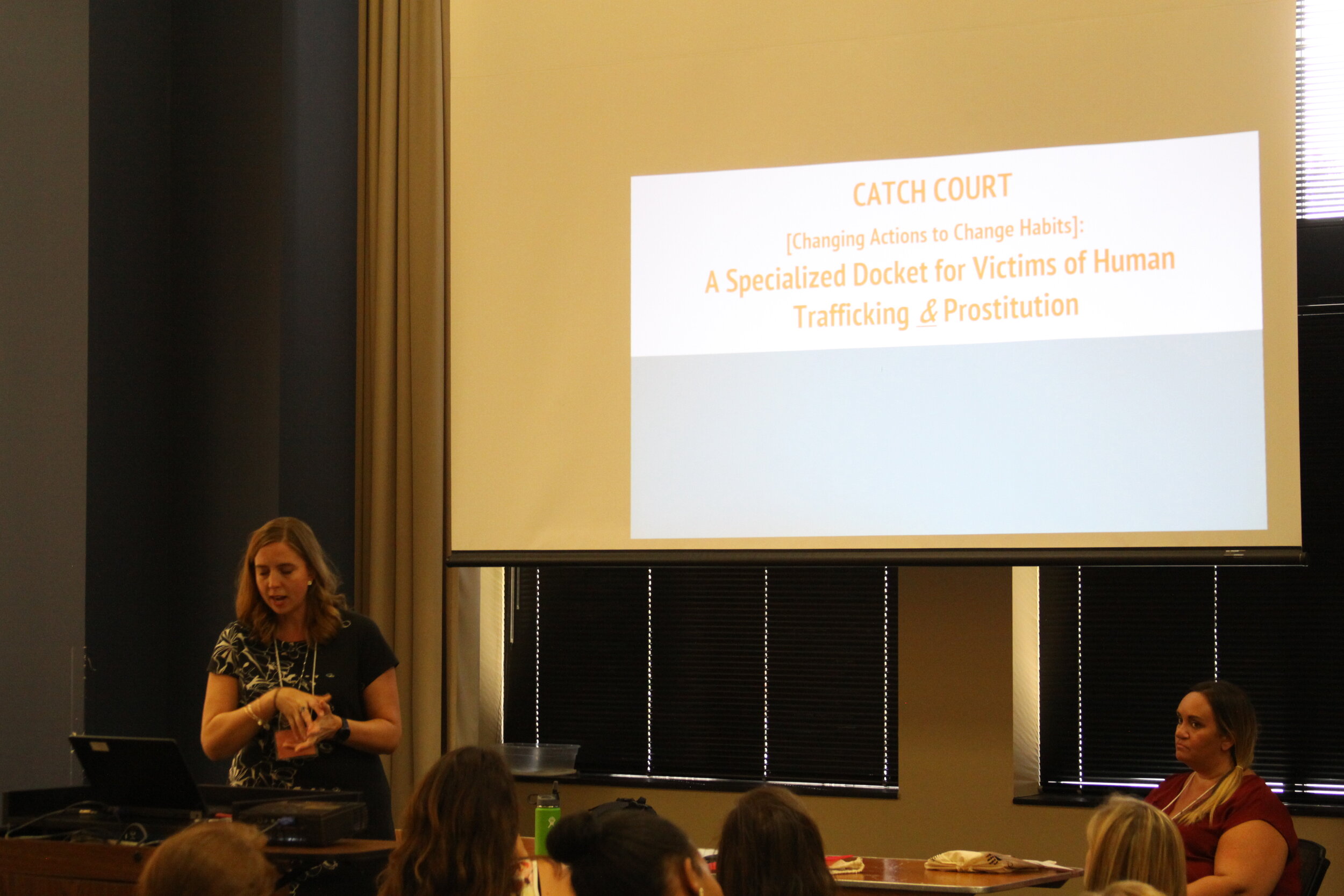
Sex trafficking is a notorious transnational and international crime (Muftic, Finn, 2013; Raimi, 2012). A common precursor to sexual exploitation is childhood trauma (Campbell, Ahrens, Sefl, & Clark, 20013; Wilson & Widom, 2010). The mental health concerns among sex trafficking victims include emotional, behavioral, social, and spiritual ramifications (Clawson, Dutch, Solomon, & Grace, 2009; Hodge, 2014; Zimmerman, Hossain, & Watts, 2011). Despite the myriad of individuals sexually exploited annually within the United States, scant research attention focuses on the sequelae of trauma and subsequent posttraumatic outcomes. The Changing Actions to Change Habits (CATCH) specialty court provides defendants charged with solicitation, the opportunity of comprehensive assessment and treatment services. The purpose of this pilot study is to empirically investigate the relationship between trauma histories and post-traumatic stress outcomes among individuals enrolled in the CATCH program.
Presentation Objectives:
- Identify CATCH court in Franklin County, Columbus, Ohio 2-year treatment-oriented non-adversarial program for women charged with solicitation
- Recognize salient trauma histories among women engaged in sex trafficking
- Identify complex mental health concerns of trafficked women
11:30 - 12:30
It is a continuing challenge to find informative and reliable data sources on human trafficking, where the global community acknowledges that the lack of such data is actually a key element of the issue. Police data on human trafficking is generally acknowledged to be limited; however, it can provide us with a view to what is happening in our communities through its content. Equally, the lack of information or the data void in police records, can be revealing in how police agencies are responding to human trafficking. This can help identify whether their strategies are working, whether their investigative focus is effective, and if their community partnerships are robust. This presentation will focus on knowledge gained through the research and micro analysis of 2014 to 2015 policing data from a major Canadian municipality, and look at elements of both offenders and survivors and how they differ from established norms across the human trafficking community.
Presentation Objectives:
· Inform the examination of how police agencies’ organizational structure and investigative placement may impact the agency’s capacity to investigative and confront this issue
· Discuss how the limitations on police data and consequently national crime statistics may provide further insight to support their work in combating human trafficking
TThe “Get Out” movie, by Jordan Peele, had such a striking resemblance to an incident that occurred to this presenter at a recent graduation party. She found herself frequently gasping during the movie. She documented her experience in a blog that bears the same name as my conference title, “Introduce me as Your Friend, Not Your Black Friend”. The presenter’s friend introduced the presenter to her parents as her “black friend”. Days after the introduction, she recalled several micro-aggression comments that she dismissed over the years, such as, “We all wish we could have rhythm like you,” and “I bet you were a pretty fast runner in high school.” While these comments seem fine on the surface, they are indirect, subtle, and oftentimes unintentional discrimination against members of a marginalized group. In the presenter’s case, being an African American woman, who is of mixed race, she would often rationalize away her feelings – that these comments did not seem right. In her life, the presenter has also spent time guarding herself against what Jordan Peele describes in his move as the “sunken place”. She realizes more people need to be educated on these topics and how to “stay woke”.
Presentation Objectives:
- Allow participants to examine, be aware of, and respond to micro-aggressive comments
- Describe how to recognize the “sunken place”
- Explain how to consider character, as opposed to race, when introducing someone
- Explain how to fully understand and train in your own identity to relate to others who are not like you
The Blue Campaign is the unified voice for the US Department of Homeland Security’s (DHS) efforts to combat human trafficking. Working in collaboration with law enforcement, government, non-governmental, and private organizations, the Blue Campaign strives to protect the basic right of freedom and to bring those who exploit human lives to justice.
Presentation Objectives:
· Describe the Blue Campaign
· Explain how the Blue Campaign is working to protect the right of freedom for victims of human trafficking and to bring traffickers to justice
Predominantly tackled from a criminal justice perspective, the US State Department’s Annual Anti-Trafficking in Persons Report highlights the number of prosecutions and convictions. But, what has been achieved by this focus on convictions? When the dust settles after law enforcement raid and rescue operations, what happens to the victims? The reality is that, with limited government resources, in countries like the Philippines, support services and care are only given to victims who cooperate in investigation and prosecution, in spite of state policies that mandate otherwise. Even for those victims who cooperate, the questions persist: are services provided for their full recovery and reintegration, or are these services provided only in aid of investigation and prosecution? Are they given services to prevent re-victimization? Or are they just “rescued,” counted, and documented, only to be “rescued” again and again? Such a cycle of raid, rescue, documentation, and re-trafficking would increase the number of investigations a country could conduct, and maybe even their prosecution numbers. Certainly, it would help on the road to Tier 1. With this emphasis on criminal justice, where is the voice of the victim? What is the meaning of ‘justice’ to victims of trafficking in persons? To answer these questions, this presentation will analyze selected case studies in the Philippines.
Presentation Objectives:
· Develop and promote an effective victim-centered approach to trafficking in persons
· Present case studies from the Philippines
The number of women who are incarcerated in US prisons has increased more than 800% over the past 20 years, and many women in the prison system have prostitution-related experience in their past. Although the prison population has exploded, the programs and services for women behind bars and re-entry opportunities for those soon released have remained spotty at best and non-existent at worst. This vulnerable population becomes even more at risk for falling victim to predatory management that can force them into exploitative situations, pushing them further into the margins. The stigma and shame that is already present for most women who have been in jail or prison is exacerbated by the lack of opportunities for employment and education upon release. This presentation outlines the work of the Sex Workers Outreach Project (SWOP) Behind Bars and their creation of a positive network between incarcerated sex workers and the sex worker rights community through the publishing of a national monthly newsletter, donating books to prison libraries, providing substance abuse recovery and trauma-informed material for self-facilitated programs, creating a pen pal program to further develop interpersonal relationships that are positive, providing scholarships for women who are incarcerated, and increasing their resources so they can successfully re-enter society after release from prison. Through their letters and direct communication, the presenter shares the voices of people behind bars who are reaching out for resources and community and share how, by working together and sharing stories, people impact other’s lives and, together, create social justice.
Presentation Objectives:
· Define the SWOP Behind Bars Program and what they have done in the community
· Discuss how to create a positive network between incarcerated sex workers and the sex worker rights community
· Share the stories of incarcerated sex workers
The problem of human trafficking does not exist in a vacuum, but rather is situated in the cultural values and norms of the societies in which it persists. When societies, such as that of the United States, are stratified by power, “isms” such as racism, sexism, and classism are prevalent. This prevalence and the resulting social capital differential between groups leads to a devaluing of subordinate groups of people, making human trafficking possible. Utilizing a social justice framework to promote diversity and inclusion work could lead to an understanding and reduction in human trafficking.
Presentation Objectives:
· Understand the cultural and social antecedents of human trafficking
· Relate macro level “isms” (racism, sexism, classism) to the micro level problem of human trafficking
· Articulate how diversity and inclusion work, as a social justice perspective, relates to social problems like human trafficking
12:30 - 1:30
Lunch by Carolyn’s Catering
Auditorium
1:30 - 2:30
Goodwill has been awarded a $1.36 million federal grant to provide training, case management, mentoring, and employment services to incarcerated adults transitioning back into the community. Goodwill will serve approximately 170 men and women who are in work release programs, recovery houses, and residential release centers. They have placed many individuals back into the work force. In addition, the program is operated by all restored citizens who have served time incarcerated.
Presentation Objectives:
· Describe the program that Goodwill will introduce as a result of federal grant funding
· Describe the reasons and importance of effectively integrating citizens returning from prison back into the community
The mental health concerns among sex trafficking victims include emotional, behavioral, social, and spiritual ramifications (Clawson, Dutch, Solomon, & Grace, 2009; Hodge, 2014; Zimmerman, Hossain, & Watts, 2011). The Changing Actions to Change Habits (CATCH) specialty court provides human trafficking survivors charged with a crime, the opportunity of comprehensive assessment and treatment services. With no evidenced-based treatment interventions for survivors of human trafficking, it is important that people glean best possible practices from what is already available. Trauma-competent interventions and experiences will be discussed.
Presentation Objectives:
· Overview of CATCH Court
· Review of best practices that are currently available
· Discussion of trauma-competent interventions
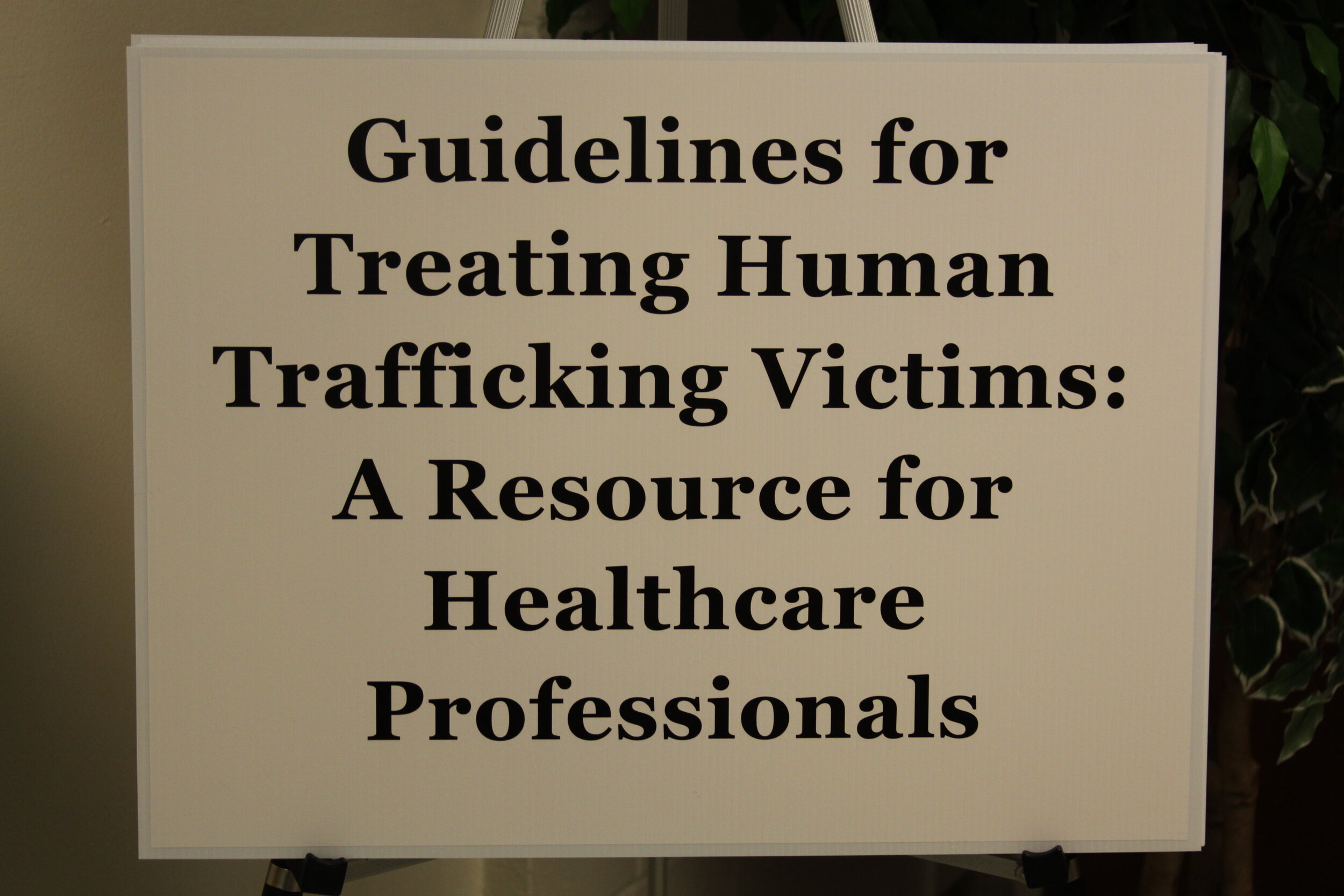
This presentation will discuss methods for educating healthcare professionals to recognize and respond effectively to suspected victims of human trafficking. The presentation consists of a one-hour film outlining the guidelines developed for the four Cleveland area health systems (Cleveland Clinic, MetroHealth, Sisters of Charity Health System, and University Hospitals). This resource, along with a manual, were created in response to the need for common guidelines among the health systems in order to assure improved quality of care and interdisciplinary communication among area healthcare providers, law enforcement, and social service providers. The film features local physicians, nurses, a social worker, law enforcement personnel, and a survivor.
Presentation Objectives:
· Define the role of the healthcare professional in responding to human trafficking
· Discuss the guidelines for responding to potential victims of human trafficking who may be encountered in local health facilities
· Present the community partners with whom health providers need to establish strong working relationships
The purpose of this session is to present the current literature on global labor and sex trafficking among refugee and asylum-seeking populations, as well as the conditions that contribute to sex and labor trafficking risk among refugees/asylum-seeking populations. This presentation establishes a baseline of knowledge regarding what is currently known about sex and labor trafficking in refugee/asylum-seeking populations, and seeks to start a conversation and an agenda for further research, as well as for policy and practice.
Presentation Objectives:
· Present current literature
· Discuss the conditions among special populations
· Start a conversation and agenda for further research, policy, and practice
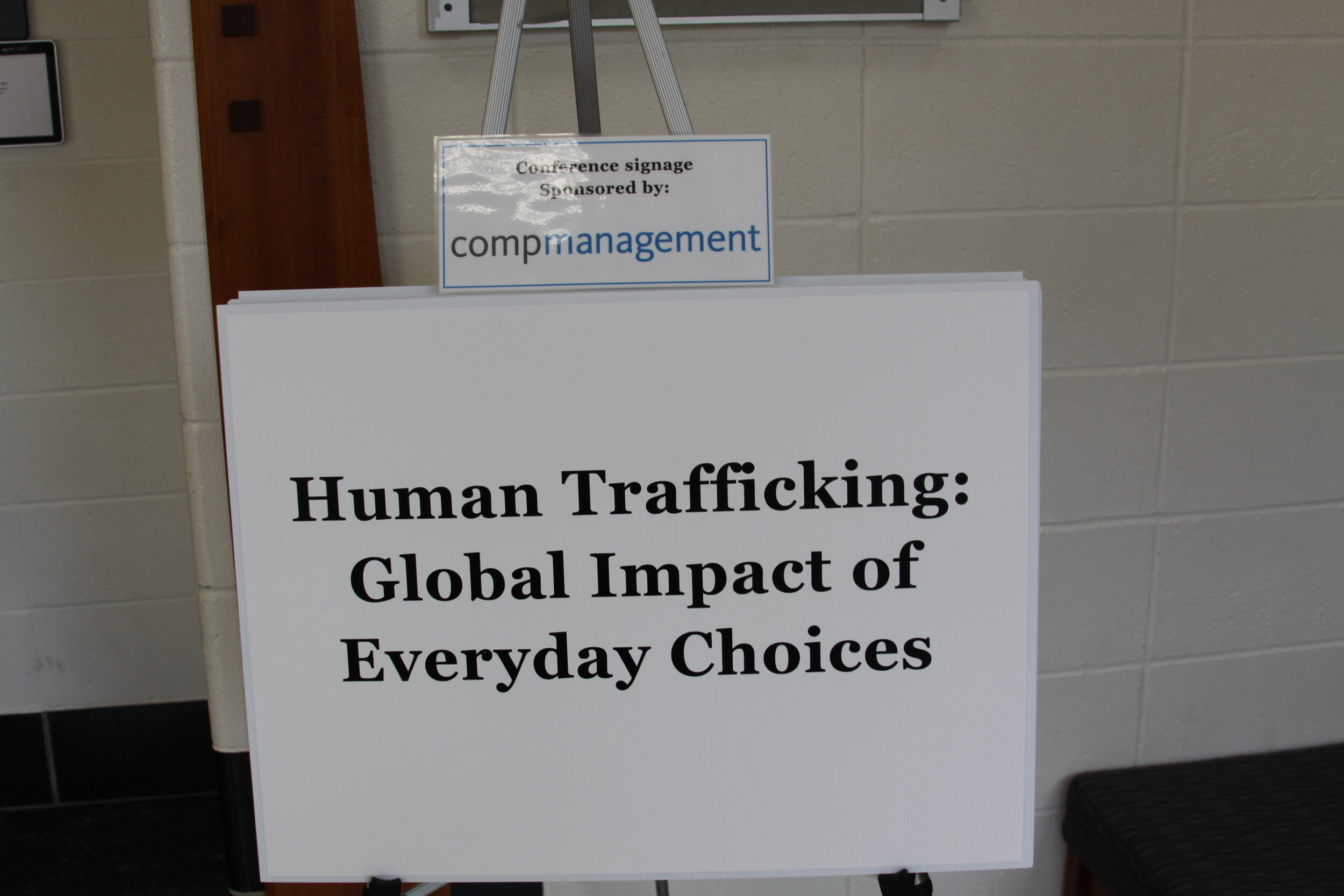
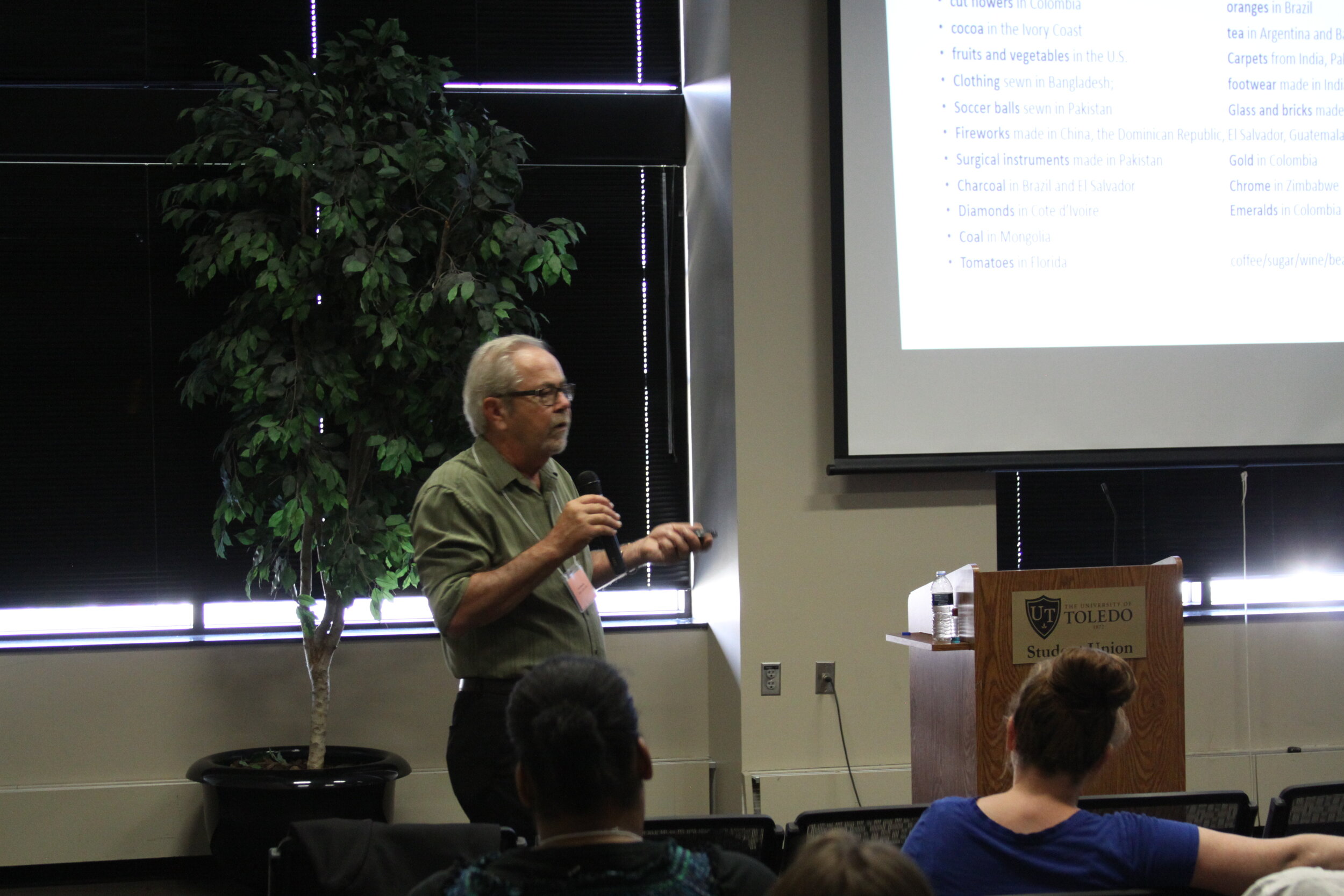
People’s everyday choices they make have implications that reverberate around the globe. As social workers, we care profoundly about people around the globe. Dire consequences are felt through modern day slavery, and most are unaware of how daily choices impact people and the environment leading to slavery, Mother Earth's destruction, refugee migration, and conflict among the most vulnerable people.
Presentation Objectives:
· Discuss how everyday choices can impact people around the globe
· Explain how these choices may lead to an increase in human trafficking and environmental, political, and social issues
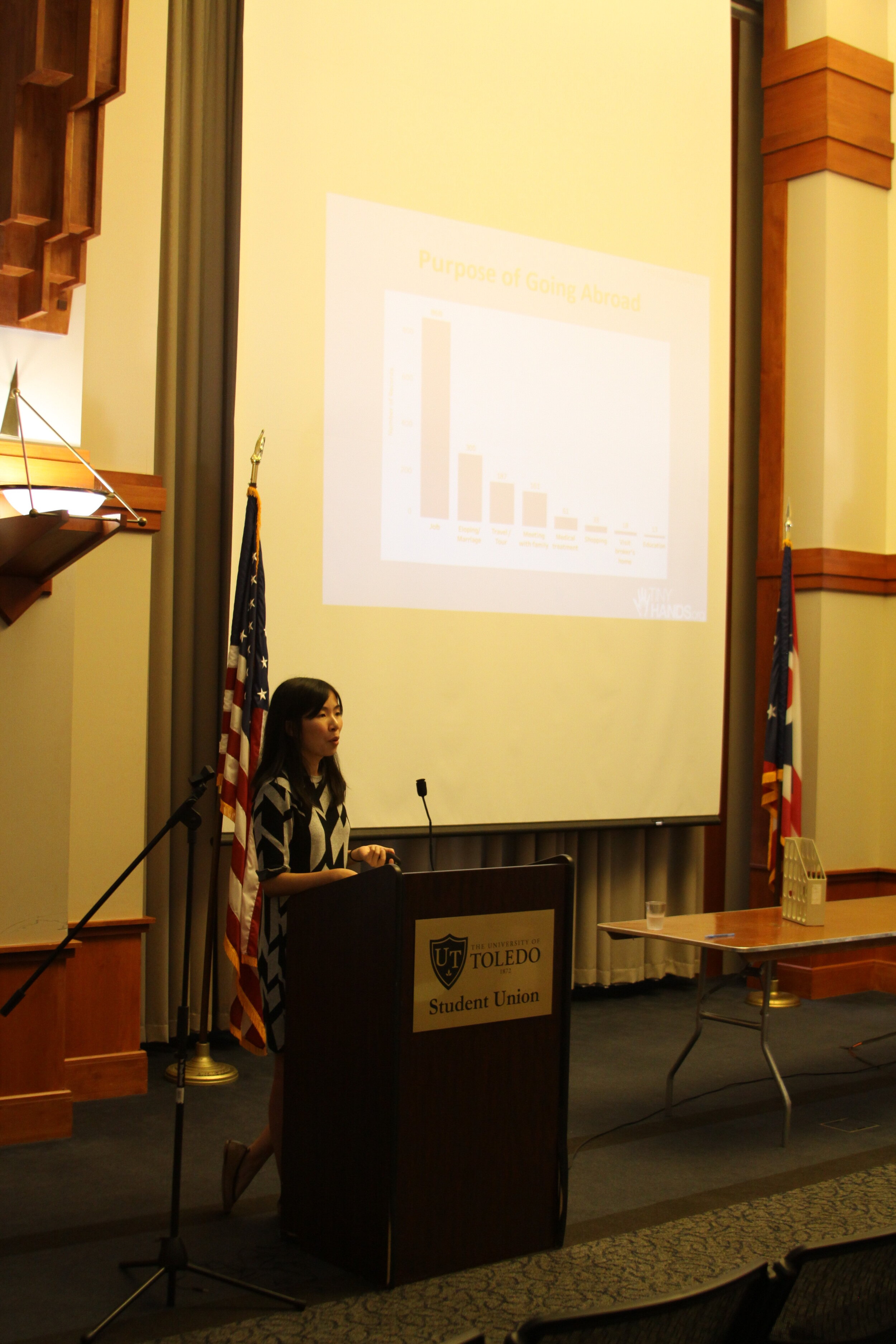
At the border between Nepal and India, citizens are free to cross without being required to show identification. The porousness of the border has led to the flourishing of human trafficking from Nepal into India. In response, Non-Governmental Organizations (NGOs) began setting up unofficial checkpoints along the border to identify and assist women and girls whom they believed were being trafficked. Tiny Hands Nepal (THN) is an NGO that operates 20 border-monitoring stations in Nepal. THN began border-monitoring in 2006 and has collected extensive data from thousands of intercepts, including demographics of the trafficking victims (i.e., age, gender, education, economic status, and employment), motives for going abroad, recruitment methods, promises offered, relationships to traffickers, trafficking routes, and destinations. THN also facilitates the filing of legal cases against traffickers. This presentation will do a case study of approximately 30 convictions to analyze: 1) what substantive and procedural factors may lead to a successful conviction; 2) what proportion of intercepts lead to legal action; and 3) the factors relevant to whether legal action is taken.
Presentation Objectives:
· Provide findings from over 4 years of data collected by THN about trafficking from Nepal to India
· Identify trends and compare them with the prevailing understanding of human trafficking trends in Nepal
This presentation will provide a road map on how to best use one’s organization to make a positive impact with respect to hiring, training, and supporting individuals coming from challenging backgrounds. Ohio incarcerates 53,000 individuals yearly at a cost of nearly $30,000 per person (this does not include the costs associated with our county jails). CleanTurn Enterprises leverages two brands (CleanTurn Demolition Services and She Has A Name Cleaning Services) to provide fair chance employment to those impacted by incarceration, addiction, human trafficking, and other challenging backgrounds. They have employed over 500 individuals in their first five years without the aid of public grant dollars, thereby creating a self-sustaining model of strong social impact. Communities most impacted by incarceration need us and this is why we exist!
Presentation Objectives:
- Provide a road map on how to best use one’s organization to make a positive impact
- Describe CleanTurn Demolition Services and She Has A Name Cleaning Services
- Describe the importance of providing fair chance employment
2:45 - 3:45
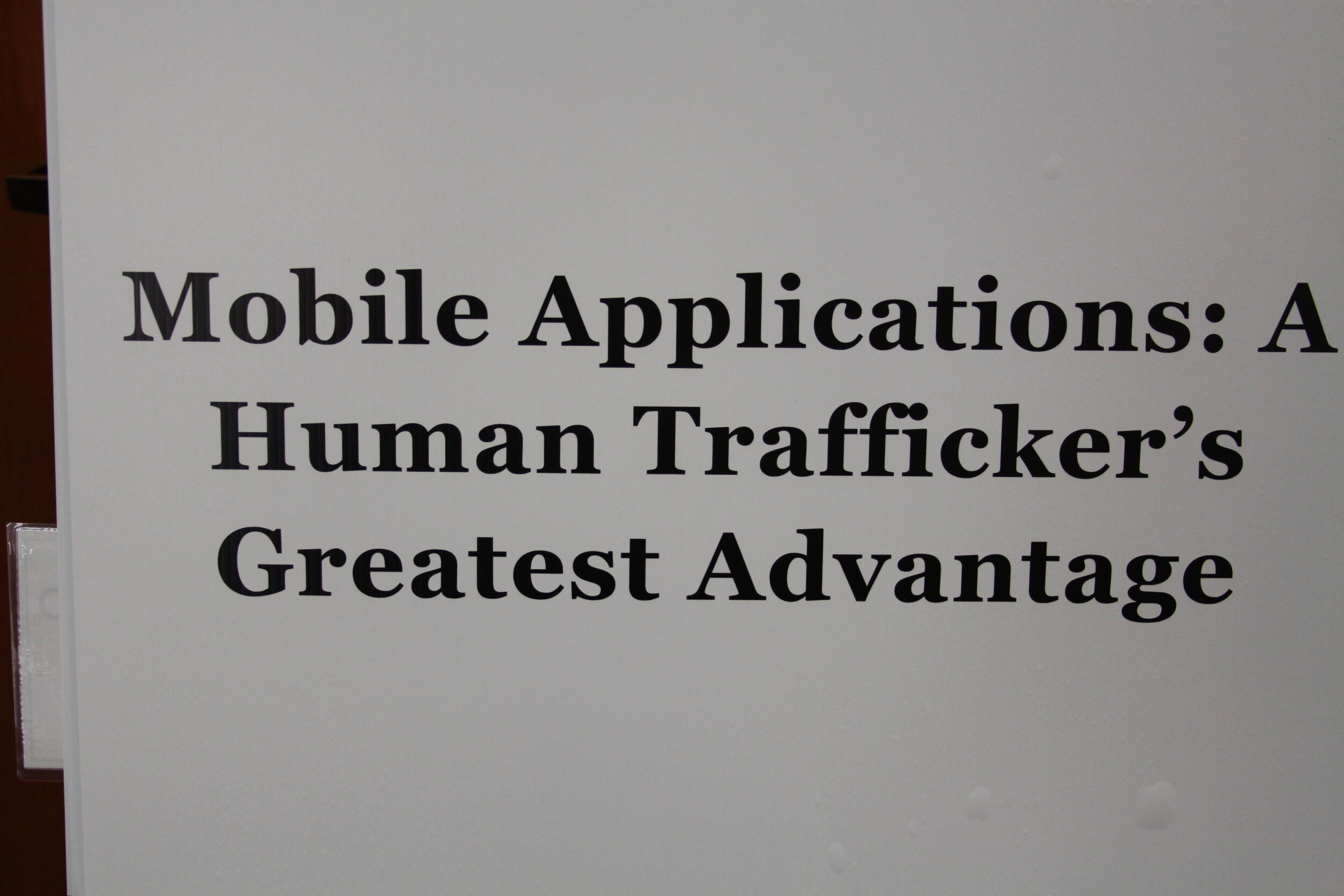
The evolution of technology is opening doors for human sex trafficking using an online commercial advertising environment. The internet has enabled traffickers to advertise the services of their victims via web and cell phone dating, classifieds, and commercial sex platforms. This presentation is designed to aid public safety partners in identifying the current most popular sex trafficking web sites and cell phone applications, terminology used by victims and pimps, tattoos that may be identified in sex advertisement photos, the use of the Spotlight Program, how to safely navigate sex trafficking platforms, and what to do if you identify a possible trafficking situation. Topics that will be covered in this presentation include Backpage adult services section closure and its effects on the industry, a review of the top trafficking sites (Backpage, Craigslist, Locanto, Erotic Mug Shots etc), an overview of tattoos/branding and terminology, what to do when a suspected sex trafficking advertisement or internet application is found, and open source websites that can provide information and programs that can assist in investigations.
Presentation Objectives:
· Brief overview of human trafficking
· Discuss online and cell phone application commercial sex advertisement
· Present examples of advertisements
· Review the indicators of a possible trafficking victim ad
· Discuss the terminology and symbols associated with these sites
Multidisciplinary teams (MDTs) exist in a variety of different settings. The question is how well developed is the team and how effective does the team function? Some teams suffer from barriers such as professional mistrust, issues with confidentiality, lack of support from administration, and overall lack of knowledge of what team members may bring to the table. In this interactive workshop, participants will examine the strengths and barriers of MDTs, how improved communication and collaboration foster a healthy environment for team collaboration, and help team members navigate tough discussion that have the ability to impact the client population served.
Presentation Objectives:
· Explain the members and roles of an MDT and how a lack of communication and/or collaboration can affect clients
· Explore the strengths and weakness of the MDT model
· Explain the process of forming an MDT
· Describe ways communication and collaboration can assist in the development of effective teams for the safety of the client
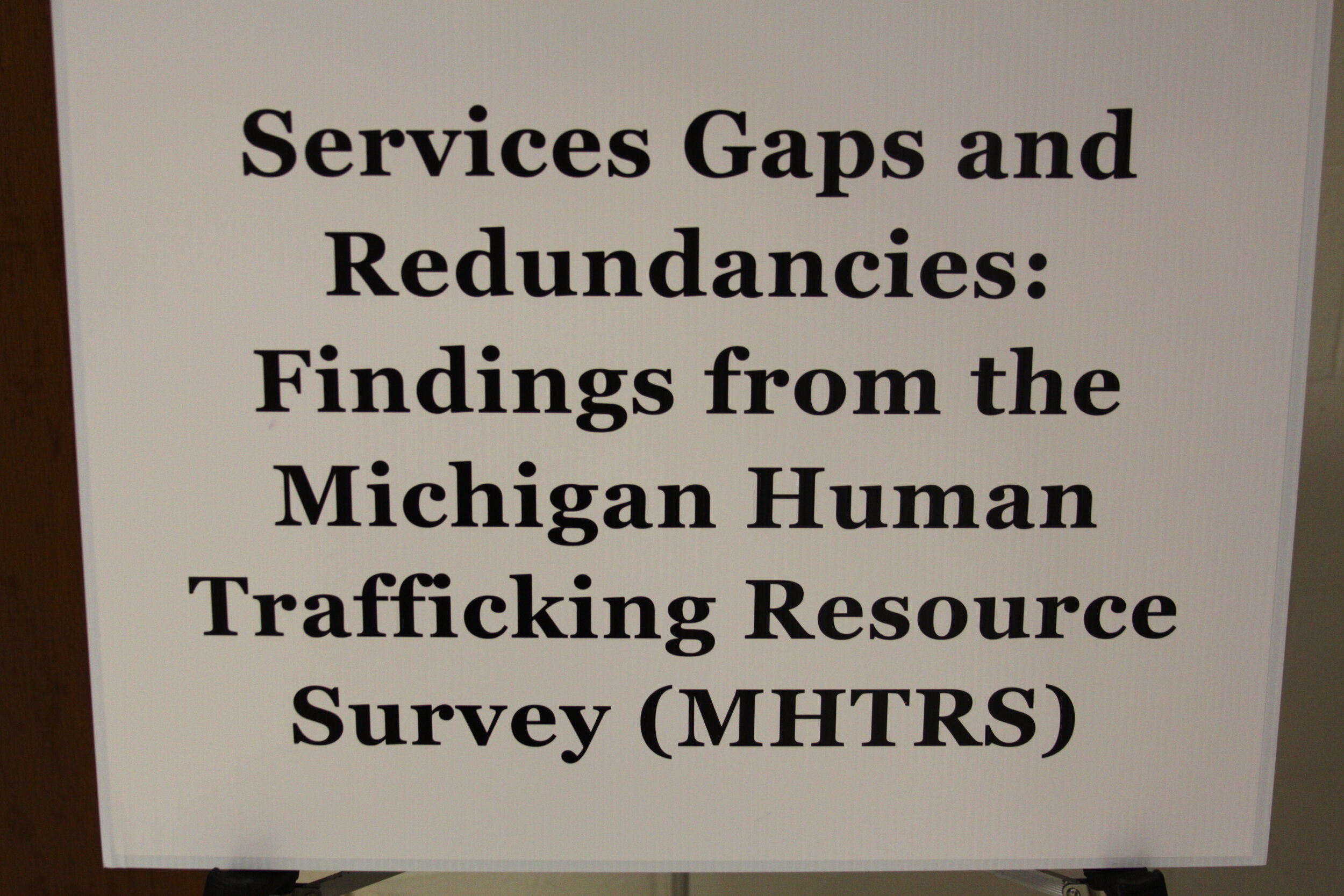
In this session, initial findings from the Michigan Human Trafficking Resource Survey (MHTRS) will be presented. A comprehensive statewide survey of public service agencies and advocates was conducted from May to August 2017 in order to assess the state of anti-trafficking resources in Michigan. Human trafficking is a pernicious problem whose harms are exacerbated by inadequate data, a lack of interagency collaboration, and persistent misconceptions about factors that make individuals vulnerable to exploitation. Despite increasing public awareness and a rise in the number of anti-trafficking humanitarian organizations, survivors and advocates report significant barriers to accessing help they need. Based on data from the MHTRS, this session explores this problem by examining gaps and redundancies in anti-human trafficking resources in Michigan: what services are being offered, by which types of organizations, and for which groups of individuals. The MHTRS research sample consisted of 317 organizations identified through referral lists provided by members of the Joint Anti-Human Trafficking Task Force (JATT), ethnographic research, and a purposeful sampling of organizations identified as geographically and culturally representative of service providers in the state: government agencies, health and human service providers, advocacy groups, and allied agencies in education and the faith-based community from throughout Michigan and Indian Tribal Nations. As of July 2017, 195 organizations completed the survey for a response rate of 62%.
Presentation Objectives:
- Present findings from the Michigan Human Trafficking Resource Survey (MHTRS)
- Explore the barriers, redundancies, and gaps in anti-human trafficking services
- Identify culturally appropriate interventions, trauma-informed approaches, trafficking terminology, and best practices involving survivor-leaders in the design and delivery of care.
The rape of children in America is shared every day in videos, photos and live-steams. Evidence of this crime is often displayed on the internet and in high volume. These types of crimes against children continue, in part, because of our collective denial and inaction. This presentation will provide an overview of over 1,000 child pornography arrests that will appear in Lori’s upcoming book, "Epidemic: America’s Trade in Child Rape." Findings from analyzed data include a common predator profile and themes of common responses from the institutions in which these predators worked. The presenter will provide information on the steps institutions and organizations need to take to ensure sexual predators are held accountable, and to decrease the likelihood that predators are hired. Discussion about preventing this type of child abuse will also take place.
Presentation Objectives:
- Provide an overview of child pornography arrests
- Review common predator profiles
- Discuss steps necessary to ensure predators are held accountable
- Explore ways to decrease the likelihood predators are hired
- Discuss ways to prevent child abuse
This presentation aims to analyze trends in maritime-based and coastal human trafficking and smuggling in sub-Saharan states, specifically in East and West Africa. The presentation is part of a long-term collaborative research project of the One Earth Future Foundation that examines the extent of criminal maritime activities off coastal sub-Saharan African states. Mixed maritime migration has garnered attention in recent years in the Mediterranean Sea, but the Atlantic and Indian Ocean regions have largely been neglected. This presentation goes beyond an analysis of trends in maritime migration by examining whether increased security measures, including naval patrols by littoral states, have encouraged potential victims of smuggling to take more perilous routes through the Sahara Desert to reach their European target destination, during which their vulnerability to trafficking increases. The presentation, thus, offers a new perspective on how security policy has altered, rather than prevented migration. First, the presentation will examine historical regional routes in terms of frequency and destinations. Second, the presenter will discuss if and how security policy has altered routes to increase trafficking victim vulnerability. The presentation will assess whether a more nuanced security structure is needed to address the prevention component of trafficking. Lastly, linking changes in routes to illicit migration patterns will be explored.
Presentation Objectives:
- Present a perspective that can inform strategies to innovatively address existing responses to human trafficking
- Contribute to a larger discussion on localizing approaches to human smuggling and trafficking
This presentation will provide an overview of the political framework that has surrounded human trafficking in South Dakota and the many ways that it is currently being changed through the passing of new legislation. The male-dominated government positions typically have more influence and decision-making power. Women in government are challenging this, and are working to bring people to the table for conversations that challenge their long-held beliefs. Creating alliances of women from all socioeconomic backgrounds is important in order to partner together to combat trafficking. Additionally, it is important to utilize the current systems in place, including government programs, to use a systemic approach in identifying and combating trafficking in the Midwest.
Presentation Objectives:
- Discuss the political framework that has surrounded human trafficking in South Dakota
- Explain the importance of alliances by women of all socioeconomic backgrounds to partner together to combat trafficking.
- Discuss the importance of utilizing the current systems in place
The PATH (Partners Against Trafficking in Humans) Project is a community-wide, coordinated, transparent, and data-driven response to serve victims of human trafficking. The PATH Project was developed using a combination of the Office for Victims of Crime Comprehensive Services Model, the Pathways Model (a successful model used to increase the healthy births of high-risk babies), and elements of social work practice. The goal is to provide intensive and comprehensive services that move victims to survivors and survivors to thrivers. The vision is for the PATH Model to become an evidence-based model to be shared with other communities. Attendees will learn the components of the model and the experience of practitioners that are implementing the model.
Presentation Objectives:
· Describe the components of the PATH Project and the PATH Model
· Explain the continuum of care (including conceptual definitions of a victim, survivor, and thriver)
· Present the basic findings from PATH Model data analysis
4:00 - 5:00
People use shame to stigmatize and classify social behavior. The presenters are interested in addressing why “slut shaming” is still acceptable within our system. People hear and experience slut shaming from law enforcement used as a tool to dehumanize others; from the rescue industry and health care professionals who should be part of our support system; from a legal system which divides people by class and demographic; and, most surprising, from peers in sex work as part of the whore-archy. In sharing the presenters’ experiences, they hope to identify opportunities for conversations about the harm that slut shaming does within our systems. The presenters feel that awareness of language used is a step towards educating others to be conscious of offensive slut shaming terminology and behavior. Everyone can work to reduce shaming as a tool, and increase constructive interactions in our systems.
Presentation Objectives:
- Define “slut shaming”
- Identify user groups of slut shaming
- Review steps for educating others of the effects using derogatory language has on individuals
- Increase constructive interactions
This presentation includes detailed information of what the sexual assault nurse examiner is able to do for victims of sexual assault. There will be an explanation of the extensive training the nurse must complete to be considered SANE-trained, how the patient benefits from a sexual assault exam completed by a trained SANE nurse, and explanation of the team approach, and what is included in a forensic exam. The presentation will conclude with a few case studies of patients that were seen and treated by SANE-trained nurses.
Presentation Objectives:
- Explain SANE nurse extensive training
- Provide information on the patient benefits from a sexual assault exam being completed by a trained SANE nurse
- Discuss the team approach and what is included in a forensic exam
How to avoid burn out as a social service worker will provide practical steps you can use immediately in order to prevent or reset from burnout. If you are experiencing physical, mental, or emotional burnout or if you want to prevent future burn out, this session is designed for you.
Presentation Objectives:
· Teach participants to identify early signs of burnout
· Explain the art of listening to oneself
· Discuss how to measure self-progress
· Describe the 7 principles from the acronym "L.E.T. I.T. G.O." in order to live a balanced healthy life
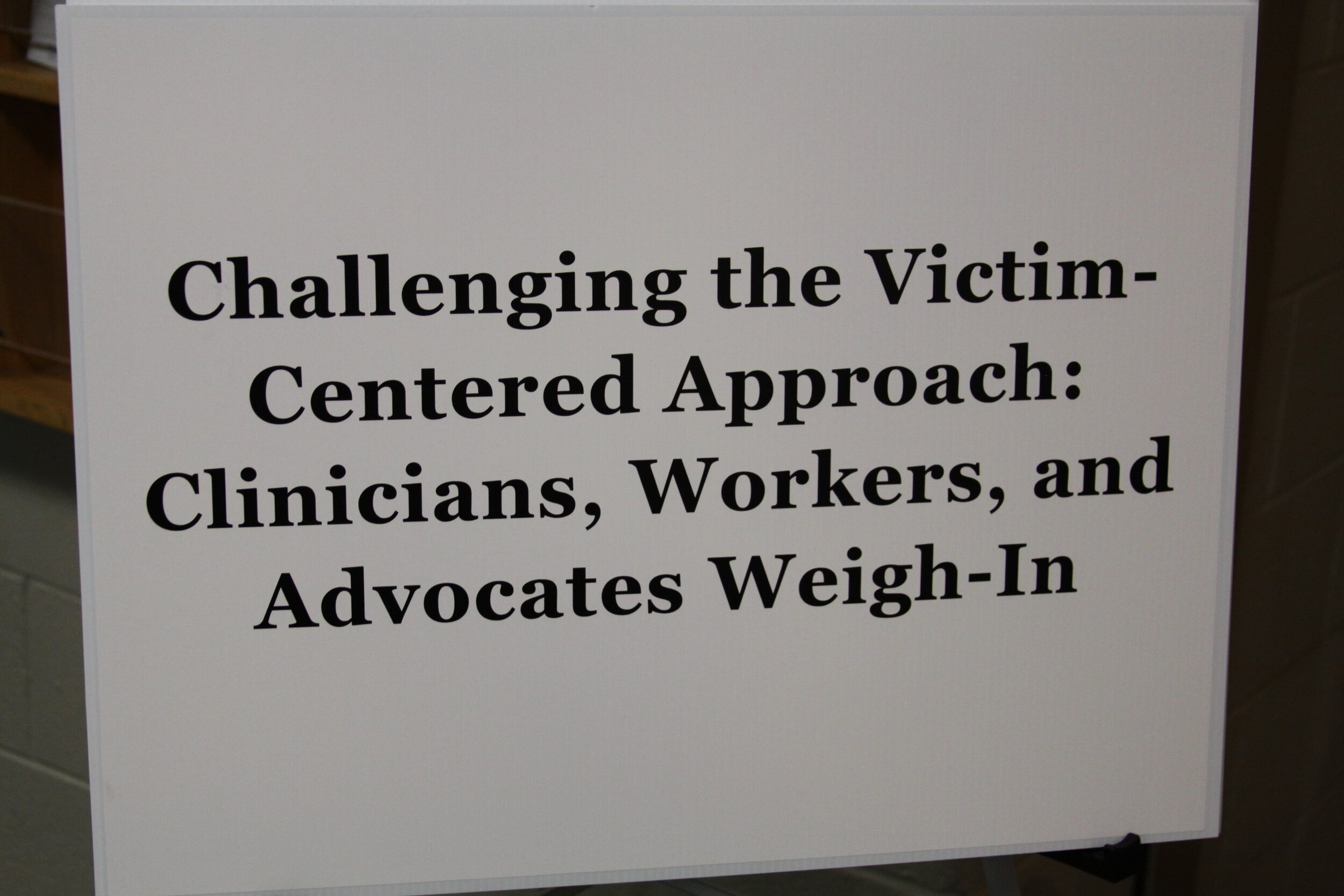
As sex worker advocates and clinical social workers, these presenters aim to challenge the victim-centered approach to working with people in the sex trade. The presenters work from a harm-reductionist/risk-management perspective, drawing from experiences in community mental health and sex worker advocacy to better educate the audience on what the experience of sex work looks like for individuals of different race, gender, and economic status. Drawing on interviews, advocacy, and counseling with sex workers, the presenters will discuss how intersectionality and type of work influences people's experiences in the sex trade. As both sex worker rights organizers and clinical practitioners, they will highlight the challenges and successes they have had in providing direct services to individuals who have engaged in sex work. They will also use these experiences to critically consider the trafficking narrative and explore how that narrative may hinder our society's approach to supporting clients who have sex trade experience.
Presentation Objectives:
· Outline optimal interventions both clinically and as a larger society to address issues in the sex trade.
· Educate the audience through self-awareness and reflection exercises to improve their understanding of how their inherent feelings and thoughts influence their opinions and work with people who have experience working in the sex trade
· Provide social service professionals practical and effective ways they can assist individuals impacted by the sex trade by spotlighting free legal services, housing, support groups, counseling, and street outreach efforts
This session will present an overview of Project NO REST, a five-year effort funded by VOCA the Children’s Bureau, and its approach to strengthening and supporting North Carolina’s infrastructure for addressing the trafficking of vulnerable youth in the state, especially those with a child welfare connection. The session will cover the project’s development of a comprehensive plan to address both sex and labor trafficking. The session will discuss the creation of the plan by approximately 100 stakeholders from state and county agencies, non-profits, the faith community, and advocates. It will review the plan’s recommendations for prevention, youth engagement and outreach, screening and intake for victims of trafficking, services and practices for trafficking survivors, funding, and data gathering. The session also will describe the recruitment of five communities across the state to build and develop collaborative networks to implement the comprehensive plan. The session will describe the initial activities of each site and plans for the future.
Presentation Objectives:
· Overview of Project NO REST
· Review of the projects comprehensive plan to address sex and labor trafficking
· Discussion of recommendations for prevention, youth engagement and outreach, screening and intake, services and practices, funding, and data collection for victims and survivors
Although health care workers are one of the few professions to interact with girls who have experienced sex trafficking, and as many as 50% of girls seek medical attention during their time in the sex trade, health care workers are often unprepared to identify and appropriately treat them. In a recent study of emergency medicine residents, Emergency Department (ED) attending's, ED nurses, and hospital social workers, only 4.8% felt some degree of confidence in their ability to identify and 7.7% to treat a trafficked patient. Because there are several complex health issues associated with sex trafficking, healthcare professionals need to know how to identify and treat these girls. In addition, there needs to be better methods established to gather data in the clinic, hospital, urgent care, and ER settings.
Presentation Objectives:
· Present the current research literature as it applies to the intersection of health care and sex trafficking
· Describe our current research projects in this area and preliminary findings
· Provide next steps and future directions in this area
This presentation seeks to destigmatize mental illnesses for employers and employees. Most mental illnesses are impairments that affect an employee in at least one major activity that (s)he must do daily. Therefore, discrimination or harassment based on a mental illness likely violates the Americans with Disabilities Act (ADA). Employees will learn about their legal rights if they have a mental illness including anxiety, depression, bipolar, ADHD, autism/Asperger’s, schizophrenia, OCD, and others. The presenter will discuss using hypotheticals, why employees should document discussions and request reasonable accommodations before they have performance or conduct problems. In addition, the presenter will review what to do if they were discriminated against or harassed based on their mental illness. Employers with more than 15 employees are required under the ADA to provide reasonable accommodations to employees with disabilities, unless doing so would impose an undue burden. If an employee tells a supervisor that (s)he has a mental illness, the employer has an ongoing duty to engage in a discussion with the employee about the illness; how (and if) it limits the employee’s performance; reasonable accommodations to aid the employee to perform the essential functions of the job; and medical documentation needed, if any. Employers must have a “no tolerance” policy for employees or third parties (e.g., vendors, customers) who discriminate or harass other employees because of their mental illnesses. The presenter will discuss how to have these conversations, and learn tips for employers, like having clear policies, training supervisors and HR, and documenting discussions with employees to mitigate risk.
Presentation Objectives:
- Destigmatize mental illness for employers and employees
- Review how affected employees will learn about their legal rights
- Explain the importance of documentation of accommodation requests
- Discuss how to legally handle discrimination/harassment
Through the story of a survivor of human trafficking, the impact of occupational therapy as a form of innovative treatment will be shared. A journey that includes breaking free from human trafficking, recovering from addiction, addressing and moving past life traumas, and learning how to live a new and successful life will be shared from a survivor and her occupational therapist. The most effective treatment for survivors of human trafficking include treatment involving but not limited to job placement, independent living skills, housing, basic needs being addressed and met, health education, educational opportunities, trauma specific treatment, social skills, and any other needed skill building areas in a person’s life (Johnson, 2012). These areas can be addressed by an occupational therapist from assessment to treatment as part of the team for a holistic approach to sustained success for survivors. Survivors of human trafficking benefit from skill development and according to the occupational therapy practice framework, many areas fall into the scope of practice for occupational therapy, including but not limited to: self-care, financial management, employment, meaningful activity, meal planning and preparation, community mobility, relationship development, problem solving, impulse control, and many other areas (American Occupational Therapy Association, 2014).
Presentation Objectives:
· Discuss the role of Occupational Therapy in treatment for individuals in human trafficking
· Explain the holistic view on survivors and how occupational therapy can play a role in recovery
· Assist participants in developing empathy through the sharing of a survivor’s story
Friday, September 22, 2017
8:00
Registration & Continental Breakfast
Student Union
8:30
Morning Welcome
Room Ingman
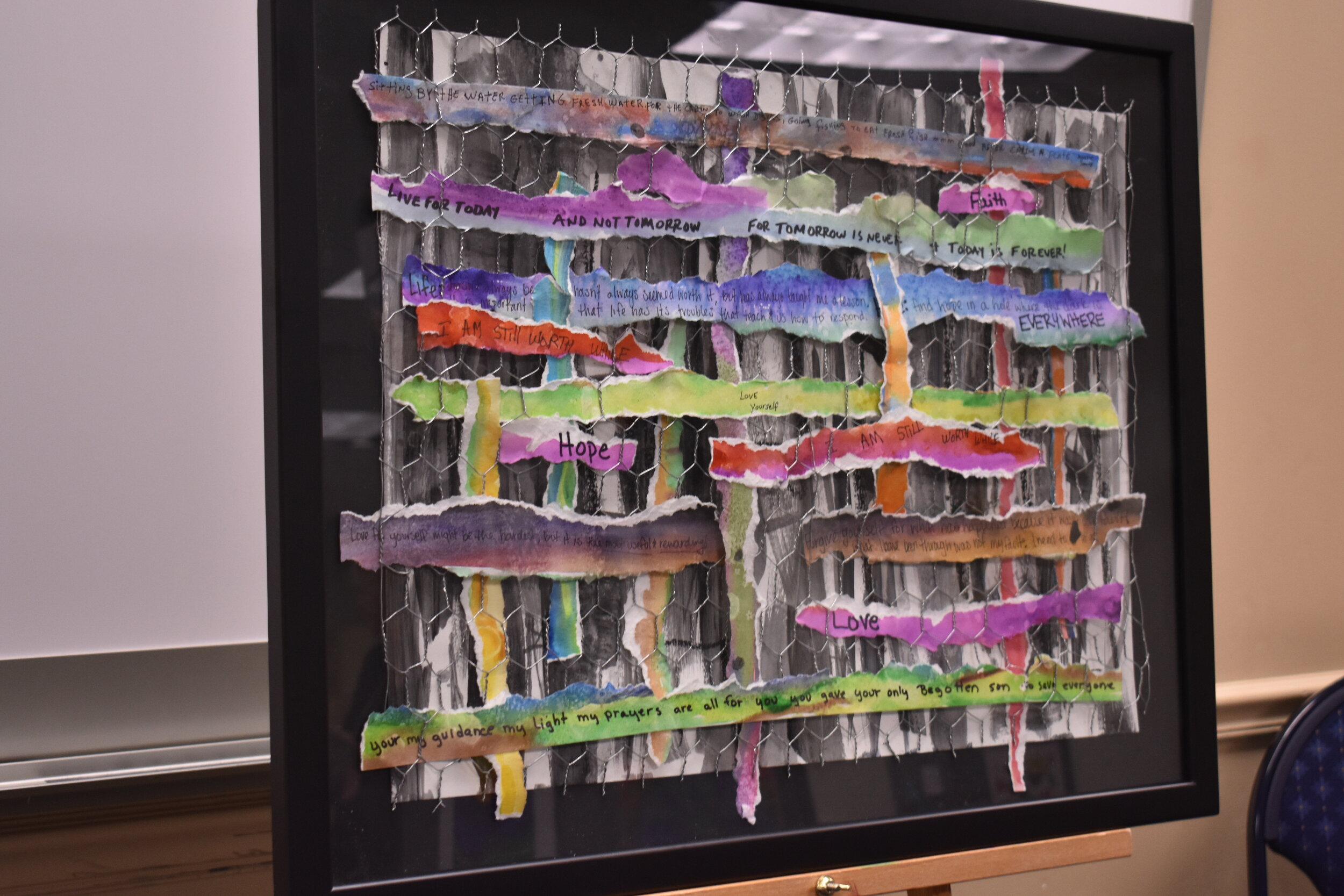
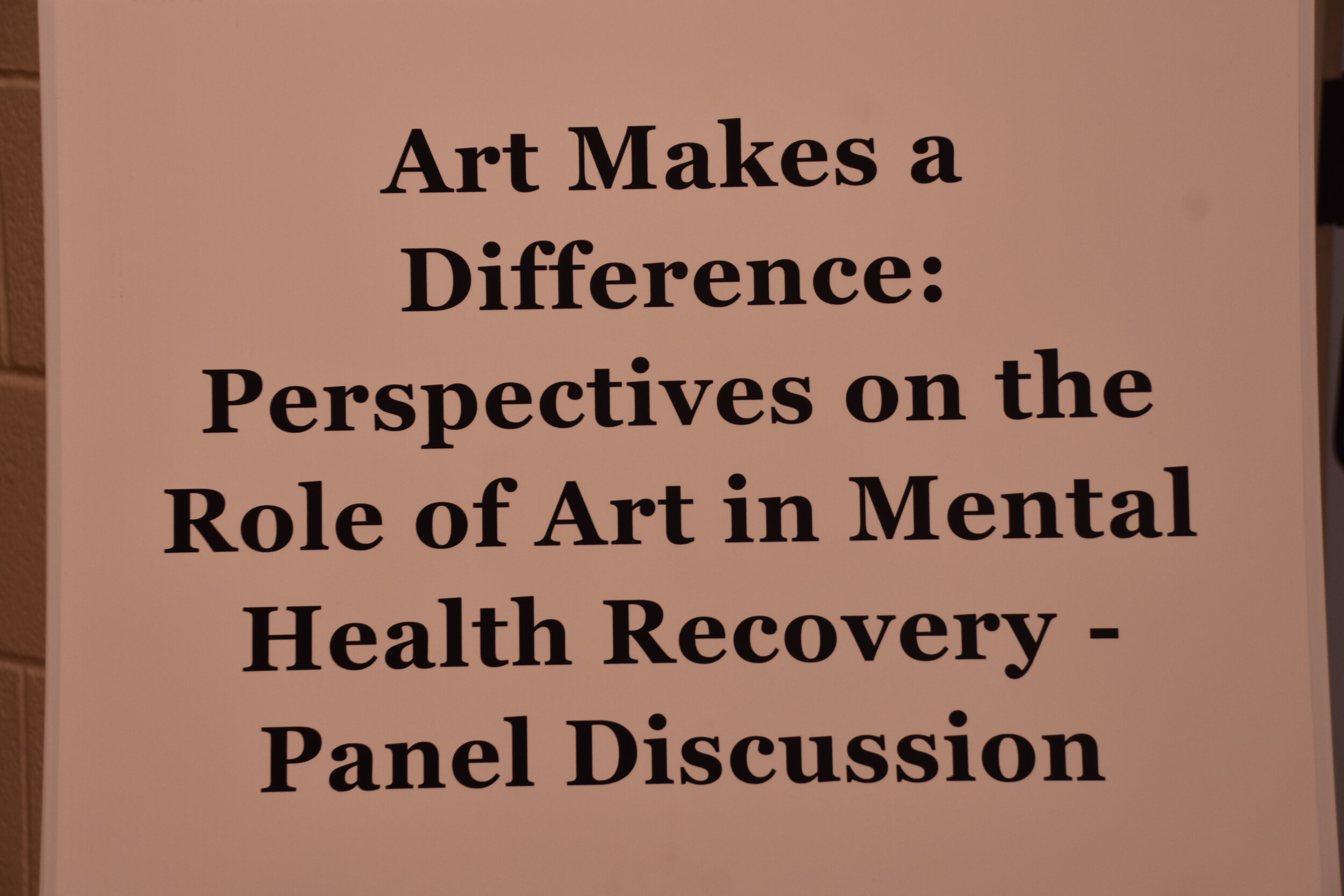
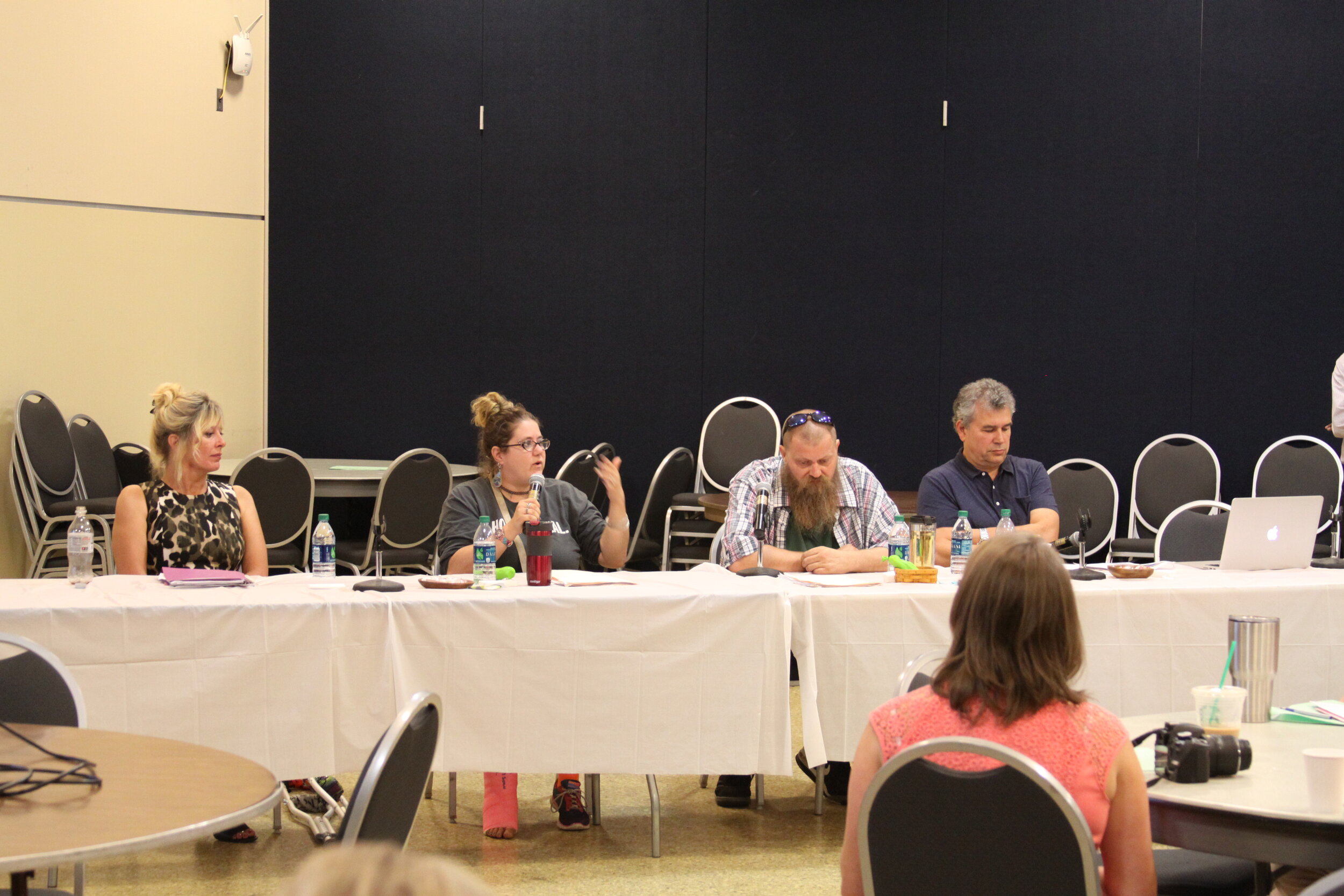
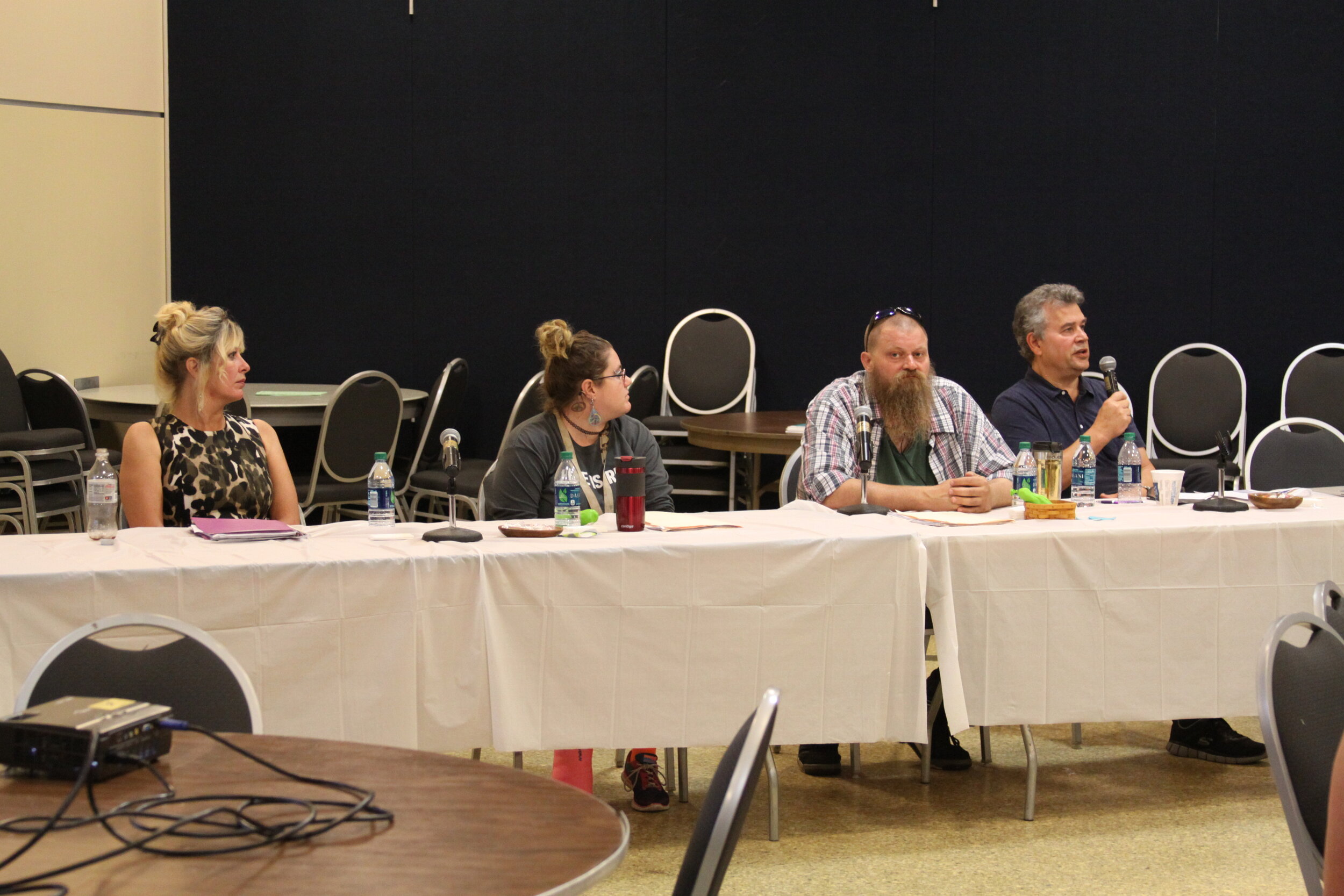
Learn from four dynamic individuals who share their personal stories of mental health recovery. Panelists highlight the healing power of art, and present a two-fold perspective: 1) how art making helps deal with significant life challenges, such as poverty, grief, depression and trauma; and 2) how art making propels life transformation. The panelists will show a sampling of personal artwork to visually demonstrate and to strengthen understanding of key points. Connections between core recovery skills, instillation of hope, safety, self-efficacy, resilience, and art making will be discussed. The potential for art to impact community awareness of mental health needs and inspire social action will also be discussed. The audience is invited to raise questions and engage in dialogue with the panelists.
Presentation Objectives:
· Present diverse perspectives on the role of art in recovery
· Illuminate connections between art making and core recovery skills
· Create dialogue about opportunities and pathways for artful healing on personal and community platforms
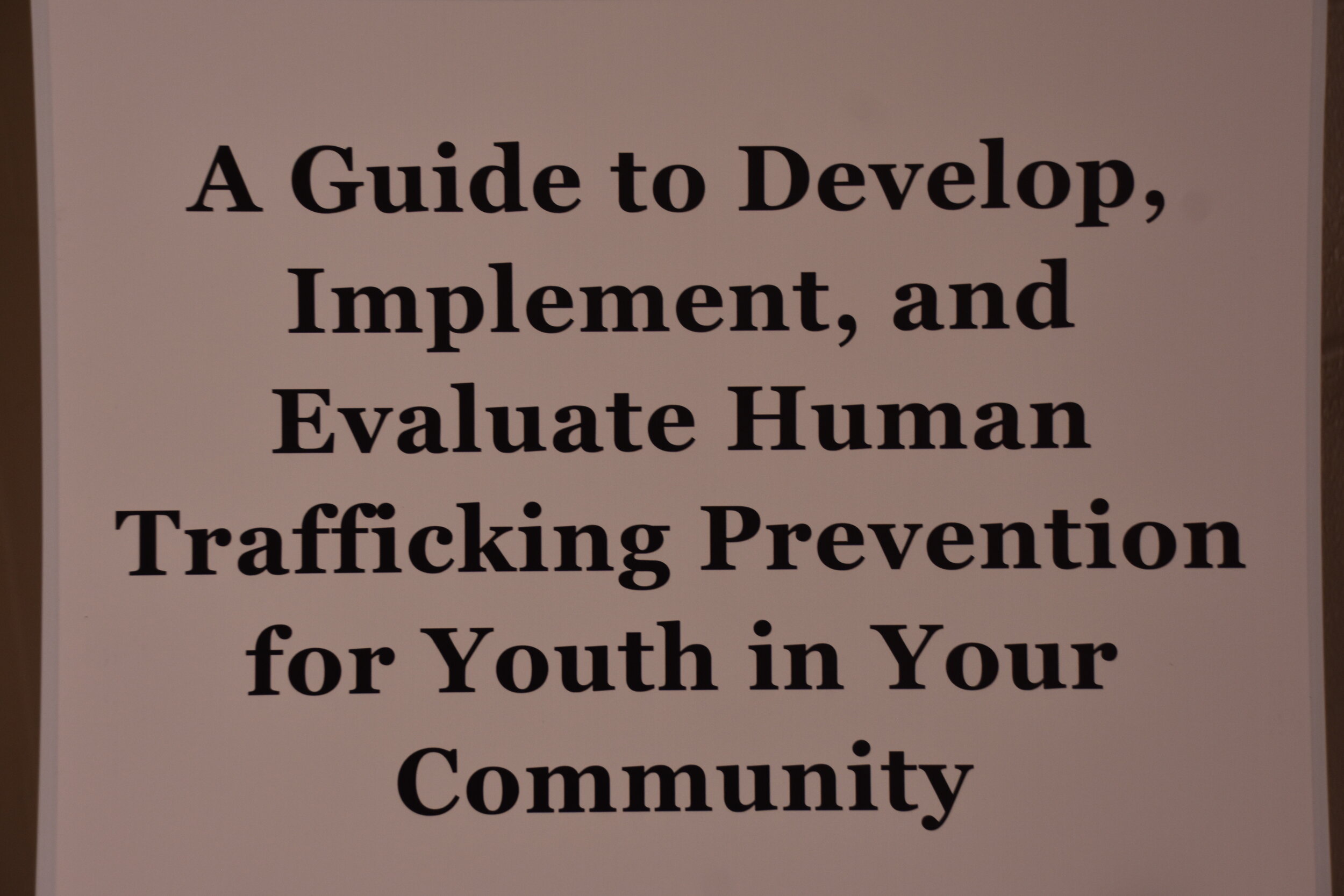
This presentation provides advocates with a firm understanding of how to prevent the trafficking of minors. Until now, there has not been a comprehensive, evidence-informed model for preventing the trafficking of youth. Youth disproportionately at risk of becoming trafficked require targeted awareness and prevention efforts. A thorough literature review was conducted by the research team to identify at-risk to high-risk youth. Presenters will provide a multi-tiered system of awareness and prevention activities targeting high-risk youth and the adults that interact with them. The tiers are outlined in a manner that allows an individual or collaborative anti-trafficking team to build a successful prevention strategy that includes the use of one or more of the identified tiers. Each tier becomes more complex, moving from effective coalition building (Tier 1), to general community-wide awareness of human trafficking (Tier 2), to targeted awareness (Tier 3), and to a comprehensive curriculum for high-risk youth (Tier 4). Each tier is equipped with a checklist to assess prevention activities and evaluation tools to assess the outcome of prevention activities. This project was supported by a grant from the Ohio Department of Higher Education for the Ohio Children’s Trust Fund.
Presentation Objectives:
· Explain which youth are most at-risk
· Discuss ways to engage in human trafficking prevention
· Describe strategies to assess prevention activities and evaluate outcomes
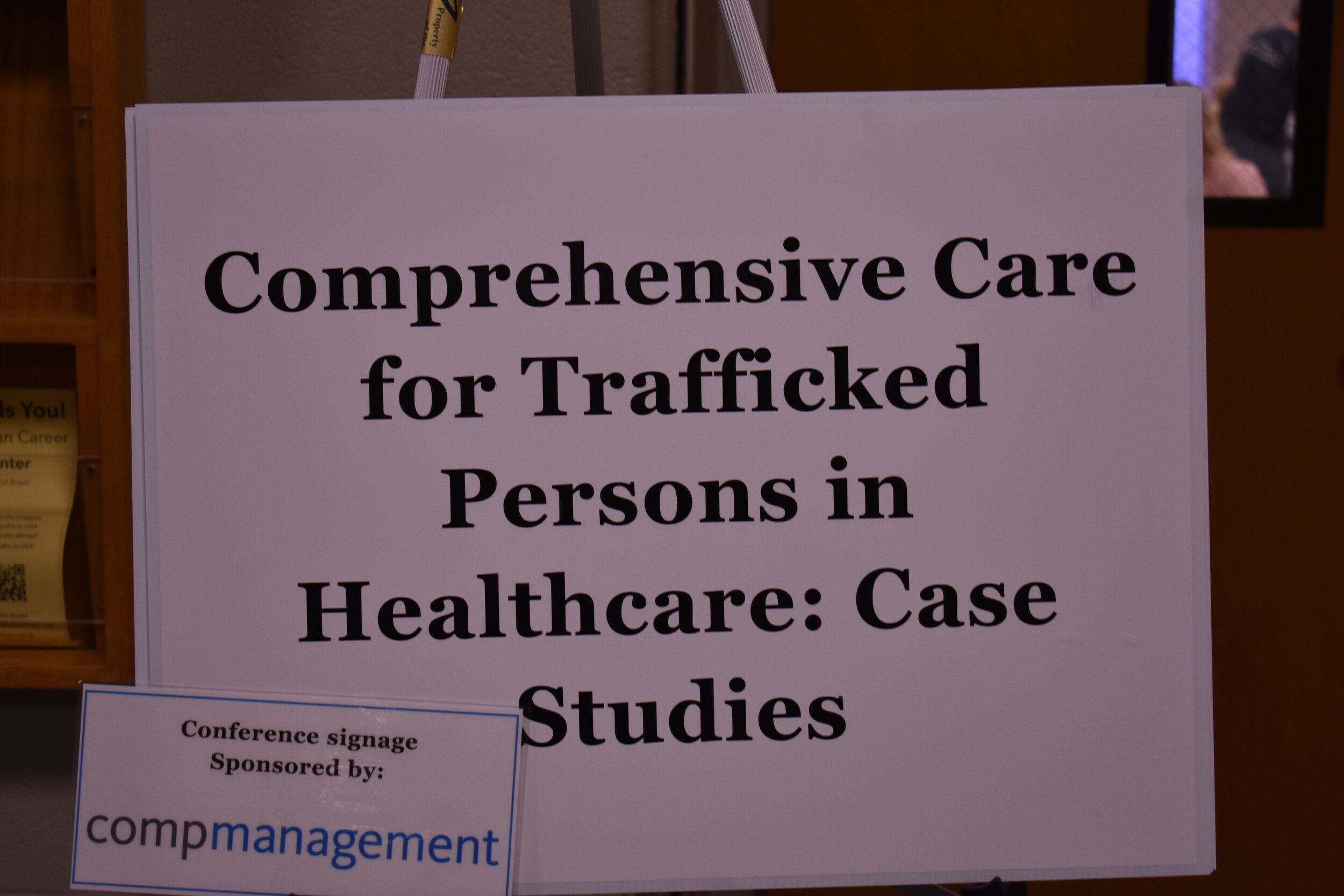
The healthcare system is frequently accessed by victims of human trafficking. One study shows that 88% of survivors of sex trafficking accessed healthcare services while being trafficked. Healthcare professionals have a critical opportunity to identify potential victims while they are being trafficked and offer services and support. This presentation will include current research as well as case studies, identification of red flags, and suggested healthcare interventions. A focus on victim-centered care is emphasized.
Presentation Objectives:
· Review current research around victims of human trafficking in healthcare settings
· Identify human trafficking red flags
· Examine suggested healthcare interventions
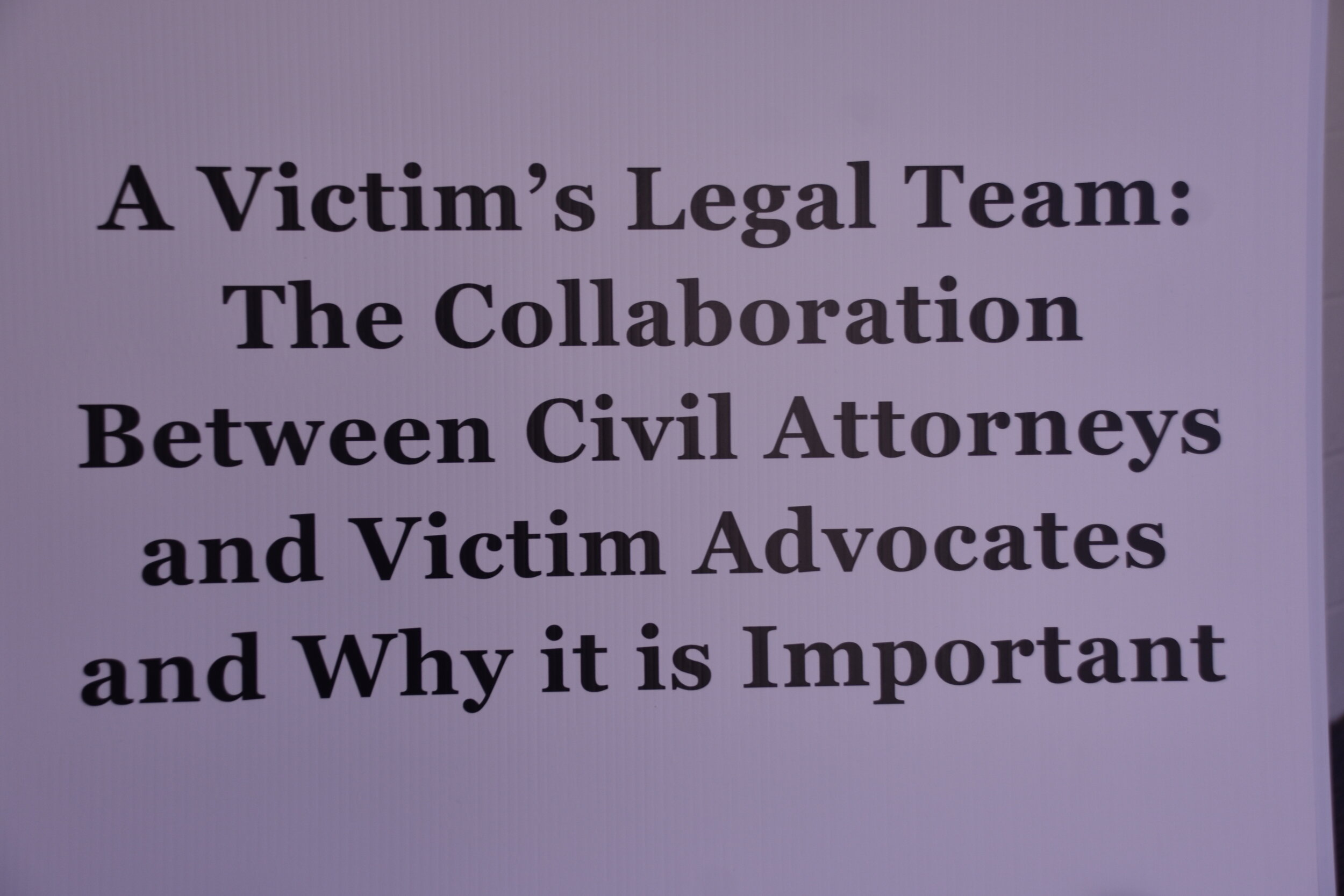
When it comes to the criminal and civil justice process, victims of crime do not often know how to navigate the system. Because appointed counsel is usually only provided for defendants, victims are also left without any legal guidance or information about their rights as a victim of crime. Victim advocates from rape crisis and domestic violence resource centers are often left to “bridge the gap” of legal services for victims. However, because victim advocates are not licensed attorneys, there is very little they can do to provide guidance and advice to victims under the law. Fortunately, there are licensed private attorneys in some communities that are willing to partner with sexual and domestic violence advocates to provide more comprehensive legal services to victims of crime. This presentation aims to provide an example of how a partnership between legal advocates and attorneys can help to bridge this gap in victim services.
Presentation Objectives:
· Provide information on how professional partnerships between legal advocates and attorneys can be a possible solution to the lack of legal resources available to crime victims
· Encourage advocates and attorneys in the audience to develop partnerships within their communities that can benefit the clients they serve
· Start a dialogue about civil legal remedies within the criminal justice process
· Stress the importance of an advocate’s role in the Civil Protection Order process
· Share examples of cases in which a partnership between an advocate and attorney was successful
IThe Human Trafficking Law Clinic provides legal services to juvenile and adult sex-trafficking survivors. This involves assisting with criminal, divorce, housing, employment, and other issues. The Renee Jones Empowerment Center (RJEC) provides support groups, individual counseling, art therapy, trauma-informed yoga, and more to sex-trafficking survivors. The Law Clinic and the RJEC formed a partnership to better serve their clients that was premised on their Directors' shared belief: survivors thrive when they have access to continued care, support, and resources. Providing survivors with services for a few months, as some models do, has not proven effective. Both the Law Clinic and the RJEC form long-term and sustained relationships with their clients that last for an indeterminate period of time.
The Law Clinic and the RJEC have partnered in many projects to help survivors and to educate the public on issues related to human trafficking. The Law Clinic developed a Survivor-Educator Certification program, which trained survivors in a trauma-informed setting on how to share their story with others and Renee Jones served as a facilitator in these classes. Ms. Jones and Professor Guirguis created a prison outreach program at Marysville prison and at the Cuyahoga County Juvenile Detention Center. RJEC and the Law Clinic have also partnered on many other outreach and educational programs. Overall, the partnership of the Law Clinic and the Renee Jones Empowerment Center has allowed both entities to better serve the needs of sex-trafficking survivors and better educate the community about the realities of this horrible crime.
Presentation Objectives:
- Educate the audience about legal and support services for juvenile and adult sex trafficking survivors
- Discuss services assisting with criminal, divorce, housing, employment and other issues
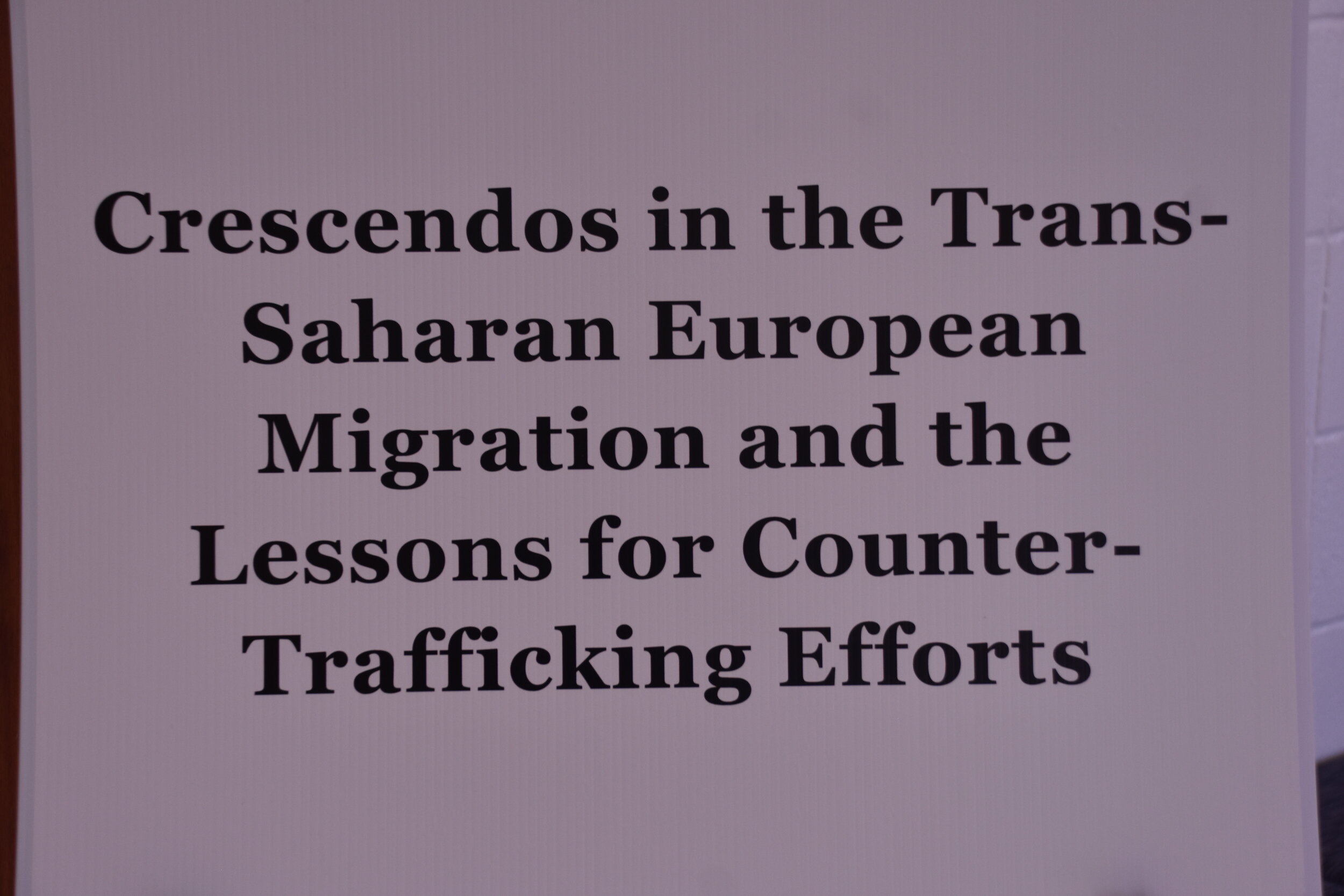
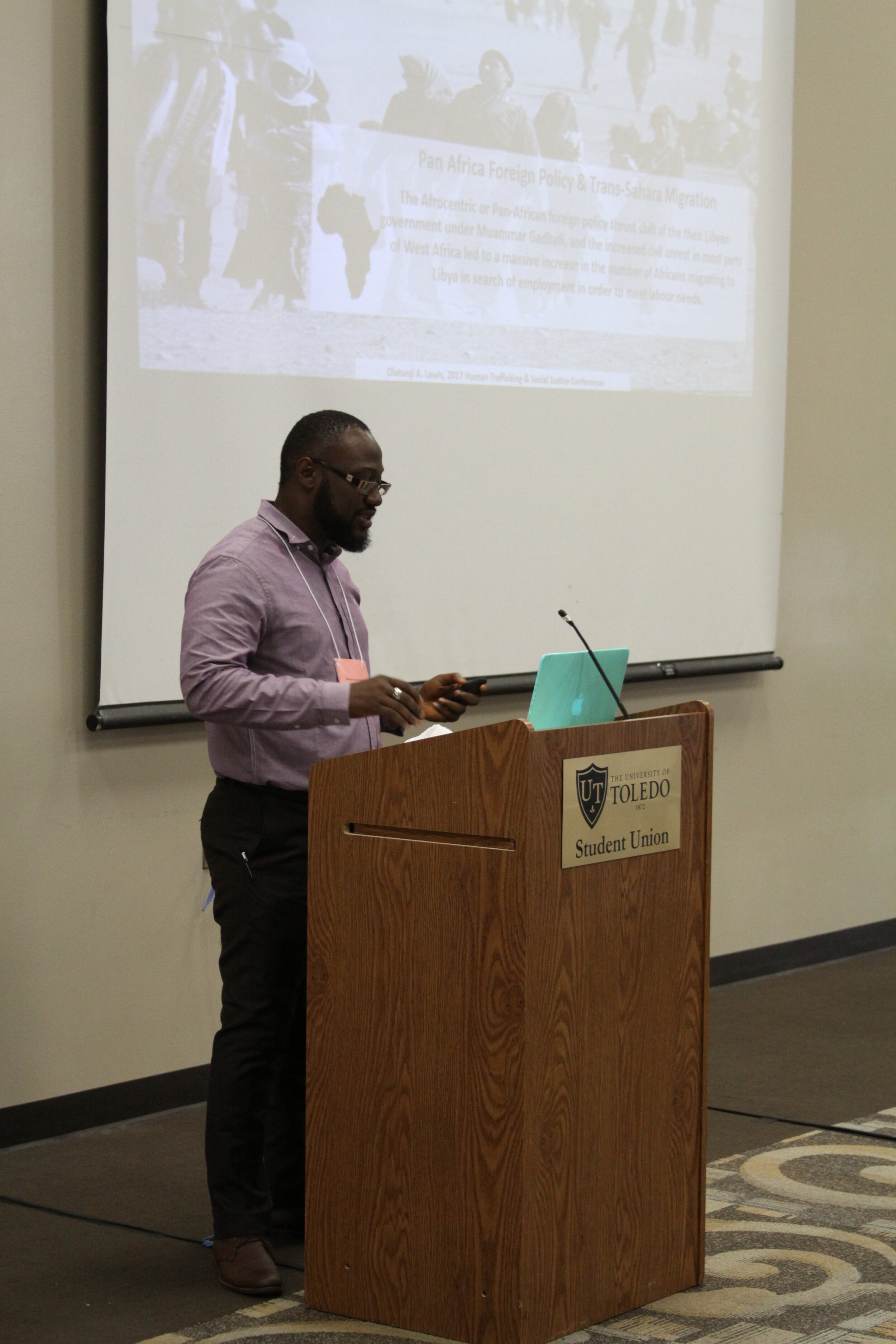
The significance of the Sahara Desert to global security is beyond the representation of the entire region as an empty terrain. Through that same landscape, myriads of nuisance have evolved, from the latent stage to the point where the global curiosity and concerns became heightened. The Trans-Sahara Migration is not just a threat to the survival and balance of Africa, it is one single and biggest challenge threatening the survival of the greatest and the most successful supranational coalition in the world, the European Union, and by connection, every developed nation. Understanding the activities of the regions around the Sahara Desert and the opportunistic illicit transactions that exist in the area is key to finding a universal management plan to the quagmire of issues emanating from the region. The expedition of migrants, potential victims of human trafficking, and refugees aiming to cross the Mediterranean must take them through the North African region. Between the many points of entry and the point of the final voyage in the North Africa, migrants go through trades and activities that keep emerging with history and time. Although Libya remains a traditional route amongst migrants and refugees, the challenges through the Sahara Desert and Libya is as dangerous as the voyage of the Mediterranean. Theoretical analyses have been conducted on the changes in the activities of the organized syndicate groups using these routes over the years, the cultural mindsets of the receiving hosts, and the profiteering that accrues along this axis. Such analyses open up more opportunity for greater scholarship that can fill the existing gaps in security and migration studies.
Presentation Objectives:
· Explain Trans-Saharan European migration
· Discuss the dangers to potential victims of human trafficking and refugees who make this migration
· Address some of the gaps in security
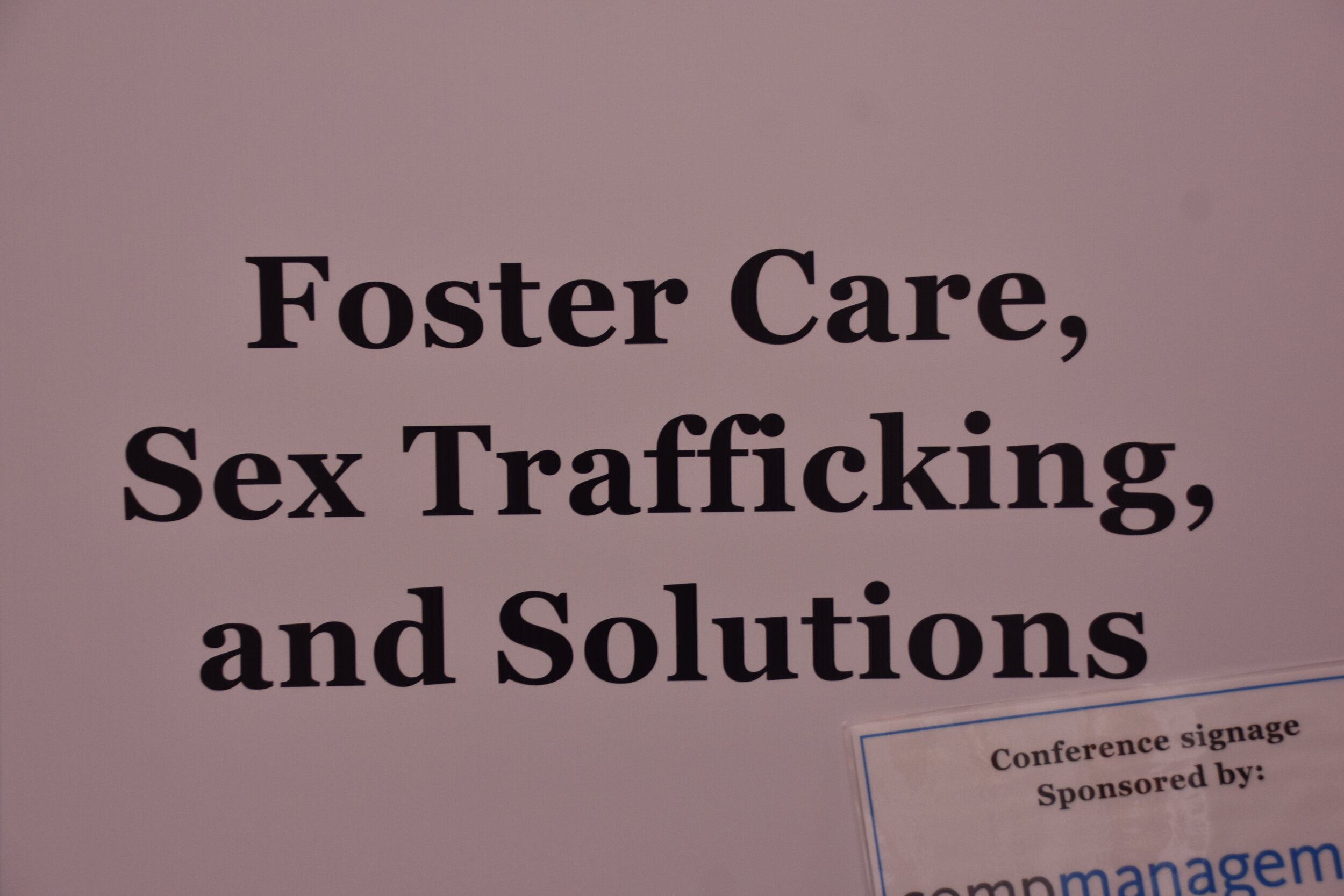
This engaging journey will provide a greater understanding of how childhood sexual abuse, the foster care system, and human trafficking are all connected. Amy’s personal testimony will leave you inspired and hopeful for a future without human trafficking. Amy explains how her own experience with abuse, severe disassociation, substance abuse, and cognitive issues set her up to be a target for predators. Children in foster care, runaways, throwaways, and homeless are at a much greater risk of being trafficked than the typical child in America. Preventing human trafficking has proven to be a difficult endeavor, but do not lose hope. Through holistic approaches in mental health, intervention and restoration are possible. This session will explain the physical, emotional, and spiritual impact that trauma in childhood had on Amy’s life and how her experiences can be used to identify and respond to victims, and potential victims, of human trafficking.
Presentation Objectives:
- Describe the connection between children in foster care, runaways, throwaways, and homeless children and sex trafficking
- Describe how early intervention, support systems, and holistic therapy options can prevent sex trafficking through case studies and the presenter’s personal testimony
9:00 - 10:00
10:15 - 11:15
Many of the discussions, prevention and intervention programming, and front-line assessments are designed to target either the victim (survivor) of sex trafficking or the buyer by addressing demand through legal interventions or educational programming. While anyone, regardless of gender, can be a trafficker, this workshop is specifically focused on male perpetrators. This workshop provides a holistic view of the circumstances or vulnerabilities that may lead a young man to engage in criminal behaviors inclusive of trafficking, including but not limited to, the mass marketing of hyper-masculinity, socioeconomic inequalities, and institutionalized oppression. By discussing the trafficker as someone needing prevention services we position ourselves on the national level to make systemic changes for young men to enhance their well-being and to potentially save our girls.
Presentation Objectives:
· Address the circumstances that may lead young men to engage in human trafficking
· Allow participants to critically reflect further on how they assess trafficking cases and provide a new means of services to explore
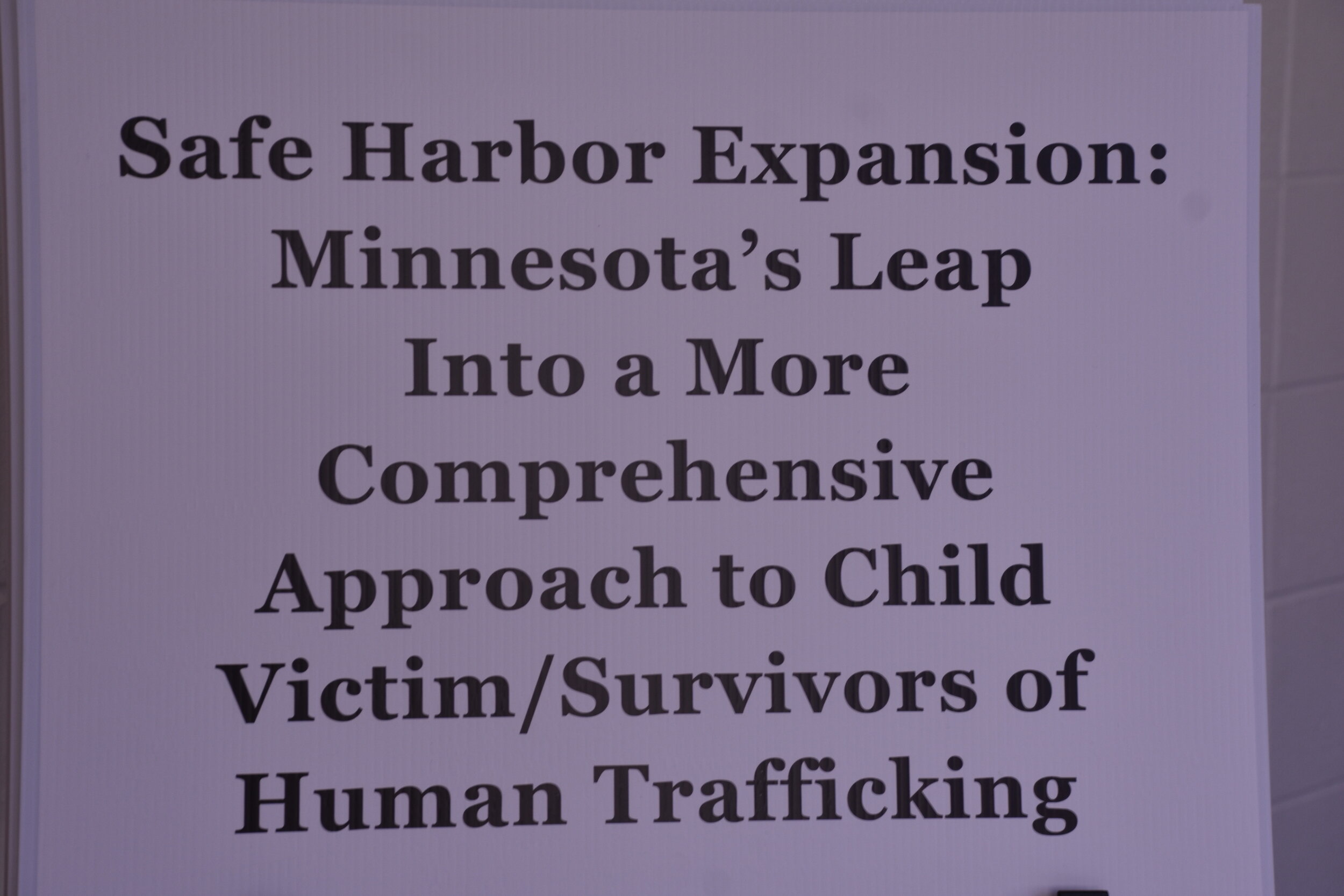
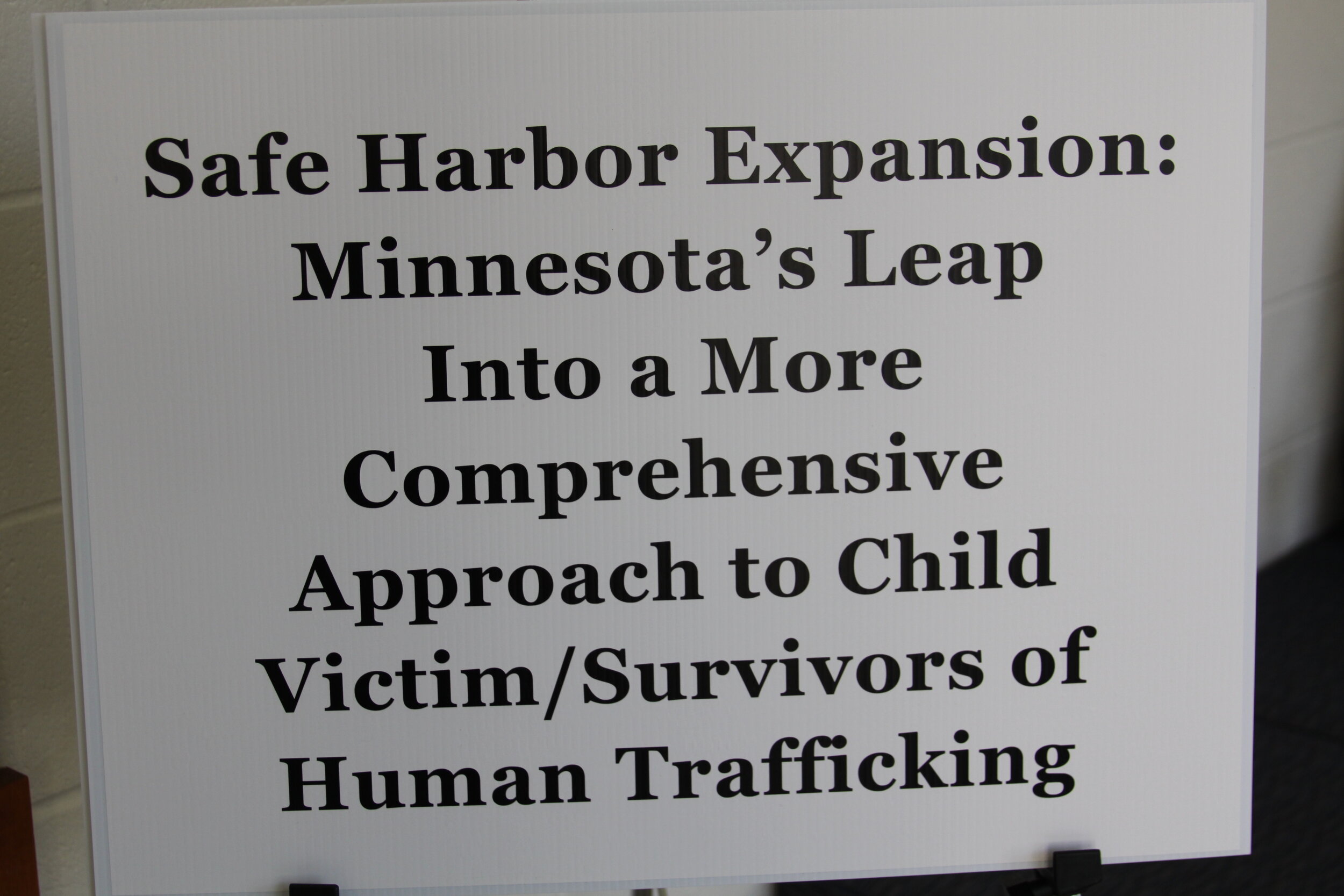
The State of Minnesota joins with other communities in asking: “How can systems be changed to better protect child trafficking victims, prosecute traffickers, and prevent trafficking?” The session will begin by explaining the history of Minnesota’s safe harbor model in the context of other state and federal responses to the trafficking of children. Then, the discussion will utilize interactive methods to discuss complex issues: interagency systems change, access to services, policy and service changes necessary to integrate labor trafficking into existing safe harbor models, development of survivor advisory boards, creation of multi-disciplinary teams and agency protocols, and the specific role of the child welfare system in the safe harbor response under the Minnesota No Wrong Door model. Participants with diverse backgrounds, including multi-disciplinary systems professionals, survivors of sex and labor trafficking, and researchers, will also benefit from the open-ended style of this workshop.
Presentation Objectives:
· Explain the Minnesota safe harbor response model, including ongoing efforts funded by a federal OVC grant to expand safe harbor to all trafficking victims under age 24
· Discuss the role of the child welfare system under recent federal laws and state amendments requiring identification and response to trafficking
· Discuss Minnesota’s public health approach and the regional navigators model for improving access to services for victims of both sex and labor trafficking
· Engage participants in a multi-disciplinary discussion on systems change designed to better protect victims, prosecute perpetrators, and prevent all forms of human trafficking
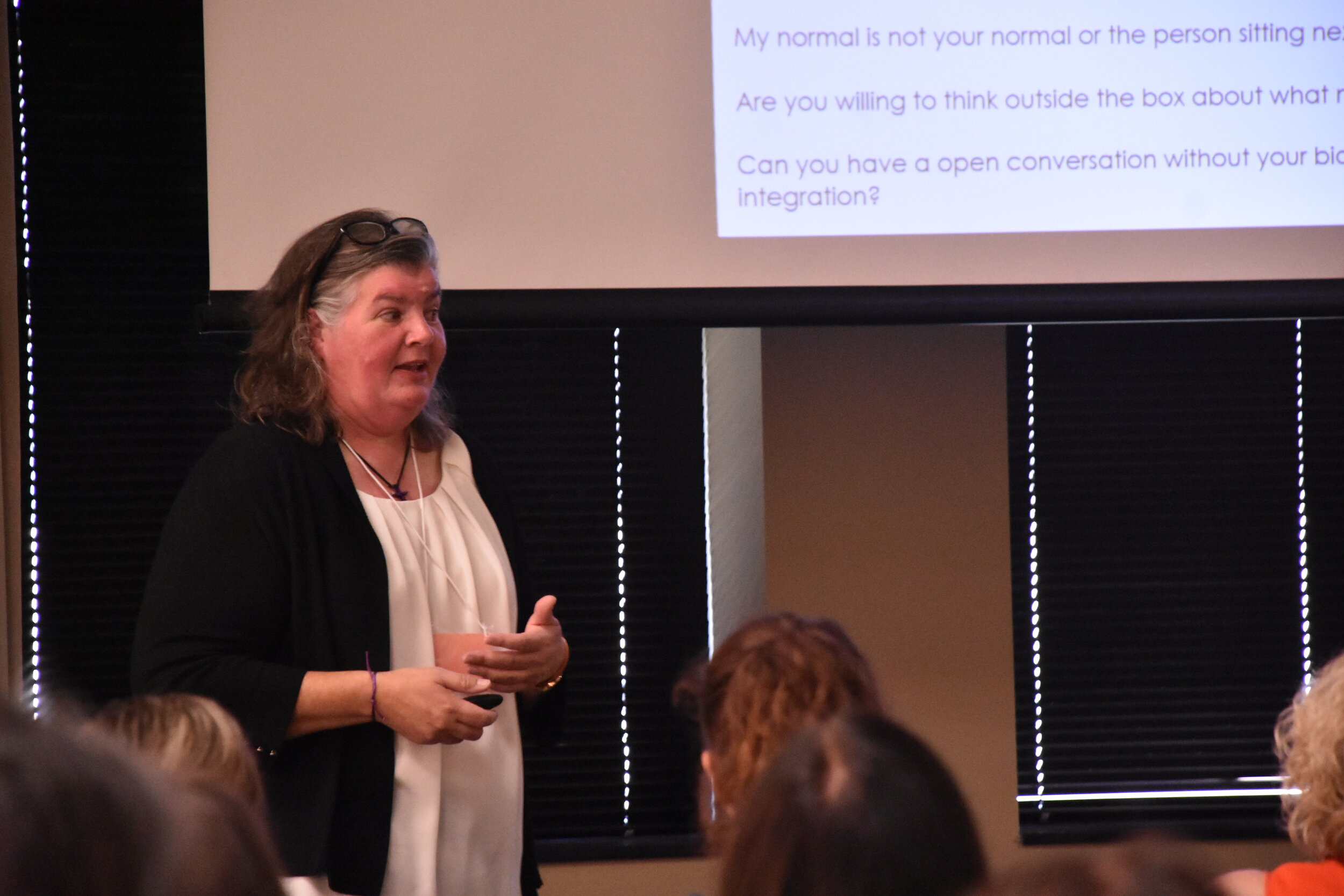
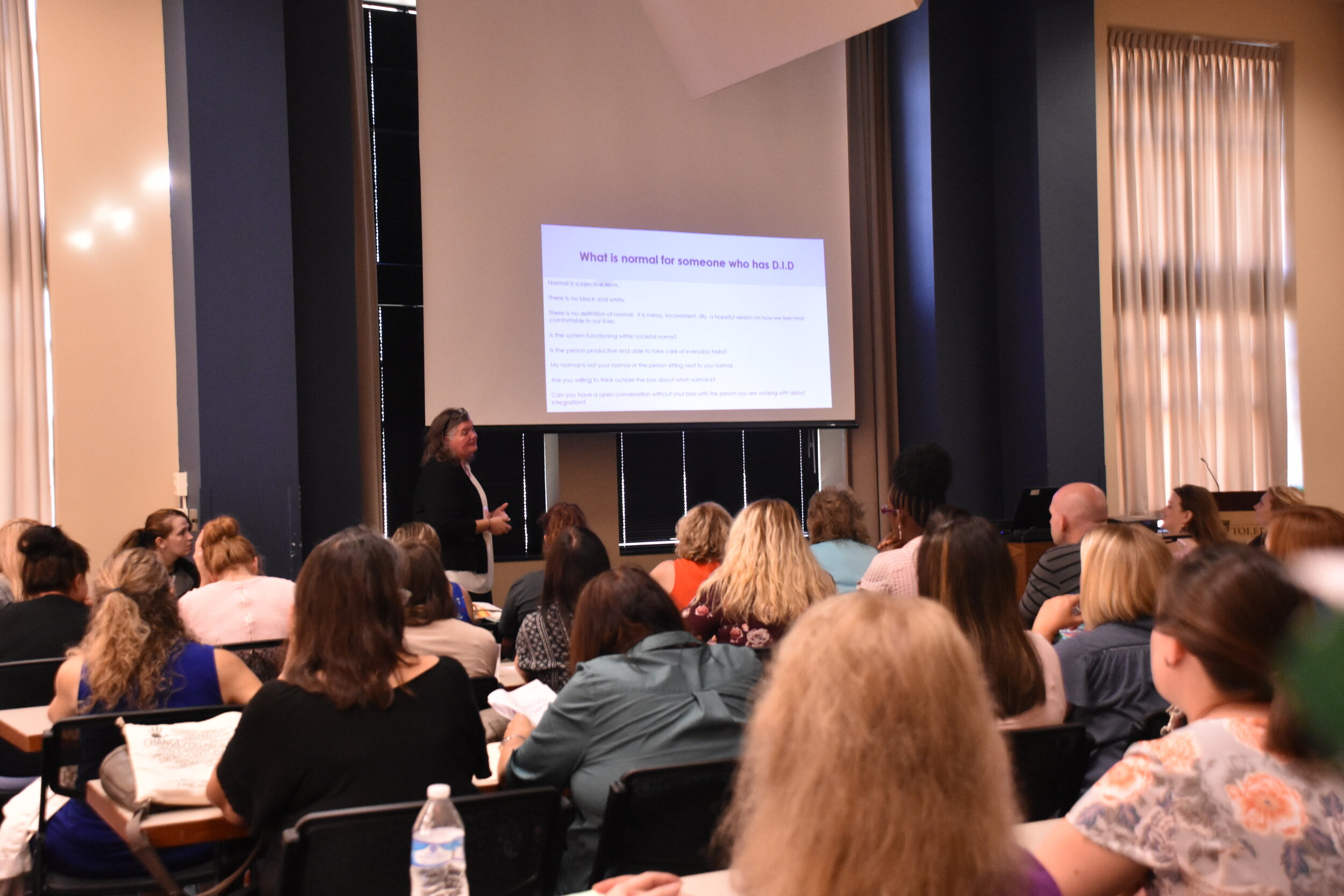
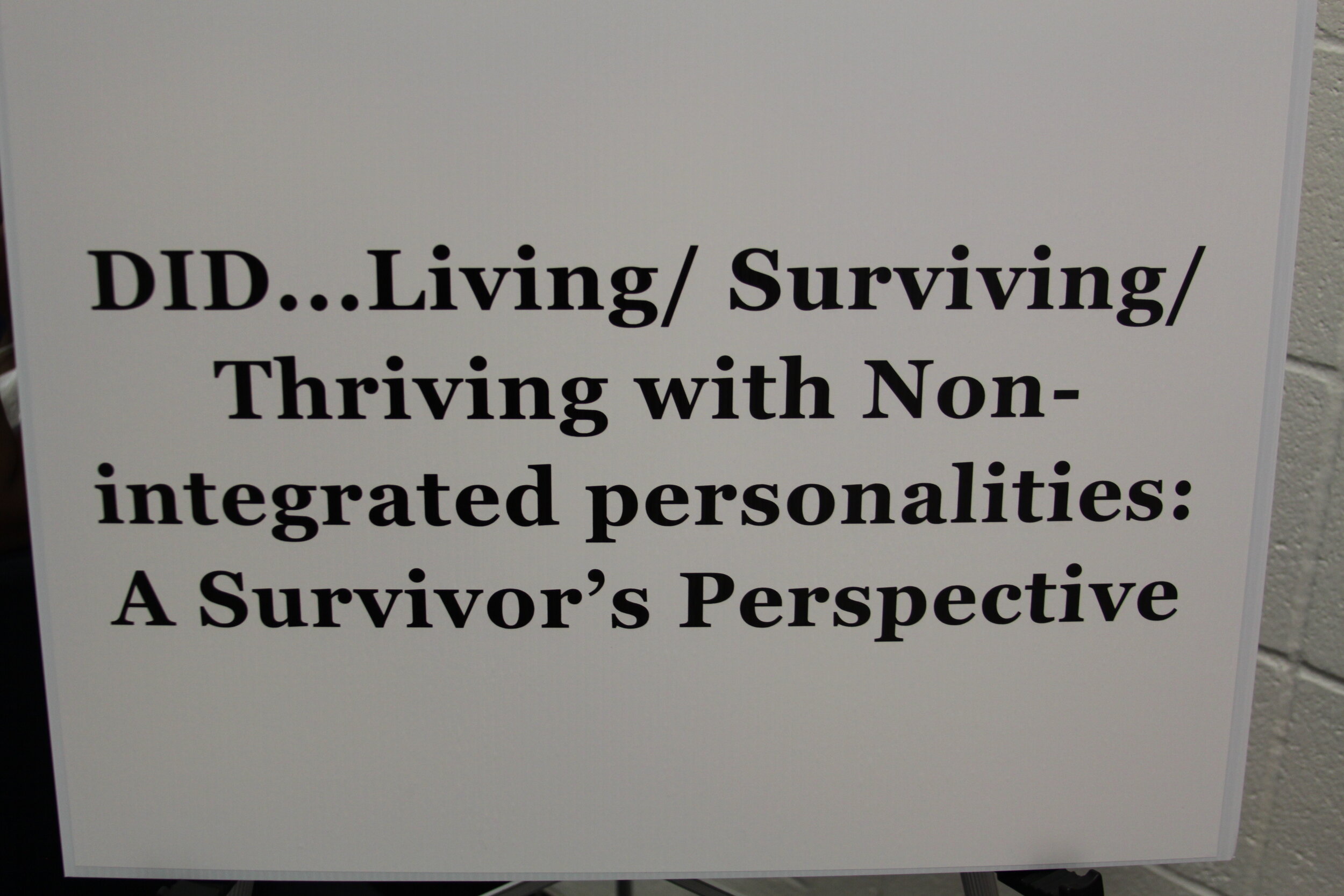
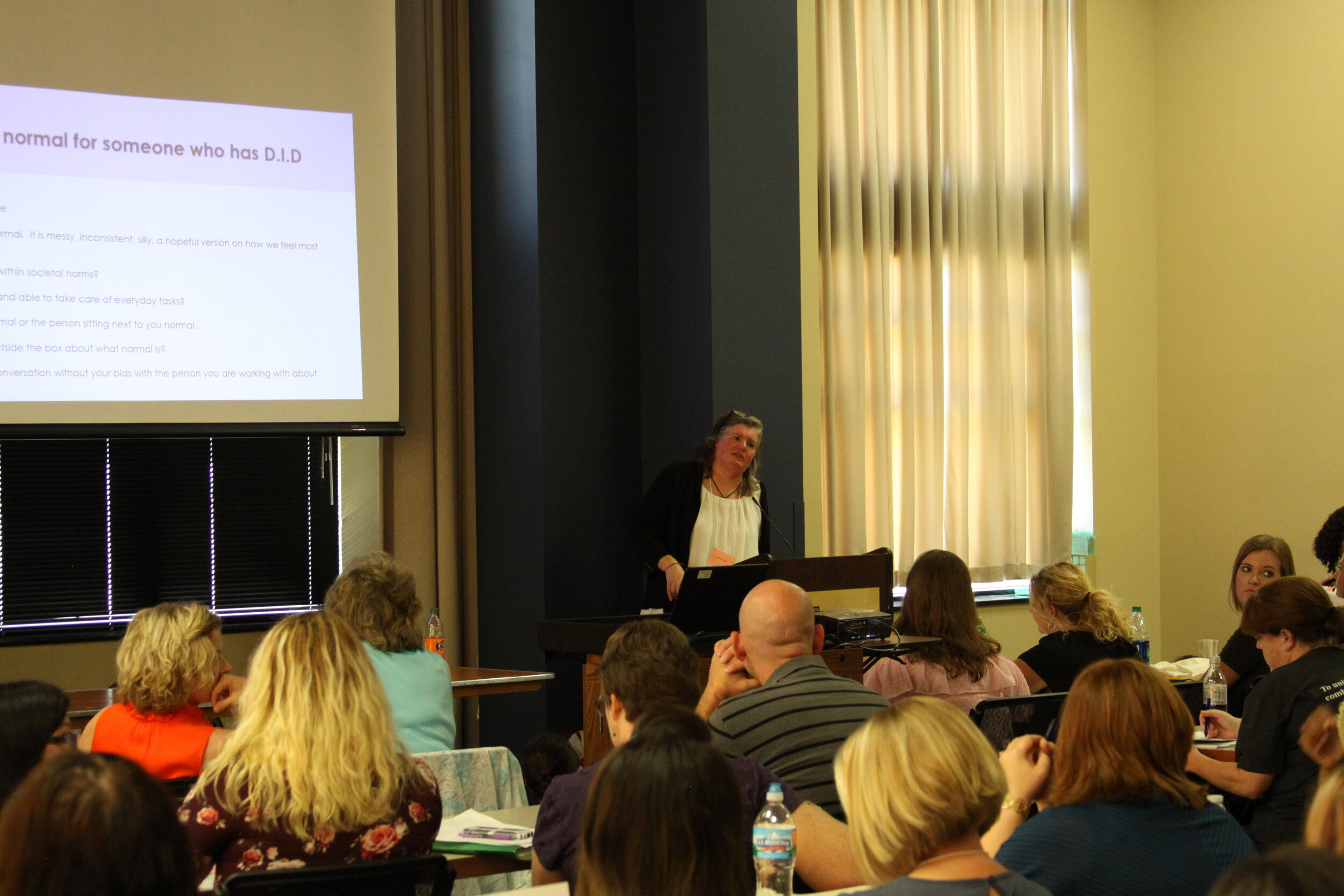
Ann Marie Babb is a Satanic Ritual Abuse and Human Trafficking survivor who was diagnosed with Dissociative Identity Disorder (DID) in her early 30's, and has spent the last 25 years navigating the mental health maze looking for help. She will talk about her experience and the fact that integration was not an option for her. She challenges the mental health community to think outside the box and that integration is not the only answer or cure for DID. She will use her past experience as an educational experience about DID and be transparent about coping and surviving with DID.
Presentation Objectives:
· Share her personal experience with trauma and recovery
· Explain her challenges in living with DID
This workshop presents a comprehensive overview of the needs and characteristics of adult women seeking treatment and services over the course of a decade at Street’s Hope, a residential facility for women leaving the sex industry and escaping sex trafficking. Street’s Hope provides transitional housing and is part of a larger grassroots movement nationwide to provide necessary services to women in need. Street’s Hope is one of approximately two dozen facilities nationwide that provide these specific services, and is known as a leader in the Rocky Mountain region. This workshop addresses how Street’s Hope’s unique clinical-based, survivor-informed treatment and services model has been developed and implemented over the last several years, and how this can be a model for other organizations as more specialized facilities develop nationwide.
Presentation Objectives:
- Present participants with an evidence-based and survivor-informed perspective on the scope of human trafficking and the women Street’s Hope serves
- Describe the needs women face when leaving the sex industry or escaping sex trafficking, and how Street’s Hope comprehensively addresses these needs
- Describe what additional services need to be in place in order to assist survivors with long-term success
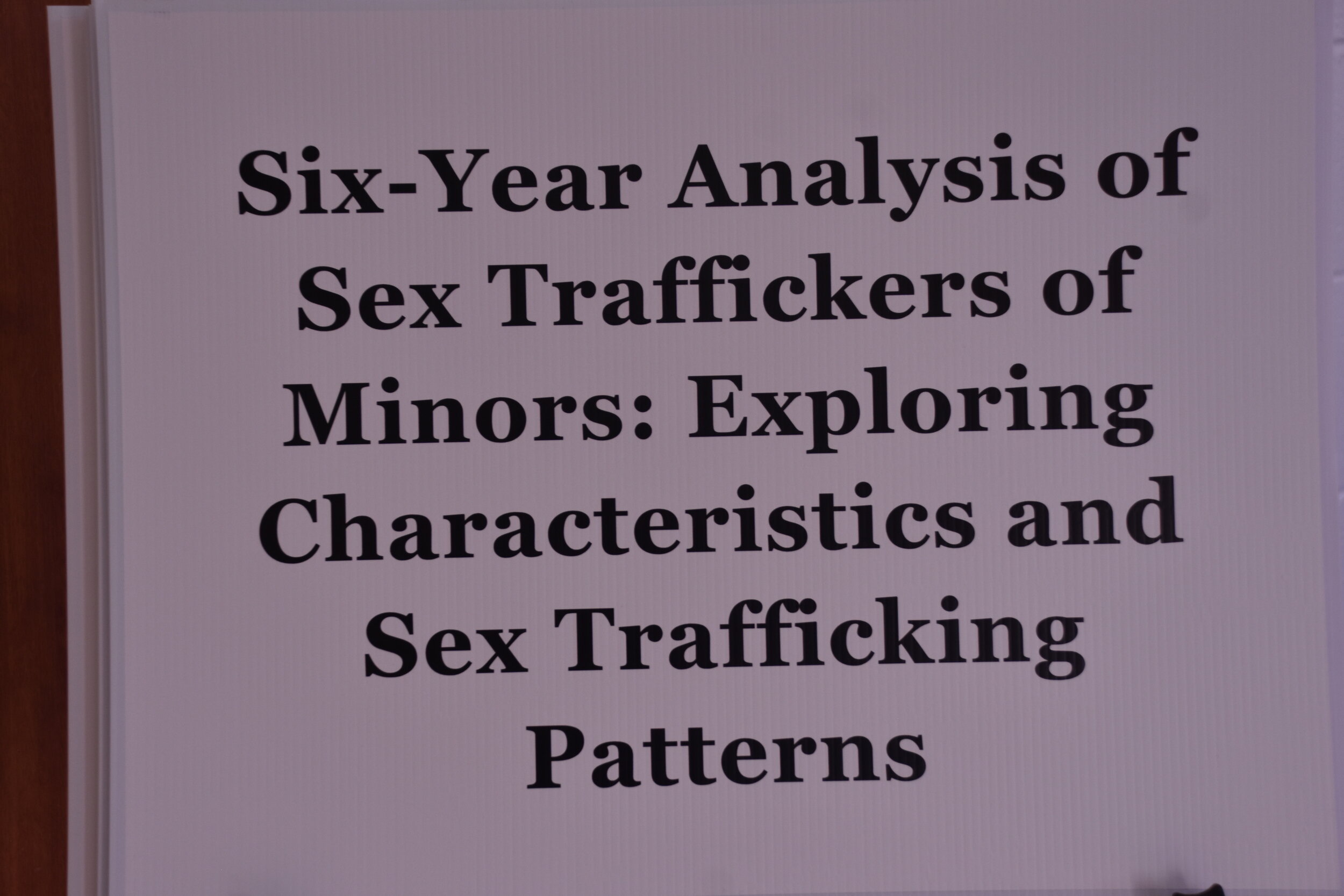
Over the last several years, law enforcement has seen a massive increase in the number of sex trafficking cases involving minors in the US. There has been limited research on a national picture of sex trafficking of minors. The ASU Office of Sex Trafficking Intervention Research examined sex trafficking cases of minors throughout the United States from 2010 to 2015. The research identified 1,416 persons arrested for sex trafficking of a minor in 46 states. Details about the cases will be explored and characteristics and sex trafficking patterns of traffickers will be presented through an interactive dashboard that explored maps and graphs of the study findings.
Presentation Objectives:
- Present the study findings
- Identify the characteristics and patterns of minor sex traffickers
Six cases were identified from the general population of an inpatient psychiatric hospital unit, including one male and five females. Two had been labor trafficked and four were suspected or confirmed to have been sex trafficked. The cases demonstrated a tremendous diversity of demographic and psychiatric risk factors. Risk factors included substance use, homelessness, psychosis, and immigration status. These cases indicate the importance of routinely screening for trafficking victims in medical settings, specifically inpatient multidisciplinary medical settings, such as inpatient psychiatry services. Identification of cases is a requisite step in providing informed and evidence-based treatments and enabling the secondary prevention of re-exploitation. Inpatient mental health teams are encouraged to be attentive to the complex relationship between psychiatric symptoms and human trafficking. Additional research is warranted given the limited current empirical research on this topic area. While there currently are many readily available screening questions and tools, there are no validated screening tools for trafficking victims in the medical setting. This acts as another major obstacle to overcome in moving from clinical suspicion to a more effective, generalized screening process in medical services. Human trafficking is a serious and prevalent human rights violation that closely intersects with mental health. Limited empirical attention has been paid to the presentations and identification of trafficking victims in psychiatric settings.
Presentation Objectives:
- Describe the sometimes-insidious nature of many presentations of trafficking victims to mental healthcare providers
- Present psychiatric illness as an independent risk factor for becoming a victim of trafficking
Gain understanding of how the empowerment approach can be used to empower and equip individuals with reaching their goal and working through past trauma.
Presentation Objectives:
· Explain the process of change
· Describe the art of building therapeutic rapport for positive change
· Teach participants to understand how one’s bias can affect positive change
· Discuss and teach participants skills to go from motivation to inspiration in order to produce lasting change
The right to adequate health and the wellbeing of humans is undoubtedly a universally recognized right in the human rights discourse. For centuries, international human rights instruments, including landmark declarations such as the UDHR, treaties, and standards, have since embraced “health” as a human right. However, there are significant variations in how health policies and laws are being implemented by member States. These cause a variance in the type of services and care provided by different states. Furthermore, sexual and reproductive health rights are becoming recognized as part of the right to health in several countries, including South Africa as stated in section 27 of the 1996 constitution. When addressing the horrors of human trafficking, focus is often on prosecution of perpetrators, which States view as one of the pillars of tackling the trafficking problem. Although this effort is commendable, it creates a narrow perspective, which may result in a non-existent discussion on some significant human rights violations that may also arise as a result of human trafficking. Central to this is the right to health which includes the sexual and reproductive health rights of the victim or survivor, particularly where the trafficking activity is for sexual exploitation. State and international responses to the trafficking of persons must take into consideration the health of women, especially their sexual and reproductive health needs at all stages of trafficking.
Presentation Objectives:
· Discuss what is included in human rights and how this relates to the rights of trafficking victims and survivors
· Explain how human trafficking, particularly sex trafficking, is a public health hazard
· Discuss the health implications of sex-trafficking for women
As an educator at a higher education institution, this presenter sees firsthand the struggles that many students have with making the adjustment to college life. That "adjustment period" often leaves students vulnerable to peer pressure and risky behaviors.
Presentation Objectives:
- Educate the audience on what constitutes sexual assault
- Outline the differences between sexual contact and sexual conduct
- Describe how a victim of sexual assault may act after being victimized
- Present strategies on how to combat this behavior on campuses and in our community
In its annual TIP Reports, the US Department of State evaluates nations for their anti-human trafficking efforts. Based on those scores, it holds traffickers and facilitating governments in disdain, from a moral high ground. Presumably, that ground was won by the abolition of American slavery. However, while American slavery ended over a century ago, in recent times the US has consistently voted down Senate Bill H.R. 40, which calls for the mere investigation of reparations for the descendants of African slaves. Similarly, the US has not moved on the UN’s 2016 request that it pay reparations for slavery based on the UN’s 2006 guidelines. Avoidance to pay the estimated 24 trillion-dollar African slavery reparations debt may erode global perceptions of America’s anti-trafficking moral high ground. For instance, a potential trafficker may reason that, since the US has maintained global respectability and its trafficking-related profits, so can he. And, as the government of a poorer nation may reason the same way, each may ignore otherwise effective anti-trafficking social marketing appeals. The presenters’ view is that if the US wishes to encourage anti-trafficking attitudes, then it should pass Senate Bill H.R. 40.
Presentation Objectives:
· Describe the main components of H.R. 40
· Describe four human trafficking reparations episodes across ethnic groups
· Discuss the pros and cons of passing H.R. 40
· Discuss the driving factors of “moral high ground” when making moral appeals
Engaging homeless youth and young adults that have been sex trafficked has challenges, barriers, and bravado! This presentation will share the experiences of a program director and therapist on developing strategies to engage homeless, trafficked youth. Victims of trafficking learn to live by rules of their trafficker, displaying distance and lack of trust with service providers. Homeless youth and young adults are often system involved, lack support systems, and have an increased vulnerability. These experiences alone create obstacles for providers to build rapport with homeless youth coupled with the victim’s trauma, impacted at times by the present trafficker, which create challenges for consistent services. Attendees will learn engagement strategies for both identifying victims and offering housing and comprehensive services, including therapy. Strategies will include leveraging basic needs while building an individual’s autonomy, modifying traditional homeless outreach programs, and increasing minor victim identification. Presenters will share the shifts in programming to meet individualized needs, while utilizing community based services such as housing and legal interventions. Lastly, employee burn out impacts the consistency of care and rapport with clients. Employee turn around and gaps in engagement can impact a victim’s decision to stay engaged with an agency. The presenters will share how to celebrate in a client’s steps towards stability, build a support network of professionals, and establish self-care within a team.
Presentation Objectives:
· Identify the barriers around engaging homeless, trafficked youth
· Discuss tools to increase the participation of victims
· Present ways to tailor programming to improve outcomes and self-care for service providers
SWOP Michigan would like to present an Indy Sex Worker Film Fest day to showcase a very diverse look at their experiences via a variety of documentaries. Additionally, each of these films has a female director and focuses on sex worker perspective. Their idea is to show each film with time allowed for Q&A following. The Scarlet Road follows the extraordinary work of Australian sex worker, Rachel Wotton, who is impassioned about freedom of sexual expression and the rights of sex workers. She specializes in a long over-looked clientele: people with disability, who are deserving of equal sexual rights and expression. People with a disability have an intrinsic right to sexual expression. This right enables people to develop relationships, have sex, explore and express their sexuality, and achieve intimacy without personal or systemic barriers.
Director: Catherine Scott; Release Date: 11 October 2012 (USA); Runtime: 1 hr 46 min (106 min)
Presentation Objective:
· Review sex worker experiences via a documentary
Contemporary research on sex work and sex trafficking has highlighted the overrepresentation of persons of color (POC) involved in trading sex, addressing the interplay of poverty, institutional violence, historical trauma, and limited choices as undergirding the racial disparities for provider/victims. However, little research explores this marketplace with an intersectional analysis. This presentation explores qualitative data from interviews (N=157) with social service providers and criminal justice personnel who work closely with these populations in Minnesota (2015-2016). This research comparatively analyzes sex buyer demographics and provider/victim demographics alongside sex buyer preferences/treatment. Interviewees described experiences of POC provider/victims, which were influenced by structural racism and inequality as “push” factors, and sex buyer preferences and treatment of them due to their race/ethnicity. These experiences included racial fetishization, derogatory racial slurs, physical and sexual assaults, and less money to the dollar for sex acts compared to white provider/victims. This research supports a growing understanding of sex trafficking and commercial sex as racial justice and equity issues, as well as adds to practice-based knowledge of complex traumas that persons of color who trade sex may experience.
Presentation Objectives:
· Gain insight about sex trafficking as an intersectional issue (race/gender/class)
· Learn implications and strategies for macro social work practice
· Gain takeaways for clinical social work practice
A call to awareness regarding sex trafficking has increased research, bolstered social justice efforts, improved education, and influenced federal laws that protect victims and prosecute traffickers. Federal laws on sex trafficking are now being used through undercover sting operations via the Internet to arrest and prosecute buyers who attempt to engage in commercial sex with minors. A narrative analysis was completed to create an in-depth case study outlining the correspondences between a buyer and an undercover agent advertising trafficked children for sex. Participants are afforded a rare opportunity to examine actual emails related to the purchase of a child for sexual exploitation. The emails were used against the buyer as evidence within the court of law. The author asserts that the following case study will contribute to the body of literature on the victim selection processes and cognitive distortions employed by buyers of children for sex.
Presentation Objectives:
· Describe the current tactics being used to prosecute buyers of sex trafficking
· Present a case study of a buyer looking to purchase underage sex online
· Allow participants to explore details of this case
11:30 - 12:30
Lunch by Tree City Catering
Auditorium
12:30 - 1:30
Predatory Prostitute is rooted in the compelling relationships sex workers have, both directly and indirectly, to the legacy of Aileen Wuornos. Demonized as an inverted prostitute serial killer or pitied as a child/animal, her portrait hangs heavy. The term ‘predatory prostitute’ was coined by John Tanner, the Florida state attorney who prosecuted Aileen Wuornos in 1992. The is the story of a lesbian prostitute sentenced to death six times for seven murders, though she claimed self-defense. The media, the court, and the public condemned Wuornos with vigor. Fleming uses footage to invert the common narratives around Aileen, creating an alternative framework by which we can view her actions and ourselves. Running Time: 25 minutes
Presentation Objective:
· Review sex worker experiences via a documentary
For those working in the helping professions, compassion fatigue is as common as turbulence during a windy flight. In order to address this turbulence, one must develop self-care strategies and warning systems to let them know they are moving into the caution zone, and the oxygen masks will soon deploy. Prevention and self-care can best happen when professionals are able to distinguish between and identify personal and professional vulnerabilities. This interactive workshop will help professionals renew their passion and commitment to the field and their work.
Presentation Objectives:
· Explain the difference between vicarious trauma, compassion fatigue, Secondary Traumatic Stress Disorder, and burnout
· Discuss the shifts that occur on a personal level of functioning and ways to prevent negative effects by identifying opportunities for self-care
· Explain how to identify personal and professional factors that place one at greater risk of compassion fatigue
· Discuss the impact compassion fatigue has on job performance, personal coping skills, and job/life satisfaction.
By discussing various scenarios that may arise in the workplace, what employers can (and cannot) legally do, and some best practice ideas for employers (including a clear drug and alcohol policy that is followed and enforced), this presentation will educate employees about their rights in the workplace if they are struggling with an alcohol or drug (including prescription) addiction, and educate employers as to their legal obligations in dealing with employees with addiction issues. The Americans With Disabilities Act (ADA) requires employers with more than 15 employees to provide reasonable accommodations to employees that have disabilities, unless doing so would impose an undue burden on the employer. Using hypotheticals, the presenter will break down what constitutes a disability; when an addiction may rise to the level of a disability; what is a “reasonable accommodation;” some examples of accommodations to discuss (and the ongoing duty to have that discussion); and the nature of an “undue burden.” Small employers likely have similar obligations under state laws. Employers will learn how they can work with employees who suffer from addiction but are trying to become clean and sober. Employees will learn that they may be entitled to various accommodations under the law (ADA and Family Medical Leave Act), and how to request these accommodations before their addiction becomes a performance or conduct problem that results in their demotion or termination. Further, both employers and employees will learn about the importance of documentation in dealing with an addiction issue at work.
Presentation Objectives:
· Identify when an addiction rises to the level of disability
· Educate employers’ legal obligations in dealing with employees’ addiction issues
· Discuss the nature of “undue burden”
Volunteers are the most important resources community organizations have and need to be encouraged to carryout community development projects on anti-human trafficking. It is expedient to engage volunteers in advocacy and social action against human trafficking. To affirm the crucial role of volunteers in combating human trafficking, we mentored 50 volunteers to carryout community development projects in their communities. This presentation expounds how volunteers effectively engaged in advocacy and social action through community development projects. Fifty volunteers (between 19 and 30 years old) were mentored to carry out community development projects in four states in Nigeria in commemoration of 2017 World Day Against Trafficking in Persons. The volunteers were empowered with advocacy materials. They were expected to engage in advocacy and social action within two months before joining in the commemoration of World Day Against Trafficking in Persons, and send their reports for evaluation. From the evaluation, the results showed that all the volunteers engaged in strategic anti-human trafficking advocacy and social action through the following approaches: media campaign, community sensitization, school awareness, radio talk, training youth corps members, debate competition, etc. Three of the volunteers reported incidences of human trafficking and identified victims. Through their community development projects, they stimulated over 3,000 to be involved in combating human trafficking.
Presentation Objectives:
- Explain the importance of the role of volunteers in advocacy and social action
- Describe how volunteers effectively engaged in advocacy and social action through community development projects
- Describe what volunteers did to engage in advocacy and social action
Professionals are in this field because they have passions, and often go into this work to try to effect change in people and organizations. This presentation will focus on leadership and "The Business" - what people need to do to have a successful enterprise so they can not only help people and further the cause, they can actually sustain their business. It all hinges on leadership and how one interacts with different constituencies.
Presentation Objectives:
· Discuss the need for organizational structure and how it can help one succeed
· Describe the purpose of organizational structure and how it can help with accountability and focus (success)
· Explain leadership roles and responsibility in developing, running, growing, and maintaining an organization
· Define the top three leadership roles in managing an organization
· Describe how leadership style has an impact on employee behavior
· Help participants gain an understanding of how they behave and how it impacts the organization
Traditional ethnography, along with other social science methods, have been critiqued by feminist scholars as being falsely objective. In traditional research, the researcher makes observations that are inevitably interpreted through the researcher’s worldview, which is often white, male, and privileged and therefore biased. Autoethnography is one way in which researchers have attempted to acknowledge the power dynamic between researcher and subject and the misinterpretation that happens because of economic and cultural differences between the researcher and the subjects. In Autoethnography, the researcher is also a subject and is an artist as well as a social science researcher. This method, that combines cultural observation and artistic self-awareness, requires deep self-reflection and daring self-disclosure that goes against typical social work clinical approaches. The presenters will share autoethnographic projects on grief and empathy with the audience. Dr. Natarajan’s piece will delve into the death of a loved one and subaltern theory, and Dr. Sloane’s piece will remember how her work with car accidents changed her thoughts on the importance of empathy to just social work practice. These research projects are at different stages, one at the very beginning and one about to be published. The audience will be asked to consider the helpfulness of autoethnography to provoke emotion and understanding of difference and how this method can be used as social justice action.
Presentation Objectives:
· Define autoethnography
· Share personal autoethnographic research projects
· Encourage the audience to consider the helpfulness of autoethnography
1:30 - 2:30
This workshop proposes a paradigm shift that redefines the implementation of trauma-informed care for human trafficking survivors. Presented from their multidisciplinary and strength-based perspective, the presenters will develop and apply Trauma-Informed Practices (TIPs) that service providers, academics, and policy makers can utilize in improving response to all forms of human trafficking. Collaborative accompaniment is a way of creating and envisioning safety and reciprocity with, for, and among survivors and those who accompany them. The purpose of this workshop is to demonstrate that anti-trafficking response should give human trafficking survivors something to move towards, not just something to "escape" from. Collaborative partners support survivors as they seek to develop their strengths and coping skills for moving into the future.
Presentation Objectives:
- Develop a stronger understanding of core accompaniment concepts: safety, belonging, and empowerment
- Consider new ways for creating safety while prioritizing empowerment and a sense of belonging
- Brainstorm long-term approaches to incorporate in anti-trafficking policy and practice
http://www.tandfonline.com/doi/abs/10.1080/23322705.2017.1346445
A call to awareness regarding sex trafficking has increased research, bolstered social justice efforts, improved education, and influenced federal laws that protect victims and prosecute traffickers. Federal laws on sex trafficking are now being used through undercover sting operations via the Internet to arrest and prosecute buyers who attempt to engage in commercial sex with minors. A narrative analysis was completed to create an in-depth case study outlining the correspondences between a buyer and an undercover agent advertising trafficked children for sex. Participants are afforded a rare opportunity to examine actual emails related to the purchase of a child for sexual exploitation. The emails were used against the buyer as evidence within the court of law. The authors assert that the following case study will contribute to the body of literature on the victim selection processes and cognitive distortions employed by buyers of children for sex.
Presentation Objectives:
· Describe the current tactics being used to prosecute buyers of sex trafficking
· Present a case study of a buyer looking to purchase underage sex online
· Allow participants to explore details of this case
Gina Hope will share her personal story of being sold by her mother and held for over four years by a gang until escaping only to be trafficked by those she thought were her rescuers. Her road to healing has created a desire in her to help others. Everyone has trials in life, but all can overcome. Gina has begun research and will speak about what may make children vulnerable to traffickers and how abusers are able to use PAS to get away with, and in some cases, continue abuse. The presenter will also discuss prevention for middle school children, which is a targeted age range for American traffickers. For example, prevention could cover how middle school children have to catch the bus in the dark, blocks away from their homes, but next to a place where traffickers have previously approached children.
Presentation Objectives:
· Share her personal story of trafficking
· Describe areas of prevention for middle school children
While there is substantial research on the characteristics of the commercial sexual exploitation of children (CSEC) in sub-Saharan Africa, there is almost no knowledge on support services provided to child victims. A mixed research method was used to explore the services available to CSEC victims in the West African region. Convenience sampling was used to select 709 children in prostitution and 64 leaders of structures dealing with CSEC in the region. A survey questionnaire was used to collect data from the children and semi-structured interview guides were used to collect data from organization leaders. The findings show that the needs of CSEC victims in West Africa diverged from those identified in the mainstream literature, which partly explains why few victims could access services. Service needs of CSEC victims in the region are different from care models in the literature, especially regarding trauma-focused care. Issues of service provision were linked to various difficulties encountered by the structures, including lack of understanding of needs of CSEC victims; lack of resources for support services; lack of outreach interventions, and socio-cultural factors. Implications for practice, policy and research will be discussed.
Presentation Objectives:
· Review policy responses to CSEC in West Africa
· Analyze stakeholders’ input in the policy response and service provision to CSEC victims/survivors in the region through the framework of aftercare services regarding human trafficking cases
· Highlight the distinctiveness of service needs of CSEC victims
· Highlight the challenges for service access and provision in West Africa, in contrast with the mainstream literature on the issue
This presentation will provide participants an opportunity to gain an understanding of the history of Women of Color as it relates to sexual violence and the anti-oppression/anti-violence movement. The presenter will discuss the implications and present-day manifestations of historical trauma on Women of Color, as well as the systematic failures that impact Women of Color from accessing needed services. Finally, the presenter will teach the audience ways in which they can become trauma-informed, and how they can engage with Women of Color survivors while incorporating cultural humility.
Presentation Objectives:
· Describe the history of Women of Color as it related to sexual violence
· Explain instances of historical trauma on Women of Color which lead to systematic failures
· Describe engagement strategies and ways to be trauma-informed
In this presentation, Callan will introduce participants to the power of personal story and how they can use it to heal themselves while providing hope and inspiration to others facing challenges similar to the ones they've encountered. Callan will guide them through a creative process to revisit, reframe, and tell their stories effectively and succinctly - either in a private journal for their own benefit or with a group for the benefit of all. Those who choose to share their stories with the larger community may elect to be videotaped at a subsequent storytelling workshop for inclusion in the Village Wisdom Portal, a free online community resource to give hope and inspiration during challenging times.
Presentation Objectives:
- Explain how personal stories affects people
- Provide insights and tools to most effectively reframe and tell personal stories to facilitate personal healing
- Share first-hand feedback from someone that's chosen to tell and share their story publicly
- Provide participants an opportunity to share their story publicly for their own benefit as well as the benefit of others
Set against the historical backdrop of the sex worker rights movement, this session will explore sex worker-led grassroots organizing. Organizations from different regions will discuss the tactics of community building, developing support services, destigmatization, and harm reduction to promote the safety and dignity of fellow sex trade workers in their area. As every group has a unique story, panelists will compare and contrast the challenges faced by each group, and the solutions found. Finally, panelists will speak about the current needs of their communities, and how allies can work together to end violence against sex trade workers.
Presentation Objectives:
· Explore various sex worker-led grassroots organizations from various regions across the country
· Discuss the tactics used by these organizations
· Compare and contrast challenges and solutions of each organization
· Describe the current needs in each organization’s community
2:45 - 3:45
Research findings will be presented from a one-year snapshot of sex trafficking cases in Las Vegas, Nevada. This study is a unique partnership between Arizona State University and the Las Vegas Metropolitan Police Department, and allowed for an inside look at the development of VICE cases and case actions. Trends in the sex trafficking of minors and adults will be discussed, including recruitment methods, transportation of victims, place of origin, elements of force, fraud and coercion, gang involvement, and criminal histories of the traffickers.
Presentation Objectives:
- Present research findings from a one-year snapshot of sex trafficking cases in Las Vegas, Nevada
- Explore trends in the sex trafficking of minors and adults
The Governor’s Ohio Human Trafficking Task Force was created in 2012 to help exploited children and adults facing dire circumstances in Ohio. An initial recommendation of the Task Force was for the state to develop a standardized screening process for victims of human trafficking to be used by state agencies providing direct services. As a result, Ohio implemented a human trafficking screening tool in state prisons, state psychiatric hospitals, and juvenile correctional facilities. The screening tool, along with its guide, were created to provide state agencies with a tool to be used to identify victims of human trafficking and make referrals for appropriate services. The guide provides staff with an explanation on how to administer the screening tool and tips for using the tool. Since the implementation of the screening tool, over 50,000 screens have been conducted. In 2016, The University of Toledo was contracted to assess the screening tool and develop recommendations regarding strengths and weaknesses.
Presentation Objectives:
- Describe the screening process in state-run facilities and how it varies between youth and adults who are incarcerated or hospitalized
- Describe the treatment and services that are available for victims who are incarcerated when identified as a victim of trafficking
- Share The University of Toledo’s findings and address next steps moving forward
Human trafficking, which has become a global problem, requires a global response. Thus, the United Nations as well as the European Union has taken an action to combat human trafficking globally.
According to the definition, “trafficking in persons” shall mean the recruitment, transportation, transfer, harbouring or receipt of persons, by means of a threat or use of force or other forms of coercion, of abduction, of fraud, of deception, of the abuse of power or of a position of vulnerability or of the giving or receiving of payments or benefits to achieve the consent of a person having control over another person, for the purpose of exploitation (Article 3, paragraph (a) of the Protocol to Prevent, Suppress and Punish Trafficking in Persons). In order to combat such a multidimensional problem of human trafficking, it is also important to determine strategies and methods as well as obtain global cooperation. In this context, the United Nations has set out an action framework for effective implementation. The Framework is based on the objectives of the United Nations Trafficking Protocol and its provisions, following the three internationally recognized themes of prevention, protection, and prosecution (the 3Ps) and national and international cooperation and coordination (UNODC, 2009b). In this frame, this study is focused on counter-trafficking efforts of Turkey. The aim of this study is to analyze counter-trafficking policies of Turkey with the 3Ps including the way they define human trafficking, existing legislation, institutions and methods used for combating trafficking.
Presentation Objectives:
· Describe the United Nations and European Union’s response to the global problem of human trafficking
· Discuss strategies to combat human trafficking and increase cooperation
· Describe the 3Ps (prevention, protection, and prosecution)
· Explain counter-trafficking efforts in Turkey
In 2014 The City of Edmonton was exploring changes to their municipal regulatory framework impacting Body Rub Centers as well as escorts through the Body Rub Centre Task Force. This group consisted of law enforcement, social service providers, government officials, sex workers, and body rub center owners. At this same time, the federal laws changed in Canada to decriminalize the selling of one’s own sexual services and re-focus enforcement on protecting victims of trafficking and exploitation and vulnerable communities, and hold buyers and traffickers to a higher account. This session will explore how these criminal changes have impacted the work within the bylaws. The presenters with discuss the addition of another bylaw officer and a social worker to the City’s team and some of the work that this team is involved in. Finally, they will discuss the development of software, coined “Exposure”, which they are currently using to automate their online enforcement and outreach efforts.
Presentation Objectives:
· Provide a basic overview of the recent changes to Canadian criminal law
· Describe the City of Edmonton Body Rub Centre Task Force and the recommendations to City Council
· Explain Edmonton’s bylaws and efforts to make the licensed adult services industry safer for workers
· Describe the current use, and potential future uses, of our locally developed online adult listing software
Trafficking in persons shall mean the recruitment, transportation, transfer, harbouring, trading, or receipt of persons for the purpose of exploitation WITHIN and ACROSS national borders by the use of threat, force, or other forms of coercion, such as fraud, deception, the abuse of power, or exploitation of vulnerability. The illegal trade of human beings occurs locally and internationally for the purpose of exploitation. Exploitation has been defined to include induced prostitution, other forms of sexual exploitation, forced labour slavery or practices similar to slavery, servitude, or the removal of organs.
Presentation Objectives:
· Discuss the types of trafficking related to Ghana and Africa as a whole
· Discuss human trafficking and child labor in Africa
· Describe the causes of human trafficking
· Discuss the reasons for human trafficking
· Examine legal frameworks
As part of a committee charged with bringing the power of art to a social justice conference, the presenters worked to bring innovative art that expresses emotion and experience of social injustice. Art and poetry exhibits as well as art performance, such as dance and theater, tell a story about injustice in a way that academic and professional presentations cannot. Throughout history, artists are often the first group to raise alarm about injustice. Research has shown that art and empathy are connected. The audience will learn the transformative potential of the use of art to raise awareness and provoke social justice action. The audience will share in discussions about ways of bringing various forms of art to various community settings.
Presentation Objectives:
· Describe how art and poetry tells a different story about injustice
· Discuss the transformative potential of art
· Start a discussion about ways to bring art to the community
4:00 - 5:00
Art Exhibits, September 21-22, 2017
This exhibit is the result of a general call for art that gives visual voice to the issues of social justice and opportunities for positive change. Additionally, this exhibit is the result of a collaborative committee charged with bringing social justice art in all its forms to the Annual International Human Trafficking and Social Justice Conference. The art for this exhibit was reviewed by the committee, which is made up of artist/social workers that specialize in theater, poetry, music performance, creative writing, photography, visual art, and more (members include: Rosie Best, Tori Sullivan-Cortez, Maxwell Cleary, Tary Blair, Nora Riggs, Heather Sloane, and Johnanna McDaniel). Sarah Kramer, an MSW student with an undergraduate degree in photojournalism, collaborated with art therapists and art teachers to oversee the design of the exhibit.
Come visit the Art Studio; you may be surprised by how refreshing and hope-inspiring just looking at colors and textures can be. In the studio, there will be an array of materials from yarn and fabric to markers, oil pastels, and papers. Participants might choose to do an art task that has base “weaving,” that can be further developed and embellished to create a personal message of hope. Participants might spend five minutes or decide to stay for an hour. There will be art trained volunteers in the studio to assist with ideas and to offer support. Do not miss this opportunity to refresh, create and inspire! This is a collaborative sponsorship with Unison Health, Inc. and NAMI of Greater Toledo, Creative Expressions program.
The artists in this exhibit are adult, mental health consumers from Unison Health, Inc., The Zeph Center, and NAMI of Greater Toledo, Creative Expressions program. The artists’ images share personal journeys and universal common ground. Images hold the tension of their struggle and also the illumination of new strength and opportunity. Throughout history, art making has been a powerful means to regain balance, stabilize crisis, and form potential. Creating art calls one to action: to question, to choose, to organize, to express. When the artist faces an empty canvas, the duality of emptiness and opportunity is felt. As the artist picks up the paint brush and begins to paint, a commitment to forming, reforming, and transforming begins. As the artist stands back and gazes at the work in progress, further personal dialogue with the self is made possible. Perhaps reflection on extremes, such as dark and light, violence and safety, loneliness and trust, are prompted by the painting. Perhaps consideration of chaos into order, or shattered into healing, is further contemplated. Concepts of justice, respect, loyalty, peace, or compassion may be more fully developed. The images may call one to question, to action, to connect deeply with one’s soul, or to reach out in a new way to the community. While viewing the exhibit, the artists hopes you: 1) Gain awareness of the range and depth of mental health challenges; 2) Discover and see the power in communicating hope and healing; and 3) Consider actions you might take to create hope and support mental health recovery.
This exhibit features the work of high school students ranging from 13 to 18 years old, as they experiment with various media and techniques. The students’ work shows a range of emotions through the use of color, value, and contrast while dealing with the human figure. The selfies display students' expressiveness and portrayal of emotion through body language, color, pattern, and line. Students primarily used monoprinting techniques. This process allowed the students to change colors and their artistic style based on the emotion they expressed. Senior Studio students used Jaume Plensa as an inspiration for this project. Plensa is a Spanish sculptor whose work unifies individuals through spirituality and collective memory. His installation, "Human Landscape," was recently exhibited at the Toledo Museum and focused on the human figure in various media. Seniors used chicken wire as media, as it is strong enough to structurally form the human figure, but is made up of holes and allows light to pass through. Students played with this juxtaposition of elements as they explored the human figure and human relationships. Beginning art students drew eyes, stripping away facial features to focus on one single part of their appearance. Students enlarged their eyes, keeping a similar scale and proportion. Displayed together they show similarities in shape, drawing materials, and technique, but a closer look shows emotions and unique individuals. When you view this exhibit, try to imagine the teenagers who created this work, the choices made by each individual, and the various emotions that are conveyed.
This exhibit features the work of poet and survivor, Tary Blair. Beginning at birth and throughout her life, Tary has faced many challenges. She has turned to poetry as a reprieve from abuse, addiction, heartbreak, loss, and multiple attempts at suicide. For this exhibit, Tary worked with a small group of professionals consisting of a master’s level social worker and two graduate social work students who have personal experience in poetry, painting, and photography, respectively. Through a combination of multiple disciplines, Tary’s poetry comes to life for viewers in order to serve as an inspiration for others and portray a picture of hope, encouragement, and survival. Experiencing poetry can be transformative and cathartic, not only for the writer, but for the reader as well. Whether read or listened to, poetry can evoke memories, feelings or experiences that have been untapped in our everyday lives. In “Connecting Hope and Survival Through Creative Expression,” viewers can read poetry and hear directly from the artist via video. It’s said; “A picture is worth a thousand words.” Our hope is that through a thousand words, one will walk away with a picture of hope, strength and survival.
"Remember Me" is an original play written by Maxwell K. Cleary about what a family goes through when a loved one has memory problems. The play looks carefully at how those with memory loss are often treated as children and face severe age discrimination. The play also shows the barriers, demands, and isolation families face when trying to care for a loved one. Maxwell Cleary is a hospice social worker in Toledo and his practice experience of grief is clear throughout the play. Issue Box will be producing the play and is headed by Rosie Best who is a social worker in the Toledo community with a history in theater education. Issue Box was started while Rosie was a MSW student at the University of Toledo as a community project bringing together art and social justice action.
Performance Information:
Location:
Recital Hall at University of Toledo’s Center for Performing Arts- 1919 W Rocket Drive
Dates and Times:
Wednesday, 9/20 @ 7:30pm
Thursday, 9/21 @ 7:30pm
Friday, 9/22 @ 7:30pm
Saturday, 9/23 @ 2:00pm